Have you ever watched your cat sniff disdainfully at a bowl of perfectly good food and wondered what culinary standards they’re holding you to? You’re not imagining things. Your feline companion possesses surprisingly sophisticated taste preferences that rival those of the pickiest food critic. While your cat can’t tell you whether they prefer salmon over chicken, their behavior reveals a complex sensory world we’re only beginning to understand.
The truth is, your cat’s food choices aren’t just about being difficult. They’re driven by evolutionary instincts, unique biological adaptations, and sensory capabilities that make them true connoisseurs of their own right. Let’s dive into the fascinating world of feline taste preferences and discover what really makes your cat’s palate tick.
The Surprisingly Limited Taste Bud Arsenal
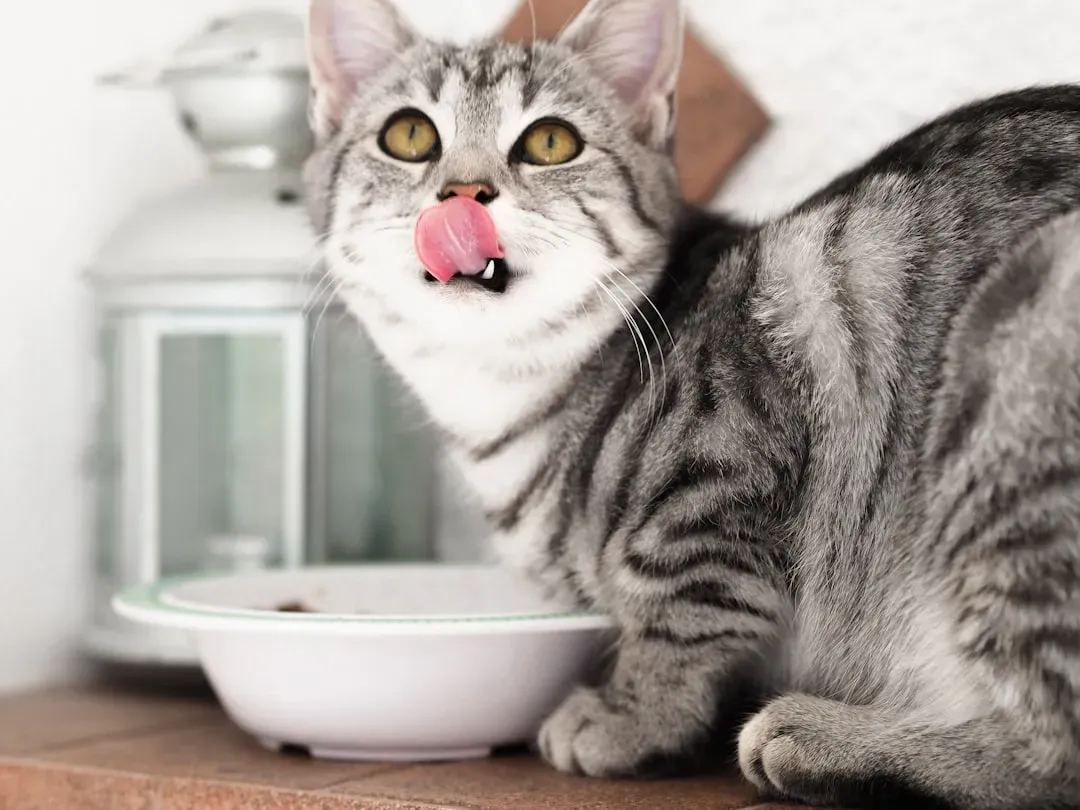
Your cat has approximately 470 taste buds compared to your 9,000, which might make you think they experience less flavor than you do. Here’s the thing though: this isn’t a deficit. Cats are obligate carnivores, biologically wired to prioritize protein-rich diets, and their taste buds have evolved precisely for this purpose.
Cats taste their food using taste buds on the edges of their tongues, but don’t let the lower number fool you. What they lack in quantity, they make up for in specialization. Their taste buds are primarily tuned to detect amino acids and certain acids found in meat, making them exquisitely sensitive to the exact compounds that matter most for their carnivorous lifestyle.
The Sweet Mystery That Isn’t a Mystery at All
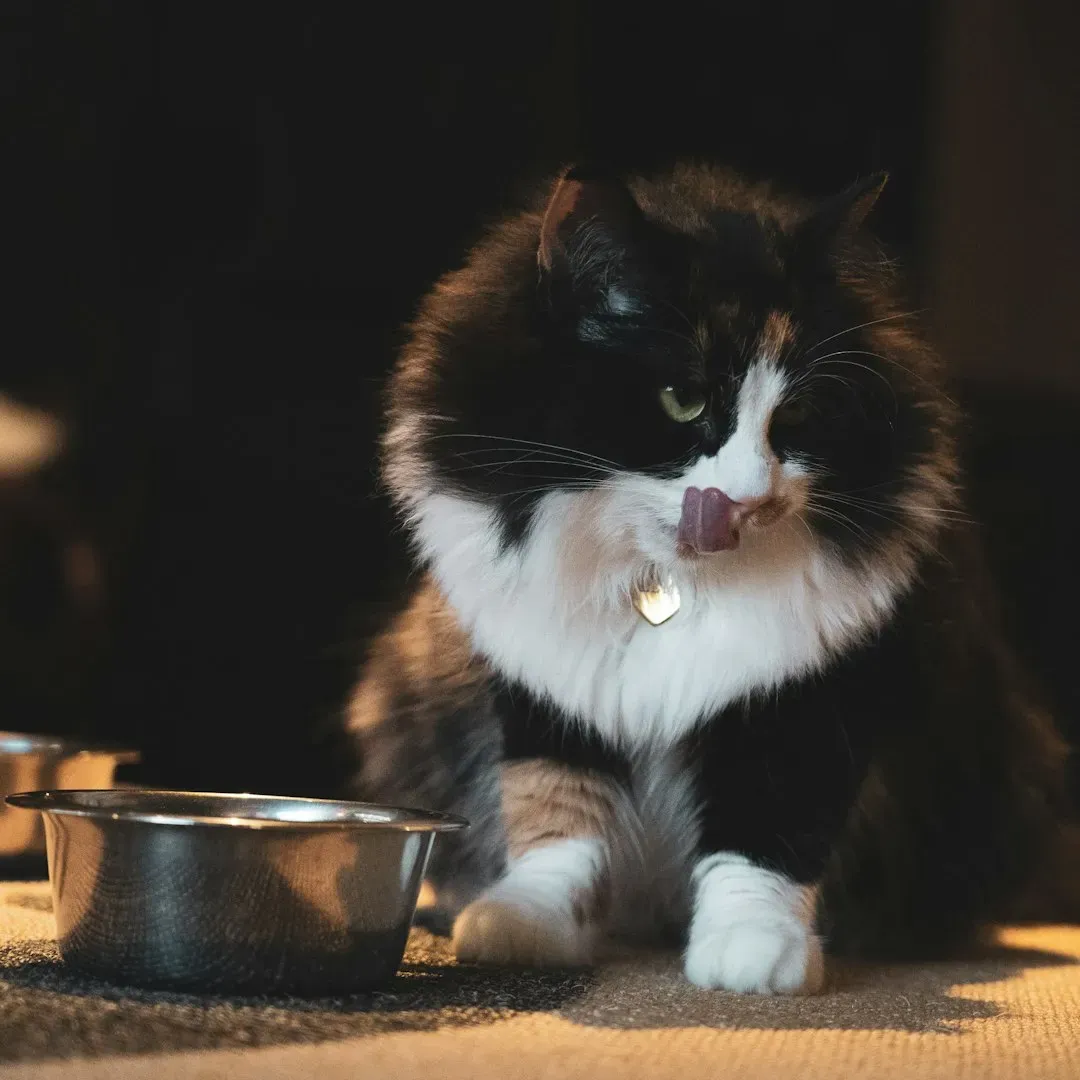
Unlike humans, cats lack the specific taste receptors for sweetness, and research suggests they do not have a natural affinity for sweet flavors. Cats lack the TAS1R2 gene, which codes for the sweetness receptor in humans and other animals. This genetic quirk explains why your cat shows zero interest in your dessert.
So why do some cats seem drawn to ice cream or sweet treats? When cats go after sweets, it is thought that they are actually drawn to the fat in the food. This makes perfect evolutionary sense. Cats lack the taste buds necessary to detect sweetness, making them indifferent to sugary treats, due to their genetic makeup.
Umami: The Flavor Cats Actually Crave
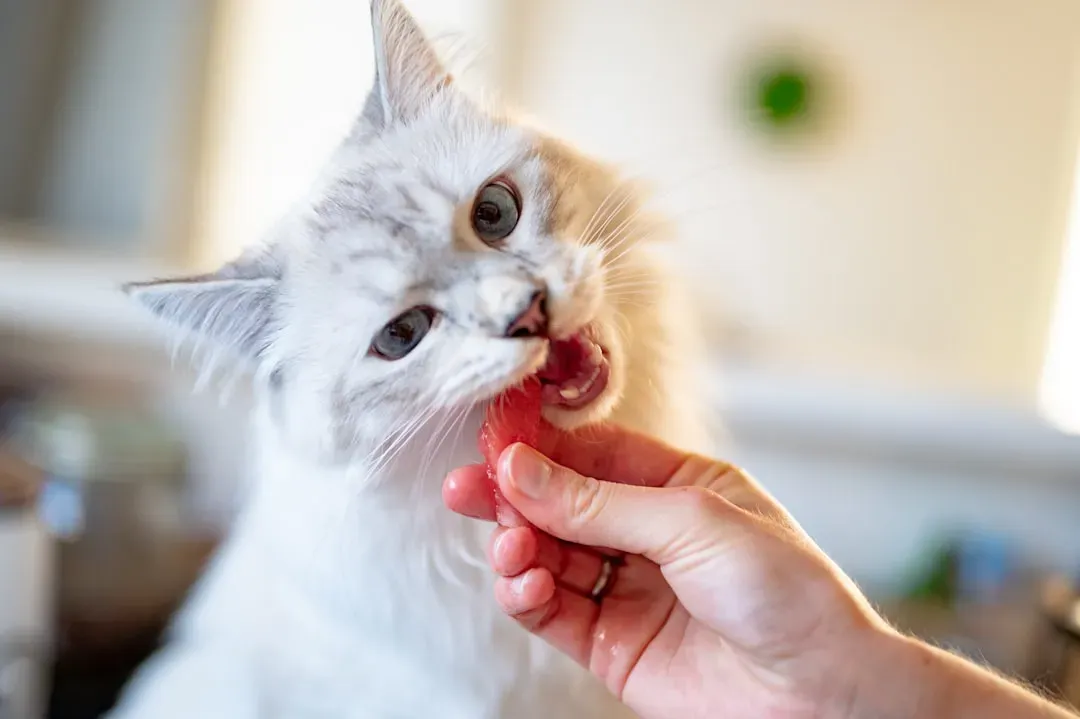
Cats possess taste receptors for umami, the savory taste associated with amino acids like glutamate. This is their true culinary passion. As an obligate carnivore, the umami receptor is the main appetitive taste modality for the domestic cat, enabling them to detect key flavor compounds in meat.
Tuna is renowned for being highly palatable due to the specific combination of high IMP and free l-Histidine contents, which produces a strong umami taste synergy that is highly preferred by cats. It’s not just marketing hype. Science confirms what cat parents have observed for generations: certain protein-rich foods trigger an almost irresistible response in felines.
Bitter Detection as a Survival Superpower
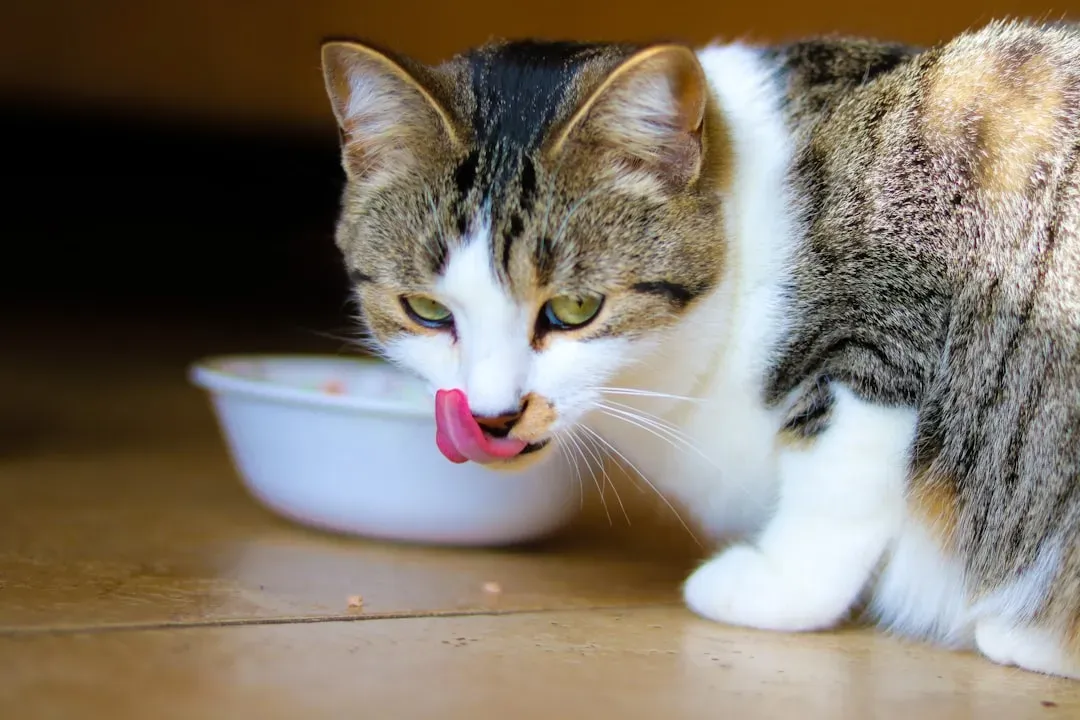
Cats possess taste receptors for bitterness, serving as a protective mechanism against potentially harmful substances, with receptors known as TAS2Rs helping them avoid ingesting toxic or spoiled foods. This heightened sensitivity isn’t pickiness; it’s survival instinct hardwired into their biology.
Even though cats have around the same number of bitter taste receptors as humans, seven of them are highly developed, allowing them to stay away from toxins considering many carry a bitter taste. This explains why hiding medication in your cat’s food rarely works. They can detect that bitterness instantly, no matter how cleverly you try to disguise it.
Smell: The Real Star of the Show
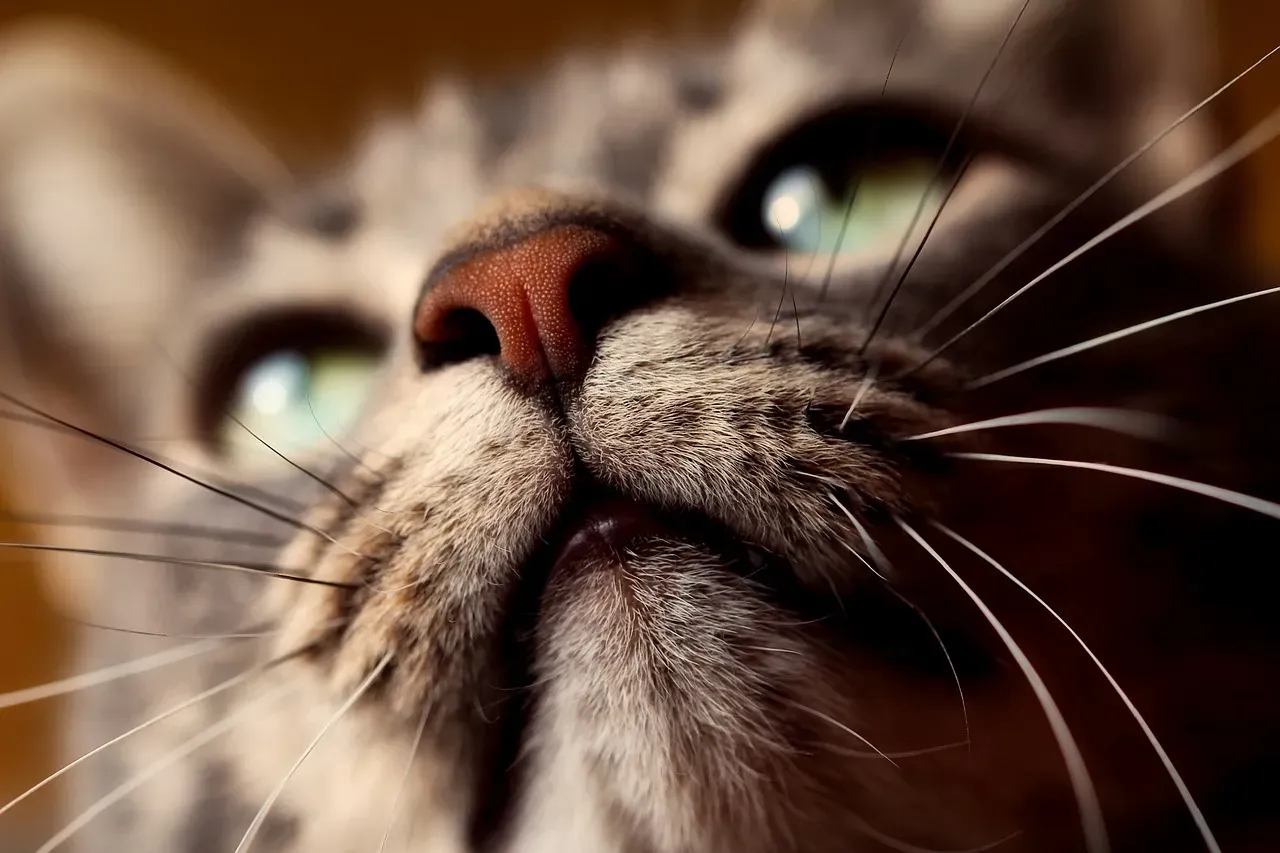
Here’s where things get really interesting. Cats have approximately 200 million scent receptors in their noses, compared to our mere 5 million, allowing them to detect subtle differences in odors. Cats compensate for their relatively low ability to taste foods because of having low numbers of taste buds by using their much more developed olfactory system.
They make up for their taste deficiency with a superior sense of smell, and their most powerful response to food is through smell, not taste. This explains why cats with respiratory infections often stop eating. Cats with nasal congestion may have a lower desire to eat because they may not smell their food as well, since aroma is critical for stimulating their appetite.
Temperature Matters More Than You Think
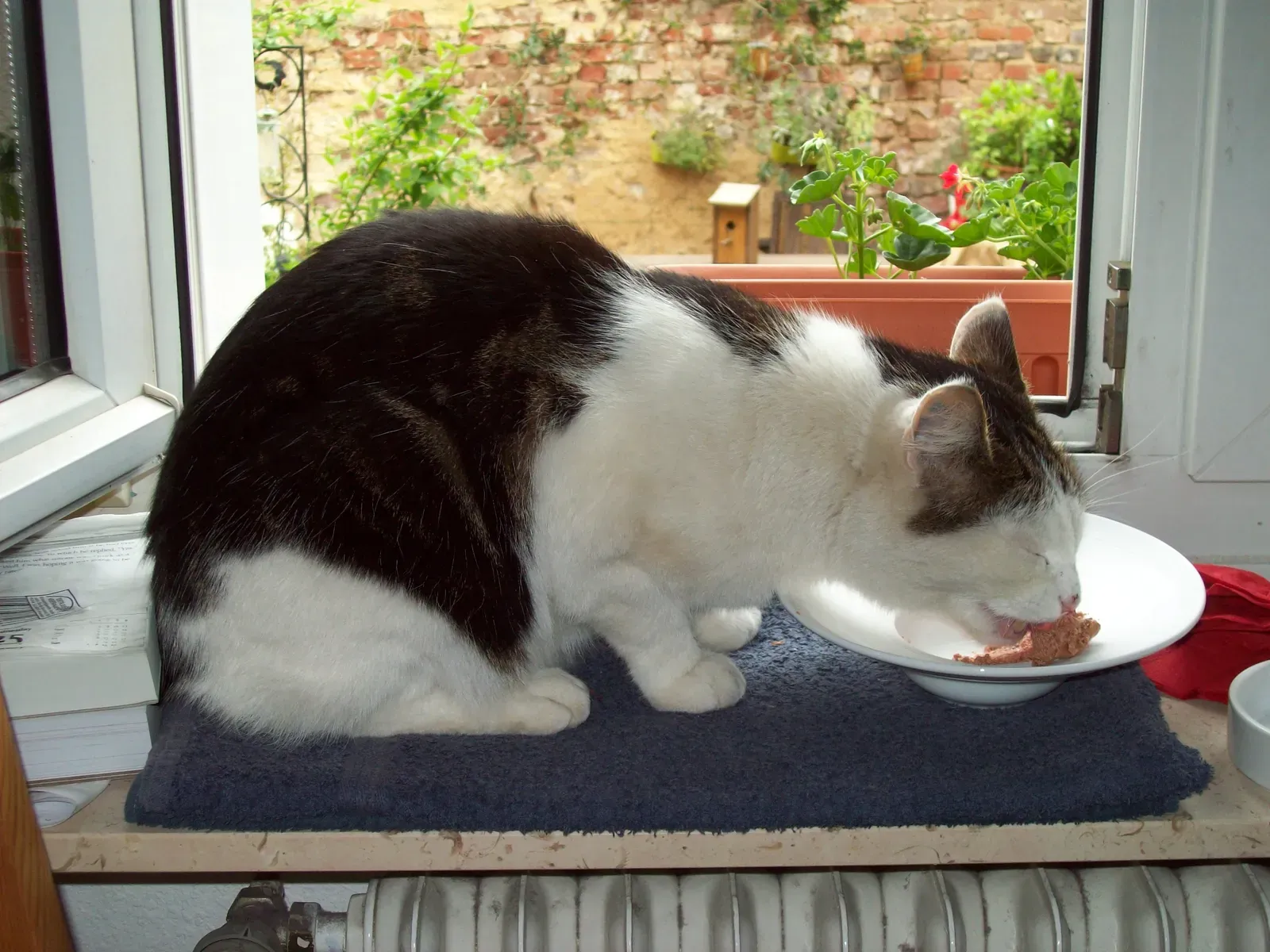
Along with odor and taste, the temperature of food is important to a cat, and they tend to prefer warmer food, around 100 degrees Fahrenheit, which simulates the temperature of freshly-killed prey. Most cats prefer their food at what we call ‘mouse temperature,’ between 100-102F, which makes sense when you think about the fact that cats are obligate carnivores.
Cold food straight from the refrigerator often gets rejected. As a group, cats preferred the room temperature food to the cold food, but preferred the warmed food most of all. Warming food releases more volatile aromatic compounds, making it smell more appealing and therefore taste better to your discerning feline.
Texture: The Underestimated Factor
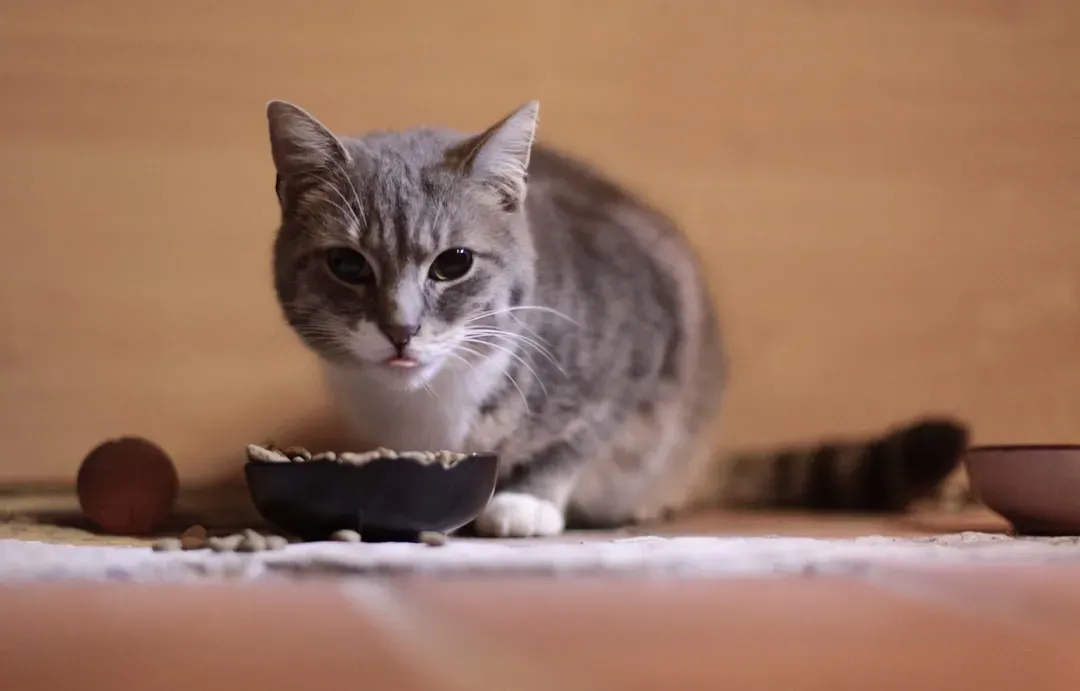
A cat’s senses are especially sensitive to food consistency and texture, from having a jaw designed for shearing meat to having highly sensitive whiskers and lips that notice subtle differences in food shape, size, and feel. Some cats absolutely adore pate, while others turn their noses up at anything that isn’t shredded or in chunks.
What a cat finds “tasty” is influenced by factors other than taste, because cats have fewer taste buds than humans or dogs, so factors like temperature, smell or mouthfeel become much more proportionally relevant. Your cat isn’t being difficult when they reject a certain texture. They’re responding to deeply ingrained sensory preferences that are just as valid as your preference for crunchy versus smooth peanut butter.
Early Life Experiences Shape Future Preferences
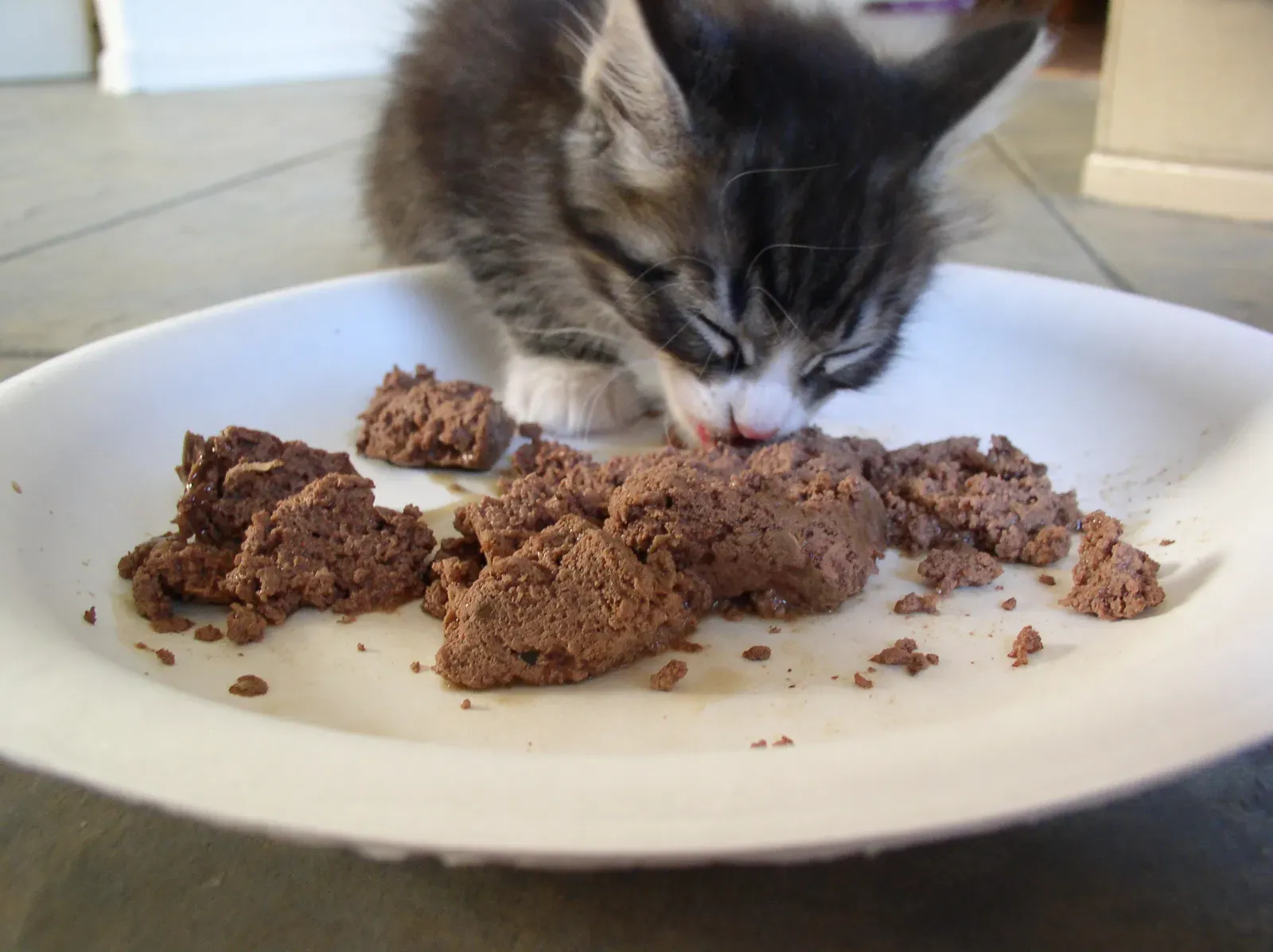
Kittens learn what to eat by observing their mother, and limited exposure to varied foods during early stages can lead to increased pickiness in adulthood, with research showing that kittens exposed to different textures, flavors, and food types between 4-12 weeks of age are more likely to accept varied diets as adults during this “food imprinting” period.
Cats are heavily influenced by the foods they eat as kittens, when they’re learning whether different foods are good or bad for them, often taught by their moms or learned from exposure to different things, so they build up food preferences or aversions. This means the foundation for your adult cat’s preferences was likely laid long before they came to live with you.
The Protein-to-Fat Ratio Preference
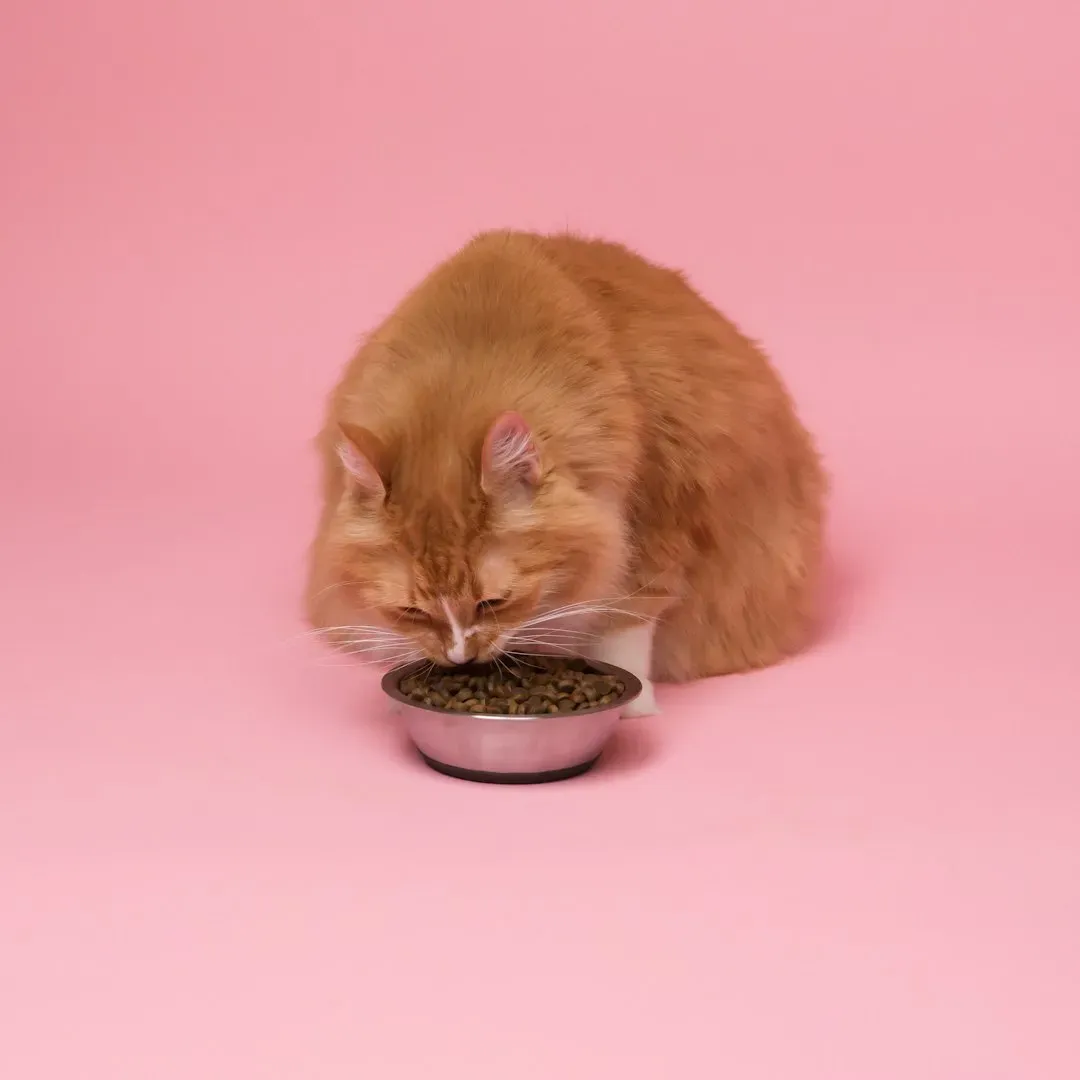
Cats are driven to eat foods with a preferred ratio of protein to fat of 1 to 0.4, translating to about 50:50 in terms of percentage of energy from protein and fat. This isn’t random pickiness. Your cat’s body is literally programmed to seek out this specific nutritional balance.
While cats initially seemed to select food based on flavour, they began to seek out food that had an ideal protein-to-fat ratio regardless of the flavour, proving that the actual taste might mean less to cats than the actual cat food’s nutritional composition. They’re not just tasting dinner; they’re evaluating whether it meets their biological requirements.
Why Your Cat Suddenly Rejects Their Favorite Food
Sometimes it’s not about taste at all. If your cat has suddenly become a picky eater, most of the time there’s a medical reason, including kidney disease, gastrointestinal issues, dental disease, limb pain, respiratory infections, and heart disease. What looks like newfound fussiness could actually be your cat telling you something’s wrong.
Additional influences on cats’ dietary choices include neophobia and monotony, meaning that a cat may naturally reject a new food offering or might only eat small amounts of it at first. If your previously adventurous eater suddenly becomes cautious, they’re exhibiting normal feline behavior that’s designed to protect them from potential toxins.
Practical Tips for Feeding Your Feline Gourmet
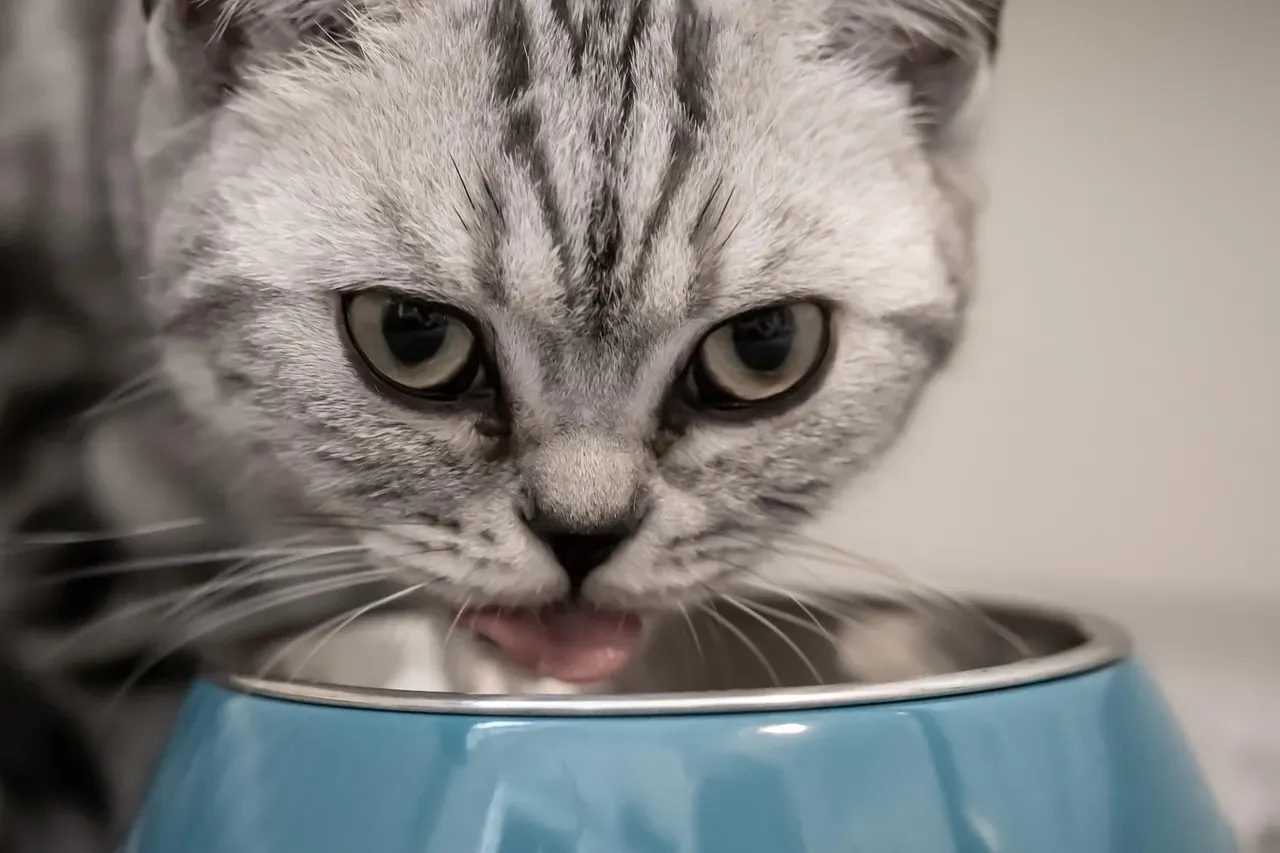
Understanding your cat’s palate isn’t just fascinating; it’s practical. Try warming refrigerated food slightly before serving, as this releases those enticing aromas. Food is enhanced when slightly warmed, so cats tend to prefer food that is around body temperature (around 38°C), and the texture of food is also important, with cats generally preferring the texture of meat.
Experiment with different textures and protein sources, but introduce changes gradually. Cats can be very particular about the shape and size of dry food kibbles and also prefer a food with an acidic taste. Pay attention to your individual cat’s responses, because preferences can vary significantly from one feline to another.
Conclusion: Respecting Your Cat’s Sophisticated Palate
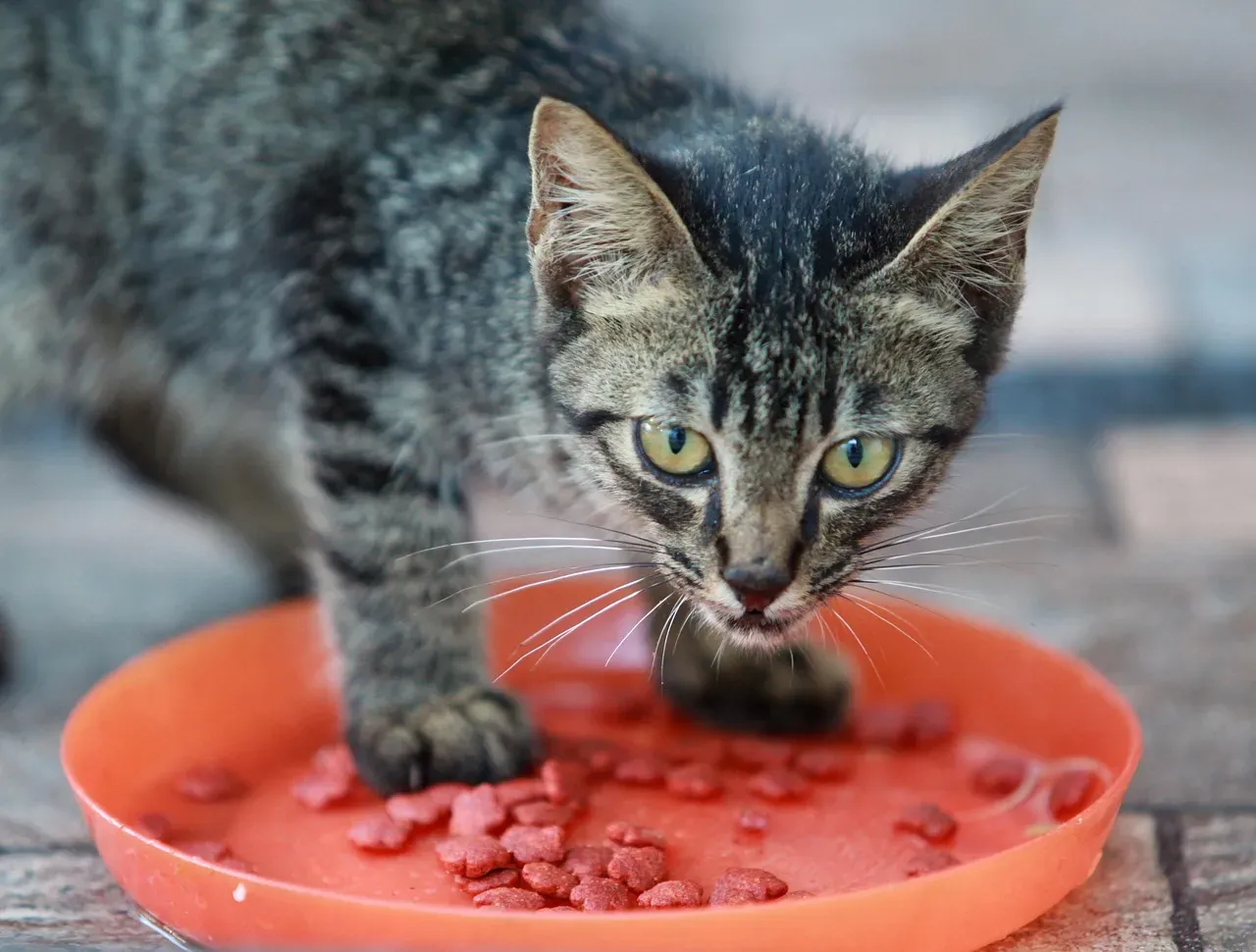
Your cat isn’t being difficult when they reject certain foods. They’re responding to a complex interplay of taste buds, scent receptors, temperature preferences, and deeply ingrained instincts that have evolved over thousands of years. Understanding these preferences helps you provide meals your cat will genuinely enjoy while ensuring they receive proper nutrition.
The next time your cat turns away from their food bowl, remember that you’re dealing with a creature whose sensory experience of food is fundamentally different from yours. They’re not judging you; they’re simply being true to their nature as sophisticated, specialized carnivores with refined preferences that deserve respect.
What surprising food preferences have you noticed in your cat? Share your experiences in the comments below!