You might think your cat is simply lounging around all day, self-absorbed and aloof. That’s the stereotype, right? Cats couldn’t care less about anyone but themselves. However, that couldn’t be further from the truth. Your feline companion may actually be keeping a watchful eye on you in ways you’ve never noticed. The truth is, cats can be surprisingly protective creatures, though they express it quite differently than dogs do.
While you probably never expected your soft purring kitty to act like a bodyguard, evidence suggests otherwise. Research has shown that cats form deep emotional attachments to their owners, similar to the bonds between human parents and infants, which forms the foundation of their protective instincts. Let’s explore the fascinating hidden world of feline guardianship and discover whether your cat might secretly be watching over you.
The Science Behind Feline Attachment and Protection
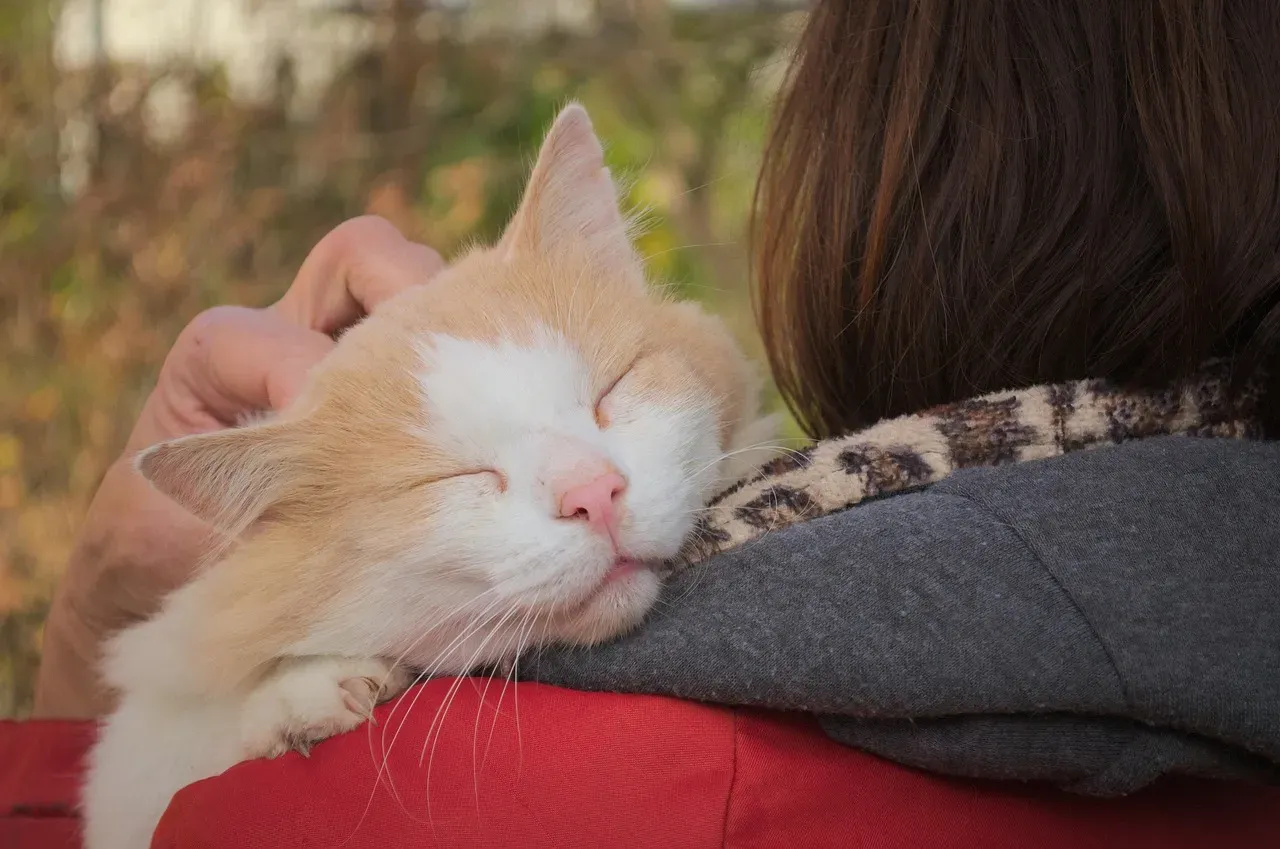
Here’s the thing: researchers showed for the first time that “cat-human relationships are nearly identical to human-only bonds” in a groundbreaking study from 2011. That’s huge. It completely flips the script on everything people thought about cats being emotionally distant.
Your cat’s protective behavior isn’t just random. Cats’ protective instincts stem from both their territorial nature and the strong emotional bonds they form with their owners, and research shows that cats can detect changes in their environment and their owner’s emotional state. Think about it like this: when you become part of a cat’s world, you essentially become part of their territory. Cats are somewhat territorial by nature and consider their guardian their property, so if a cat is protecting you, he is guarding his authority.
Subtle Signs Your Cat Is Standing Guard
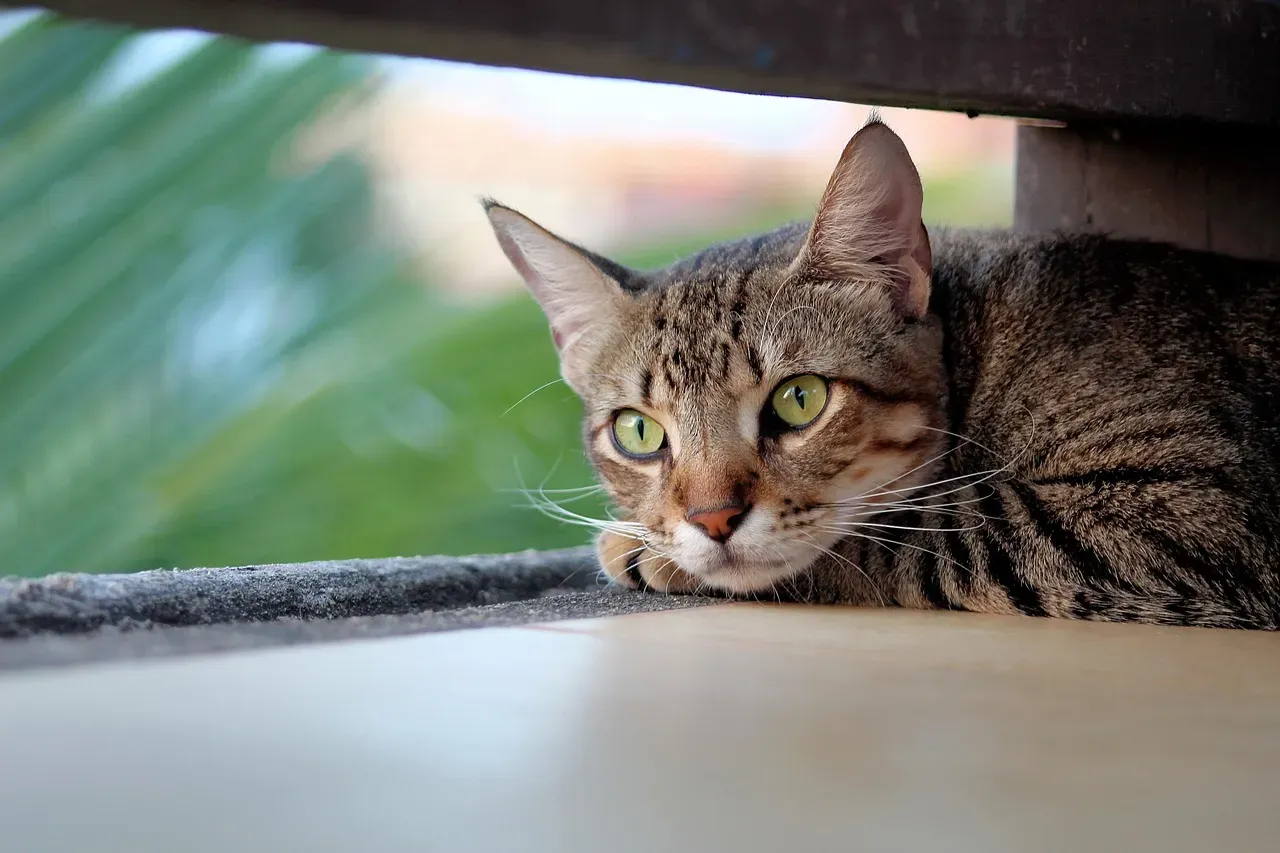
Unlike dogs, who display overt protective behaviors, cats tend to be more subtle in their approach to guarding their human family members. You might not even realize what’s happening right under your nose.
Signs of guarding behavior include following you around, positioning themselves in elevated spots to observe their surroundings, reacting to unusual sounds or movements, and displaying alert body language when strangers approach. Ever noticed your cat perching on the back of the couch when someone new visits? That’s not coincidence. A cat’s senses are more finely tuned than ours, allowing them to hear, smell, or see things we can’t. They’re essentially acting as your early warning system.
The “shadowing” behavior is particularly telling. This behavior, known as shadowing, is a clear protective instinct where your cat is monitoring your safety and positioning themselves to intercept any potential threats.
The Body Language of Protection
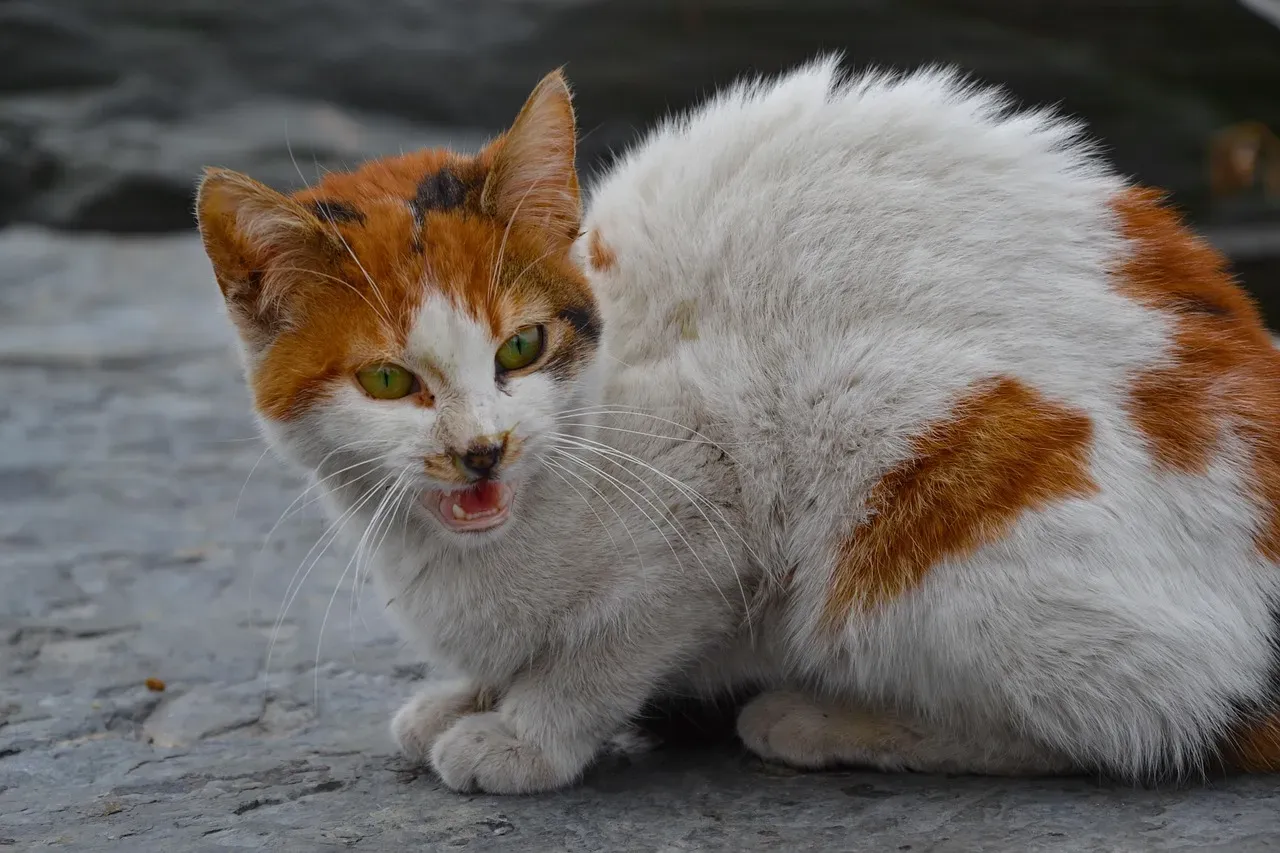
When cats shift into guardian mode, their entire demeanor changes. When cats feel threatened and ready to defend themselves or you, they puff out their fur and appear much bigger, with fur being particularly puffy along the spine and on the tail, which is called piloerection. It’s honestly fascinating how their nervous system kicks into high gear.
Initially, their ears will be turned out and alert and potentially swiveling, enabling the cat to stay alert and listen for approaching danger, but when a cat is in full attack or protection mode, their ears will usually flatten fully against their head. Pay attention next time someone unfamiliar approaches your home. You might catch these subtle shifts happening in real time. Their whiskers also tell a story. An aggressive cat will immediately pull their whiskers back and flat against their faces as a means of protection.
Vocalizations That Signal Danger
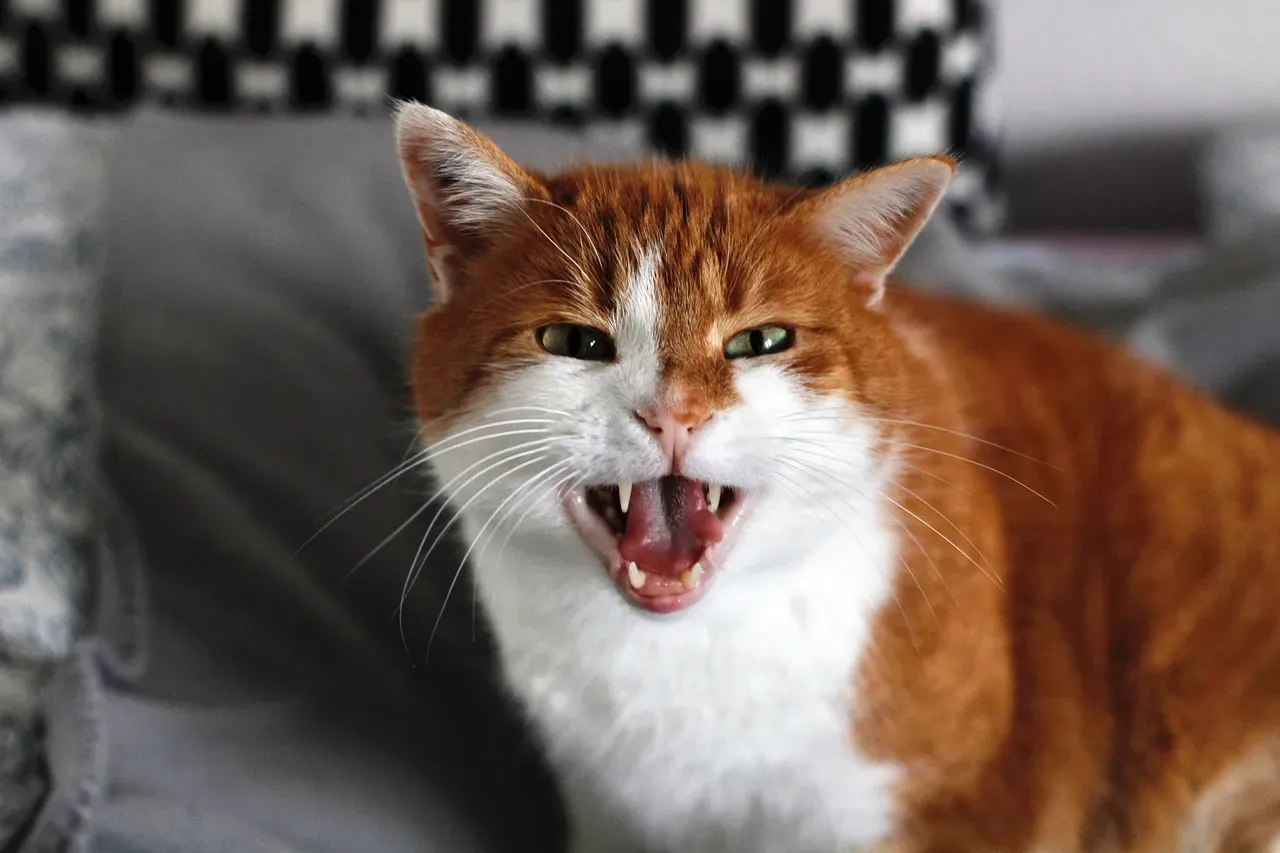
Let’s be real: if your cat starts hissing or growling, something’s up. Once your cat starts hissing, spitting, and growling, they are sending out a warning, saying that they are angry, annoyed, or afraid and are telling the threat to stay back. These aren’t just random sounds.
Growling and hissing are two familiar sounds that show your cat is agitated, and some cats also produce other noises, like an ear-splitting yowl or deep, slow meow, as the cat probably hopes to avoid a fight by scaring away whatever they feel is threatening. It’s hard to say for sure, but I think cats actually prefer to avoid confrontation. Generally, cats want to avoid confrontation, so their body language, combined with growling and hissing, are warnings that the intruder shouldn’t mess with them.
Heroic Acts: When Cats Take Action
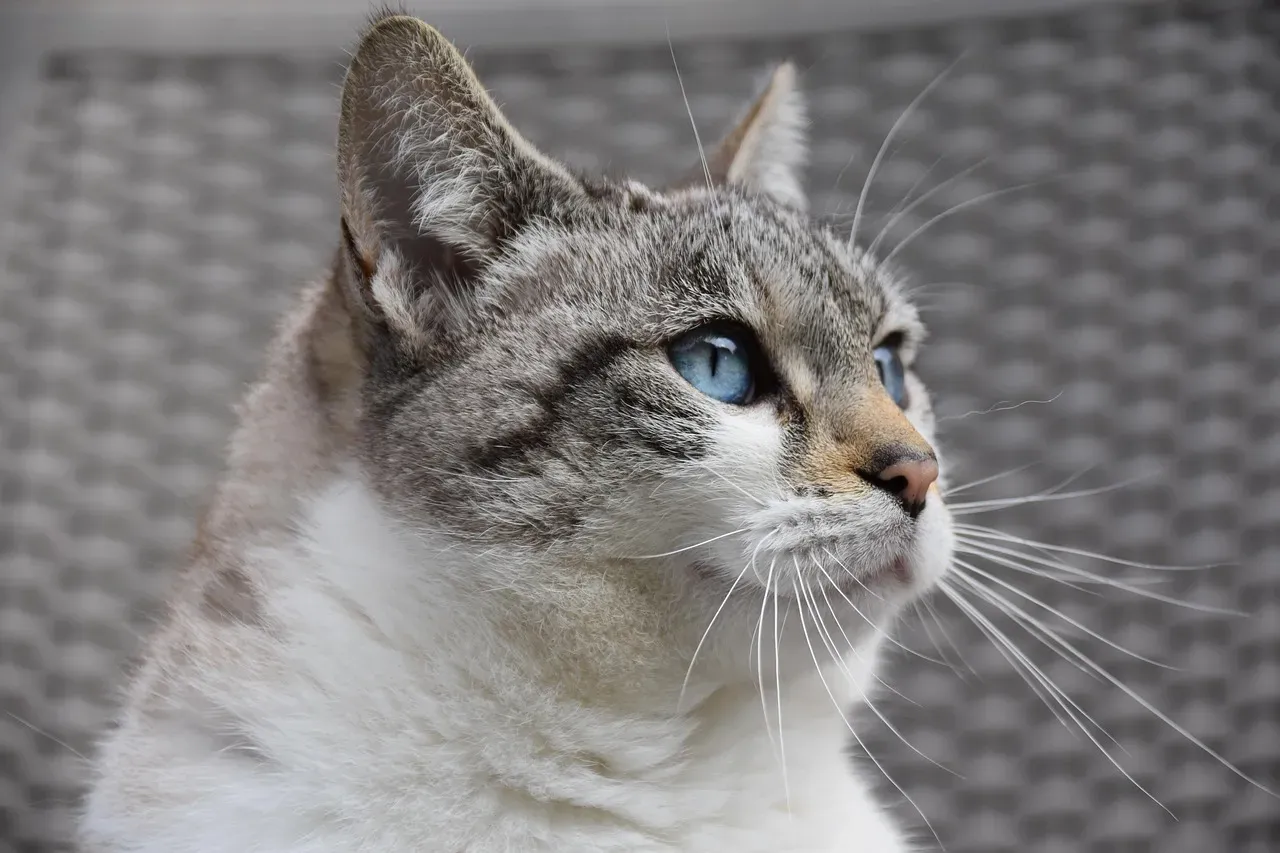
Sometimes cats don’t just watch – they intervene. There are documented cases of cats defending their owners in dangerous situations, including protecting children from aggressive dogs and alerting families to fires or gas leaks, and while not all cats may act heroically, many have demonstrated remarkable protective instincts when needed.
Take the famous story of Tara, for example. Tara was daring enough to go against her instinct to guard her human brother when a dog was about to bite a little child. Then there’s the case of cats detecting medical emergencies. Petful highlights a cat who protected a child from a dog attack as well as numerous cats who alerted their humans to medical emergencies, including cancer and carbon monoxide poisoning.
These stories might sound extraordinary, but they reveal something profound about the protective capacity cats possess when the situation demands it.
Nighttime Vigilance and Sleep Protection
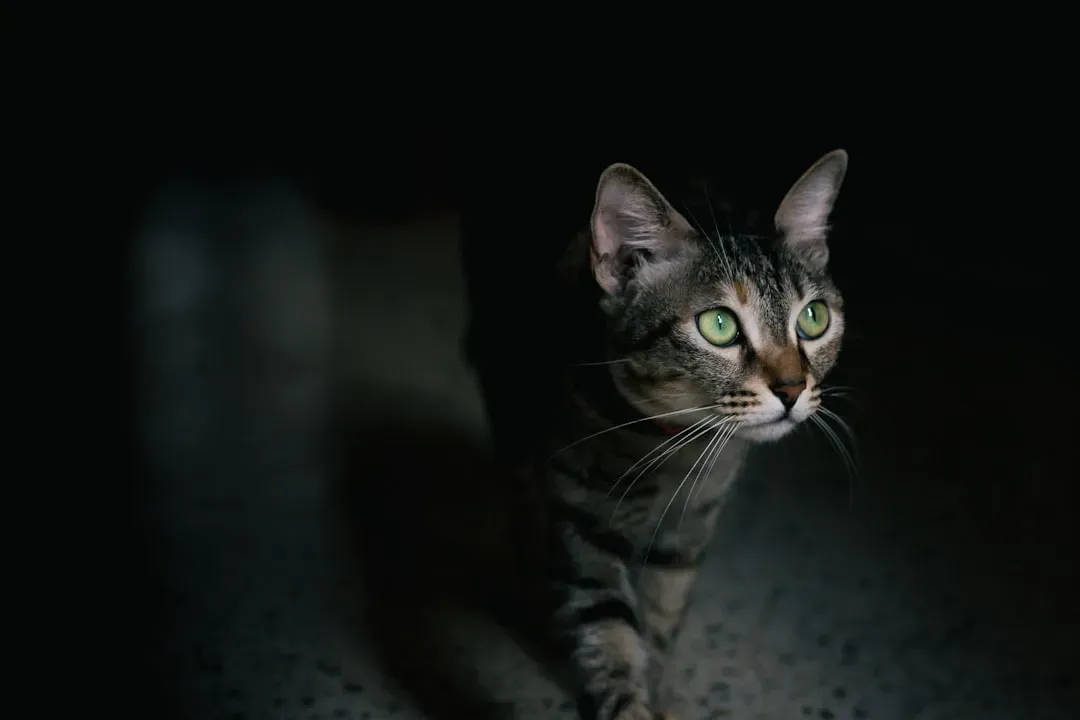
Ever wonder why your cat insists on sleeping near you? It might not just be about warmth and comfort. Many cats choose sleeping positions that allow them to monitor their surroundings while staying close to their owners, and their superior night vision and acute hearing enable them to detect disturbances long before humans notice them.
Your cat is basically pulling the night shift while you’re completely vulnerable. Their acute senses allow them to detect environmental changes that humans might miss, making them excellent early warning systems for potential dangers. Think about that next time your cat wakes you up at three in the morning for seemingly no reason. Maybe they heard something you couldn’t.
Territorial Protection Extends to You
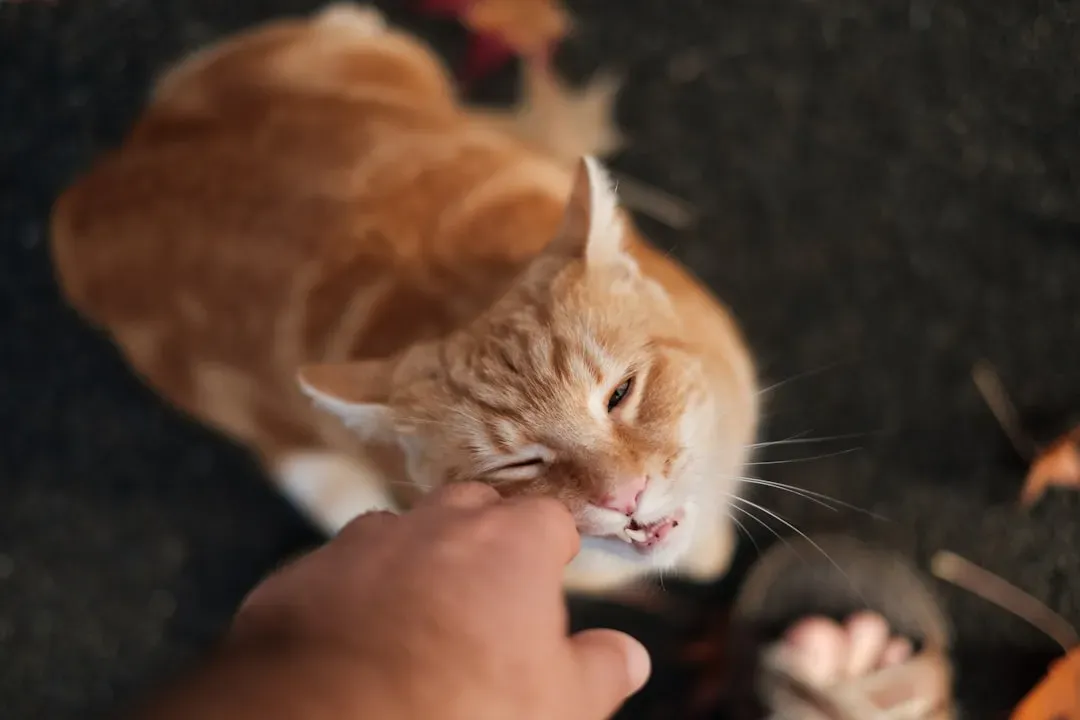
Cats are territorial and spend most of their time guarding their territory, which includes your house and usually you, and there have even been cases of cats attacking intruders or animals threatening their family members. Pretty wild, right?
It’s instinctual for a cat to defend their territory and yours. The boundaries they establish aren’t just about physical space. When you become integrated into their social circle, you’re essentially under their protection umbrella. Your cat sees you as part of its territory and may guard you as it would its domain. Some cat breeds are naturally more territorial than others. Some cat breeds, such as the Siamese or Maine Coon, are known for their loyalty and attachment to their owners, making them more likely to show protective behaviors.
Understanding When Protection Becomes Problematic
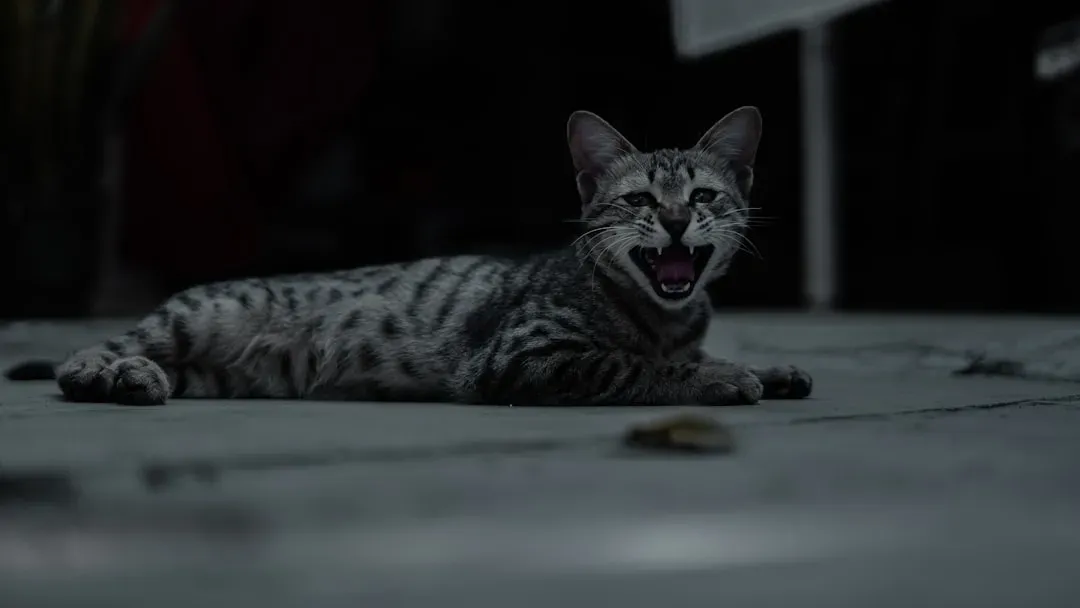
Now, there’s a fine line between protective behavior and aggression. Because of their territorial nature, cats can become aggressive or protective in situations they perceive as threatening, even if you don’t. Sometimes your cat might misread a situation.
A protective cat is a fearful cat, and fear can turn into aggression, so work on ways to calm your aggressive cat and teach them their behavior is unacceptable. If your cat becomes overly aggressive toward guests or family members, you need to address it. It’s important to distinguish between protective instincts and potential behavioral issues, as protective behavior is typically situational and targeted toward a specific perceived threat, while aggression can be generalized, persistent, or misdirected. This is where consulting with a veterinarian or animal behaviorist becomes essential.
Conclusion: Your Cat’s Hidden Devotion
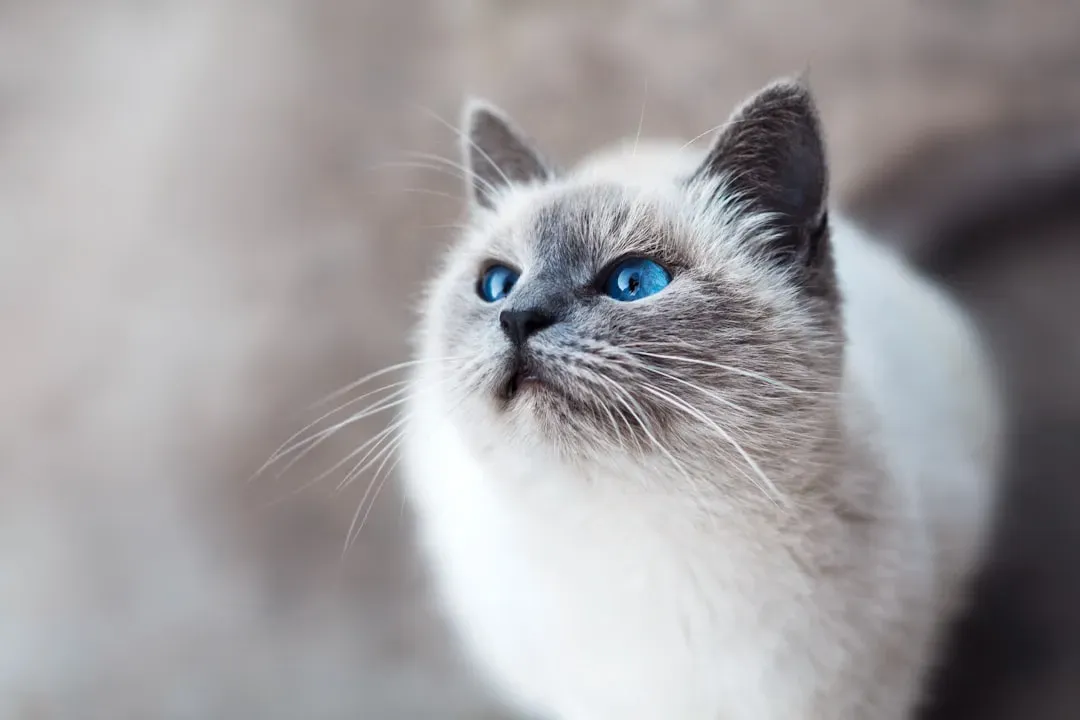
While cats may not demonstrate protection in the same way as dogs, their unique form of guardianship combines instinct, intelligence, and emotional attachment, and understanding and appreciating these subtle yet meaningful behaviors can help strengthen the bond between cats and their owners.
Your cat might not bark at strangers or chase away intruders with obvious bravado, but they’re watching. They’re listening. They’re protecting you in their own mysterious, feline way. The next time your cat follows you from room to room or positions themselves between you and a stranger, recognize it for what it is: devotion disguised as aloofness.
So, is your cat a secret guardian? The evidence suggests yes, absolutely. What subtle protective behaviors have you noticed in your own feline friend? Tell us in the comments.