Have you ever wondered why you feel so completely relaxed when your cat curls up on your lap and starts purring? There’s something almost magical about that gentle vibration, that soft rumbling sound that seems to melt away the stress of your day. Maybe you’ve even noticed that your cat seeks you out when you’re feeling down, settling beside you with that knowing look.
What if your feline companion is doing more than just keeping you company? What if those purrs, that constant presence, that furry little body pressed against yours is actually providing genuine therapeutic benefits? Let’s be real, most of us already suspect our cats have secret powers. Turns out, science is catching up to what cat lovers have known all along.
The Frequency of Healing: What Makes a Purr So Special
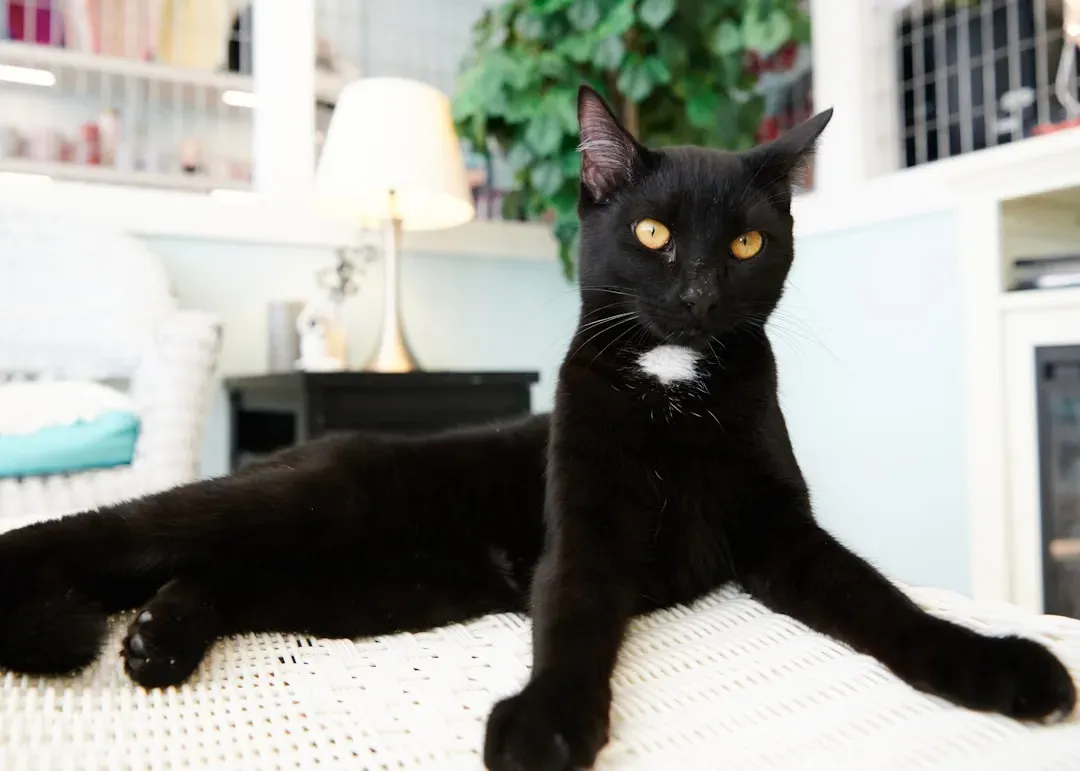
Your cat’s purr operates at a frequency typically between 25 and 150 hertz, a range that research suggests could have therapeutic effects on both body and mind. Think about that for a moment. These low-frequency vibrations are actually used in sound therapy and vibrational healing to reduce inflammation, improve circulation, and even promote the regeneration of bone cells.
It’s hard to say for sure, but this might explain why cats seem to heal faster than other animals. Broken felid bones take significantly less time to heal than broken dog bones, and low frequency vibrations in the range of cat purrs are used to heal complex fractures in humans. Your cat might literally be vibrating at a frequency designed for healing.
Here’s the thing: this isn’t just some new age theory. The frequency of the cat’s purr works similarly to vibrational therapies used by healthcare providers, professional athletes, and personal trainers. So when your cat settles on your chest after a long day, you’re essentially getting free therapy.
Your Brain on Purr: The Chemical Reaction You Can’t Ignore

Petting a cat or listening to their purring triggers the release of oxytocin, a hormone that promotes happiness and reduces stress. Oxytocin is sometimes called the love hormone, and it’s the same chemical that floods your system when you hug someone you care about. Your cat is basically giving you a chemical hug every time they purr.
Studies show that the cat’s purr releases endorphins not only within themselves but also in humans, which can decrease stress levels and even lower blood pressure. Meanwhile, you’re also experiencing a drop in cortisol, that nasty stress hormone that keeps you up at night and makes your heart race. This calming effect can help alleviate pain, easing chronic discomfort.
I know it sounds almost too good to be true. Yet researchers keep finding more evidence that what you feel when your cat purrs isn’t just in your head. College students who spent as little as 10 minutes per day petting a cat experienced decreased levels of cortisol. Ten minutes. That’s less time than you probably spend scrolling through social media.
The Meditation You Didn’t Know You Needed
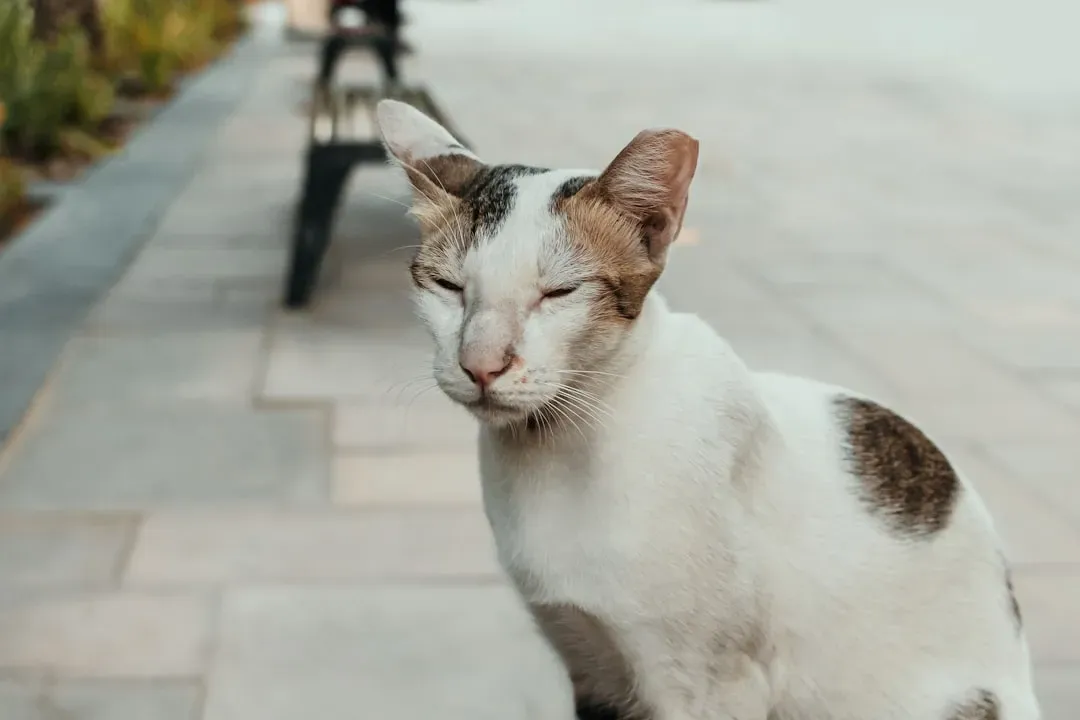
The repetitive sound of a cat’s purring has a calming, meditative quality that can reduce anxiety and promote mindfulness. Have you ever noticed how your breathing slows when you’re listening to your cat purr? That’s not a coincidence. The soothing sound and vibration of a purr have been compared to the calming effects of meditation.
The soothing vibrations can help regulate the autonomic nervous system, which controls involuntary bodily functions like heart rate and breathing, promoting a sense of calm and balance. You’re essentially getting the benefits of meditation without having to sit cross-legged and try to clear your mind, which honestly, most of us struggle with anyway.
The beauty of it is that it happens naturally. You don’t have to do anything special except be present with your cat. Simply spending time with them often triggers the body’s relaxation response, helping people feel more grounded and at ease.
When Your Cat Becomes Your Emotional Support System
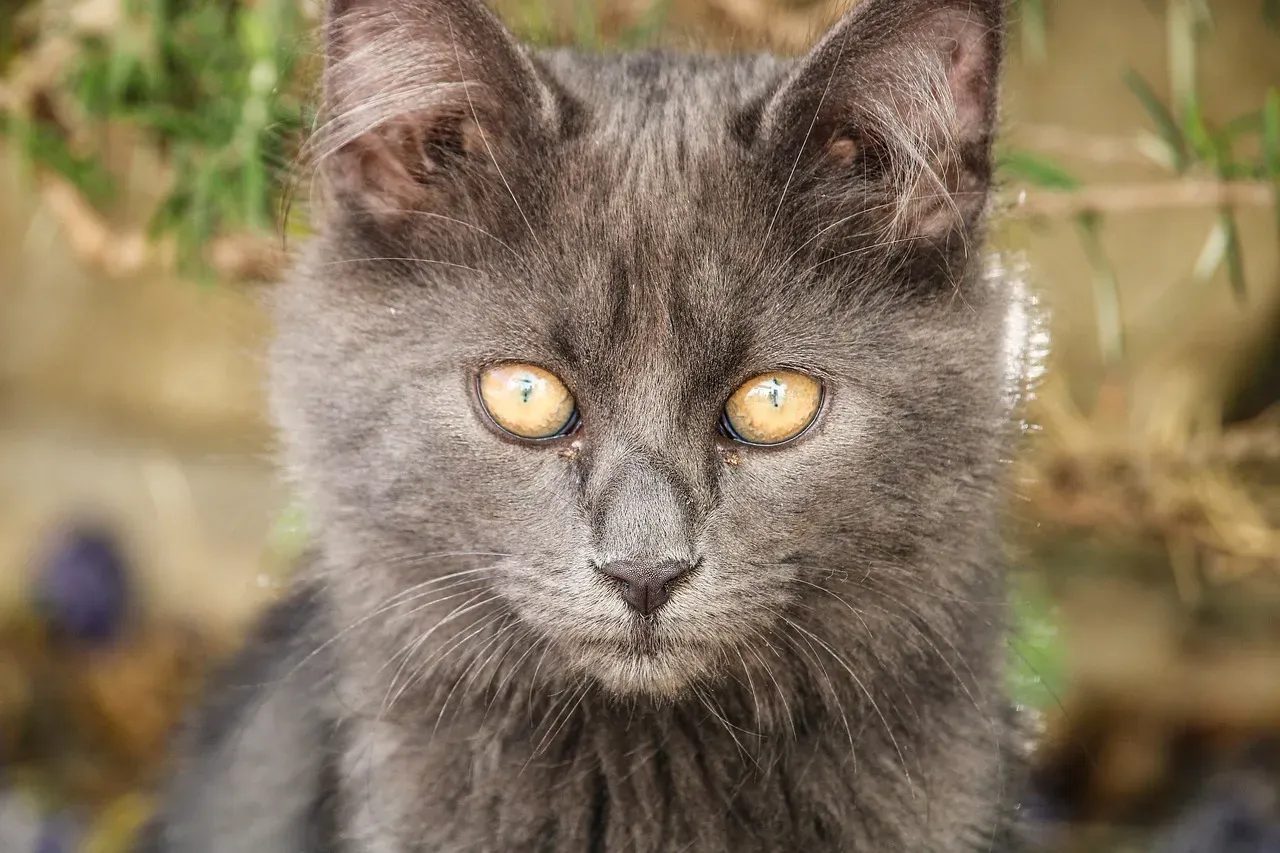
Emotional support animals, like cats, offer vital relief to those experiencing anxiety, depression or other mental health conditions. This isn’t just about feeling good. For many people, cats provide genuine therapeutic support that helps them manage serious mental health challenges.
A purring cat provides companionship that can help combat feelings of loneliness and depression, and studies have shown that petting a cat while listening to its purr can boost oxytocin levels. The cat purring effect on humans goes beyond stress reduction – it fosters a sense of connection, emotional stability, and even improved sleep quality.
Let me be honest here: many people find their cats more reliable than some humans when it comes to emotional support. The predictability of a cat’s purring response reinforces feelings of security and emotional connection, making daily life feel less overwhelming. Your cat shows up. Your cat purrs. Your cat doesn’t judge. That consistency matters more than you might realize.
The Physical Benefits Hiding in Plain Sight
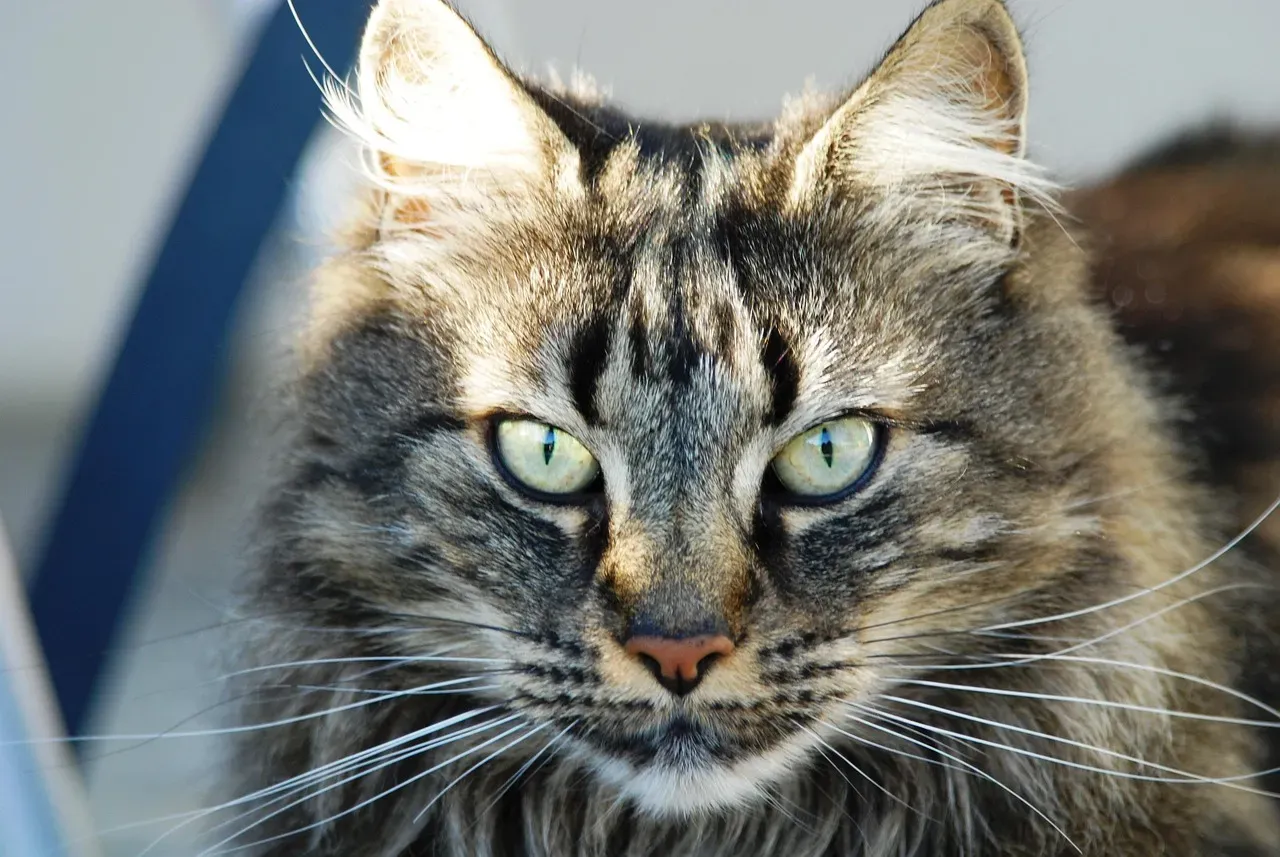
Studies have shown that people are less likely to die of a heart attack if they own a cat. That’s not a small thing. Cat owners are less likely to suffer from heart disease compared to those without cats, and the soothing effects of purring help reduce blood pressure.
The vibrations from purring can help reduce inflammation, improve circulation and stimulate the healing of damaged tissues, and they’ve also been shown to promote the regeneration of bone cells. This means that time you spend cuddling with your cat might actually be helping your body heal from injuries or chronic conditions.
People recovering from injuries or dealing with chronic pain conditions may benefit from spending time with a purring cat, and the vibrations have been linked to the release of nitric oxide, which plays a role in reducing pain. Think of your cat as a furry heating pad that actually does something beyond just providing warmth.
Sleep Better With a Purring Companion
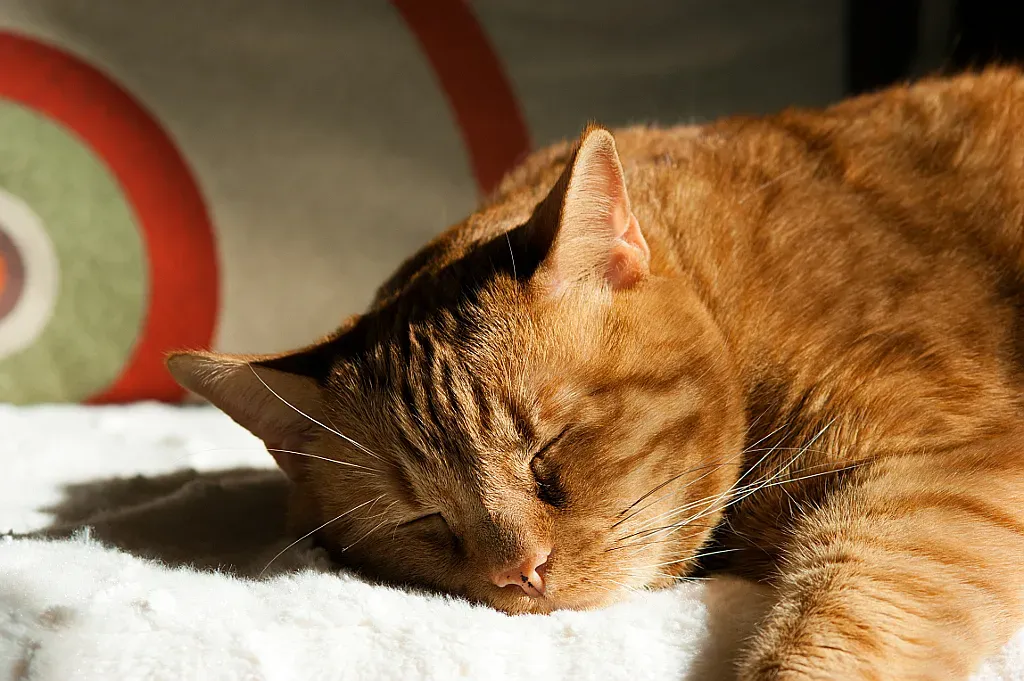
Many cat owners find that sleeping near a purring cat improves their sleep quality, as the soft, rhythmic sound acts as a form of white noise, blocking out disruptive sounds and helping the brain enter a state of relaxation. If you’ve ever struggled with insomnia, this might be the solution you didn’t know you needed.
Honestly, there’s something incredibly soothing about falling asleep to that gentle rumble. It’s like having your own personal sound machine, except this one is warm and occasionally kneads your blanket. People who suffer from insomnia or frequent nighttime awakenings may experience better sleep when accompanied by a purring feline companion.
Sure, sometimes your cat will wake you up at four in the morning demanding breakfast. Yet for many people, the sleep quality benefits far outweigh those occasional early wake-up calls. The trade-off might actually be worth it.
Your Cat Knows When You’re Struggling
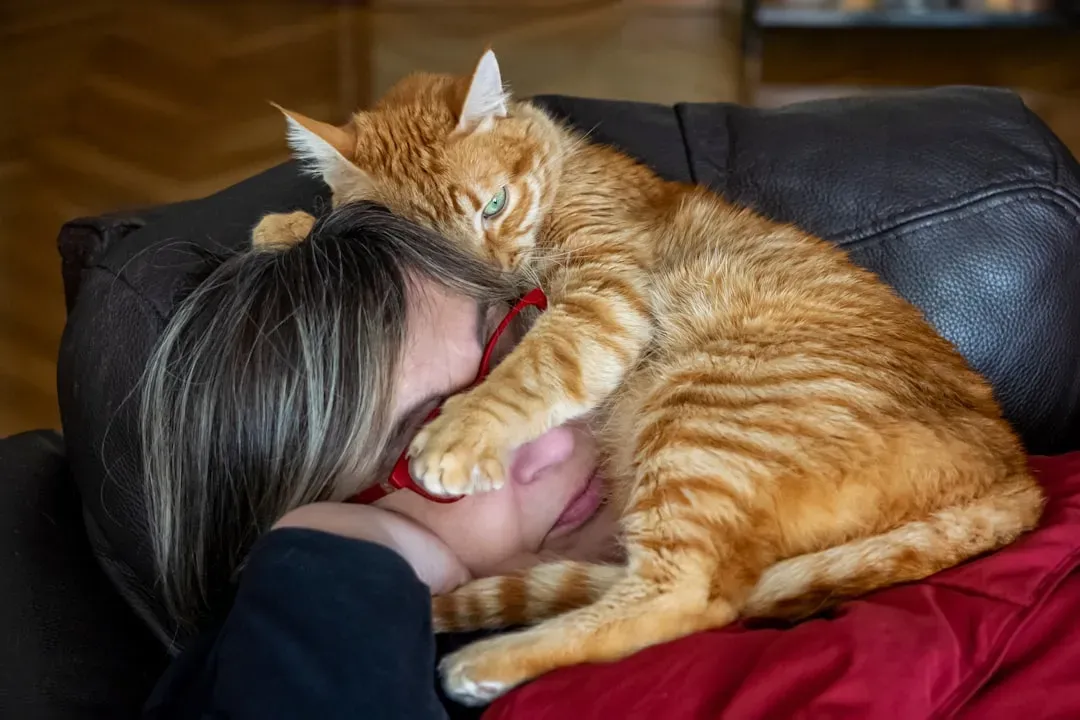
Cats often purr when their human is hurt or sick, and there are many stories of cats cuddling up with and purring for extended times for their sick human. This isn’t random behavior. Your cat is responding to your distress and attempting to provide comfort in the only way they know how.
There are many stories of people with migraines whose headaches are eased or extinguished when they lie with their heads close to purring cats. Some people report that their cats seem to know exactly where they’re hurting and will deliberately lie on or near that spot, purring steadily.
Here’s what I find fascinating: cats can sense sadness as well as other emotions like anger in people, and they associate auditory and visual cues like frowning with how they’re treated when their pet parent is feeling sad. Your cat is reading you constantly, picking up on subtle changes in your mood and behavior. They’re more tuned in than you probably realize.
Cats in Therapeutic Settings: More Than Just Pets
While cat purring is not a substitute for professional treatment, it can complement therapy and other interventions for individuals dealing with anxiety disorders. Therapy cats visit hospitals, nursing homes, and schools to provide comfort to people experiencing stress or trauma.
The gentle vibrations of purring can have a grounding effect, helping individuals manage symptoms of anxiety or PTSD. In settings where traditional therapy might feel intimidating or overwhelming, the presence of a calm, purring cat can create a sense of safety that allows people to open up and begin healing.
Even outside of formal therapy settings, having a purring cat at home can create a sense of routine and predictability, and for individuals who experience heightened anxiety, knowing that a cat will purr in response to affection can be a reassuring presence. That reliability becomes an anchor during difficult times.
The Unique Power of Feline Communication

Many animals provide emotional support, but cats have a distinct ability to soothe through purring, as it is a non-disruptive form of communication that conveys contentment and relaxation. Unlike a dog’s bark or a bird’s chirp, a purr doesn’t startle you or demand immediate attention. It’s gentle. Persistent. Calming.
The cat purring effect on humans is unique because it is both auditory and vibrational, engaging multiple senses at once. You don’t just hear it. You feel it. That dual sensory experience creates a more profound impact on your nervous system than sound alone could achieve.
There’s also something deeply primal about it. Mother cats purr to their kittens from birth, using those vibrations to communicate safety and comfort before the kittens can even see or hear properly. When your cat purrs at you, they’re using that same ancient language of reassurance.
Why You Should Take Your Cat’s Purr Seriously

Look, I know all of this might sound like we’re giving cats too much credit. They’re just animals, right? Yet the research keeps piling up, and the evidence is pretty compelling. A survey showed that 74% of pet owners reported improvements in their mental health after adopting a pet, with many specifically citing reduced anxiety and emotional overwhelm.
Research shows us that cats can serve as important sources of social and emotional support, helping people cope with loneliness and isolation. Cat ownership is associated with lower levels of depressive symptoms and improved mood. These aren’t just feel-good statistics. They represent real, measurable improvements in people’s lives.
The therapeutic power of your cat’s purr isn’t magic. It’s biology. It’s frequency. It’s chemistry. It’s the result of thousands of years of evolution creating a bond between humans and cats that benefits both species. Your cat might not have a degree in psychology, but that doesn’t mean they’re not providing genuine therapeutic support.
Conclusion: Your Feline Therapist Is Already on Call
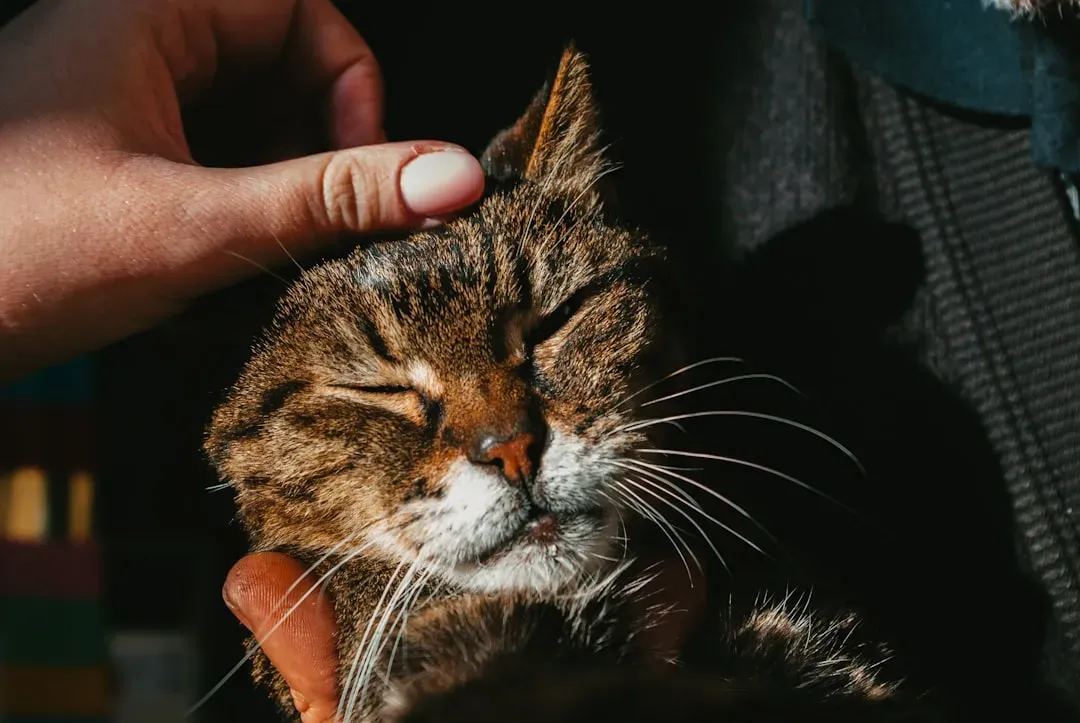
So, is your cat a secret therapist? The science suggests they might be. That purring ball of fur isn’t just cute and entertaining. They’re actively contributing to your physical and mental wellbeing in ways that researchers are only beginning to fully understand.
Next time your cat settles into your lap and starts that gentle rumble, take a moment to appreciate what’s actually happening. Your stress hormones are dropping. Your blood pressure is lowering. Your brain is releasing feel-good chemicals. You’re getting the benefits of meditation, sound therapy, and emotional support all wrapped up in one furry package.
The best part? Your cat doesn’t need an appointment schedule or a therapy license. They’re available whenever you need them, offering their unique brand of healing purrs without judgment or conditions. Maybe that’s the most therapeutic thing of all. What do you think? Has your cat ever helped you through a rough patch in ways you didn’t quite understand at the time?