You might think all cats are mysterious, aloof creatures who grace us with their presence only when they choose. The reality is much more interesting. Some cats are absolute cuddle monsters who’ll follow you from room to room, demanding lap time at every opportunity. Others prefer to watch from a safe distance, content to be near you without actually touching you. It’s tempting to chalk this up to individual personality, but here’s the thing: breed plays a surprisingly powerful role in determining whether your feline friend will be a devoted snuggler or a polite observer.
Let’s be real, if you’ve ever wondered why your friend’s Ragdoll practically melts into their arms while your Russian Blue watches suspiciously from across the room, you’re not imagining things. So let’s dive into why breed matters more than you might think.
The Science Behind Breed-Based Personalities
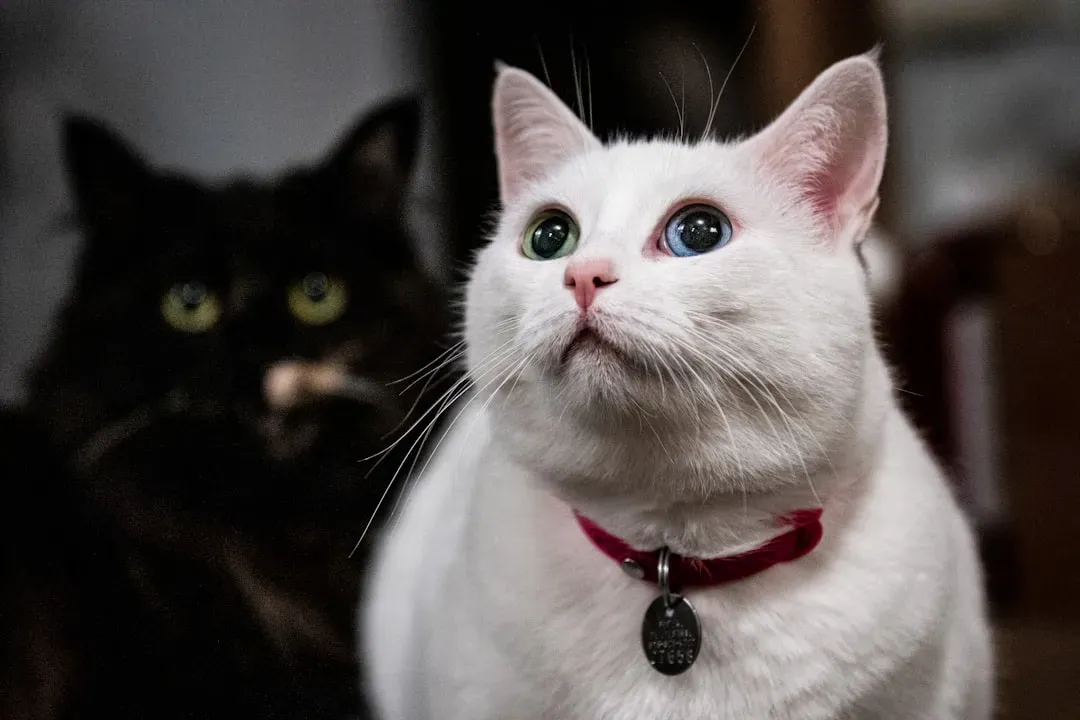
Research has confirmed that feline behavior traits are moderately or highly heritable, meaning personality factors like friendliness and fearfulness are composed of genetically correlated traits. This isn’t just folklore from cat breeders trying to sell kittens. Scientific studies suggest a genetic background for personality, though environmental and biological variables also play roles.
Here’s what makes this fascinating: unlike dogs, who were bred for specific jobs like herding or hunting, cats were primarily selected for aesthetic traits and temperament. Yet these breeding choices still shaped distinct behavioral patterns across breeds. Think of it like this: when breeders consistently chose calmer, more social cats to continue a bloodline, those traits became embedded in the breed’s genetic makeup over generations.
The Ultimate Lap Cats: Ragdolls and Their Cloud-Like Devotion
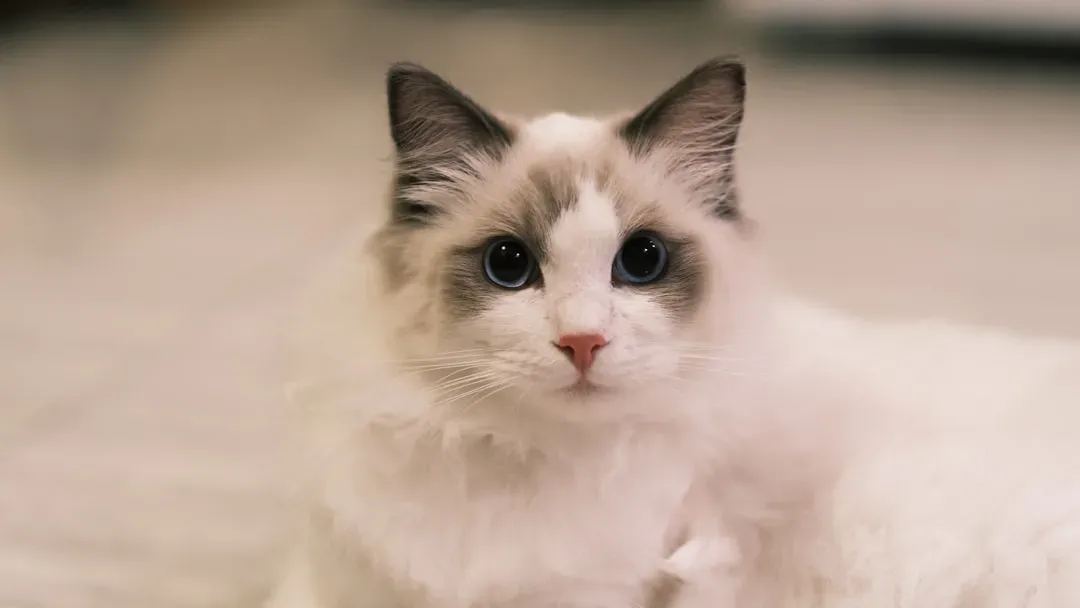
Ragdolls adorably get their name from going floppy when picked up or cuddled, and they’re undeniably one of the sweetest cats around. If you’re looking for a cat who’ll actually seek out your company rather than merely tolerating it, this breed should be at the top of your list. These gentle giants are famous for their mellow and affectionate nature.
What sets Ragdolls apart isn’t just their willingness to be held. They’re a docile bunch that prefer to gingerly bat at a toy mouse rather than attack at full force, and their adaptability makes them great companions for families with children and other pets. Honestly, if cats could write their own job descriptions, Ragdolls would list “professional lap warmer” as their primary skill.
Siamese Cats: The Chatty Companions Who Demand Your Attention
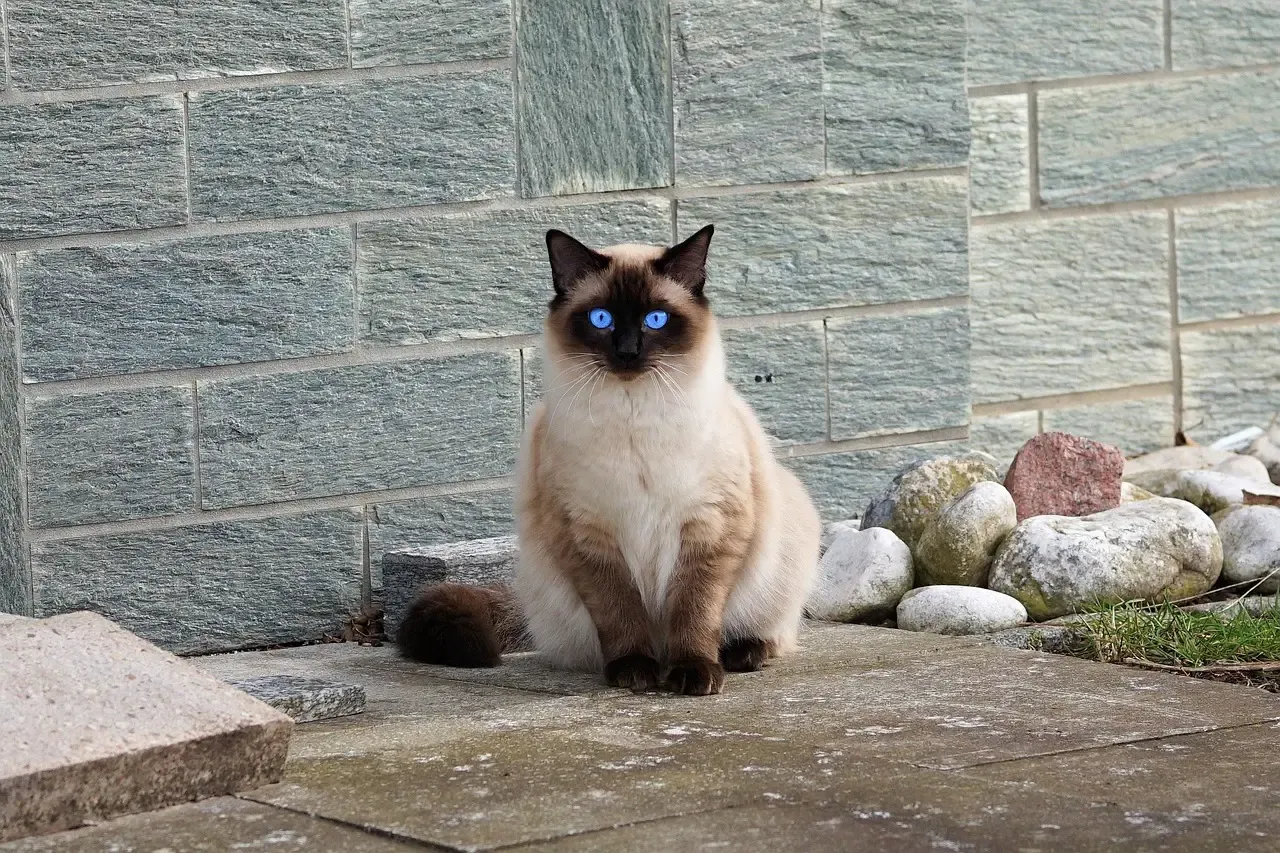
Siamese cats are one of the most popular breeds in America, and in addition to their striking good looks, they’re incredibly smart and curious with a reputation for being troublemakers because they crave human attention. This breed won’t let you forget they exist. They’re the ones who’ll vocalize their opinions about everything from dinner being five minutes late to your choice of television programs.
With striking blue eyes, Siamese cats form strong bonds with their families and often follow their humans around the house, and their dog-like loyalty makes them one of the most affectionate companions in the feline world. If you’re someone who enjoys constant interaction and doesn’t mind a running commentary on your daily activities, a Siamese might be your perfect match. They’re snugglers, sure, but they’re interactive snugglers who want to be involved in absolutely everything you do.
Maine Coons: Gentle Giants Who Love on Their Own Terms
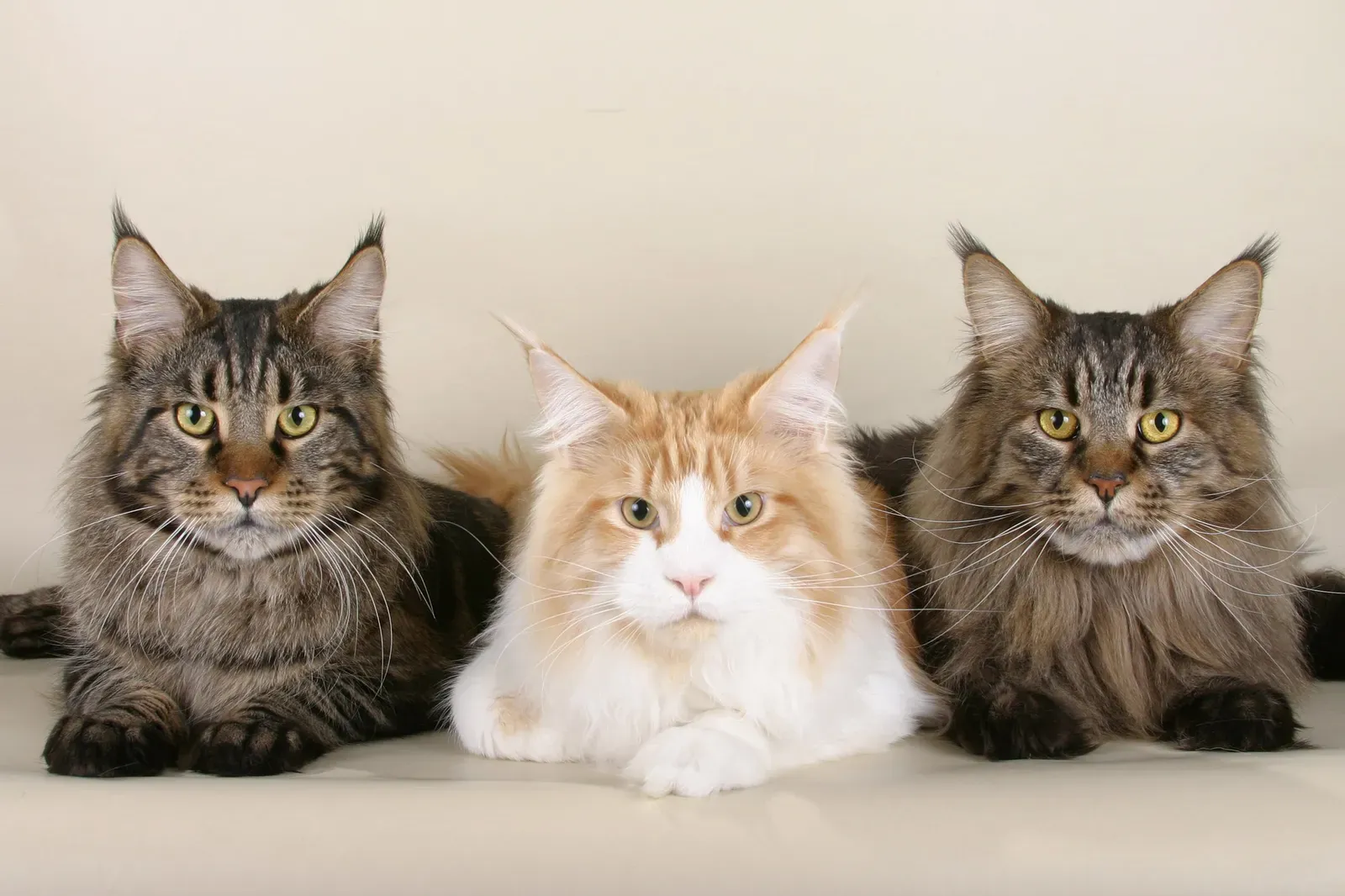
Maine Coon cats are known first for their size – up to 18 pounds – and next for their calm, affectionate nature, as they don’t beg for attention but are happy to chill out on your lap while you read or watch TV. These massive fluffballs strike an interesting balance between affectionate and independent. They’re not the type to demand constant attention, but they genuinely enjoy being near their people.
What I find particularly appealing about Maine Coons is their easygoing nature. Unlike Siamese-type breeds, the Maine Coon is affectionate but has reasonable boundaries, and this highly intelligent breed loves to play but also loves to lounge around the house. They’re perfect for someone who wants a companion that’s present without being clingy. Plus, there’s something undeniably satisfying about petting that long, soft coat after a stressful day.
Persian Cats: Furniture With Hair (in the Most Loving Way)
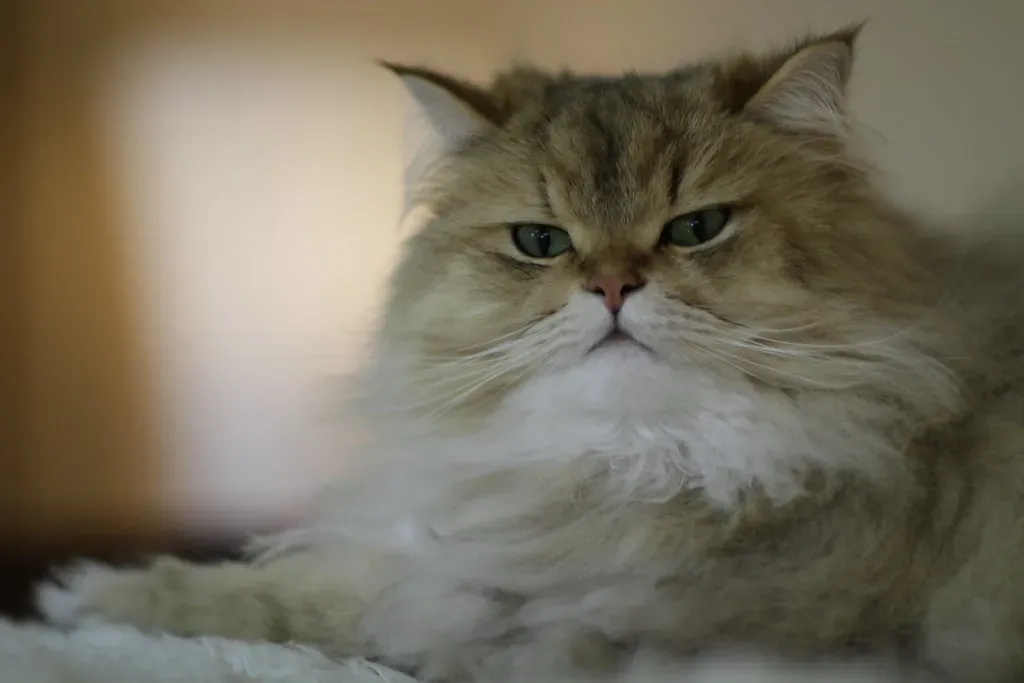
Persian cats tend to be so relaxed that they’re sometimes lovingly referred to as furniture with hair, and though often reserved and wary of new people, socialization will bring out the best personality traits of this cuddly cat breed. If you’re picturing a cat who prefers a quiet environment and won’t constantly pester you for playtime, Persians fit that description perfectly.
These wide-eyed, squishy-faced felines are a mellow, affectionate cat breed perfect for quiet homes or anyone who enjoys hours of snuggling, though even with their low-energy disposition, Persians still need plenty of play and mental enrichment. They’re selective about who receives their affection, but once you’ve earned their trust, you’ll have a devoted companion who’s content to lounge beside you for hours. Just be prepared for significant grooming requirements with that luxurious coat.
Russian Blues: The Reserved Observers Who Bond Deeply
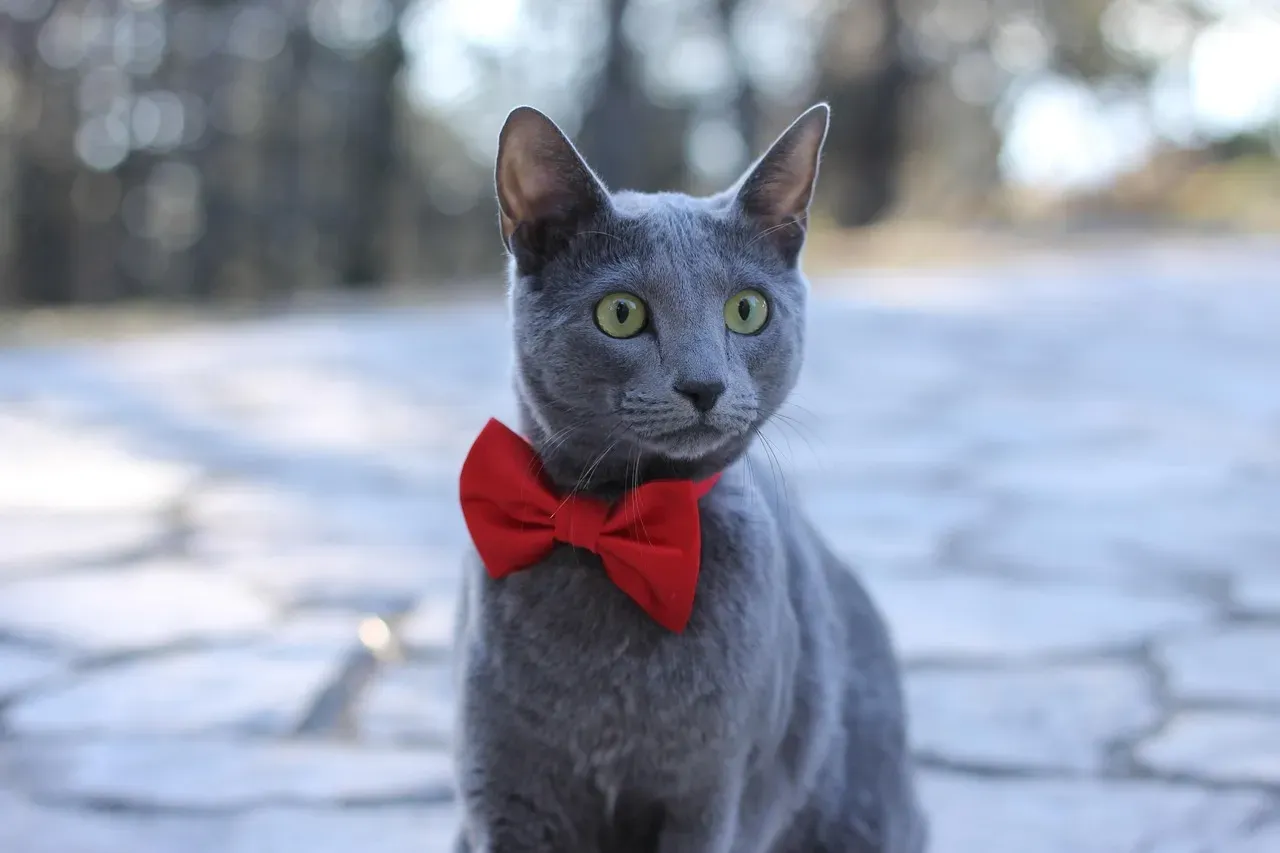
Russian Blue cats are calm and smart kitties who can be shy at first but grow to be playful and loving once they feel comfortable, and happy living in families, they tend to bond deeply with just one person and become experts at reading their pet parent’s emotions, and when they sense their owner is sad, they’re always there with a cuddle. This breed perfectly illustrates why you can’t judge a cat’s affection level by first impressions alone.
They’re not the type to warm up to strangers quickly. As intelligent, curious, and independent cats, they are an excellent choice for pet parents who want a low-maintenance companion, and they are typically reserved around new people but affectionate to their pet parents. If you value a cat who chooses you specifically and shows loyalty in quiet, meaningful ways rather than dramatic displays, a Russian Blue might be your soulmate in feline form.
Abyssinians: The Active Athletes Who Show Love Through Play
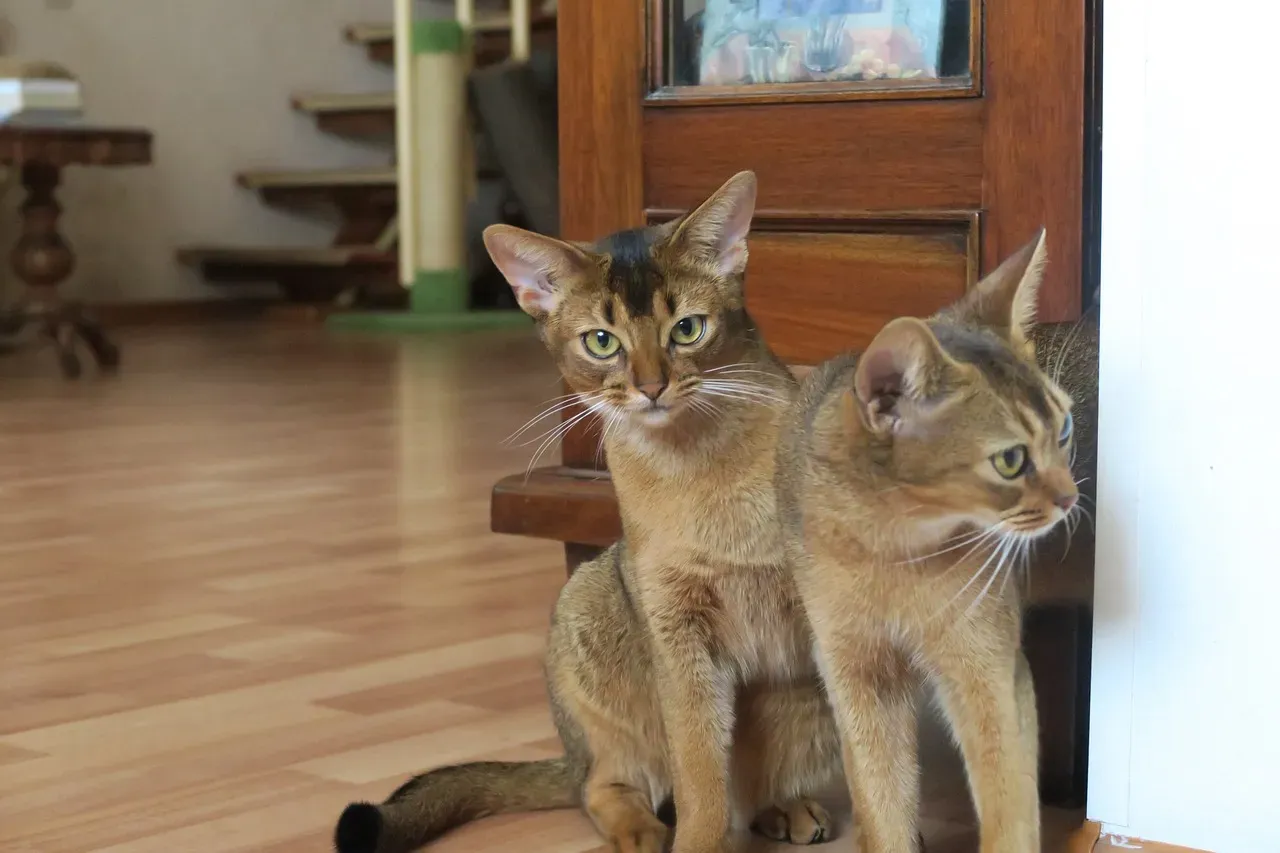
Thought to be one of the oldest cat breeds in existence, Abyssinians are smart, curious, and athletic, and best of all, they’re highly people-oriented and social, though they aren’t necessarily lap cats but love to play and hang out with their humans. Here’s where we need to expand our definition of “snuggler.” Not all affectionate cats express their devotion through cuddling.
If a sweet cat with a spunky side sounds like your ideal companion, look no further than the amicable Abyssinian, as these courageous, curious cats are keen on participating in every aspect of their humans’ lives and are as sociable as they are lovable. They show their love by following you around, “helping” with whatever task you’re doing, and engaging in interactive play. If you’re looking for a cat who’ll be your activity partner rather than your couch companion, Abyssinians deliver that unique brand of affection beautifully.
British Shorthairs: Independent Yet Devoted Companions
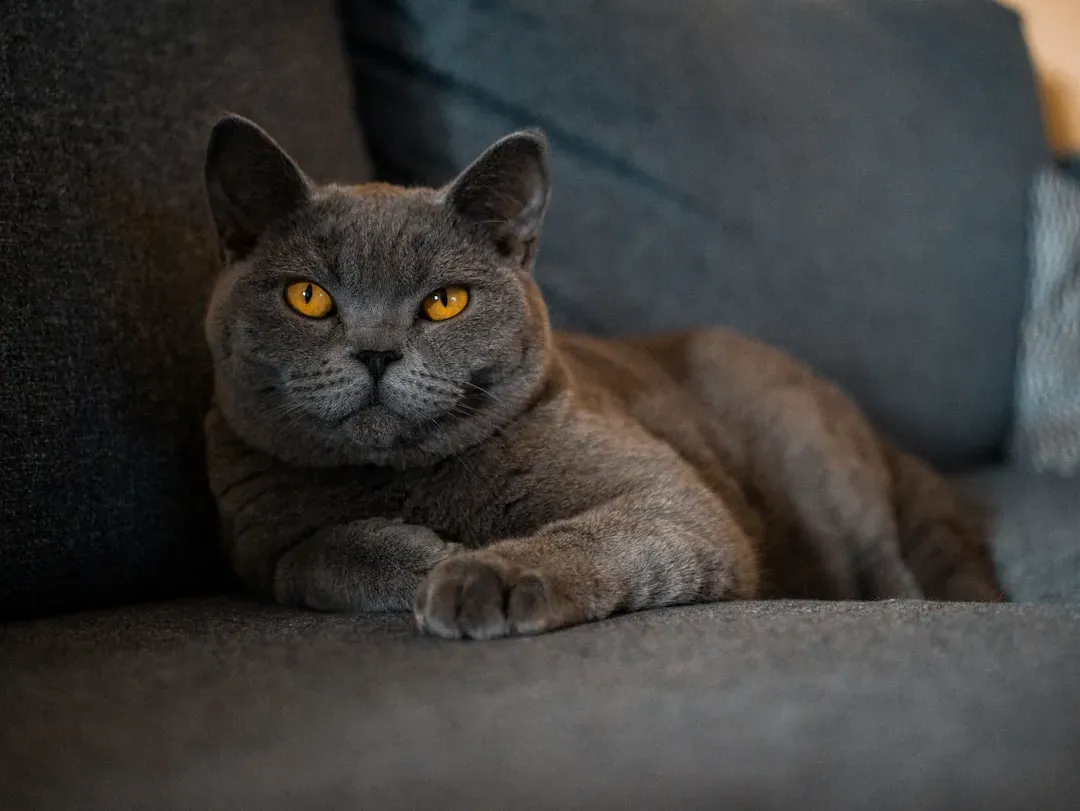
The British Shorthair is a classic feline with a teddy-bear face and dense coat, and the breed is generally placid, gentle, and easygoing in temperament, and independence shows up as confidence rather than distance, as they enjoy human company but prefer sitting beside you instead of on your lap. This breed represents the middle ground that many people don’t realize exists in the cat world.
They’re affectionate without being needy. British Shorthairs are known for their stocky build, dense coat, and round, expressive eyes, and they’re known for their calm, easy-going temperament and independent nature, and while they enjoy the company of their owners and are affectionate when they choose to be, they’re also content to spend time alone. It’s companionship based on mutual respect rather than constant physical contact. Some might call them spectators, but really, they’re just cats who show affection on their own terms.
Burmese Cats: The Social Butterflies Who Thrive on Connection
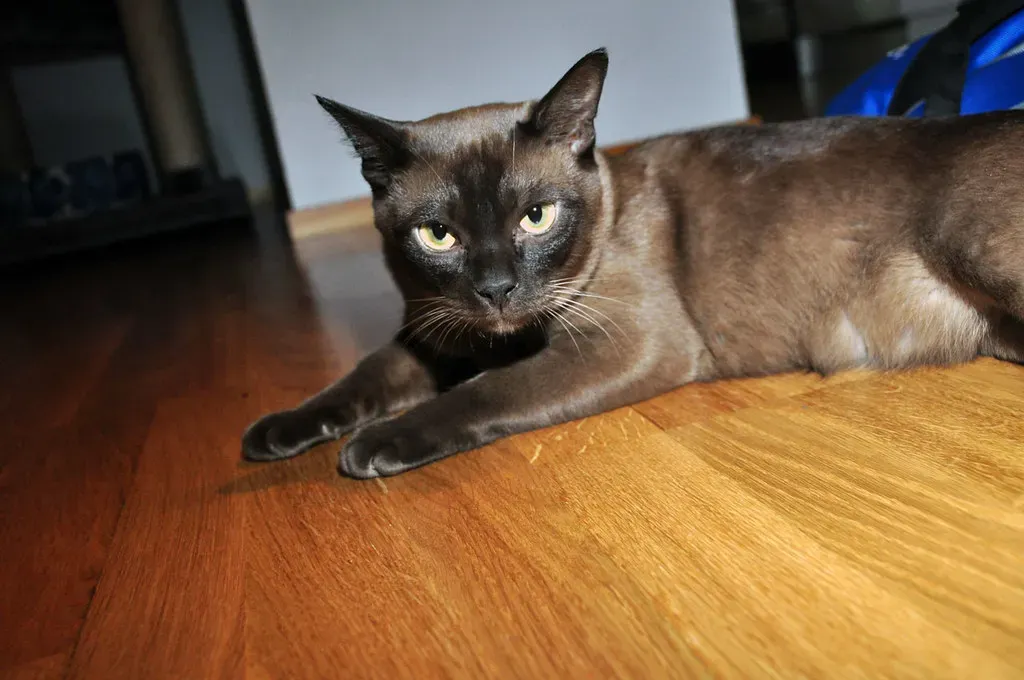
Burmese cats are sweet cats that thrive on constant companionship, and like Siamese cats with which they share a lineage, Burmese cats are extremely social and love being around people, and these affectionate cats are playful and love a good petting session, making them great family pets. If you want a cat who genuinely seems to need your company rather than merely appreciating it, Burmese cats deliver that emotional connection in spades.
This people-oriented breed is very smart, playful, and loving, and Burmese cats are relatives of the Siamese with the same vocal tendencies, and they’re extremely social and known to form strong bonds with their people. They’re the type who’ll greet you at the door like a dog, follow you from room to room, and protest loudly if left alone too long. For someone who works from home or simply wants a highly interactive feline companion, this breed checks all the boxes.
Norwegian Forest Cats: The Gentle Giants Who Love From a Distance
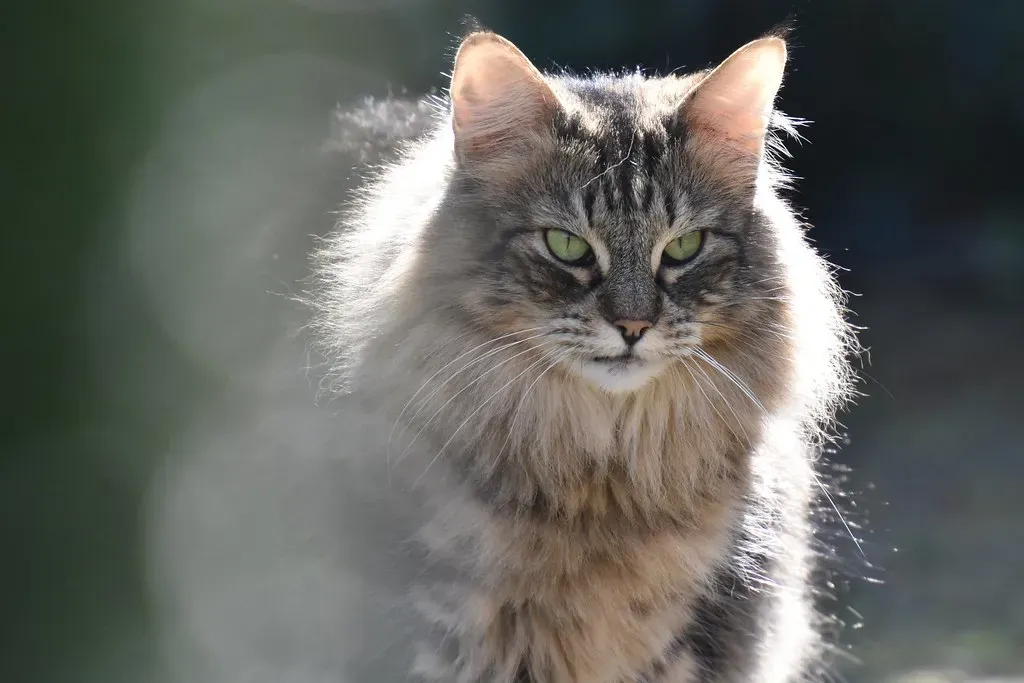
The Norwegian Forest Cat is a large, rugged breed developed in Norway’s harsh climate with a thick, waterproof double coat, and naturally independent, this breed is comfortable entertaining itself through climbing, exploring, or observing from high perches, and that self-sufficiency doesn’t mean aloofness – they form deep bonds and prefer staying near their people rather than demanding constant lap time, and affection shows in subtle ways, such as quietly following family members from room to room.
These cats are definitely more spectator than snuggler, but that doesn’t mean they’re not affectionate. They show love by being present without being intrusive. Think of them as the friends who don’t need constant conversation to enjoy your company. They’re perfectly content watching you work from across the room or following you around the house at a respectful distance. It’s a quieter kind of devotion that some people find deeply satisfying.
Understanding Your Cat Beyond Breed Stereotypes
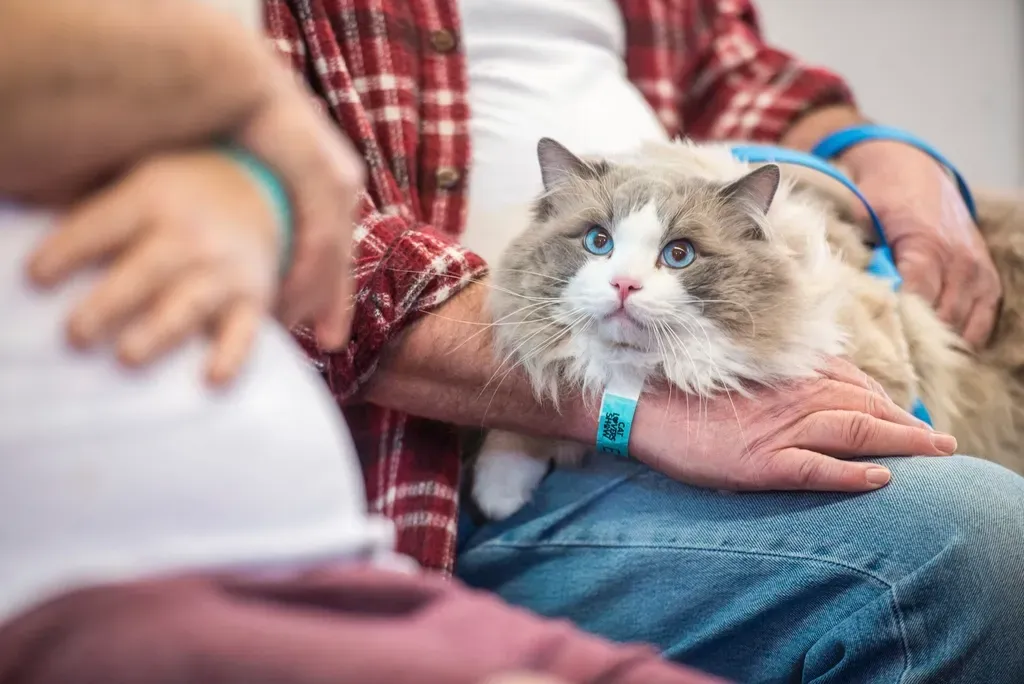
Here’s the thing we need to acknowledge: while breed tendencies are real and scientifically supported, individual personality still matters enormously. A cat’s breed isn’t the only indicator of affection levels, as cats are individuals, and some are simply more outwardly loving than others. Some cats are more affectionate than others because of factors such as sex, genetics, and individual personality, but out of all factors, early socialization matters the most, as a kitten who has had positive socialization experiences with different people and animals is more likely to be cuddly than one with negative experiences.
The breed gives you a starting point, a probability if you will. It’s like weather forecasting: knowing the typical climate of a region helps you pack appropriately, but there will always be unexpected sunny days in rainy seasons and vice versa. Your Persian might turn out to be surprisingly playful, or your Siamese might be quieter than expected. That’s the beautiful unpredictability of living with cats. They keep us guessing, even when we think we’ve got them figured out based on their breed.
Did you find these breed insights helpful? Whether your cat is a devoted lap warmer or prefers to show affection from across the room, understanding breed tendencies can help you appreciate their unique way of loving you. What’s your cat’s personality like – snuggler or spectator?