Have you ever caught your feline friend staring intently through the window, whiskers twitching, completely absorbed in something outside? You’re not alone. Millions of cat owners around the world witness this daily ritual, often wondering what exactly is going through those mysterious little minds.
The truth is, window watching isn’t just a random habit. It’s actually a complex behavior rooted deep in your cat’s evolutionary past and present psychological needs. From hunting instincts to territorial monitoring, there’s so much happening behind those focused eyes. Let’s dive into what makes your kitty such a dedicated window watcher.
The Primal Hunter Never Sleeps
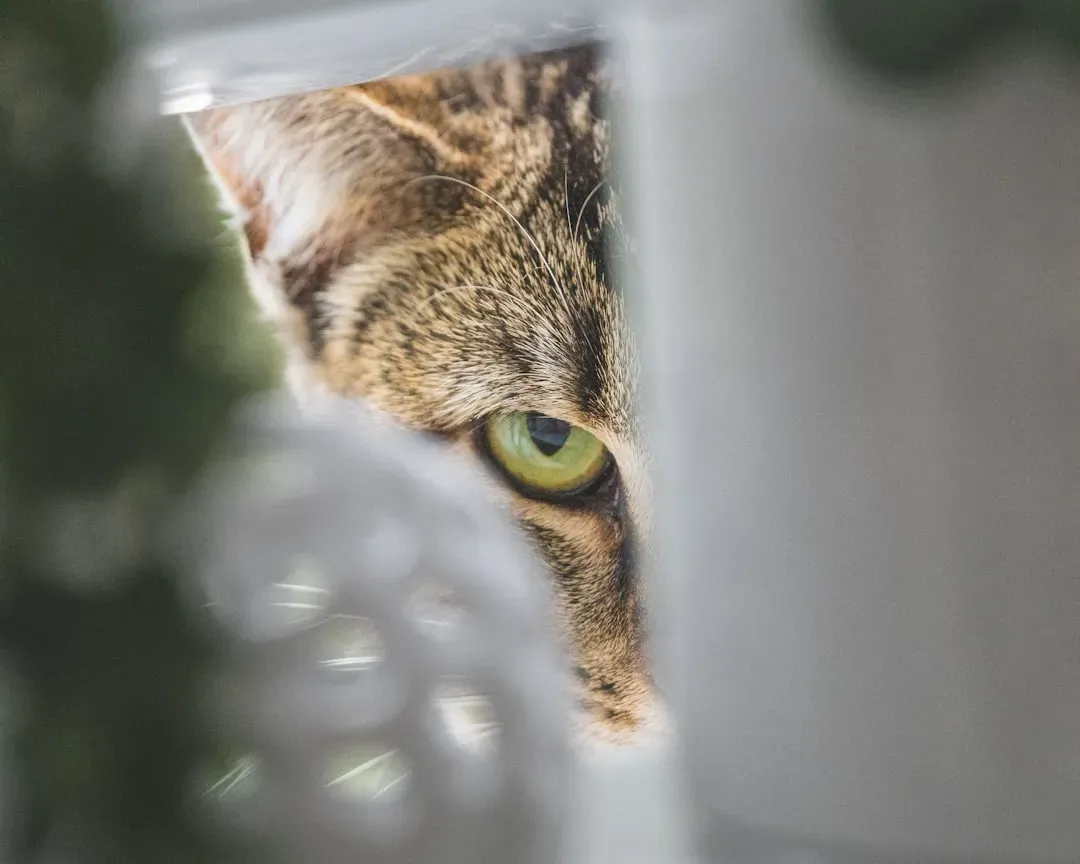
Even though the majority of cats no longer need to hunt for survival, hunting remains a permanent part of their lives, driven by one of the most distinctive behavioral patterns in felines. When your cat sits by the window watching birds flutter past, they’re not just passing time. Watching birds and other small prey from behind the glass taps into primal hunting instincts. It’s honestly fascinating how this drive persists even in the most pampered indoor cat.
You might notice your cat making that peculiar chattering sound as they watch. You might even catch them making a chattering sound as they watch little creatures streak by, which can be a mix of excitement and frustration as they can’t get at their prey. This chattering behavior is actually the killing bite, exhibited by cats frustrated in the hunt. Think of it like your cat practicing their most crucial survival skill, even if dinner comes from a bowl.
Mental Stimulation Through Nature’s Television
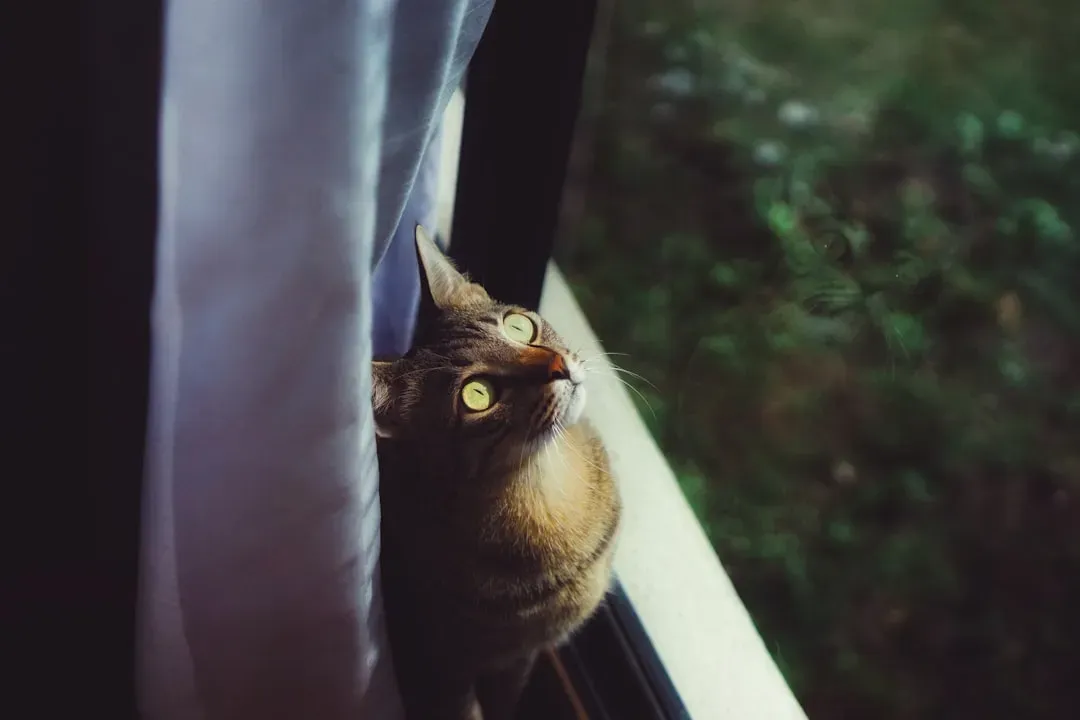
The sights, sounds, and even the smells that waft through a slightly opened window can provide cats with vital mental stimulation, and this environmental enrichment is essential for their wellbeing and helps prevent boredom from setting in. Let’s be real, indoor life can get pretty monotonous for a creature whose ancestors roamed vast territories.
This kind of visual hunting keeps their mind engaged and mentally stimulated, helping to ward off boredom and behavioral issues, and experts even refer to this as cat TV for good reason. The constantly changing scenery outside provides endless entertainment. One moment it’s a squirrel darting across the fence, the next it’s leaves dancing in the breeze. This environmental stimulation prevents boredom, which supports emotional health and reduces stress-related behaviors such as over-grooming or destructive scratching.
Territorial Surveillance From a Safe Perch
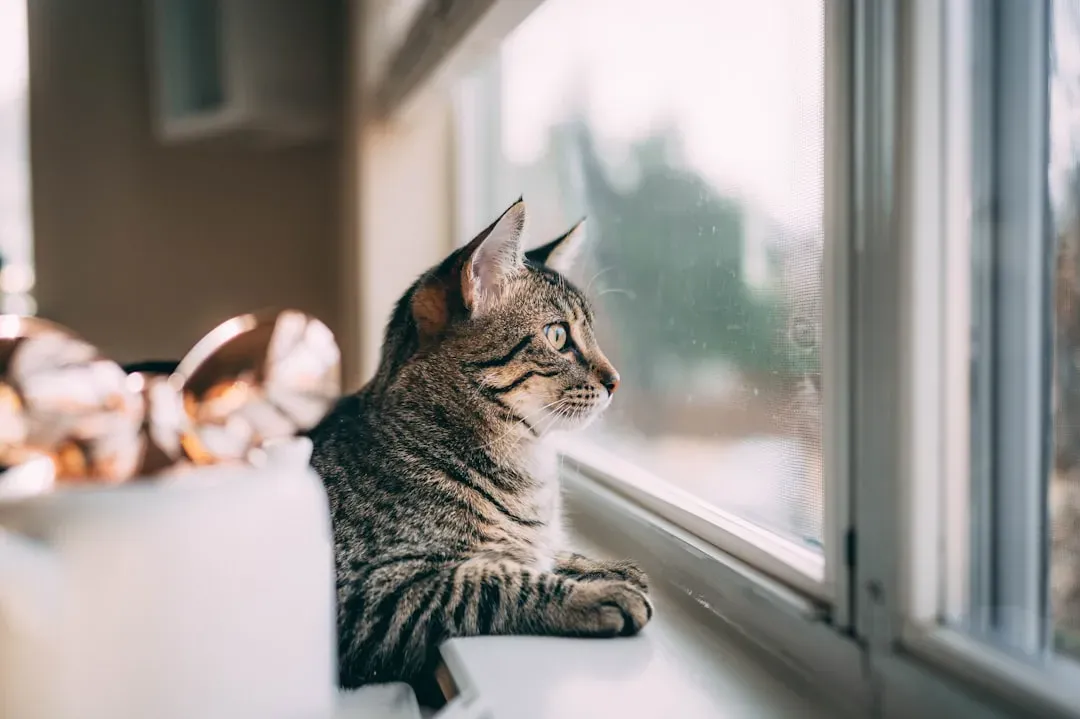
Cats are highly territorial, and when there are street dogs roaming around your house or you have other cats in the neighborhood, your cat might just be worried and will try to protect her territory and constantly be watching her so-called intruders. It’s pretty much like your cat is the neighborhood watch captain, taking their job very seriously.
Cats are very territorial, and sitting next to a window is a way for them to monitor and watch their territory, like taking notes about the world around them regarding potential threats and new neighbours. Sometimes you might catch your cat rubbing their face against the window frame. You’ll notice your cat marking the window with their cheeks, which is scent marking, as cats have scent glands in their cheeks.
Chasing the Perfect Sunbeam
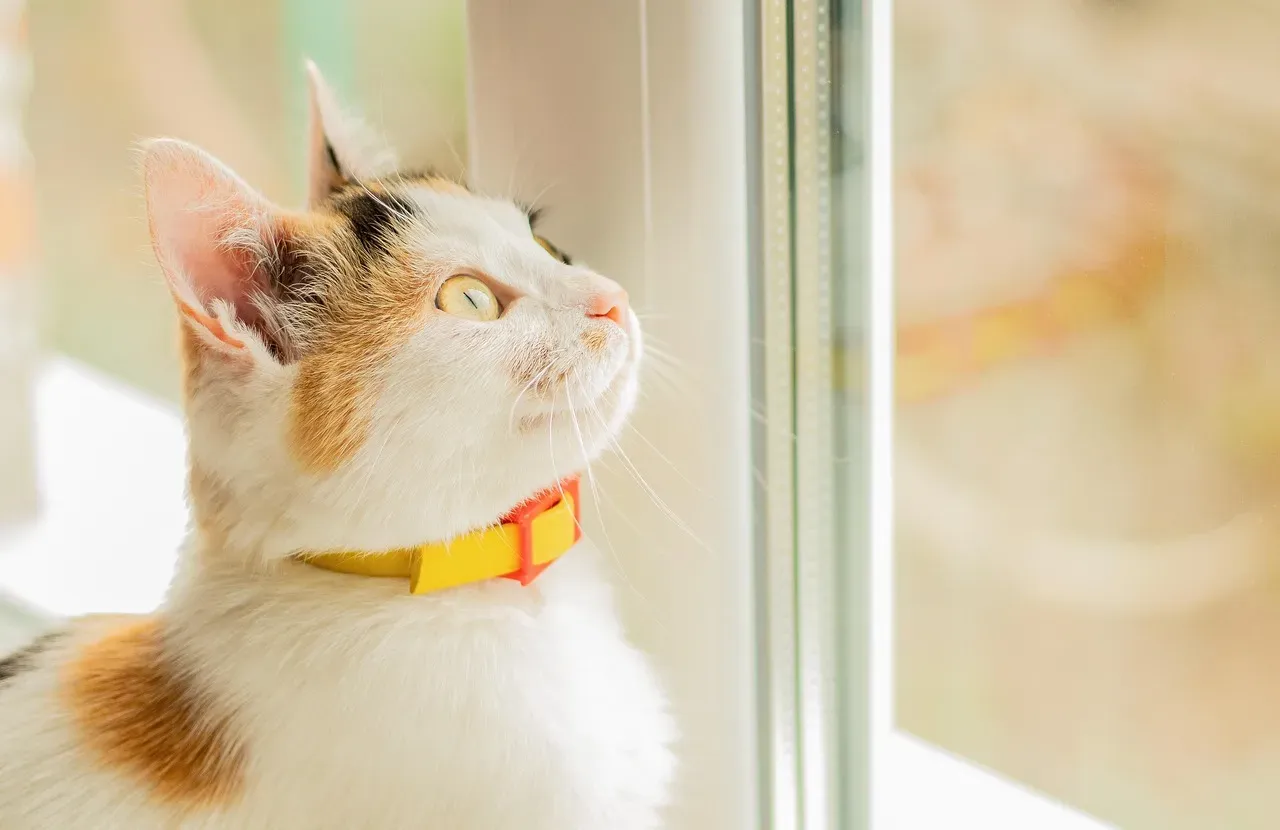
Windowsills often become cats’ favorite napping spots, especially when the sun is shining, as they’re a great place for capturing warmth, enabling them to bask and relax, all while enjoying the view. There’s something almost meditative about watching a cat completely surrendered to a patch of sunlight. With the beautiful way the warm sunshine comes pouring in the window, it’s no surprise cats love basking in these rays, as your cat will love getting warm and cozy in their favorite window sitting spot, like their very own nature-made heating blanket.
Honestly, who can blame them? If we could curl up in a perfect sunny spot and nap the afternoon away, most of us would jump at the chance. Cats sunbathe at windows because they’re naturally attracted to warmth and light, and sunlight helps regulate their body temperature and maintain their natural sleep-wake cycles.
Superior Vision Designed for Movement Detection
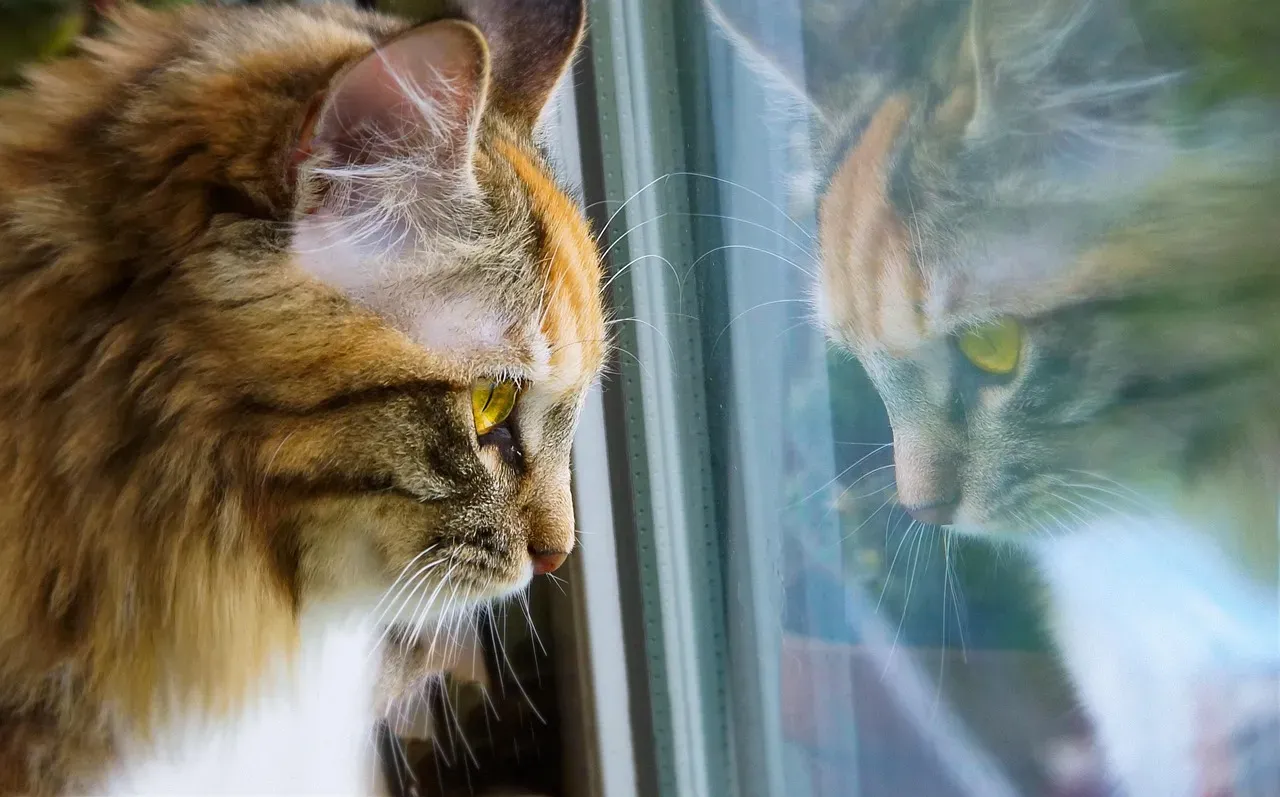
Cats’ eyes are particularly good at detecting motion, so anything flitting by will help preoccupy their minds. Your cat isn’t just staring blankly out the window. Cats have a higher concentration of rods than humans but fewer cones, and they can see much better in low light conditions than we can. This means they’re catching movements and details you might completely miss.
Cats also have a peripheral visual field of 200 degrees while humans can see just 180 degrees. That’s actually pretty incredible when you think about it. They’re taking in way more visual information than we are, making window watching an even richer experience for them. Your cat can see things pretty clear even if all you can see is pitch darkness, which explains those late-night window watching sessions.
A Natural Cure for Indoor Boredom
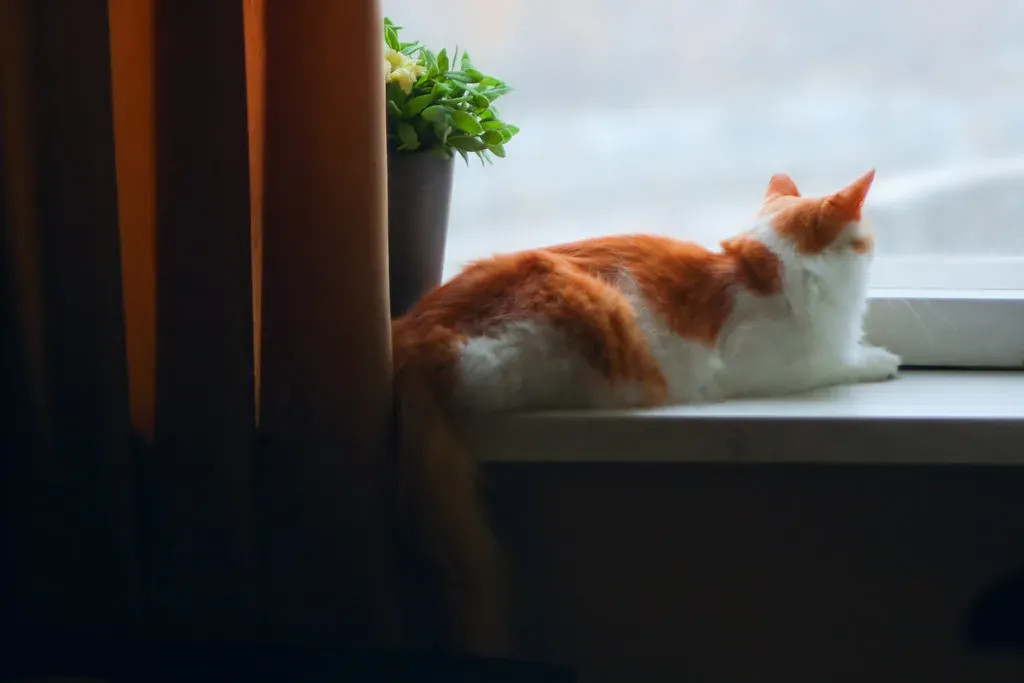
Sometimes your cat looks out of the window because they’re a bit bored, and looking out of the window, especially if you’ve given them a perch, provides plenty of enrichment and stimulation. Here’s the thing: indoor cats miss out on the sensory smorgasbord that outdoor environments naturally provide. Window watching becomes a critical outlet for that curiosity.
Window time provides a constructive way to spend long hours alone, especially for cats whose humans are away at work or school during the day, and unlike toys that may lose their novelty, a window scene is always changing with a new squirrel, a neighbor’s dog, or even a delivery truck captivating your cat for hours. It’s basically free entertainment that never gets old. The world outside is perpetually providing new content for your cat’s viewing pleasure.
Waiting and Watching for Your Return
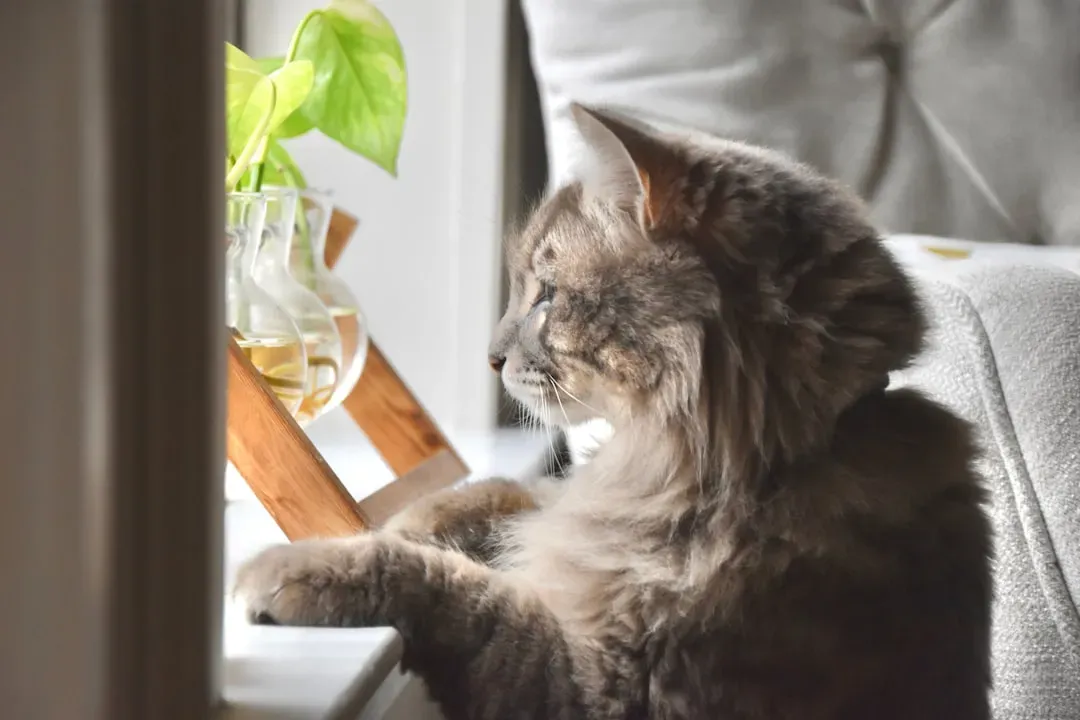
One of the reasons for this kind of behavior is they love to see you as soon as possible after you head over to your work. I know it sounds crazy, but your cat might actually be keeping watch for you. If you often see your cat looking out the window when you pull into the driveway, she may be watching for you to come home, as cats pick up on routines and your arrival time might be a part of hers.
It’s actually quite touching when you realize your independent feline is anticipating your return. They learn your schedule better than you might think. The moment they hear familiar sounds or see movement that signals your approach, they’re already waiting at their observation post.
Natural Curiosity About a Dynamic World
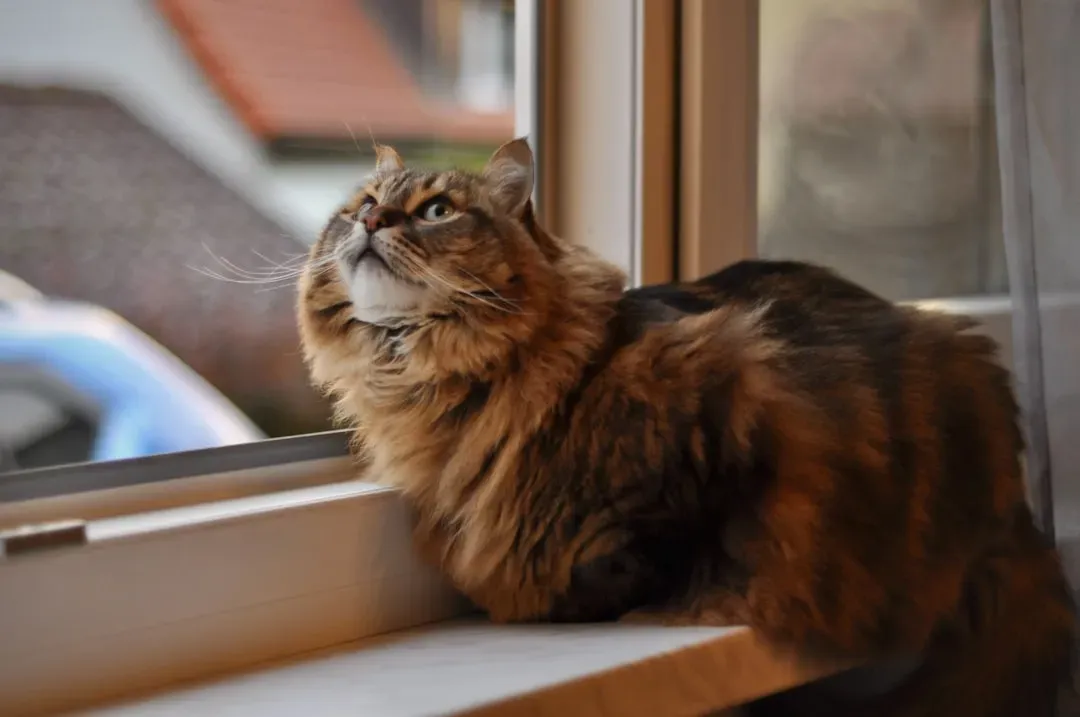
Cats’ inherent curiosity with the world is a major reason why they look out the window, and whether it’s the swaying of trees, buzzing insects, or simply people walking by, cats are naturally drawn to what’s going on outside, as this curiosity is a fundamental part of cat behavior and windowsills provide a great platform for them to be inquisitive. Cats are just naturally nosy creatures.
Owners reported that their cats enjoyed looking at nothing as far as humans could tell, in addition to birds, small wildlife, foliage, other cats, people, vehicles, and insects or reptiles. That “nothing” we perceive is probably a feast of subtle movements, sounds, and scents to them. Their sensory experience is fundamentally different from ours, making every window session a rich exploration.
Connecting With Instinctual Outdoor Needs
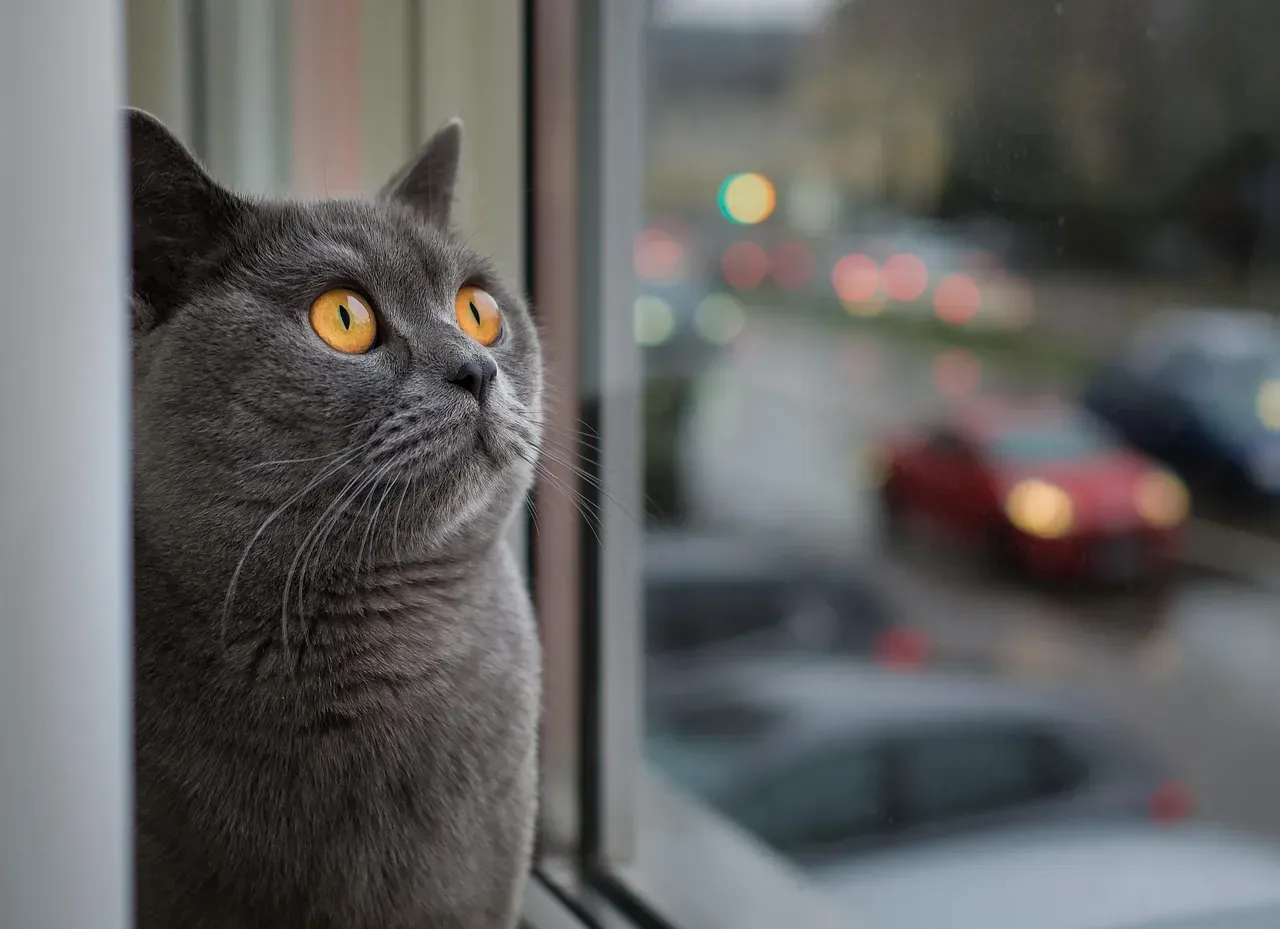
Cats who are given the opportunity to spend time outside are stimulated by all of the sights, sounds, and smells of nature, and this exposure provides much needed mental stimulation that indoor-only cats miss out on. Window watching becomes a compromise for cats who live exclusively indoors. Some cats have a much stronger desire to be outdoors, and sometimes looking outdoors can be a natural desire because being outdoors is as instinctual to cats as anything, though unsupervised outdoor access increases risks of injury, disease exposure, and predation.
The window serves as a safe portal to the natural world they’re hardwired to explore. There’s much to see outside our windows, from birds flying to leaves blowing to kids playing and cars driving, which makes perfect sense why window gazing is high up on the list of favorite activities for cats. It satisfies a deep-seated need without exposing them to danger.
Understanding When Window Watching Becomes Problematic
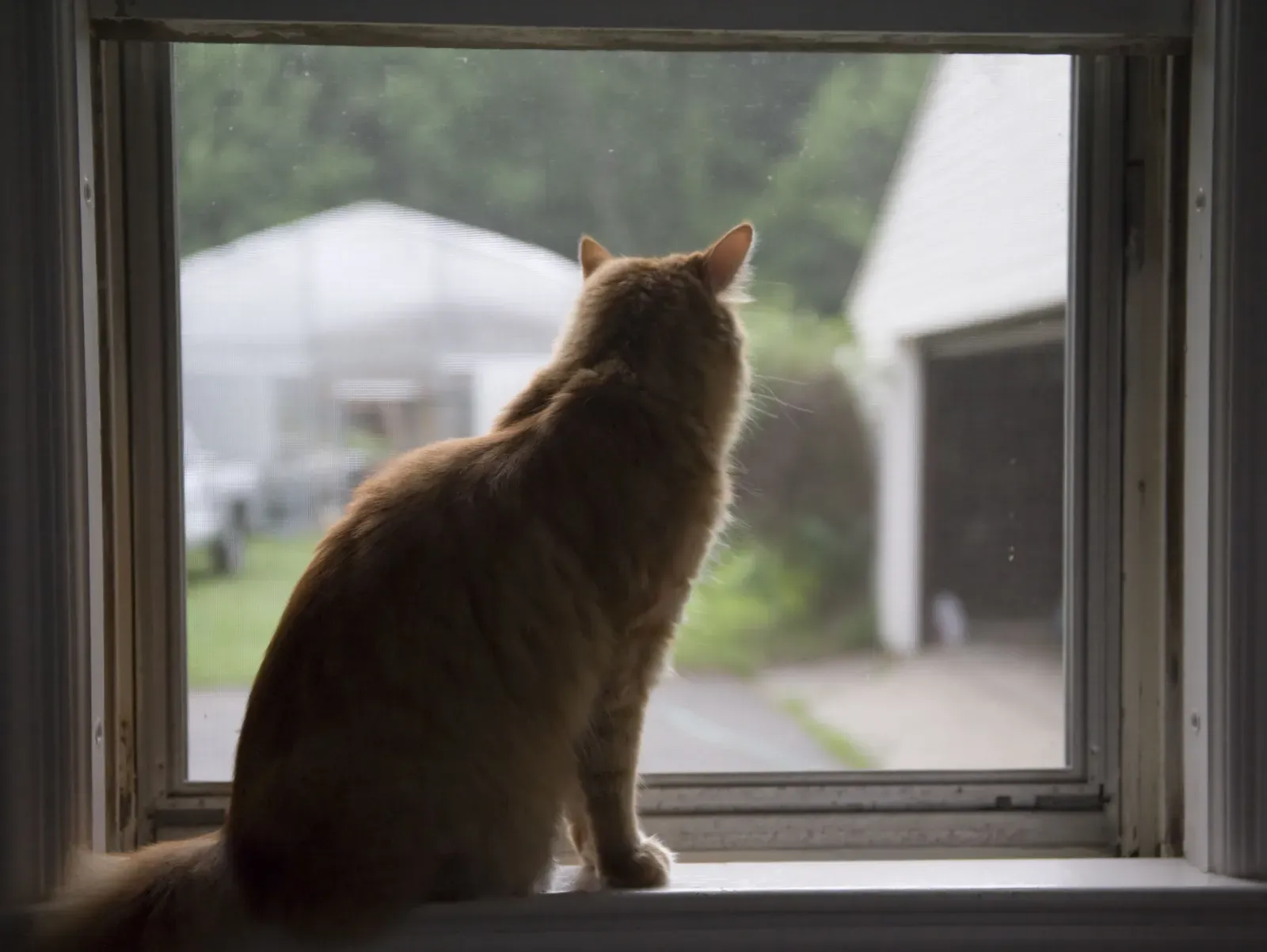
Usually your cat looking out of the window is completely fine and you don’t need to worry, but sometimes it can indicate anxiety and frustration, particularly when combined with other symptoms, and your cat could feel these due to stressors at home, other animals entering their territory or due to loud noises in the environment. It’s hard to say for sure, but excessive window watching paired with agitation might signal something deeper.
Many owners wonder if cats get frustrated watching birds, and the answer is a definite yes, as this state is known as barrier frustration which can cause your cat to lash out, and unable to reach the bird, they might redirect that pent-up energy. If you find your cat is being stressed for the presence of other cats and dogs, you might actually want to draw curtains and remove her window porch. Sometimes limiting window access becomes necessary for your cat’s emotional wellbeing.
Conclusion: Embracing Your Cat’s Window Watching Ritual
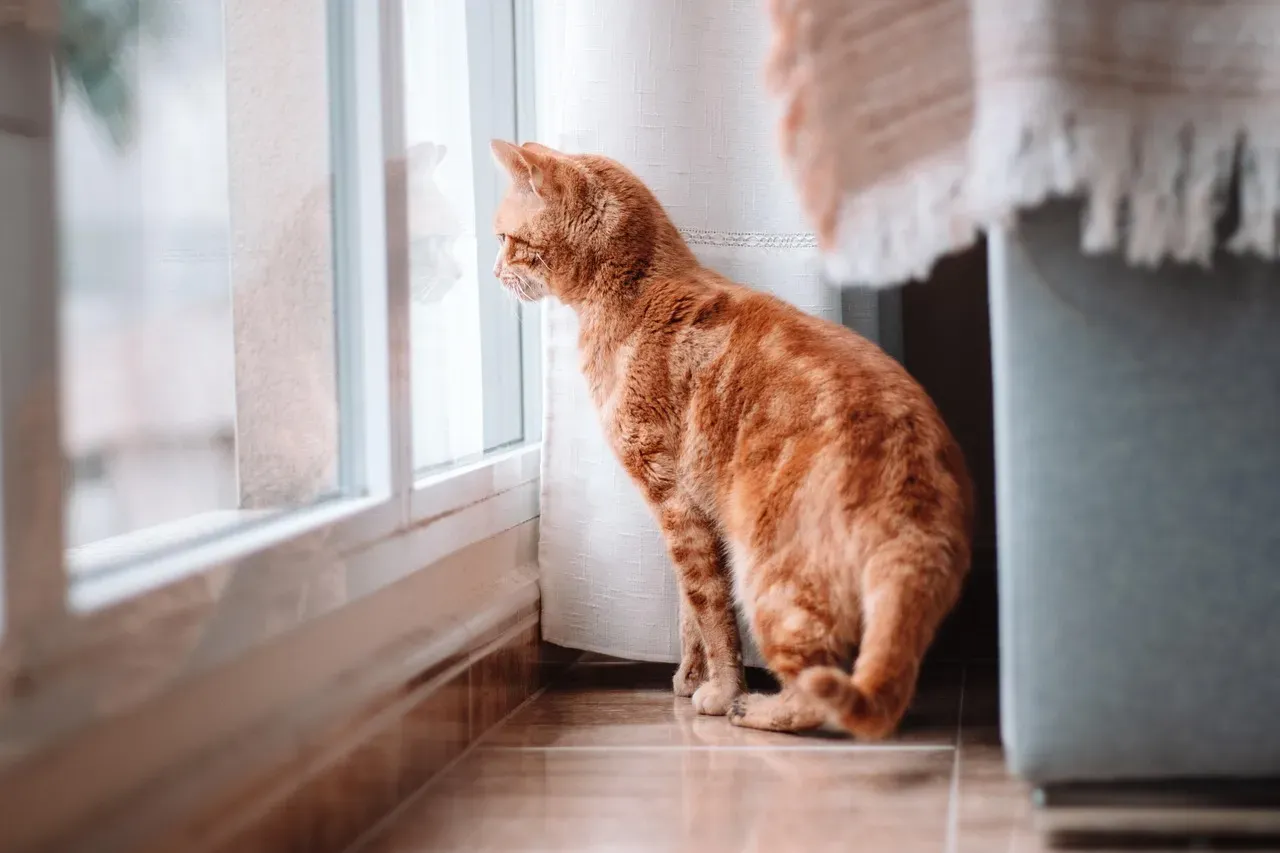
Window watching is far more than just idle behavior. It’s a multifaceted activity that fulfills numerous psychological and physical needs for your cat. From exercising their hunting instincts to monitoring their territory, from soaking up warmth to battling boredom, your cat’s window sessions serve crucial purposes in their daily life.
The best thing you can do is support this natural behavior by providing comfortable perches, ensuring window safety, and understanding when the behavior crosses into frustration territory. Your cat’s fascination with the outdoor world is a beautiful reminder of the wild creature that still lives within them, even in the safest, most comfortable home. What has your cat’s favorite window view taught you about them?