Let’s be real. Noticing that something’s off with your beloved feline can fill you with dread. You’ve shared countless moments together, and now you’re watching them more closely than ever. Maybe they’re sleeping a bit more than usual. Maybe they’ve stopped chasing that favorite feather toy or seem distant in ways you can’t quite explain. These subtle shifts can be easy to dismiss at first, especially when they happen slowly over weeks or months.
The truth is, cats are remarkably skilled at hiding pain and discomfort. It’s an instinct rooted deep in their wild ancestry. Showing weakness could make them vulnerable to predators, so they’ve learned to mask their suffering until it becomes impossible to conceal. This means by the time you’re noticing changes, things might already be quite serious. Recognizing the silent signs that your cat is declining isn’t about giving up hope. It’s about giving them the gift of comfort, dignity, and informed compassion when they need it most.
When Your Cat Stops Eating Like They Used To
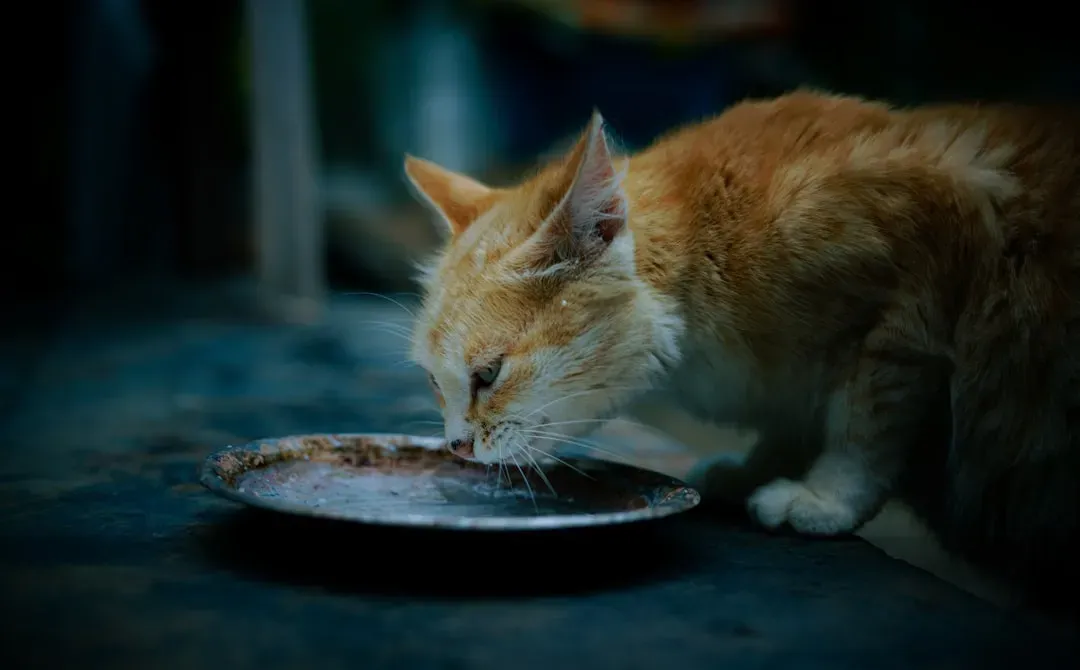
You might notice your cat turning away from their food bowl more often, showing less interest in meals that once excited them. This isn’t just a picky phase or a temporary mood. When a cat nears the end of life, one of the earliest signs can be a lack of appetite and a decrease in the frequency of eating.
Some cats can go days without eating and, as long as other symptoms are managed, may still derive enjoyment from life. Yet if your cat consistently refuses food, even their favorite treats, it’s a warning bell. Try offering warmed-up canned food or something with a strong aroma to tempt them. If they continue to refuse, it’s time to talk to your vet about what’s really going on beneath the surface.
The Weight Loss You Can’t Ignore
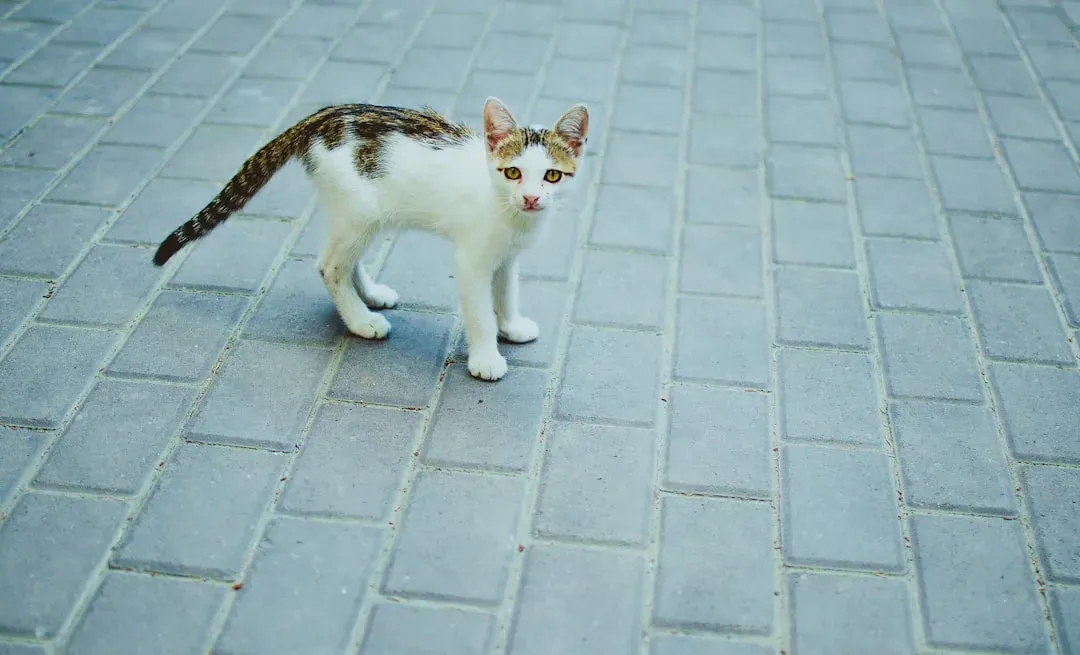
Significant weight loss often indicates severe illness and is one of the clearest signs a cat is nearing the end of its life. You might not notice the change immediately because it happens gradually. One day you pick them up and realize they feel lighter, almost fragile in your arms.
Even cats who are still eating might experience weight loss as they approach the end of life, as the body’s ability to digest protein decreases. This muscle wasting is part of the natural shutdown process. Keep track of your cat’s weight and body condition. If you’re uncertain whether they’re losing weight, your vet can review past records to compare measurements over time.
Extreme Lethargy and Weakness Set In
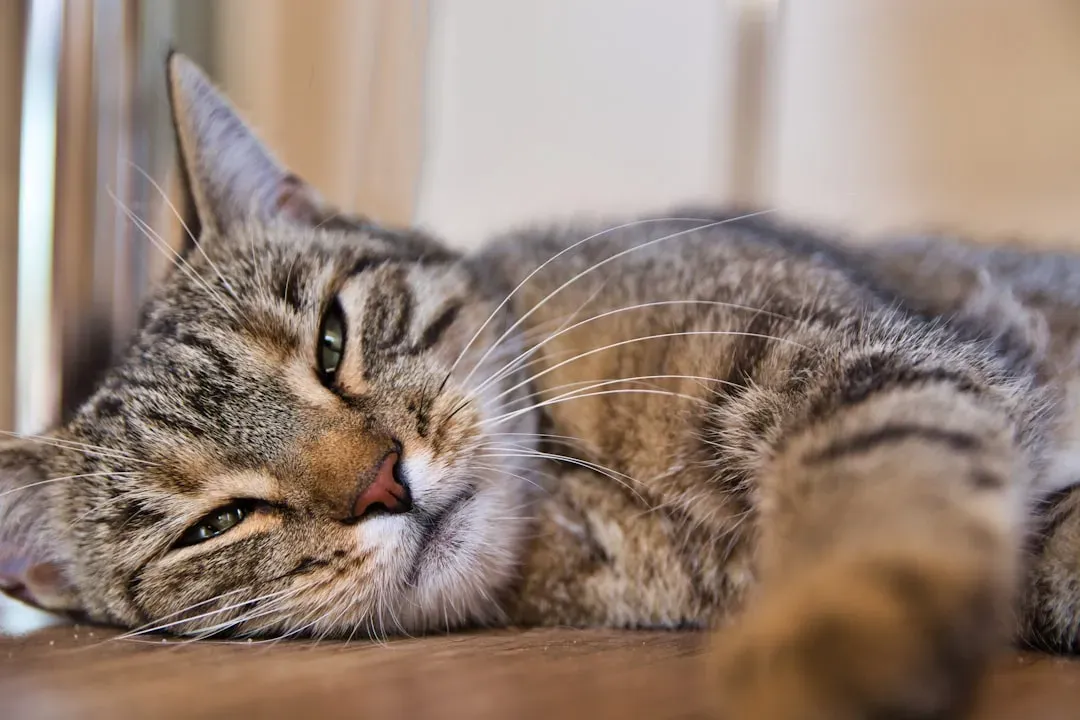
Cats can snooze for around sixteen to twenty hours a day normally, but in the last days of life, your cat might show extreme weakness and lethargy. They may barely lift their head when you enter the room. The spark in their eyes seems dimmed, and their usual curiosity has faded to indifference.
This isn’t just about being tired. As your cat’s body starts to shut down, you may notice a decline in their energy levels, and pain or weakness can also deplete energy, causing your kitty to choose sleeping over the things they normally enjoy. If your once-active companion now spends nearly all their time lying still, barely responding to stimuli, this is a sign their body is conserving what little energy remains.
Hiding Away From the World
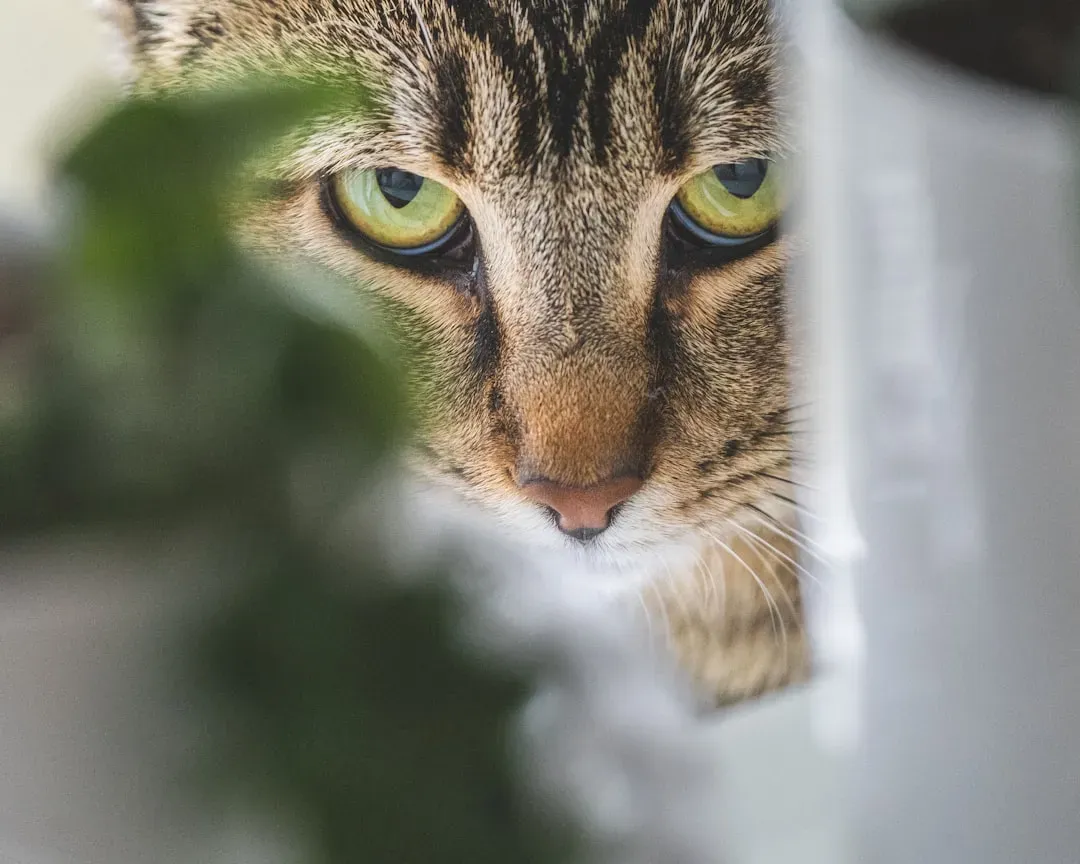
One of the most common signs a cat is dying is they will try to find somewhere quiet to be on their own, a throwback to their days in the wild when they knew it was safer to hide away from predators. You might find them tucked under the bed, in the back of a closet, or in spaces they never used before.
Many cats will start to hide when they sense the end of life is near, and when cats in the wild can no longer cover up signs of weakness, they will often try to find safe hiding places far away from potential predators. If your normally social cat suddenly wants to be alone and shows no interest in interacting with you, it’s a strong indicator that their health is declining. Pay attention to this behavioral shift, especially if it’s coupled with other symptoms.
Breathing Becomes Labored and Irregular
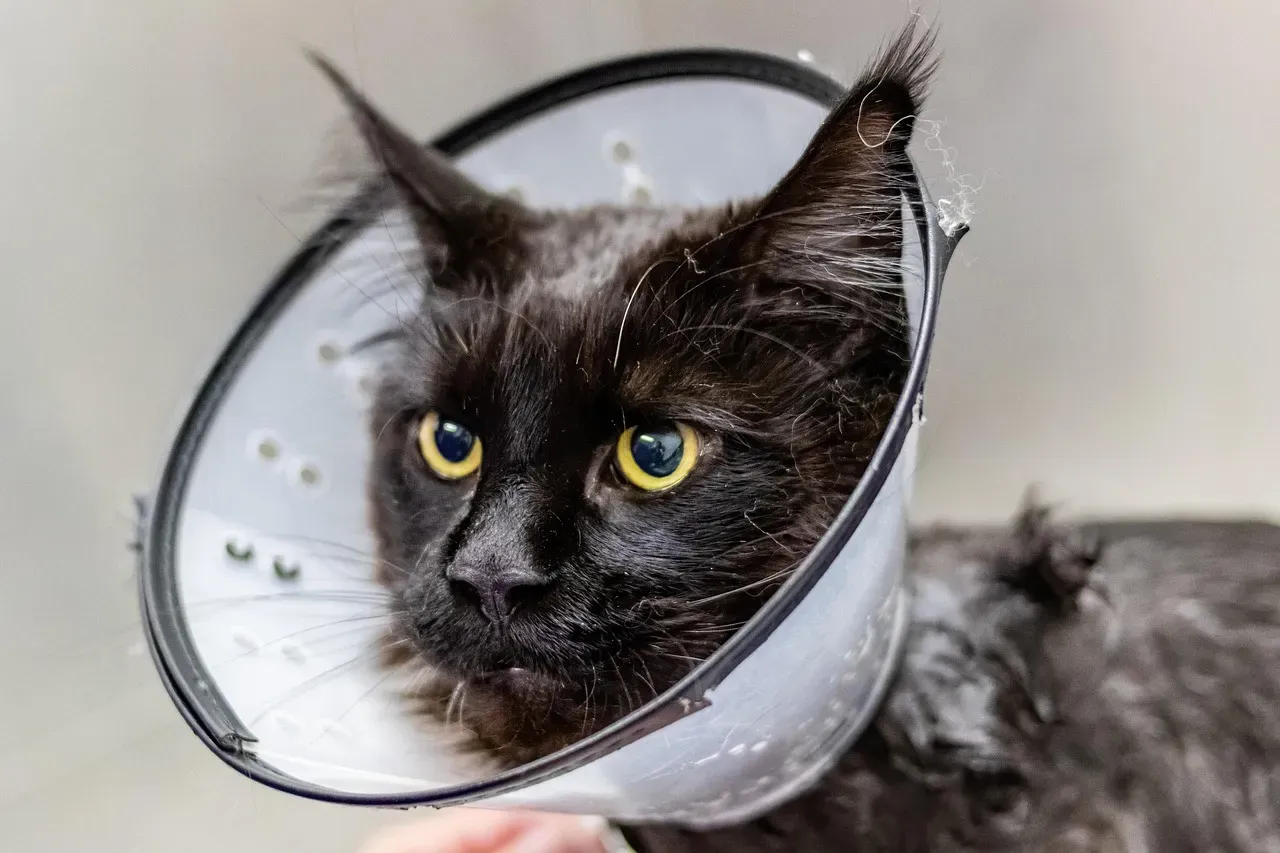
A dying cat may have an abnormal breathing pattern, with her respiratory rate speeding up and slowing down at random, and she may even stop breathing for short periods of time and then start back up again. You might notice her breathing with her mouth open or stretching her neck out in an effort to get more air.
A sick cat may have an abnormal heart rate or rhythm and have difficulties breathing; a cat’s heart rate is usually around one hundred sixty to two hundred beats per minute, and their breathing rate is around twenty to thirty breaths per minute, but if your cat is breathing heavily, with a lot of effort, or with their mouth open, these are signs that something is wrong. Difficulty breathing is a critical symptom that requires urgent veterinary attention.
Changes in Grooming and Hygiene

If your cat has lost interest in keeping themselves clean, this can be another clue that they’re reaching the end of their life, and this also occurs due to pain and illness. Cats usually spend up to fifty percent of their waking hours grooming, so you may notice your cat’s fur becoming dull and matted if they’ve stopped grooming themselves.
Honestly, this change can be heartbreaking to witness. A cat who once prided themselves on being impeccably clean now sits with unkempt fur and an aura of neglect. A lack of bladder or bowel control in cats may be due to a treatable medical condition, but it can also be a sign that your cat is approaching the end of their life. If you’re noticing accidents or your cat lying in their own waste, it’s a clear sign they need immediate veterinary evaluation.
Unusual Vocalizations or Complete Silence
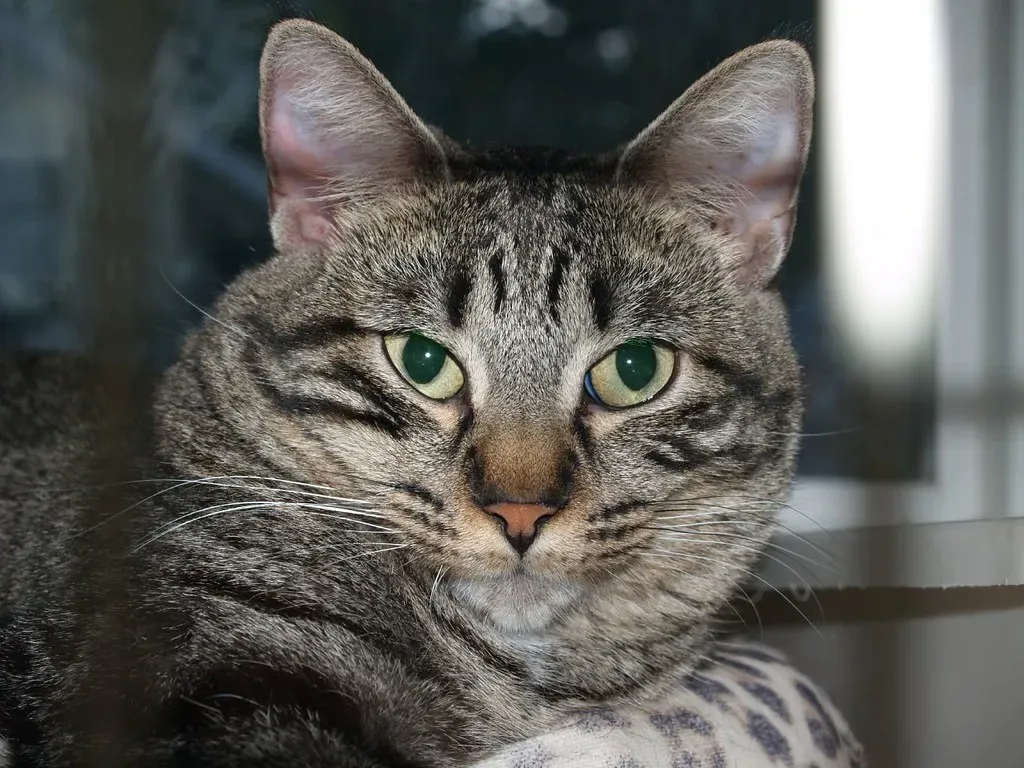
Changes in vocalization, such as yowling, meowing excessively, or complete silence, can signal distress or disorientation. If your cat suddenly begins meowing more or is making other out-of-the-ordinary noises, this could indicate discomfort or pain, and cats can be noticeably vocal when they aren’t feeling well.
On the flip side, a cat who was once chatty might go completely silent. Does your cat usually tell you exactly what she’s thinking and is suddenly very quiet, or did she completely lose interest in toys she once loved? These behavior changes could be signs the time is coming. Whether your cat is crying out more than usual or has gone eerily quiet, both extremes warrant your attention and concern.
Body Temperature Drops and Extremities Feel Cold

Cats usually have a fairly high resting body temperature and will often seek out warm spaces, but a drop in a cat’s temperature below one hundred Fahrenheit is very concerning in cats and can indicate extreme debilitation or serious illness. As a cat’s body starts to break down, he or she might not be able to regulate temperature as well as they once did, which could present in cold extremities, specifically the paws and ears.
You might touch your cat’s paws or ears and find them unusually cool. Even when you wrap them in blankets or place them near a heat source, they struggle to stay warm. This inability to maintain body temperature is one of the physical processes that happen as the body begins shutting down.
Behavioral Shifts You Never Expected

Cats may show behavioral changes when nearing the end of their life, which vary individually; some might become reclusive and irritable, while others could grow clingy. Increased clinginess or irritability can both be signs your cat is approaching their final days.
One of the most disturbing changes in behavior when a cat is nearing the end of its life is sudden aggression toward you, and if the cat unexpectedly lashes out or bites while you are trying to pet it, it could be feeling quite a bit of pain. These personality changes can feel confusing and hurtful, particularly when your gentle companion suddenly seems like a stranger. Remember, they’re not trying to hurt you. They’re struggling with pain, confusion, and fear.
Tracking Quality of Life: More Bad Days Than Good
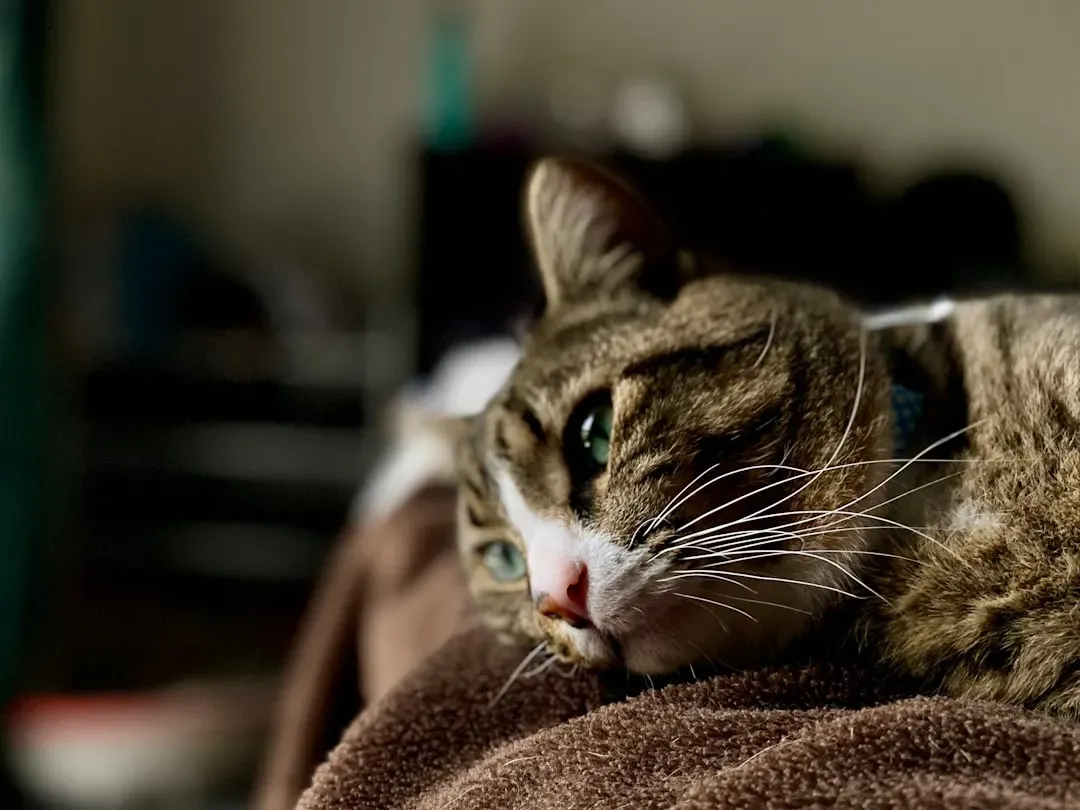
Bad days mean your kitty’s quality of life, their ability to derive enjoyment from life and your bond with your pet are seriously impaired by the severity of their symptoms, and when the bad days occur more frequently than the good days, this signals the end is near. You need to consider your cat’s health status: are they constantly vocalizing in pain or having seizures even if they’re on anticonvulsant medications, and is your cat on edge all the time, scared or depressed?
Keeping a simple journal can help. Note when your cat eats, plays, interacts with you, or seems comfortable. Then note when they refuse food, hide, vocalize in distress, or seem unable to move. If the negative entries start to outnumber the positive ones, it’s time for a serious conversation with your veterinarian about your cat’s quality of life and what options remain.
What You Can Do to Help Them Now

Once you recognize these signs, your focus should shift to comfort and compassion. Hospice and palliative care for cats may include medications, rehab therapy, and environmental changes to make their day-to-day activities more comfortable, and your vet may recommend elevated food and water bowls, low-entry litter boxes, and cat steps or ramps to give your cat easier access to their favorite spots.
As your cat’s body starts shutting down, its functions will get slower, so try to provide it with the care and comfort it needs at this moment by preparing small, soft meals or liquid diets to ensure hydration, and you can also wrap your cat in comfortable blankets to maintain warmth as its body temperature goes down. Spend quiet time with them. Speak in soothing tones. Let them know they’re loved and safe. These final acts of care can bring peace to both of you as you navigate this painful journey together.
What do you think? Have you noticed any of these silent signs in your own cat? Trust your instincts, lean on your vet for guidance, and remember that choosing comfort over prolonging suffering is one of the most loving decisions you can make.