There’s a story most of us have been told since forever: cats are the original introverts. Self-sufficient, aloof, barely tolerating your presence. You feed them, they ignore you, and everyone’s fine with it. It’s practically a cultural institution at this point, that image of the cold, solo feline who couldn’t care less whether you walked in or walked out.
Here’s the thing, though. Science has been quietly, persistently dismantling that story for years. What researchers are finding about feline social behavior is, honestly, fascinating. Your cat isn’t the stoic loner of popular imagination. Their social life is layered, nuanced, and in many ways, profoundly misunderstood. Curious about what’s really going on behind those unblinking eyes? Let’s dive in.
The Myth of the Solitary Cat: Where Did It Even Come From?
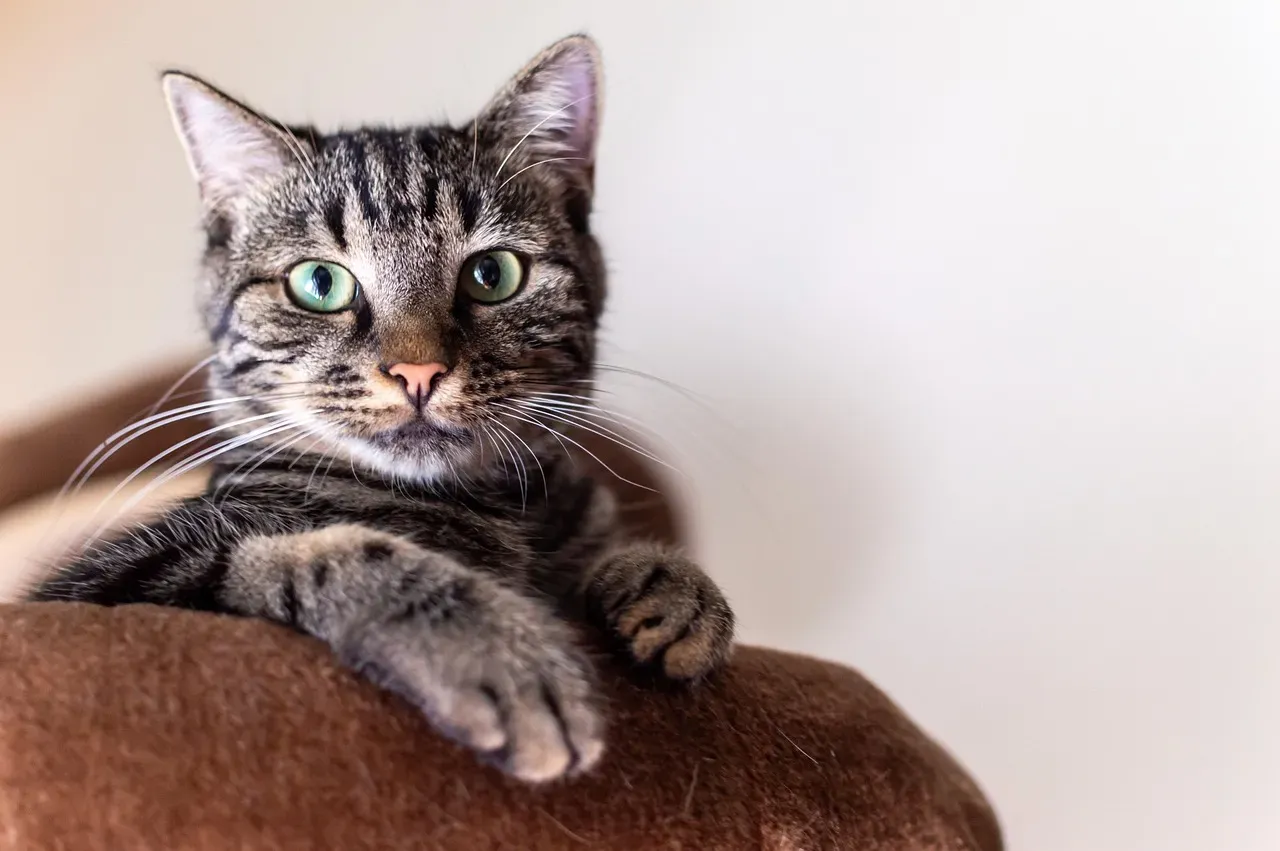
Think about how cats are usually described compared to dogs. Dogs evolved from pack-hunting ancestors, creatures hardwired for group dynamics and collective effort. Cats, on the other hand, come from an ancestor that was largely solitary, and they haven’t evolved social behavior quite as elaborate or visible as what dogs display. That contrast alone planted the seed of the “loner” myth, and it has never fully gone away.
Cats are among the most popular pets worldwide, yet there are still enormous gaps in the public’s general understanding of their social behaviors and related needs. People often hold negative or even ambivalent attitudes about cats, and this directly impacts how well they’re cared for. Honestly, when you look at it that way, the myth isn’t just inaccurate. It’s actively harmful to the animals people think they understand.
Cats Are Facultatively Social: What That Actually Means for You
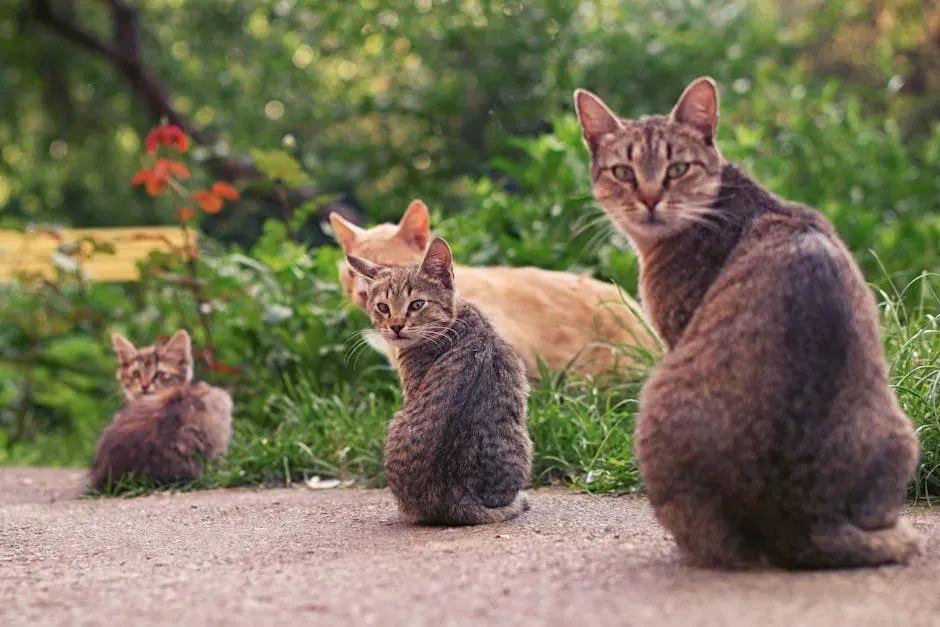
Domestic cats are what scientists call facultatively social animals, which means they are capable of living both socially and solitarily, with much of this flexibility being shaped by the individual cat’s environment and life experience. In free-roaming outdoor cats, social living is largely influenced by the distribution of vital resources like food, shelter, and mates. Cat social groups tend to form around areas of plentiful, clumped resources, while solitary living usually emerges where resources are sparse and spread out.
Think of it like this: if you dropped a human being alone in the wilderness with no neighbors for miles, they’d adapt to solo life pretty fast. Put that same person in a well-stocked neighborhood and suddenly there’s a social life. Cats operate on a remarkably similar principle. They are facultative social animals who demonstrate complex social behaviors, including affiliative behaviors, especially in environments that favor interaction, such as shelters, multi-cat houses, and free-ranging cat colonies. The capacity for connection was always there. It’s the conditions that matter.
The Secret Social Lives of Cat Colonies
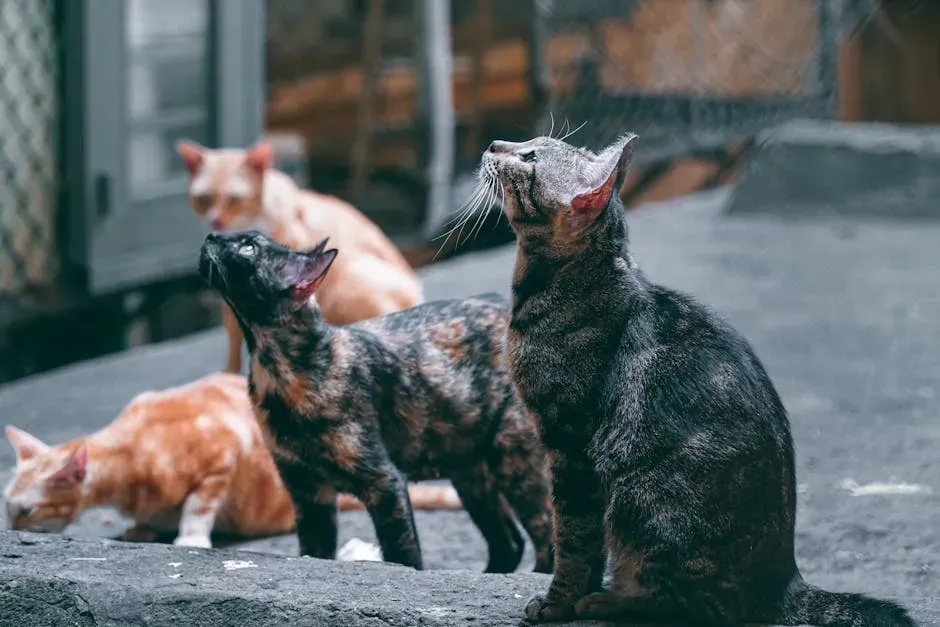
If you’ve ever seen a feral cat colony and assumed it was just a bunch of animals sharing a food source, you’d be only partially right. Research has shown that cats in colonies actually socialize non-randomly, forming relationships with preferred associates, or individuals they are significantly more likely to spend time near. Similar dynamics are found in housecats too, who also develop preferred associates. Cats that are more familiar with each other groom each other more frequently and spend more time in close proximity.
In many cases, cats within a colony display affiliative bonds with certain cats over others, and the direction of those interactions tends to be stable over time. Cats from outside the group are likely to receive increased aggression from group members, indicating that these relationships are indeed complex and deserve further study. That’s not random coexistence. That’s a genuine social structure, complete with friends, boundaries, and community loyalty. Let’s be real, that sounds less “lone wolf” and more “tight-knit neighbourhood.”
How Cats Form Bonds With Their Humans
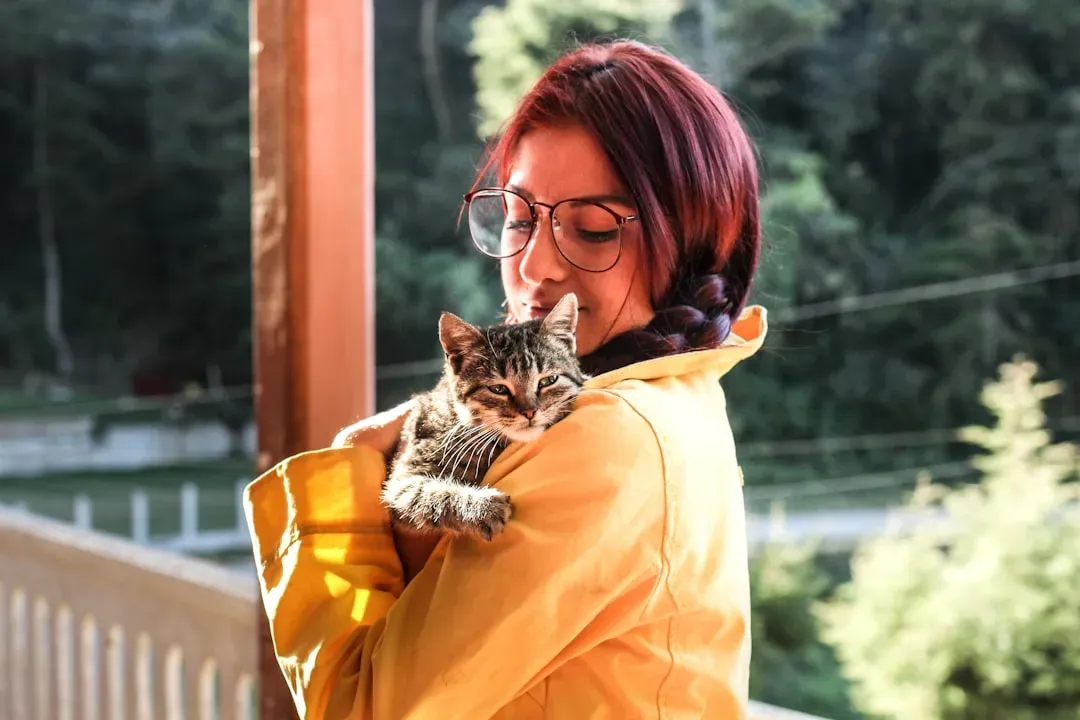
Research published in the journal Current Biology found that, much like children and dogs, pet cats form secure and insecure bonds with their human caretakers. The findings suggest that this bonding ability across species must be explained by traits that aren’t specific to canines alone. That’s a pretty significant rewrite of the usual narrative. Your cat isn’t just tolerating you. They may be genuinely attached to you.
According to researcher Kristyn Vitale of Oregon State University, cats display social flexibility in regard to their attachments with humans, and the majority of cats are securely attached to their owner, using them as a source of security in novel environments. A 2017 study also found that the majority of both pet and shelter cats preferred interacting with a person over eating food or playing with a toy, though individual variability was clearly observed. Let that sink in for a moment. More than food. More than toys. You.
The Critical Window: Early Socialization and Its Lifelong Impact
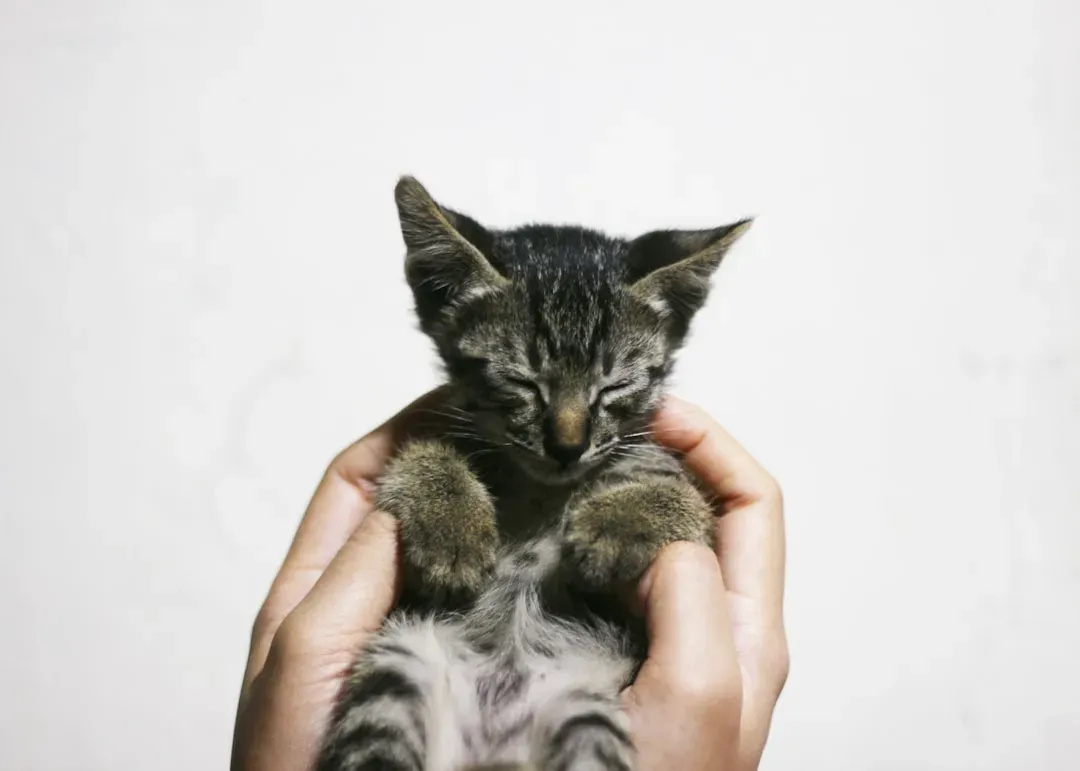
Proper socialization, the process through which a kitten develops appropriate social behaviors toward their own and other species, is a critical component of bonding. If a cat does not receive social experiences with humans during a sensitive period between four and eight weeks old, it may be extremely difficult for them to bond with a human later, or they may never be able to do so. In these cases, feral cats typically live without direct human interaction, although they may still depend on humans for food or other resources.
Kittens handled daily by people during the first month of life develop more rapidly, become more outgoing, are more social toward humans, and experience fewer problems with aggression. On the other hand, kittens isolated from humans for their first month of life tend to be reluctant to approach people later on. It’s a narrow window, and what happens inside it shapes a cat’s entire relational life. Even after the critical socialization period, a cat’s brain remains flexible, and neuroplasticity means it’s entirely possible for an adult cat to overcome fear of humans, though it takes longer and requires the right approach.
Reading the Room: How Cats Actually Communicate Socially
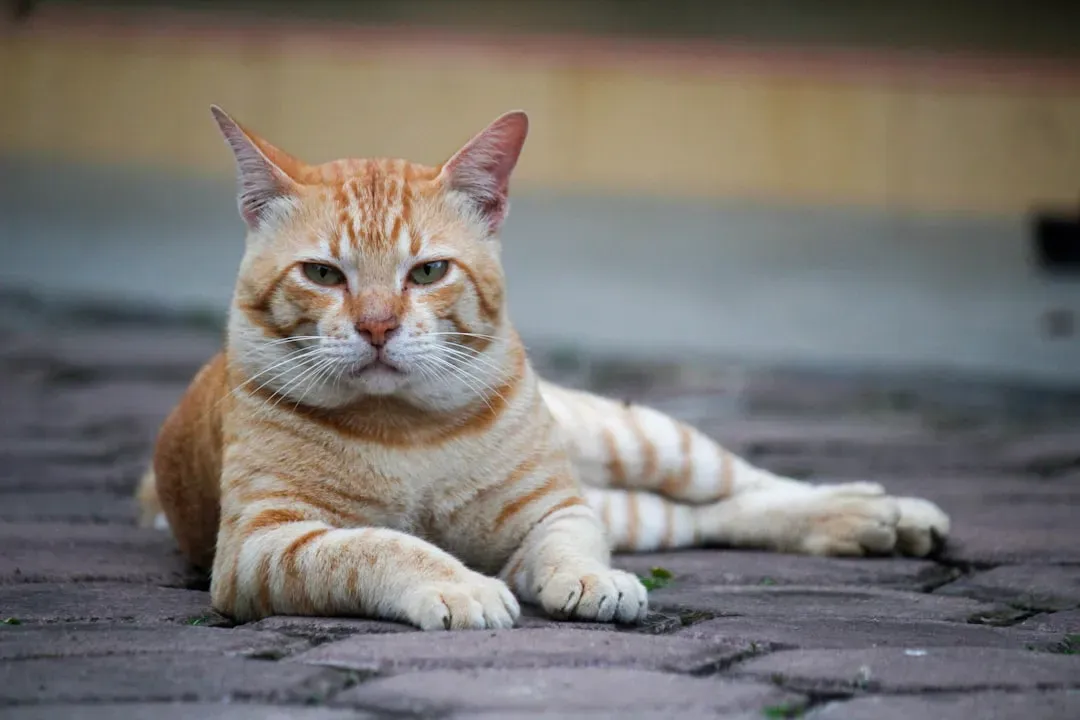
Cats have unique ways of expressing affection that people more familiar with dogs often misunderstand. They show love through facial rubbing, head bunting, and rolling over to expose their belly as a sign of trust. Purring, kneading, and gentle love bites are common ways cats express fondness. They also communicate affection through vocalizations and the famous slow blink, which conveys love and trust.
Common forms of tactile communication include allorubbing, which is two cats rubbing their bodies against each other, allogrooming or mutual grooming, nose touching, and resting or curling up together. When your cat rubs around your legs to greet you, they’re doing exactly what they would do greeting another cat through mutual rubbing of the face and body. Since they can’t easily reach your face, they use your legs instead. Afterward, your cat will often groom themselves to check out your scent. You’re not just tolerated. You’re part of their social world.
Multi-Cat Households: Social Bliss or Quiet Chaos?
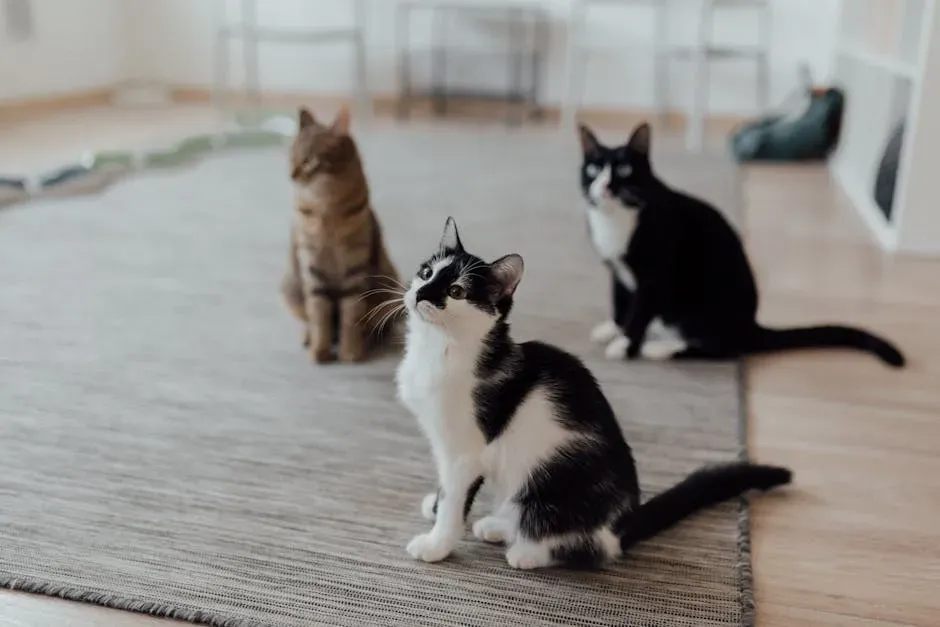
A commonly encountered myth is that all singly kept cats are lonely and would automatically benefit from having another cat brought into the home. While some cats may indeed benefit from feline company, domestic cats have diverse social compositions that include both solitary and group social structures. Many factors, such as access to resources and early socialization experience, influence whether cats will enjoy or even tolerate each other, making it genuinely difficult to predict how unfamiliar individuals will react when introduced.
Like people, cats enjoy a full spectrum of personality types, preferences, and behaviors. Some cats are more introverted and need significant amounts of alone time each day. Others can’t wait for social interaction and actively seek out new experiences and companionship. Forcing a naturally solitary cat to live with another cat is a bit like moving a confirmed introvert into a shared flat with a gregarious extrovert. Technically possible. Probably stressful. The individual always matters here.
Do Cats Understand Your Emotions? Surprisingly, Yes
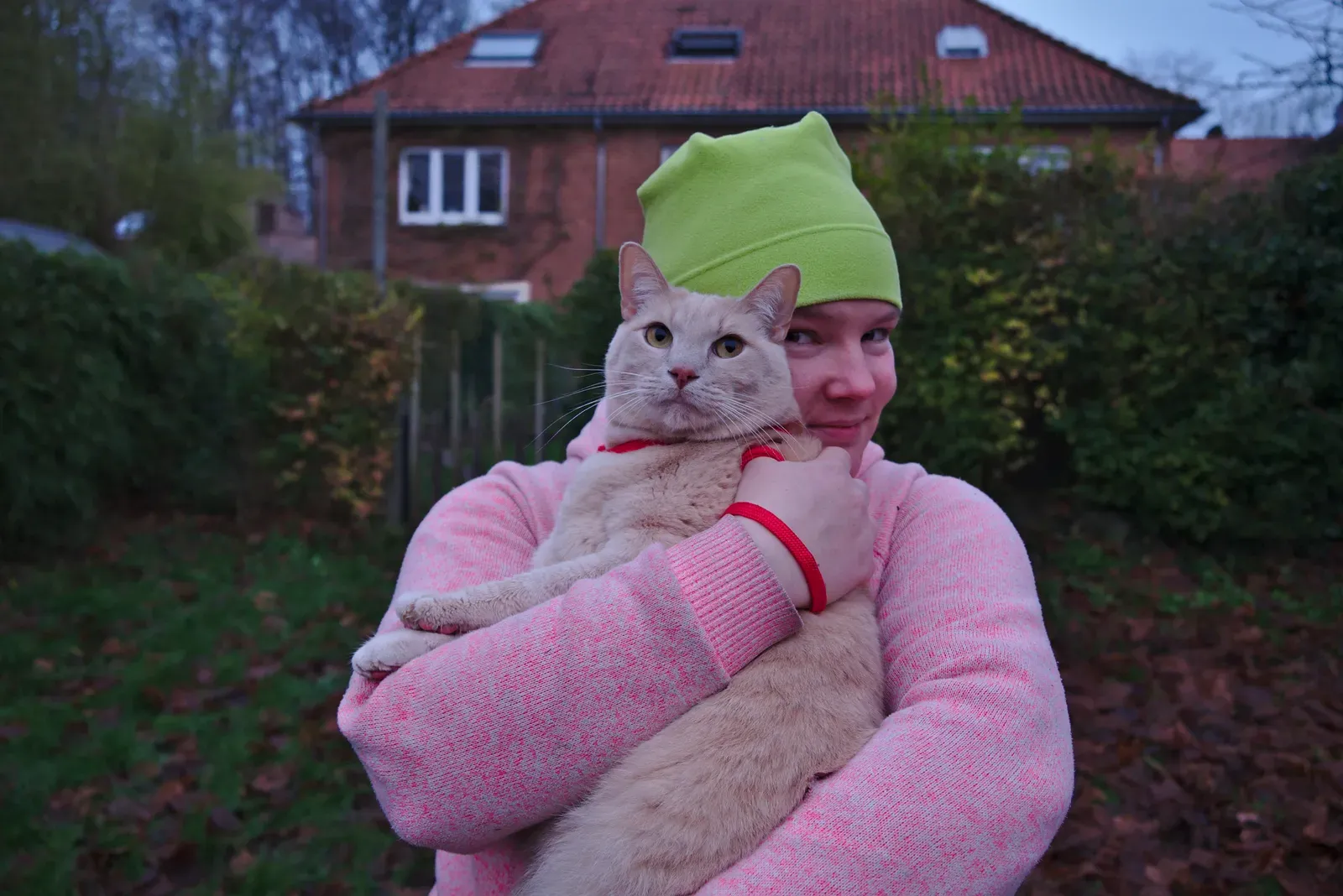
Research shows that within bouts of interaction, cats engage in more allorubbing toward a human in a depressive mood, approached humans feeling “numb” less often, and approached humans who felt agitated or extroverted more frequently. Together, this indicates cats can detect human emotional state and mood, and to some extent alter their behavior in response. That’s not just adorable. That’s genuine social intelligence at work.
A study examining vocal recognition found that cats display a significantly higher orienting response when they hear their owner’s voice compared to a stranger’s. Another study found that, similar to dogs and humans, a cat’s blood pressure and heart rate increases significantly when presented with a human they are bonded to compared with a stranger. This physiological response to a bonded caretaker likely indicates excitement for interaction with a preferred person, shaped by a shared history of positive experiences. Your cat literally responds to you differently, right down to their heartbeat. That’s a bond, full stop.
What Misreading Cat Sociality Actually Costs Them
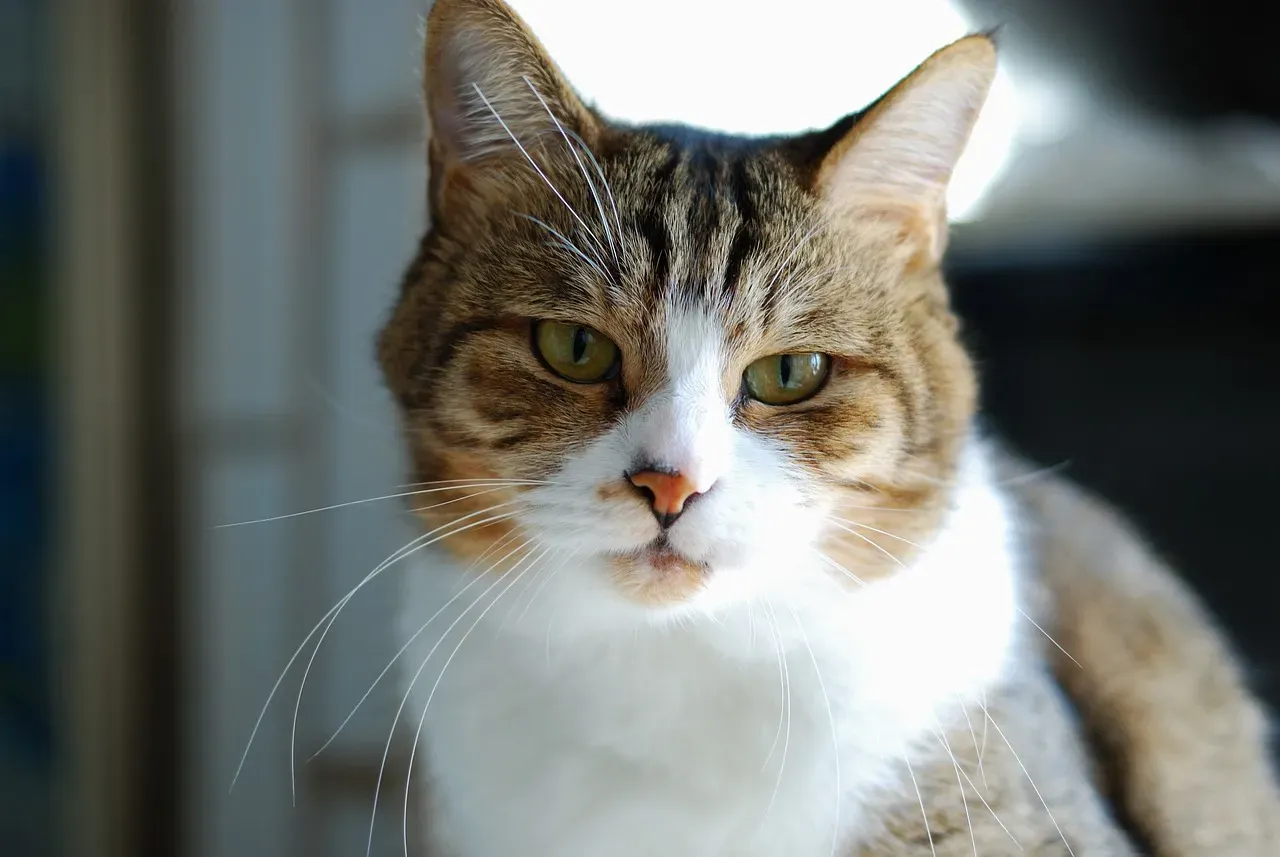
Cats are often viewed as aloof largely because they are compared to dogs, which are undeniably more openly social. Sadly, viewing cats as asocial causes real harm, as their caretakers become less likely to provide affection, exercise, grooming, toys, and adequate veterinary care. That’s a steep price for an animal to pay simply because their social language is quieter and more nuanced than what we’re used to reading.
Insufficient attention to the behavioral ecology and development of cat sociality, along with failure to account for their highly variable individual preferences and tolerance for social behaviors, can lead them to experience distress that undermines both their welfare and the human-animal bond. We still have a long way to go in understanding cats. The science on cat behavior lags well behind the science on dog behavior, but the most important thing is to stay open to new information as the knowledge base grows, and to use that research to improve how we treat and care for the cats in our lives. That willingness to revise our assumptions might be the most genuinely caring thing a cat owner can do.
Conclusion
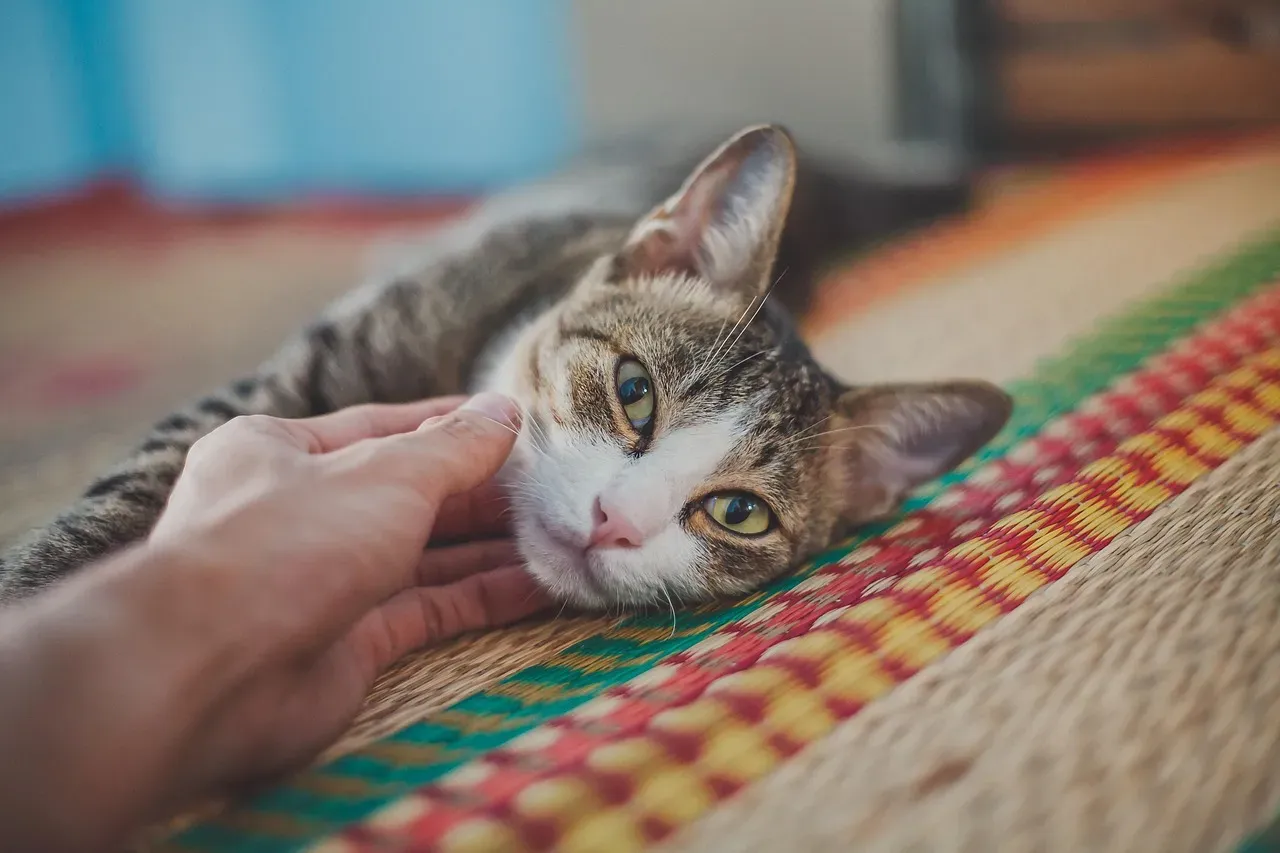
Your cat is not a loner. They are a complex, emotionally capable, socially flexible creature whose inner world is far richer than most people ever realize. The “independent cat” image isn’t completely wrong, it captures part of their nature, but it misses so much of the picture that it ends up doing real harm.
Understanding your cat’s social needs isn’t just an interesting intellectual exercise. It changes how you interact with them, how you build your home environment, and ultimately how deep and meaningful your bond with them becomes. The slow blink across the room, the headbutt at your ankle, the quiet presence near your feet. These are not random behaviors. They are an invitation. One worth accepting.
So the next time your cat strolls into the room, settles nearby, and offers you that long, languid slow blink, know that you’re witnessing something beautifully social. Something that took thousands of years to build. What does your cat do that you’ve always dismissed as indifference but might actually be affection? Take a second look. You might be surprised by what you find.