You call your cat’s name. You make eye contact. You even shake the treat bag. Nothing. Your cat sits perched on the couch, gazing into the middle distance like a tiny, indifferent philosopher. Sound familiar? If you share your home with a feline, you have almost certainly been on the receiving end of that legendary cold shoulder at least once or twice. Maybe more like daily.
Here is the thing though – what looks like a snub might actually be something far more fascinating. Your cat may not be ignoring you at all. They might be quietly doing what they do best: observing, processing, calculating. The gap between “rude” and “occupied” in the feline world is actually enormous, and understanding it could completely transform the way you see your relationship with your cat. Let’s dive in.
The Evolutionary Roots of Feline Independence
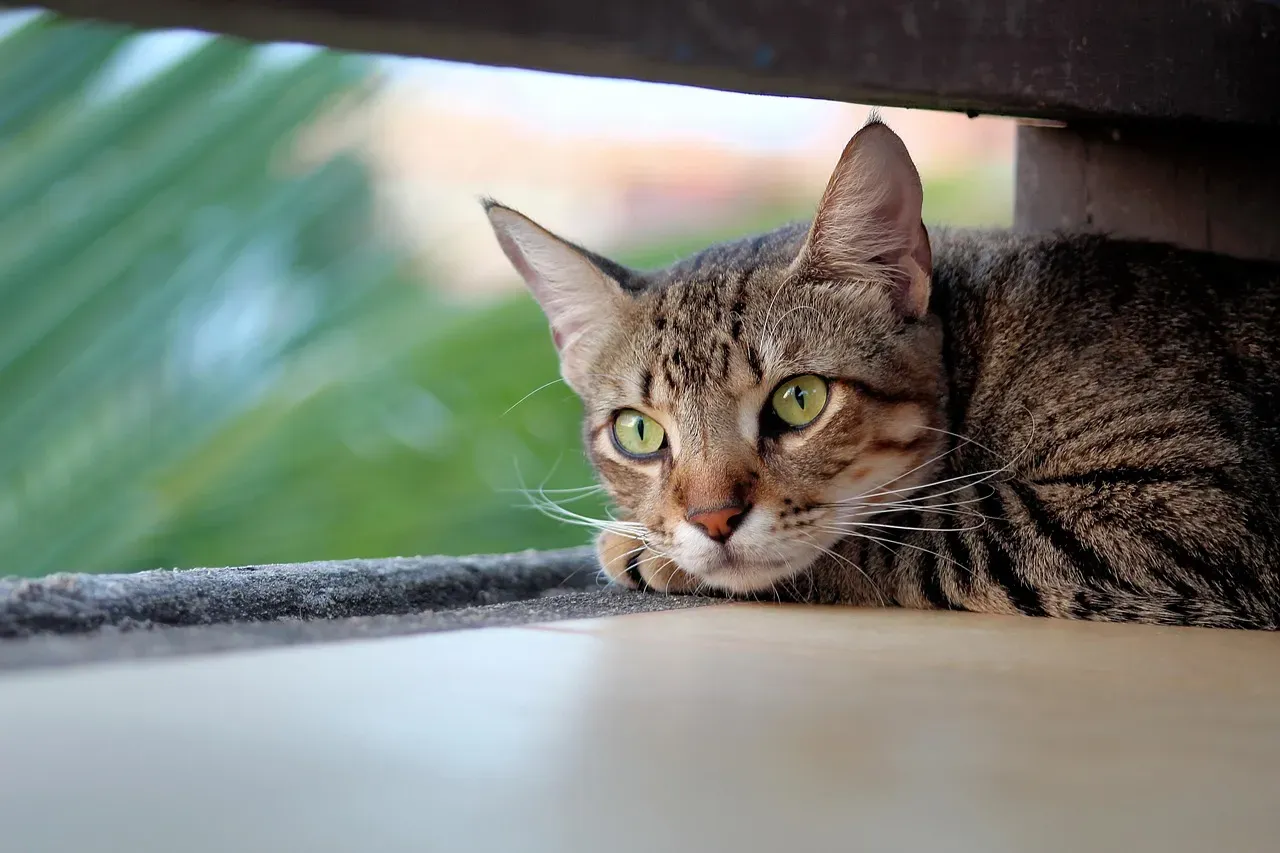
To understand why your cat sometimes seems unmoved by your existence, you have to go back a very long way. Cats evolved as solitary hunters rather than pack animals like dogs, and this evolutionary history means they are naturally equipped for self-sufficiency, with no real reliance on social groups for survival or emotional support. Think about that for a second. Dogs were literally bred to be your teammate. Cats, on the other hand, signed up for a very different deal.
The transition from wild African cat to house pet began through a unique process of self-domestication, starting approximately 10,000 years ago as humans established agricultural settlements in the Fertile Crescent. As humans stored grain, rodent populations attracted wildcats to settlements, offering a reliable food source, and cats that were naturally more tolerant of human presence gained a survival advantage. In other words, your cat chose to hang around humans – not the other way around. That independent spirit is not a personality flaw. It is deeply baked in.
Selective Attention Is Not the Same as Ignoring
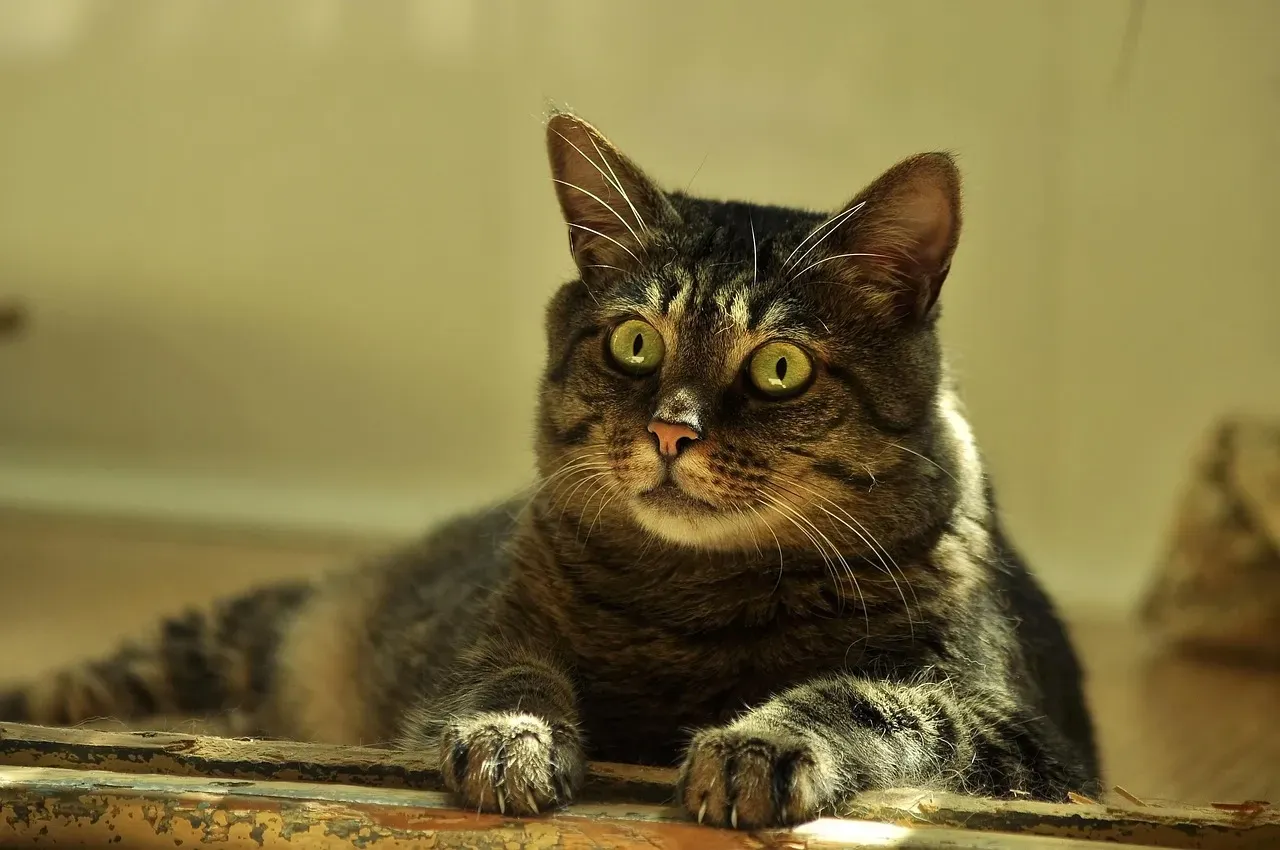
Cats may seem to “ignore” their owners, but this behavior is often rooted in their natural independence, instincts, or selective interaction style, and ignoring does not usually mean rejection. It is a sign that cats regulate when and how they engage with humans. This is a genuinely important distinction, and honestly, I think most cat owners misread it constantly.
Cats are selective responders who choose when to acknowledge calls based on their motivation and current state. This behavior reflects their independent nature rather than a lack of attachment to their owners, and a cat’s apparent indifference is usually just their way of maintaining healthy boundaries and expressing their natural independence. Honestly, it is not so different from a person who is deep in thought and simply does not hear you knock. They are not being rude. They are just busy on the inside.
Your Cat Is Actually Running a Constant Information Stream
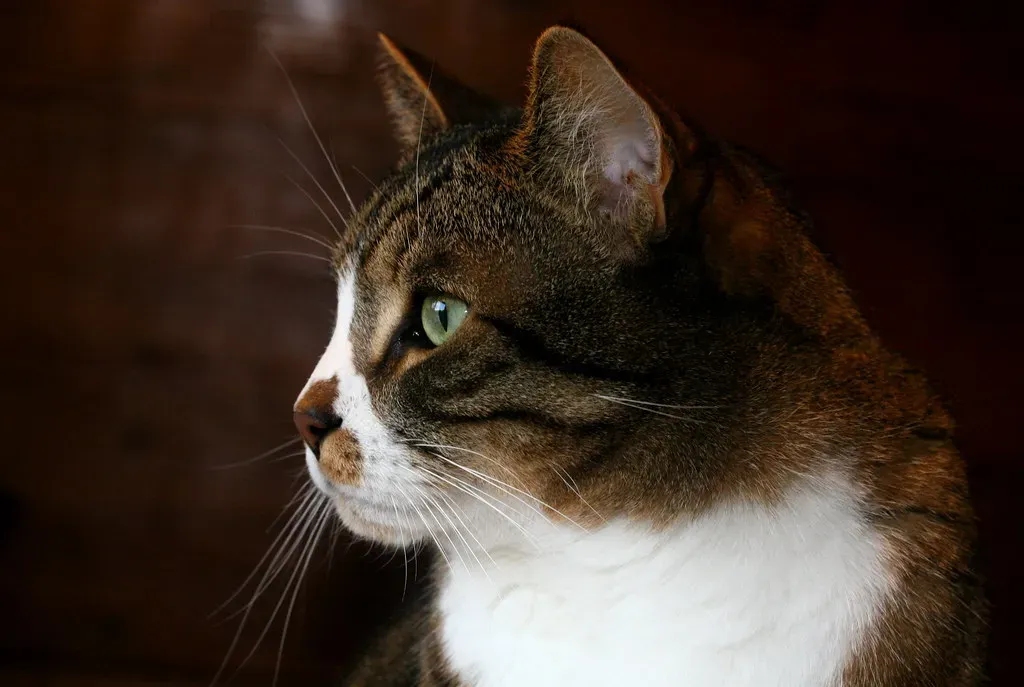
This passive observational habit in cats is deeply rooted in feline instinct, and as natural predators and territorial animals, cats are constantly wired to monitor their surroundings for changes. Their stare is not idle observation – it is their way of gathering information, detecting movement, and ensuring that everything is as it should be. Imagine living with a tiny, perpetually active security camera. That is essentially what your cat is.
Cats are highly tuned predators with very strong sensory perception. They have exceptional senses of smell, vision, and hearing far beyond our own. They can spot tiny movements, hear things from far away, and smell things we cannot even register. What looks like “nothing” to us might be a shadow, a tiny insect, or a sound we cannot detect. So when your cat stares at the wall with the intensity of a detective, they are genuinely investigating something. You just cannot access the feed.
The Science Behind That Unblinking Stare
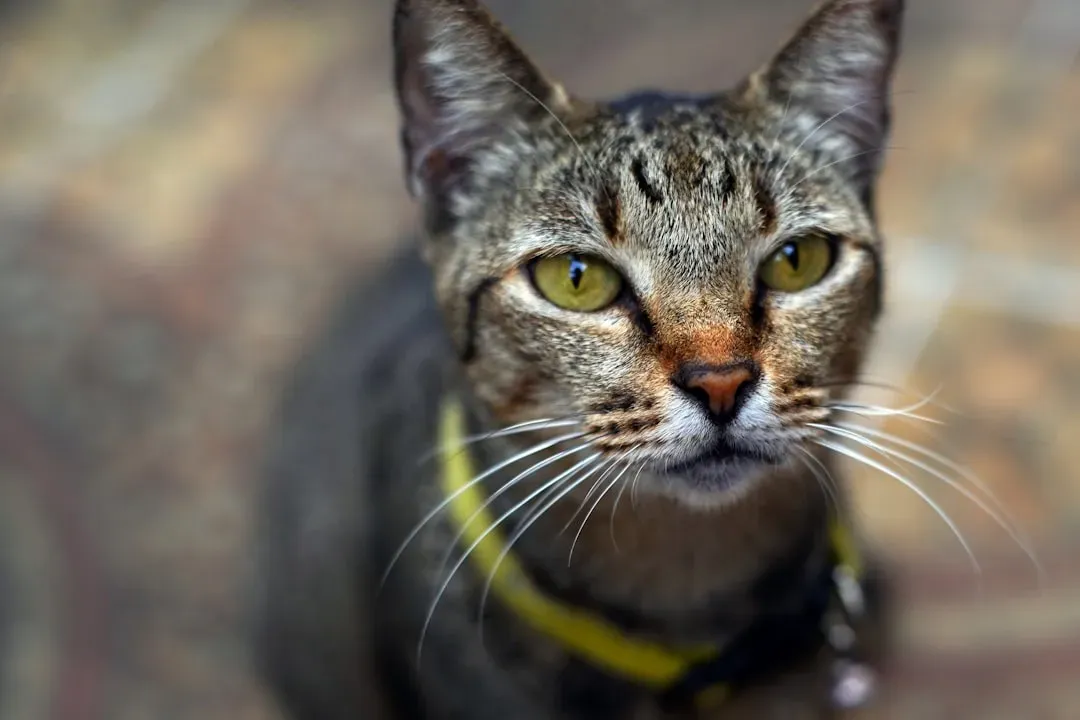
Cats have far more rod cells in their eyes than humans, making them exceptional at detecting movement in dim conditions. A reflective layer behind the retina called the tapetum lucidum amplifies available light, allowing cats to see in conditions six times darker than what humans need. Cats can also see ultraviolet wavelengths invisible to the human eye, and certain fabrics, cleaning residues, and surface coatings reflect UV light in patterns we cannot perceive, making a blank wall or floor visually interesting to a cat. A blank wall to you could genuinely look like a light show to your cat. That stare is not emptiness – it is focus.
Cats evolved as observant hunters and cautious survivors, and their eyes help them track motion, judge distance, and evaluate safety. When a cat stares at a person, they often use that same instinctive focus to gather information – they may think you are simply watching them, but they are actually reading your movements, tone, and behavior. Your cat is essentially doing a behavioral analysis of you every single time they lock eyes with you. That is weirdly flattering when you think about it.
Why Your Cat Seems to ‘Ignore’ You Around Strangers
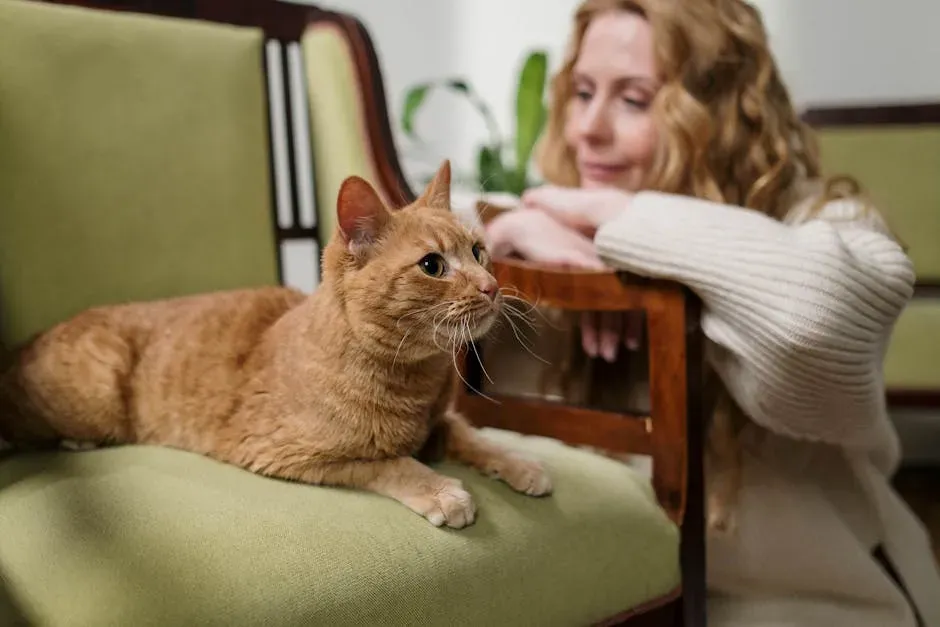
When your cat seems to distance themselves from you around guests, this is often a defensive mechanism. By distancing themselves from their usual routines, they are maintaining a neutral status while assessing the new energy in the room. Let’s be real – there is something almost impressive about this strategy. Your cat essentially goes undercover the moment someone new walks through the door.
When your cat pretends not to know you, it is an extension of their unique personality, not a lack of affection. Their aloofness in front of strangers actually makes the moments they do show you love, such as those 2:00 AM head-butts or quiet morning purrs, even more significant. That is a perspective worth holding onto the next time your cat suddenly acts like you are strangers at a bus stop. The love is still there. It is just operating on a private channel.
When Instinct Takes Over Completely
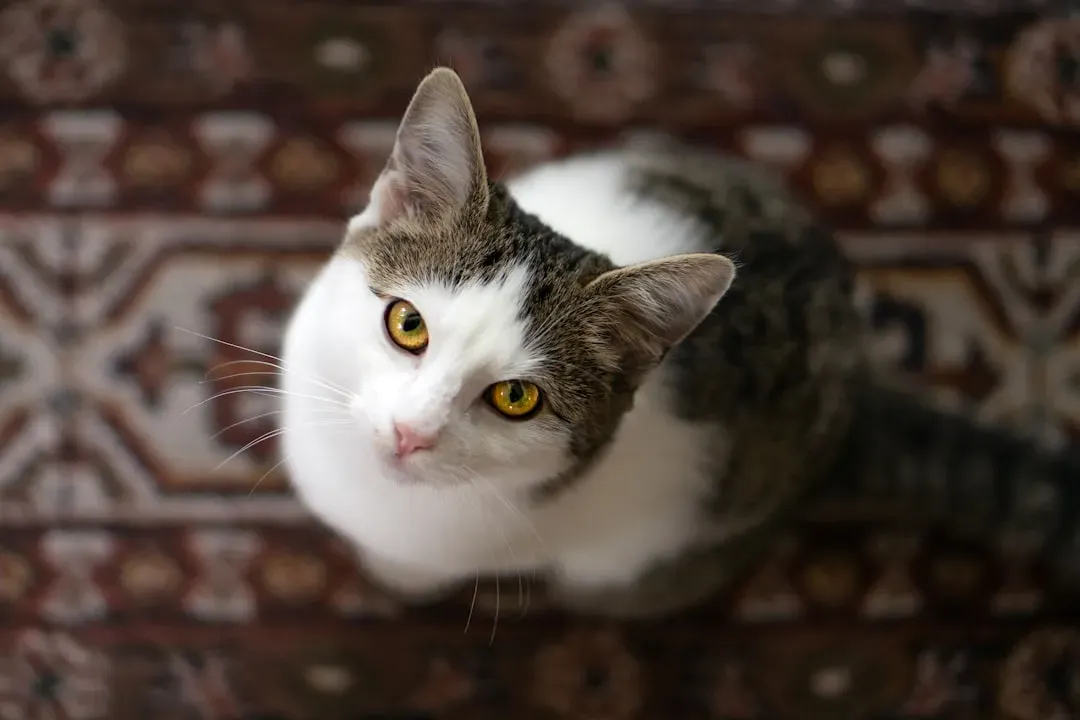
When your cat is in “hunt” mode, they can become intensely focused on certain stimuli, seemingly ignoring everything else, including you as their owner. They are tuned into their primal instincts, and everything else fades into the background. This is not personal. This is prehistoric programming at work, playing out in your living room.
When something moves – a fly, a shadow, or a sound outside – your cat goes into full concentration mode, and during this time, they may not notice you calling them at all. It is not personal; their instincts just take over. Calling your cat’s name during a hunt-mode episode is a little like trying to talk to someone mid-sneeze. Timing is everything. Wait for the moment to pass, and you will likely get a very different response.
The Slow Blink Is Your Cat’s Love Language
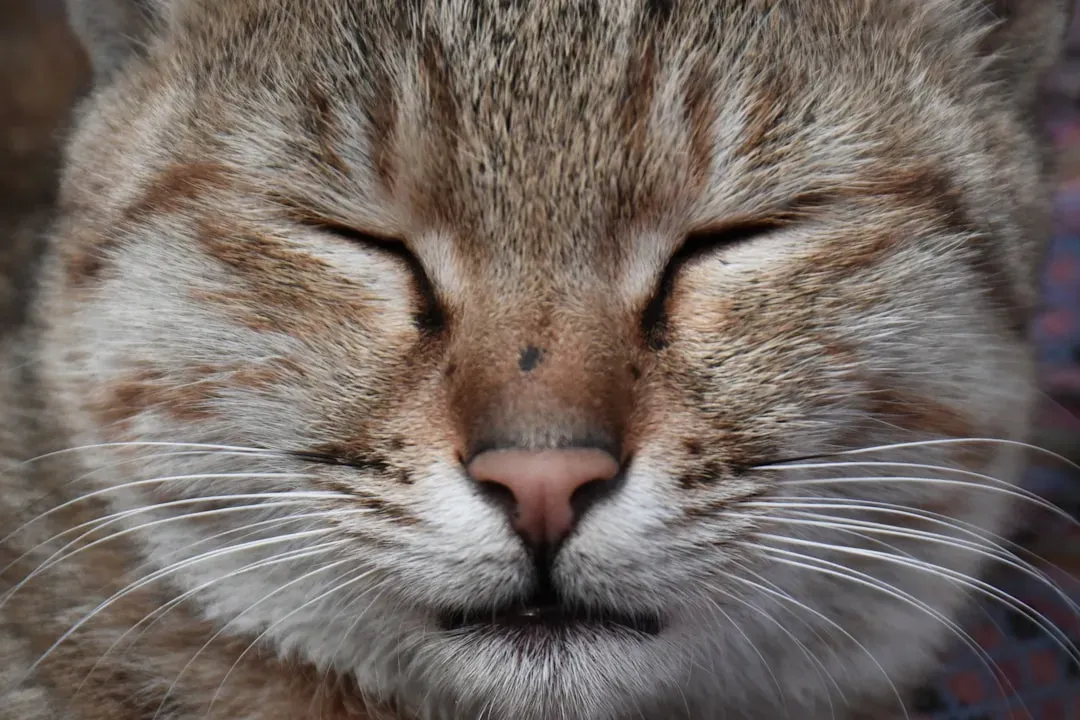
In 2020, psychologists at the University of Sussex conducted the first scientific study on cat slow blink meaning, led by Dr. Tasmin Humphrey and Professor Karen McComb, and the research published in Scientific Reports proved something cat owners long suspected: slow blinking is genuine cat communication. This is one of those moments where science catches up to what cat lovers have quietly known all along.
When a cat slow blinks at you, they are often expressing a sense of trust, contentment, and affection. In the feline world, closing their eyes in the presence of another creature makes them vulnerable, as they are unable to detect potential threats. By slow blinking at you, your cat is demonstrating their trust and signaling that they feel safe and relaxed in your company. So if your cat ever gives you that lazy, half-lidded blink from across the room, consider it a quiet declaration of love. Try blinking slowly back – you might be surprised by what happens next.
Health and Environment Can Mimic ‘Ignoring’
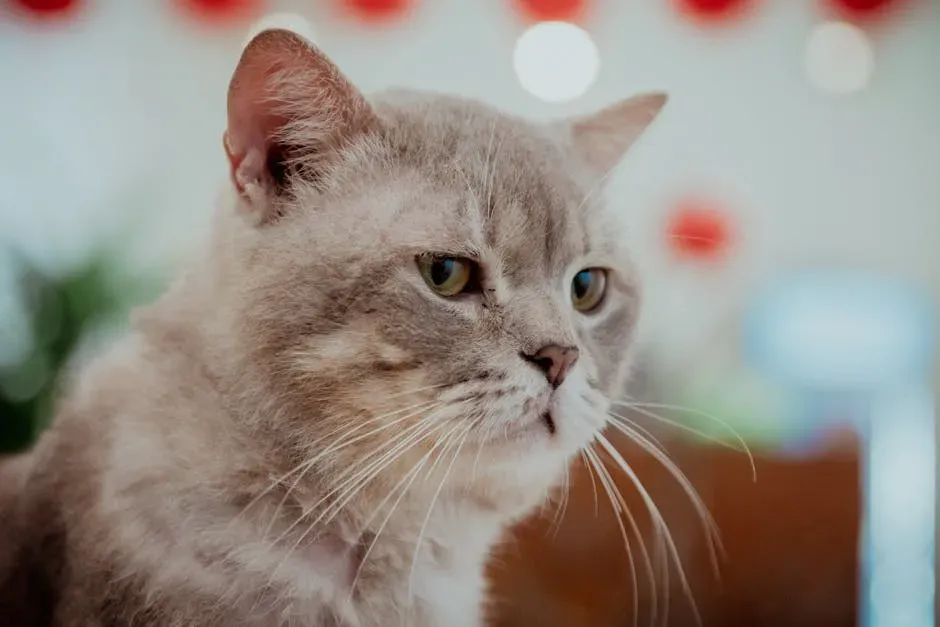
Many medical conditions, including kidney disease, infections, or anything that causes pain, can cause cats to withdraw and interact less with their families. Cats also thrive when they have enough mental stimulation through play, interaction with their favorite people, and the ability to express natural hunting instincts. This is an important one. Not every instance of distance is behavioral – sometimes it is a health signal disguised as aloofness.
If your cat is getting older, you may gradually notice them paying less attention to you or not responding when you try to call them or move into their line of sight. This does not mean your cat is becoming unfriendly in their old age. Rather, your senior cat may be losing their vision and hearing to some degree, so they may not see or hear you as well. Patience here matters enormously. If there is a sudden change in behavior or persistent “ignoring,” a vet visit is the first step, as health problems can easily be mistaken for behavioral issues – so rule out any underlying medical causes before assuming your cat is just being aloof.
How to Actually Build a Stronger Connection With Your Cat
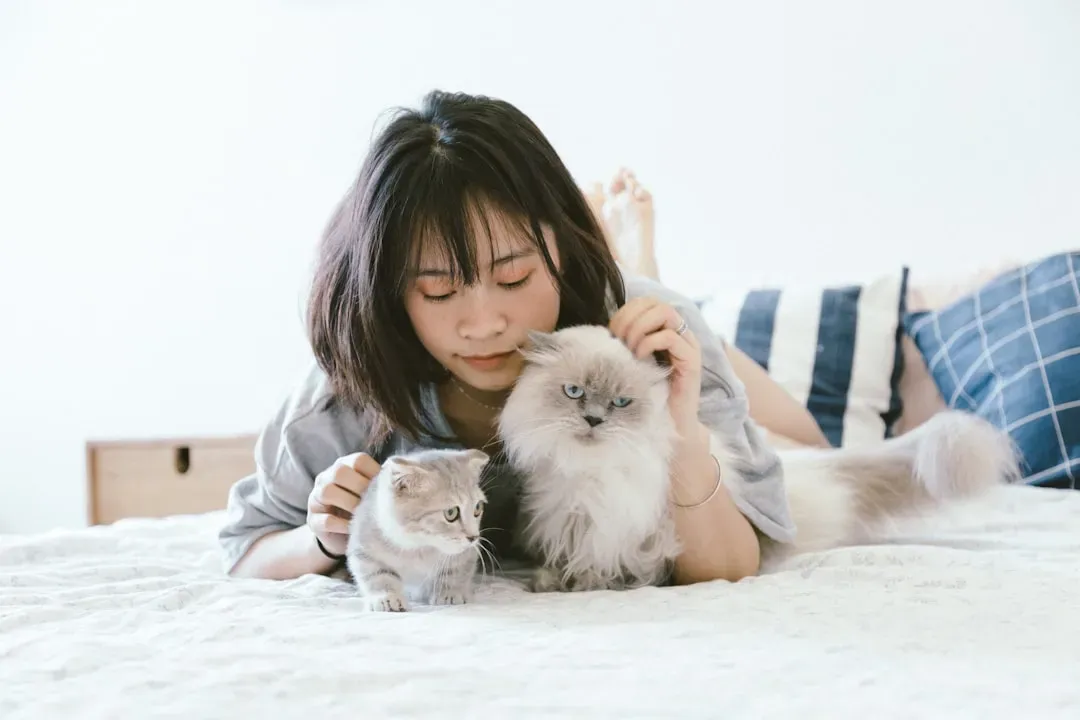
By respecting boundaries, observing body language, and providing enrichment, you can create an environment where your cat chooses to engage rather than feeling pressured to. Training through positive reinforcement, offering routine and security, and using interactive play all help transform distant moments into opportunities for connection. Connection with a cat is not demanded – it is created. Think of it less like commanding a dog and more like earning the trust of a very particular colleague.
Rather than feeling rejected, view your cat’s independence as a strength, because it makes their moments of closeness, such as curling up on your lap, offering a slow blink, or following you from room to room, all the more meaningful. It is a bit like receiving a handwritten letter in an age of instant messages. The rarity is exactly what gives it weight. Cats enjoy doing things on their own terms and will seek your attention only when they feel comfortable or curious, and honestly, there is something deeply respectful about that arrangement – once you stop taking it personally.
Conclusion: Your Cat Notices More Than You Think
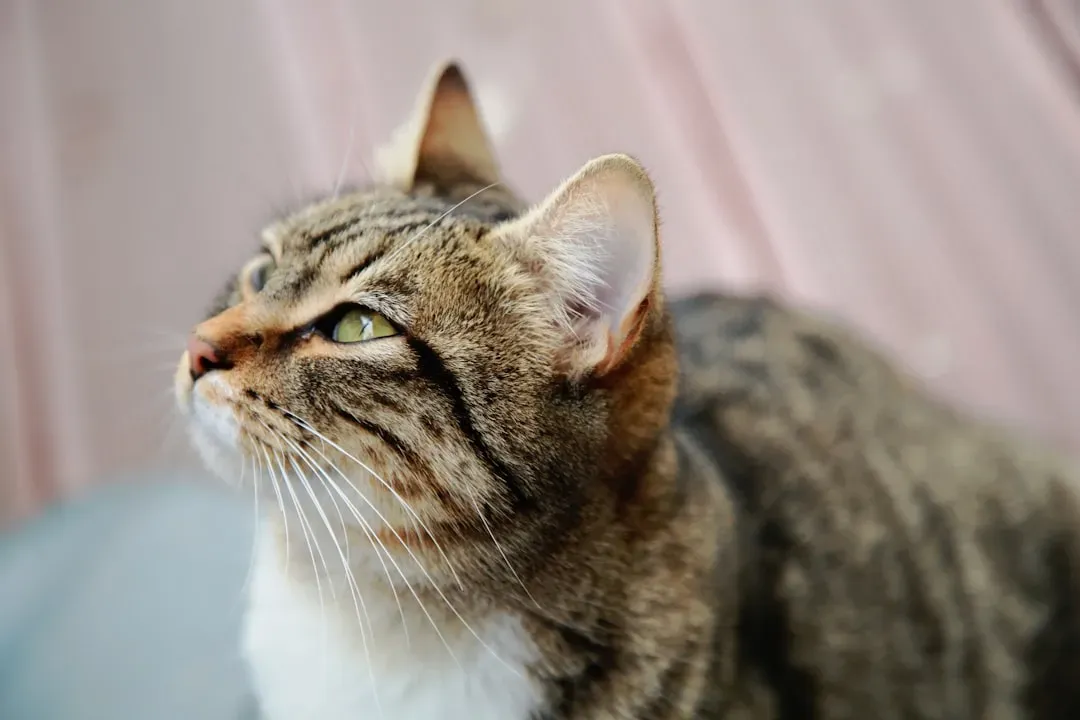
The next time your cat walks past you without so much as a glance, resist the urge to feel slighted. What you are witnessing is not indifference – it is the quiet, continuous operation of one of nature’s most refined sensory systems. Your cat is observing, cataloging, and processing the world around them in ways that are simply invisible to you. That includes you, your moods, your routines, and yes, even your feelings.
The relationship between a cat and their person is one built on subtlety and earned trust, not performance or demand. When you learn to read the slow blinks, the tail positions, the careful approach and the deliberate retreat, a whole new language opens up. Your cat was never really ignoring you. They were just waiting for you to learn how to listen. So – have you been missing signals your cat has been sending you all along?