You’ve probably felt it before. That moment when your cat walks into the room, glances at you for a split second, then settles down facing the opposite direction. Maybe you’ve watched them ignore your calls completely, or perhaps they’ve chosen the far end of the couch instead of your warm lap. It stings a little, doesn’t it? You start to wonder if your feline friend actually likes you at all.
Here’s the thing though. What you’re interpreting as rejection might be something entirely different. Your cat’s seemingly distant behavior could actually be telling you two completely contradictory stories, and understanding which one applies to your furry companion might just change your entire relationship. Let’s explore what’s really going on behind those enigmatic eyes.
The Ancient Wiring Behind Cat Behavior
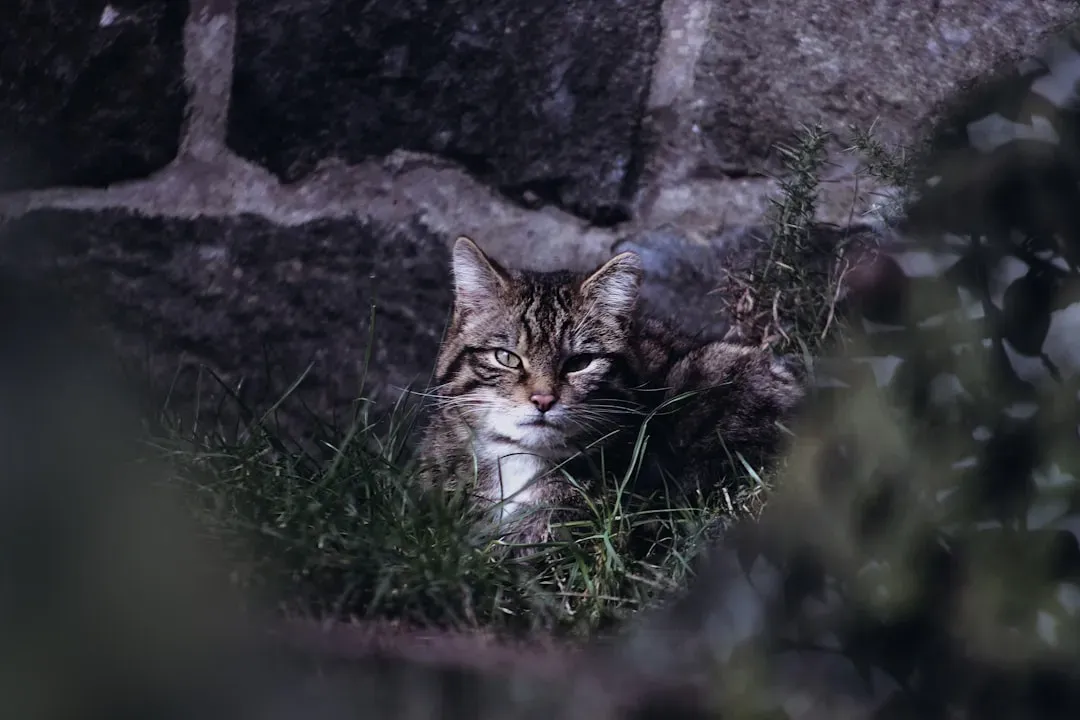
Cats evolved as solitary hunters rather than pack animals like dogs, which means they’re naturally equipped for self-sufficiency and don’t rely on social groups for survival or emotional support. This isn’t just some random quirk. Their ancestors were wildcats who hunted alone and maintained individual territories, living lives that required incredible independence just to survive another day.
Cats are very tuned into their environment because they’re hardwired as predators, with keen senses on high alert for the sight, sound, or smell of potential prey. In addition to being predators, cats are also prey, so being aware of what’s going on in their environment is critical. Think about it. Your cat isn’t ignoring you when they stare out the window. They’re doing exactly what thousands of years of evolution programmed them to do.
When Aloofness Actually Means Independence
The simplest and most common reason cats seem to ignore their owners is that they simply aren’t in the mood right now, as cats are independent creatures with their own emotions and moods. Sometimes a cat just wants to be a cat. No drama, no hidden meaning, just pure feline autonomy at work.
Cats are by nature independent, but sometimes this is perceived as being aloof or standoffish, as they like to feel in control of their destiny and prefer routine. Your cat might avoid you after you’ve changed their feeding schedule or moved furniture around. They’re not punishing you. They’re just processing the disruption to their carefully ordered world. Some cats need more alone time than others, just like people have different social needs.
Some cats simply have personalities where they were properly socialized but don’t really enjoy being picked up or petted, and there is nothing wrong with this if the animal is healthy. Honestly, we need to respect that.
The Shocking Truth About Trust and Distance
Now here’s where things get really interesting. When a cat walks into a room and sits down facing away from you, it feels like an absolute insult, but in reality, they’re demonstrating how much they trust you. I know it sounds crazy, but this is one of the most misunderstood behaviors in the entire feline repertoire.
While cats may often be perceived or described as being aloof and independent, most actually appear to have close attachments to their owners who they turn to as a source of safety and security, just the same as dogs do. Research from Oregon State University revealed something that shocked even seasoned cat behaviorists. More than 64 percent of kittens were classified as securely attached to their owners, and when 38 adult cats were assessed with the same test, almost 66 percent displayed secure attachment.
Let’s be real. These numbers rival dogs. The animals we’ve always called “man’s best friend” don’t show significantly higher attachment rates than cats do.
Decoding the Subtle Language of Feline Affection
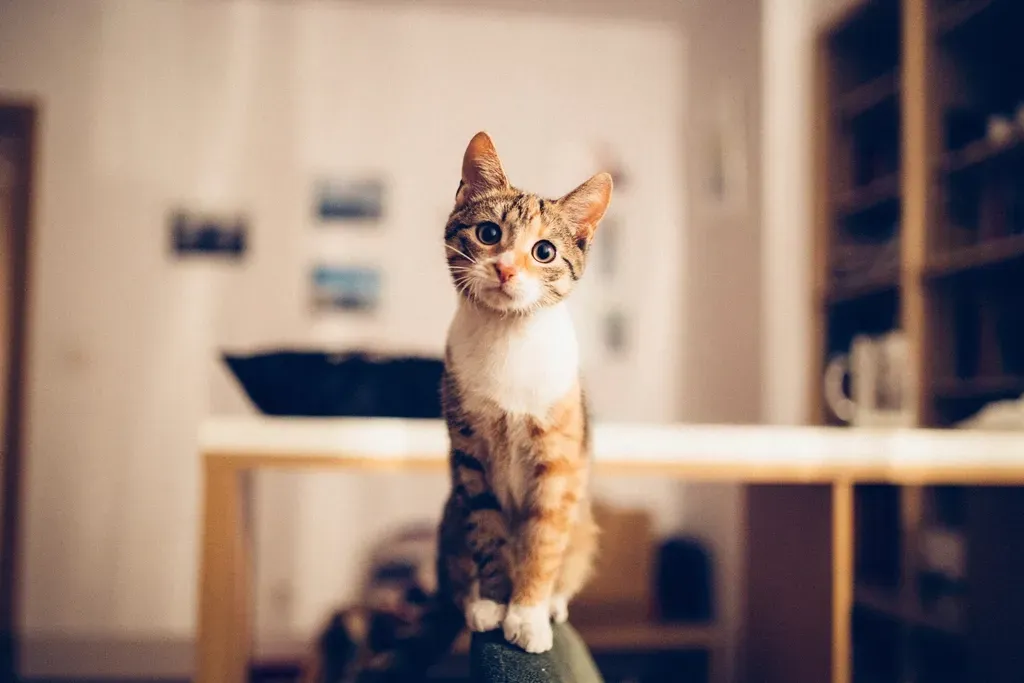
Cats have a whole host of social signals that they use both with one another and with us humans, but it’s all just a bit more subtle than with dogs. This is where most cat owners miss the boat entirely. You’re looking for tail wags and enthusiastic greetings when your cat is speaking an entirely different dialect.
Cats show affection in so many ways that you might not even notice some of the more subtle ones, as your cat doesn’t have to be a lap cat to be affectionate and may enjoy sitting next to you or several inches away. That slow blink your cat gives you? Cats can do a slow, languid, long blink to communicate affection if they trust the person or animal they are in contact with. It’s basically a kiss in cat language.
Cats often show loyalty through routine and proximity, so if your cat follows you from room to room, sleeps near you, or chooses to sit nearby without being touched, it’s a strong sign of attachment. They don’t need to be draped across your keyboard to love you deeply.
The Personality Factor Nobody Talks About
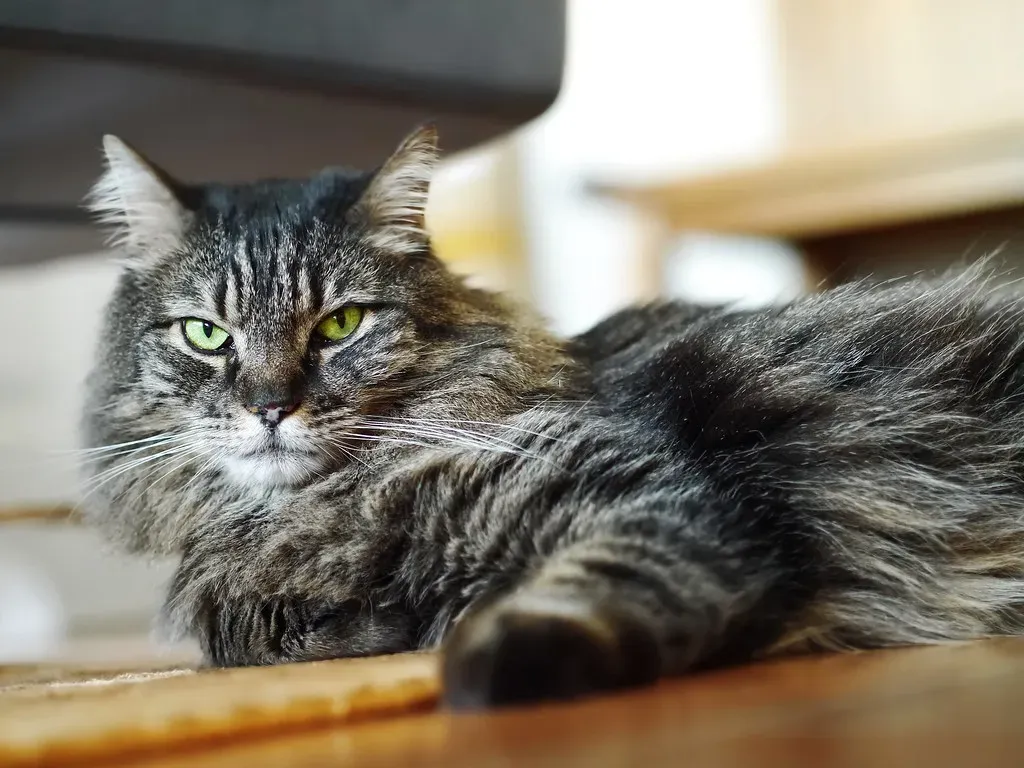
There are 52 measured personality traits in cats, with one study identifying five reliable personality factors: neuroticism, extroversion, dominance, impulsiveness and agreeableness. Your cat isn’t just being difficult. They might genuinely be an introvert who needs more personal space than the gregarious tabby next door.
Like humans, cats have individual personalities and the level of their social needs will vary, with some breeds like the RagaMuffin loving being with people while Russian Blue or Persian breeds are often happy with their own company. Think about your own friend group. Some people want constant interaction while others recharge through solitude. Cats are exactly the same way, just furrier.
When Aloofness Signals Something Else Entirely
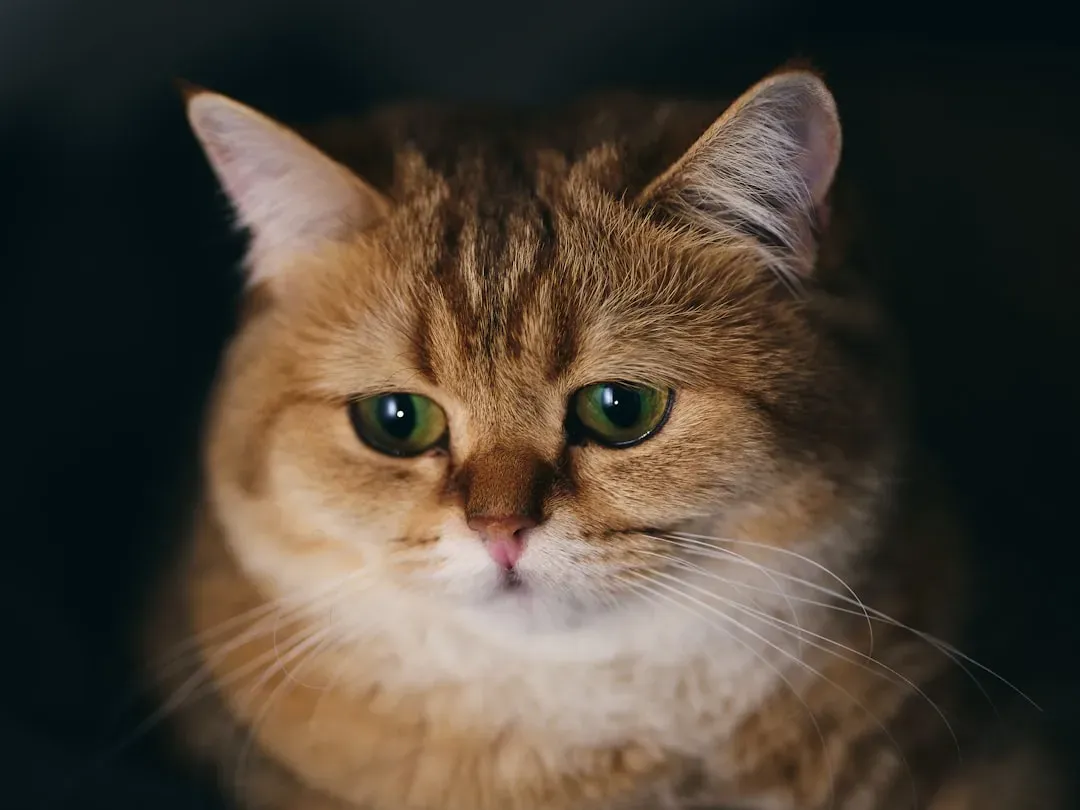
Cats may act distant due to stress, illness, pain, changes in routine, or emotional shifts like grief or anxiety. This is the part where we need to get serious for a moment. Sometimes what looks like independence or trust is actually your cat trying to tell you something is wrong.
A cat’s body language can reveal if the cat is sick or in pain, as cats are pros at masking physical illness, so changes in their body language may be the first signs that something is wrong. Kitties will often pull back when sickness is developing, and the sooner you discover the underlying problem, the better. If your normally affectionate cat suddenly becomes distant, or your typically independent cat becomes clingy, pay attention. These behavioral shifts matter.
The Role of Early Socialization
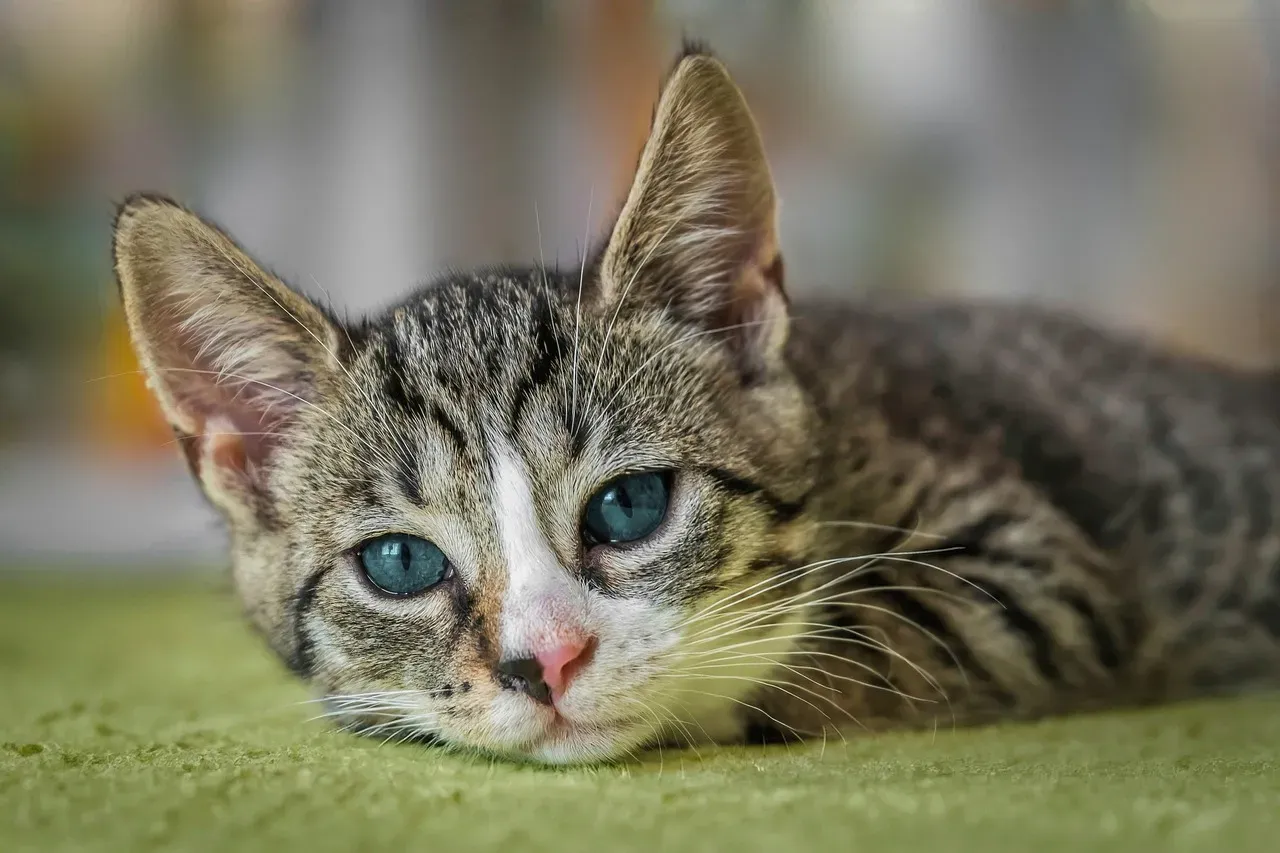
The most likely reason a cat appears aloof is simply that it was not socialized with enough people when it was a kitten, thus the ways we use to show our love may be foreign to it. This hits particularly hard for rescue cats or kittens who spent their early weeks hidden away from human contact.
Here’s what’s fascinating though. More than 64 percent of kittens aged between three and eight months were classified as securely attached to their owners. This suggests that attachment styles form early and remain relatively stable. Your cat’s apparent aloofness might have been set in motion long before you ever met them.
The Science Behind Secure Attachment
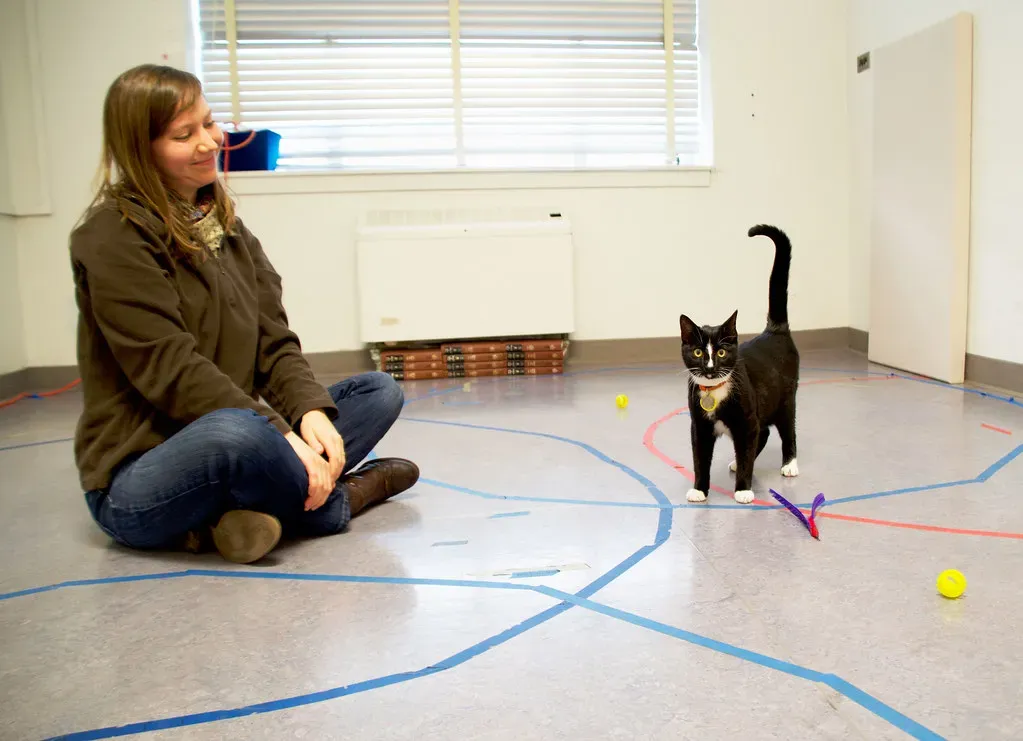
Cats with secure attachment appeared comfortable exploring the room while having periodic contact with the owner, showed evidence of stress when the owner left, but sought contact on return of the owner, which was followed by reduced stress. Does this sound like your cat? They might wander off to investigate a noise but check back with you regularly.
Cats with secure attachment greet their pet parents upon reunion but return to normal behaviors shortly after, while avoidantly attached cats stay away from their caregivers and show less separation distress. This independence is often mistaken for aloofness. A securely attached cat trusts you so completely that they don’t need constant reassurance. They know you’re their safe base, so they feel free to explore and be themselves.
Context Changes Everything
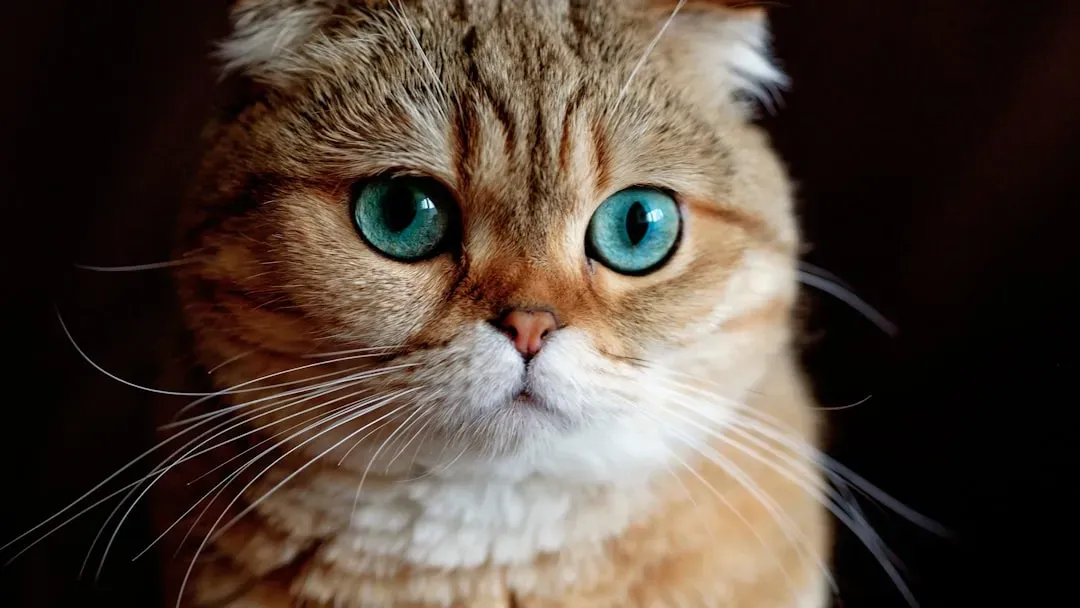
While your cat may just always look aloof, previous studies showed that cats exhibit 276 distinct facial expressions. The problem is that we humans are terrible at reading them. We’re wired to understand dogs and other humans, not creatures who communicate primarily through subtle ear movements and tail positions.
Changes in their environment, stress, illness, or even subtle shifts in your behavior can affect their mood, as cats are sensitive creatures and disruptions to their routine or feeling neglected can make them withdraw. Your cat might seem aloof on the day you brought home a new piece of furniture, but completely normal the next week. Context matters enormously when interpreting feline behavior. What looks like independence might actually be temporary stress that will resolve once they adjust.
Building a Better Bond with Your Aloof Cat
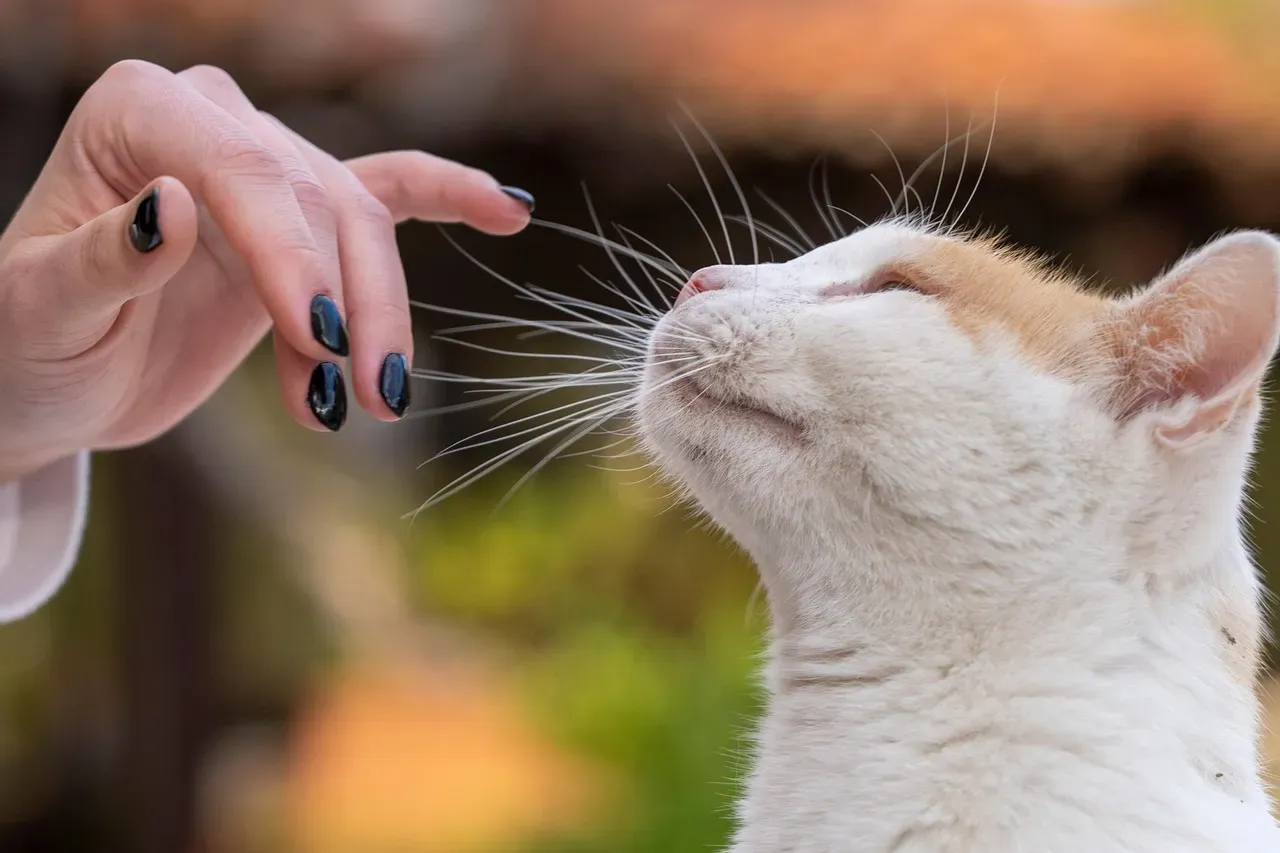
Cats are marvelous communicators and your own kitty tells you so much through body language, so paying attention to your cat’s signals will help create a stronger, more trusting bond. Stop expecting your cat to act like a dog. Start learning their actual language instead.
Cats show affection through subtle behaviors like slow blinking, purring, rubbing against you, following you between rooms, and choosing to sleep near you, which are meaningful because they’re voluntary expressions of trust from an independent animal. When you understand these signals, you realize your cat has been screaming their love at you this entire time. You just weren’t listening in the right frequency.
Try slow blinking back at your cat. Let them approach you on their terms. Respect when they need space. These small adjustments can transform your relationship from frustrating to fulfilling.
Conclusion: Embracing the Mystery
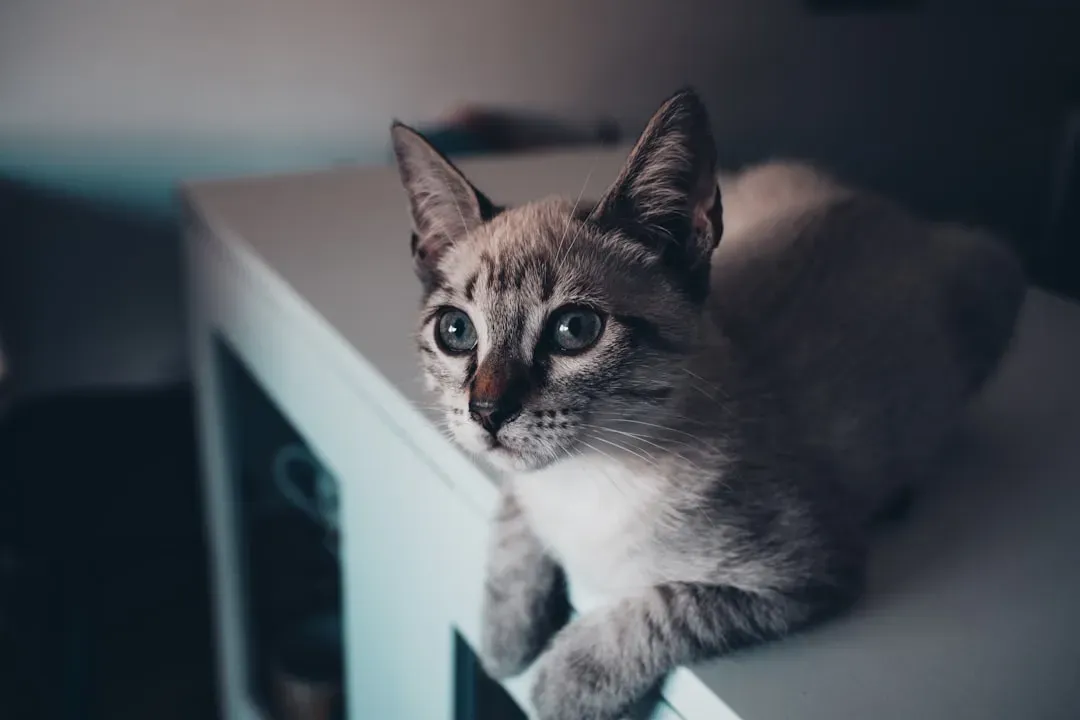
So The answer might be both, neither, or something in between that shifts depending on the day, their mood, and what’s happening in their environment. Maybe that’s the most honest answer we can give.
What we do know is this. The vast majority of cats form secure attachments to their owners. They communicate their affection in ways that are subtle but genuine. Their need for independence doesn’t diminish their capacity for love. When you stop judging your cat by dog standards or human expectations, you might discover that the distance you perceived was actually respect, and the aloofness was actually the highest compliment a cat can give you.
Your cat trusts you enough to turn their back on you. They feel safe enough to explore independently while you’re in the room. They love you enough to sit three feet away instead of on top of you. That’s not rejection. That’s the feline version of a deep, abiding bond. What do you think about your cat’s behavior now? Have you been misreading the signals all along?