You watch your cat crouch low, pupils blown wide like black moons, tail twitching in that slow, electric way. Then, in a blink, they explode across the floor and absolutely demolish a tiny stuffed mouse. It’s adorable. It’s also something ancient. That behavior didn’t start in your living room. It started millions of years ago on the sun-baked plains of North Africa.
Most cat owners think playtime is just fun. Honestly, it is so much more than that. Every pounce, every stalk, every wild-eyed chase around your couch is a direct line to your cat’s wild ancestors. What’s happening when your cat attacks a feather wand might just be one of the most fascinating stories in all of animal behavior. Let’s dive in.
Your Cat Is Basically a Tiny Wild Predator in Disguise
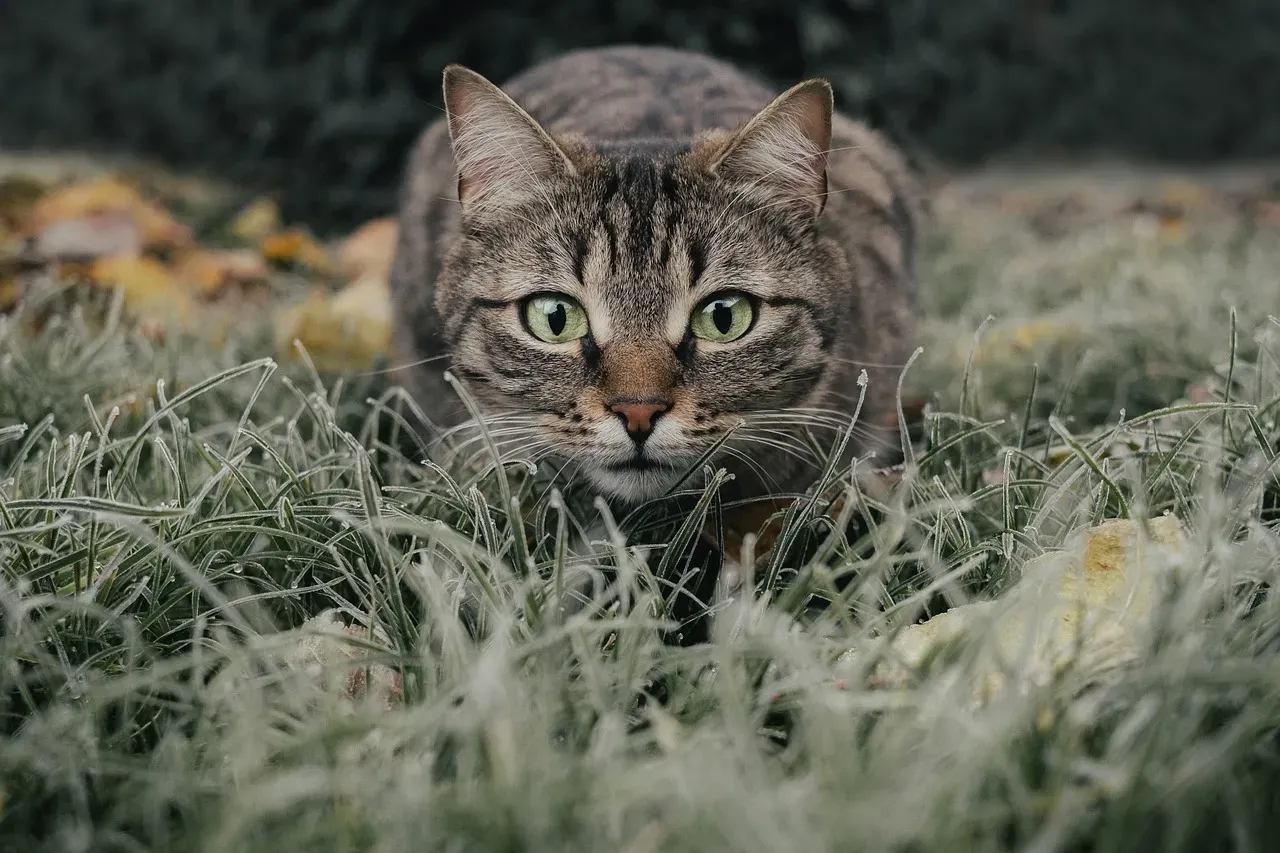
At their core, all cats are hunters. Before they domesticated themselves some 10,000 years ago, the wildcat forefathers of our modern feline friends roamed the deserts and grasslands of North Africa and the Middle East in search of prey. That’s not ancient history your cat has moved on from. That is the very operating system still running in their brain today.
Domestic cats share over 95% of their DNA with wild species like the African wildcat, and their play styles mirror the behaviors needed in the wild. Think about that for a second. The fluffy creature napping on your sofa is, genetically speaking, barely a whisker away from a wild hunter. Domestication changed where they sleep, not what they are.
The Hunting Sequence Hidden Inside Every Play Session
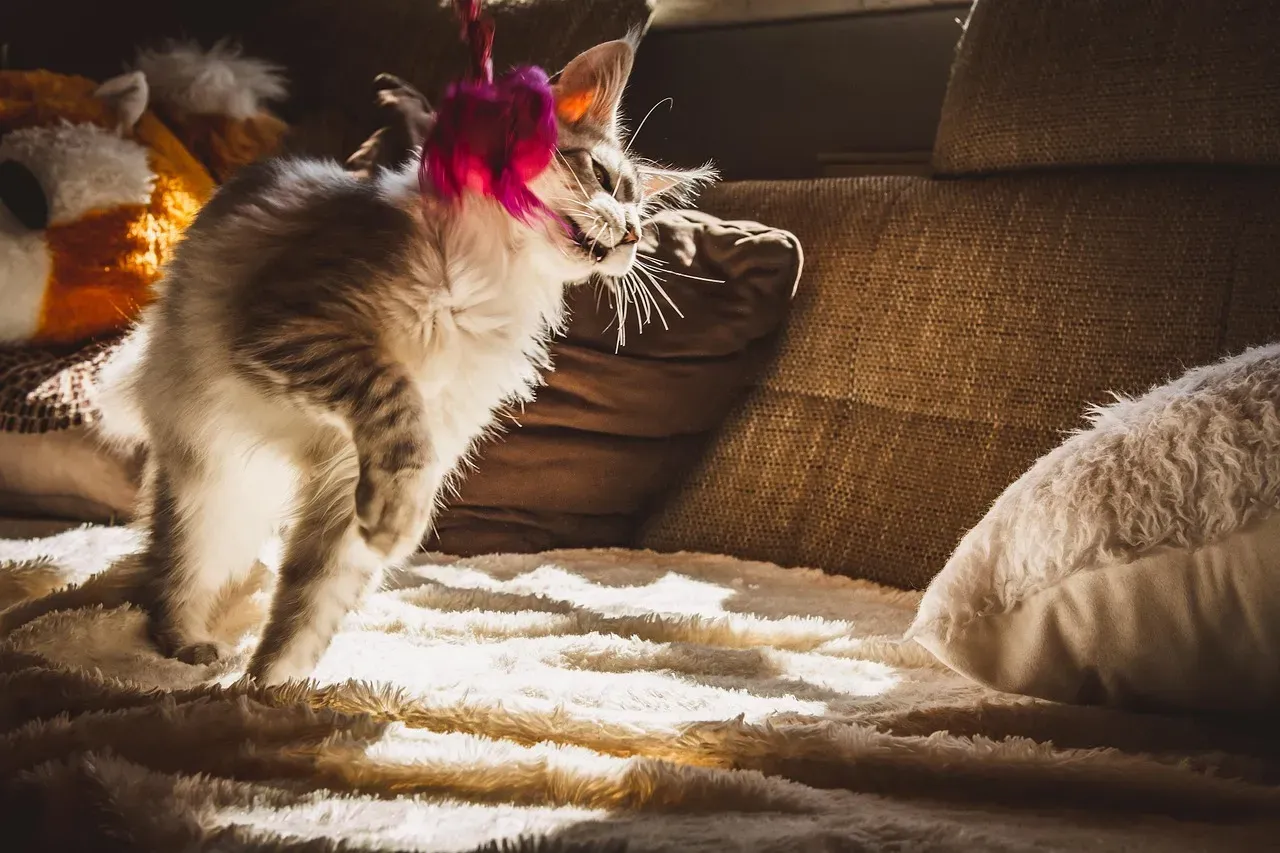
Predatory behavior in cats follows an immutable sequence hardwired into their nervous systems: stare, stalk, chase, pounce, kill, and finally, eat. You’ve seen every single one of these steps play out during a regular Tuesday afternoon toy session. The fact that your cat follows this exact sequence with a plastic toy fish is genuinely remarkable.
It starts with staring, then progresses to stalking and chasing, followed by pouncing and grabbing, and ending with the delivery of the fatal “kill bite.” When you see your cat staring intensely at a toy before slowly creeping forward, you’re not watching silliness. You’re watching a ritual refined across millions of years. Every step has a purpose. Every twitch matters.
Why Indoor Cats Are Actually More Obsessed with Toys
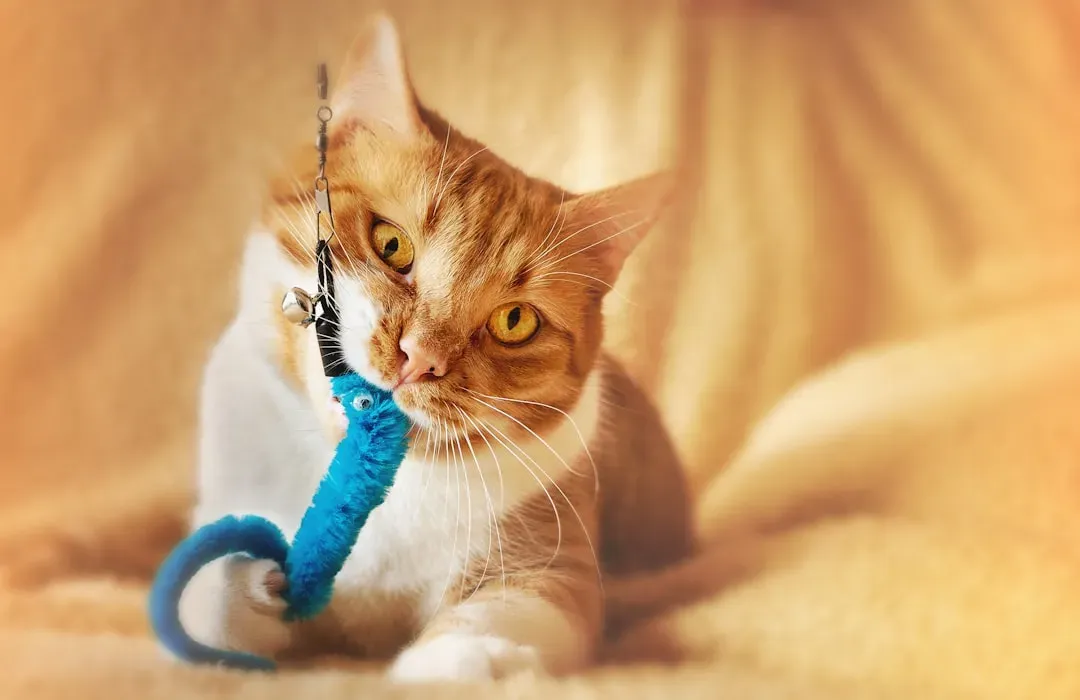
Here’s something that might surprise you. Indoor-only cats are more interested in artificial stimuli that show resemblance to prey, even though these cats have been completely deprived of experience with live prey. There are various theories that explain these findings, including higher play drive because of the lack of stimulation, less refined prey recognition, or reduced fear due to lack of experience.
Cat puzzle toys can help prevent boredom, which is a big problem for indoor-only domestic cats. The instinct doesn’t disappear just because there’s no real prey around. If anything, it intensifies, searching for any outlet available. Your cat’s obsession with that crinkly ball isn’t neurotic. It’s a fire looking for something to burn.
What Your Cat’s Toy Preference Reveals About Their Past
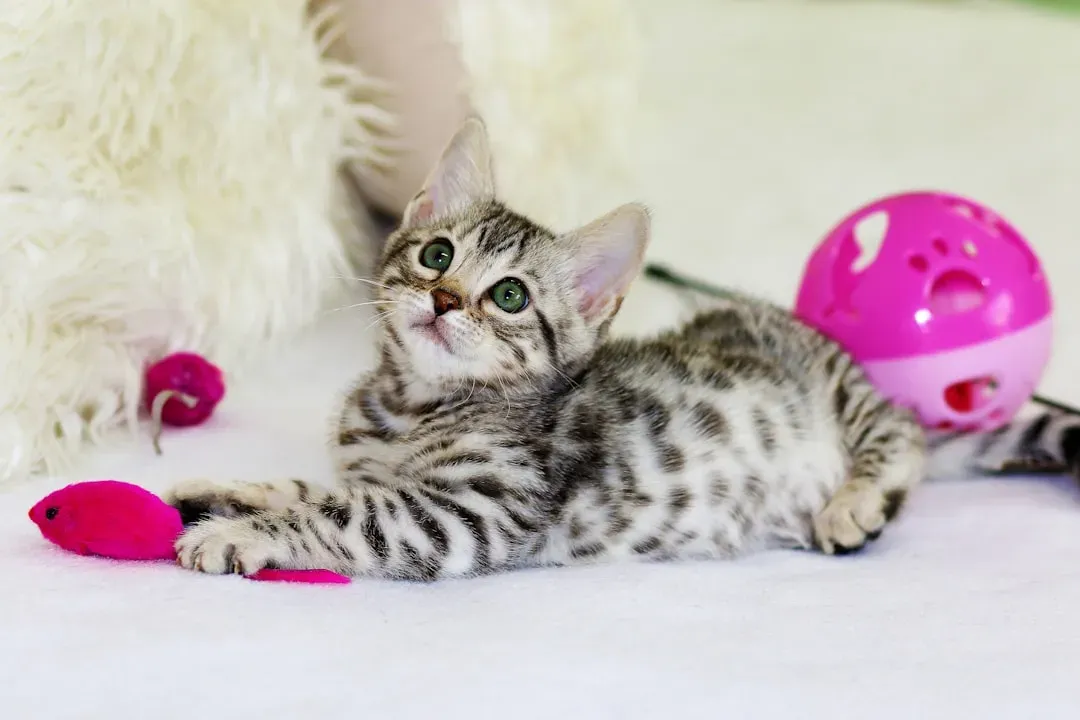
There are four main types of lures that resemble prey: feather lures, rodent lures, insect lures, and snake or lizard lures, and preferences vary from cat to cat. If your cat was born outside to a feral mother, their lure preference could be the result of the types of food their mother brought back to the lair when she was teaching them how to hunt. If she was adept at catching birds, they might respond more strongly to feather lures. If she brought them lizards, they might prefer squiggly lures.
So when your cat goes absolutely feral for feather wands but ignores toy mice completely, that quirky preference isn’t random. It may be a coded memory passed down from a mother you never met. Genetics and upbringing are crucial in shaping a cat’s hunting behavior and preferences. In a very real sense, the toy your cat chooses is a letter from their lineage.
The Science of Why Moving Objects Drive Cats Wild
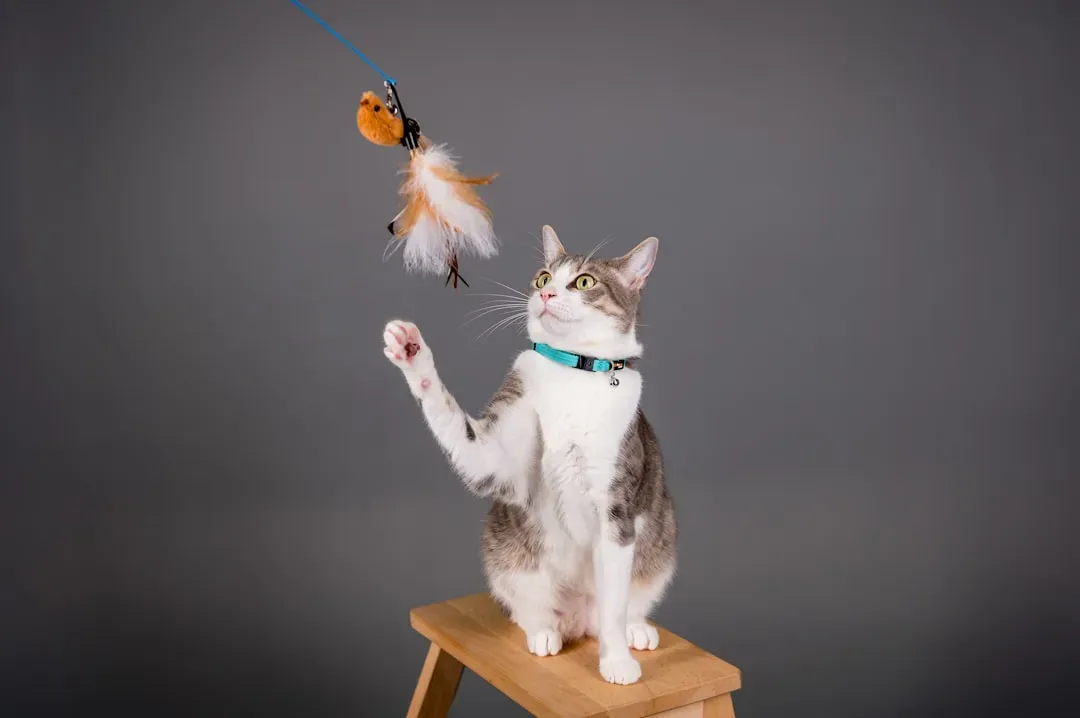
The primary reason cats are drawn to small, moving objects lies in their predatory instincts. Cats are solitary hunters in the wild, relying on their keen senses to detect and capture prey. This instinctual behavior is deeply ingrained, and even though domestic cats do not need to hunt for survival, the instinct persists. When a cat sees a small, moving object, it mimics the stimuli of potential prey, triggering their innate urge to stalk, pounce, and capture.
Cats’ sensory systems are highly developed, particularly their vision, hearing, and tactile senses, which are crucial for detecting movement. Small, moving objects stimulate these senses, providing a form of sensory enrichment that is both engaging and mentally stimulating. This is why a simple piece of string dragged across the floor can send your cat into a full tactical frenzy. Motion is the trigger. It always was.
Why Cats Bring You Their Toys Like Little Trophies
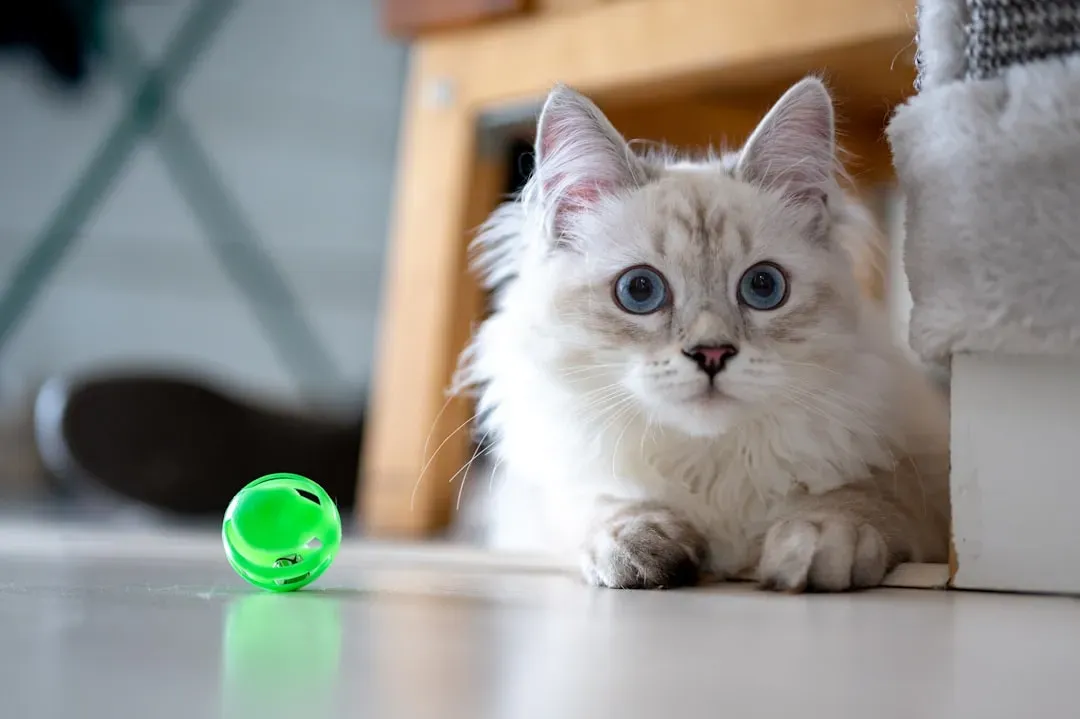
Let’s be real. Most cat owners have experienced it. You’re sitting quietly and suddenly your cat drops a toy mouse at your feet, meowing proudly. It feels sweet and odd at the same time. Cats carrying toys while meowing often mirrors their natural hunting behaviors. In the wild, mother cats bring prey to their kittens, both to feed them and teach hunting skills. Your domestic cat may be expressing these same instincts when they bring you their favorite toy while vocalizing.
The toy represents their “catch,” and the meowing serves as a way to announce their success. When your cat brings you a toy while meowing, they’re engaging in a unique form of social interaction. You are not just their owner. In their eyes, you are family, and they are doing what wild cats do for family. That moment is worth more than you probably realize.
The Secret Meaning Behind Hiding Toys
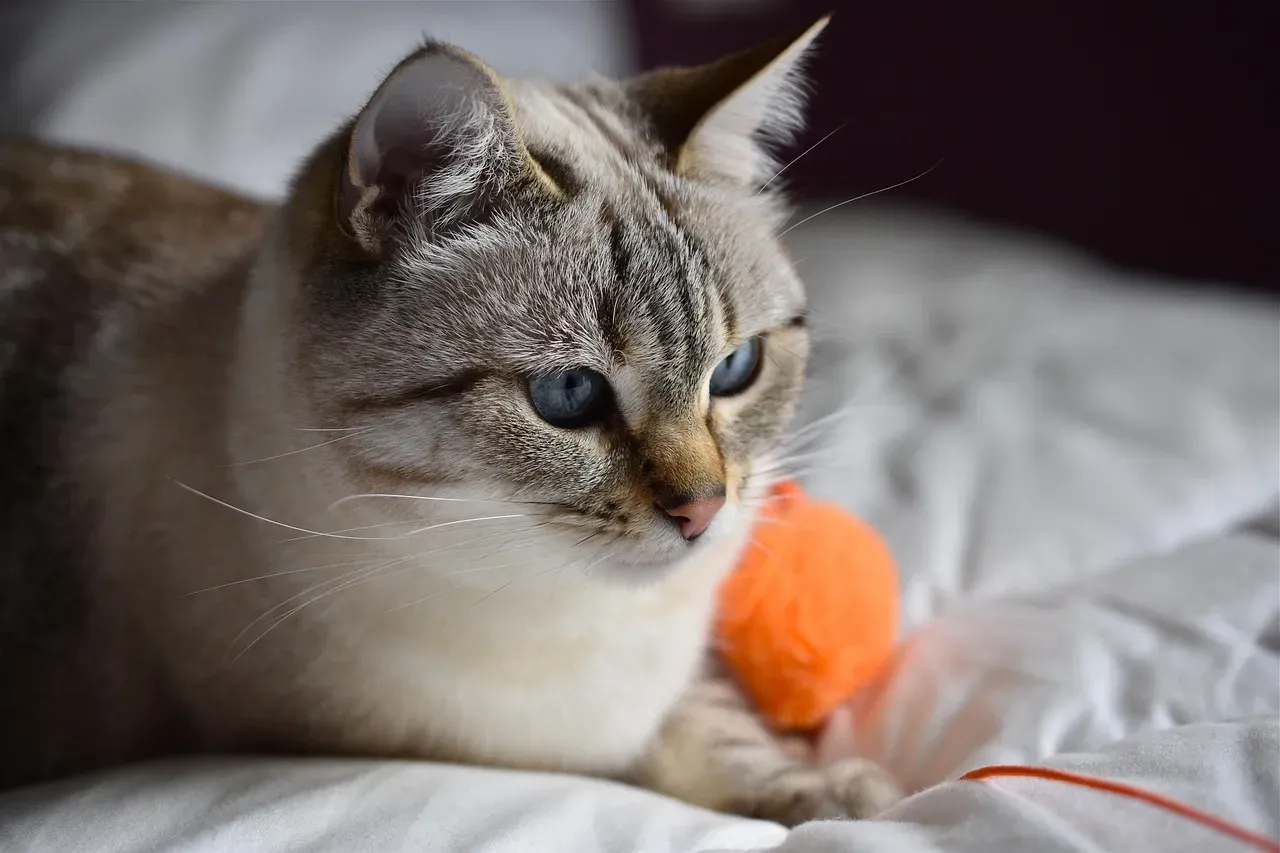
You’ve found toys stuffed under the couch, hidden behind the refrigerator, tucked inside shoes. You probably assumed your cat was just being chaotic. Think again. At its core, cats hiding toys is directly linked to their ancestral survival instincts. In the wild, cats would hide their prey to prevent other predators from stealing it and to preserve food for later consumption.
This behavior is driven by hunting instincts, territorial marking, and resource protection behaviors inherited from their wild ancestors. It helps cats feel secure and in control of their environment. That stuffed mouse tucked behind your bookshelf is, in your cat’s mind, a carefully cached meal. It is resource management that predates civilization itself. Honestly, it’s kind of impressive.
Play Is Not Optional. It Is Biological.
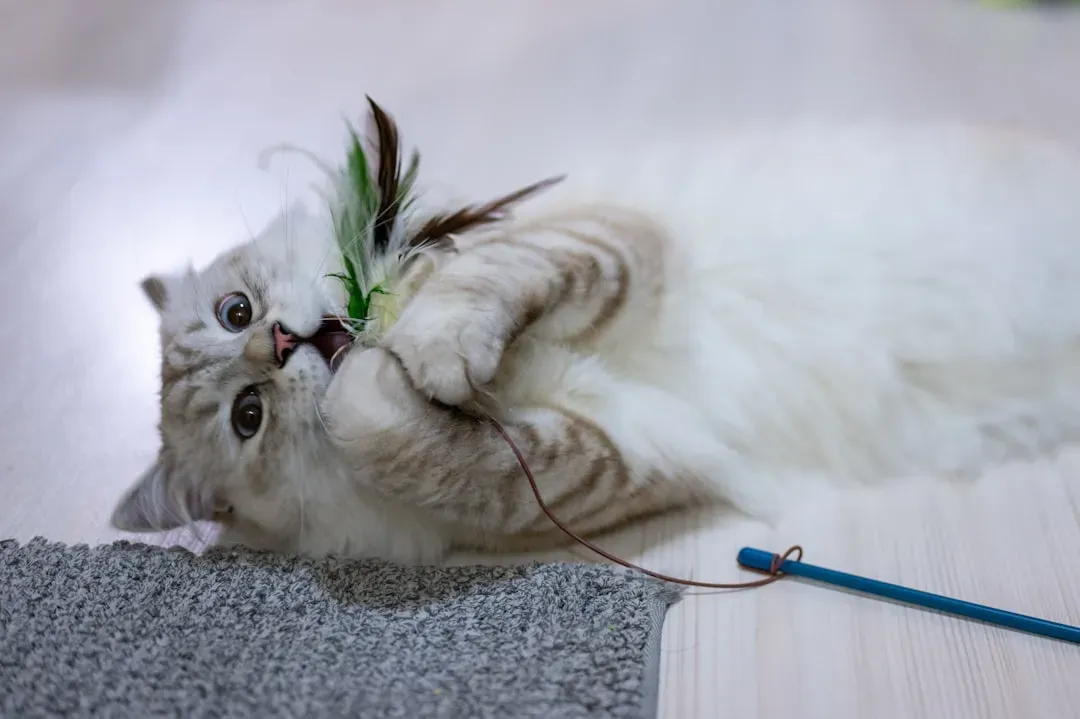
Domestic cats may no longer need to hunt for survival, but their brains remain wired for the chase, the pounce, the kill. This predatory play isn’t mere entertainment; it’s a biological imperative that shapes your cat’s physical health, mental wellbeing, and even their bond with you. Skipping regular play sessions isn’t just depriving your cat of fun. It’s like skipping meals in terms of their psychological health.
The physical benefits of proper predatory play are profound. The explosive movements build fast-twitch muscle fibers crucial for feline athleticism. The sudden direction changes maintain joint flexibility and proprioception. Even the intense focus during stalking exercises their visual tracking abilities, potentially slowing age-related cognitive decline. Indoor cats particularly require this physical outlet; without it, they risk obesity, arthritis from underuse, and the frustration that leads to destructive behaviors.
How to Tap Into Your Cat’s Wild Side Through Smart Play
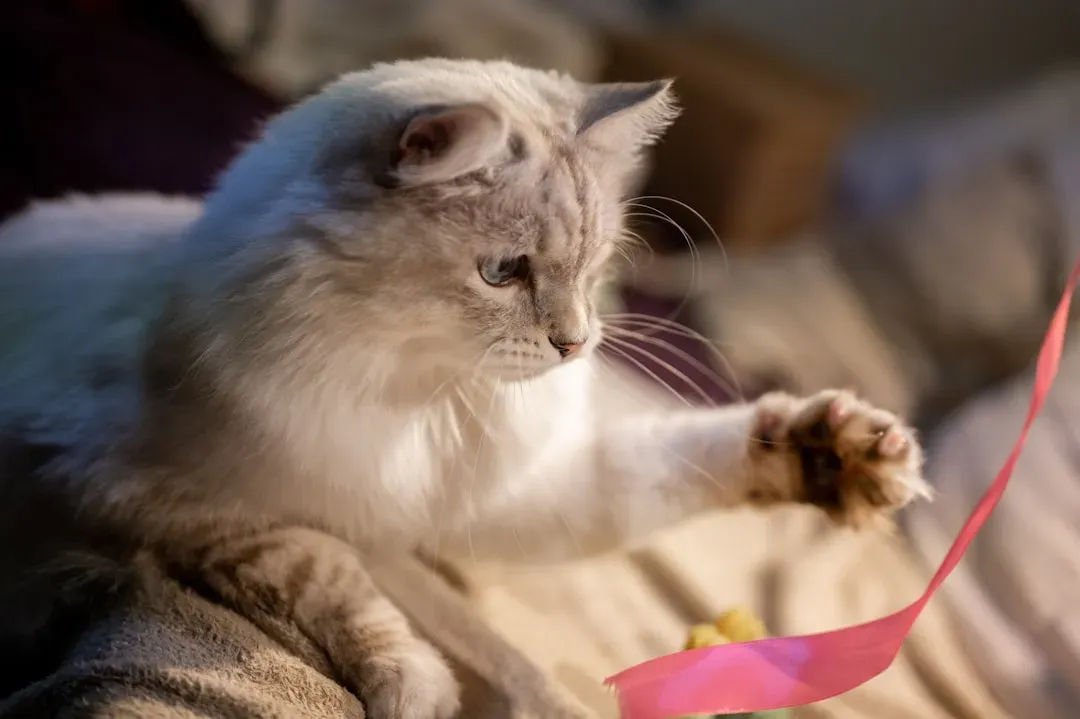
Play with your cat more. Short, frequent play sessions most closely resemble a cat’s natural predatory pattern. Choose toys that look and feel like their natural prey to increase engagement. Think of it this way. You wouldn’t give a fish a plastic pond. Give your cat what genuinely speaks to their instincts, not just what looks cute on a store shelf.
The key to successful interactive play lies in mimicking natural prey behavior: start slowly, allow your cat to “catch” the toy periodically, and end sessions with a successful capture followed by a treat or meal. Hunting play also helps cats release pent-up energy, reduce stress, and prevent behavior problems that may arise from boredom. The right kind of play is practically therapeutic. For your cat, it genuinely is.
Conclusion
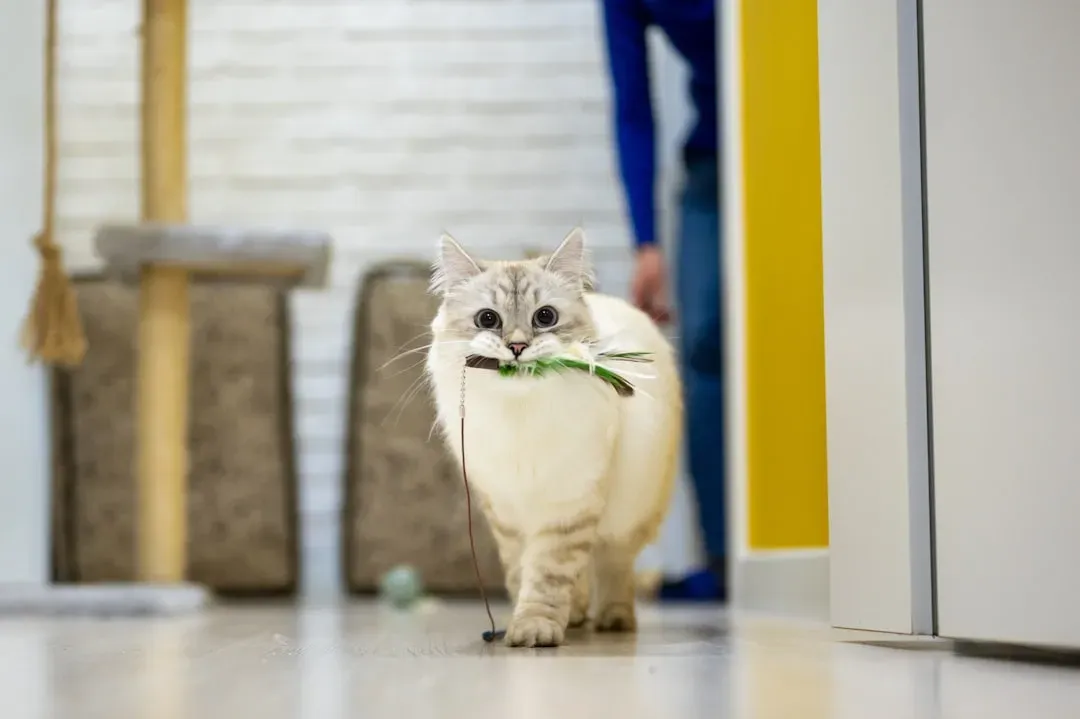
Your cat’s favorite toy is not just a toy. It is a living artifact of millions of years of evolution, a daily ritual that connects your perfectly comfortable house cat to the wild hunters that came before them. Every stalk, every pounce, every proud delivery of a squeaky mouse to your feet is your cat speaking in the oldest language they know.
The next time you dangle a feather wand and watch those pupils dilate, you’re not just playing. You’re participating in something ancient and real. Understanding that changes everything about how you care for your cat. So, now that you know what’s really happening behind those wild eyes, will you ever look at your cat’s toy basket the same way again? Tell us your thoughts in the comments below.