It’s 2 AM. The house is completely still. You’ve finally drifted off to sleep after a long day – and then it happens. A thunderous gallop across the hallway, a crash from the living room, and the unmistakable sound of tiny paws sprinting at full speed for no apparent reason. Your cat has entered full zoomie mode, and honestly, you didn’t stand a chance.
Most cat owners have been there, exhausted and confused, staring at their feline mid-sprint wondering what on earth is going on in that little brain. Is it pure joy? Pent-up energy? Or could it be something more worrying? The answer is more layered than you might think. Let’s dive in.
What Are Cat Zoomies, Exactly?
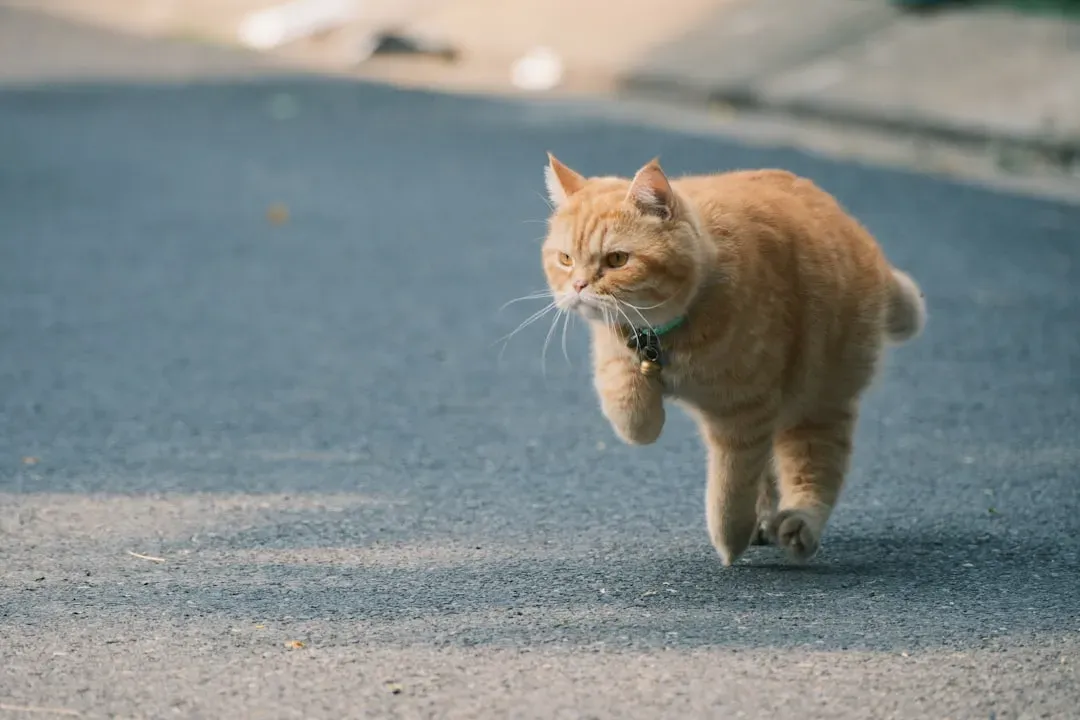
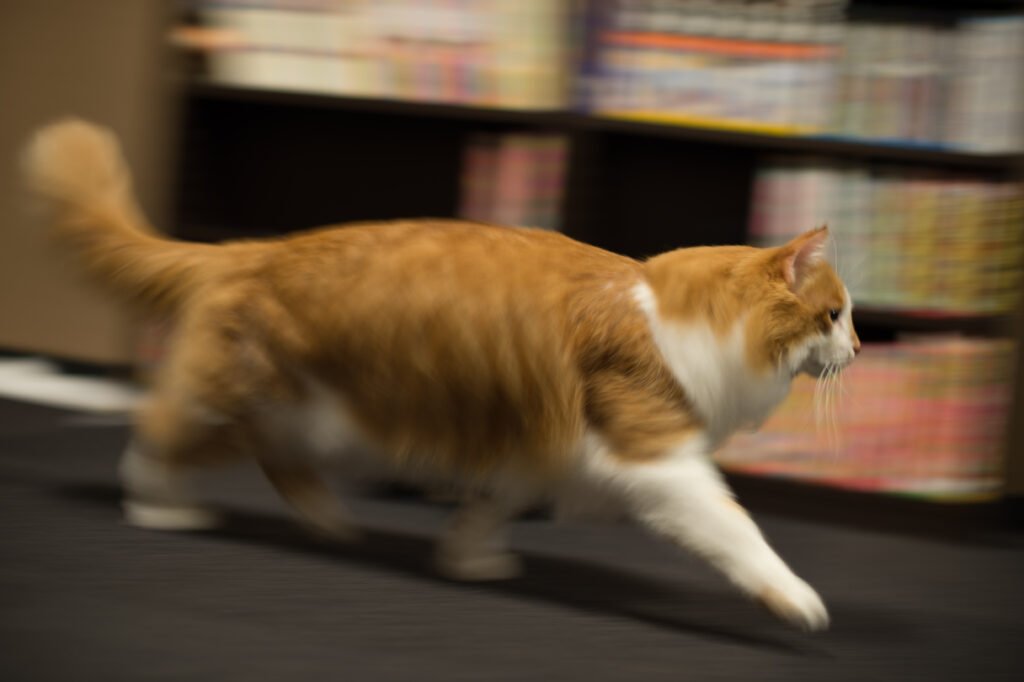
Here’s the thing – what you’re witnessing has an actual scientific name. This behavior, known technically as Frenetic Random Activity Periods (FRAPs), lets cats release pent-up energy by energetically sprinting around the house. It sounds more dramatic when you give it a scientific name, right? FRAPs. Even the acronym feels a little chaotic.
Cat zoomies refer to spontaneous bursts of high-speed movement, often accompanied by leaping, darting, and excited vocalisations. Think of it like a pressure valve. All that coiled-up energy builds throughout the day, and at some point, it has to go somewhere – usually straight across your freshly made bed.
The term “zoomies” describes your cat’s behavior as they literally zoom around your house. They may be relatively unexpected and can also stop as quickly as they start, leaving your kitten with well-spent energy ready to resume their afternoon nap. If you’ve ever blinked and suddenly your cat went from sprinting across the couch to peacefully napping like nothing happened, you know exactly what this looks like.
Your Cat Is Not Nocturnal – Despite What You Think
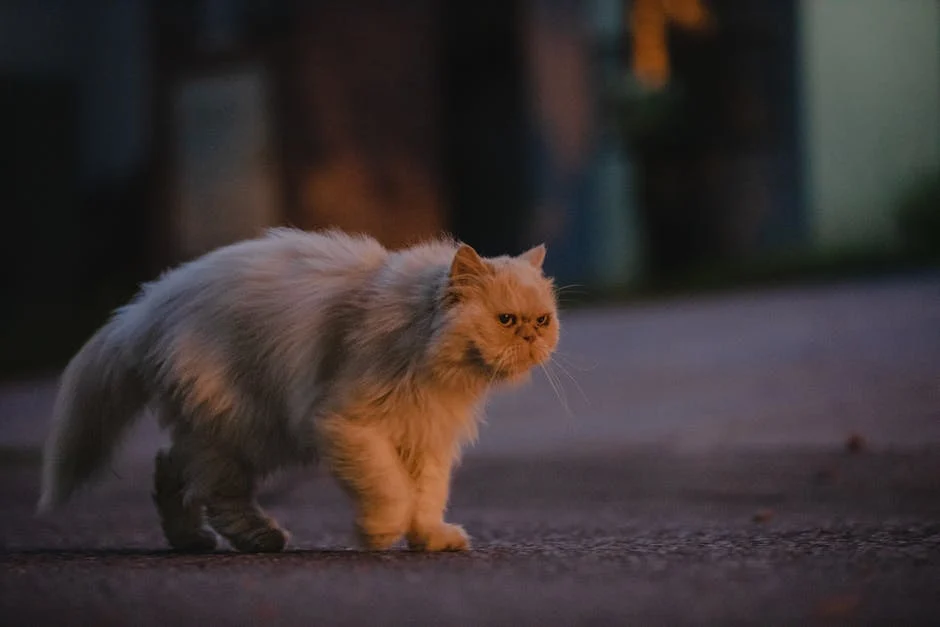
One of the biggest misconceptions cat owners have is assuming their cats are nocturnal creatures. It’s easy to understand why. No, cats are not truly nocturnal. Cats are crepuscular, which means they’re naturally most active at dawn and dusk. That said, many cats do seem extra active at night or very early in the morning, which can make them feel nocturnal to sleepy pet parents.
Cats are crepuscular animals, meaning they are most active during dawn and dusk. This behavior can be traced back to their wild ancestors, who hunted during these times to take advantage of cooler temperatures and the movement of prey. While domestic cats no longer need to hunt for their meals, they’ve retained these instinctual patterns of activity. Think of it like a deeply wired biological alarm clock they simply can’t switch off.
While those bursts of energy in the night seem like nocturnal behavior, house cats often adjust their schedules around their owners. Cats may sleep much more during the day while their humans are at work, waking up in the evening to play, socialize, and explore. So in a way, you’re accidentally setting the stage for midnight zoomies every single day just by leaving for work.
The Real Reason: Pent-Up Energy
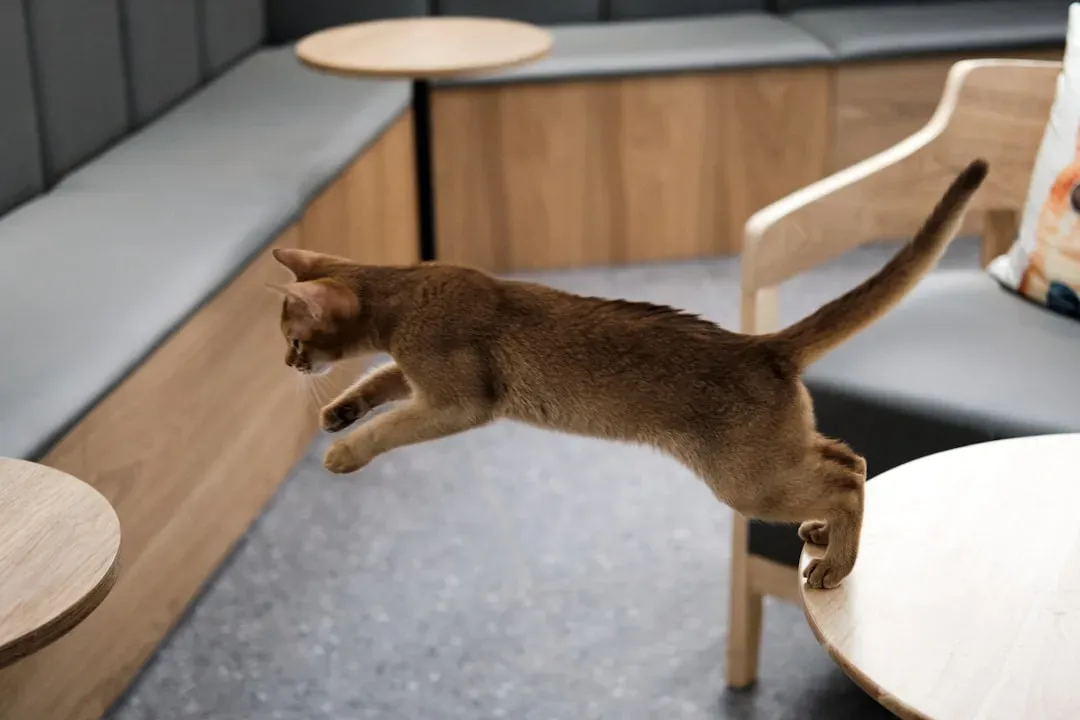
The most common reason cats experience the zoomies is pent-up energy. Cats rest and sleep for a majority of the day to conserve energy for short, very active periods. Without intentional exercise and activity, your kitty will need to find a way to get that extra energy out. It’s a bit like coiling a spring all day and then suddenly letting it go at midnight. Messy, fast, and completely inevitable.
The vast majority of zoomies in cats have to do with pent-up energy. Nighttime is when it’s quietest in most people’s homes, and a cat that slept most of the day while the owners were gone may be up and looking for something to do then. Your quiet, dark house is basically an open invitation for your cat to go absolutely feral with their stored energy reserves.
When Zoomies Are Pure Joy – Yes, Really
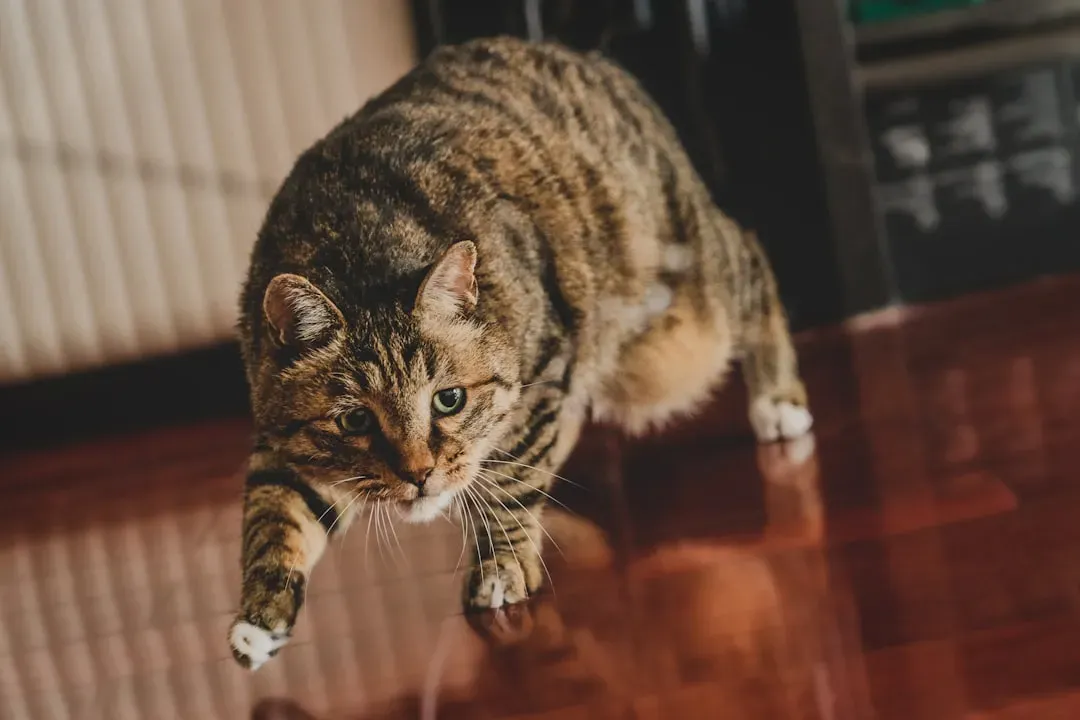
Let’s be real – sometimes your cat is just having the time of their life. While cats may have a reputation for being sassy and serious, like many animals, they have a silly and playful side that can come out when you least expect it. In fact, it’s one of the most common reasons why cats get the zoomies. For the most part, it’s just a completely normal expression of their quirky personality!
Most of the time, zoomies are harmless and even entertaining. They’re your cat’s version of a workout – burning calories and boosting mood. There’s actually something quite sweet about that. Your cat, sprinting at full speed down the hallway at 3 AM, is essentially just doing their version of a joyful happy dance.
Zoomies release endorphins that improve your cat’s mood and reduce stress. Your feline companion isn’t just burning energy – they’re keeping both their body and mind healthy. So the next time you’re disturbed at midnight, just picture your cat as a tiny athlete celebrating a personal best. It helps. A little.
Stress and Anxiety Can Also Trigger the Midnight Sprint
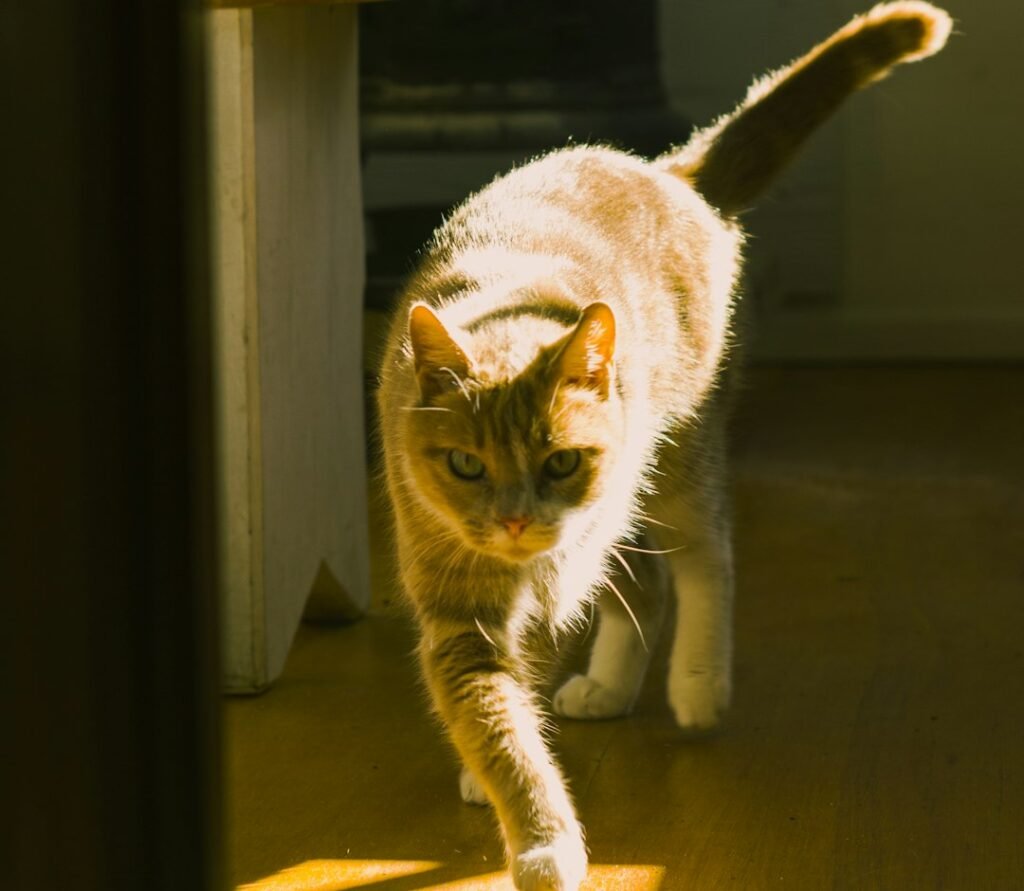
Not every zoomie session is a celebration, though. Sometimes, your cat is running because they are genuinely anxious or overwhelmed. Stress can also be a reason your feline companion is getting nighttime zoomies. Cats often run around the house to get away from the anxiety. It’s their equivalent of pacing back and forth, just significantly faster and louder.
The cat will also exhibit other symptoms of anxiety alongside zoomies, such as hiding, excessive grooming, increased vocalization, and change in appetite. If your cat’s zoomies come paired with any of those signs, the frantic sprinting isn’t just fun – it’s a signal. Pay close attention. Zoomies can also result from stressful triggers or lifestyle changes for your cat; things like bath time, moving, or being scared can cause your kitten to want to release their nerves by frantically running around the living room.
When It Could Be a Medical Red Flag
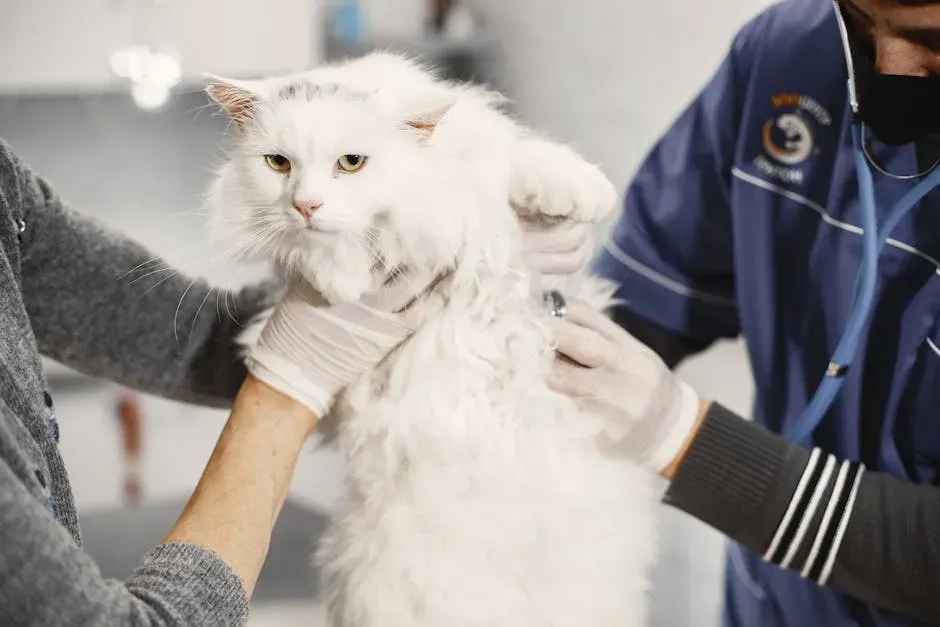
Here’s where things get more serious. Occasionally, sudden or dramatically increased zoomie activity can point to an underlying health issue. In some cases, excessive nighttime activity may be a sign of an underlying medical issue such as hyperthyroidism. If your cat’s nighttime behavior suddenly changes or becomes more extreme, it’s essential to consult with your veterinarian to rule out any potential health problems.
Signs of hyperthyroidism or diabetes can cause restlessness in cats that looks very similar to zoomies. If you have a middle-aged or older cat who suddenly begins staying up late, losing weight, acting jittery, or behaving oddly, have them checked by your vet. Arthritic pain, flea and tick bites, kidney and liver disease, toxins, and brain tumors can also cause unusual behaviors. I know it sounds scary. It probably is just normal cat energy, but it’s always worth ruling out the serious stuff.
If your cat has fleas or itchy skin, racing around may be their way of trying to escape the feeling. An aging cat may be losing their eyesight or hearing, which could cause them to run when startled or surprised. Think of it from your cat’s perspective – if something is irritating them constantly, running is one of the few ways they can express it.
How Age Changes the Zoomie Game
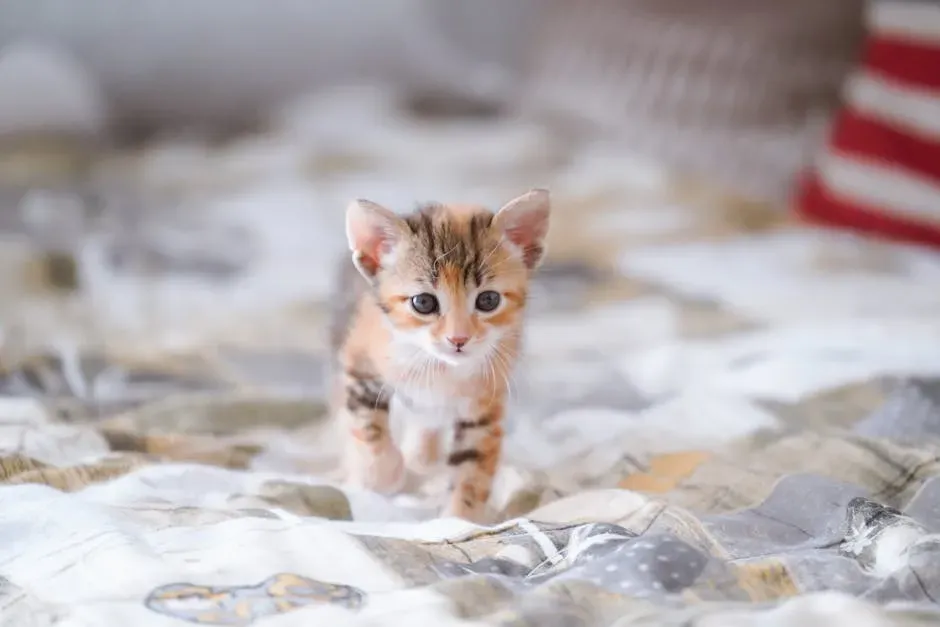
Young cats have an abundance of energy and may have more frequent and intense zoomies. They are also more likely to be active at night. If you have a kitten, consider yourself officially warned. Young cats are basically tiny four-legged tornadoes, and the nighttime zoomies are practically guaranteed.
Older cats typically slow down and may sleep more than younger cats. However, some older cats may become more active or vocal at night due to changes in their cognitive function or because of medical issues. So it cuts both ways. Young cats zoom from sheer excitement and energy. Older cats sometimes zoom for reasons that deserve a closer look.
Senior cats may be restless at night for different reasons. Changes in their sleep cycles, hearing loss, anxiety, or the onset of cognitive dysfunction can lead to vocalizing and increased wakefulness. If your senior cat suddenly starts acting like a kitten again at 2 AM, don’t just smile and roll over – it might be worth mentioning to your vet at the next visit.
The Post-Litter Box Zoomies: What That’s All About
Honestly, this one always gets people. You watch your cat finish up in the litter box and then launch themselves across the room like they’ve been launched from a cannon. It’s hilarious, but there’s actually a reason behind it. If your cat suddenly gets the zoomies right after using the litterbox, it’s usually harmless, but it could be linked to several things: relief or excitement – your cat might just feel a sense of relief after eliminating waste, and this behaviour is simply their way of expressing that freedom.
Cats may get the zoomies after pooping to run away from an unpleasant smell. A clean litter box will prevent urinary problems and bacterial infections, and keep the poop in the litter box instead of on your favorite rug. So if the post-bathroom sprint is becoming a regular occurrence, a cleaner litter box might genuinely solve the problem. Simple fixes first, always.
Practical Ways to Manage Night-Time Zoomies
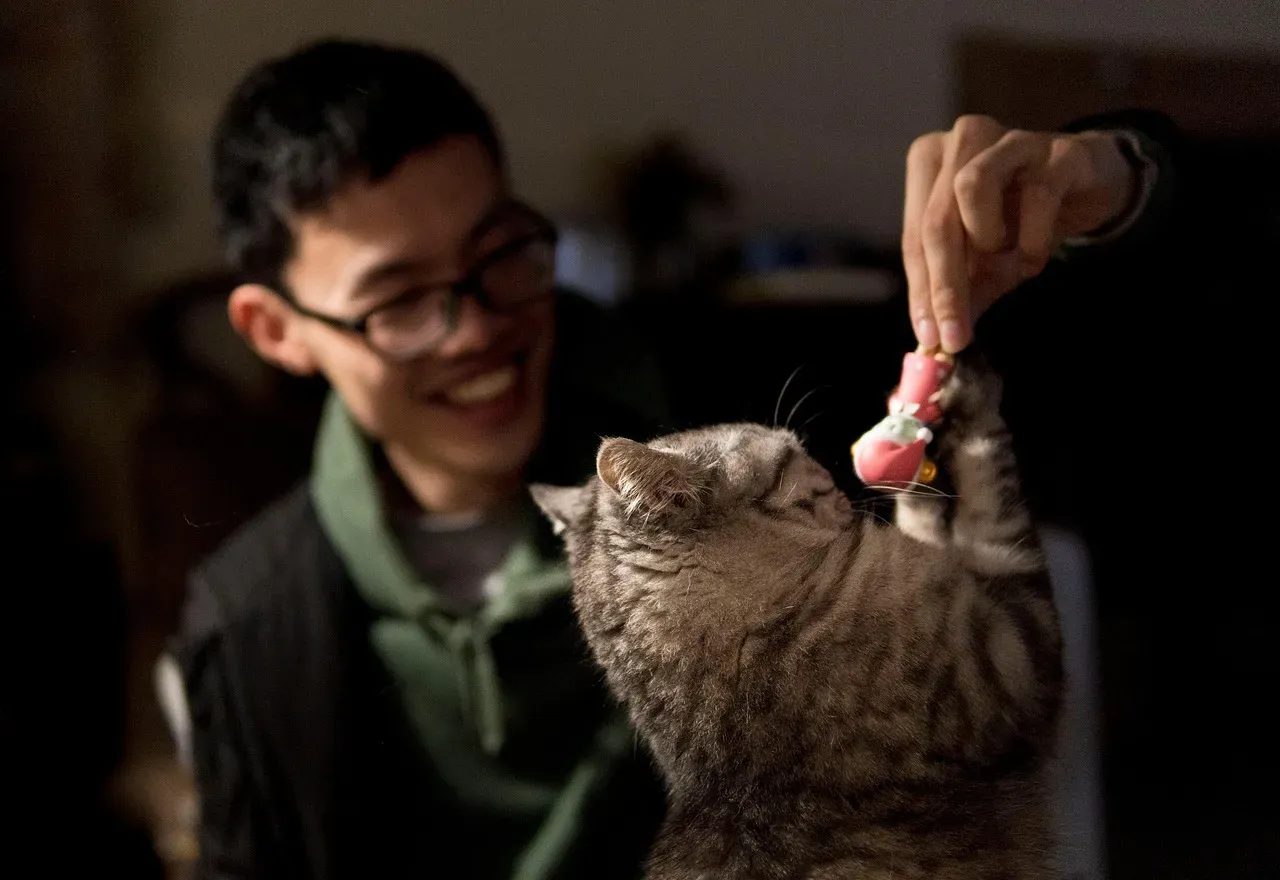
You don’t have to resign yourself to sleep deprivation forever. There are genuinely effective strategies to work with your cat’s natural rhythms rather than against them. Engaging your cat in interactive play helps keep them physically and mentally stimulated and burns all the pent-up energy. You can schedule 15-minute interactive play sessions twice daily. This can tire up your cat and they won’t have the energy to race around the house in the wee hours of the night.
Cats tend to sleep after a big meal. Try feeding your cat their main meal just before your bedtime to encourage them to sleep through the night. Think of it like the classic post-dinner nap humans know so well. The same logic applies to your cat – a full belly signals rest time.
Many people reinforce boisterous nighttime activity without meaning to. They might get up to feed, play with, or simply chase them out of the room. All of these responses teach the cat that disturbing you gets attention. It’s a tough habit to break, but ignoring the behavior consistently is one of the most effective long-term solutions. Your future self will thank you.
Conclusion

Your cat’s night-time zoomies are usually a perfectly natural expression of instinct, energy, and sometimes even pure joy. Think of them as your cat’s version of a midnight workout, deeply rooted in thousands of years of evolutionary hunting behavior. Most of the time, there’s nothing to worry about.
Still, it pays to stay observant. If the zoomies are sudden, escalating, or paired with other unusual symptoms like weight loss or excessive vocalization, a vet visit is always the right call. Knowing the difference between a happy sprint and a distress signal is one of the most valuable things you can learn as a cat owner.
At the end of the day, your cat is a magnificent, chaotic little creature living by ancient biological rules inside your very modern home. The midnight gallop isn’t personal. It’s just who they are. So – does your cat’s 2 AM sprint make more sense now, or are you still blaming them for the broken vase? Tell us in the comments!