You’ve probably been there. It’s three in the morning, and you’re jolted awake by what sounds like a small tornado tearing through your living room. Your cat is racing from one end of the house to the other, eyes wide as saucers, tail puffed up like a bottle brush. You wonder if your sweet feline has lost their mind or if there’s something more going on behind those midnight marathons.
Let’s be real, the witching hour antics of your cat can be both hilarious and exhausting. These sudden bursts of energy leave you questioning whether your furry friend is just having fun or trying to tell you something important. The truth might surprise you, because what looks like random chaos actually has some fascinating science behind it.
What Exactly Are Cat Zoomies?
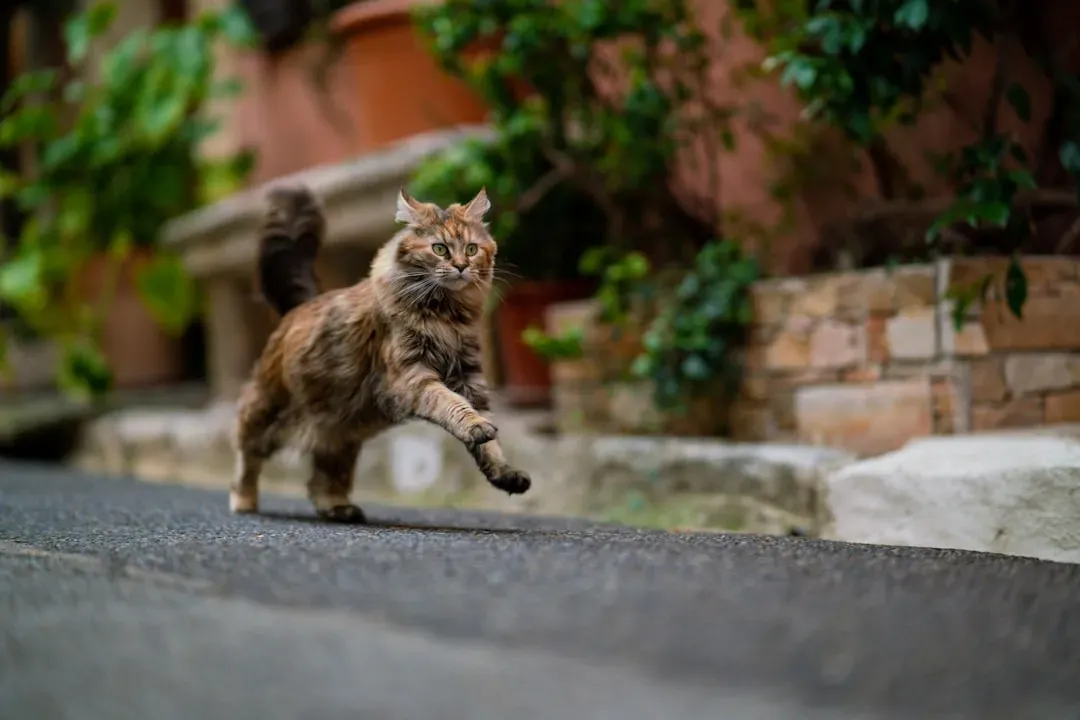
The scientific term for your cat’s wild sprints is frenetic random activity periods, or FRAPs. These episodes look exactly like they sound: your cat suddenly transforms from a peaceful loaf into a lightning-fast blur of fur. During these moments, your kitty might race across floors, leap onto furniture, and perform acrobatic moves that would make Olympic gymnasts jealous.
These bursts often include frenzied running, pouncing, bopping, and even excessive meowing seemingly out of nowhere. The behavior isn’t exclusive to cats either. Dogs, rabbits, and even elephants experience similar energy explosions, which tells us it’s a natural mammal thing rather than some weird quirk your cat invented.
The Crepuscular Truth Behind Nighttime Energy
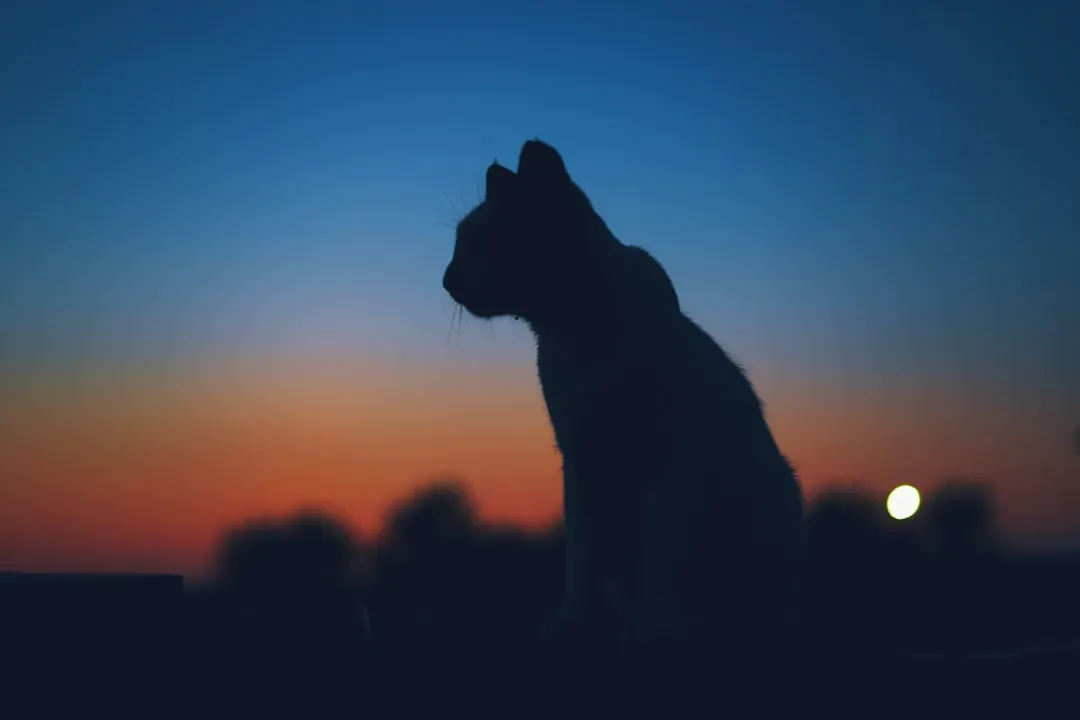
Here’s something you might not know: your cat isn’t actually nocturnal. Cats are crepuscular, meaning their peak activity occurs at dusk and at dawn. This pattern comes from their wild ancestors who hunted during twilight hours when temperatures were cooler and prey was most active.
Even though your indoor cat doesn’t need to stalk mice for dinner anymore, those ancient instincts are deeply hardwired into their biology. Cats are crepuscular animals who hunted during dawn and dusk times to take advantage of cooler temperatures and prey movement, and domestic cats have retained these instinctual patterns of activity. So when your cat decides to channel their inner cheetah at dawn, they’re just following millions of years of evolutionary programming.
Pent-Up Energy: The Most Common Culprit

Think about your cat’s typical day. They probably spend somewhere between twelve and eighteen hours sleeping or lounging around. Cats sleep for an average of thirteen to fourteen hours a day, which leaves plenty of stored energy, and if they haven’t expended enough during the day, they may have zoomies at night. It’s like they’re charging their batteries all day long, waiting for the perfect moment to unleash all that stored power.
Indoor cats face an additional challenge because they don’t get the natural exercise that outdoor cats might. Without opportunities to chase real prey or explore varied terrain, all that hunting energy has to go somewhere. Your furniture, hallways, and yes, your sleeping face become the substitute hunting ground when the sun goes down.
When Zoomies Signal Something More Serious
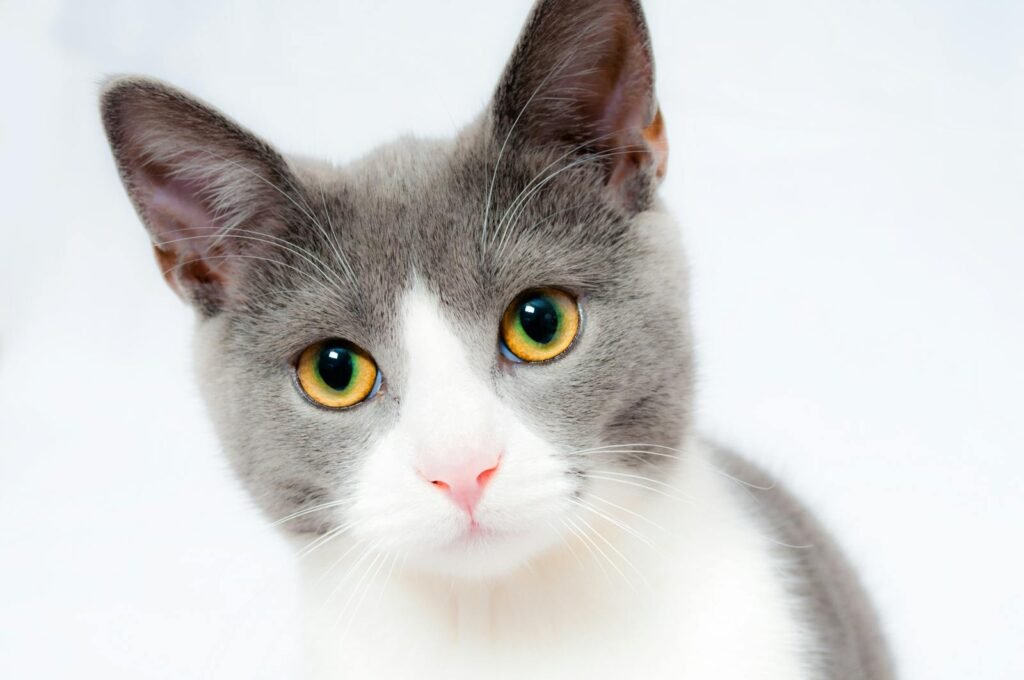
Most of the time, zoomies are completely harmless and even healthy. However, there are moments when those midnight sprints might be telling you something else entirely. When a cat experiences acute pain due to arthritis or has been bitten by fleas, they try to escape the pain or itchiness by running wildly. Pain can manifest in weird ways for cats, and frantic racing might be their attempt to outrun discomfort.
With some diseases, especially hyperthyroidism, your cat’s energy level may seem to increase to the point of hyperactivity, and cats with hyperthyroidism are often restless at night. If your previously calm cat suddenly develops intense zoomies accompanied by weight loss despite eating more, or excessive thirst, that’s your cue to schedule a vet visit pronto.
The Post-Poop Victory Lap Phenomenon
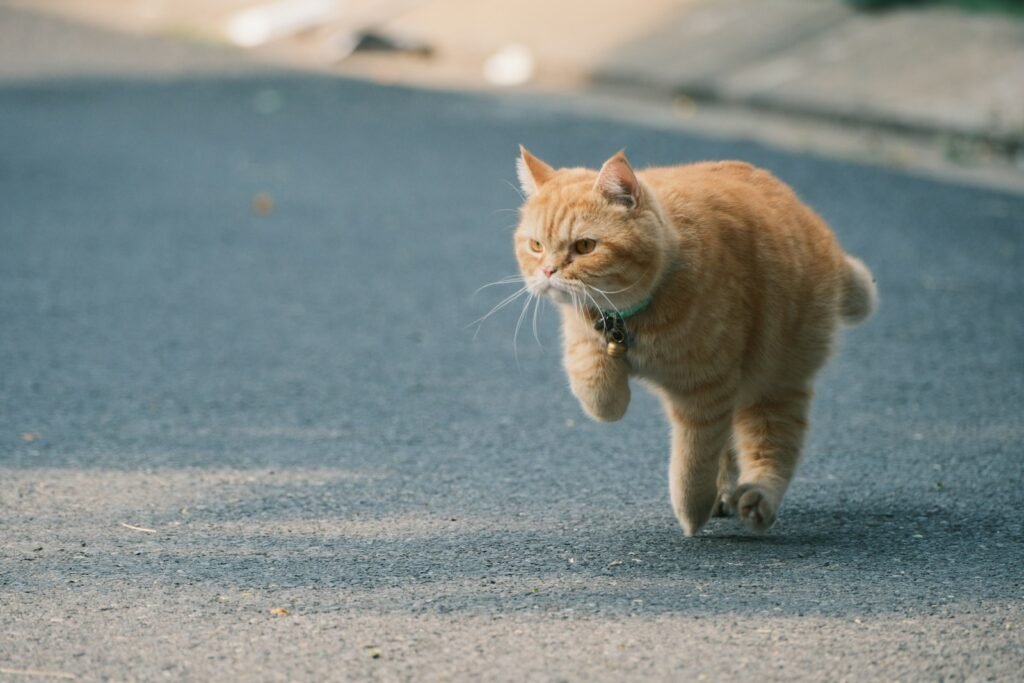
If you’ve noticed your cat tearing through the house right after using the litter box, you’re not alone in witnessing this bizarre behavior. If your kitty tends to get the zoomies after using the litter box, there may be a connection to the vagus nerve that goes from brain to colon, and kitty may be feeling lightheaded, relieved, or even euphoric. Honestly, the idea of your cat experiencing bathroom euphoria is both hilarious and strangely relatable.
Another theory suggests survival instincts at play. The smell of fresh poop is a threat to survival because in the wild it would attract predators, so the instinct is to run as quickly and as far from poop as possible. Your domestic cat doesn’t have predators in your living room, but their brain doesn’t know that. They’re just following ancient programming to get away from the scene of the crime.
Age Matters in the Zoomie Game
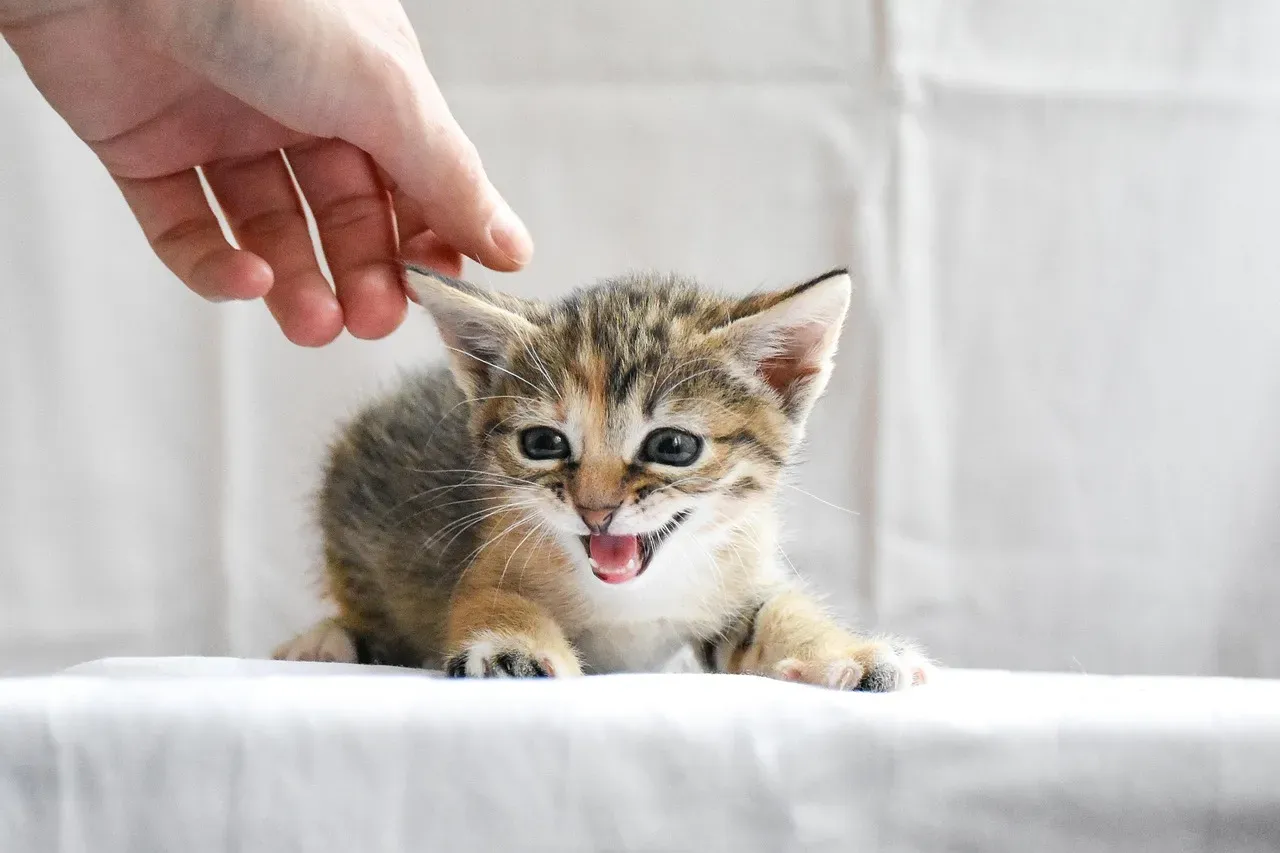
Kittens and young cats are basically zoomie champions. They have seemingly endless reserves of energy and less impulse control than their adult counterparts. A cat’s age can impact their activity levels and sleep-wake cycle, with young cats having an abundance of energy and more frequent and intense zoomies, making them more likely to be active at night. If you have a kitten, buckle up because the midnight races are probably going to be frequent and intense.
Older cats typically mellow out and their zoomies become less common. However, there’s a catch. Older cats typically slow down and may sleep more than younger cats, but some older cats may become more active or vocal at night due to changes in their cognitive function or medical issues. If your senior cat suddenly develops new nighttime energy after years of peaceful sleeping, cognitive dysfunction or other health issues might be the reason.
Environmental Triggers You Might Not Have Considered
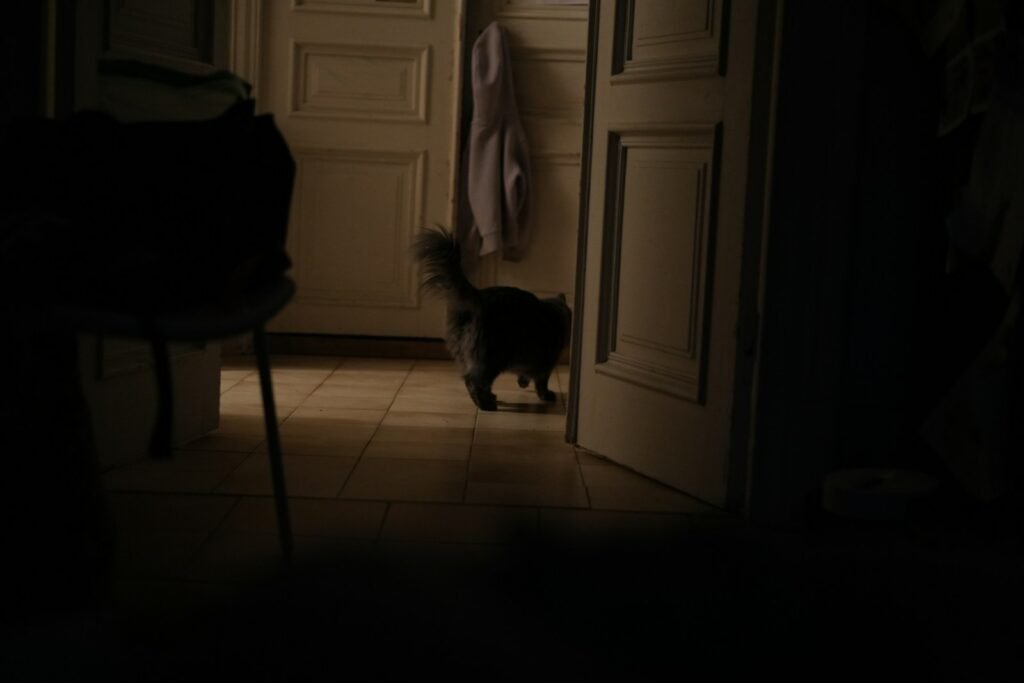
Your home environment plays a bigger role than you might think. The quiet of the night might make your cat feel more comfortable exploring and playing, while daytime noise and activity can be intimidating for some cats, causing them to rest and wait for nighttime tranquility. If you live in a busy household with kids, dogs, or constant activity, your cat might literally be waiting for everyone to go to bed before they feel safe enough to let loose.
External stimuli matter too. If your windows face areas with nocturnal wildlife, streetlights, or passing cars, these movements and sounds can trigger your cat’s hunting instincts. Even things you can’t hear might be setting off your cat’s sensitive ears, prompting them to investigate with a burst of predatory energy.
The Social Connection Between You and Those Midnight Sprints
Sometimes your cat’s zoomies aren’t about energy at all, they’re about you. Cats may seek out interaction when they are awake and full of energy, which unfortunately may be during your sleeping hours, manifesting as zooming around the house, pouncing on your feet, or causing mischief to get attention. Your cat might have been alone all day while you were at work, and now that you’re home, they want quality time.
This can create an unfortunate cycle. If you respond to the zoomies by getting up, playing, or feeding your cat, you’re essentially training them that midnight chaos equals attention and rewards. Your cat is smart enough to repeat behaviors that work, even if those behaviors happen to interrupt your precious sleep.
How to Tell Playful Zoomies from Problem Zoomies
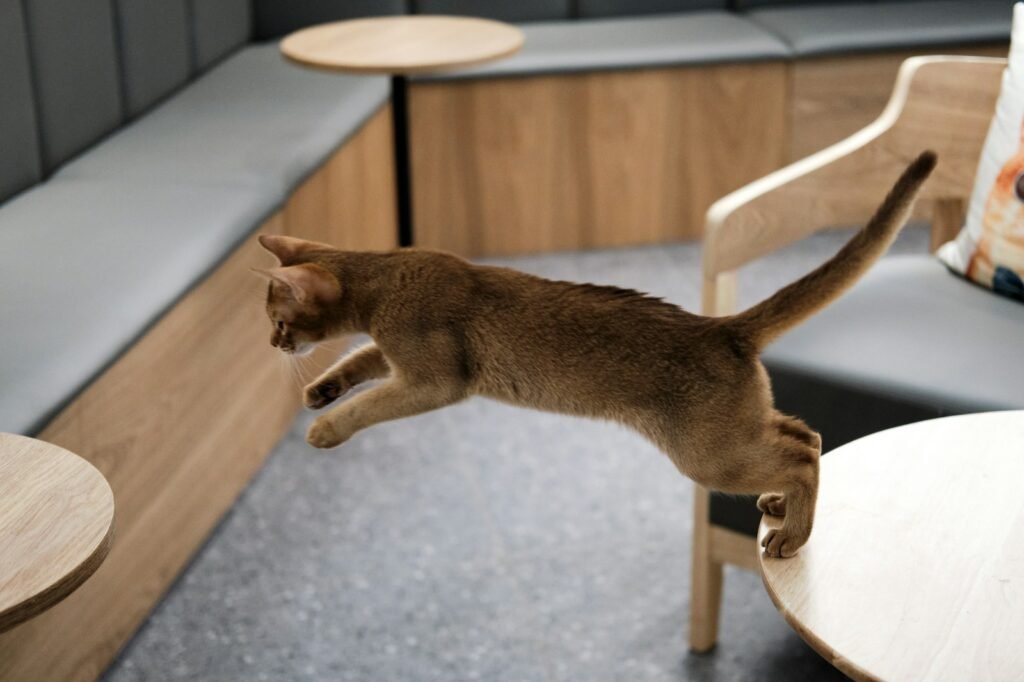
Learning to read your cat’s body language during zoomies makes all the difference. Playful zoomies occur when a cat has been inactive and suddenly feels energized, with the cat showing relaxed body language including ears in a neutral or forward position, tail upright or gently swishing, and possibly making playful sounds. These are the good zoomies, the ones where your cat is just being a cat.
Problem zoomies look different. Anxiety or distress can trigger zoomie-like behavior, though these episodes typically look different from playful ones, with anxious cats often appearing uncoordinated or frantic during these moments. If your cat seems panicked, is vocalizing in distress, or shows signs of pain like limping or excessive grooming afterward, those aren’t normal zoomies.
Practical Strategies to Manage Midnight Marathons
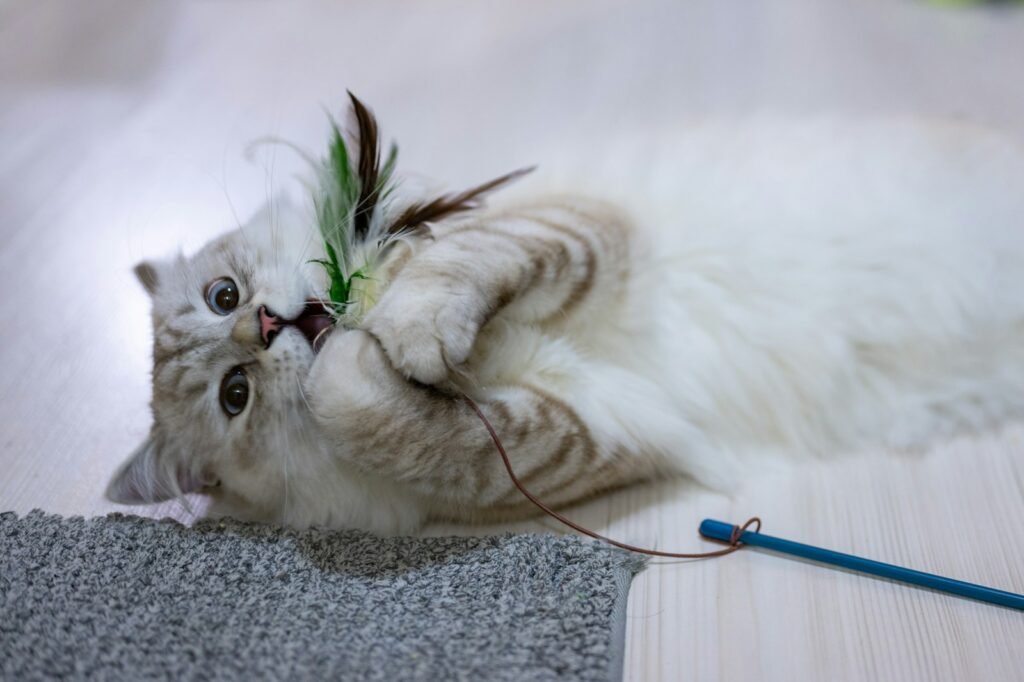
You don’t have to accept sleep deprivation as the price of cat ownership. To manage cat nighttime behavior, increase playtime during the day with interactive play sessions using wand toys or lasers to burn energy, provide enrichment like puzzle feeders and climbing trees, and establish a bedtime routine including play before bed followed by a small meal. The goal is to tire your cat out before you need to sleep.
Timing matters significantly. Schedule your most active play session right before your bedtime, mimicking the hunt-eat-sleep cycle that cats follow in the wild. After an intense play session where your cat chases toys and pounces, offer a meal. A full belly naturally makes cats sleepy, increasing the chances they’ll snooze through the night instead of practicing their parkour skills on your dresser.
The Bottom Line: Should You Worry?
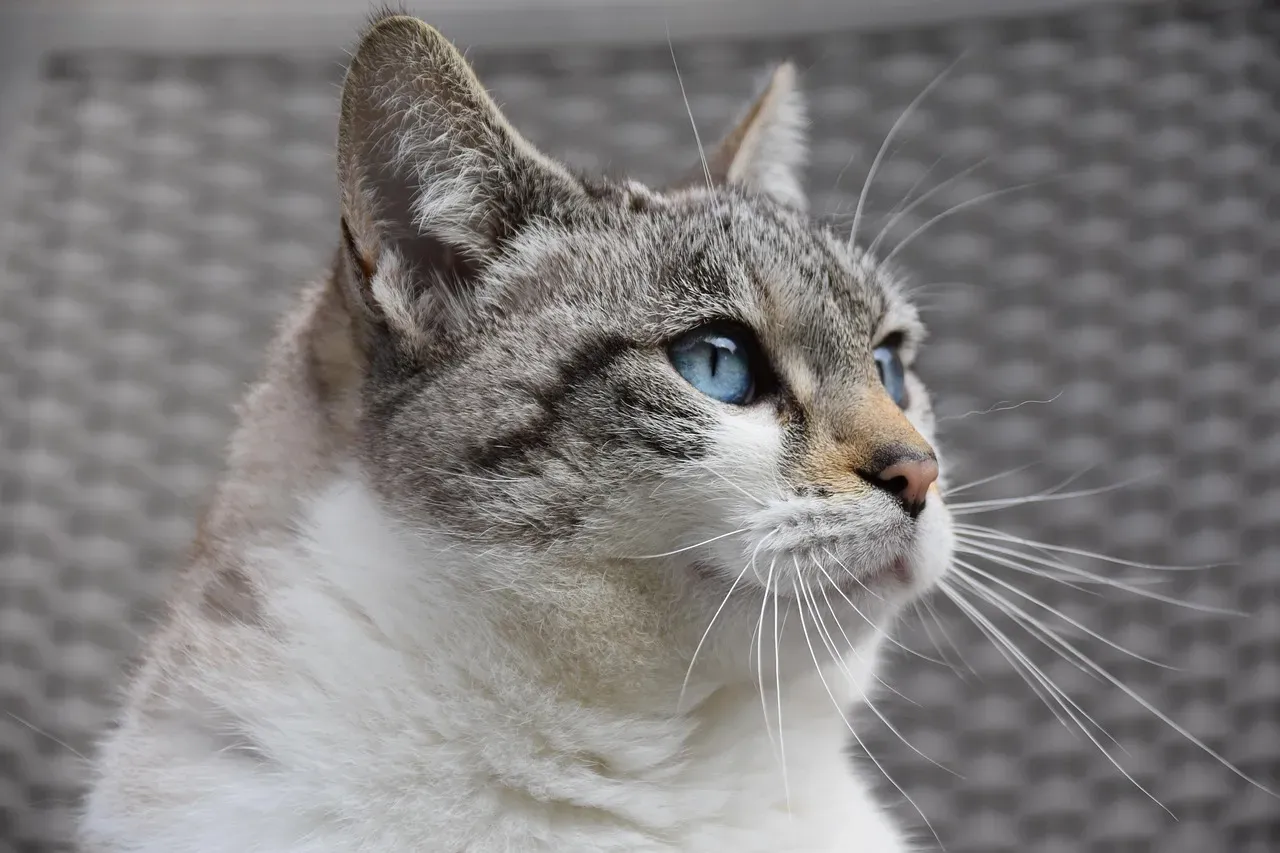
In most cases, your cat’s overnight zoomies are exactly what they appear to be, harmless expressions of natural feline energy and instinct. While these energetic outbursts might be startling in the moment, they’re perfectly normal feline behavior. Your cat isn’t broken, sick, or trying to drive you crazy on purpose. They’re just being a cat with cat instincts doing cat things at cat times.
That said, trust your gut. The importance of monitoring sudden changes in zoomie behavior is crucial, as these shifts might signal underlying health conditions like hyperthyroidism or mobility problems. If the behavior changes dramatically, becomes more intense, or is accompanied by other symptoms like weight changes, excessive vocalization, or signs of pain, a vet visit is definitely warranted.
Embracing the Chaos with Understanding
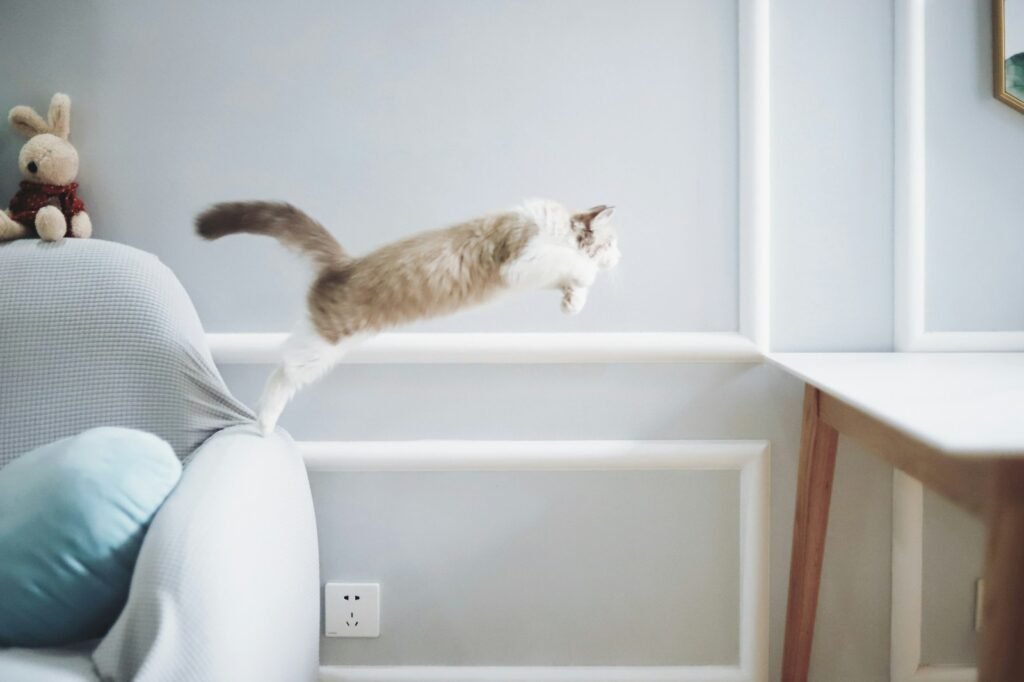
Here’s the thing: those midnight zoomies might test your patience, but they’re also a window into your cat’s wild soul. These moments connect your domestic fluffball to their ancestors who roamed savannas and forests, hunting under moonlight. Understanding why your cat does what they do doesn’t just help you manage the behavior; it deepens your appreciation for the complex, instinct-driven creature sharing your home.
With the right approach combining environmental enrichment, strategic playtime, and attention to your cat’s individual needs, you can find a balance that works for both of you. Your cat gets to express their natural behaviors without turning your three a.m. into a circus, and you get the sleep you desperately need. It’s possible to coexist peacefully with even the zoomiest of cats once you understand what’s driving their behavior. So what’s your cat telling you with those late-night sprints? Are you ready to decode the message and find harmony in your household?