You think you’ve set up the perfect space for your feline companion. There’s a bed, some toys scattered around, food and water bowls neatly arranged. That should be enough, right? Here’s the thing, though: your cat might disagree. They won’t tell you directly, of course. Instead, they’ll show you through their behavior, their stress levels, or even their health.
Creating a genuinely cat-friendly home goes far beyond the basics. It requires you to see your living space through your cat’s eyes, understanding their instincts, needs, and quirks. So let’s dive in and discover whether your home truly meets the mark.
Does Your Space Offer Enough Vertical Territory?
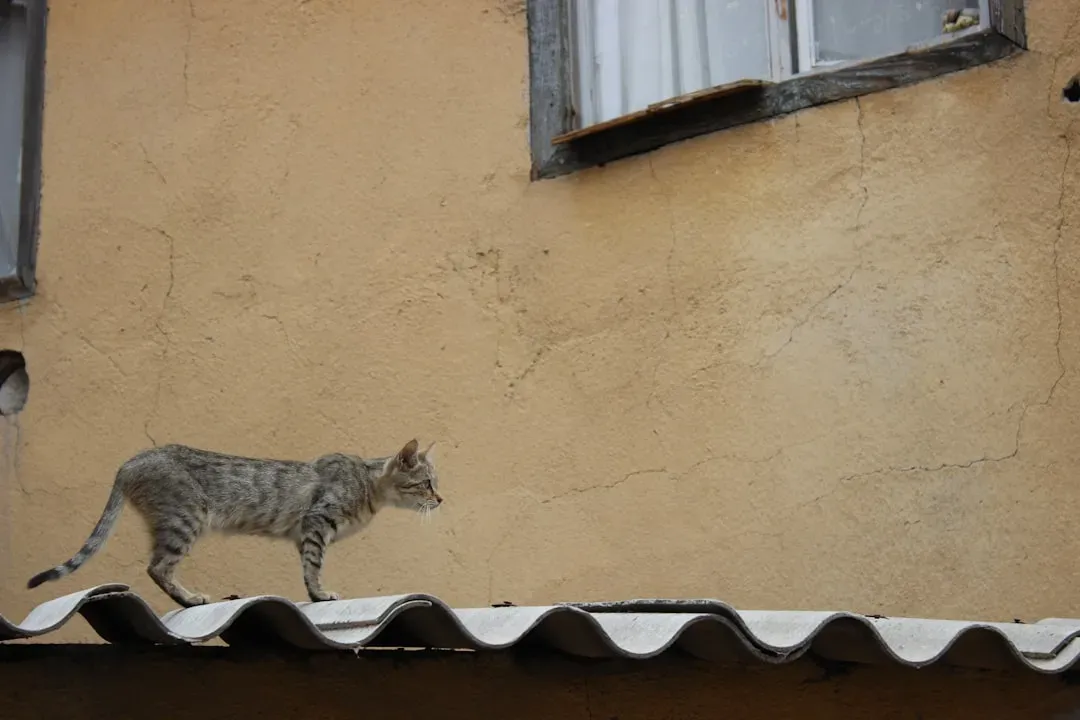
Your cat should have access to spaces up high to survey their territory, feel safe and rest. Think about it: while you live in a horizontal world, your cat exists in a vertical one. The higher up a cat is, the more visual advantage and warning time they gain, easily seeing anyone approaching. Without elevated perches, your cat might feel vulnerable or stressed.
Creating vertical space is hugely important for cats because it opens up their territory. You don’t need to turn your living room into a jungle gym, though your cat would probably appreciate that. Simple additions like cat trees, wall-mounted shelves, or even rearranging furniture to make high surfaces accessible can work wonders. If you have more than one cat, ensure there are two ways to get up and down so one cat doesn’t trap another, and never create a dead-end shelf.
Have You Provided Safe Hiding Spots Throughout Your Home?
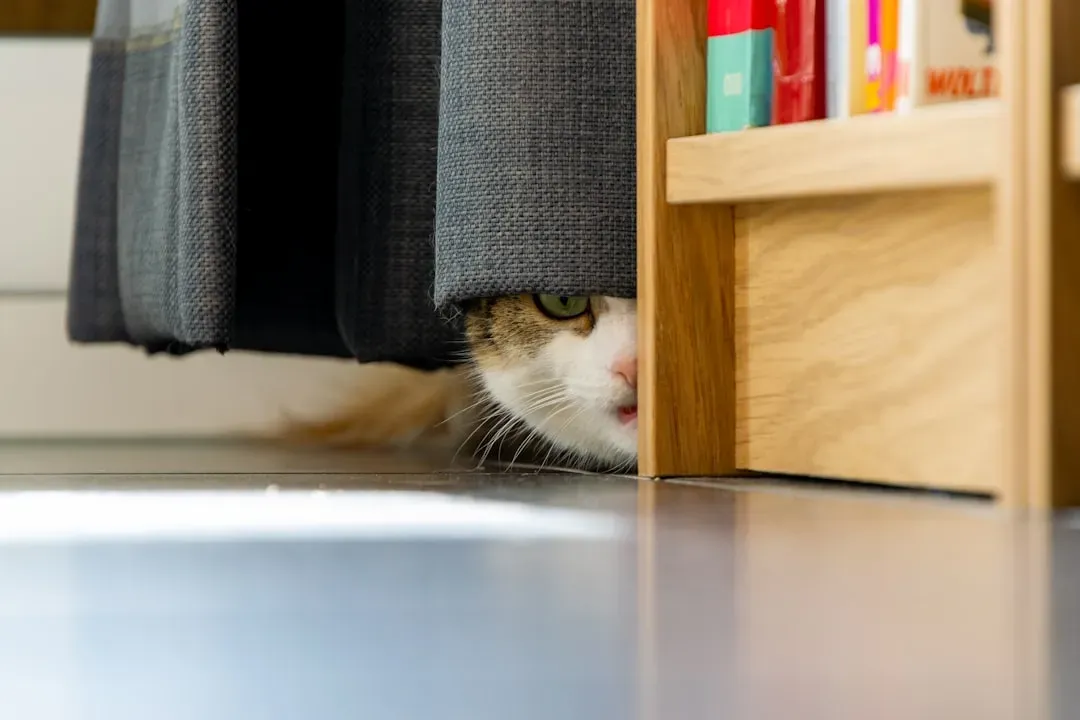
Cats like to feel safe and secure in their environment, and a cat who feels safe will be more confident and less likely to be destructive. Your cat needs places where they can retreat and disappear from the chaos of daily household life. These hideaway spaces might be semi-enclosed beds, cardboard boxes, or even a quiet spot under your bed.
You should provide one or more hideaway spaces in a quiet part of the house, not too near busy areas, food bowls, or the litter box, and if there are small children or dogs in the household, give your cat a hideaway space that is out of reach. Some cats prefer more enclosure than others, so you might need to experiment. Honestly, sometimes the simplest solution, like a cardboard box with a soft blanket inside, becomes your cat’s favorite sanctuary.
Are Your Litter Boxes Set Up Correctly?
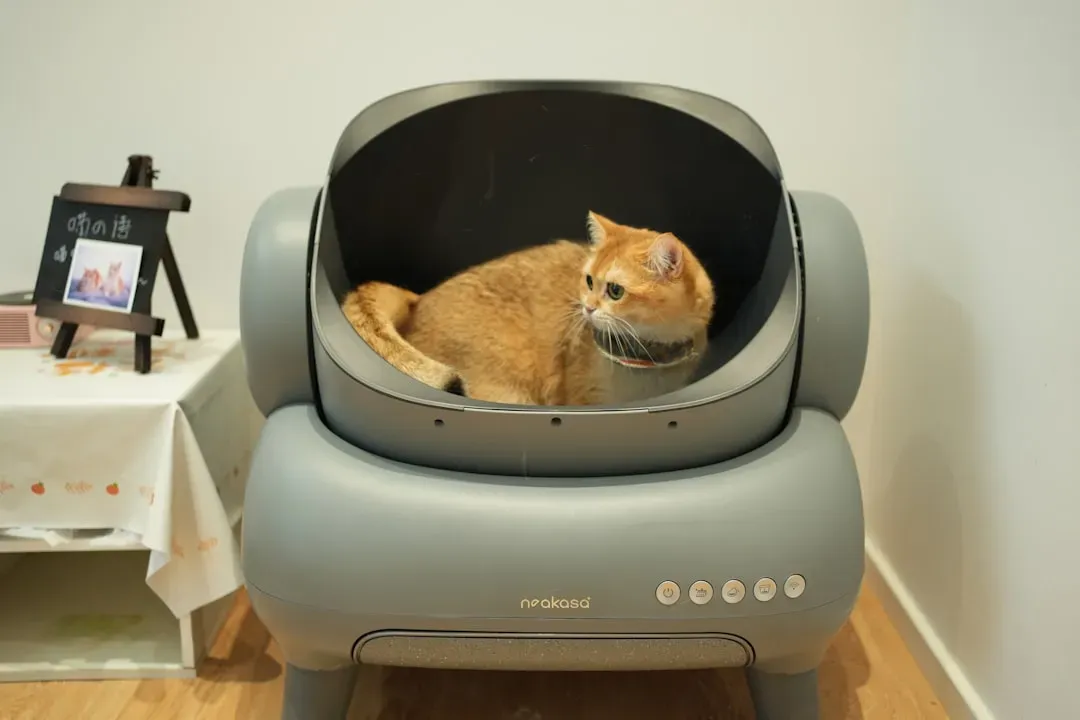
Let’s be real: litter box setup is where many cat owners unknowingly fail. There should be at least as many boxes as cats, and ideally one more besides, so a single cat should have two litter boxes. Are you meeting that standard? The location matters tremendously too.
Litter boxes should not be too remote, like inside a storage room or basement, and also not too central, such as a hallway, and they should not be placed near the cat’s feeding or sleeping place. Your cat appreciates privacy but also accessibility. Soiling is one of the most common problems with indoor cats, and if your cat is healthy but continues to soil, it indicates they’re unhappy with something in their surroundings. The litter box setup is often the culprit.
Is Your Feeding Station Truly Comfortable and Safe?

After killing their prey, cats living in the wild always bring it to a safe, quiet spot before eating, so your home should include a safe space for feeding, and it’s important to always feed your cat in the same place and at fixed times. Does your feeding area meet that criterion? You might be placing bowls in high-traffic zones without realizing it creates stress.
Cats prefer to drink water when it’s not directly next to their feeding place, as this feels unnatural to them. Separate the water bowl from the food bowl by a reasonable distance. Use a shallow food bowl so it doesn’t squish your cat’s whiskers, and a shallow bowl also allows the cat to eat while maintaining visual ability of their surroundings. These small adjustments can significantly improve your cat’s mealtime experience.
Have You Eliminated Potential Hazards and Toxic Substances?

Quite a lot of common household objects are highly toxic to cats even in low quantities. Take a walk through your home right now. Are cleaning products secured? What about medications, chocolate, or houseplants? All forms of lilies, including the leaves and flowers found in bouquets or as houseplants, are toxic to cats.
Always close doors to the oven, fridge, microwave, dishwasher, tumble dryer, and washing machine, and add notes to the doors of these appliances to remind people to check inside for exploring cats before using them. It sounds paranoid until you realize how many cats have been injured or worse because someone didn’t check. Toxic plants should be removed from the household or kept in a secure room to which the cat does not have access. Your cat’s curiosity can be dangerous without proper precautions.
Does Your Environment Offer Mental Stimulation and Play Opportunities?
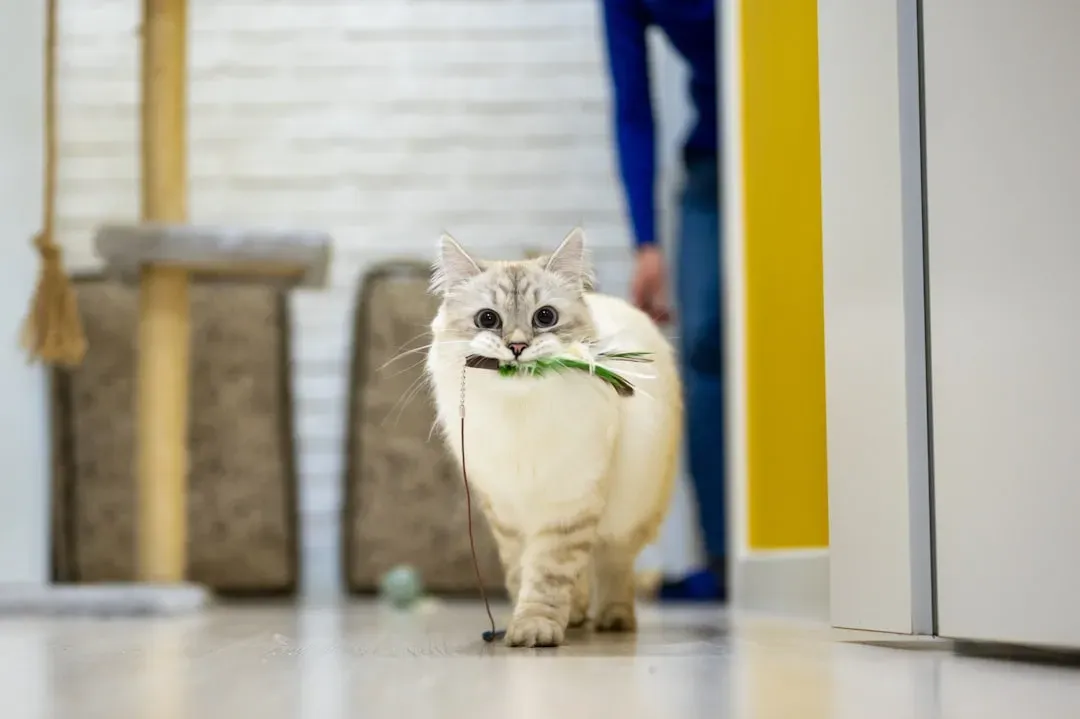
Appropriate outlets for play behaviors are an essential aspect of any enrichment program, and play behaviors in cats are closely related to the natural predatory sequence of stalking, chasing, pouncing, and biting. Without these opportunities, your cat becomes bored, potentially depressed, or even destructive. Are you providing enough variety?
Toys that move randomly are great, while those that are motionless and left lying around soon become predictable and boring, so toys should be put away in a drawer or box and rotated to ensure they remain interesting to your cat. I know it’s tempting to leave everything out, but rotation keeps things fresh. Social activities with humans can be the single most effective way to enrich your indoor cat’s environment, so set a timer for five minutes twice daily and play with your cat. That dedicated time matters more than you might think.
Are There Appropriate Scratching Surfaces Available?
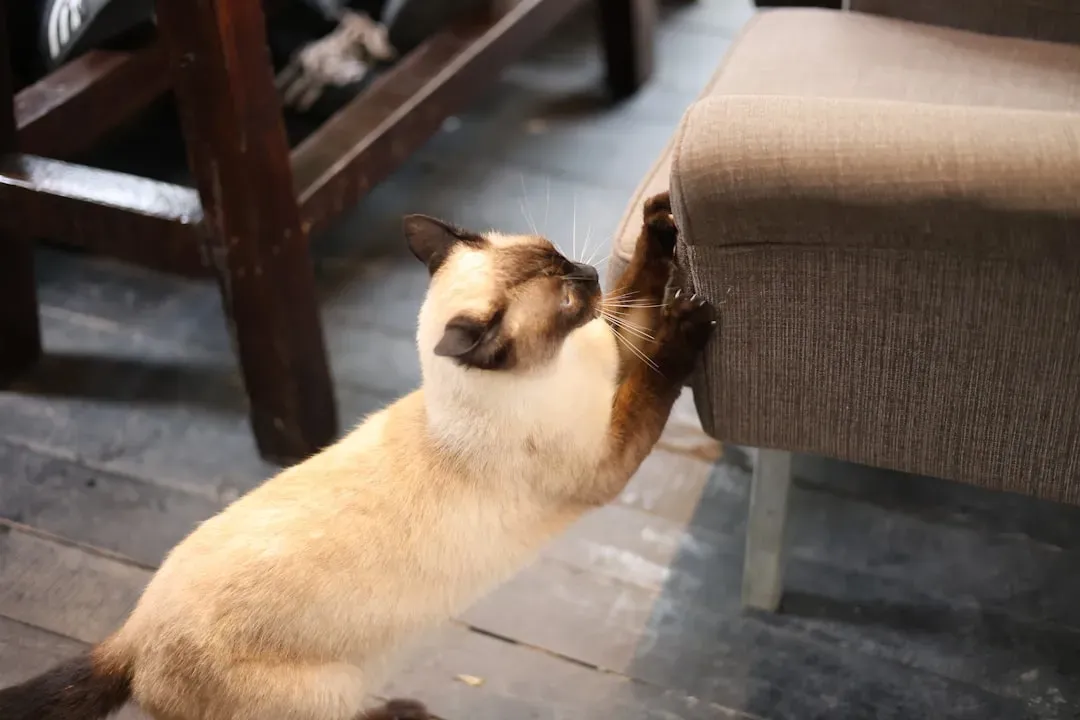
Scratching is instinctive for cats as they do it to mark their territory, shed their claw casings, express their emotions, or simply for the pleasing feeling of a stretch, and repeated scratching of your furniture will quickly cause it to fall into disrepair, so purpose-built cat scratching areas are fundamental. Have you provided enough scratching options throughout your home?
Place scratchers where the cat wants them, not you, by observing where they seem to want to scratch, and if going for a post, choose one that allows your cat to scratch at full stretch and make sure it’s sturdy so it doesn’t topple over. Your cat isn’t being spiteful when they scratch your couch. They’re simply telling you they need better alternatives in that specific location. Different cats prefer different materials too, whether that’s sisal, cardboard, carpet, or wood.
Is Your Home Layout Predictable and Stress-Free?
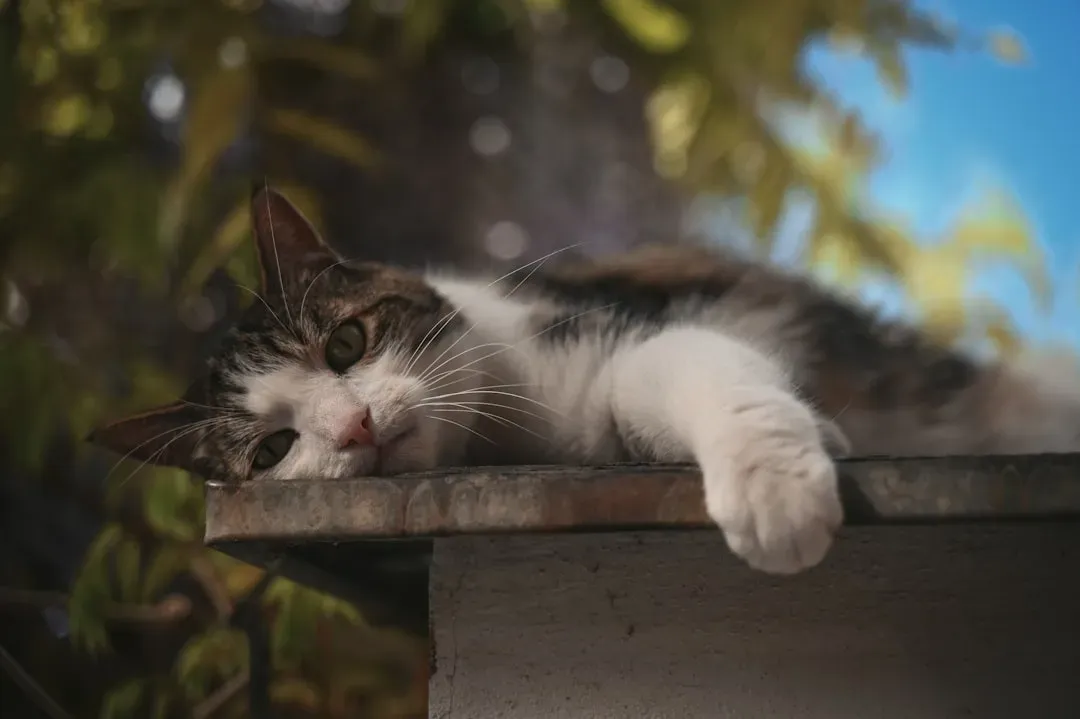
A physical environment that ensures a reasonable level of certainty, consistency, and predictability provides the foundation of enrichment and creates a living space that keeps the cat free from fear and distress. Constant changes, loud noises, or unpredictable household routines can deeply stress your cat. Do you maintain consistent feeding times? Are there quiet zones your cat can count on?
Social contact with people is important, but the amount will vary according to your cat’s personality, so allow your cat to dictate the amount of interaction and to initiate most of the contact on their own terms. Your cat needs to feel in control of social interactions. Forcing attention on a cat who wants space creates anxiety. Respect their boundaries and you’ll notice a calmer, more confident companion.
Have You Considered Sensory Enrichment Beyond Toys?
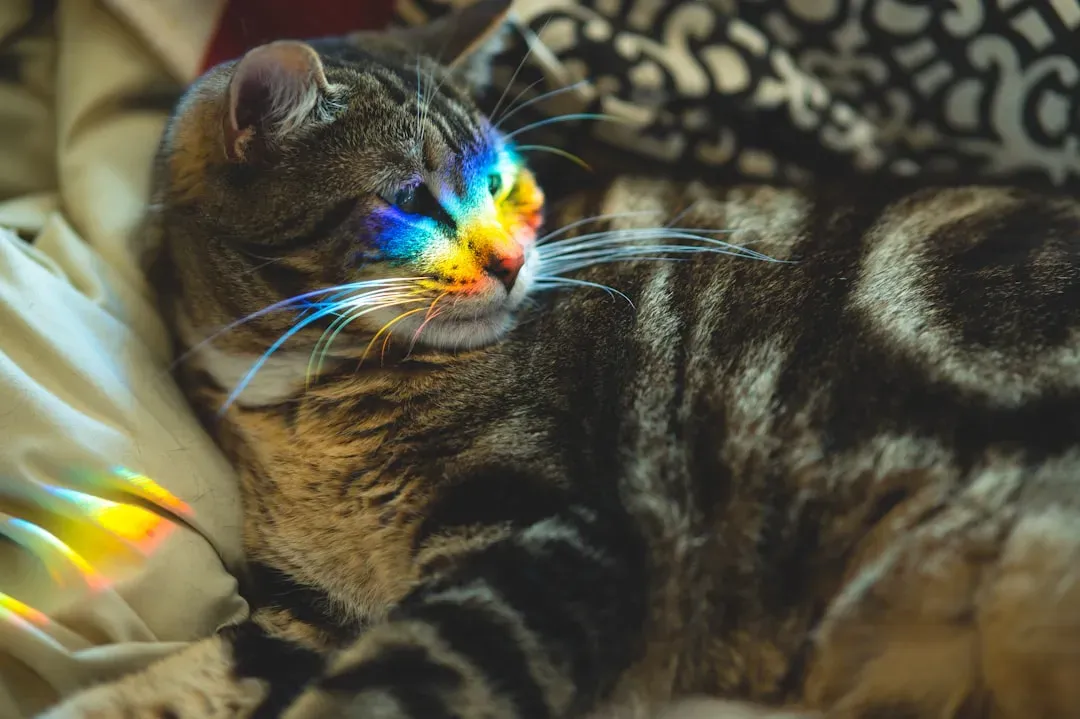
When thinking about ways to enrich your cat’s environment, consider all of their senses, such as playing a video of birds or small animals for them to listen to and watch, or setting up a simulated aquarium. Your cat experiences the world through smell, sound, sight, touch, and taste in ways far more intense than you might imagine.
Cats are prey for other species and are dependent on their sense of smell to feel safe, so when strong odors are present, they lose the ability to see the world and safety through their nose, which means you should avoid scented cat litter or strong essential oils around cats. That heavily perfumed air freshener or scented candle might be overwhelming to your cat. Access to windows, preferably with perches, provides mental stimulation as your cat looks outside, and regularly moving beds and perches mimics a changing outdoor environment and encourages cats to explore.
Is There Sufficient Space for Multiple Cats to Coexist Peacefully?
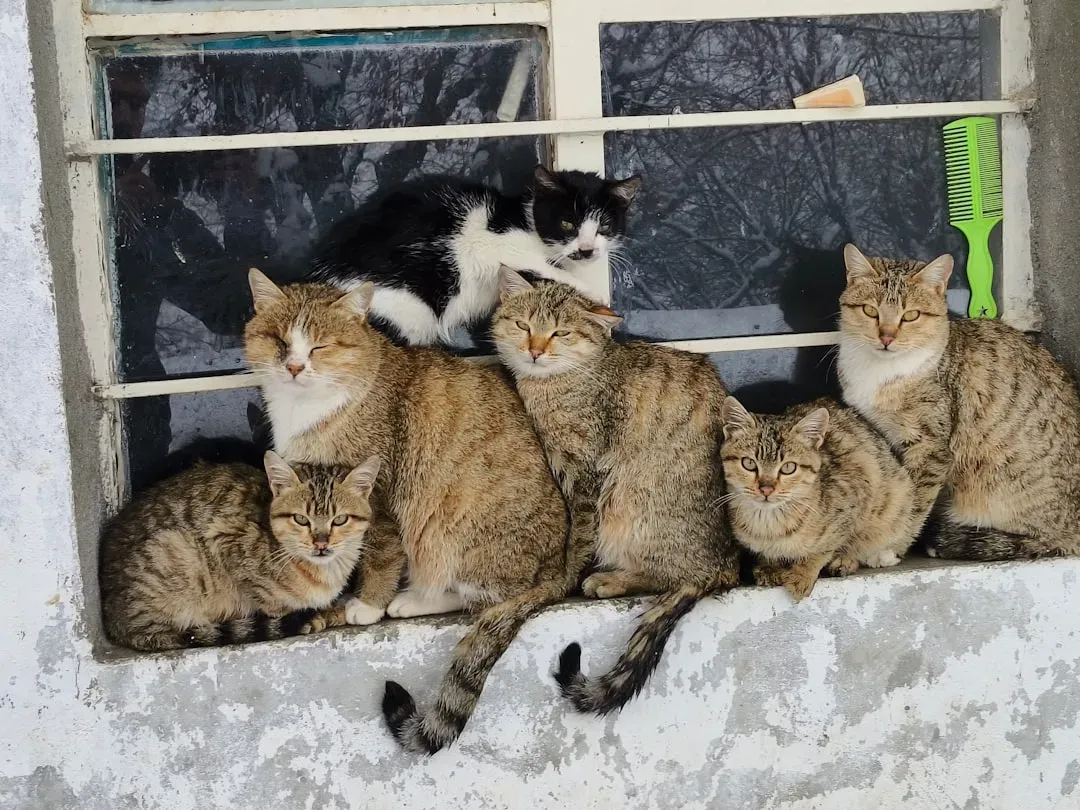
If you have more than one cat, territorial conflicts become a real concern. Cats are territorial creatures, and vertical spaces allow them to establish their territory without taking up more floor space, while in multi-cat households, high shelves or perches help reduce tension by giving each cat its own space to retreat to. Have you created enough separate resources?
Cats evolved as solitary hunters of small prey, so cats in multicat households may be more comfortable feeding from separate bowls placed out of sight of each other. Competition over resources creates stress. You need multiple feeding stations, water sources, litter boxes, and resting spots distributed throughout your home. Vertical space makes it easier for cats in a multi-cat household to get along because they can successfully time-share their space since there are enough spots to go around.
Are You Maintaining Your Cat’s Physical and Behavioral Health?
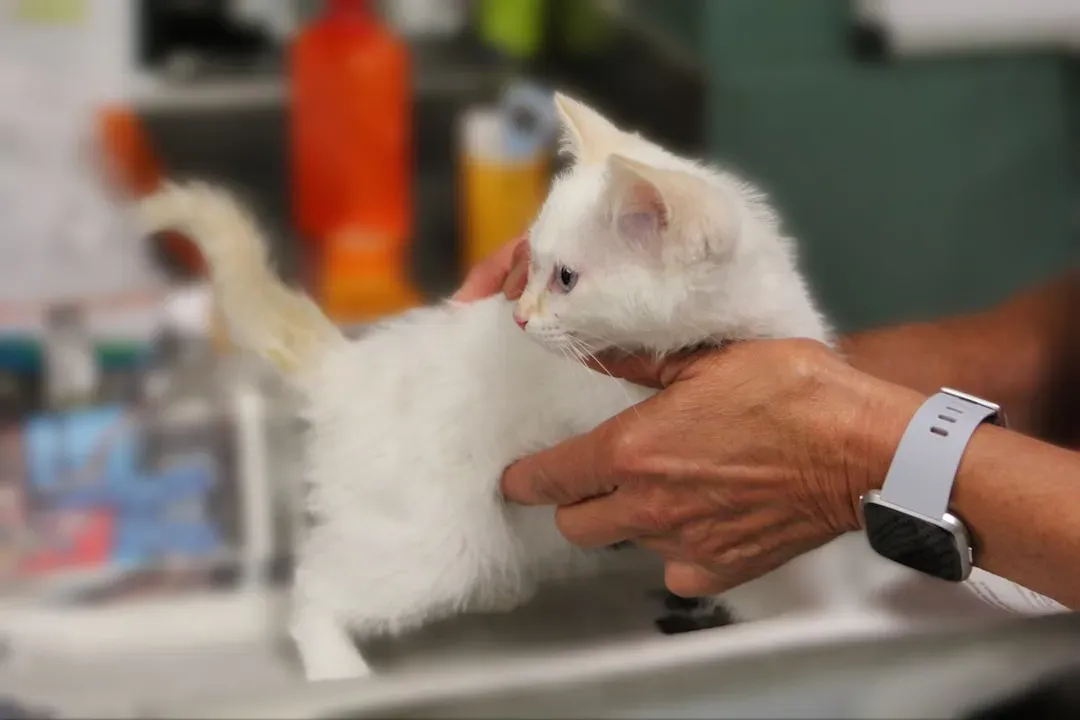
Environmental enrichment won’t mean anything if you aren’t keeping up on your cat’s veterinary care and maintaining their health, so don’t skip veterinary exams, as cats are masters of hiding signs of pain and illness. Even if everything in your home is perfect, health issues can derail your cat’s wellbeing. Are you scheduling regular checkups?
If your cat displays a change in behavior, litter box habits, appetite, or appearance, it could be a sign of an underlying medical issue, so it’s time for a veterinary visit. Sometimes what looks like a behavioral problem is actually a health crisis in disguise. Cats confined to an indoor environment generally live longer and are at less risk for contracting infectious diseases or injuries, but they are at greater risk for behavioral problems including urinating outside the litter box, anxiety, eating disorders, and aggression, though providing an enriched environment can increase activity and prevent many of these issues.
Creating a truly cat-friendly home isn’t about perfection. It’s about understanding your cat’s unique needs and making thoughtful adjustments to your space. The more you see your home through their eyes, considering their instincts to climb, hide, hunt, scratch, and feel secure, the happier and healthier your cat will be. Small changes can make enormous differences in their quality of life.
What do you think? Does your home pass this checklist, or have you discovered some areas that need improvement? Your cat is counting on you to create that perfect sanctuary they deserve.