When your cat crouches low in the hallway, eyes fixed on a toy mouse, there’s something primal happening beneath that fluffy exterior. You might think they’re just being cute or entertaining themselves. Here’s the thing, though: what you’re seeing isn’t just random fun. That carefully calculated stalk, the sudden pounce, the way they hold that toy in their paws – it all mirrors thousands of years of finely honed predatory behavior. Your domestic feline friend is displaying skills that their wild ancestors perfected over millennia.
Even though you fill their bowl twice a day with quality food, your cat hasn’t lost the intricate hunting techniques embedded deep in their DNA. Let’s explore just how sophisticated these instincts really are.
Hardwired for the Hunt Since Birth
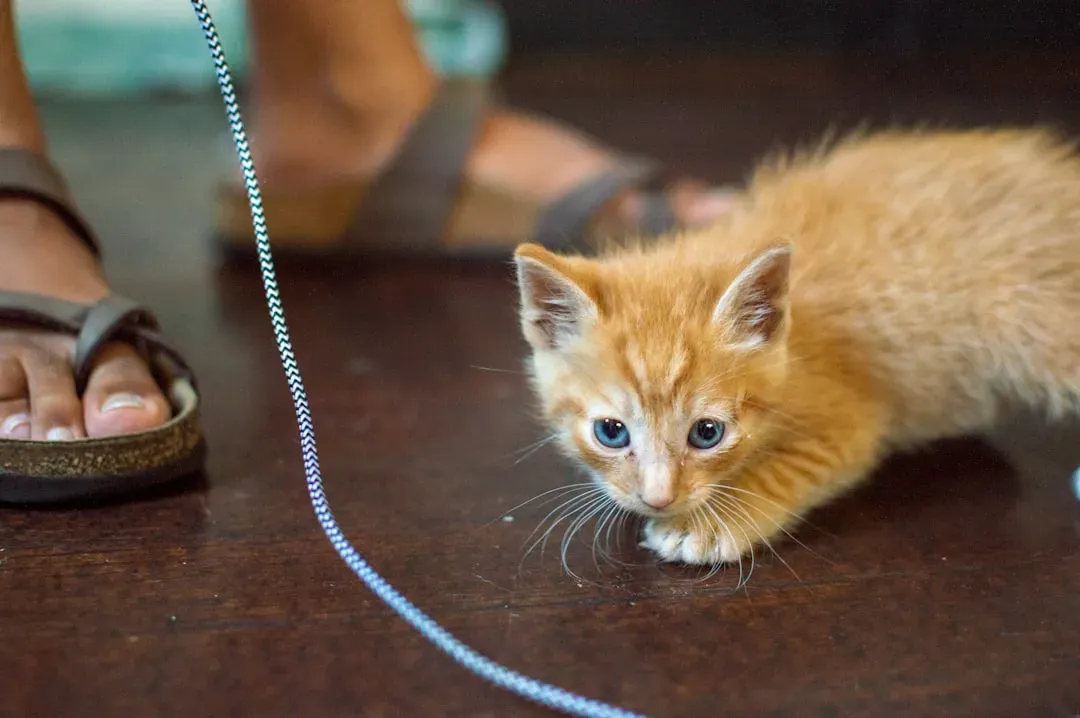
Kittens are born already knowing how to hunt instinctively, which is honestly fascinating when you stop to think about it. They don’t need a manual or training videos. These tiny fluffballs come equipped with the fundamental knowledge of stalking and pouncing right from day one.
Cats often learn to hunt from their mothers, with hunting being a learned behavior first taught by their mother and then reinforced by playing with their littermates. Mother cats take this education seriously, sometimes bringing half-dead prey to their kittens so they can practice finishing the job. It sounds brutal, but it’s essential survival training in the wild. Even kittens who never witness their mother hunting can figure it out on their own, though, because those instincts run that deep.
The Success Rate Might Surprise You
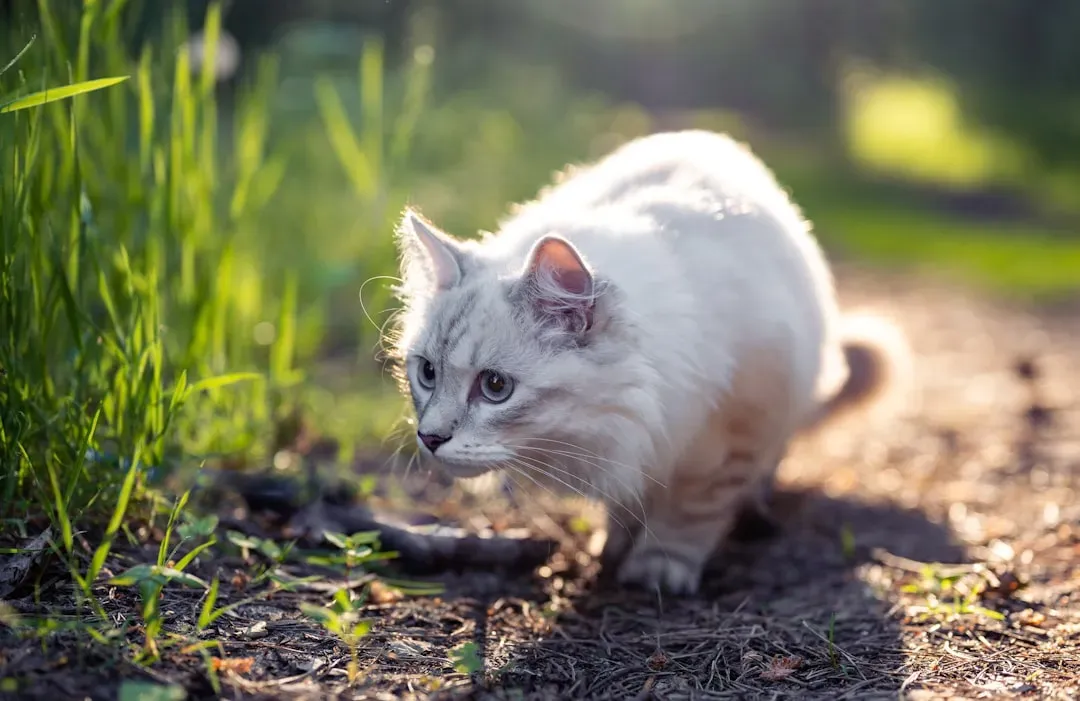
There’s less than a 50% chance of success at each hunting attempt, which means your cat’s ancestors had to be incredibly persistent to survive. Think about it: if you failed at getting food half the time, you’d need to hunt constantly just to stay alive.
Domestic cats achieve about a 32% success rate of catching prey, which is actually lower than you might expect from such skilled predators. This relatively modest success rate explains why cats developed such refined techniques. They couldn’t afford to be sloppy hunters when every failed attempt meant going hungry. Your pampered house cat inherited these sophisticated skills even though they’ll never face real hunger.
Why Full Bowls Don’t Stop the Hunt
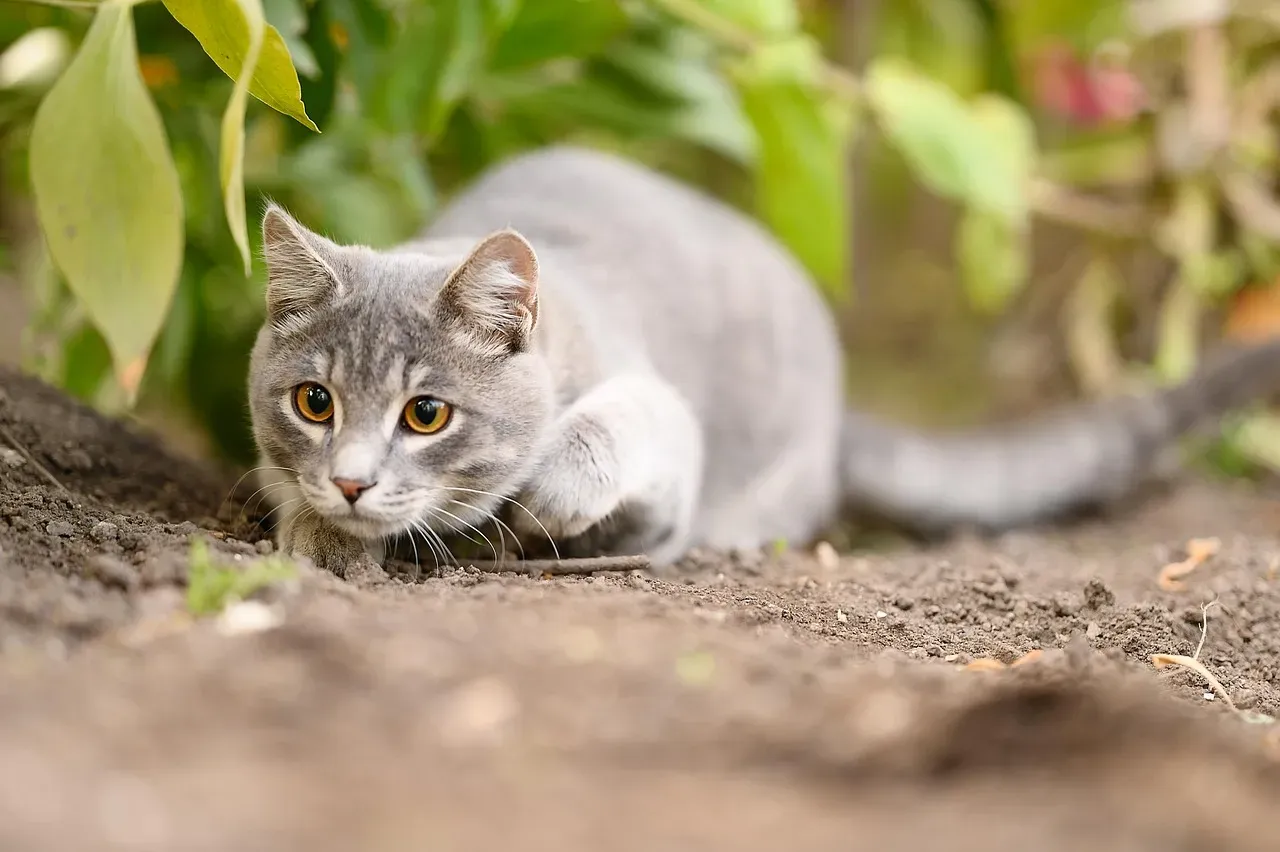
The motivation to hunt prey is only partly related to hunger, and cats have learned to be opportunistic feeders, hunting whenever an opportunity presents itself regardless of whether they’re hungry. This throws a lot of cat owners for a loop. You just fed Mr. Whiskers an hour ago, and now he’s stalking a bird through the window? Yep, that’s completely normal.
The one area of hunting behavior that’s linked to hunger is whether a cat kills the prey they’ve caught – they’re far more likely to kill and eat their prey if they’re hungry, but if they’ve eaten well, they may hunt but not necessarily kill or eat what they’ve caught. This explains those “gifts” your cat leaves on your doorstep. It’s not about hunger. It’s about opportunity and instinct. The drive to hunt is separate from the need to eat, which is why even the most well-fed cats will chase down prey if given the chance.
Night Vision That Puts Humans to Shame
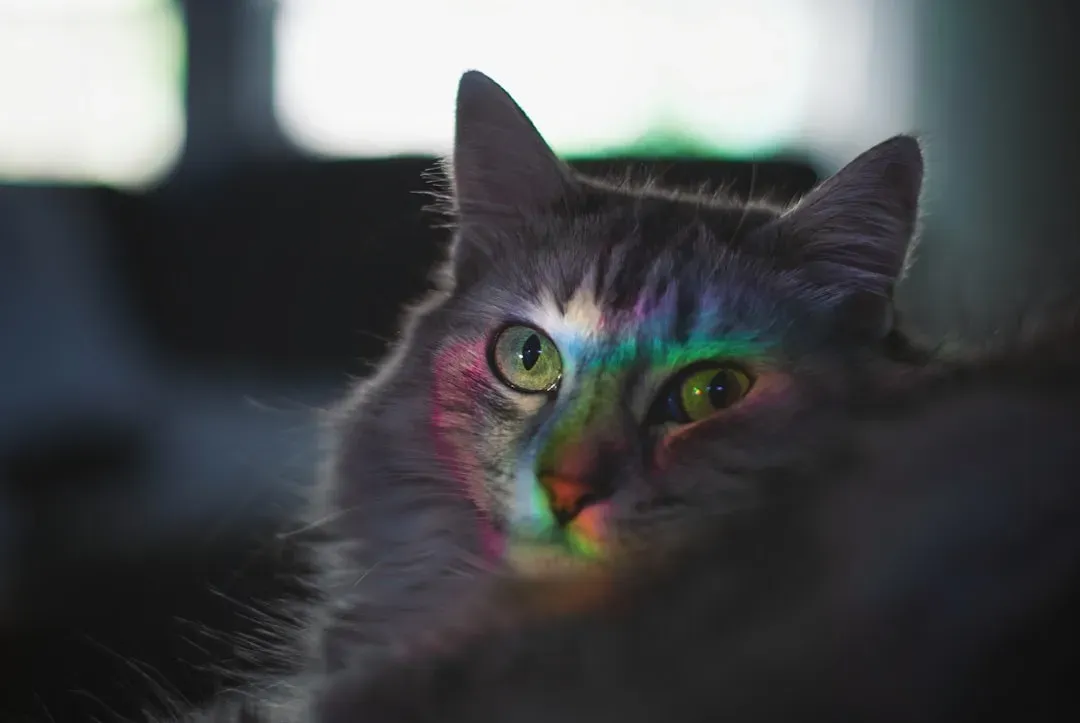
A reflective tapetum lucidum boosts their low-light vision by 6 times that of humans, giving cats a massive advantage when hunting during dawn and dusk hours. That eerie glow you see when light catches your cat’s eyes at night? That’s the tapetum lucidum reflecting light back through the retina for a second pass.
Cats have a visual field of view of 200° compared with 180° in humans, but as with most predators, their eyes face forward, affording depth perception. Their forward-facing eyes sacrifice some peripheral vision but give them incredible accuracy when judging the distance to their prey. When your cat is lining up that perfect pounce, they’re using depth perception that rivals any predator in the animal kingdom. Honestly, it’s hard to say for sure, but their visual adaptations seem perfectly calibrated for the ambush-style hunting they specialize in.
Ears That Detect the Tiniest Sounds
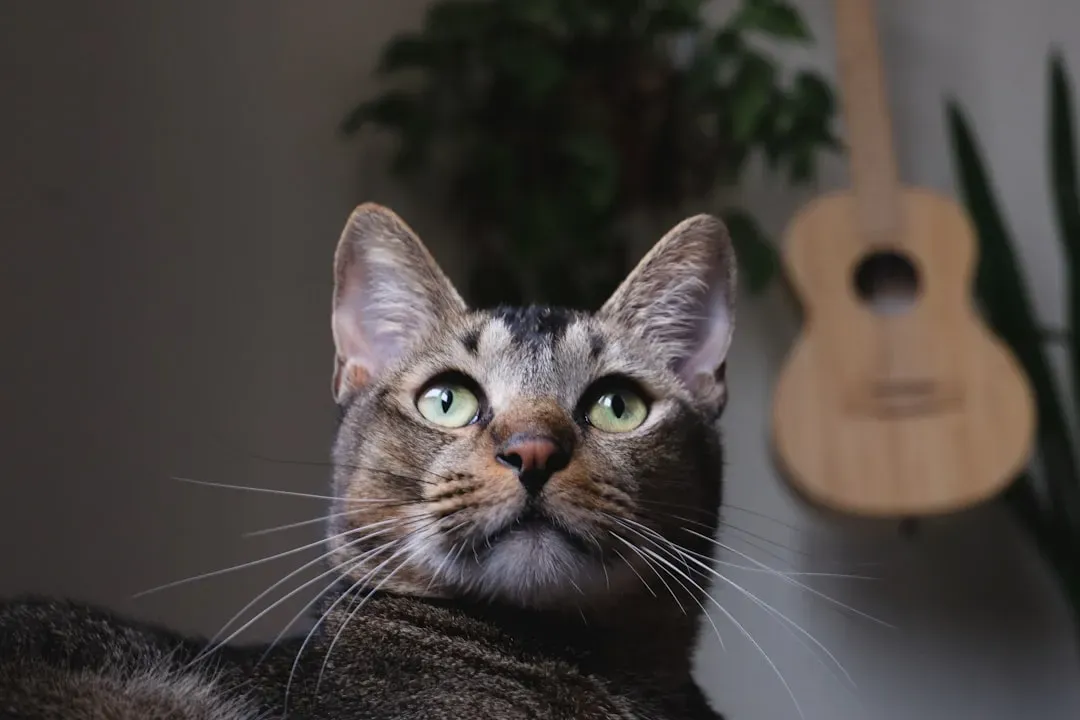
Cats can hear much higher-pitched sounds, up to 64 kHz, which is 1.6 octaves above the range of a human. This lets them detect the ultrasonic squeaks of rodents that we can’t hear at all. Your cat sitting perfectly still isn’t necessarily resting – they might be listening to something you’re completely unaware of.
A cat’s ear flaps can independently point backwards as well as forwards and sideways to pinpoint the source of sound, and cats can judge within 8 centimeters the location of a sound being made 1 meter away. Watch your cat’s ears swivel like tiny radar dishes when they’re tracking something. That precision allows them to locate prey even in complete darkness, using sound alone. It’s a hunting superpower that makes them formidable predators even when their vision is limited.
Whiskers as Precision Hunting Tools
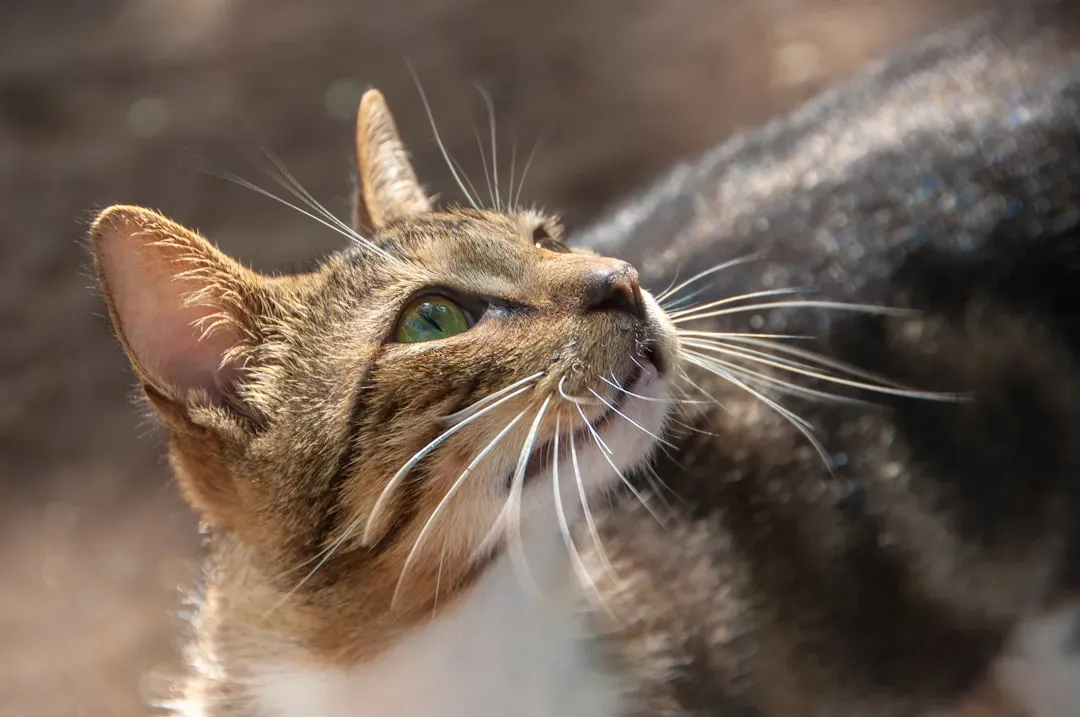
Cat whiskers are more than twice as thick as ordinary cat hairs, with roots three times deeper in a cat’s tissue, and they have numerous nerve endings at their base, providing extraordinarily detailed information about nearby objects and air movements. Those whiskers aren’t just for show or balance – they’re sophisticated sensory organs.
Cats are far-sighted, allowing them to detect distant prey, but their close-up vision is poor, so prey seizure and execution is guided by the vibrissae on the face, chin, and feet. When your cat gets up close to investigate something, they rely more on those whiskers than their eyes. The whiskers detect vibrations and movements, telling your cat exactly where that mouse is trying to escape, even if they can’t see it clearly. It’s like having built-in motion sensors positioned perfectly around their face.
The Stalk and Pounce Technique
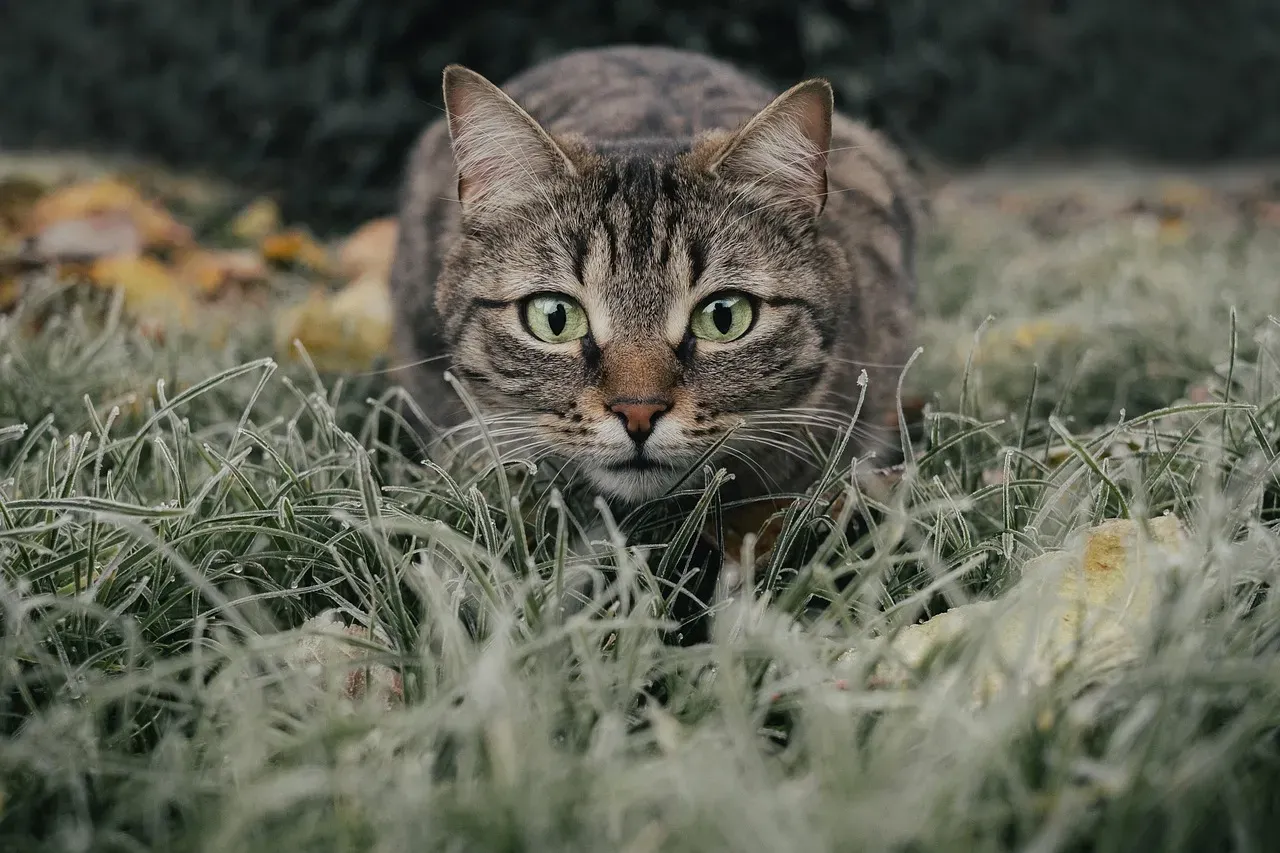
Many felines use the stalk and pounce technique – they locate their prey, then crouch low to the ground and slowly creep toward their prey, and when within striking distance, they spring forward. You’ve probably seen your cat practice this technique with toys, moving in slow motion until that explosive final leap.
Cats are known as stalk-and-rush hunters, meaning they sneak up on their prey and pounce at an opportune moment. Unlike dogs who might chase prey over long distances, cats are sprinters rather than marathon runners. They rely on stealth and that element of surprise. One perfectly timed pounce can mean the difference between success and failure, which is why your cat will sometimes spend minutes positioning themselves before striking. Patience is literally a survival skill for them.
Playing With Prey Serves a Purpose
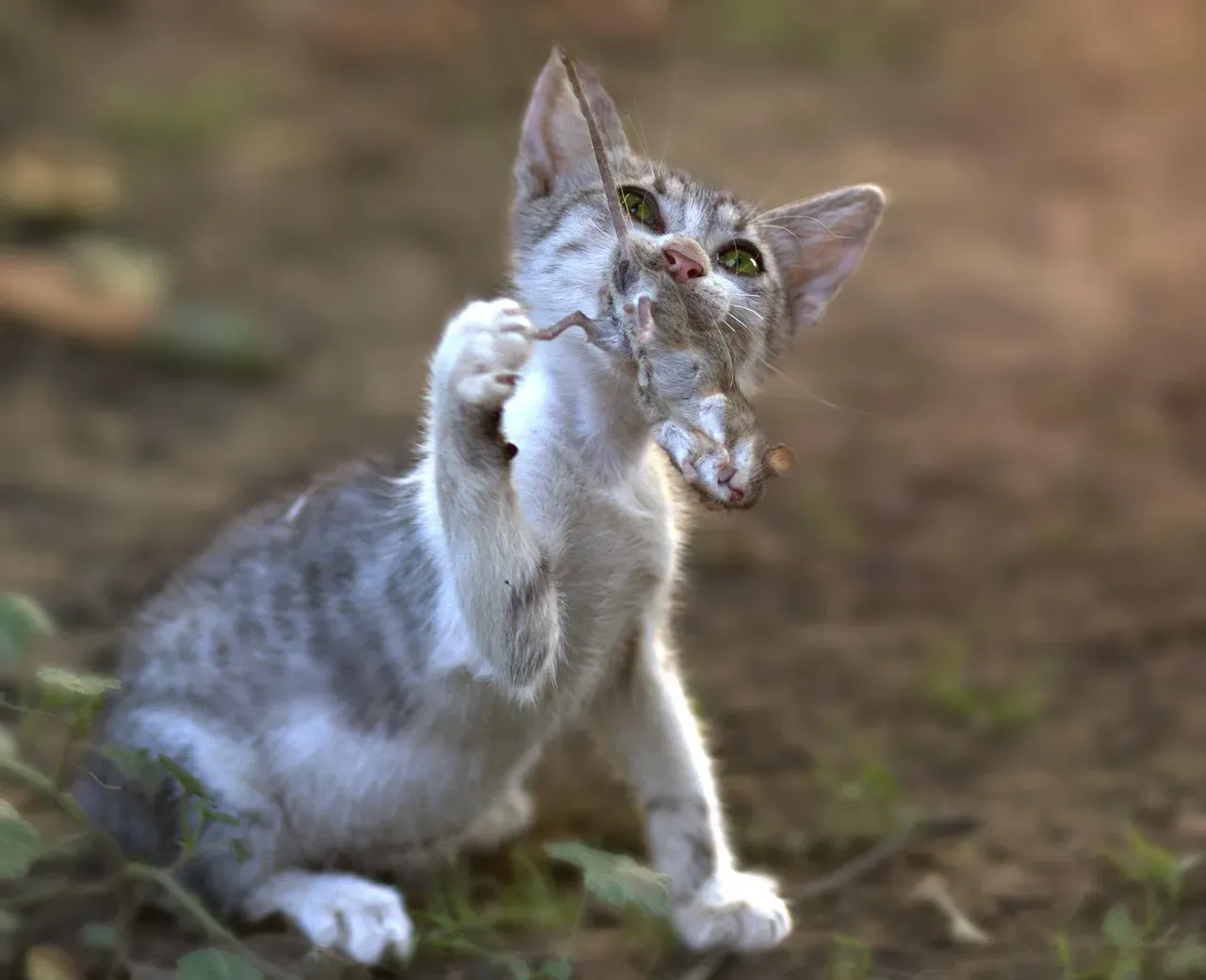
Let’s be real: watching a cat toy with captured prey can seem cruel to us humans. However, that behavior isn’t about sadism – it actually serves important functions. Playing with prey isn’t meant to be cruel but serves a greater purpose, causing confusion and fatigue, which makes it easier to kill the prey without the cat putting itself at risk of injury.
When you see your cat batting around a mouse or bug, they’re actually protecting themselves from bites or scratches that could cause infections. Smaller prey might seem harmless, but even a mouse has sharp teeth. By exhausting the prey first, your cat minimizes their own risk while ensuring a successful kill. It looks like play to us, but it’s actually a calculated hunting strategy refined over countless generations.
Individual Cats Develop Hunting Specializations
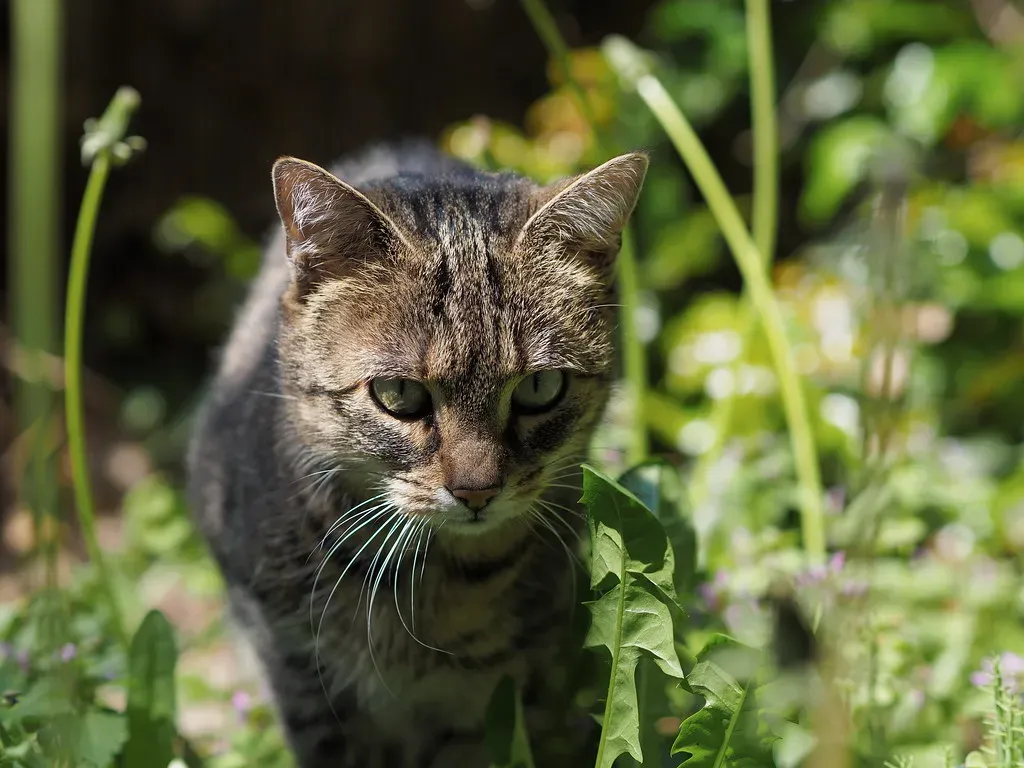
Twenty-six cats that returned 10 or more prey items showed marked differences in prey preferences, with eight cats specializing on small birds, five on lizards, four on black rats, three on large birds. This means cats aren’t just generic hunters – they develop individual expertise based on what they successfully catch.
Observations showed significantly high hunting efficiency by four cats on rodents and by one cat on rabbits, whereas 10 cats hunted two or three prey types with similar efficiency. Some cats become expert bird hunters while others focus on ground-dwelling prey. Your cat’s preferred hunting style and prey choices can be as unique as their personality. They might ignore birds completely while obsessing over any insect that dares enter your home, and that’s because they’ve specialized in what works best for their particular skill set.
The Reality Behind Those Daily Hunting Hours
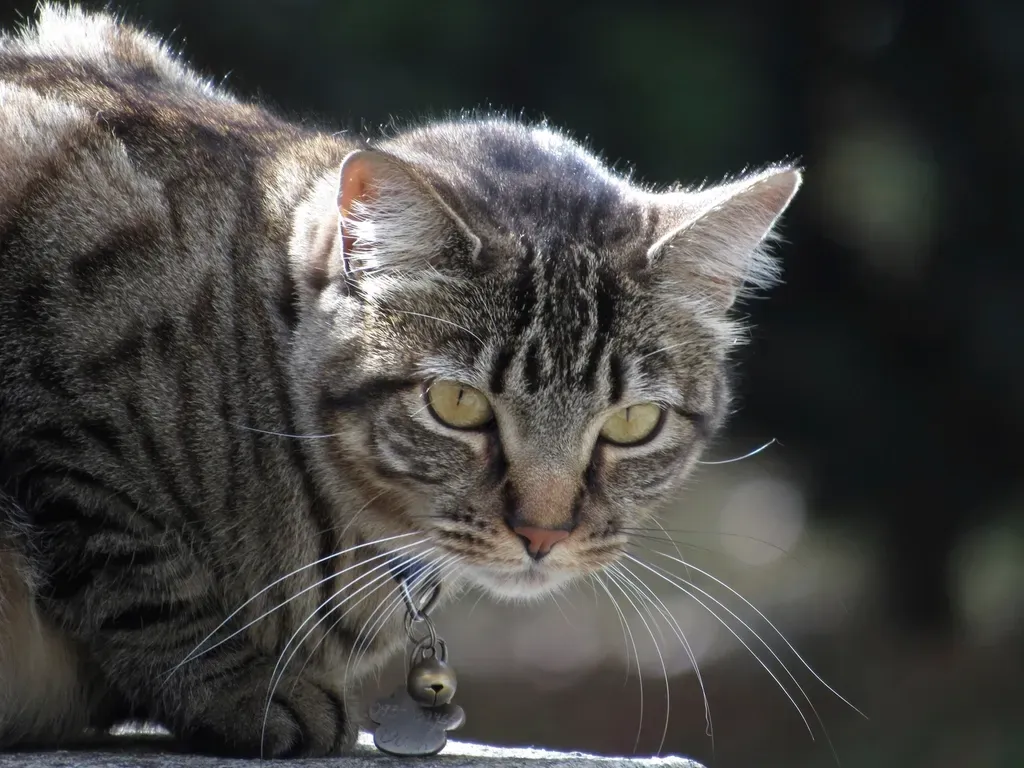
The average well-fed pet cat only hunts for around 3 hours each day, compared to an unowned feral cat that may hunt for around 12 hours each day. That’s still a significant chunk of time devoted to hunting behavior, even when food is freely available.
Cats engage in three to ten hours a day of typical hunting behavior including locating prey, lying in wait, pouncing, and killing, which should be considered when keeping domestic cats. Even your indoor cat exhibits these behaviors through play. When they’re batting toys under the couch or stalking your feet under the blankets, they’re fulfilling that daily hunting quota. It’s not optional for them – it’s a fundamental need that must be expressed somehow. Without outlets for these instincts, cats can develop behavioral problems or become destructive in other ways.
Conclusion
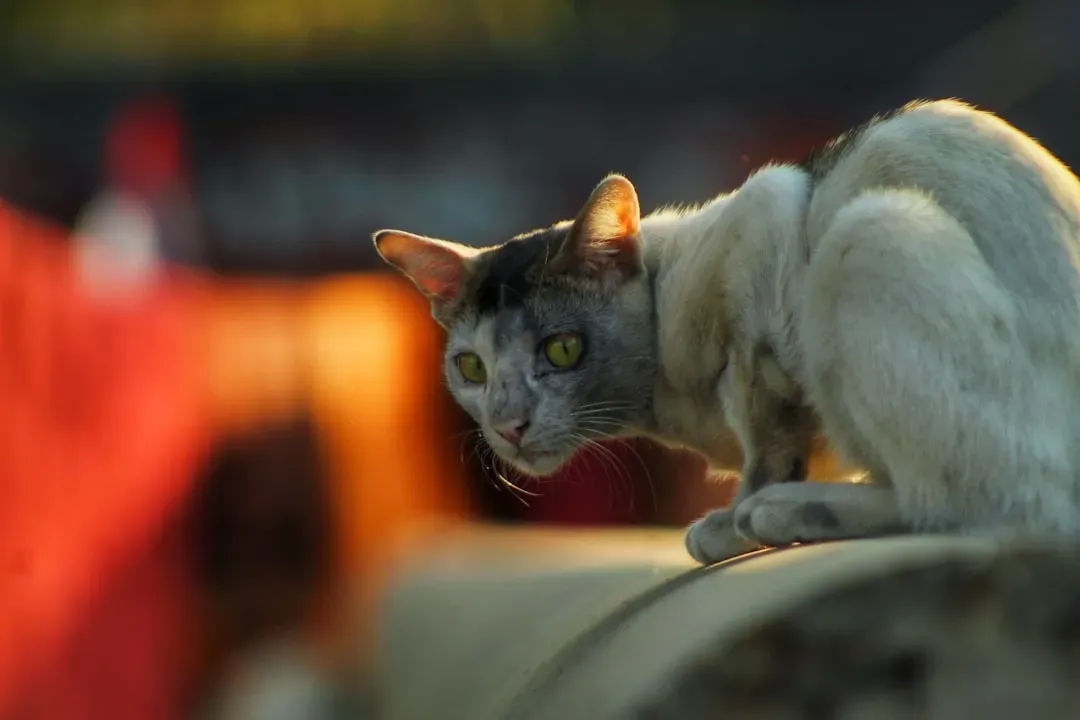
Your cat’s hunting instincts represent millions of years of evolutionary refinement packed into one furry package. Those specialized eyes that see in near darkness, ears that detect sounds you’ll never hear, whiskers that sense the slightest vibrations, and instinctive behaviors that emerge without training – all of this makes your cat an extraordinary predator regardless of how many times a day you fill their food bowl.
Understanding these instincts helps you appreciate what’s really happening when your cat brings you presents, stalks toys with intense focus, or suddenly zooms through the house at midnight. They’re not being random or weird. They’re being exactly what evolution designed them to be: efficient, skilled hunters operating on programming that’s served their species remarkably well. What do you think about it? Does it change how you see your cat’s playful behavior?