Most people think cats are perfectly happy sleeping eighteen hours a day, occasionally swatting a toy mouse, and calling it done. Honestly, it’s easy to assume that. They look so unbothered. So regal. But here’s the thing – underneath all that gorgeous, self-satisfied calm lies a brain that’s wired for strategy, problem-solving, and the pure, electric thrill of the hunt.
Your cat isn’t just bored when they start knocking things off shelves at 2am. They’re telling you something. Cats carry centuries of instinct packed into those sleek little bodies, and if you’re not actively giving that intelligence somewhere to go, it will find its own outlet – and not always one you’ll appreciate. What follows will change the way you think about playtime forever. Let’s dive in.
Why Your Cat’s Brain Needs More Than a Catnap
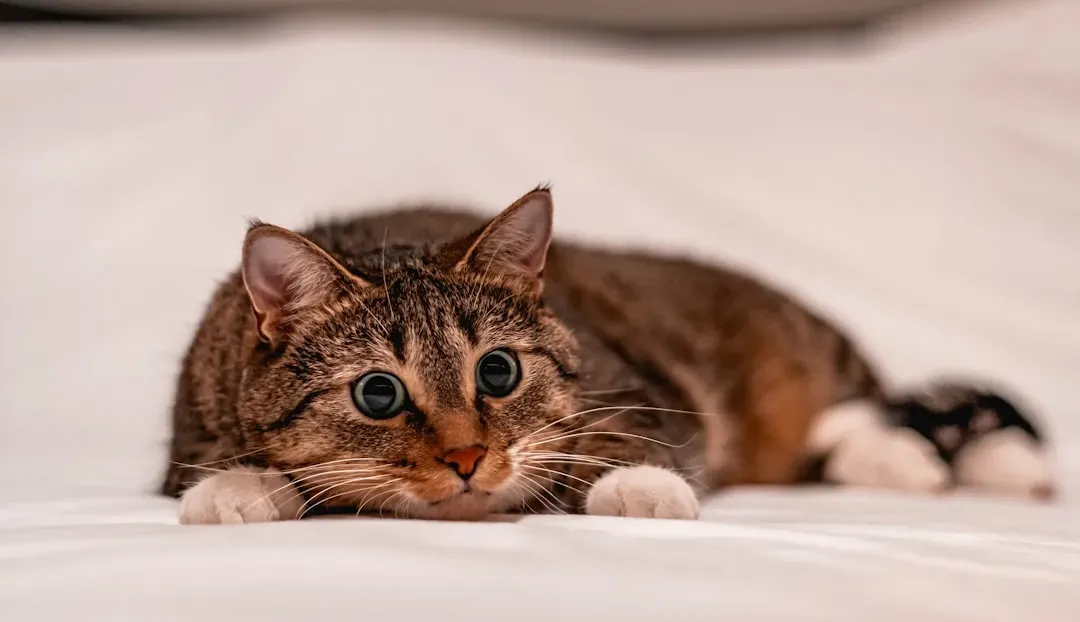
Cats are curious and intelligent creatures, and keeping them mentally engaged is just as important as caring for their physical health. Think of your cat’s mind like a muscle. Leave it unused, and it starts to atrophy. Neglect it long enough, and you’ll start seeing it in their behavior.
Cats are natural hunters and explorers. Without opportunities to practice these instincts, indoor cats may become stressed, overweight, or destructive. It sounds dramatic, but it’s true. A cat without mental challenge is a cat on the slow road to a very frustrated existence.
The Hidden Cost of a Boring Routine
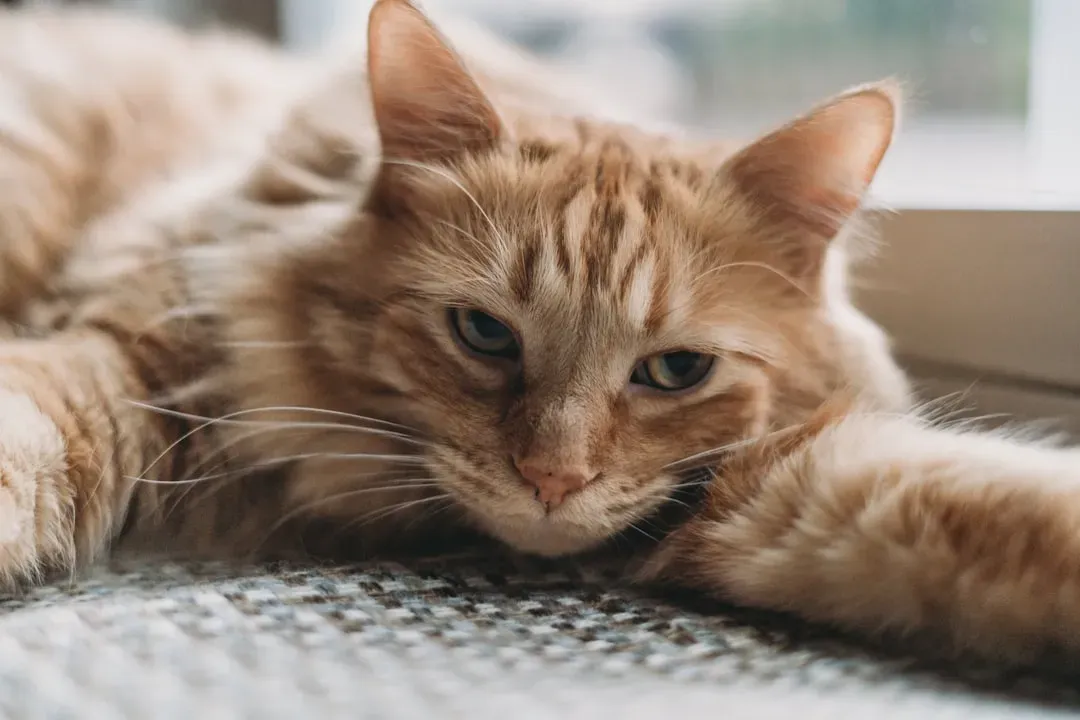
Scratching furniture, excessive meowing, and overgrooming are common signs of boredom. If your cat is doing any of these things regularly, don’t write it off as “just being a cat.” These are alarm bells. Real ones.
Cats can become aggressive, destructive, overweight, or bored if they are not receiving enough enrichment. Cats are inquisitive and are always looking for something to do. If they are not getting enough stimulation from us or the toys we leave out for them, they may start to get into trouble, or become over aroused. You wouldn’t leave a toddler with nothing to do all day and expect calm. Same principle applies here.
The Power of Interactive Play Sessions
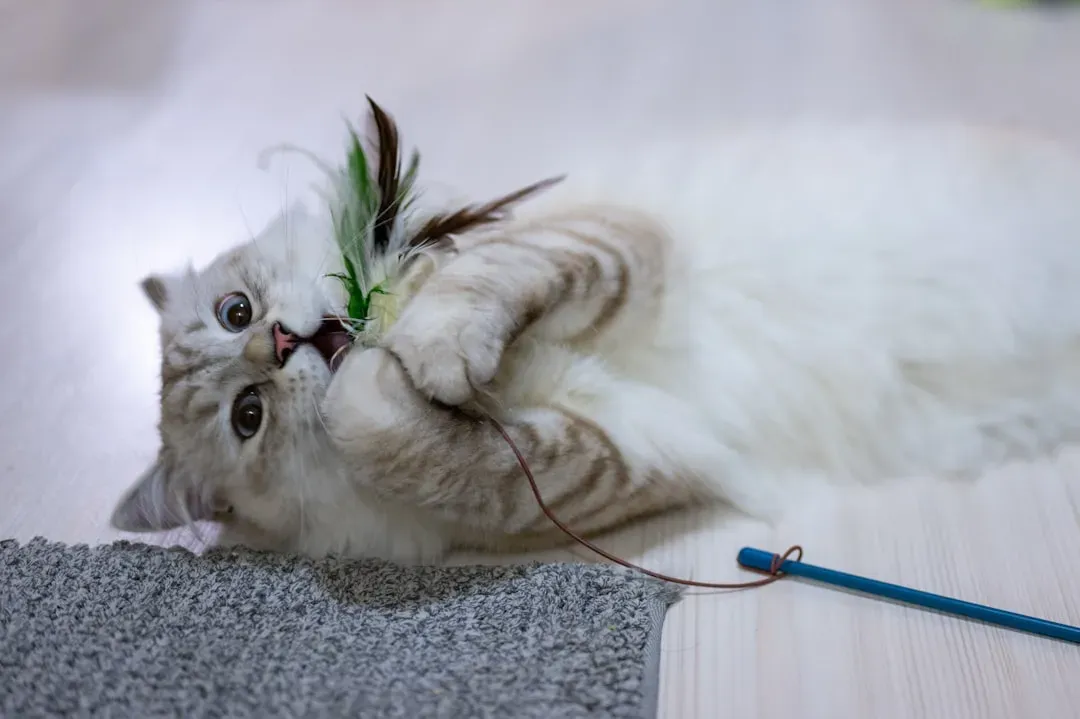
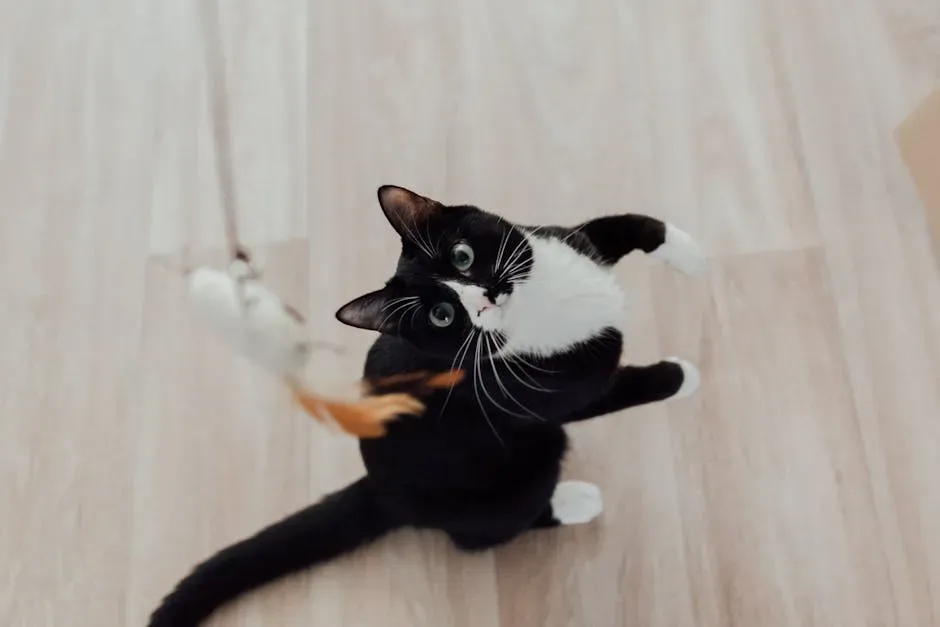
Regular interactive play sessions with your indoor cat are vital for their physical and mental well-being. Use a variety of toys, such as wand toys or feather teasers to mimic prey-like movements. Engage in play sessions that encourage jumping, pouncing, and chasing, allowing your cat to release energy and express their natural hunting instincts.
This type of playtime involves you. Your cat has all kinds of toys for solo playtime but interactive play is special because he doesn’t have to do any extra work to make the toy come to life – you are in charge of that part of the game. That distinction matters more than you might think. You become the most exciting toy in the house, and your cat will love you for it.
Puzzle Feeders: Turning Mealtime Into a Mental Workout
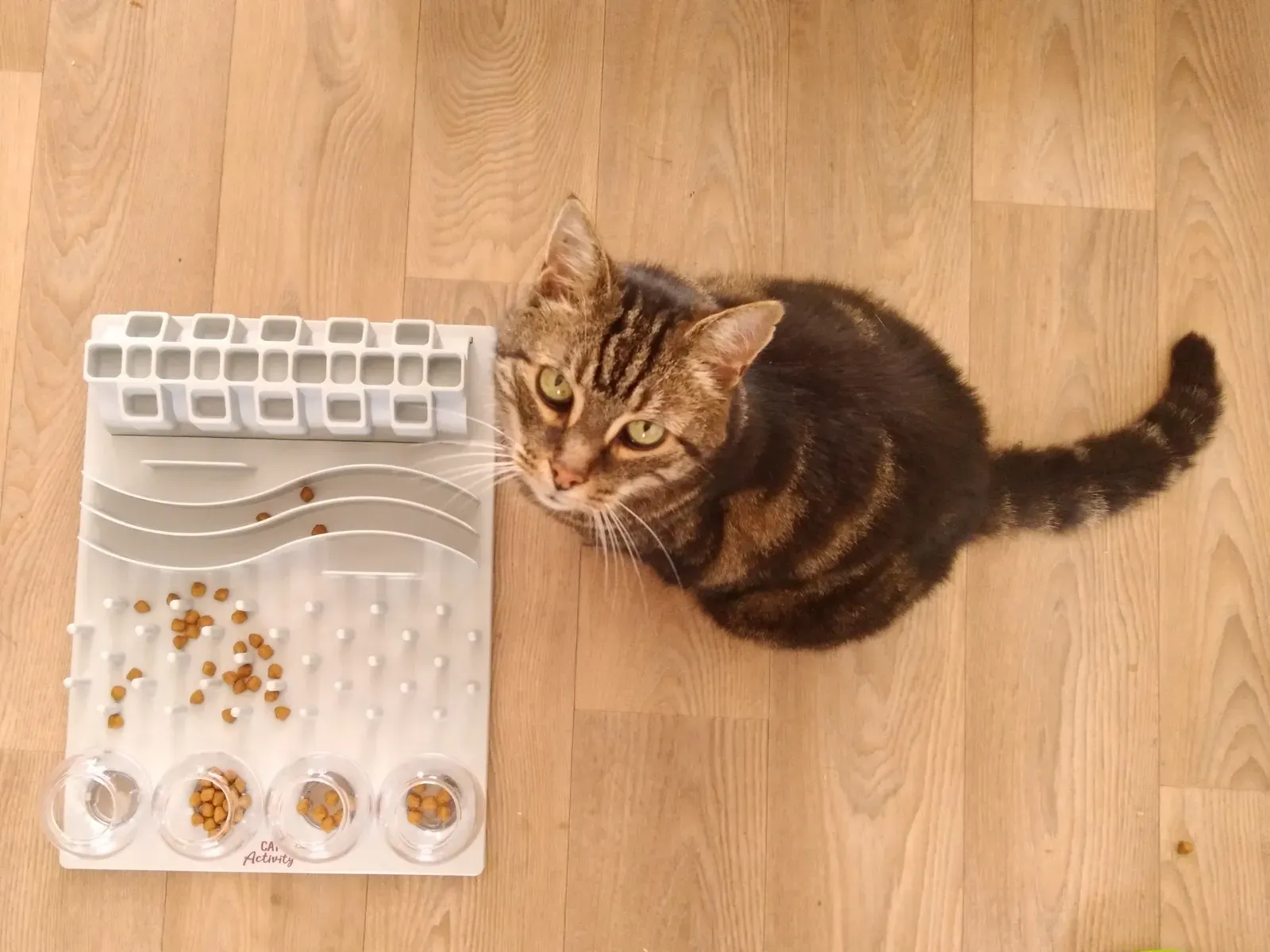
Puzzle feeders and interactive toys encourage mental stimulation by making your cat work for their food. Puzzle feeders dispense small amounts of kibble when your cat interacts with them, stimulating their hunting instincts and providing a rewarding challenge. It’s the difference between ordering pizza delivered to your couch versus actually going out and earning a good meal.
Food puzzles or puzzle toys are toys that require your cat to manipulate them in some way to release food or treats as they interact with them. Some require your cat to roll them around until food comes out, and others require your cat to use their paws to move pieces around in order to access the food or treats. Successfully completing a puzzle feeder releases a surge of dopamine, the “feel-good” chemical in the brain, leaving them feeling happy and proud. Yes, cats feel pride. Don’t let anyone tell you otherwise.
Rotating Toys: The Simple Trick Most Cat Owners Overlook
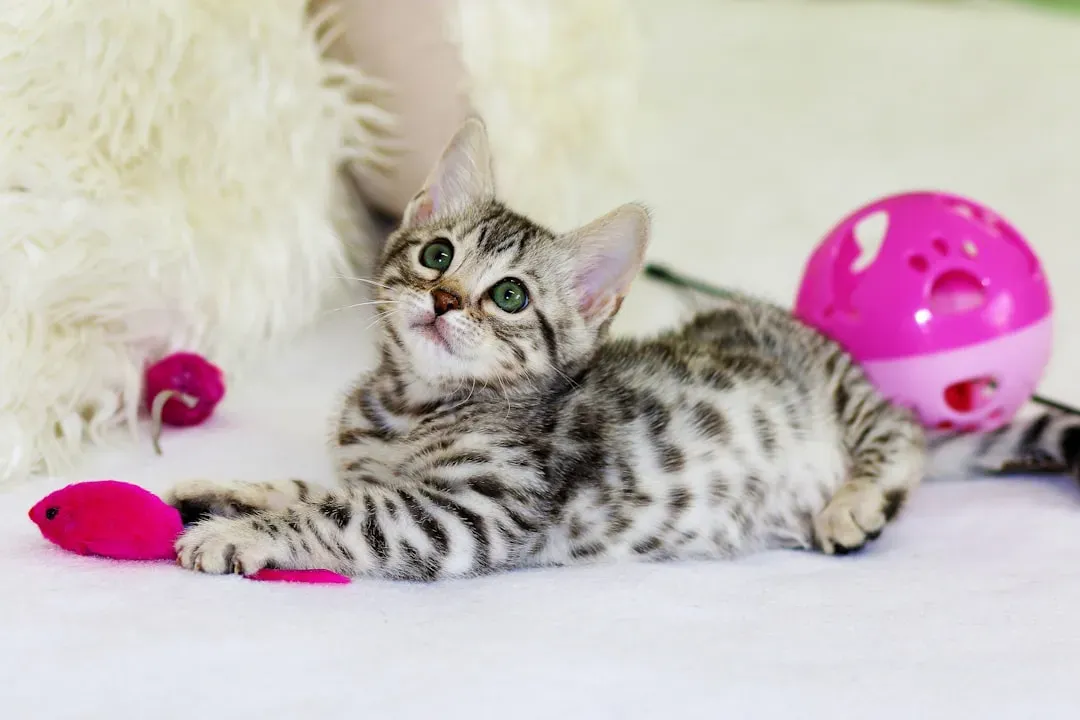
Cats can quickly become bored with the same toys, so it’s essential to rotate them regularly. This keeps things interesting for your cat and ensures they stay engaged and stimulated. Think of it like rearranging your own living room. Same stuff, fresh perspective. Suddenly everything’s interesting again.
When you notice your cat becoming bored with self-play toys, store them away in an airtight container with some catnip and rotate them in at a later date. That little catnip infusion trick is genuinely clever. It’s like gifting your cat something brand new even when it’s technically the same beat-up sparkle ball from last spring.
The Magic of Vertical Space and Environmental Enrichment
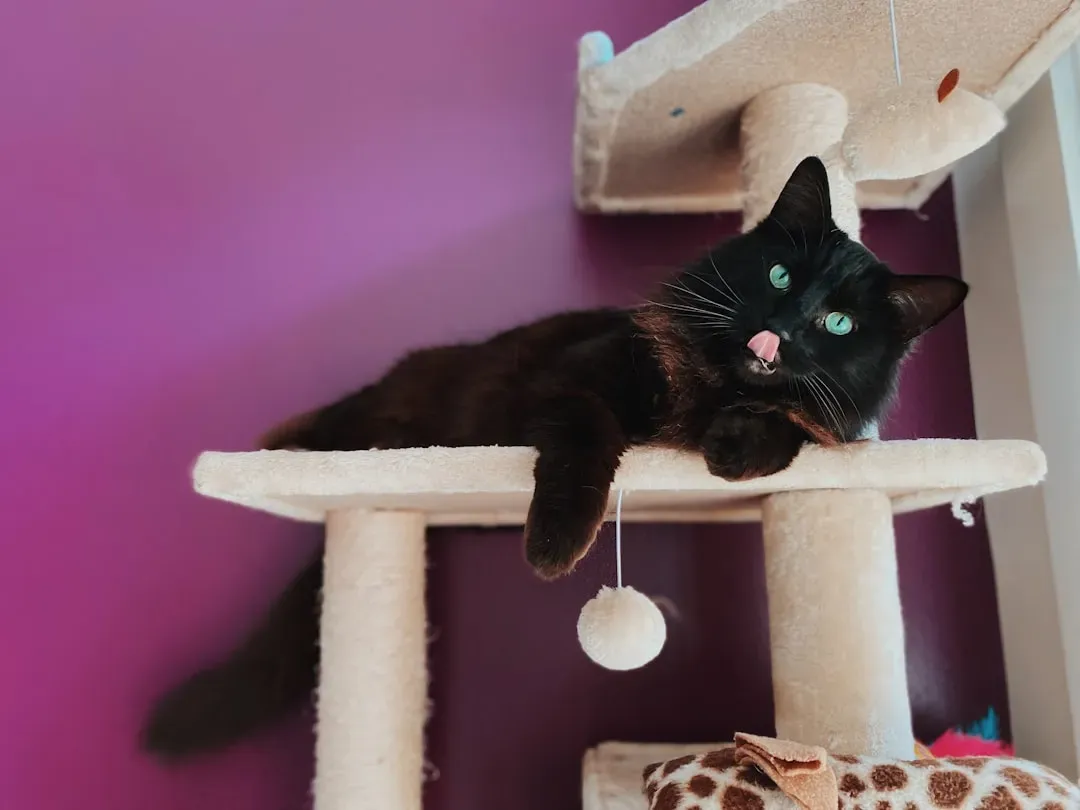
Install cat trees, wall-mounted shelves, or provide sturdy, carpeted perches. Vertical spaces not only offer exercise opportunities but also allow cats to observe their territory, providing mental stimulation and a sense of security. This is huge. To a cat, height is power. Surveying a room from above isn’t laziness – it’s strategy.
Vertical features such as shelves, ropes, and cat trees support climbing and jumping behaviors and provide the comfort and security of being off the ground. They offer your cat spatial complexity and give them the opportunity to rest and retreat at different heights. Layer your home vertically and you’ve essentially doubled the square footage of your cat’s world without moving a single wall.
Scent Enrichment: The Sense You’ve Been Completely Ignoring
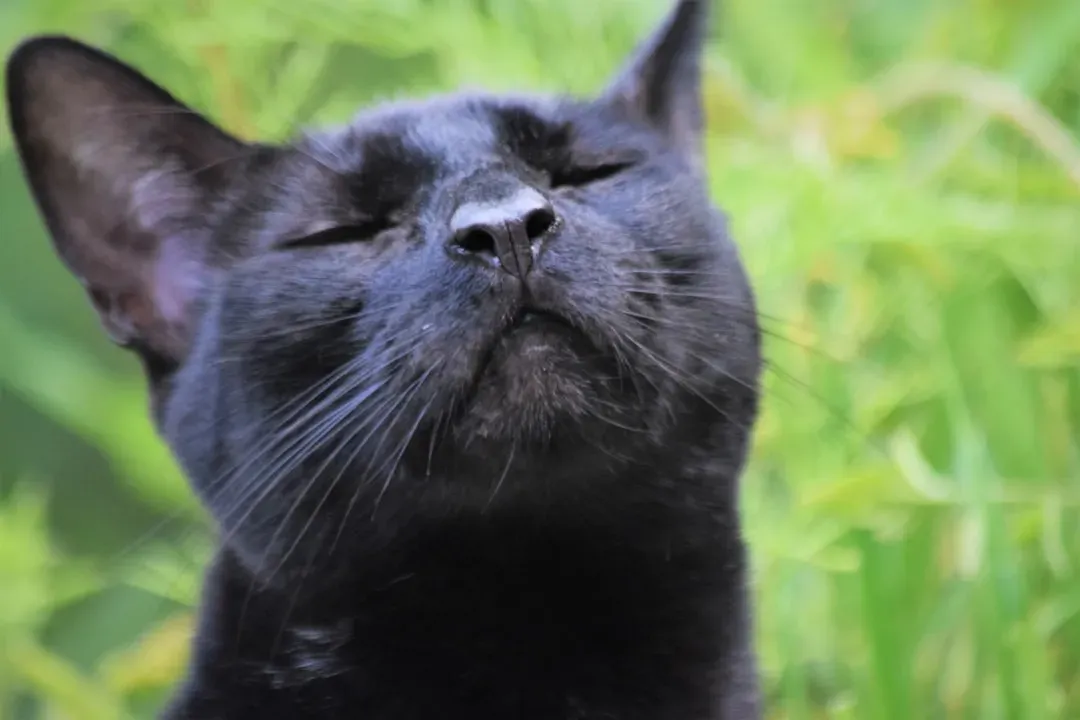
We tend to overlook our cats’ sense of smell, but encouraging scent exploration is a simple way to provide daily enrichment. Outdoor cats naturally tend to survey their home ranges where they encounter many unfamiliar odors, so it’s important for a cat’s welfare to present unfamiliar scents to them in the home environment as well. Research with cat scent preferences found the scent itself is less important than offering cats a rotation of various scents.
As for sense of smell, catnip still reigns supreme as the most enticing odor. Synthetic pheromones have proven to be a useful enrichment tool for calming anxious or fearful cats. I think this is one of the most underutilized enrichment strategies out there. You can literally refresh your cat’s world just by introducing a new smell. It’s that simple.
Clicker Training: Smarter Than It Sounds
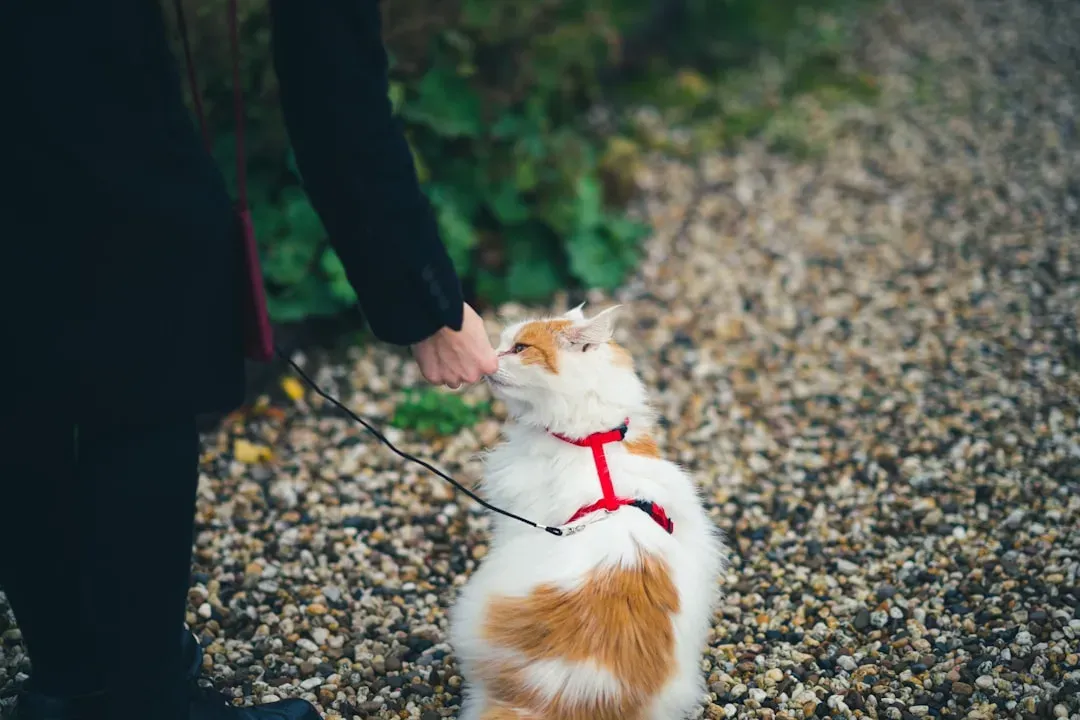
Training your cat to sit, high-five, or even meow using clicker training can be a great bonding experience and can provide enrichment for both your kitty and you. Let’s be real – most people assume cats can’t be trained. That’s a myth. Cats are fully capable of learning tricks, they just require a different approach than dogs. More patience, less repetition pressure.
Clicker training requires your cat to problem solve while also increasing their movement, so it actually checks all the boxes for both a mental and physical workout. Plus, it’s an excellent bonding activity. Five minutes of clicker training a day can leave your cat more mentally tired – in the best way – than twenty minutes of chasing a laser dot.
Senior Cats and the Importance of Keeping the Brain Sharp
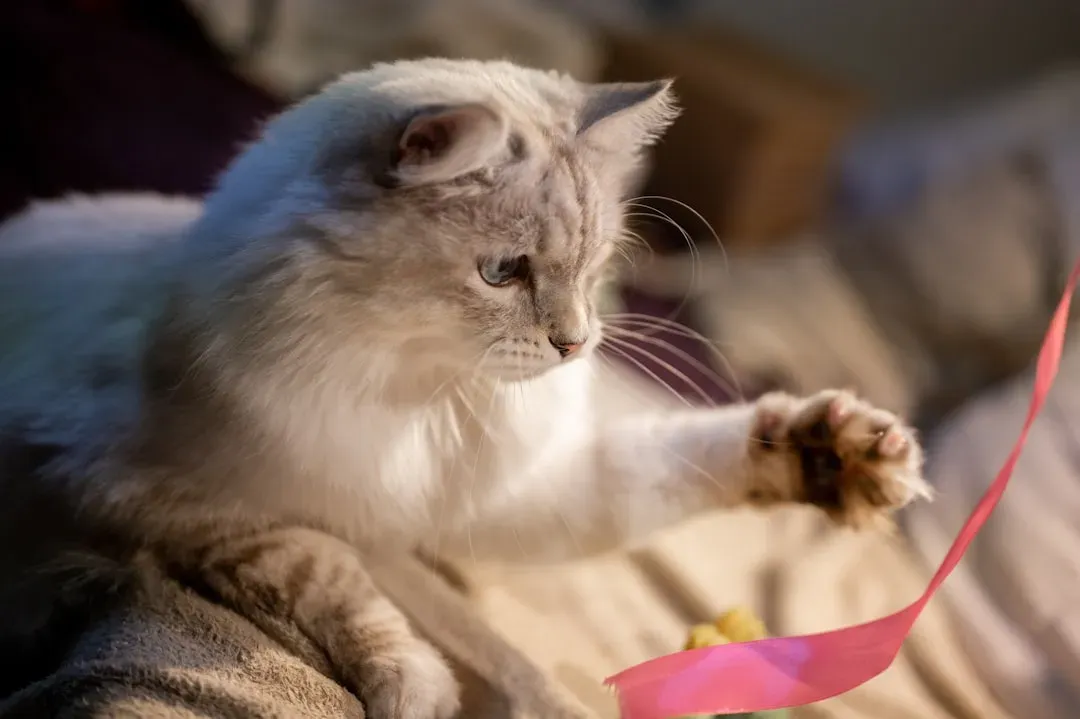
Senior cats may experience changes in memory, awareness, or problem-solving abilities. Regular mental stimulation can slow cognitive decline and keep older felines engaged. Simple games, scent trails, and gentle puzzle toys help maintain mental sharpness. This is something most cat owners simply don’t think about until it’s too late. Your senior cat’s brain is just as worth protecting as their joints.
For senior cats, playtime can help maintain cognitive function and assist physical mobility by movements that gently work those stiff muscles and joints. Incorporate short, varied enrichment sessions throughout the day rather than one long period. Using feeding times as an opportunity for puzzle-solving combines mental and nutritional benefits. It’s a two-for-one that’s genuinely hard to beat.
Conclusion
Your cat’s playtime deserves a serious upgrade. Not because they’re unhappy necessarily, but because they could be so much more engaged, so much sharper, and so much more deeply connected to you with just a few deliberate changes. The truth is, enrichment boosts confidence, burns off mental energy, and helps prevent behavior issues. Providing regular mental and physical stimulation gives your cat a sense of purpose and satisfaction.
You don’t need to spend a fortune or overhaul your entire home. Rotate a toy, hide some kibble, grab a wand and move it like it means something. Indoor cat enrichment ideas don’t have to be complicated to improve your cat’s life. Small, consistent efforts compound into a richer, healthier, happier feline existence. Your cat is smarter than you think – the real question is, are you giving their brain the workout it craves?
What do you think about it? Share your cat’s favorite enrichment activity in the comments below!