Have you ever caught your cat glaring at you while you pet another animal, or noticed them shoving their way onto your lap when you’re giving attention elsewhere? It’s a look that many pet owners know all too well — that unmistakable “Hey, what about me?” stare. It’s easy to wonder if cats feel jealousy like humans do. But what does science really say about feline emotions? Are those sideways glances and sudden meows actual signs of envy, or are we just projecting our own feelings onto our furry friends? Let’s dive into the fascinating world of cat psychology and uncover the truth behind their mysterious behaviors.
The Origins of Feline Jealousy: Nature or Nurture?

When we try to pin down where jealousy in cats might come from, we’re faced with a tricky puzzle. Are cats born with the tendency to get jealous, or do they learn it from their environment? Scientists believe that a cat’s wild ancestors were territorial and fiercely protective of their space and resources. This instinct could be the root of what looks like jealousy today. But then, cats also learn from watching us and their surroundings. If a new pet arrives and suddenly they’re getting less attention, it’s not surprising if they start acting out. The debate between nature and nurture is ongoing, but it’s clear that both play a role in shaping our cats’ reactions.
Decoding Cat Behavior: What Does Jealousy Look Like?

Cats are masters at subtle communication, so jealousy doesn’t always come with dramatic outbursts. Instead, you might notice your cat pushing between you and your phone, meowing insistently, or even swatting at your hand when you pet another animal. Some cats might sulk or hide, while others demand extra cuddles. It’s not always straightforward, and every cat has their own way of showing discomfort or insecurity. What’s important is to pay attention to these signals, as they can be easy to miss if you’re not looking for them.
Is Jealousy a Human Emotion or Do Cats Really Feel It?

Many experts used to think jealousy was a strictly human feeling, too complex for animals. But recent research has started to challenge that idea. Studies in other animals, like dogs and even birds, show behaviors strikingly similar to jealousy. In cats, scientists are finding growing evidence that they do experience a basic form of jealousy — maybe not with all the complicated thoughts humans have, but definitely with strong feelings about sharing attention or resources. So while your cat might not be plotting revenge, their behaviors are rooted in real emotions.
What Science Says: Recent Studies on Cat Emotions

Over the past decade, animal behaviorists have been looking closely at how cats feel and express emotions. Some experiments involved introducing a “rival” — like a new pet or even a stuffed animal — and watching how the resident cat reacts. Results have shown that many cats become noticeably more vocal, clingy, or even aggressive when their human’s attention shifts elsewhere. These behaviors fit the pattern of jealousy seen in other animals, suggesting cats aren’t as emotionally detached as people once thought. Science is still catching up, but every year brings new discoveries about the emotional depth of our feline companions.
Signs Your Cat Might Be Jealous

Jealous cats can be surprisingly creative in getting your attention. Some might follow you from room to room, refusing to let you out of their sight. Others may start knocking things off shelves — a classic cat move that sometimes means “pay attention to me!” You might even notice changes in eating or litter box habits if your cat feels especially stressed. Unusual aggression toward other pets or family members can also be a clue. If your cat seems extra needy or starts acting out, it might be their way of saying they’re feeling left out.
Common Triggers of Jealousy in Cats

Cats are creatures of habit, and anything that disrupts their routine can make them uneasy. A new baby, a new pet, or even a new partner can trigger jealous behaviors. Sometimes it’s just a change in your work schedule or spending more time on your phone. Cats notice these shifts and, being territorial, may feel threatened or insecure. Even moving their favorite bed or introducing a new scent can set off a jealous reaction. Understanding what triggers your cat can help you prevent problems before they start.
How Jealousy Affects Cat Health and Behavior

When cats feel jealous or neglected, it’s not just about hurt feelings. Jealousy can lead to stress, which, over time, can affect their physical health. Stressed cats might over-groom, pull out fur, or even develop urinary issues. Some might refuse to eat or start acting aggressively. Chronic stress can weaken their immune system, making them more prone to illness. That’s why it’s important to take jealousy seriously and address the root causes before they escalate.
Are Some Cats More Prone to Jealousy?

Just like people, cats have unique personalities. Some are naturally more easygoing, while others are sensitive and crave constant attention. Breeds like Siamese and Bengals are known for their strong bonds with humans and might be more likely to get jealous if they feel ignored. Age and past experiences also play a role — a rescue cat who’s had to compete for resources might be especially quick to show jealousy. Paying attention to your cat’s individual temperament helps you spot trouble before it starts.
Living With Multiple Cats: Is Jealousy Inevitable?

If you have more than one cat, you’ve probably seen some rivalry. Cats are territorial, and sharing space, food, or your affection can be tough for them. Jealousy can manifest as hissing, swatting, or subtle power plays over favorite spots in the house. But with patience and the right approach, harmony is possible. Providing plenty of resources, safe spaces, and individual attention can help each cat feel secure. Sometimes, it’s about learning to read the room and giving each cat what they need.
Do Cats Get Jealous of Dogs or Other Animals?
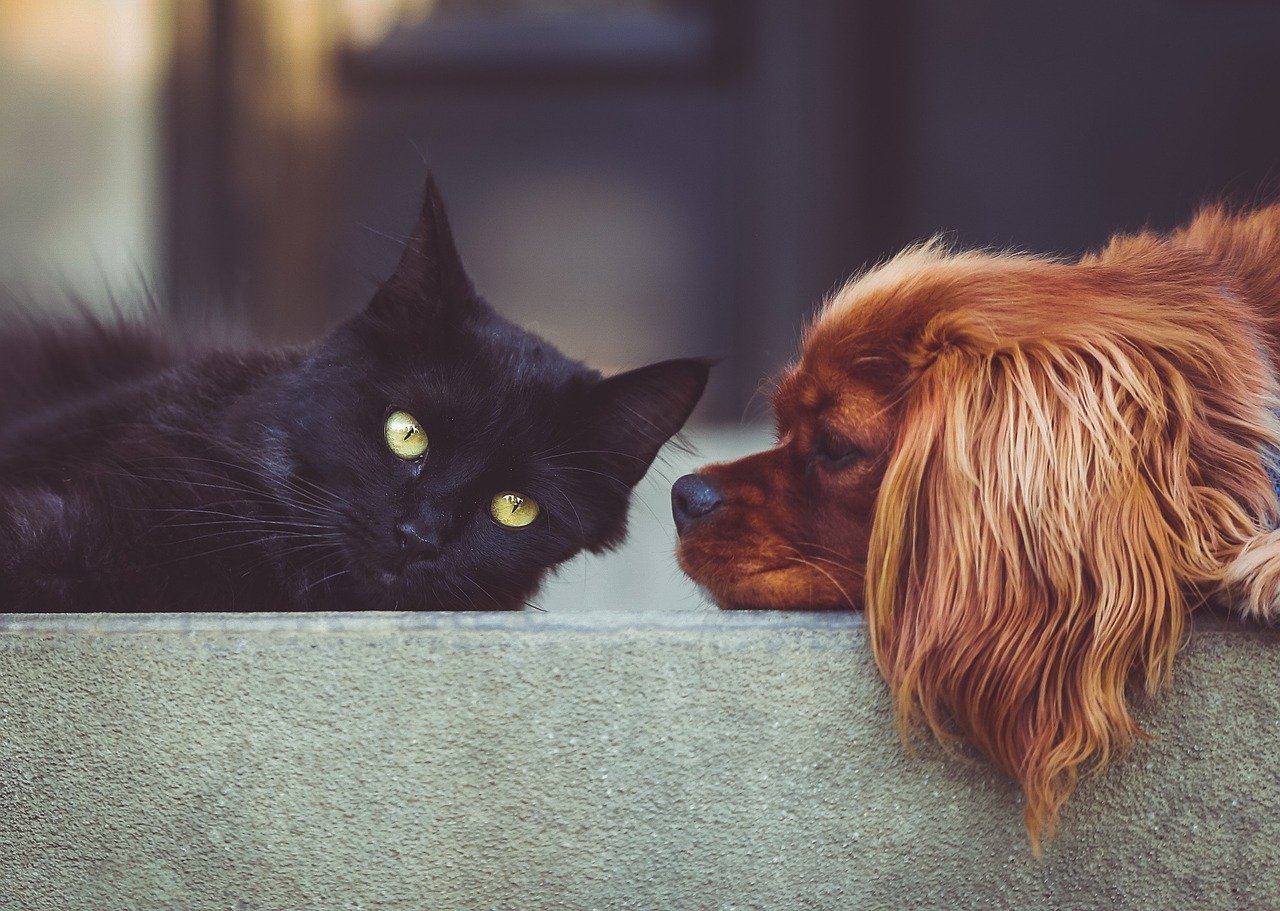
It may sound funny, but yes — cats can get jealous of other pets, especially dogs. Dogs are often more obvious about seeking attention, and cats can feel pushed aside. This can lead to sulking, hiding, or even aggressive behavior toward the newcomer. It’s not just dogs, either; birds, rabbits, or even fish tanks can spark jealousy if they take too much of your time. Introducing new animals slowly and fairly can ease the transition and prevent envy from taking root.
Can Cats Be Jealous of Objects or Technology?

Ever noticed your cat trying to sit on your laptop or swipe at your phone? It’s not just curiosity — sometimes, it’s jealousy. When you focus on a screen instead of them, some cats see it as competition for your attention. This can lead to amusing (and sometimes annoying) behavior, like walking across your keyboard or knocking your phone out of your hand. While it might seem silly, it’s your cat’s way of reminding you who’s really in charge.
How to Diffuse Jealousy Between Pets
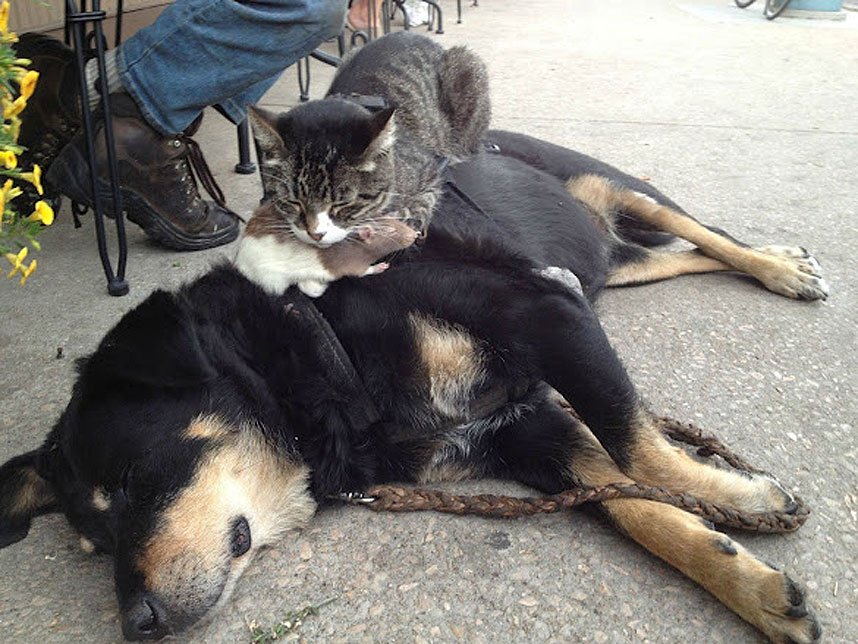
Managing jealousy between pets can be a delicate dance. It helps to maintain routines and make sure each animal gets individual attention. Feeding pets in separate spaces, providing multiple litter boxes, and giving everyone their own toys can prevent competition. Supervised playtime and positive reinforcement for good behavior can also go a long way. It’s all about making each pet feel secure and valued, so no one feels left out.
Building Trust and Security for Your Cat

A confident, happy cat is less likely to feel jealous. You can build trust by sticking to routines, offering plenty of playtime, and respecting your cat’s boundaries. Soft words, gentle petting, and treats can all reinforce your bond. For shy or anxious cats, creating safe hiding spots and allowing them to approach on their terms is key. The more secure your cat feels, the less they’ll worry about losing your attention.
Training Tips: Reducing Jealous Behaviors

If your cat is acting out, positive reinforcement is your best friend. Reward calm, friendly behavior with treats or pets, and ignore attention-seeking antics like knocking things over. Avoid punishing your cat, as this can make jealousy worse. Instead, try redirecting their energy into play or rewarding them for sharing your attention. Consistency and patience are crucial — change doesn’t happen overnight, but small efforts add up.
Human-Cat Bond: Why Attention Matters

Cats might have a reputation for being independent, but they crave connection with their humans. When they feel ignored, they’re not afraid to let you know. Regular play, gentle grooming, and just sitting together can all strengthen your bond. Remember, every cat is different — some want to be in your lap all day, while others are content with a quiet presence nearby. Listening to your cat’s needs helps prevent jealousy and keeps your relationship strong.
Understanding Cat Body Language

Cats speak volumes with their bodies. If your cat’s tail is twitching, ears are back, or pupils are dilated, they might be feeling jealous or threatened. Slow blinks, head butts, and purring usually mean contentment. Learning to read these signals can help you spot jealousy before it boils over. Sometimes, just a little extra attention or a favorite treat can turn things around. Think of your cat’s body language as a roadmap to their feelings.
Feline Jealousy vs. Separation Anxiety

It’s easy to confuse jealousy with separation anxiety, but they’re not quite the same. Jealous cats act out when your attention shifts to someone else, while anxious cats get upset when you leave. Both can lead to similar behaviors, like vocalizing or destructive antics. The key difference is the trigger — jealousy happens in the moment, anxiety lingers when you’re gone. Understanding which is which helps you respond in the best way for your cat.
Myths and Misconceptions About Jealousy in Cats
There are plenty of myths about cats and jealousy. Some people think cats are too aloof to care, while others believe they’re plotting against new pets. The truth is more nuanced — cats feel deeply, but their emotions look different from ours. Jealousy isn’t about spite; it’s about fear of losing something important. Recognizing this helps us treat our cats with empathy and patience, rather than frustration.
Can Jealousy Lead to Aggression in Cats?

Jealousy can sometimes tip over into aggression, especially if a cat feels cornered or threatened. Hissing, swatting, or even biting can happen if a cat is trying to protect their turf. It’s important not to punish aggressive behavior, but to look for the cause and address it gently. Providing space, extra attention, or even a quiet retreat can help your cat calm down. If aggression persists, a veterinarian or animal behaviorist can offer guidance.
What Cat Owners Can Do: Practical Steps

If you suspect your cat is feeling jealous, the best thing you can do is show them love and understanding. Set aside dedicated time for play and cuddles, and try to keep routines steady. When introducing new pets or people, do it gradually, allowing your cat to adjust at their own pace. Watch for signs of stress and step in early with reassurance. Sometimes, a few small changes — like extra toys or a favorite treat — can make all the difference.
A Look to the Future: What We Still Don’t Know
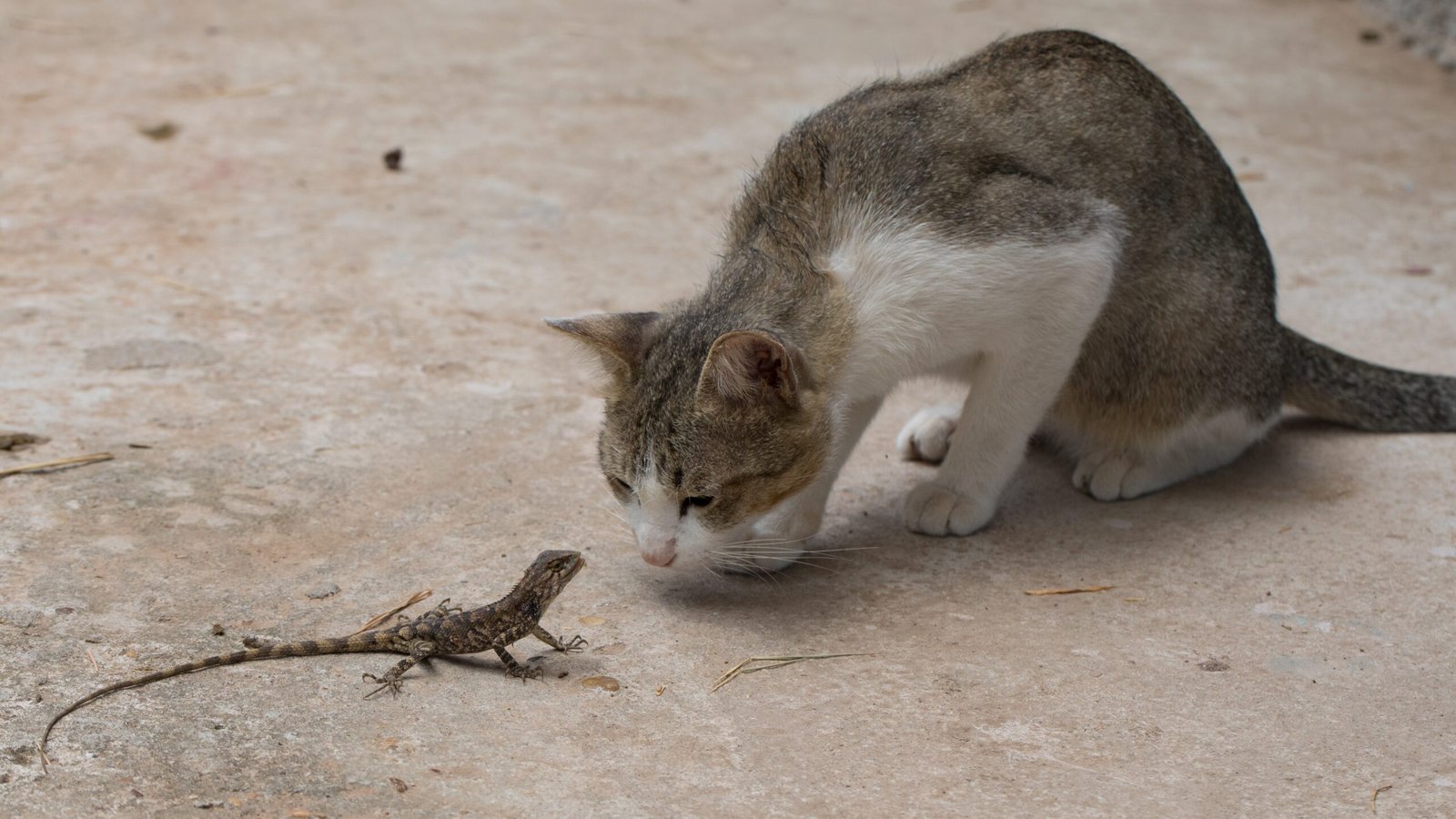
Science is just beginning to unravel the mysteries of feline emotions. As researchers develop new tools and techniques, we’ll likely learn even more about how cats feel and why they act the way they do. What’s clear is that our pets are more emotionally complex than we once thought. The journey to understanding our cats is ongoing, and every day brings new discoveries. Who knows what surprises the next breakthrough will bring?

Hi, I’m Bola, a passionate writer and creative strategist with a knack for crafting compelling content that educates, inspires, and connects. Over the years, I’ve honed my skills across various writing fields, including content creation, copywriting, online course development, and video scriptwriting.
When I’m not at my desk, you’ll find me exploring new ideas, reading books, or brainstorming creative ways to solve challenges. I believe that words have the power to transform, and I’m here to help you leverage that power for success.
Thanks for stopping by, Keep coming to this website to checkout new articles form me. You’d always love it!