It takes a lot of heart to foster an animal, care for it through the vulnerable early weeks, and then hand it over to a new family with fingers crossed and a genuine smile. Most of the time, that story ends well. The kitten settles in, photos get shared, and everyone breathes a collective sigh of relief. But sometimes, the phone rings again.
That’s exactly what happened in a story that has taken the internet by storm. A kitten thought to be safely placed with his forever family was handed right back just eight weeks later – and the reason left thousands of people online feeling a complicated mix of frustration, sadness, and solidarity with the caregiver left holding the pieces. So let’s dive in.
The Phone Call Nobody Wanted to Receive
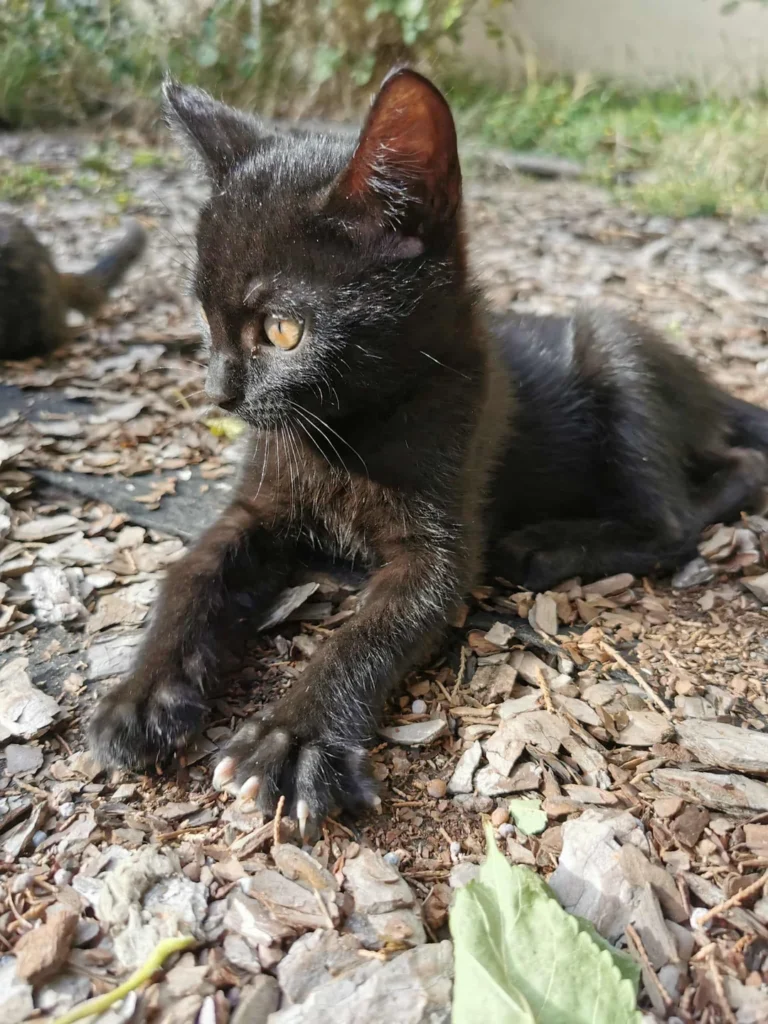
Imagine spending weeks caring for a small, helpless kitten – feeding him, socializing him, cleaning up after him – and finally finding what seems like the perfect home. A black kitten thought to have found his “forever family” was returned to the person who rehomed him just two months later, after the adopters said he was no longer compatible with their lifestyle. That’s a gut punch for anyone who has put real emotional energy into finding an animal a good home.
The story was shared in a viral Reddit post on March 4 by user u/bimarajade, who said the kitten, now around six months old, would soon be coming back into their care. The post, which included a photo of the young black feline sitting outdoors, was upvoted more than 24,000 times and prompted over 810 comments from viewers reacting to news of the kitten’s sudden return. Honestly, it’s not hard to understand why the post hit a nerve. There’s something deeply uncomfortable about the words “no longer fits our lifestyle” when applied to a living creature.
A Vetting Process That Seemed Thorough – Until It Wasn’t
According to the post, the original adoption process had seemed thorough. The adopters were described as enthusiastic and experienced, with prior feline ownership, a home already equipped with cat furniture, and plans to add at least one more cat. They had even traveled a significant distance to collect the kitten. On paper, this looked like a textbook success story.
The temporary owner wrote that they thought they had vetted the owners well, and added that they did not know what had changed and did not want to pry. That’s a remarkably gracious response, all things considered. It also raises one of the harder truths about pet adoption: no matter how carefully you screen someone, life can change in ways no checklist can predict. Still, the emotional toll is real and unavoidable.
The Age Problem – Why Timing Matters So Much in Cat Adoption
The kitten is no longer a tiny baby, a factor the carer worried would make rehoming more difficult. “He is already 6 months old, so it is harder to find a new family for him, since everyone wants a small kitten,” the poster shared. Here’s the thing – this is one of the quieter crises in animal welfare. Kittens are irresistible in their earliest weeks, but the window of “maximum adorableness” is short, and once it closes, adoption rates tend to drop sharply.
Black cats in shelters face a higher rate of euthanasia and a lower rate of adoption – a reality tied to negative stereotypes surrounding black cats as well as the fact that they tend to photograph less flatteringly in shelter listings. This particular kitten, being both black and now beyond the baby stage, faces a double disadvantage in the adoption market. Studies from animal shelters show that darker-colored cats, including black cats, are often adopted more slowly than lighter-colored cats. It’s a frustrating reality for anyone who has ever met a sweet, curious black cat and fallen completely in love.
The Emotional Exhaustion of Responsible Rehoming
Beyond the immediate challenge of finding a new home for the kitten, the carer expressed exhaustion with the broader process of rehoming animals responsibly. Many people they know who would make good pet parents already have multiple cats and cannot afford to take on more. “I am just so tired of looking for suitable people,” they shared, before adding a simple hope: “I wish someone would fall in love with him.”
The temporary owner also added that they do not trust the adopters to find a suitable alternative home themselves. The situation left the feline’s current carer frustrated and uncertain about what comes next. This is a detail worth sitting with. The concern isn’t just about this one kitten – it’s about what happens when animals are passed along informally, without proper screening or follow-through. The carer’s instinct to step back in and take responsibility, rather than let the adopters handle it independently, speaks volumes about the kind of dedication responsible fostering actually requires.
The Bigger Picture – How Common Is This, Really?
Let’s be real: this story isn’t unusual, even if it feels shocking. According to the Humane Society, between roughly seven and twenty percent of pets are returned within the first six months of adoption. That’s a staggeringly wide range, but even at the lower end, it represents tens of thousands of animals moving back through the system every year. In 2024, approximately 2.2 million cats were adopted, according to figures from the American Society for the Prevention of Cruelty to Animals (ASPCA). With that surge, over 362,000 were also returned to their owner or the field, and 273,000 were euthanized.
Research consistently shows that behavioral issues and incompatibility with existing pets are among the most common reasons animals are returned after adoption. In this particular case, though, the reason was vaguer and perhaps more unsettling: a lifestyle shift. Data shows that behavior is a primary reason for adoption returns, second only to owner or household preferences like “not a good fit.” It’s hard to say for sure what changed in the adopters’ lives, and perhaps that’s not the point. The point is that a six-month-old kitten is now back at square one, through no fault of his own.
What Responsible Adoption Actually Looks Like
Stories like this one spark an important conversation about what good adoption really means. Some surrenders can be avoided if potential adopters understand the emotional and financial commitment a pet deserves and make sure it’s the right time in their own lives to take care of a new animal. That’s simple enough to say, but harder to enforce. The well-known “3-3-3 rule” offers a simple framework to help a rescue animal adjust to its new home: three days to settle into unfamiliar surroundings, three weeks to focus on building a bond, and three months for ongoing socialization and continued adjustment.
Not every adoption is the right fit, and sometimes returning a pet can be the most responsible choice. Shelters understand that circumstances change, and their goal is always to ensure each animal finds the right home. That’s a mature and compassionate perspective. Still, given that owner preferences and nuisance behaviors are among the leading causes of returns, there is a real opportunity to provide greater support, training, and education during the adoption process. Addressing behaviors that owners identify as a nuisance is often far more manageable than it might initially seem. A little patience and guidance can sometimes make the difference between a successful adoption and a heartbroken return.
This story, at its core, is about a small black kitten who did nothing wrong – who simply had the misfortune of landing with people who weren’t truly ready for the long haul. The foster carer’s response was straightforward and full of love: “Of course, I will take him back.” That kind of quiet, unglamorous dedication is what keeps animals safe when the system fails them.
The outpouring of emotion online proves that people care deeply about these outcomes. Thousands of strangers were moved enough to comment, upvote, and share – all hoping for a better ending for one small cat they’ve never met. It’s a reminder that the decision to bring an animal home is not a short-term experiment. It’s a commitment that deserves serious thought, honest self-reflection, and a willingness to adapt.
Here’s hoping this little black kitten finds someone who falls head over heels for him – not despite his age or his coat color, but because of exactly who he is. What would it take for more people to make that kind of lasting commitment before picking up the phone to sign papers rather than to hand an animal back?