Feral cat colonies face numerous health challenges, and mange stands out as a particularly distressing issue that can rapidly affect multiple animals.
Understanding the Threat of Mange
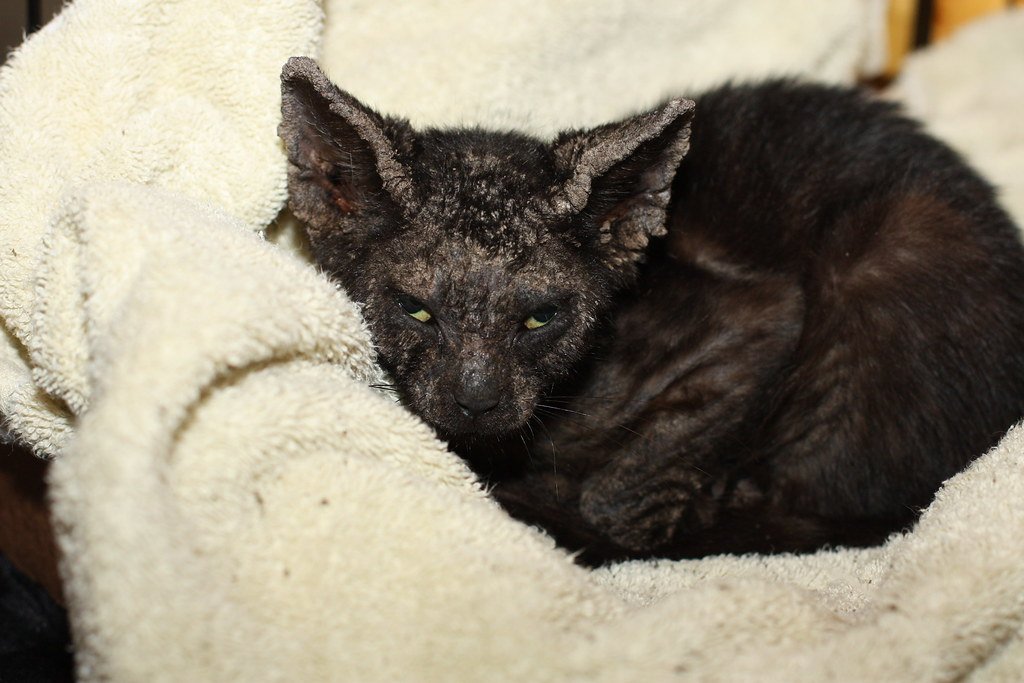
Mange arises from infestations of mites that burrow into a cat’s skin, leading to severe discomfort and visible deterioration. In dense feral populations, the condition spreads through direct contact, turning a single infected cat into a colony-wide problem within weeks. Veterinary experts note that sarcoptic mange, the most common form in cats, causes intense itching that prompts excessive scratching and secondary infections.
Cats exhibiting patchy hair loss, red inflamed skin, and crusty sores often signal an active case. Without intervention, weakened animals become vulnerable to harsher weather and predators. Early detection remains crucial, as untreated mange can lead to chronic health issues or even death in severe instances.
Identifying Early Signs and Diagnosis
Spotting mange early allows caregivers to act swiftly and limit its spread. Animals may appear restless, constantly grooming irritated areas around the head, ears, and limbs. In colonies, monitoring feeding stations provides an opportunity to observe changes in fur quality and behavior without disturbing the cats.
Diagnosis typically involves a veterinary examination, where skin scrapings confirm the presence of mites. Feral cats require humane trapping methods to facilitate this process. Once identified, the focus shifts to isolating affected individuals to prevent further transmission within the group.
Effective Treatment Options for Feral Cats
Treatment begins with targeted medications that kill the mites while soothing the skin. Veterinarians often recommend topical applications like selamectin, applied between the shoulder blades during trap-neuter-return procedures. For more advanced cases, oral or injectable antiparasitics provide comprehensive relief, administered in a single dose that lasts for weeks.
Supportive care enhances recovery, including medicated shampoos to clean wounds and prevent bacterial complications. In colony settings, caregivers coordinate with local shelters for subsidized treatments. Follow-up applications ensure the infestation does not rebound, typically spaced two to four weeks apart.
Here are key treatment methods commonly used:
- Topical selamectin (Revolution): Kills mites and prevents reinfestation.
- Ivermectin injections: Effective for severe cases, given under veterinary supervision.
- Medicated baths: Lime sulfur dips soothe skin and reduce mite populations.
- Antibiotics: Address secondary infections from scratching.
- Nutritional supplements: Boost immune response with added vitamins.
Prevention Strategies to Protect Colonies
Preventing mange requires proactive measures that integrate into routine colony management. Regular deworming and flea control for all cats in the area minimize parasite loads that exacerbate mite issues. Trap-neuter-return programs not only control population growth but also serve as ideal times for preventive treatments.
Maintaining clean environments around feeding and shelter areas discourages mite survival. Collaborating with community veterinary services ensures access to affordable preventives. Pet owners near colonies should keep their cats on year-round parasite protection to avoid cross-contamination.
| Method | Frequency | Benefits |
|---|---|---|
| Monthly topicals | Every 30 days | Long-lasting mite control |
| TNR integration | As needed | Combines health checks with sterilization |
| Environmental cleaning | Weekly | Reduces overall parasite habitat |
Community Role in Long-Term Control
Communities play a vital role in sustaining healthy feral populations through education and support networks. Local animal welfare groups often host workshops on mange recognition and basic interventions. Reporting outbreaks to authorities prompts coordinated responses that benefit entire neighborhoods.
Sustained efforts yield noticeable improvements, with colonies showing denser fur and more active behaviors over time. Volunteers who commit to monitoring contribute significantly to these outcomes.
Key Takeaways
- Mange spreads quickly in feral groups but responds well to early veterinary intervention.
- Integrate treatments into TNR for efficient colony-wide protection.
- Consistent prevention through parasite control keeps outbreaks at bay.
Addressing mange not only alleviates suffering but also fosters resilient feral cat communities. What steps have you taken to support local colonies? Share your experiences in the comments.