You love your cat. That little furball has your heart completely wrapped around their soft paws. When they look up at you with those big, pleading eyes while you’re eating, it’s tempting to share a bite or two. Here’s the thing, though – what seems like an innocent treat to you could be seriously dangerous for your feline friend. Even foods that seem completely harmless can cause problems ranging from mild stomach upset to life-threatening emergencies.
Cats process things differently than we do. Their bodies work in mysterious ways, metabolizing substances that we handle just fine into toxic compounds. It’s not their fault they’re drawn to some of these foods either. Sometimes that curiosity gets the better of them. Ready to learn what you need to keep far away from those curious whiskers? Let’s dive in.
Chocolate in Any Form
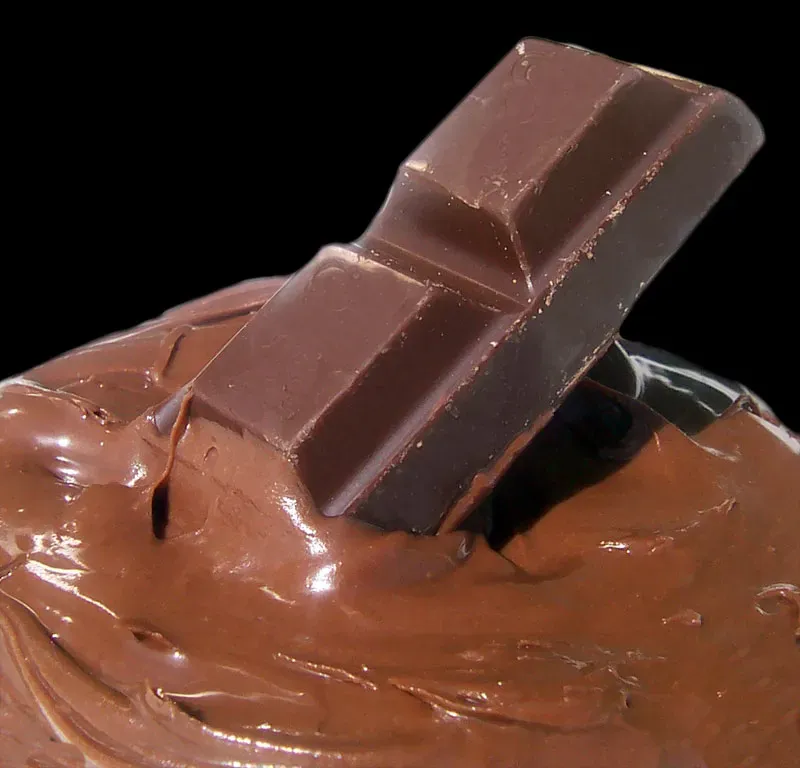
Chocolate contains substances called methylxanthines, specifically theobromine and caffeine, that are toxic to cats and can cause vomiting, diarrhea, tremors, seizures, and even death. The darker the chocolate, the more dangerous it becomes for your pet. Cocoa powder and unsweetened baking chocolate are the most dangerous, while white chocolate poses the least risk.
Most cats won’t naturally seek out chocolate on their own. Let’s be real, they’re usually pretty picky eaters compared to dogs. However, owners sometimes coax them into trying it, thinking they’re giving a special treat. Chocolate was the sixth-highest exposure call to Pet Poison Helpline for cats in 2023. If your cat does get into any chocolate, contact your vet immediately rather than waiting to see if symptoms develop.
Onions and Garlic
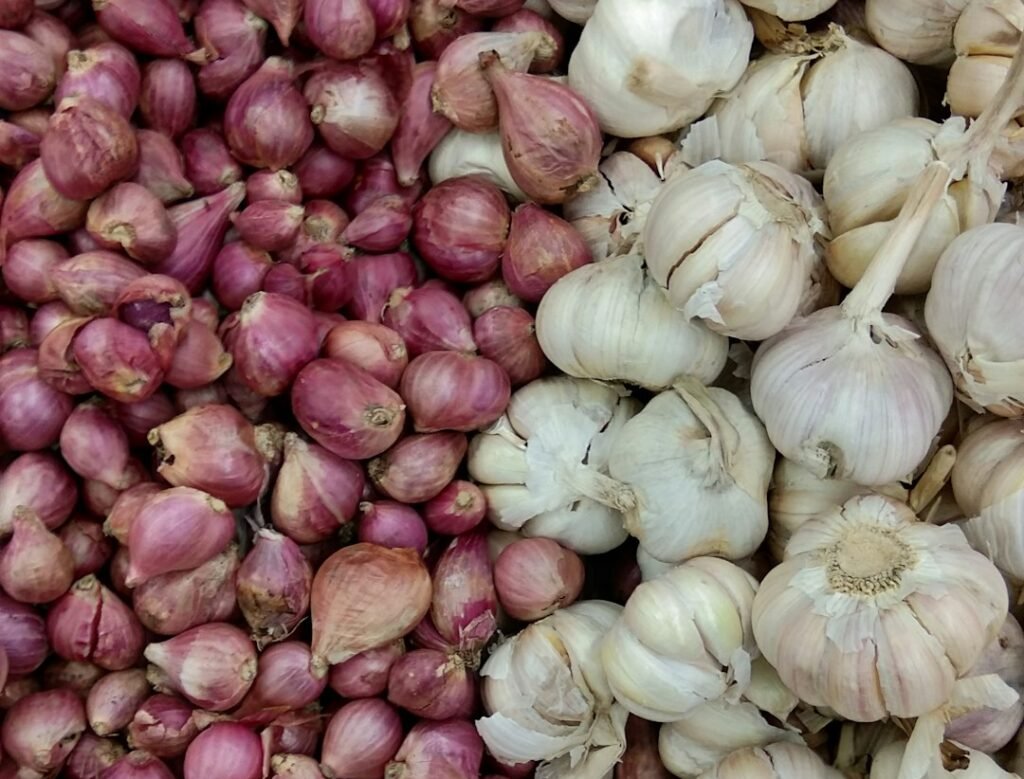
Onions, garlic, leeks, chives, and shallots contain sulfur compounds that are toxic to cats because they damage their red blood cells, causing anemia that can be fatal. It doesn’t matter whether these foods are raw, cooked, powdered, or dehydrated – all forms pose a risk. Here’s something that might surprise you: garlic is considered to be roughly five times more toxic than onions.
Even small amounts hidden in your food can cause problems. That leftover spaghetti sauce or that bit of garlic bread? Both could spell trouble. These foods can break down a cat’s red blood cells, leading to anemia. Watch for symptoms like lethargy, weakness, pale gums, or unusual urine color. Your cat doesn’t need to eat a whole onion for this to become serious – repeated small exposures over time can be just as harmful.
Grapes and Raisins
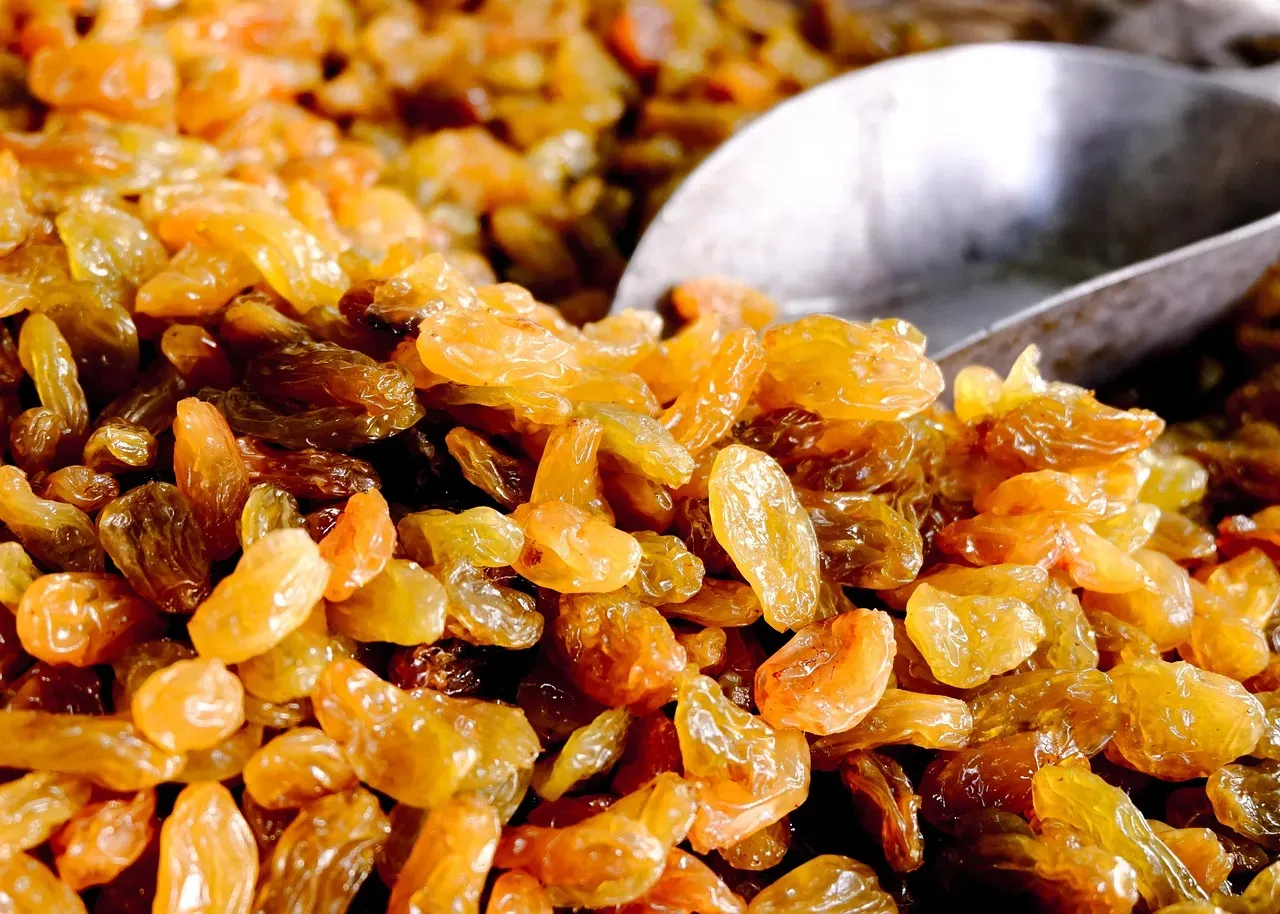
While research shows the component in grapes highly toxic to dogs is tartaric acid, studies have found that both cats and dogs showed clinical signs of poisoning after eating grapes, raisins, or currants. Even a small amount of ingestion can lead to kidney failure. This one’s tricky because not every animal reacts the same way, but why take the chance?
Keep these away from your counters and tables where your cat might investigate. Raisins are particularly sneaky because they hide in baked goods, trail mix, and all sorts of snacks. Some cats might never be tempted by grapes, honestly, since they don’t exactly scream “yummy” to feline taste buds. Still, if your cat is one of those rare adventurous eaters who tries everything, you need to be extra cautious.
Milk and Dairy Products
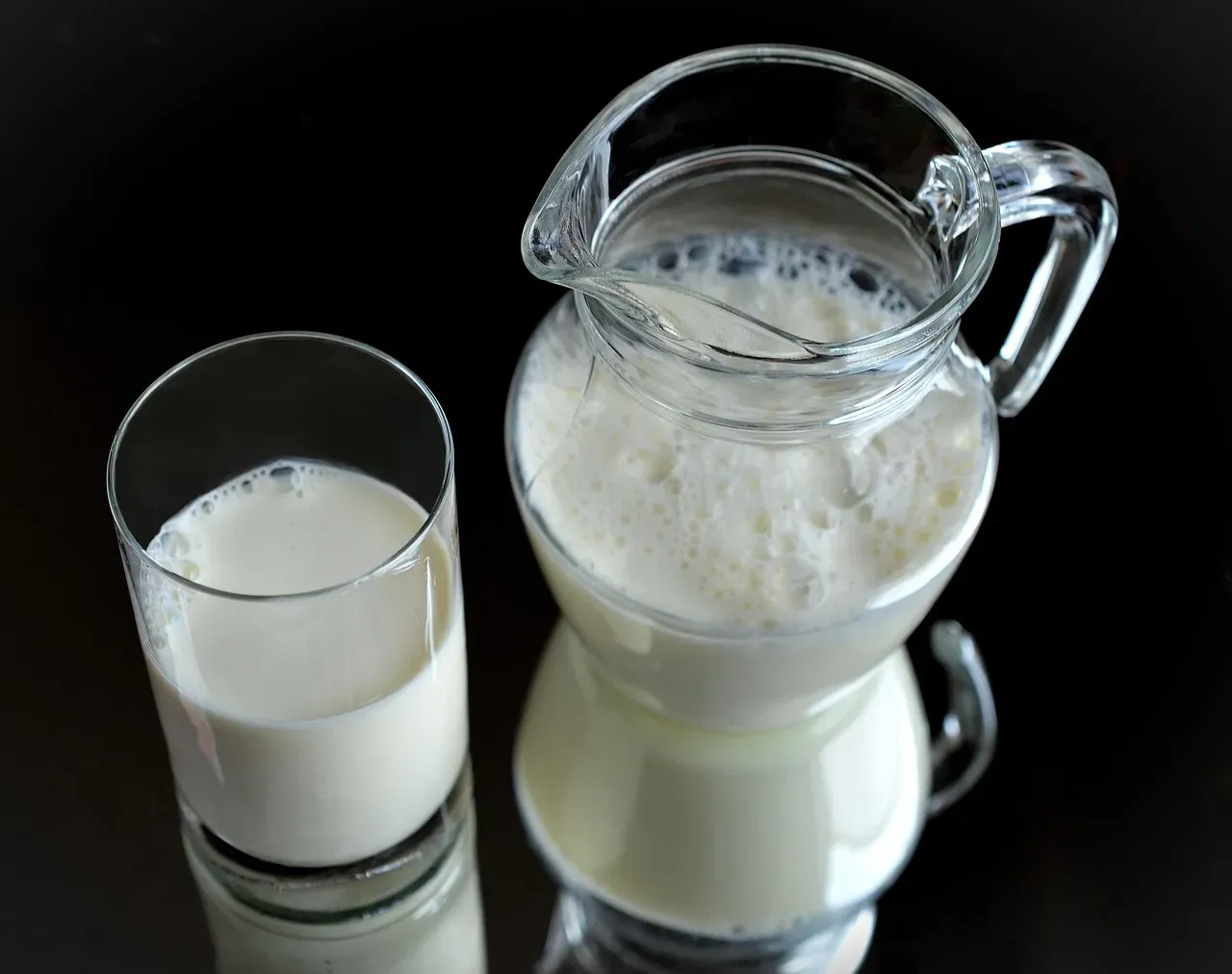
Most cats are lactose-intolerant, meaning their digestive system cannot process dairy foods, and the result can be digestive upset with diarrhea. I know, I know – the classic image of a cat lapping up a saucer of milk is everywhere. Popular culture has lied to us about this one for years. That adorable farm scene with the kitten and the milk bowl? Not so wholesome after all.
Many cat owners are surprised to learn that milk should be avoided, as some cats are lactose intolerant. Cheese might be slightly better tolerated since it’s lower in lactose, but it should still only be given sparingly, if at all. Ice cream is particularly problematic because it combines lactose with high sugar content. Your cat might beg for that spoonful of yogurt or cream, but their stomach will regret it later.
Alcohol and Alcoholic Beverages

As little as a tablespoon of alcohol can lead to problems for your cat and cause severe liver and brain injury. Alcohol makes cats sick by depressing their nervous system, irritating their digestive tract, and altering their acid-base balance. Because of their small size, it takes very little for them to become seriously ill.
Be mindful about desserts or foods prepared with alcohol too. That rum cake or tiramisu might contain enough to cause issues. Alcohol contains ethanol and grain, both very dangerous for cats, and just one teaspoon can cause alcohol poisoning. Symptoms include disorientation, trouble breathing, tremors, and in severe cases, coma or death. Never leave drinks unattended around your curious cat.
Coffee and Caffeinated Drinks

Like chocolate, coffee contains the methylxanthine caffeine and can cause similar effects. This includes not just your morning coffee but also energy drinks, tea, and even some sodas. In large enough doses, caffeine can be fatal for a cat and there is no antidote.
Unused coffee grounds and tea bags are particularly risky because they contain concentrated amounts. Your cat might knock over your cup out of curiosity or while jumping on the counter. Keep all caffeinated beverages and products secured. Even licking up a small spill could cause problems, though the risk increases significantly with larger amounts.
Raw Eggs and Raw Meat
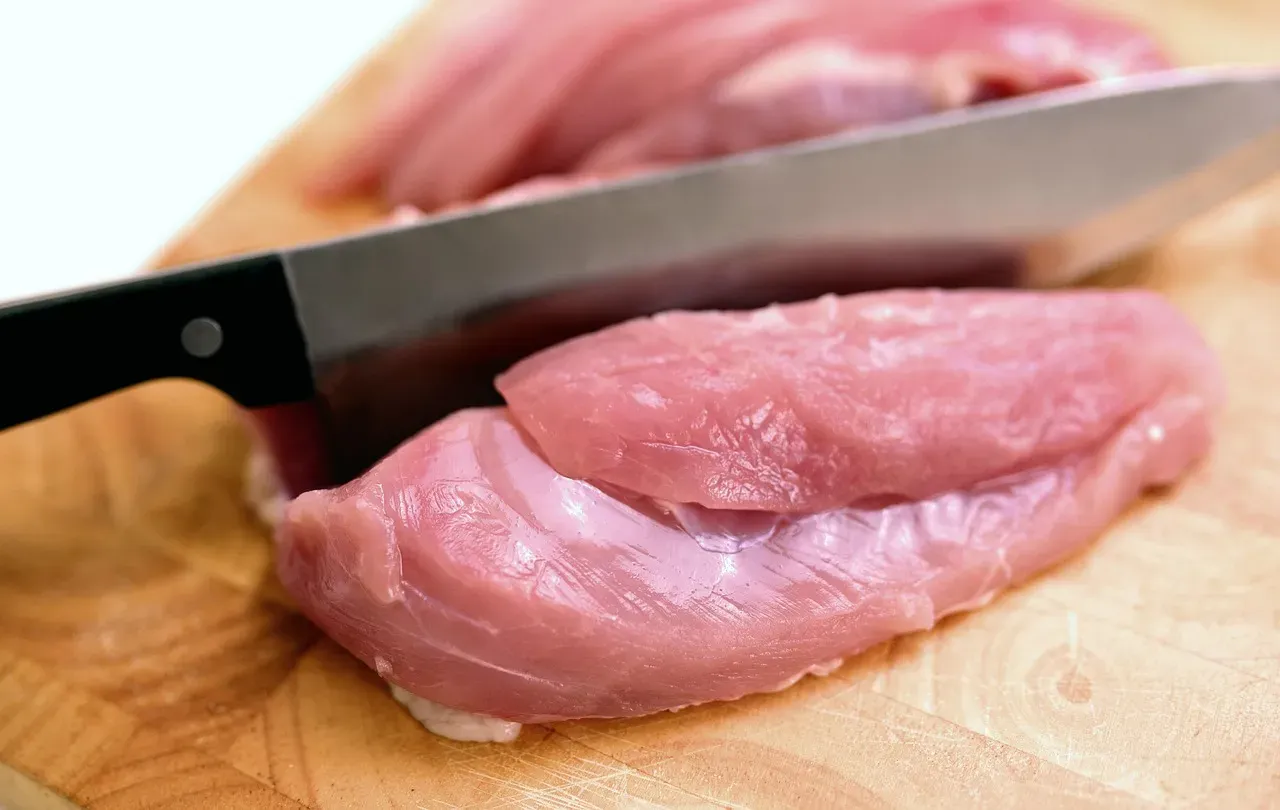
There are two problems with giving your cat raw eggs: the first is the possibility of food poisoning from bacteria like salmonella or E. coli. Just like for humans, consumption of raw eggs or raw meat can lead to salmonella or E. coli poisoning in cats. While some people feed raw diets to their pets, this comes with real risks that need to be understood.
Uncooked meat is more likely to contain harmful disease-causing bacteria and parasites like Toxoplasma and even tapeworms. If you want to give your cat meat, cook it thoroughly first. Raw fish carries similar dangers. It’s hard to say for sure whether the benefits some claim for raw diets outweigh these risks, but proper cooking eliminates most concerns about bacterial contamination and parasites.
Bones and Fat Trimmings
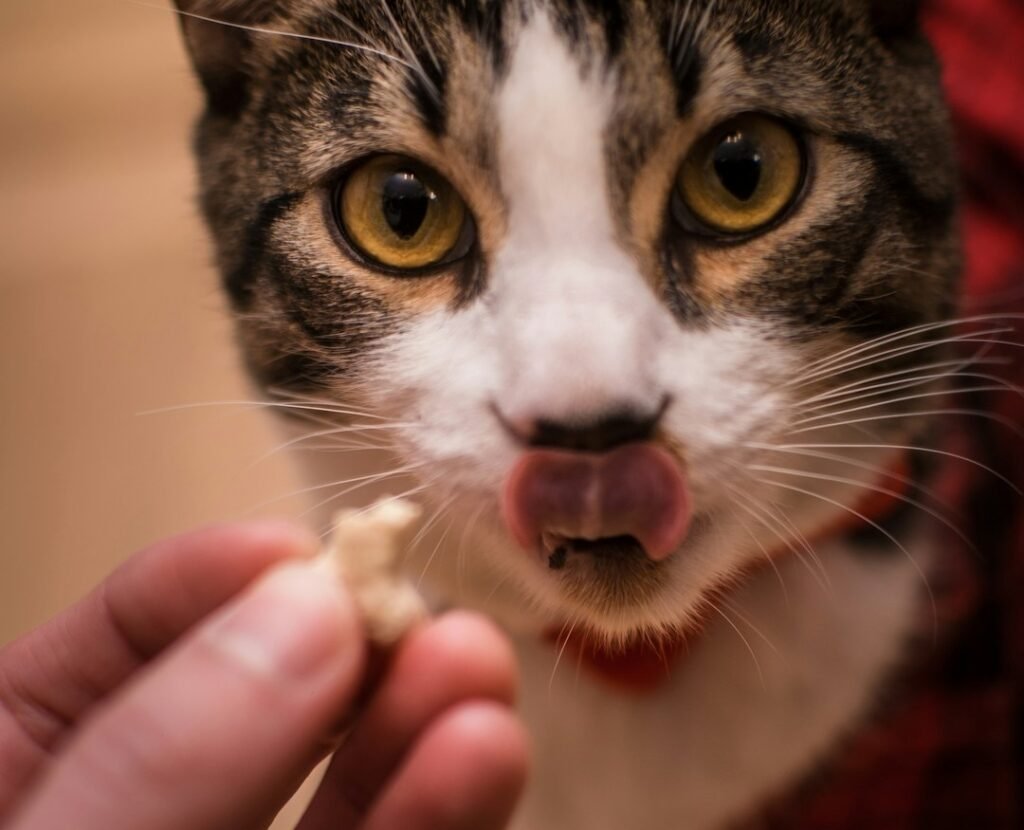
Both fat and bones may be dangerous for cats – fat can cause intestinal upset with vomiting and diarrhea, and a cat can choke on a bone or experience splintering that causes an obstruction or cuts inside the digestive system. Those leftover chicken bones or that fatty meat trimming you’re tempted to toss to your cat? Don’t do it.
Cooked bones are especially dangerous because they splinter more easily than raw ones. Even if your cat manages not to choke, those sharp fragments can perforate the intestines or stomach. Fat trimmings might seem like a tasty treat, but they can trigger pancreatitis, a painful and potentially serious condition. Stick to cat-appropriate treats instead of table scraps.
Raw Dough
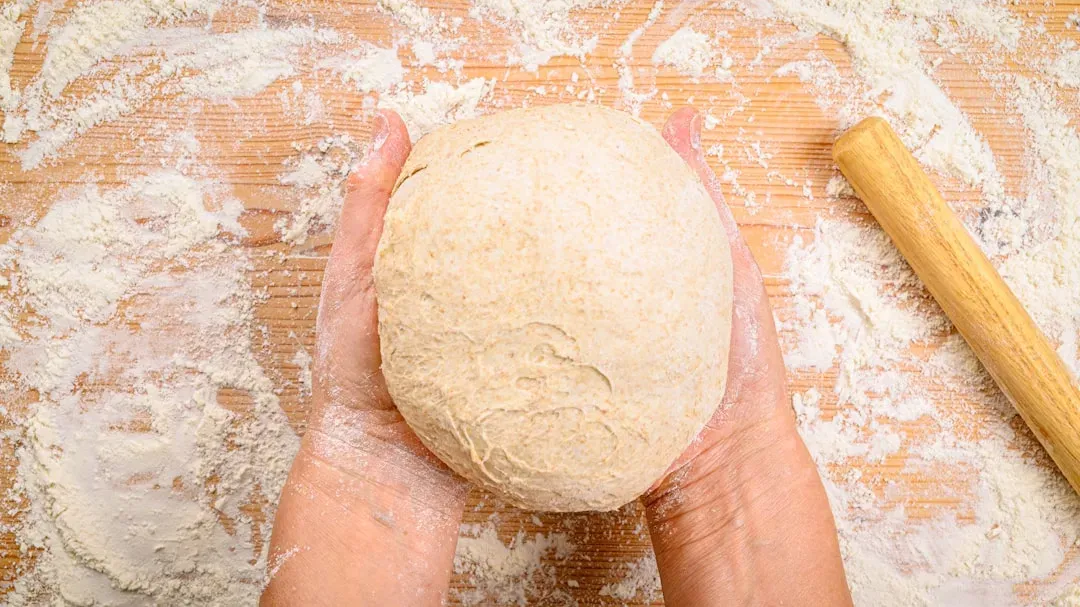
Yeast dough can rise and cause gas to accumulate in your cat’s digestive system, which can be painful and cause the stomach or intestines to rupture, though the risk diminishes after the dough is cooked. When the yeast ferments the dough to make it rise, it produces alcohol that can lead to alcohol poisoning.
Imagine dough expanding inside your cat’s stomach the way it rises in a warm bowl. Pretty scary, right? The combination of physical expansion and alcohol production makes this a double threat. If you’re baking bread or pizza, keep your cat well away from the rising dough. Once it’s baked, plain bread in small amounts is generally fine, though it offers no nutritional value for cats.
Xylitol (Artificial Sweetener)
This sweetener is used in many sugar-free foods, especially chewing gum, and while there are no records of cats becoming ill from xylitol, in dogs it can cause severe drops in blood sugar and liver failure, so it’s better to be safe and not let your cat eat foods containing it. Xylitol is extremely toxic to dogs, causing severe drops in blood sugar and liver failure.
Check labels on sugar-free products carefully. Xylitol hides in unexpected places like peanut butter, baked goods, certain medications, and even some toothpastes. Since the research on xylitol toxicity in cats is limited but the potential danger is clear, it’s just not worth the risk. Keep anything labeled sugar-free or low-calorie well out of reach.
Excessive Liver
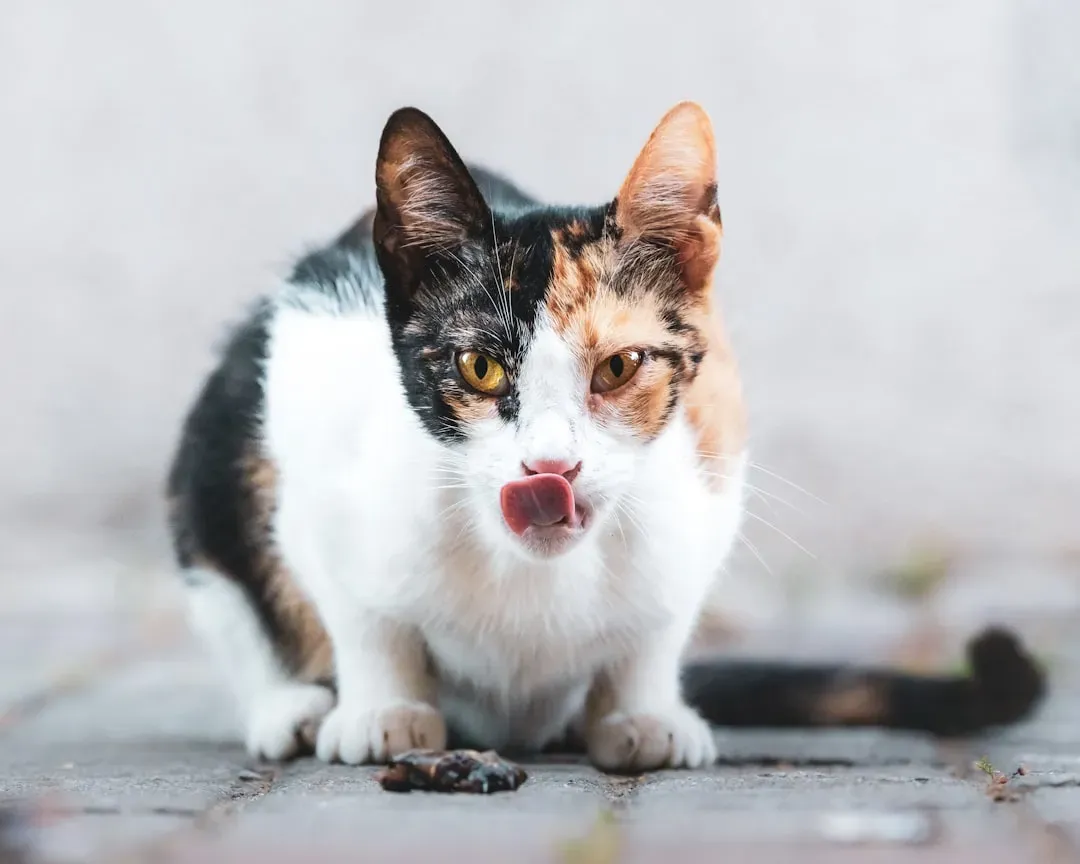
Small amounts of liver are okay, but eating too much can cause vitamin A toxicity, a serious condition that affects a cat’s bones with symptoms including deformed bones, bone growths on the elbows and spine, osteoporosis, and potentially death. Liver is one of those foods where moderation is absolutely key.
An occasional small piece won’t hurt, but feeding liver regularly or in large quantities creates problems. Your cat might love the taste, making it tempting to give more. Vitamin A builds up in the body over time rather than being eliminated, so the damage happens gradually. By the time symptoms appear, significant harm may already be done. Stick to tiny portions as a rare treat.
Citrus Fruits
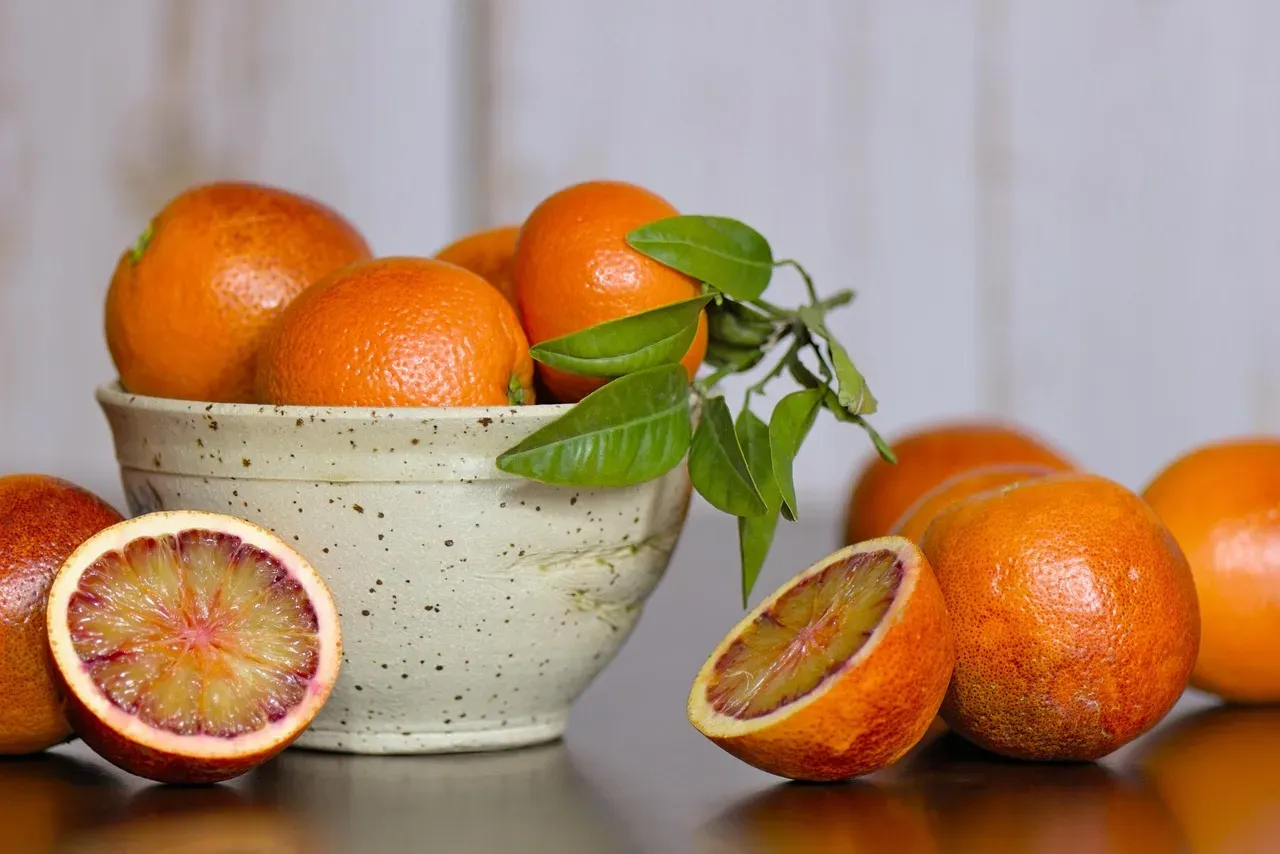
Citrus fruits like lemons, limes, oranges, clementines, and grapefruits contain citric acid and essential oils – the stems, leaves, peels, fruit, and seeds should all be avoided, as large amounts can lead to diarrhea, vomiting, and central nervous system depression. The seeds, leaves, stem, and peel of oranges contain oils poisonous to cats, and citrus fruits are very acidic and can upset your cat’s tummy, though most cats are repelled by the smell and probably won’t try to eat them.
Honestly, you’re probably safe here because most cats naturally avoid citrus. That sharp, tangy smell that we find refreshing? Cats typically find it repulsive. Still, some curious cats might investigate, especially if citrus is mixed into something else. The good news is that small amounts of the flesh aren’t as dangerous as the peels and oils, but it’s still best avoided entirely.
Conclusion
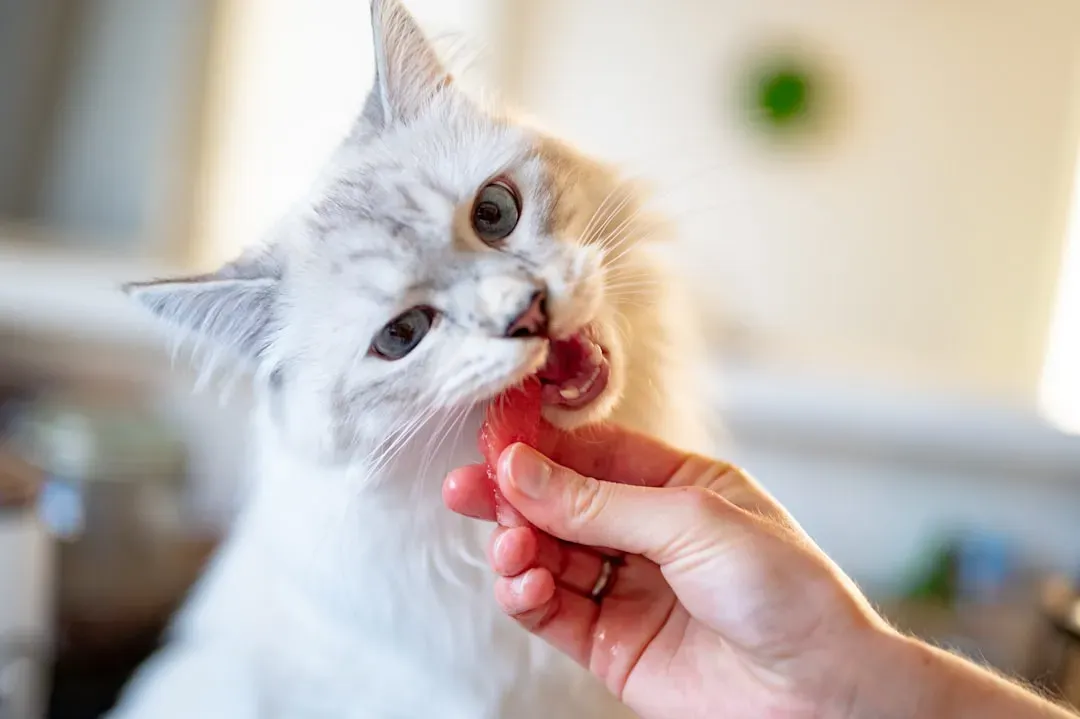
Keeping your cat safe means being mindful about what they can access in your home. Before making any changes to your cat’s diet, talk to your veterinarian about which ingredients are safe, and what amounts are okay for your cat to try – no question or treat is too small to discuss. The foods we’ve covered aren’t just mildly problematic; they can cause serious harm or even be fatal.
Your cat depends on you to make good choices for them. When those big eyes stare up at you during dinner, remember that the best way to show love isn’t by sharing your plate. Stick to high-quality cat food and veterinarian-approved treats designed specifically for feline nutrition. If your cat does accidentally eat something on this list, don’t wait to see what happens – contact your vet or the Pet Poison Helpline right away. Quick action can make all the difference. What’s your biggest challenge in keeping your curious cat away from human food?