A scruffy orange tabby cat shared the spotlight with Audrey Hepburn in the 1961 classic Breakfast at Tiffany’s, embodying the film’s themes of freedom and fleeting connections.
Hollywood’s Feistiest Feline Actor Emerges
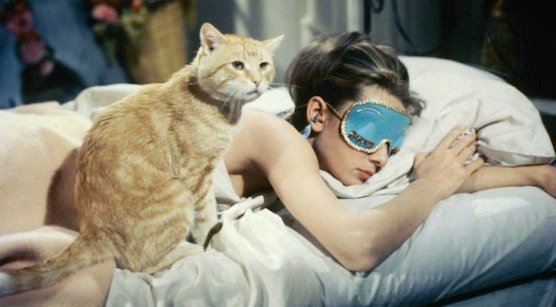
Orangey earned fame as one of Hollywood’s most accomplished cat performers, securing two PATSY Awards – the animal equivalent of an Oscar.[1] Trainer Frank Inn handled the demanding role, using multiple orange tabby cats under the Orangey name due to the original’s early death before its debut.
Inn described cats as tougher to train than coyotes, relying on repetition since they ignored voice commands. Orangey debuted in 1951’s Rhubarb, portraying a millionaire feline who inherits a baseball team and won the first PATSY the following year. The cat’s reputation grew for its no-nonsense attitude; executives dubbed it the “world’s meanest cat” after it scratched and bit co-stars.
Production often paused when Orangey bolted from sets, prompting Inn to station guard dogs at exits. Despite the temperament, studios valued its ability to hold positions under bright lights for hours.
Iconic Role Opposite Audrey Hepburn
Orangey landed its signature part as “Cat,” the nameless stray who lives with Hepburn’s bohemian Holly Golightly in a cramped New York apartment.[1] The duo symbolized Holly’s resistance to possession, mirroring her own elusive lifestyle. Their chemistry shone in tense scenes, culminating in a pivotal rainy moment that tested everyone involved.
Hepburn later reflected on hurling the soaked cat from a taxi as one of the most distasteful acts she performed on screen. That performance earned Orangey its second PATSY in 1962, cementing its status as the only cat with dual honors. The role capped a career spanning films like The Diary of Anne Frank and TV appearances on The Beverly Hillbillies.
Dark Motivations Behind Cat Thefts
Stray cats like the one Orangey portrayed face real dangers today, with theft cases rising in recent years. Reports indicate around 255 cat thefts in the UK alone during recent tracking periods, part of a broader uptick. Thieves target felines for profit-driven schemes that exploit their appeal.
- Unneutered or rare-breed cats fetch high prices when bred and sold as kittens.
- Quick resale to impatient buyers bypasses adoption processes, ignoring health checks.
- Criminals claim “finder’s rewards” or demand ransoms from desperate owners.
- Some use cats as bait in illegal dogfights to sharpen aggressive breeds.
- Organized rings supply labs for research via shady dealers who falsify origins.
Steps to Safeguard Your Cat
Owners can counter these risks with proactive measures. Microchipping has become mandatory in places like the UK, aiding recovery efforts. GPS collars and home security cameras provide real-time alerts.
Keeping cats indoors at night reduces exposure, while neutering eliminates breeding appeal. Secure enclosures allow safe outdoor time without vanishing risks. Pet insurance covering theft offers financial peace.
Key Takeaways
- Orangey won two PATSY Awards for standout roles, proving cats can command Hollywood.
- Cat thefts stem from breeding, resale, and darker uses like labs or fights.
- Microchips, indoor nights, and trackers keep pets safer in a theft-prone world.
Orangey’s legacy reminds us that even cinematic strays deserve protection from harsh realities. Hollywood glamorized the nameless cat, yet today’s pet owners must act to prevent real-life losses. What steps do you take to protect your cat? Share in the comments.