Millions of cat owners schedule spay or neuter procedures each year, drawn by the promise of healthier, calmer pets and fewer unwanted litters.
Why Even Routine Surgeries Carry Small Risks
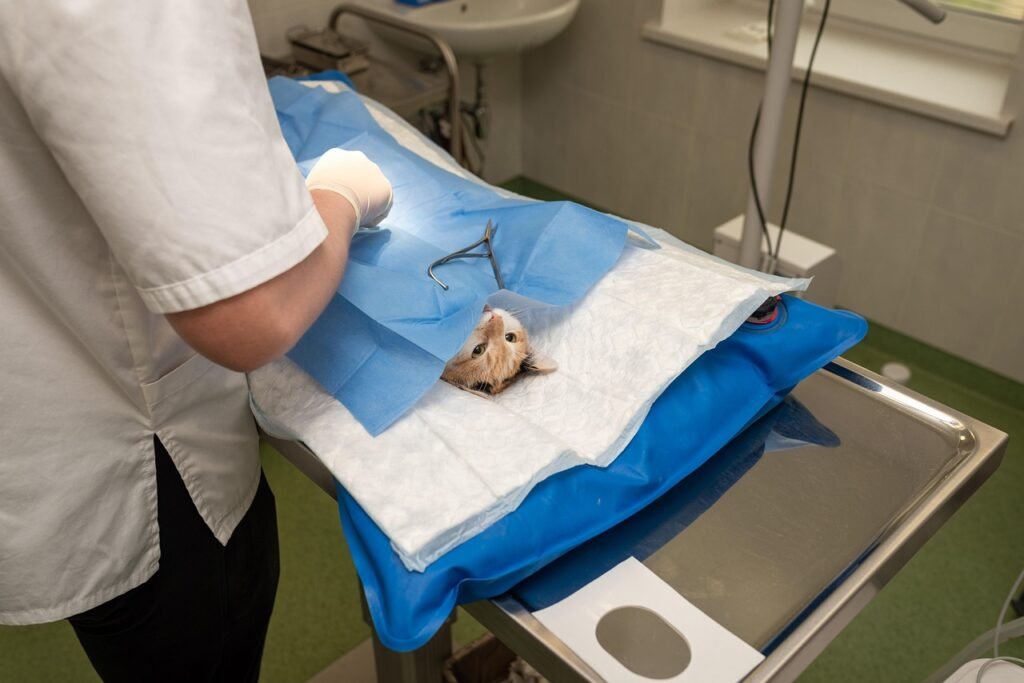
Spaying and neutering rank among the safest veterinary operations, yet no surgery escapes the possibility of issues. Veterinarians report that serious problems arise in fewer than 1% of cases, often linked to individual health factors or post-operative care. A cat’s age, weight, or underlying conditions can influence outcomes, though most recover swiftly without incident.
These procedures involve anesthesia and incisions, which introduce variables like infection or delayed healing. Shelter medicine experts emphasize that high-volume clinics maintain low complication rates through standardized protocols. Still, preparation remains crucial; owners who understand potential hurdles act faster if trouble emerges.
Early detection turns minor setbacks into quick fixes, preserving the long-term benefits of sterilization.
Spotting the Early Warning Signs
Imagine your cat acting off just hours after surgery – lethargy that lingers or unusual swelling at the site. Such signs demand attention, as they signal the most frequent complications. Excessive licking tops the list, leading to irritation or reopened wounds, while scrotal bruising in males often resolves on its own but warrants monitoring.
Other red flags include persistent vomiting, refusal to eat, or discharge from the incision. Female cats may show abdominal tenderness if internal issues like uterine stump problems occur, though these remain exceedingly rare. Veterinary guidelines stress checking the site twice daily during the first week.
Self-inflicted trauma, such as scratching, affects up to 20% of unmonitored cats, according to clinic observations. Prompt intervention prevents escalation.
Steps to Ensure a Smooth Recovery
Recovery starts in the clinic, where staff stabilize your cat before discharge. At home, confine them to a small, quiet space to limit jumping and rough play. An Elizabethan collar or recovery suit curbs licking, promoting healing within 10 to 14 days.
Pain management involves prescribed medications, administered as directed to avoid gastrointestinal upset. Feed light meals initially, transitioning to normal portions as appetite returns. Hydration supports overall healing, so fresh water stays essential.
- Monitor for fever, indicated by a warm nose or ears.
- Avoid baths or cleaning the incision yourself.
- Schedule a follow-up visit one to two weeks post-op.
- Watch for behavioral changes like hiding or aggression.
- Keep litter boxes clean to prevent contamination.
These measures, drawn from standard veterinary protocols, minimize risks and speed return to normalcy.
When to Seek Immediate Veterinary Help
Not all issues resolve with home care; some demand urgent action. If your cat strains to urinate or shows signs of blockage – more common in males post-neuter – contact your vet without delay. Breathing difficulties or severe swelling could indicate allergic reactions to anesthesia.
Infection manifests as redness, pus, or foul odor, potentially requiring antibiotics or drainage. Though rare, dehiscence, where stitches fail, exposes tissues and invites further problems. Clinics advise calling if symptoms persist beyond 48 hours.
Post-operative bleeding, even minor, merits a check, as it might signal vessel issues. Timely visits prevent small concerns from becoming emergencies, ensuring your cat’s full recovery.
Key Takeaways
- Complications from spay or neuter surgeries affect less than 1% of cats, but vigilance in the first week is vital.
- Common issues like licking or swelling often stem from inadequate monitoring and resolve with simple interventions.
- Preparation and quick response to signs enhance outcomes, making the procedure a safe choice for most pets.
Spaying or neutering transforms lives by curbing overpopulation and health risks, with complications proving the exception rather than the rule. Informed owners contribute to their cat’s well-being through awareness and care. What experiences have you had with your pet’s recovery? Share in the comments below.