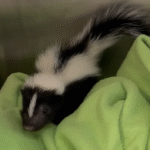
In the unpredictable world of wildlife rehabilitation, few stories capture the blend of cuteness and calamity quite like the tale of three orphaned baby skunks finding their footing. Rescuer Hollie, from Florida’s Clinic for the Rehabilitation of Wildlife, took in these tiny striped orphans when they were just a week old, vulnerable after losing their mother in the wild. What followed was a whirlwind of bonding, mischief, and those infamous skunk defenses turned playful. This heartwarming saga, fresh off the presses today, highlights the gritty joys of raising wild babies back to independence.
Here’s the thing: skunks aren’t just about the stink. These juveniles revealed their social side, turning a clinic nursery into a lively den of activity. As their rescuer navigated the ups and downs, the group offered a rare glimpse into behaviors that challenge common misconceptions.
Orphaned Beginnings and Rapid Growth
The baby skunks arrived in Hollie’s care fragile and in dire need, hand-reared from roughly a week old through constant bottle feedings and vigilant monitoring. Dehydration and infection loomed as immediate threats, but with round-the-clock attention, they quickly perked up. Transitioning to a mash diet marked their growth spurt, where competition for the best bites sparked early signs of personality – snarling and foot-stomping over food shares. Their innate social nature shone through, proving skunks crave companionship much like any litter in the wild. This phase underscored how rehab mimics natural family dynamics, building resilience for survival.
The New Sibling Sparks Instant Spray Wars
Everything changed on October 7th when Hollie introduced a third rescued skunk to the duo, igniting what she called a full-blown spray war right from the first night. The original pair took offense, unleashing mild sprays from their tiny glands that filled the entire clinic with a potent stench lasting 24 to 48 hours. Tails raised high, they postured with precision, blending play with instinctual defense in a misty battlefield. Within days, though, harmony returned as if they’d been littermates forever, wrestling and napping together. These antics peaked during their 8-to-12-week phase, a critical window for honing social skills. Let’s be real – dodging juvenile sprays tested Hollie’s patience, yet it all fueled their rapid maturation.
Mastering the Art of Skunk Parenting
Hollie tailored her approach with enrichments like supervised outdoor time, scent toys, and custom enclosures to channel their energy. As cooler weather hit, she moved them outside once their fur coats thickened, providing miniature forts lined with palm fronds, greens, leaf litter pools, and debris for natural foraging. This setup accelerated their wild instincts, teaching them to root for food away from human reliance. Daily routines blended exhaustion with laughter, from cleanup after escapades to celebrating their bold personalities – explorers, cuddlers, and wrestlers alike. Veterinary checks confirmed robust health, free of parasites or deficits. Her methods turned potential chaos into structured steps toward autonomy.
Debunking Myths Through Playful Insights
Juvenile spray wars reveal skunks’ true colors: playful rather than purely aggressive, using mild blasts for fun and practice long before full potency kicks in around four months. Babies stomp feet and puff up as warnings, echoing adult tactics but harmless in scale, composed of thiol compounds that linger briefly. The new sibling amplified litter-like rivalries, simulating wild behaviors overlooked in urban fears. Such patterns guide rescuers in crafting low-stress habitats, peaking during growth spurts. This story shifts perceptions, urging tolerance for these misunderstood mammals amid rising encounters. Experts note these displays build essential survival savvy.
Navigating Multi-Skunk Challenges to Triumph
Handling a trio amplified every element – noise, cleanup, and spray frequency demanding reinforced setups and swift responses. Yet triumphs emerged in their cohesion: shared grooming signaled thriving bonds, while growth metrics impressed. Roadkill and habitat pressures drive more juvenile intakes at centers like CROW, up amid urbanization spikes. Hollie’s grit exemplifies rescue rewards, balancing hurdles with highlights. The group’s health flourished, paving the way for independence. Noise turned to symphony, mess to milestone.
These feisty skunks’ journey from spray chaos to wild release proves resilience thrives with expert care, offering hope against conservation woes like seasonal roadkill surges. They bolted into grasses upon freedom, rooting expertly – mission accomplished. What surprises you most about baby skunk antics? Share in the comments.
Source: Original YouTube Video