A family scheduled a standard veterinary appointment for their 10-year-old rescue cat, Idris, after noticing concerning weight loss that they suspected stemmed from dental discomfort. What began as a precautionary measure quickly escalated into a profound tragedy when medical imaging during sedation uncovered fluid accumulation and cancer in her lungs. The owners, caught off guard by the rapid turn of events, opted for euthanasia to spare Idris further suffering. This heartbreaking outcome has ignited widespread online conversations among pet communities about the fragility of feline health and the emotional toll of unexpected losses.
The Deceptive Calm Before the Diagnosis
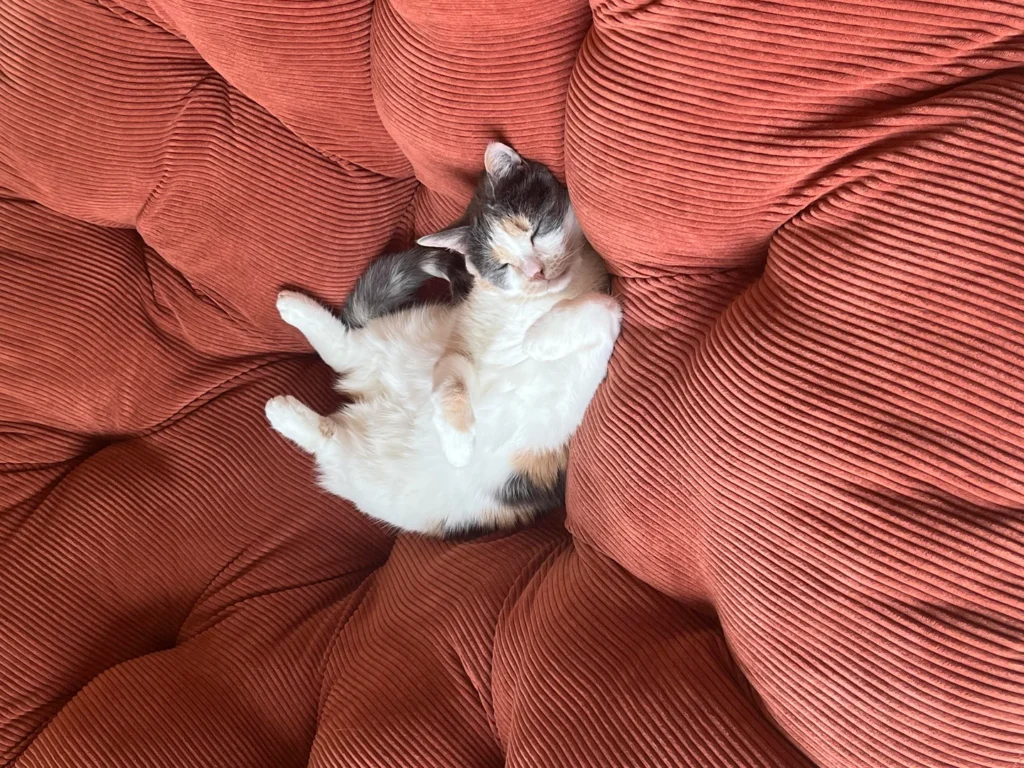
Idris had settled into family life as a cherished rescue cat, reaching the senior stage at 10 years old. Her owners grew worried when she began shedding pounds, a symptom they linked to potential oral pain that might hinder eating. They arranged the visit expecting perhaps a simple dental cleaning or minor treatment to restore her appetite and vitality.
Sedation became necessary for a thorough examination, a common step in such procedures. Yet this routine intervention exposed a far graver reality lurking beneath the surface. Veterinarians identified abnormalities that demanded immediate attention, shifting the focus from recovery to end-of-life care.
Unveiling the Hidden Threat in Idris’s Lungs
During the sedated state, diagnostic tools revealed fluid in Idris’s lungs alongside clear signs of cancerous growths. This discovery stunned the veterinary team, as outward symptoms had pointed only to dental concerns. The presence of such advanced disease explained the weight loss but painted a dire prognosis.
Cancer in cats often progresses silently, especially in the respiratory system, where fluid buildup can signal late-stage involvement. The family received confirmation through their husband upon his return home, allowing time for the gravity to sink in before final arrangements.
A Compassionate Yet Crushing Decision
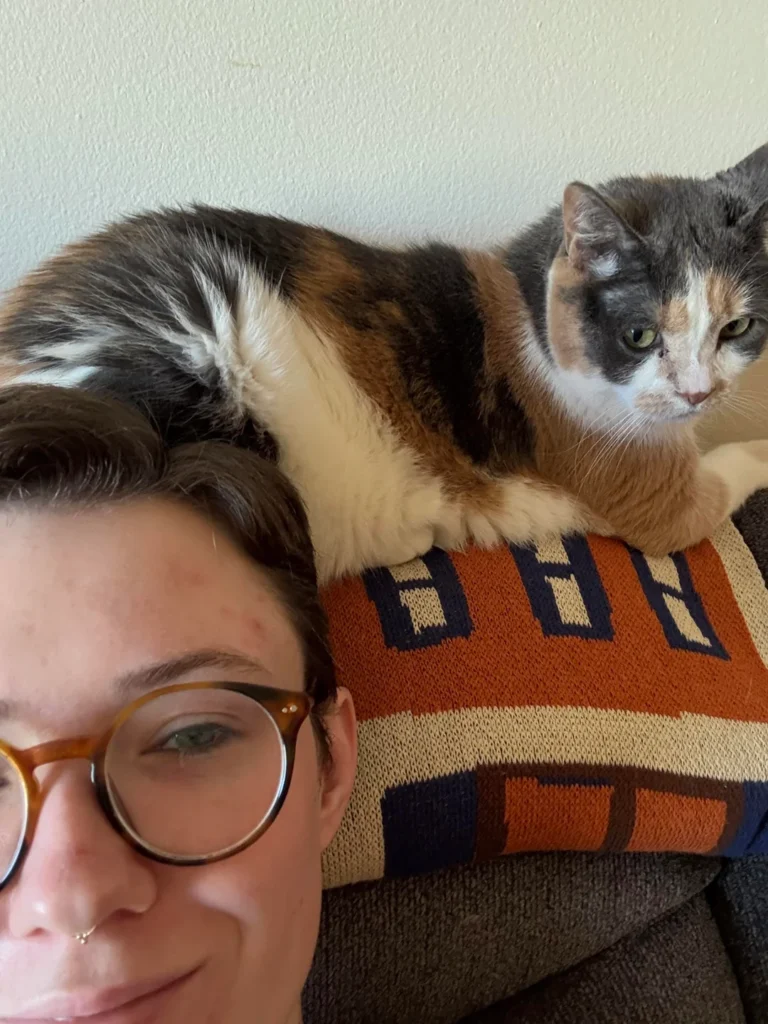
Faced with the reality of Idris’s condition, the family chose euthanasia as the kindest path forward. This decision spared her prolonged pain from a disease that offered little hope for remission. Veterinary professionals guided them through the process, emphasizing quality of life as the guiding principle.
Such moments test pet parents’ resolve, balancing love with mercy. The swift progression from concern to closure underscored how fragile health can be in aging pets, prompting reflection on vigilance in monitoring subtle changes.
Online Ripples from a Personal Tragedy
The story spread rapidly across social platforms, where the owner shared details of the day’s events. Fellow pet enthusiasts responded with empathy, sharing similar tales of sudden veterinary revelations. Discussions centered on the emotional handling of loss, from immediate grief to long-term coping.
Communities highlighted the value of transparency in pet ownership narratives. Threads explored sedation risks in older cats and the importance of pre-procedure health screens. This collective dialogue fostered support networks for those navigating comparable heartaches.
Navigating the Realities of Senior Pet Care
Events like Idris’s remind owners of the need for proactive health management in senior cats. Weight loss serves as a red flag, often masking deeper issues beyond dental problems. Regular checkups, even routine ones, can uncover threats early – though not always in time.
Veterinarians stress comprehensive assessments for animals showing any decline. Owners benefit from understanding common senior cat challenges, which include:
- Appetite changes leading to unintended weight loss.
- Oral health issues affecting nutrition.
- Respiratory difficulties from fluid or tumors.
- General lethargy signaling systemic problems.
- Subtle behavioral shifts indicating discomfort.
Key Takeaways for Pet Owners:
- Monitor weight and eating habits closely in older cats.
- Prepare for sedation risks with full health histories.
- Seek community support during unexpected losses.
Idris’s story serves as a poignant reminder that love for our pets demands both joy in daily moments and readiness for tough choices. It underscores the unpredictable nature of pet health, urging greater awareness without diminishing the bonds we cherish. What experiences have shaped your approach to pet care? Share in the comments below.
Kristina is a young writer from India. An arts graduate and an avid content creator, Kristina is passionate about animals and wildlife. She enjoys exploring topics related to pet care, animal behavior, conservation, and nature, combining thorough research with engaging storytelling.