Dealing with flea infestations can feel like an uphill battle, especially when you’re worried about protecting your feline companion. Traditional flea treatments often contain harsh chemicals that might make you uneasy about using them around your cat. You’ve probably seen those warning labels and wondered if there’s a gentler approach.
Here’s the thing: cats aren’t just picky about their food or where they nap. They’re also incredibly sensitive to many substances that dogs and humans can tolerate without issue. Their unique liver chemistry makes them vulnerable to toxicity from compounds that seem harmless to us. Yet fleas don’t discriminate, and once they’ve made themselves comfortable in your carpets, they multiply at an alarming rate. So let’s dive into the natural scents that can help you reclaim your home while keeping your cat safe and sound.
Why Your Cat’s Safety Should Come First
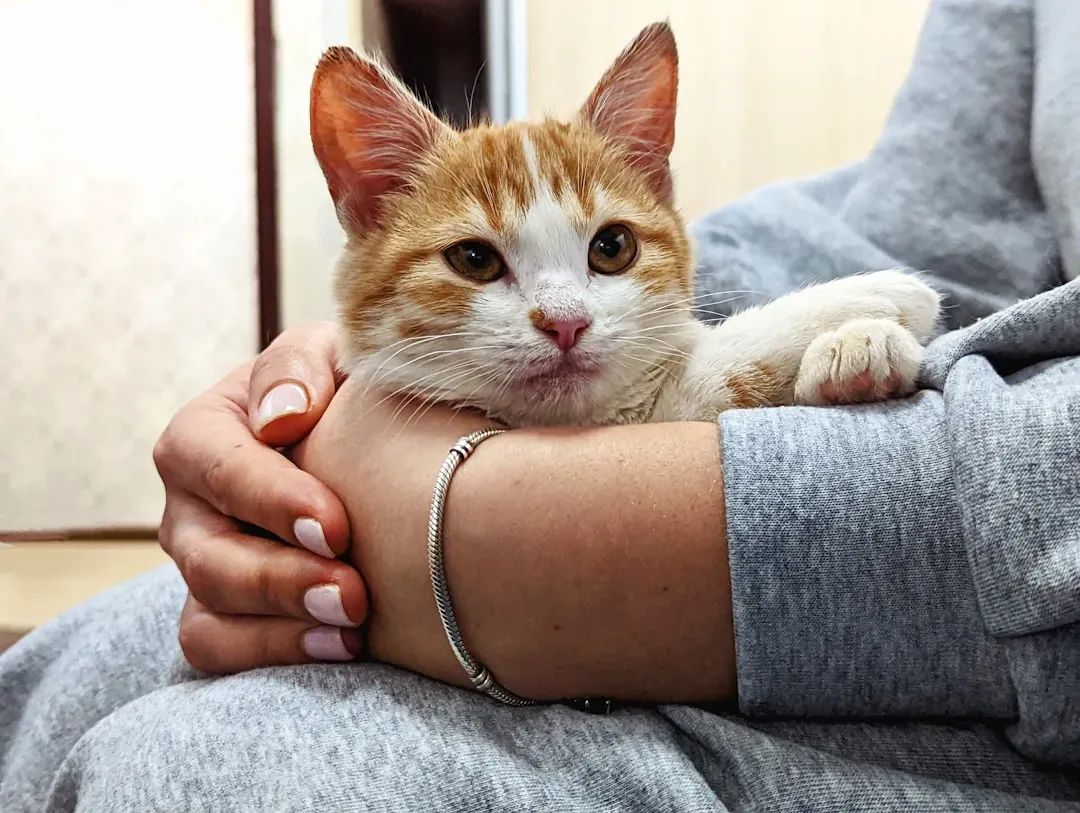
Cats lack a specific liver enzyme that allows many other animals to break down certain compounds found in essential oils and other substances. This biological difference isn’t just a minor quirk. It means that substances accumulate in their system much more slowly than they’re eliminated, leading to potential toxic buildup over time.
Even when essential oil products are labeled for use in cats, roughly nine out of ten animals exposed to plant-derived flea treatments showed adverse effects. This should give you pause before reaching for that bottle marketed as “natural” or “safe.” Your cat depends on you to make informed choices, so understanding their vulnerabilities is the foundation of any effective yet safe flea-fighting strategy.
Cedarwood: The Cat-Safer Option
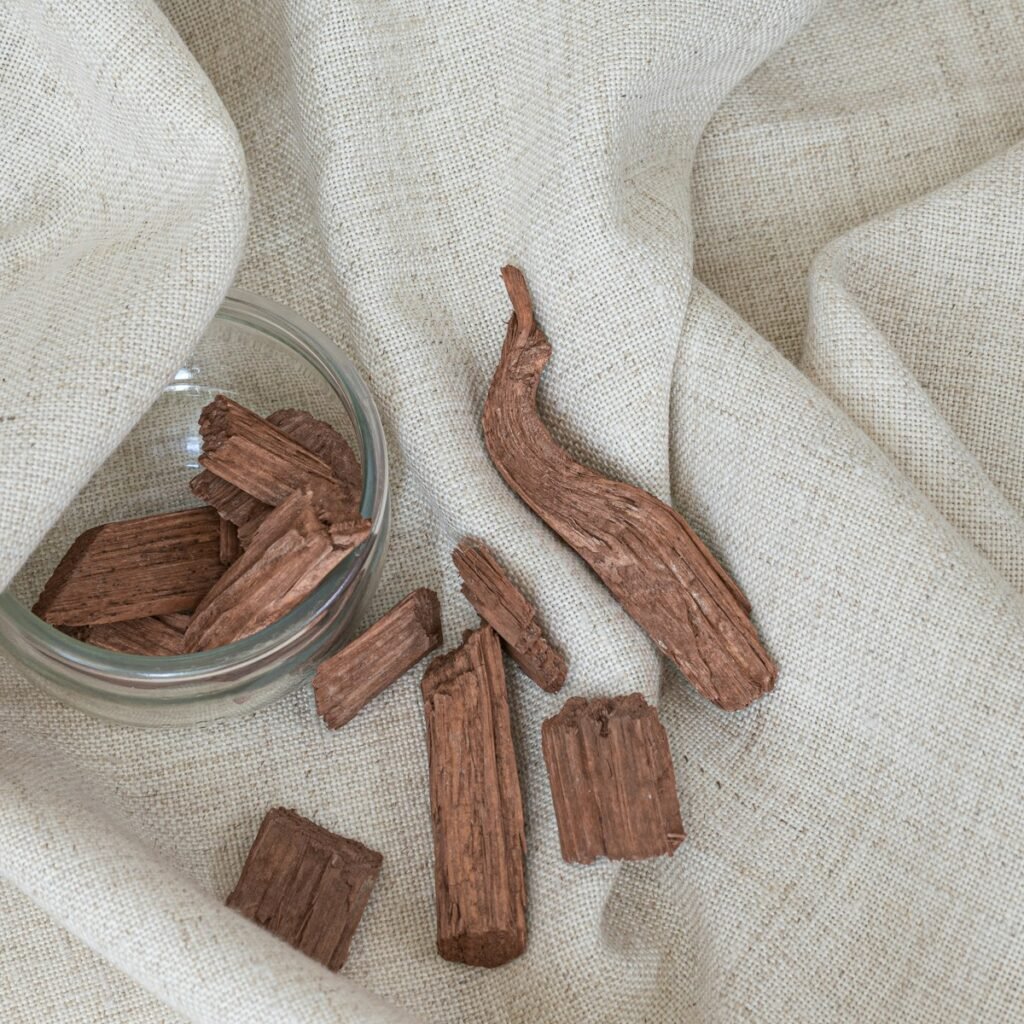
Cedarwood essential oil is one of the few generally safe oils for felines, and it seems to help reduce fleas and possibly ticks. Think of cedarwood as the Switzerland of flea repellents when it comes to cats. While you still need to exercise caution, it’s considerably less risky than many other options.
Cedarwood oil works by dehydrating fleas and disrupting their life cycle, preventing them from laying eggs. When treating your carpets, you can place cedar chips in strategic locations or use properly diluted cedarwood spray on carpets and furniture. Just remember that even this safer option requires proper dilution and your vet’s approval before direct application to your cat.
The downside? Cats often dislike the smell of cedar, and the scent is sometimes used as a cat deterrent, which means your pet might be upset at having the scent constantly around them. Balance is everything here.
Rosemary: Your Herbal Ally

Rosemary oil contains compounds like cineole, camphor, and alpha-pinene, which are unappealing to many insects, including fleas and ticks, making it a gentle yet effective deterrent. I think rosemary deserves more credit than it gets. It’s not just for seasoning roasted chicken anymore.
You can use rosemary in several ways for your carpets. Mix dried rosemary or rosemary essential oil with baking soda to create a natural flea-repelling powder, sprinkle it onto carpets, let it sit for a few hours, and then vacuum it up. This method tackles fleas hiding in carpet fibers without requiring direct application to your cat’s fur.
Rosemary also has anti-inflammatory properties that can soothe irritated skin, and you can boil rosemary leaves in water, let them cool, and use them as a rinse, or grind dried rosemary into powder and lightly sprinkle it on your cat’s bed. Let’s be real: combining carpet treatment with bedding treatment creates a more comprehensive barrier against these persistent pests.
Lavender: Proceed with Extreme Caution
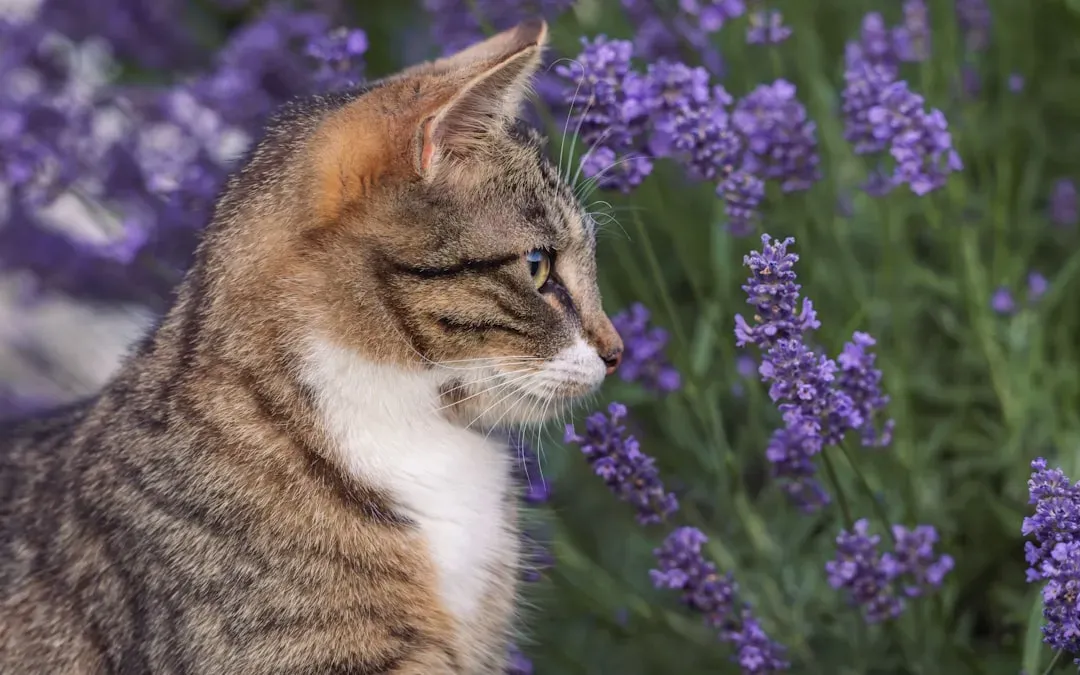
Lavender oil is not only ineffective as an insecticide, but it’s also dangerous for your cat, with very limited studies checking the effectiveness and safety of using essential oil flea treatments on cats. This might surprise you, considering how often lavender appears in “natural” flea products. The marketing doesn’t match the reality.
Lavender oil serves primarily as a repellent due to its strong scent that fleas dislike, but cats exhibit heightened sensitivity to lavender due to their liver’s inability to effectively metabolize certain compounds. Here’s where things get tricky: what repels fleas might also harm your cat.
If you’re determined to use lavender around your home, never apply it directly to your cat or in concentrated form. Hydrosol waters of lavender and rosemary, which are steam-distilled and much gentler, can effectively deter pests without the harmful toxins commonly found in other repellents. Think of hydrosols as lavender’s much milder cousin, far less concentrated but potentially safer when used properly in the environment.
The Lemongrass Dilemma
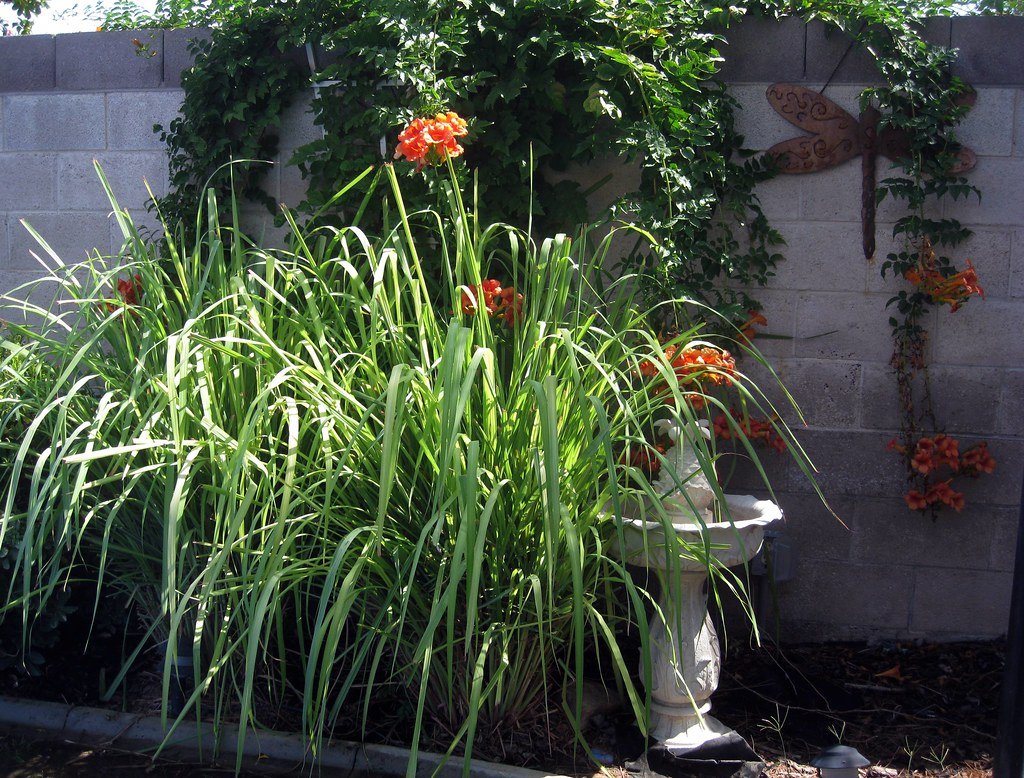
Lemongrass oil has a reputation as a top-tier insect repellent and can serve as a flea deterrent while providing a refreshing, clean scent throughout your home. It sounds perfect, right? Well, not quite when cats are involved.
Lemongrass can be toxic to cats when ingested, though cedar oil is considered safer. This creates a genuine dilemma for cat owners. Some commercial products designed for cats do include lemongrass in low concentrations, but you need to be extremely careful about how and where you apply them.
Lemongrass oil has a naturally yellow tint and may temporarily discolor light fur and fabrics, though the discoloration is not permanent and will naturally fade. If you use lemongrass products on carpets, make sure your cat cannot lick treated surfaces, and always opt for commercial formulations specifically labeled as cat-safe rather than mixing your own.
Peppermint: Just Say No for Cats

Peppermint oil can be toxic to cats and is not considered safe to use around cats. This one’s pretty straightforward. Despite peppermint’s effectiveness against fleas and its pleasant smell to humans, it’s simply too risky for your feline friend.
Essential oils to avoid for cats include citrus oils, cinnamon, pennyroyal, peppermint, tea tree, and ylang ylang, among others. You might see peppermint listed in “natural” flea sprays, but check whether the product is actually formulated for cats or just for dogs. The difference matters enormously.
Honestly, with so many other options available, there’s no compelling reason to risk using peppermint around your cat. Your carpet might smell like a winter wonderland, but your cat’s health isn’t worth the gamble.
Practical Application Methods for Carpets
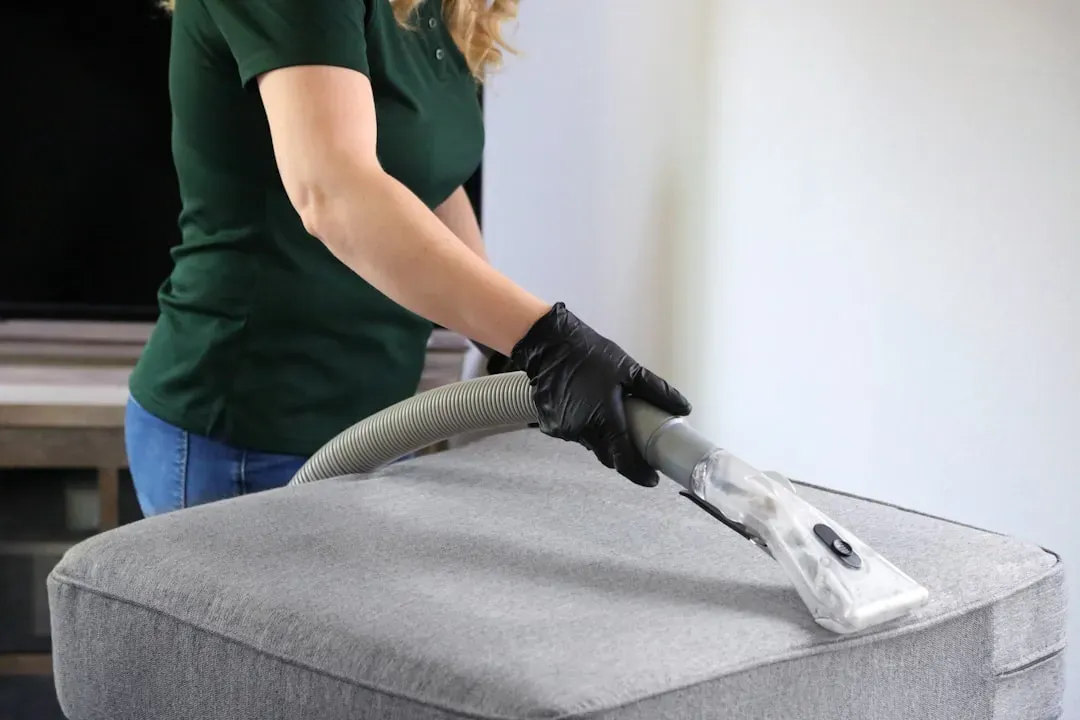
You can create a DIY carpet cleaner by mixing dried rosemary or rosemary essential oil with baking soda for a natural flea-repelling powder, sprinkling it onto carpets, letting it sit for a few hours, and then vacuuming it up. This method works because fleas hide deep in carpet fibers, and the powder can reach them where sprays might not penetrate effectively.
Regular vacuuming removes fleas and eggs from carpets, floors, and furniture, and flea repellent sprays and diatomaceous earth powders can be used on carpets and furniture to deter fleas. Vacuuming isn’t glamorous, but it’s genuinely one of your most powerful weapons. Dispose of the vacuum bag or canister contents immediately in an outdoor trash can to prevent reinfestation.
Borax has been used for killing fleas in carpets or inaccessible spots and is relatively safe, though it should not be used directly on an animal and must be vacuumed up after use on carpets. Combine multiple approaches for maximum effectiveness, layering baking soda treatments with regular vacuuming and strategic placement of cedar chips in problem areas.
When to Choose Commercial Products Over DIY
Your safest bet is to buy a commercial product with cedarwood oil, as these should have it in safe dosages with instructions, though most aren’t regulated by the FDA and may have variable safety and efficacy, so consult with a vet before choosing any particular product. It’s hard to say for sure what concentration is safe when you’re mixing oils yourself at home.
Plant-powered flea-and-tick sprays that kill, repel, and prevent fleas, ticks, and mosquitoes can be safe for dogs and cats of all ages when used as directed. The key phrase there is “when used as directed.” Commercial formulations have done the math on dilution ratios and application methods.
Veterinary professionals recommend products proven in scientific trials, noting that garlic and various essential oils can be toxic to cats if ingested unless your vet agrees to take responsibility, and the most effective flea treatments come in bottles having undergone large trials to ensure safety. Natural doesn’t automatically mean safe or effective. Sometimes the best natural approach is simply more frequent cleaning combined with vet-approved treatments.
The Reality Check: Are Natural Methods Enough?
While essential oils may repel fleas, limited scientific evidence supports their ability to eliminate them, especially for heavy infestations, as natural oils can repel but may irritate pets and need frequent reapplication, while veterinary-recommended treatments are more effective and professional pest control is best for severe infestations. Let’s be honest about expectations here.
A prospective study evaluated plant-based food supplements containing thyme, rosemary, lemon balm, fenugreek, wormwood, and lemongrass extracts as flea control in naturally infested cats, showing the mean flea population progressively decreased to roughly three fleas per cat at month five. That’s progress, but it’s not eradication. Natural methods work best for light infestations or as preventive measures, not for full-blown flea emergencies.
If you’re treating carpets with natural scents and still seeing dozens of fleas after several weeks, it’s time to call in professional help or consult your veterinarian about proven treatments. There’s no shame in recognizing when a situation requires stronger intervention. Your goal is a flea-free home and a healthy cat, not proving a point about natural methods.
Creating Your Cat-Safe Battle Plan
Natural flea repellents like lavender, cedarwood, and peppermint can help eliminate pests while leaving your home smelling fresh, and pairing these with consistent cleaning routines including regular vacuuming, washing pet bedding, and maintaining a clean environment helps control flea populations. Your battle plan should combine multiple strategies rather than relying on any single approach.
Start by identifying the worst affected areas in your carpets. Treat those spots more aggressively with baking soda and rosemary powder mixtures. Place cedar chips or sachets near your cat’s favorite resting spots, but not so close that the smell bothers them. Vacuum thoroughly every other day, paying special attention to corners, under furniture, and along baseboards where fleas love to hide.
Natural methods could be viable candidates for cats that are rarely exposed or live alone indoors and aren’t allergic to flea bites, potentially used in combination with existing products to reduce the need for frequent use of more active drugs through year-long supplementation with occasional insecticidal treatment. Think of natural scents as part of an integrated approach rather than a standalone solution. Your cat deserves both safety and effectiveness, and achieving that balance requires thoughtful planning.
What matters most is that you’re being proactive about protecting both your home and your cat without exposing them to unnecessary risks. Did you find an approach that works particularly well for your situation? What would you try first?