You’ve probably noticed your feline friend scratching more than usual lately. Those tiny, persistent fleas are frustrating, right? The good news is that nature offers some powerful solutions, scents that can actually help repel these unwelcome guests without putting your cat in danger. Natural doesn’t always mean harmless though, especially when it comes to cats. Their delicate systems process things differently than ours do, so what works for dogs or humans can sometimes spell trouble for your kitty.
The challenge lies in finding that sweet spot between effectiveness and safety. Some scents work brilliantly to keep fleas away, while others might smell lovely to us but could harm your cat. Let’s be real, the market is flooded with products claiming to be natural and safe, yet not all of them deliver on that promise. So what actually works? Which fragrances will send fleas packing while keeping your beloved pet out of harm’s way?
Understanding Why Cats Need Special Consideration
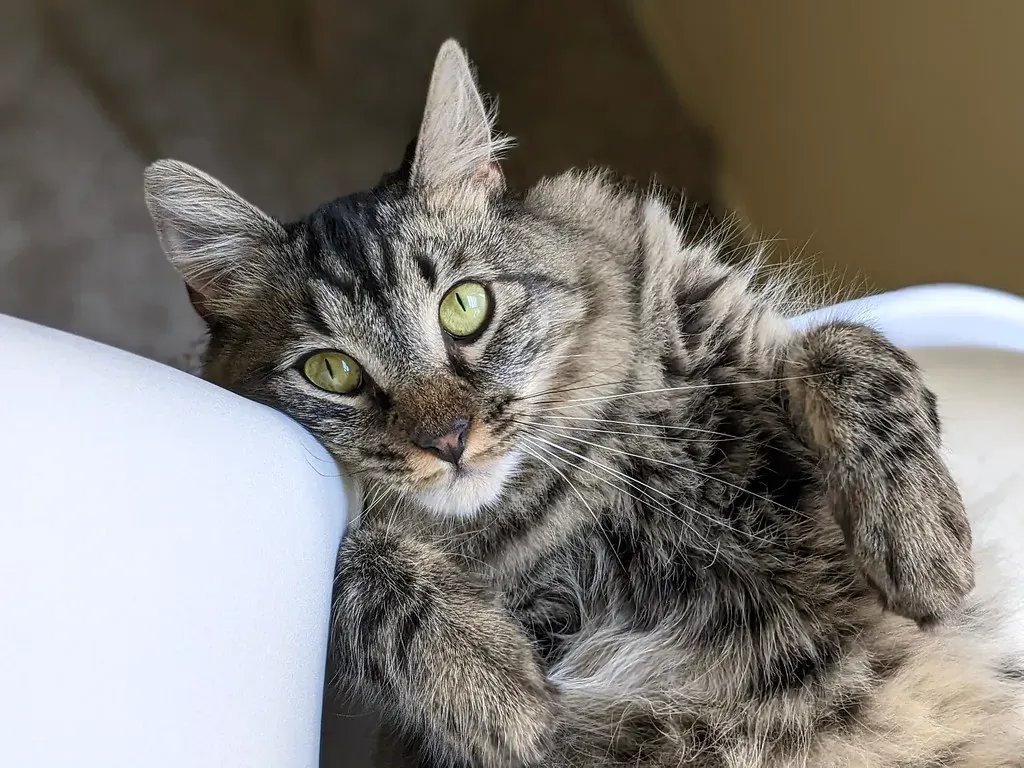
Your cat lacks an essential liver enzyme that helps break down compounds in certain foods, including essential oils. This biochemical difference makes cats incredibly vulnerable to substances that might be perfectly safe for you or your dog. The absence of glucuronyl transferase means it takes much longer for these substances to be eliminated from your cat’s system, allowing toxic elements to accumulate faster than they can be removed by the liver.
Cats are unable to metabolize many essential oils, which can lead to serious health problems. Even exposure to diluted amounts can quickly become toxic. A few licks during grooming or absorption through their skin is often enough to trigger concerning reactions. You might think you’re helping by applying something natural, yet your cat could end up suffering from drooling, vomiting, or worse.
Cedarwood: One of the Safer Natural Options
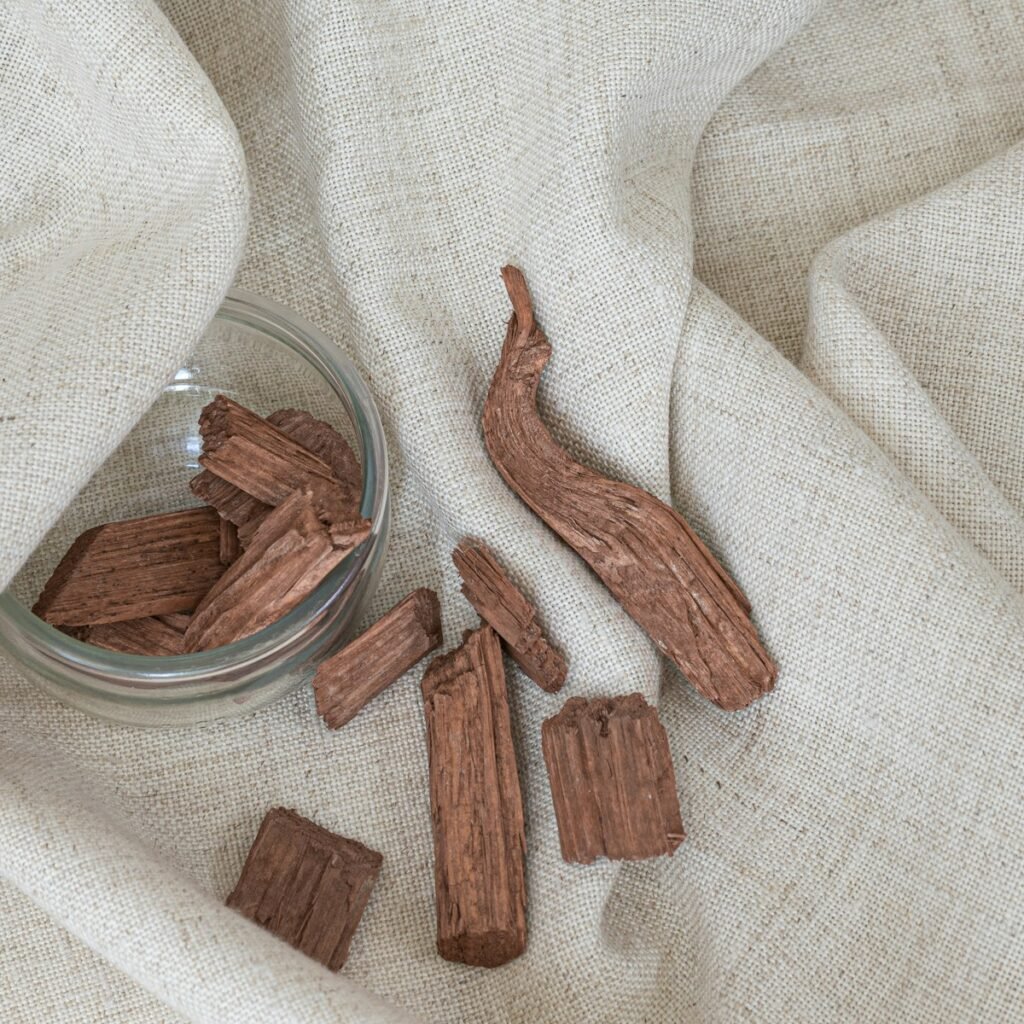
Cedarwood oil is the best essential oil that kills fleas on cats. This doesn’t mean you should drench your cat in it though. Cedarwood oil is known as one of the safest essential oils for cats. The key lies in how you use it and in what concentration.
Cedar chips have a strong scent which fleas dislike, and they are also non-toxic and safe for cats. Instead of applying oils directly, you can place cedar chips around your cat’s bedding or sleeping areas. Cedar chips contain cedarwood oil, a well-known insect repellent used as an active ingredient in natural insecticides that repel and kill fleas. This approach gives you the benefits without the direct exposure risks. The scent permeates the area naturally, creating an environment fleas want to avoid.
Rosemary: A Gentler Herbal Approach
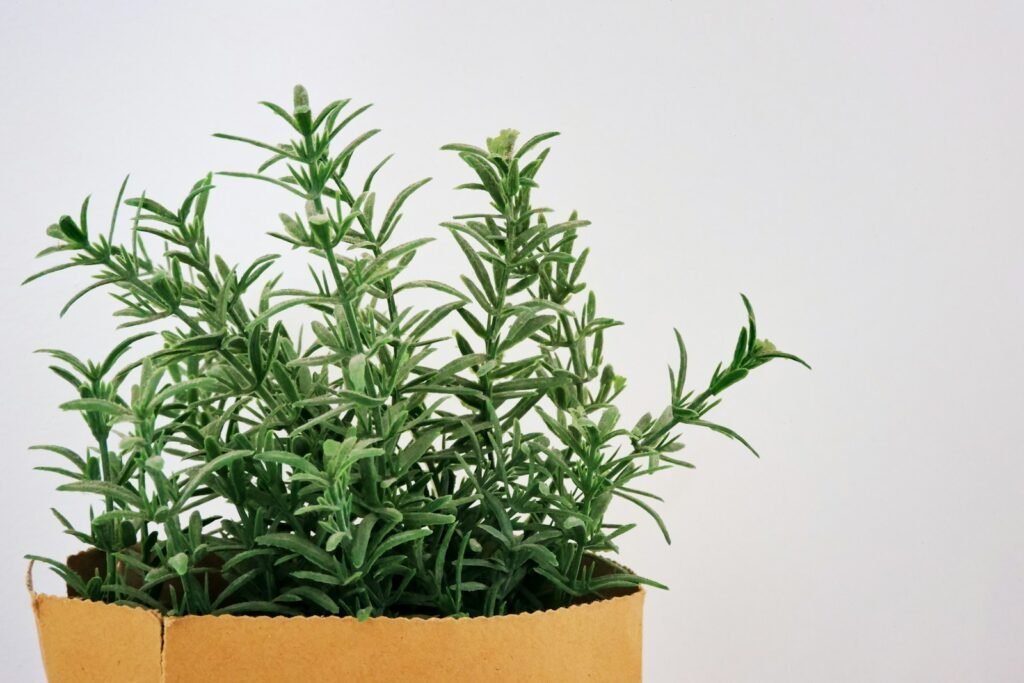
Rosemary is a natural flea repellent with anti-inflammatory properties that can soothe irritated skin. Here’s the thing, with rosemary you have options beyond concentrated oils. You can boil rosemary leaves in water, let them cool, and use them as a final rinse after bathing your cat, or grind dried rosemary into a powder and lightly sprinkle it on your cat’s bed.
This method is actually safer than using essential oil directly. The plant material itself contains enough natural compounds to be effective without reaching dangerous concentration levels. Rosemary oil contains compounds like cineole, camphor, and alpha-pinene which are unappealing to many types of insects, making it a gentle yet effective deterrent. Still, remember that ingesting rosemary oil can upset a cat’s stomach, so using the dried herb or water rinse makes more sense.
Lavender: Beautiful but Complicated
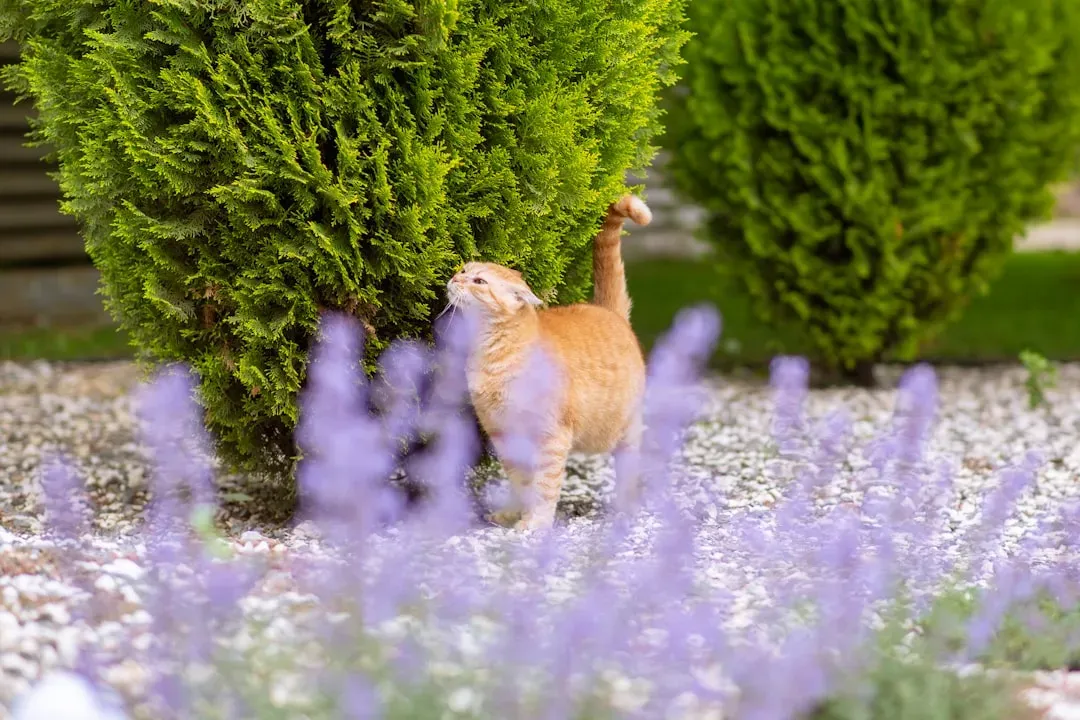
Fleas are known to dislike the smell of lavender, and lavender essential oil is often used as a natural repellent due to its strong fragrance. Sounds perfect, right? Unfortunately, the relationship between cats and lavender is complicated. Cats exhibit heightened sensitivity to essential oils like lavender due to their liver’s inability to effectively metabolize certain compounds, making it vital to exercise caution and consult a veterinarian before considering lavender oil for flea control.
Lavender oil is much more adept at repelling fleas than killing them, and it is also dangerous for your cat. The irony here is frustrating. While it might keep fleas at bay, the potential harm to your cat simply isn’t worth the risk in most cases. If you want to use lavender safely, keep it in areas your cat doesn’t access, like spraying diluted solutions on furniture they avoid, never directly on them.
Commercial Hydrosol Products: A Safer Alternative
Steam-distilled non-GMO hydrosol water of lavender and rosemary expertly deters pesky bugs without harmful toxins and preservatives. Hydrosols are different from essential oils, they’re the water byproduct of the distillation process. They contain trace amounts of the plant compounds but in much gentler concentrations.
Rosemary and lavender effectively repel ticks and fleas, safeguarding your cat from these pests. Products specifically formulated for cats using hydrosols offer you a middle ground. They provide some of the repellent benefits without the concentrated toxicity risks of pure essential oils. You’ll want to reapply every four to six hours for continued effectiveness, which honestly isn’t too different from many conventional products.
What About Peppermint and Eucalyptus?
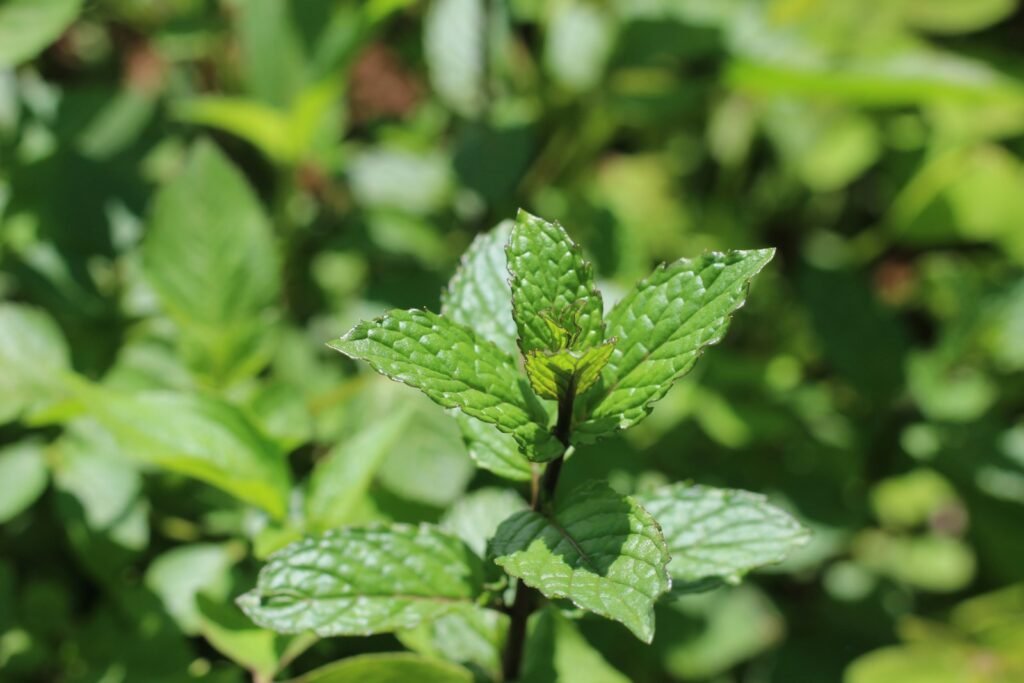
Peppermint oil serves a crucial role in pet-friendly flea prevention plans, as its powerful aroma acts as a highly effective flea repellent. However, notice that description says “pet-friendly,” not specifically cat-safe. The critical difference matters enormously. It is crucial to avoid oils known to be toxic to cats, such as citrus oils, cinnamon, pennyroyal, peppermint, tea tree, and ylang ylang.
Eucalyptus falls into a similar category. While it works wonderfully for dogs, your cat’s unique metabolism simply can’t handle it safely. The compounds that make these oils effective flea repellents are the same ones that can cause toxicity in felines. It’s hard to say for sure why some sources recommend these while veterinary professionals warn against them, yet the safer approach is always to err on the side of caution when your cat’s health is at stake.
Environmental Control Without Direct Application
You don’t always need to apply anything directly to your cat to combat fleas effectively. Essential oil scents can be diluted in water and sprayed on pet bedding or used as a component in homemade flea-repellent solutions. This strategy lets you harness the repellent properties while keeping concentrated substances away from your cat’s skin and grooming habits.
Keeping a clean and well-maintained living environment for your pets, including regular vacuuming and washing of bedding, can help deter fleas. Think about it like creating multiple layers of defense. You might use cedar chips near sleeping areas, wash bedding with rosemary water, and vacuum regularly. Each layer adds protection without exposing your cat to potentially harmful substances. Honestly, consistent cleaning often makes more difference than any single product.
The Dangers You Need to Know About
Ninety-two percent of animals showed presence of one or more adverse effects from plant-derived flea preventatives, with the frequency of adverse effects in cats at ninety-two percent. That statistic should give you pause. Natural doesn’t automatically equal safe. Agitation and hypersalivation were common in cats experiencing adverse reactions.
It doesn’t take much exposure for your cat to develop concerning health effects, with a few licks of oil or even a dollop absorbed through the skin being enough to cause issues. The symptoms can escalate quickly. You might notice your cat drooling excessively, showing weakness, or vomiting. Your veterinarian will likely run blood tests to determine whether your cat’s kidneys or liver have been affected, and your cat may require IV fluids. The treatment is intensive and the risks are real.
What Actually Doesn’t Work

Let’s clear up some common misconceptions. Apple cider vinegar is an ineffective flea killer, and coconut oil is not an effective flea treatment. You’ll find countless blogs and social media posts swearing by these remedies, yet the evidence just doesn’t support their effectiveness as flea solutions.
While essential oils may repel fleas, limited scientific evidence supports their ability to eliminate them, especially for heavy infestations. This distinction matters. Repelling and eliminating are two different things. If you’re dealing with a full-blown infestation, natural scents alone probably won’t cut it. Veterinary-recommended flea medications are often the most reliable way to get rid of fleas, often providing tick prevention as well. Sometimes you need the stronger stuff, and that’s okay.
Creating a Safe Flea-Prevention Strategy
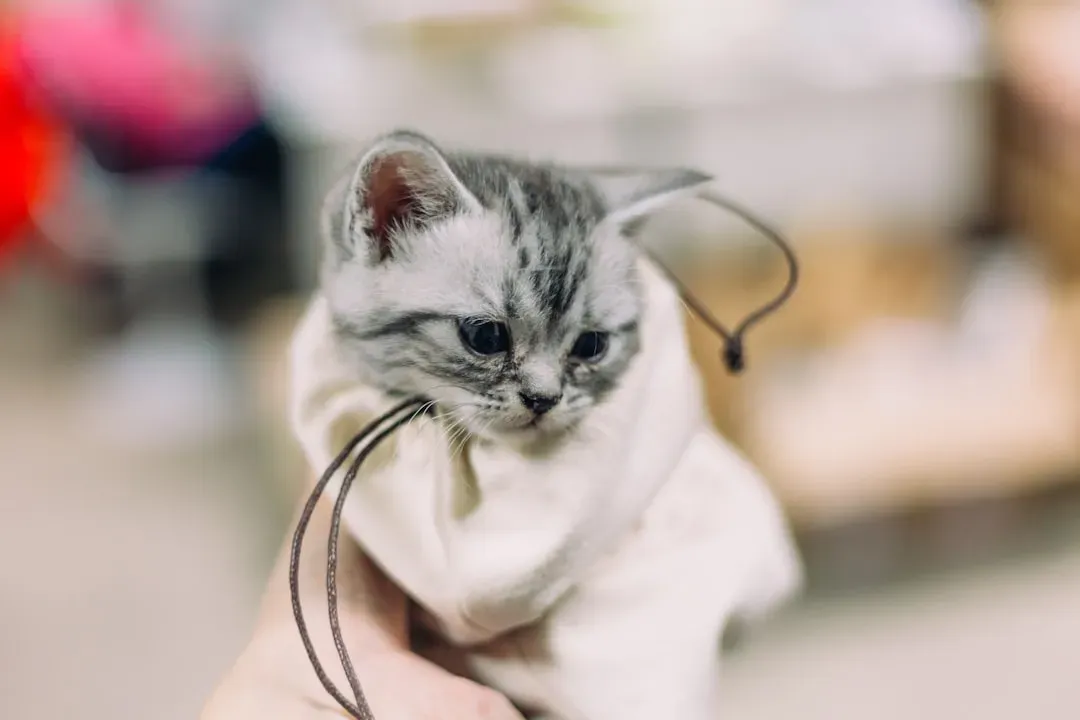
Essential oils used for flea and tick prevention on cats is risky and should never be used unless recommended by your veterinarian. Start with a conversation with your vet before implementing any natural flea control methods. They know your cat’s specific health situation and can guide you toward the safest options. What works for one cat might not work for another.
For cats, start with a tablespoon of carrier oil and add three drops of essential oil like cedarwood or rosemary, then rub your hands together until no longer overly shiny before gently applying to areas your cat cannot easily lick, such as the back of the neck or base of the tail. If your vet approves limited essential oil use, proper dilution and application technique become absolutely critical. Never apply concentrated oils. Never use more than recommended. Never assume because it’s natural that more is better.
Your cat depends on you to make informed decisions about their health. Natural scents can play a role in flea prevention, yet they’re most effective as part of a comprehensive approach. Combine environmental controls, regular grooming, careful use of vet-approved products, and vigilant monitoring. What do you think about these natural approaches? Have you found strategies that work safely for your feline friend?