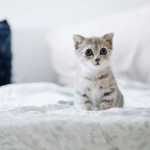
When Electra met a senior shelter cat named Gany, she was warned he was difficult, distant, and disliked by nearly everyone who encountered him. Staff described the 15-year-old feline as unfriendly and noted he had already spent several months waiting for adoption. But Electra saw something others didn’t—and her decision to bring him home would uncover a very different story.
A Shelter Cat With a Troubled Reputation
Gany had been surrendered to a shelter after his previous owners reported persistent litter box issues. The behavioral concern made him difficult to place, and he remained overlooked for nearly four months. Staff initially believed the problem stemmed from temperament rather than health, which contributed to his negative reputation among potential adopters.
However, medical evaluation revealed the real cause: a urinary tract infection. Once treated, Gany’s litter habits returned to normal, highlighting how untreated health issues can often mimic behavioral problems in pets. Despite improvement, his reserved personality continued to discourage most visitors.
An Unexpected Connection During Adoption
Electra noticed Gany during a shelter visit and immediately felt drawn to him because he resembled her childhood cat. During their introduction, shelter staff were surprised by Gany’s unusually calm and affectionate response toward her, something they had rarely witnessed before.
Encouraged by the unexpected bond, Electra moved forward with adoption. The decision quickly proved life-changing. Once settled into his new home, Gany displayed a gentle and affectionate temperament, contradicting his earlier reputation as a cat that disliked people.
Adjusting to Life With Special Needs
Gany faces several age-related challenges. He is nearly blind and occasionally bumps into objects, particularly if furniture is rearranged. Electra maintains a consistent home layout to help him navigate safely, a common strategy recommended for visually impaired pets.
He also displays quirks that suggest past stress, including initial fear of loud cooking noises. Over time, consistent exposure and a calm environment helped him overcome those anxieties. Gany now enjoys supervised outdoor walks in the backyard, showing strong adaptability despite physical limitations.
A Companion Providing Emotional Support
Beyond physical care, Gany has formed a deep emotional connection with Electra. She notes he responds strongly to her voice and seeks frequent affection. Their bond has grown particularly meaningful as Electra manages her own serious health diagnosis.
Daily routines, including cuddling and gentle interaction, have strengthened their relationship. Experts often emphasize that senior pets can form strong attachments and provide emotional comfort, especially when given patience and understanding.
This journey fuels hope for countless shelter cats waiting in the shadows. Patience and the right home can turn silence into song, boosting adoptions across facilities. What overlooked pet would you give a chance?
Source: Original YouTube Video