Your cat is acting weird lately. Maybe she’s grooming more than usual, or she just seems a bit off. You check her fur but don’t see anything obvious. Here’s the thing: cats rarely show signs that they are carrying ticks unless it is in a painful place such as between the toes, which makes detection incredibly tricky. Ticks are sneaky little parasites that burrow deep into fur, hiding in places you’d never think to look closely.
Ticks will be quite small in their first couple of stages, making them nearly invisible to the naked eye, especially if your cat has thick or dark fur. Sometimes the signs aren’t about what you see on the surface at all. Instead, your cat’s behavior and overall health might be screaming that something’s wrong. Think of it like a warning signal from inside out.
Let’s dive into the subtle clues that your feline friend might be dealing with a tick problem you haven’t spotted yet.
Unusual Grooming Behavior That Goes Beyond Normal

A really itchy cat who’s over-grooming, has hair loss near their tail and on their belly, and they’ll just seem extremely uncomfortable and be constantly grooming is often dealing with more than just cleanliness. You might notice your cat licking the same spot repeatedly, almost obsessively. Ticks, mites, and ringworm can also prompt scratching, licking, or chewing, which creates a cycle of irritation that’s hard to break.
Cats spend 30-50% of their time awake grooming under normal circumstances. However, when that grooming crosses into obsessive territory with bald patches appearing, you should be concerned. Cats may overgroom because their skin is irritated. This can be caused by an infection, an allergy to certain foods, parasites, or substances in the environment. What’s tricky is that your cat might be a closet groomer, hiding this behavior when you’re around but going wild when you’re not watching.
Your Cat Seems Lethargic and Less Interested in Food
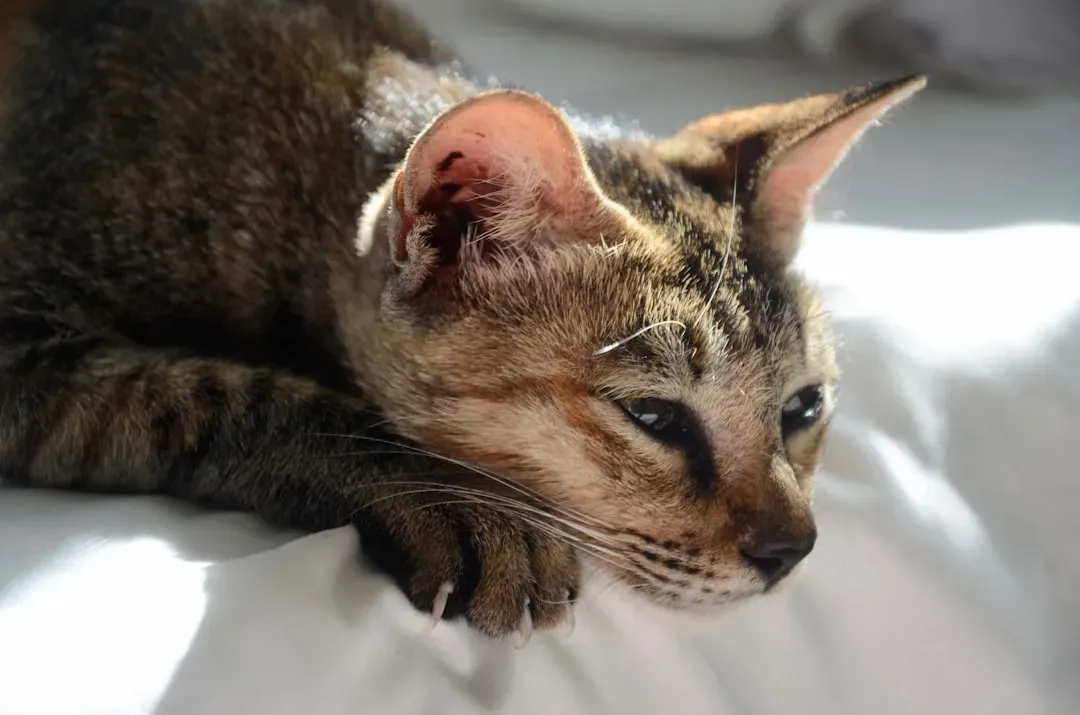
Stiff and swollen joints, lethargy, diminished appetite, and fever are among the salient clinical signs that point toward tick-borne illness. If your usually energetic kitty suddenly becomes a couch potato who turns her nose up at dinner, something’s definitely not right. The most common clinical signs reported with acute infection in cats are lethargy, fever, and anorexia.
This isn’t just your cat being moody or having an off day. Some of these diseases take days or even weeks to show symptoms, meaning the tick might be long gone by the time your cat starts feeling terrible. The lag between exposure and symptoms is what makes this so deceptive. You’re left wondering what on earth could be wrong because you never saw a tick in the first place.
Fever That Comes Out of Nowhere

Tick-borne disorders can affect cats and may cause fever, anemia, lethargy, and inappetance or weight loss. If any of these clinical signs are observed, they should be brought to the attention of a veterinarian without delay. Fever is your cat’s body trying to fight off an infection introduced by tick saliva during feeding.
Cats become febrile approximately 11–14 days after being bitten. Fever can peak around 40.6–41.1 °C (105.0–106.0 °F). That’s dangerously high. You might notice your cat feels warm to the touch, seeks out cool spots in the house, or acts unusually withdrawn. Some cats even become hypothermic later in the illness as their condition worsens, making temperature fluctuations a serious red flag worth monitoring.
Pale or Yellowish Gums You Wouldn’t Normally Notice
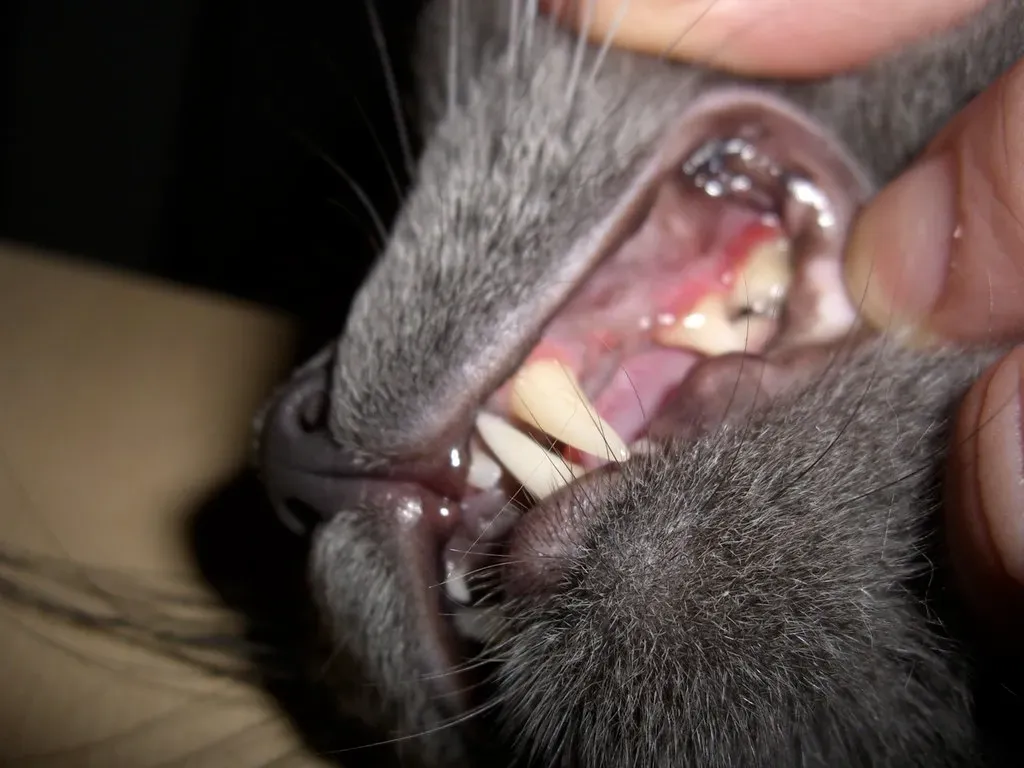
Hemobartonellosis is caused by a bacterial parasite that invades a cat’s red blood cells and fosters development of severe, life-threatening anemia, signs of which are pale gums, lethargy, inappetance and rapid or open mouth breathing. When you lift your cat’s lip and check the gums, they should be a healthy pink color. If they look whitish, grayish, or even yellowish, alarm bells should go off.
Initial signs include lack of energy, lack of appetite, difficulty breathing, and pale gums, and these symptoms develop gradually. We can see pretty significant anemia with a bad enough flea or tick infestation. Honestly, most cat owners don’t think to check their cat’s gums regularly, which is why this sign often goes unnoticed until things get serious. Jaundice, where the gums and whites of the eyes turn yellow, is another terrifying sign that the liver is struggling.
Unexplained Skin Bumps or Scabs Hiding Under the Fur

Ticks can attach to your cat’s skin causing a raised bump or cause localized swelling. The bump is the cat’s response to fight off the tick. Even after the tick drops off, you might feel small crusty spots or scabs when you pet your cat. Tick bites create an inflamed sore, often with a small amount of crusty, scabby debris around it.
Some cats will develop crusting or scabbing, and honestly, even open ulcers that are really painful to them. These aren’t always obvious, especially in long-haired breeds where the fur masks everything. You need to actually run your fingers through your cat’s coat methodically, feeling for anything that doesn’t belong. Think of it as a treasure hunt, except you’re hoping not to find anything. Pay extra attention to warm, hidden areas like armpits, between toes, under the collar, and inside the ears where ticks love to feast undisturbed.
Sudden Lameness or Joint Pain That Appears Random

Sudden lameness (especially shifting from one leg to another) is a classic symptom of tick-borne disease. Your cat might start limping without any obvious injury or trauma. One day it’s the left front leg, the next day it’s the right hind leg. This shifting lameness is bizarre and confusing if you don’t know what’s causing it.
Stiff and swollen joints, lethargy, diminished appetite, and fever may indicate that a cat has been bitten by a tick and is in the throes of a serious illness. Joint pain from infections like Lyme disease makes movement uncomfortable, so your cat might avoid jumping onto her favorite perch or resist being picked up. It’s heartbreaking to watch an otherwise active cat become hesitant and careful with every step she takes.
Breathing Difficulties That Seem to Worsen Gradually

Severe anemia causes rapid or open mouth breathing. Cytauxzoonosis causes severe anemia, fever, lethargy, and breathing difficulties and is usually fatal. Respiratory distress isn’t something to ignore. Difficulty breathing and pale gums together paint a grim picture of a cat in serious trouble.
Signs develop rapidly and include lethargy, loss of appetite, high fever, and breathing difficulty. Cats are masters at hiding illness until they absolutely can’t anymore, so by the time you notice labored breathing or panting, the situation is often critical. Some tick-borne diseases attack the respiratory system directly, while others cause such severe anemia that your cat’s body struggles to get enough oxygen. Either way, it’s an emergency.
Swollen Lymph Nodes You Might Miss Completely

Tularemia results in fever, lymph node enlargement and abscess formation. Lymph nodes are your cat’s immune system checkpoints, and when they swell, it means the body is fighting something serious. The lymph nodes, spleen, and liver may be enlarged in cats suffering from tick-borne infections.
You can sometimes feel swollen lymph nodes under your cat’s jaw, behind the knees, or in the armpit area. They feel like little firm lumps that weren’t there before. Most pet owners have never thought to check for this, which is exactly why it goes undetected. Clinical signs usually develop about 10 days after infection and include lethargy, decreased appetite, difficulty breathing, enlarged lymph nodes, and fever. The problem is that by the time lymph nodes are noticeably swollen, the infection has already taken hold.
Behavioral Changes That Don’t Quite Add Up

Watch your pet closely for changes in behavior or appetite if you suspect that it has been bitten by a tick. Signs may not appear for 7-21 days or longer after a tick bite. Your friendly, social cat might suddenly become reclusive and hide under the bed all day. Or maybe your calm kitty is now irritable and doesn’t want to be touched.
The relentless itching can significantly impact your pet’s mental health and quality of life, leading to stress, anxiety, and even behavioral changes. Pain and discomfort change personalities. Cats experiencing tick-borne illness might vocalize more, seem confused, or show signs of disorientation. Some diseases even affect the nervous system, causing seizures or uncoordinated movement. These neurological symptoms are terrifying and often appear completely out of left field.
Weight Loss Despite No Change in Diet
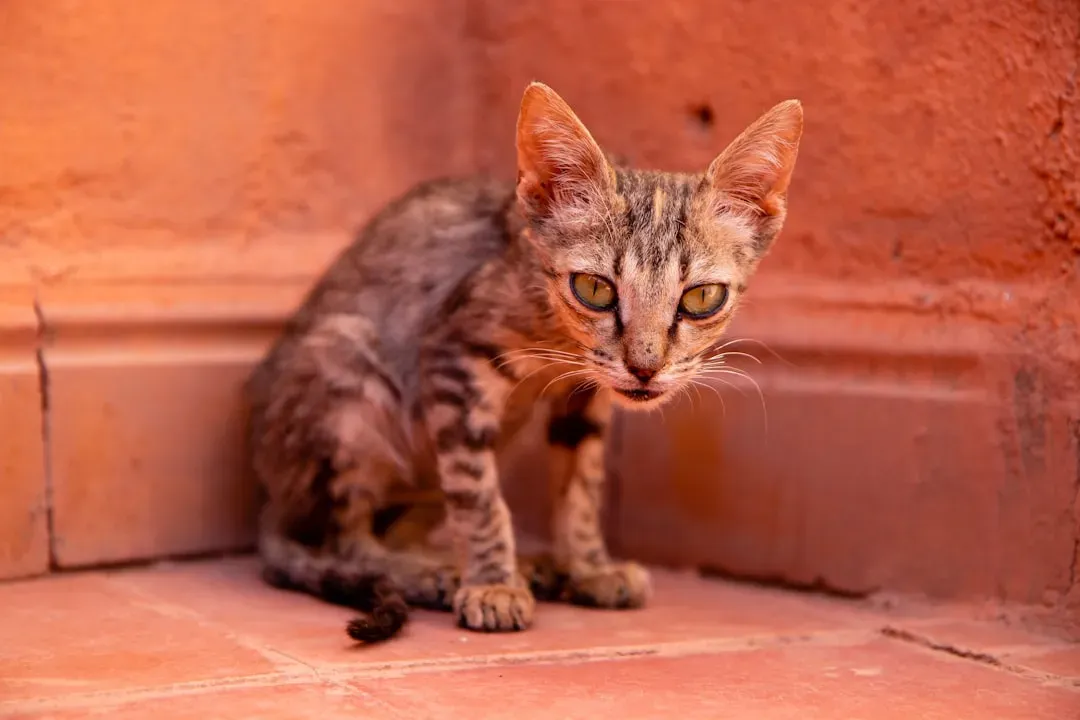
Tick-borne disorders can affect cats and may cause fever, anemia, lethargy, and inappetance or weight loss. When your cat stops eating properly or her body is fighting a serious infection, the pounds start dropping. You might notice her ribs becoming more prominent or her spine looking more defined when you pet her back.
Symptoms can include fever, weight loss, respiratory distress among other concerning signs. Weight loss is insidious because it happens gradually. You see your cat every day, so the change is subtle until one day you pick her up and realize she feels like skin and bones. Chronic infections drain the body’s resources, making it impossible to maintain a healthy weight even if your cat is still nibbling at food.
Multiple Ticks on a Cat Who Never Grooms
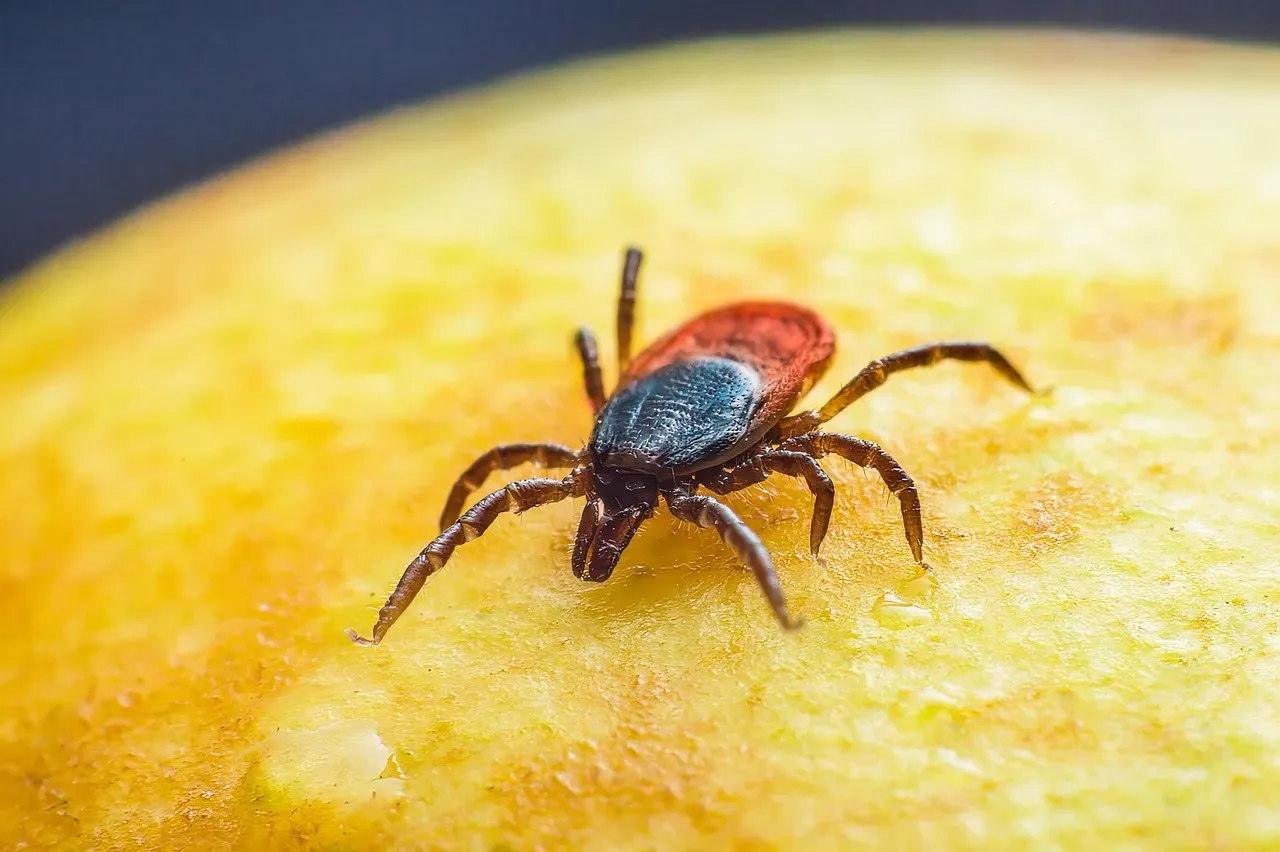
Because cats are fastidious groomers, it is rare to see more than one or two ticks on a cat. If you observe numerous ticks, this could be a sign of illness in your cat (since cats that are ill usually do not groom themselves). This is actually a backwards indicator: if you’re finding multiple ticks, it might mean your cat is already too sick to groom them away.
Healthy cats are cleaning machines who would normally remove ticks through their rigorous grooming routine. When that stops, parasites have free rein to attach and multiply. Ticks are efficient carriers of disease because they attach firmly when sucking blood, feed slowly, and may go unnoticed for a considerable time while feeding. Ticks take several days to complete feeding. So finding even one engorged tick means it’s been there feeding undisturbed for days, potentially transmitting all sorts of nasty pathogens into your cat’s bloodstream.
Conclusion: Trust Your Instincts and Act Quickly

Ticks are masters of stealth, and tick-borne diseases in cats are equally sneaky. You don’t always need to see a tick to know your cat has a problem. Sometimes the signs are behavioral, sometimes physical, and often a combination that just feels wrong. Cats may not show changes in behavior or start scratching at a tick bite to alert you that they’ve been bitten. Additionally, if your cat gets a disease from a tick, they may not start showing symptoms right away.
The key is paying attention to the subtle changes that other people might brush off as nothing. Lethargy, fever, pale gums, unexplained weight loss, respiratory issues, or strange behavioral shifts shouldn’t be ignored. The vast majority of ticks don’t carry diseases and only rarely are cats affected by tick-borne illnesses, but when they are, early intervention makes all the difference between recovery and tragedy.
Check your cat regularly by running your hands over her entire body, feeling for bumps or abnormalities. Keep her on veterinarian-approved tick prevention, especially if she goes outdoors. If something seems off, don’t wait. Get to the vet and voice your concerns. Better to be overly cautious than to let a preventable illness spiral out of control. What changes have you noticed in your cat lately? Trust that gut feeling, because sometimes it’s all you have to go on.