If you’ve spent any time around cat people and dog people, you’ve probably noticed something odd. Dog lovers will wax poetic about loyalty and companionship, while cat people often feel the need to defend their feline friends against a tired old accusation: that cats are aloof, uncaring, and basically just using us for food and shelter. It’s a stereotype that’s been around forever, showing up in cartoons, memes, and casual conversation.
Here’s the thing. Recent research has been systematically dismantling this myth, piece by piece. Scientists who study feline behavior have been quietly proving what cat lovers have known all along: cats are far more social, affectionate, and bonded to their humans than popular culture gives them credit for. So let’s dive in and explore three major myths that need to be retired for good.
Myth One: Your Cat Doesn’t Actually Love You
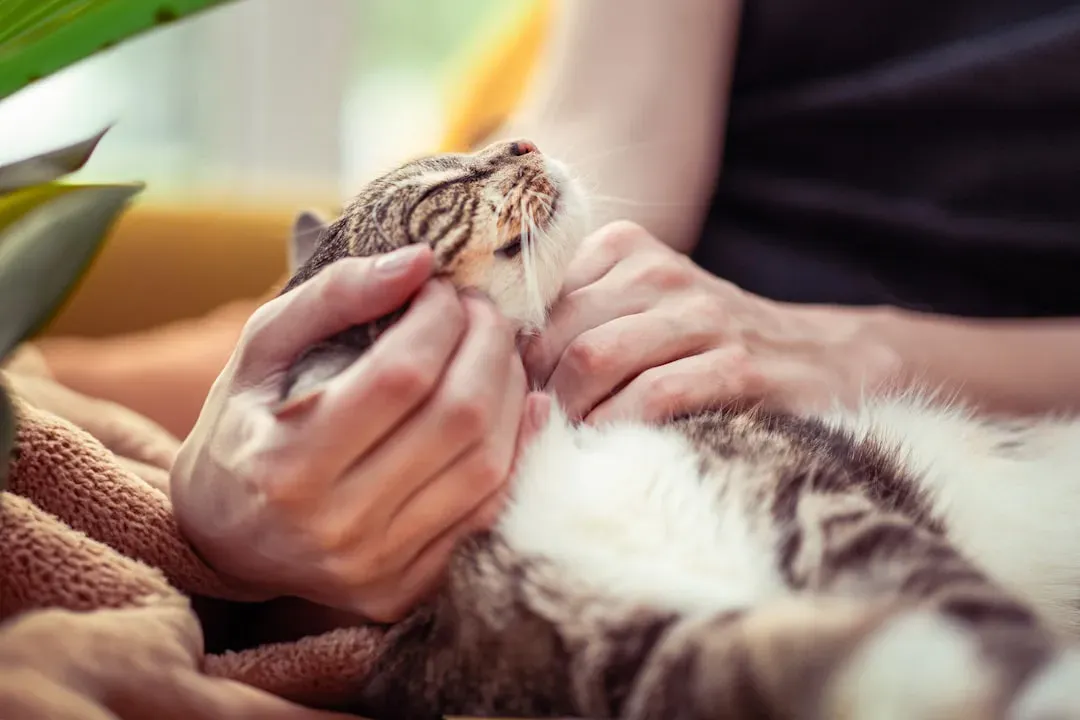
When participants were asked whether cats are naturally aloof and independent, many showed moderate agreement, revealing just how deeply this belief runs. The reality? Studies show that roughly two thirds of cats form secure attachments to their owners, meaning they depend on you for comfort and security in much the same way dogs and even human infants bond with their caregivers.
Researchers at Oregon State University tested this using something called the secure base test. When separated from their owners in an unfamiliar room, young cats became distressed, and when their person returned, most sought them out for reassurance before exploring. This mirrors exactly how securely attached dogs and children behave. Your cat isn’t just tolerating you until the next meal arrives.
Myth Two: Cats Are Solitary Creatures Who Don’t Need Companionship
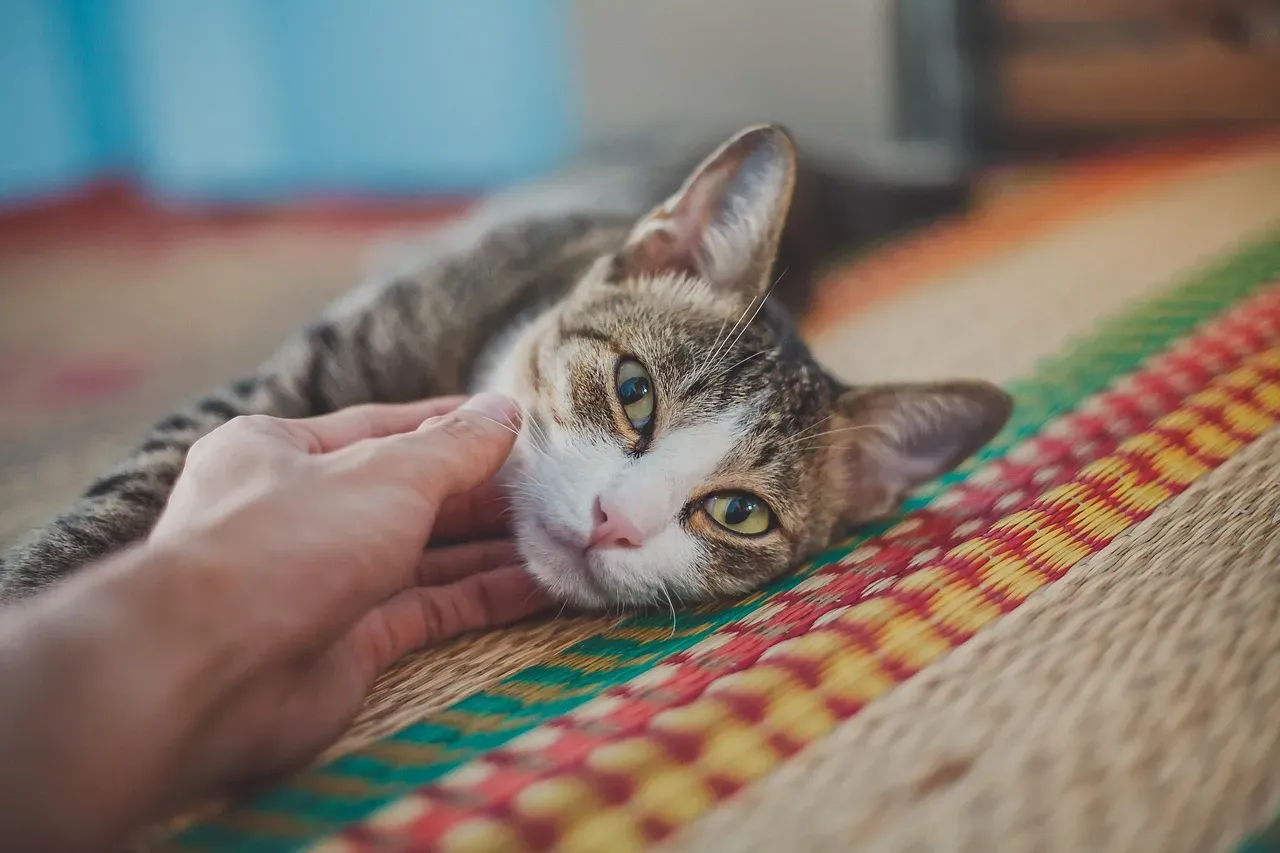
Let’s be real: this misconception can actually harm cats. Viewing cats as asocial can lead caretakers to provide less affection, exercise, grooming, toys, and even veterinary care. That’s a serious problem when the science tells us something completely different.
Cats have a whole host of social signals they use with each other and with humans, though it’s all just a bit more subtle than with dogs. The fact that their communication is less obvious doesn’t mean it’s nonexistent. Research suggests cats are social generalists, capable of forming cross-species attachments, adapting remarkably well to living with humans. They’re not little hermits who merely tolerate our presence. They’re complex social beings whose language we’ve simply failed to learn.
Myth Three: When Your Cat Ignores You, They’re Being Cold
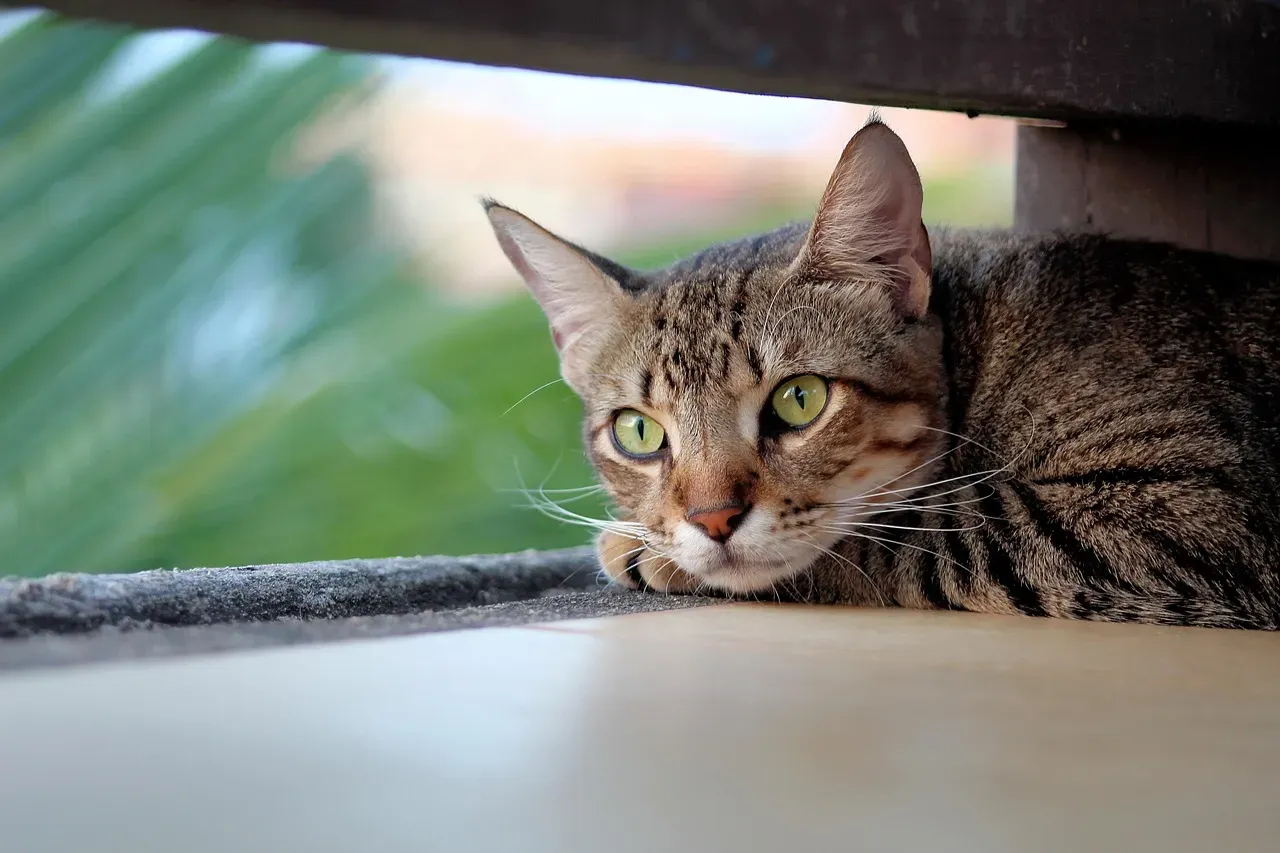
You call your cat’s name and they barely flick an ear in your direction. Must mean they don’t care, right? Wrong. Cats are hardwired as predators with keen senses on high alert, and because they’re also prey animals, being aware of their environment is critical. What you interpret as aloofness is actually your cat being exquisitely tuned into everything around them.
Just because your cat may not jump to immediate attention when you call doesn’t mean they’re aloof – they’re focused. Think about it this way: they might be tracking a sound you can’t even hear, or monitoring movement through a window. Cats have earned a reputation for being hard to read, but that’s not their fault – they just communicate differently than humans. Their body language involves subtle cues through posture, tails, ears, eyes, and whiskers.
The Real Problem: We’re Comparing Cats to Dogs
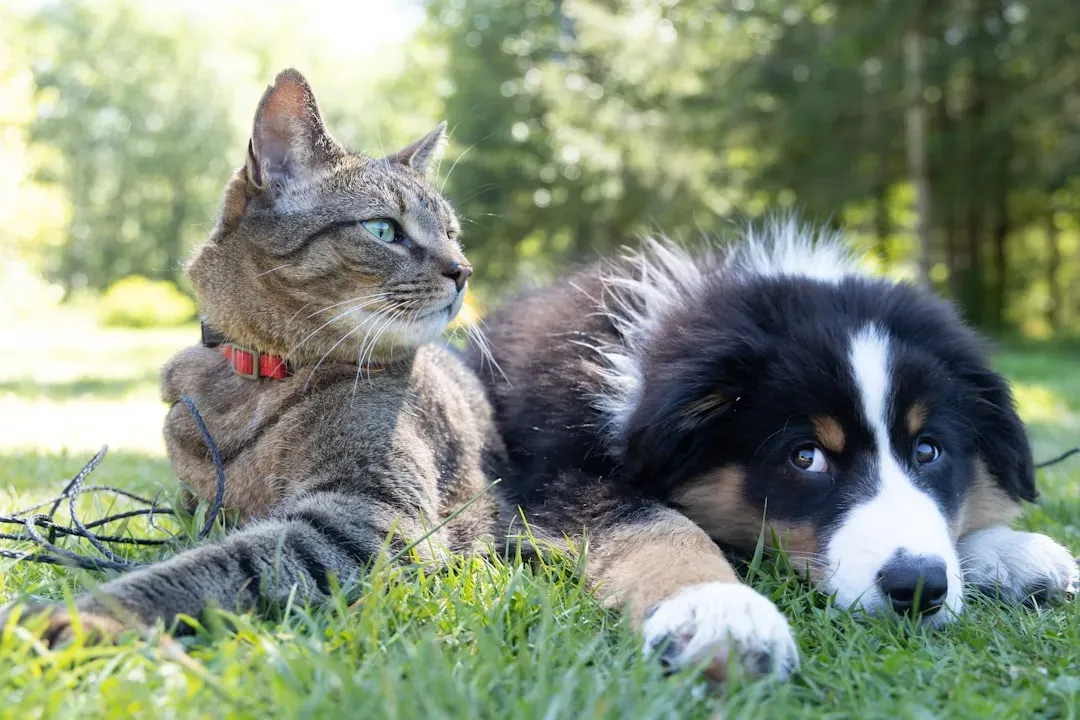
Cats are likely viewed as aloof because they’re often compared to dogs, which are undeniably more social. That comparison is fundamentally unfair. It’s like judging a fish by its ability to climb trees. Dogs evolved alongside humans for tens of thousands of years, specifically bred to work cooperatively with us and respond to our commands. Cats, meanwhile, essentially domesticated themselves when they realized hanging around human grain stores meant easy access to rodents.
Common misconceptions that cats need less social interaction can impact both the amount and quality of social interactions we offer cats, which in turn results in a more aloof kitty. In other words, if you treat your cat like they don’t need attention, they’ll respond accordingly. It becomes a self-fulfilling prophecy. Give your cat the social interaction they crave, and you’ll see a completely different animal emerge.
Understanding What Your Cat Is Actually Telling You
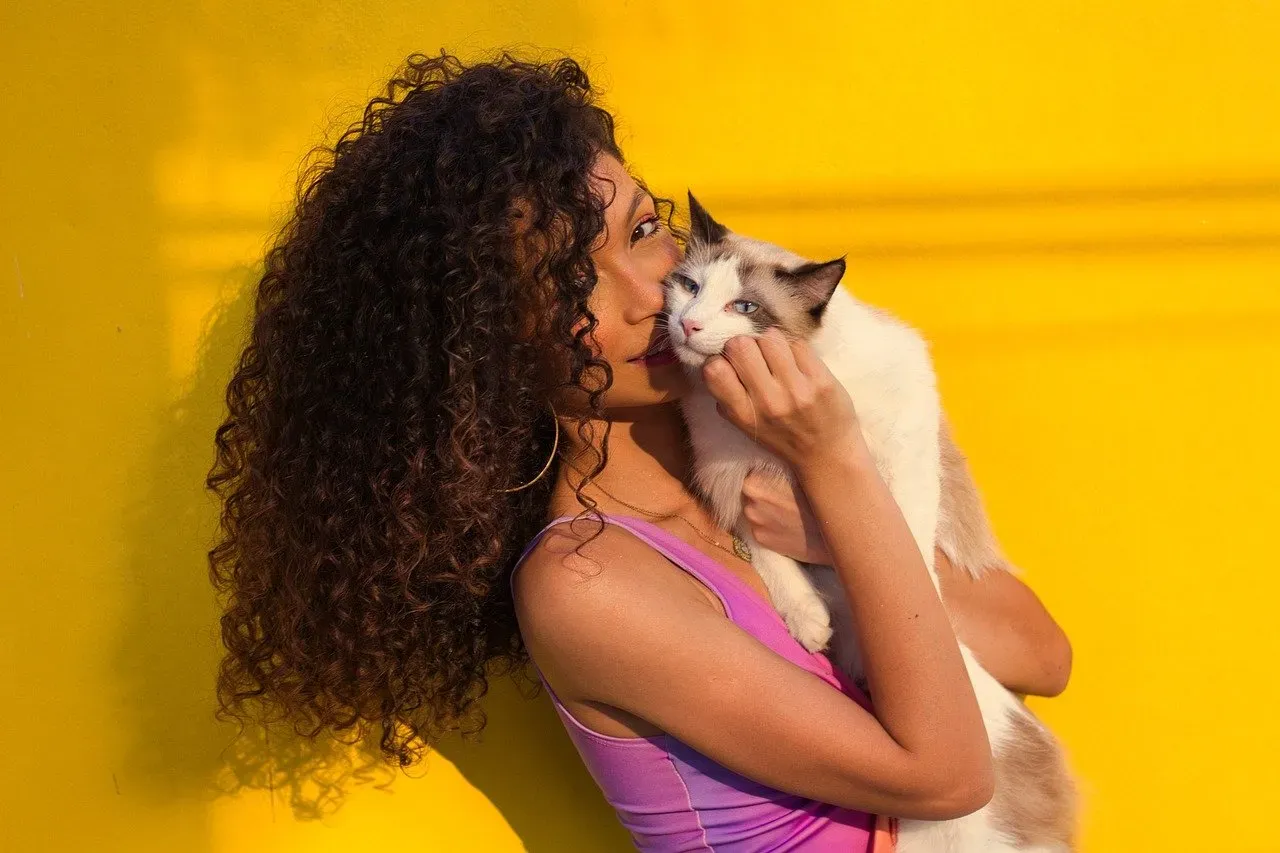
So how do you crack the code? Cats show their love in many ways, like purring, kneading, slow blinking, rubbing up against your legs, and following you from room to room. Not every cat is going to be a lap cat, and that’s perfectly fine. Some prefer sitting nearby rather than directly on you. That doesn’t make them any less affectionate.
Studies show that a significant proportion of cats exhibit low levels of aloofness alongside high scores for affiliative behaviors like licking their owner’s hands or face. Pay attention to the subtle ways your cat seeks you out. Do they wait by the door when you come home? Do they follow you to the bathroom? These are signs of secure attachment, not indifference. Once you learn to read their signals properly, you’ll realize your cat has been shouting their love from the rooftops all along.
Conclusion
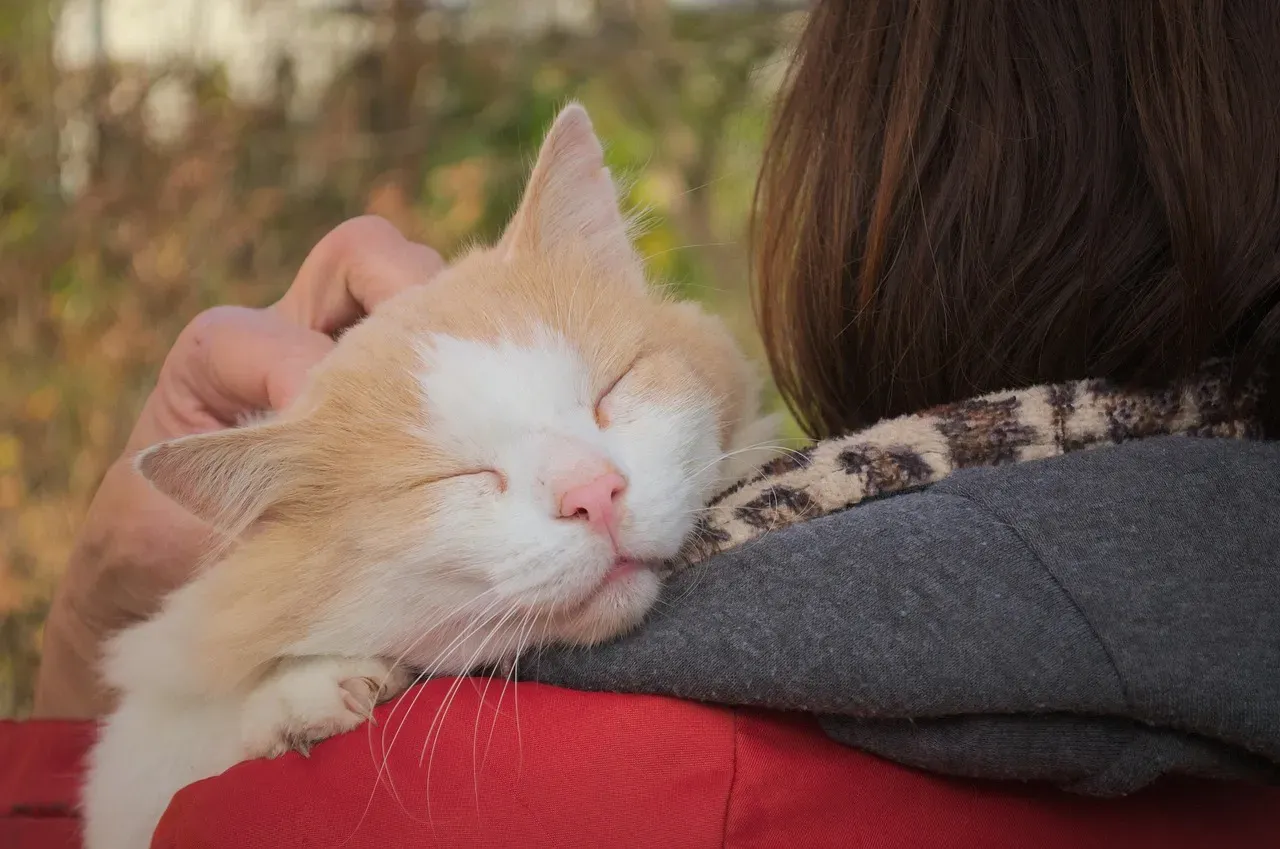
The stereotype of the cold, aloof cat has persisted far too long, despite mounting scientific evidence to the contrary. Beliefs and misperceptions about cats are still common, even as research continues to reveal the depth and complexity of feline social bonds. Your cat isn’t a distant roommate who occasionally deigns to grace you with their presence. They’re a companion who forms genuine attachments, communicates in their own subtle language, and depends on you for emotional security.
The next time someone tells you cats don’t really love their owners, you’ll know better. Science has your back. What do you think about these myths? Did any of them surprise you?