There is something quietly heartbreaking about watching a senior cat get passed over at a shelter, or seeing a devoted cat owner chalk up every strange behavior to “old age” without a second thought. Senior cats are among the most misunderstood animals in the pet world, surrounded by a fog of myths that can genuinely harm their quality of life.
Whether you already share your home with a silver-whiskered feline or you are thinking about adopting one, what you believe actually matters. A lot. Some of the most common myths out there lead people to miss real warning signs, underestimate a cat’s capacity for joy, and hold back on the care these incredible animals deserve. Let’s dive in.
Myth 1: Your Senior Cat Is “Just Getting Grumpy With Age”
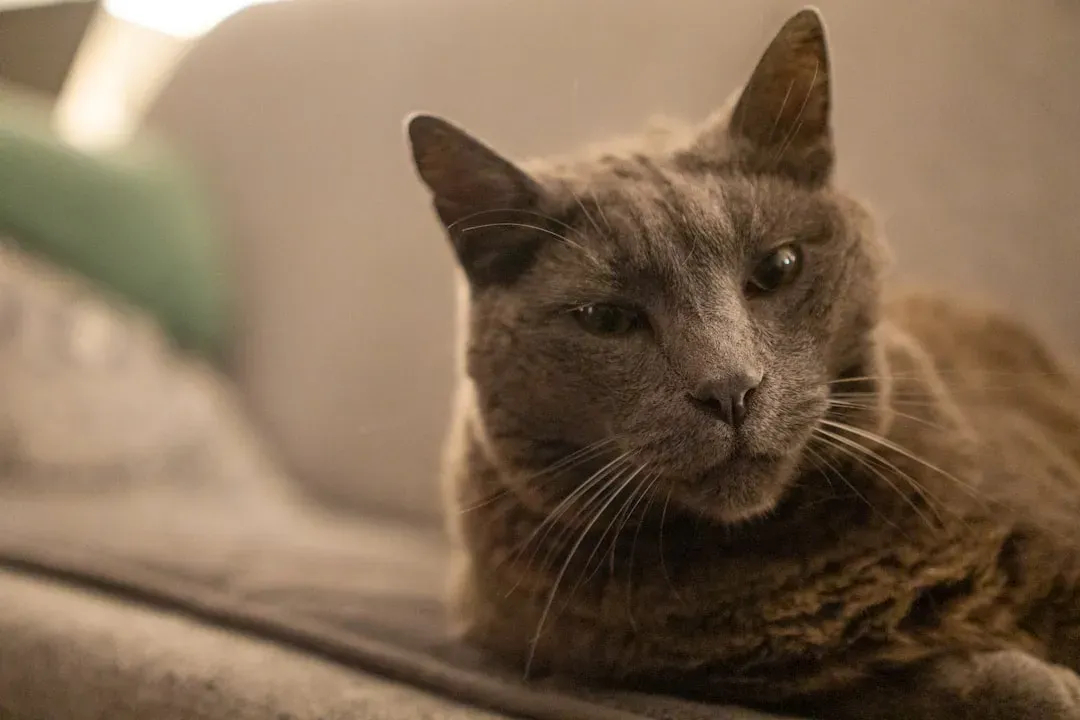
Here is the thing. You have probably heard someone say their older cat has “always been grumpy” as if crankiness were simply a personality upgrade that comes automatically with age. It is one of the most persistent myths out there, and honestly, it does a real disservice to aging cats everywhere. A common misconception is that older cats become grumpy as they age, which is simply not true. While some cats may experience mood changes, many senior cats actually mellow out over time, seeking more affection from their human companions.
If your senior cat seems angry or mean, it may be because of something in their environment, or pain and discomfort they are feeling from aging. If you notice a change in your cat’s temperament or affection, it is best to discuss it with a vet in case of an underlying health issue. Think about it this way: imagine you had a throbbing toothache and someone kept trying to pick you up. You would not exactly be thrilled either. Disease of virtually any organ system, or any condition that causes pain or impairs mobility, can contribute to changes in behavior. A fearful cat, for example, may not become aggressive until it is in pain from dental disease or is less mobile due to arthritis. So before you label your cat “the grumpy old man of the house,” please get them checked out first.
Myth 2: Behavioral Changes in Senior Cats Are Normal and Nothing to Worry About
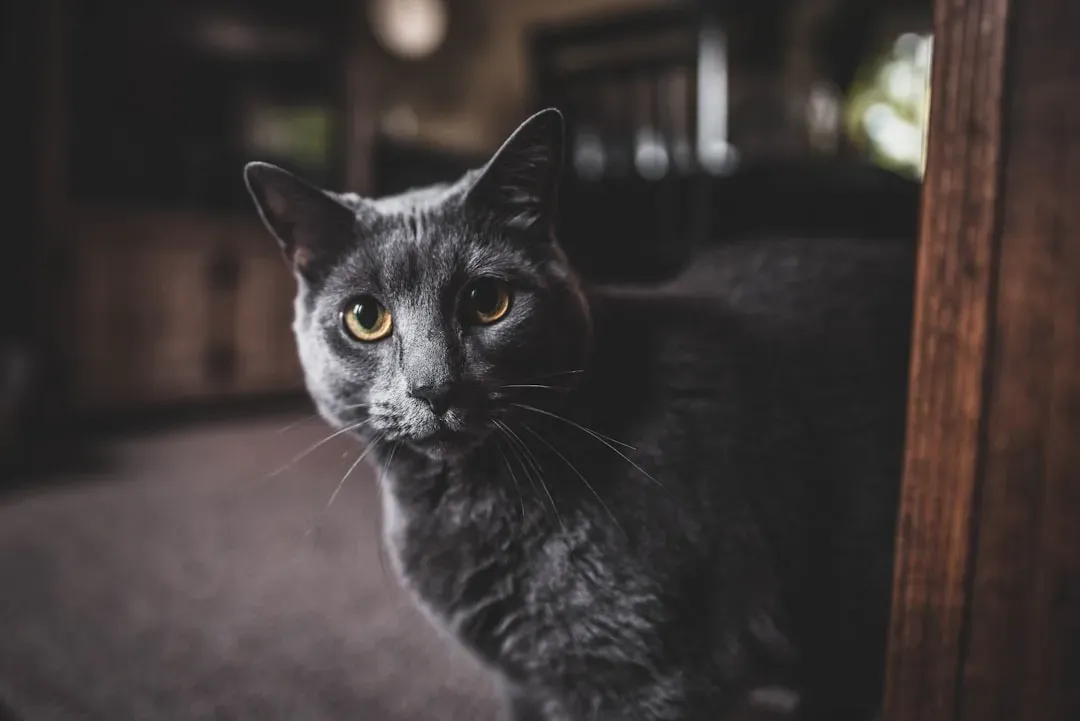
This is, honestly, one of the most dangerous myths on this list. It is tempting to see your cat sleeping more, acting confused, or forgetting where the litter box is and simply sigh, “Well, they are getting old.” Never assume that changes you see in your older cat are simply due to old age and are therefore untreatable. Owners of older cats often notice changes in their cat’s behavior but consider these changes an inevitable and untreatable result of aging. However, any alteration in your cat’s behavior or physical condition should alert you to contact your veterinarian.
As cats age, they often suffer a decline in functioning, including their cognitive functioning. It is estimated that cognitive decline, referred to as feline cognitive dysfunction or FCD, affects more than 55 percent of cats aged 11 to 15 years. That is more than half of cats in that age range. Memory, ability to learn, awareness, and sight and hearing perception can all deteriorate in cats affected with FCD. This deterioration can cause disturbances in sleeping patterns, disorientation, or reduced activity, and it can make cats forget previously learned habits they once knew well, such as the location of the litter box or their food bowls. The point is: you should never dismiss a behavior change as “just aging.” Many of the conditions behind these shifts are treatable when caught early.
Myth 3: Senior Cats Do Not Want to Play Anymore

Let’s be real. Many people assume that once a cat hits its senior years, it is basically content to sit on a warm cushion and stare out the window for the rest of its days. While there is nothing wrong with a cat who loves a good sunbeam, writing off play entirely is a mistake. While many cats do slow down with age, senior cats can be just as playful as kittens and younger cats. All healthy cats require regular playtime and exercise, and senior cats are no exception. They may not have the same energy levels or stamina as they once did, but playtime is still essential to the physical health and well-being of senior cats.
Older cats can still enjoy shorter, more gentle playtime sessions, so try to find new ways to keep them engaged and active. Think of it like an older person who used to run marathons. They might not be training for a race anymore, but they still enjoy a brisk walk and feel genuinely better for it. Cats are considered seniors once they are 11 years old, though some common senior cat behavior changes may start before then. While senior cats still need play and mental stimulation, their preferences for play may change. Swap out high-energy toys for puzzle feeders or gentle wand sessions. You might be surprised by how much enthusiasm is still in there.
Myth 4: Older Cats Cannot Adapt to New Environments or Learn New Things
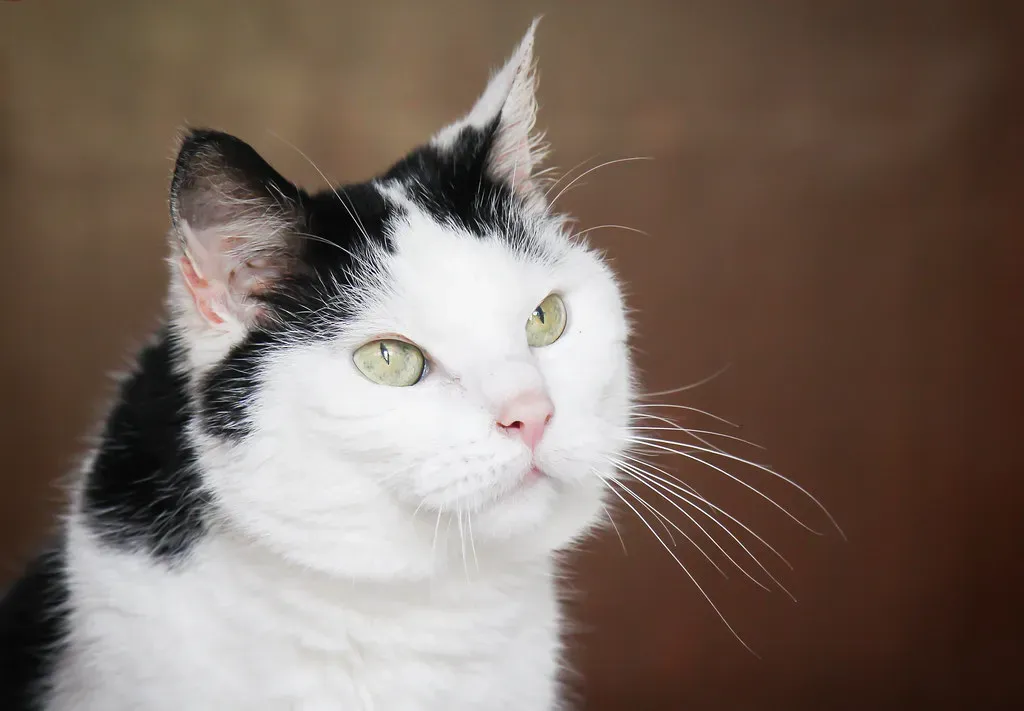
You have probably heard the old saying “you can’t teach an old dog new tricks.” Well, it turns out that when it comes to cats, that saying is just as inaccurate as it is for dogs. The old adage that “you can’t teach an old dog new tricks” is not true at all. More mature pets may even be more willing to learn new tricks, as they have more patience and focus. Senior cats are not stubborn walls of resistance. They are simply cats who appreciate a little more time and consideration. Pets can be trained at any age, and older pets also come with valuable problem-solving skills gained by experience.
When you first adopt an older cat, they may seem set in their ways. This does not mean that they cannot adapt and adjust. Any cat, regardless of age, will need time to adapt and become comfortable with their new environment. Give them the same grace you would give any living being thrown into an unfamiliar situation. The change from moving to a new and unknown place, especially if they have been at the shelter for a long time, can be scary. Given patience and time, senior cats will be able to settle in and become comfortable in their new homes. Patience is not just a virtue here; it is the actual strategy.
Myth 5: Slowing Down and Stiffness Are Just “Part of Getting Old”
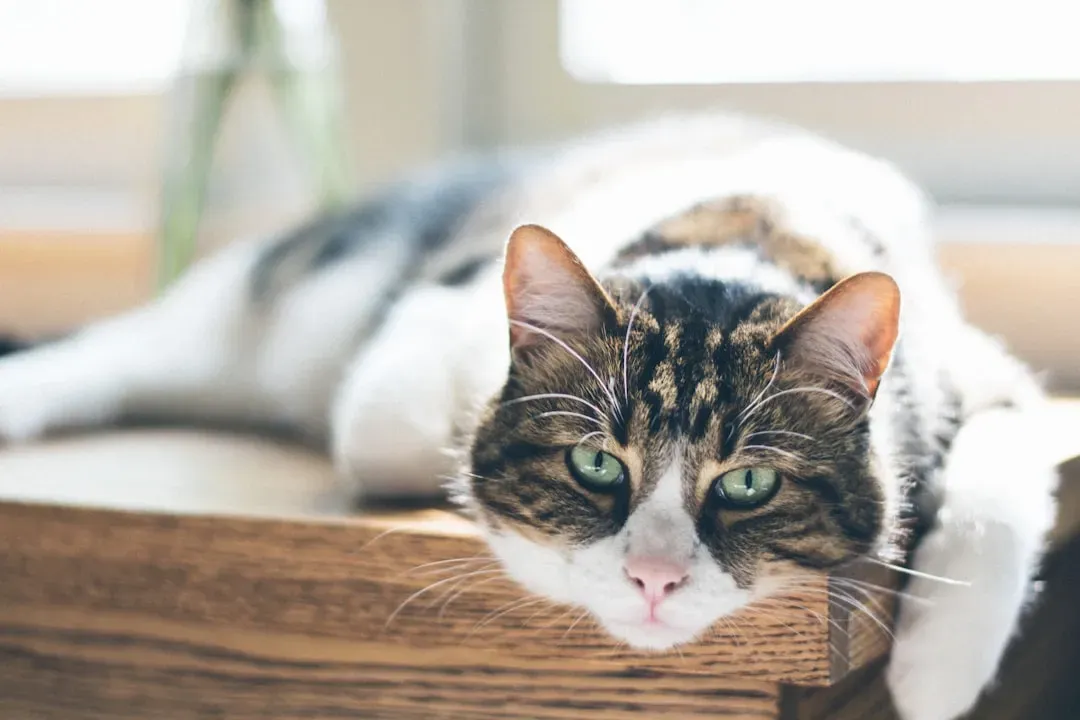
This myth might be the sneakiest one of all, because it sounds so reasonable. Of course older cats slow down, right? Sure, some reduction in energy is natural. But there is a critical difference between normal aging and a medical problem that is quietly robbing your cat of its comfort. Another common myth about geriatric cats is that it is normal to “slow down” or be “a bit stiff” or sore. By the time cats reach the geriatric stage, nearly all have some degree of joint pain due to arthritis. That stiffness you are brushing off as “just old age” could be a treatable condition.
One common misconception is that slowing down is inevitable and requires no intervention. While it is true that older pets may not have the boundless energy of their youth, significant lethargy or reluctance to move is not solely due to old age. It could be a sign of underlying conditions, such as arthritis, which can be effectively managed with medication, physical therapy, or joint supplements. Dismissing these signs as simply getting old can rob them of comfort and a better quality of life. The good news is that there are now effective monoclonal antibody injections which can greatly reduce pain in senior cats with arthritis. Your cat does not have to just “push through.” Help is genuinely available.
Conclusion: Your Senior Cat Deserves Better Than Myths
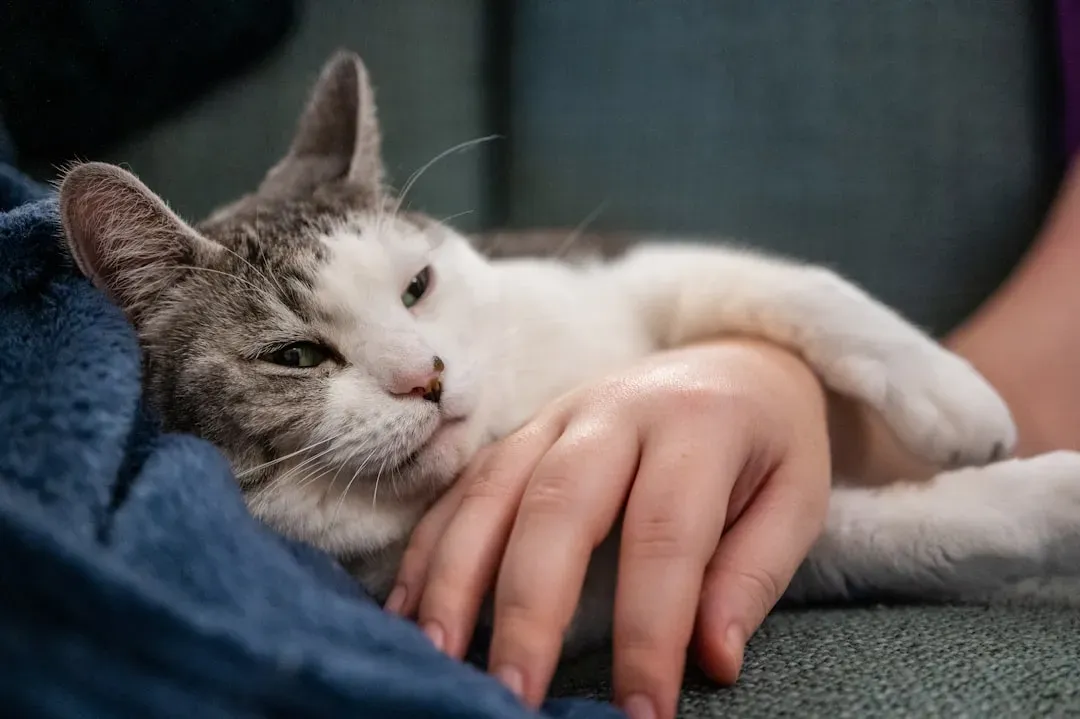
Here is the bottom line. Every single one of these myths has the potential to shorten your cat’s quality of life or delay care they urgently need. Caring for an aging pet requires patience, understanding, and a willingness to challenge common myths. By recognizing that changes in their behavior and physical abilities might indicate underlying health issues, prioritizing regular veterinary care, and continuing to engage them mentally and emotionally, you can ensure their golden years are truly golden.
Senior cats are not damaged goods, they are not hopeless cases, and they are most certainly not “just getting old.” Thanks to veterinary innovations in feline nutrition and medicine, cats are living three to five years longer than they did 20 to 30 years ago. That means more time together, more purring on the couch, and more opportunities to give them the informed, attentive care they deserve. The next time you catch yourself thinking “it’s probably just their age,” push back on that thought. Your cat cannot advocate for themselves. So you have to do it for them.
What myth about your own senior cat surprised you the most? Drop your thoughts in the comments.