You’ve probably heard it all before. Pour your cat a saucer of milk. Let them roam outdoors for fresh air. Believe that cats are independent loners who don’t need much attention. These sound like common sense, right?
Here’s the thing. These beliefs are relics from a time when we understood far less about feline health and behavior. What our grandparents did with their barn cats doesn’t necessarily translate to what’s best for your indoor companion today.
Despite the growing preference for cats as companion animals, beliefs and misperceptions about them are still common, and cultural aspects can influence society’s attitudes towards cats, affecting the way they are kept and cared for. Myths and narratives of cats as low maintenance and self-sufficient animals are pervasive, leading many well-meaning owners down a path that can actually compromise their cat’s wellbeing. Ready to challenge what you thought you knew?
Believing That Milk is a Healthy Treat for Your Cat
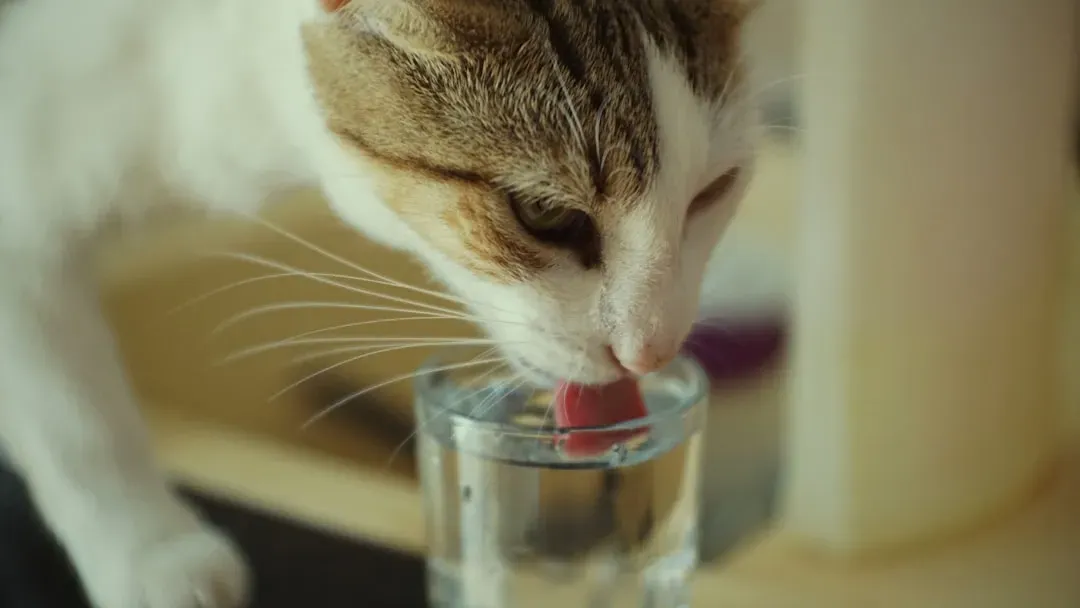
Picture this: a content cat lapping up milk from a bowl. It’s an image burned into popular culture, from cartoons to greeting cards. Despite this big misconception, milk is not OK for cats.
Cats do not possess significant amounts of lactase, the enzyme that breaks down lactose in milk, and feeding milk and milk-based products to cats can actually cause them to vomit or experience diarrhea. By about 12 weeks of age, most kittens lose the ability to digest milk sugar (lactose), and while small amounts may be tolerated, too much milk can lead to intestinal upset and diarrhea. This happens because undigested lactose pulls water into the intestines while gut bacteria feast on the excess sugar, creating gas and discomfort.
The reality is that water should be your cat’s primary beverage. Water is the most important nutrient, and pets need to have fresh clean water available to them at all times. If you want to treat your cat, focus on high-quality commercial treats formulated specifically for felines, not dairy products that can send them running to the litter box.
Assuming Your Cat Needs to Go Outdoors to Be Happy
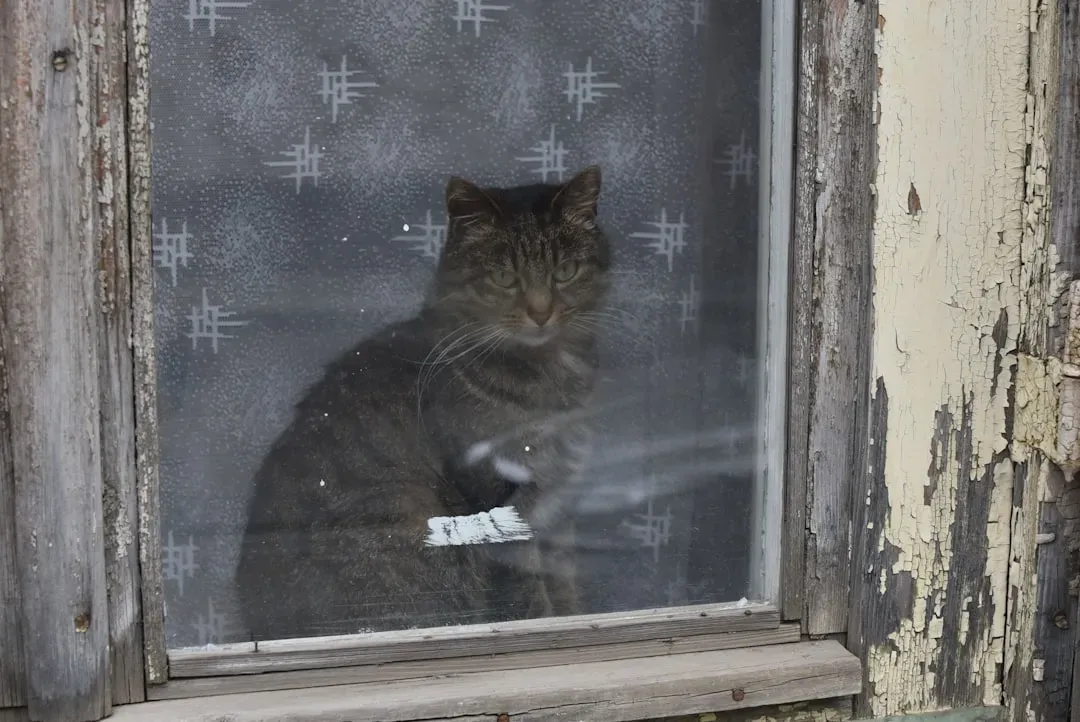
Let’s be real: watching your cat stare longingly out the window can tug at your heartstrings. You might think you’re being cruel by keeping them inside. Actually, you’re likely saving their life.
Indoor cats typically live around 12 to 18 years, whereas outdoor cats can experience threats that shorten their lifespan to just 2 to 5 years. That’s not a typo. According to the UC Davis School of Veterinary Medicine, indoor cats live an average of 10 to 15 years while outdoor cats typically live only 2 to 5 years.
Uncontrolled outdoor access is associated with a number of welfare concerns for companion cats, including increased risks of disease and parasites, injury or death due to traffic, predation or ingestion of toxic substances, and getting permanently separated from their owner. Outdoor cats are way more likely to contract contagious illnesses like feline leukemia (FeLV), feline immunodeficiency virus (FIV), and upper respiratory infections from other cats. Traffic, predators like coyotes, and even intentional cruelty from humans all pose very real dangers.
The solution isn’t complicated. A number of enrichment strategies have been suggested for counteracting these effects to promote the health, affective states, and performance of natural behaviors of indoor cats. Think scratching posts, interactive toys, window perches, and even supervised outdoor time in a catio or on a leash. Your cat doesn’t need unrestricted outdoor access to thrive – they need mental stimulation and physical activity, which you can absolutely provide indoors.
Thinking Cats Are Solitary Loners Who Don’t Need Interaction
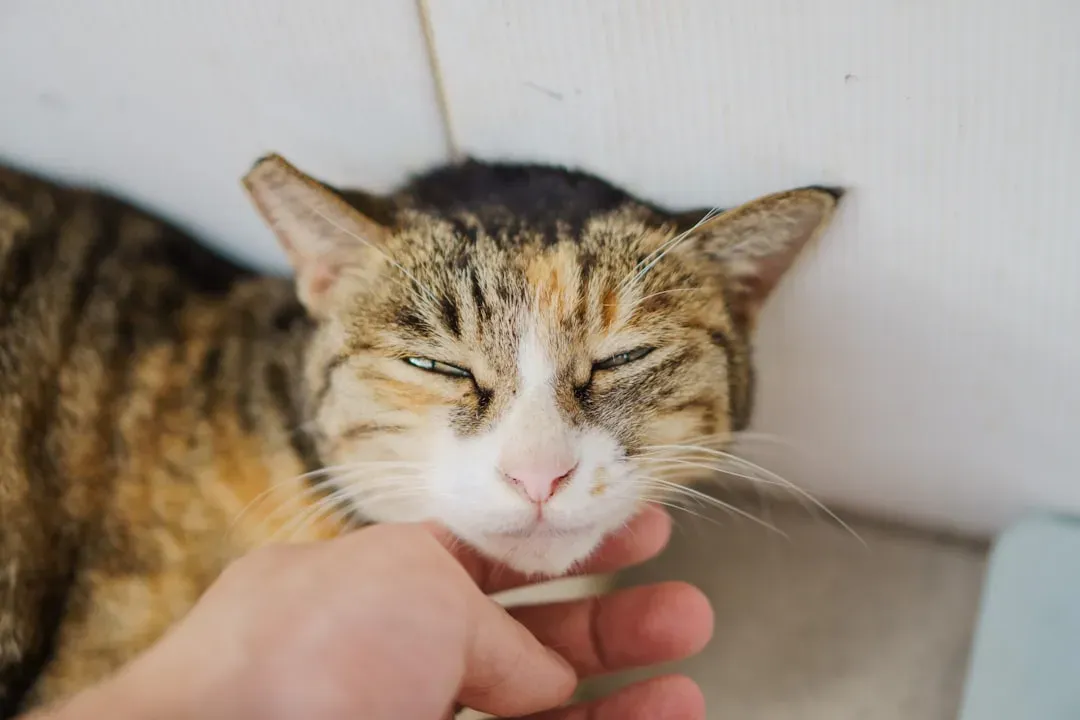
This one drives behaviorists up the wall. The stereotype of the aloof, emotionally distant cat who barely tolerates human presence? It’s dangerously outdated.
Cats have commonly been perceived as independent, solitary, and non-social animals, and these beliefs continue to be widely held today, with many participants showing moderate agreement with the statement that cats are naturally aloof and independent. These misconceptions about feline sociality may influence how people interpret cat behavior and, consequently, how they care for and interact with them.
When you view your cat as a creature that doesn’t need you, you’re less likely to provide essential care. Viewing cats as asocial can harm them, as their caretakers are less likely to provide affection, exercise, hair brushing, toys, and veterinary care. Cats can experience distress when their social needs in relationships with humans are not met, with cats having fewer interactions with people and longer periods of time left alone displaying higher numbers of problematic behaviors.
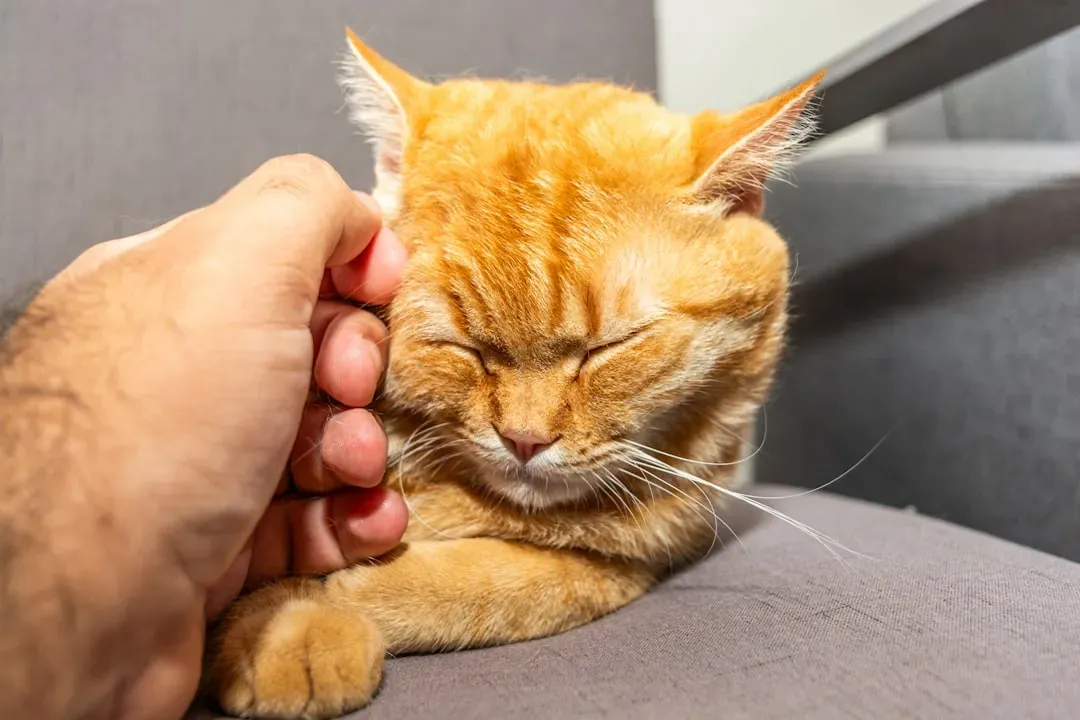
Honestly, if your cat seems distant, it might be because nobody’s bothered to engage with them properly. Cats form genuine bonds with their owners. They need interaction, play, grooming, and yes, affection. Treating them like decorative houseplants is a recipe for behavioral issues and a lonely animal.
Relying on Dry Food Alone to Keep Their Teeth Clean

You’ve probably heard this one at the pet store: dry kibble cleans your cat’s teeth naturally, so no need for dental care. If only it were that simple.
While many believe that kibble helps clean a cat’s teeth, studies show that its benefits in reducing plaque and tartar buildup are minimal, and in fact, some dry foods are high in carbohydrates, leading to obesity and diabetes. Kibble does not significantly reduce the risk of dental tartar and dental disease, except for a few specific types, and the most effective way to prevent dental tartar is to brush your cat’s teeth every single day.
Cats are obligate carnivores designed to eat moisture-rich, meat-based diets. Researchers recommend canned food because of its higher water content (70 to 80 percent water) over dry food (10 to 12 percent water). Some veterinarians have noticed that common issues in feline medicine, such as urinary tract disease and chronic gastrointestinal issues, are seen much more often in cats that are fed dry diets alone.
The takeaway? Don’t use kibble as a substitute for real dental care. If you’re serious about your cat’s oral health, you need to actually brush their teeth with pet-safe products or provide proper dental cleanings through your veterinarian. Food type alone won’t cut it.
Considering Declawing as a Reasonable Solution to Scratching
This is perhaps the most harmful myth on this list. Cat declawing is still routinely performed in the United States, even though it is illegal or considered inhumane in many other countries around the world, with most people deciding to have their cats declawed as a matter of convenience to protect their furniture, though declawing is a painful procedure for cats that can have lasting negative effects.
Declawing cats involves the amputation of each toe at the first joint, and in humans, it would be equivalent to cutting off the tip of every finger at the first knuckle. Let that sink in for a moment. Significant increases in the odds of back pain, periuria/perichezia, biting and barbering occurred in declawed compared with control cats.
Declawing of pet cats is widely believed to cause chronic pain and negatively impact animal welfare, leading to bans in many jurisdictions, though little is known on how post-declaw pain develops and affects feline well-being. Cats who have been declawed may experience lifelong pain caused by arthritis in the amputated joints, and when a declawed cat walks, their altered paws hit the ground unnaturally, which can create additional pain.
There are so many alternatives. Alternatives to declawing a cat include regular nail trims, providing scratching surfaces throughout your home, and using calming products. Nail caps, scratching posts, pheromone sprays, and simply trimming your cat’s nails every couple of weeks can manage scratching without mutilating your pet. Scratching is natural behavior, not a design flaw to be surgically corrected.
Conclusion

These outdated beliefs persist because they’ve been passed down through generations and reinforced by pop culture. The truth is that modern veterinary science has moved far beyond these myths.
Your cat deserves care based on evidence, not tradition. They need fresh water, not milk. They need indoor enrichment, not dangerous outdoor exposure. They need social interaction, not neglect disguised as independence. They need proper dental care and their claws intact.
What outdated cat care myth surprised you the most? Take a moment to reassess how you’re caring for your feline companion – they’ll thank you with better health and a stronger bond.