You’ve probably been there. You call your cat’s name, and instead of running to you with tail wagging and eyes wide with excitement, they just… blink. Maybe they stretch. Maybe they look at you, then look away. You feel a little rejected. You wonder if your cat even likes you.
Here’s the thing, though. That reaction you just had? It’s one of the most common misreadings of feline behavior in history. Your cat isn’t cold. Your cat isn’t indifferent. Your cat is just speaking a language you haven’t fully learned yet. And once you start to understand it, you’ll never look at them the same way again. Get ready to see your cat in a whole new light.
The “Aloof Cat” Myth Has Been Around for Centuries – and It’s Wrong
Cats have an unfair reputation as aloof, independent creatures that don’t need us humans, unless they’re hungry. Honestly, that myth has done a lot of damage. It’s shaped how millions of people interact with their pets, and worse, how they emotionally interpret the relationship they have with them.
The notion of cats as aloof animals can actually be traced back to ancient Egyptian culture, where they were revered for their independence and perceived as enigmatic beings. Over time, this perception influenced various cultural representations of cats as solitary and detached creatures, contributing to the development of the aloofness myth. So in a way, your cat has been carrying the baggage of thousands of years of human projection.
Cats have commonly been perceived as independent, solitary, and non-social animals, and these beliefs continue to be widely held today. In a study conducted with 547 cat guardians in the United States, researchers found that beliefs portraying cats as emotionally distant and socially indifferent were still present among respondents. When asked whether “cats are naturally aloof and independent,” many participants showed moderate agreement, indicating that this stereotype remains widespread. The science, however, tells a very different story.
Science Confirms: Your Cat Forms Real Emotional Bonds With You
Scientific research confirms that cats form genuine emotional bonds with their owners. Their independent nature and different ways of showing affection shouldn’t be mistaken for aloofness or lack of attachment. Think of it like a person who doesn’t hug everyone they meet but will quietly show up when you need them most. That’s not aloofness. That’s a different love style.
Studies have shown that cats are capable of forming deep attachments to their human companions. They exhibit signs of separation anxiety and can even mimic human emotions. Still doubt that? Consider this: your cat choosing to be in the same room as you, day after day, is not accidental. It’s a deliberate social choice.
A cat’s affection is not loud; it’s expressed through subtle, vulnerable, and consistent behavioral cues that show they feel safe in your presence. Learning to read those cues is less like decoding a secret code and more like learning a new dialect. It takes a little patience, but the reward is enormous.
The Slow Blink: Your Cat’s Way of Saying “I Love You”
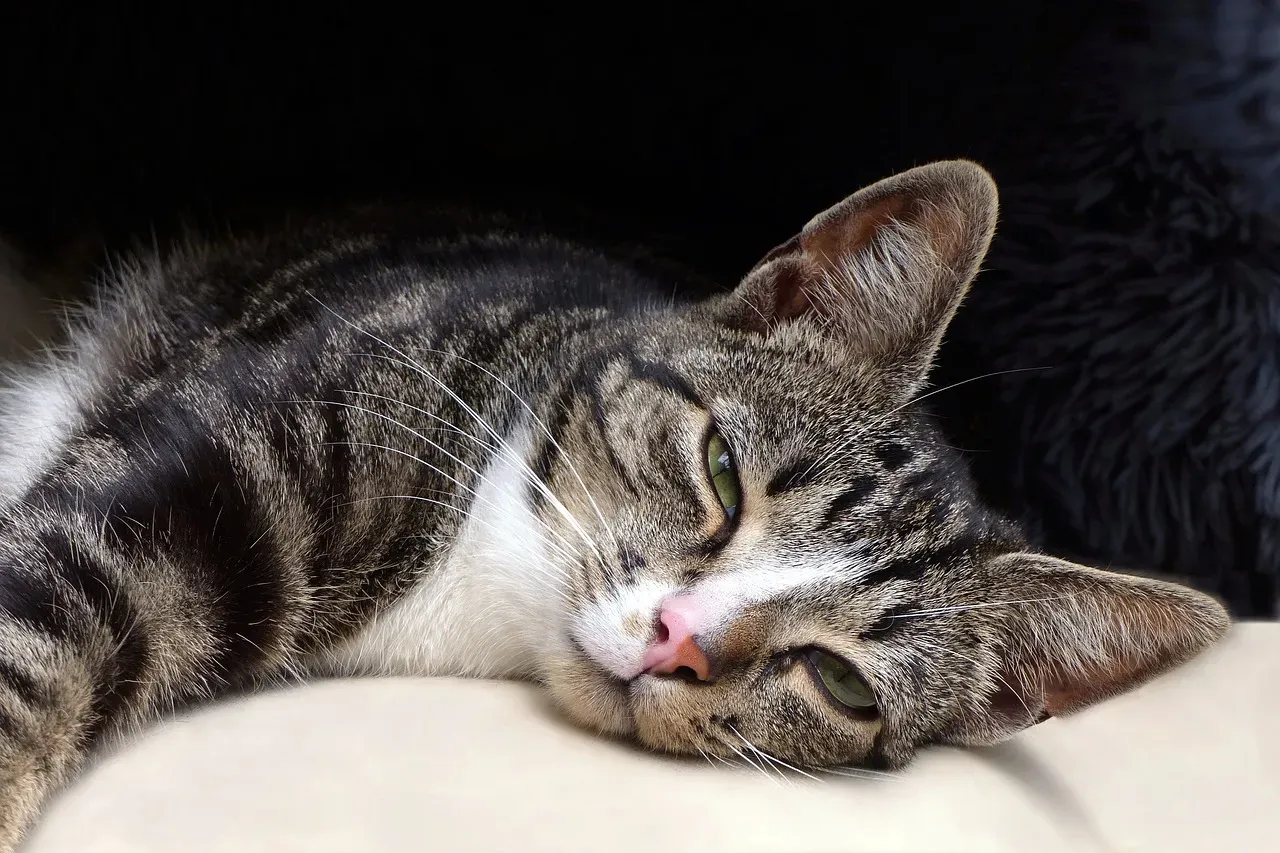
The slow blink is perhaps the most recognized form of feline affection. When a cat slowly closes and opens its eyes while looking at you, it is signaling ultimate trust and deep relaxation. Because they are momentarily vulnerable, they are effectively giving you a gentle, visual “cat kiss.” I think this is genuinely one of the most beautiful things about cats. No bark, no jump, just a quiet, eye-level declaration of peace.
A slow blink is one of the most intimate ways a cat shows love, often called a “cat kiss.” This cat behavior may be easily missed or simply mistaken for your cat being sleepy, but when your cat looks at you deliberately and softly closes and opens their eyes, they are communicating that they feel safe and at ease with you. You can actually reciprocate this gesture. Try slowly closing your eyes and opening them the next time your cat locks eyes with you. You might be surprised what happens next.
Head Bunting: When Your Cat Literally Marks You as Family
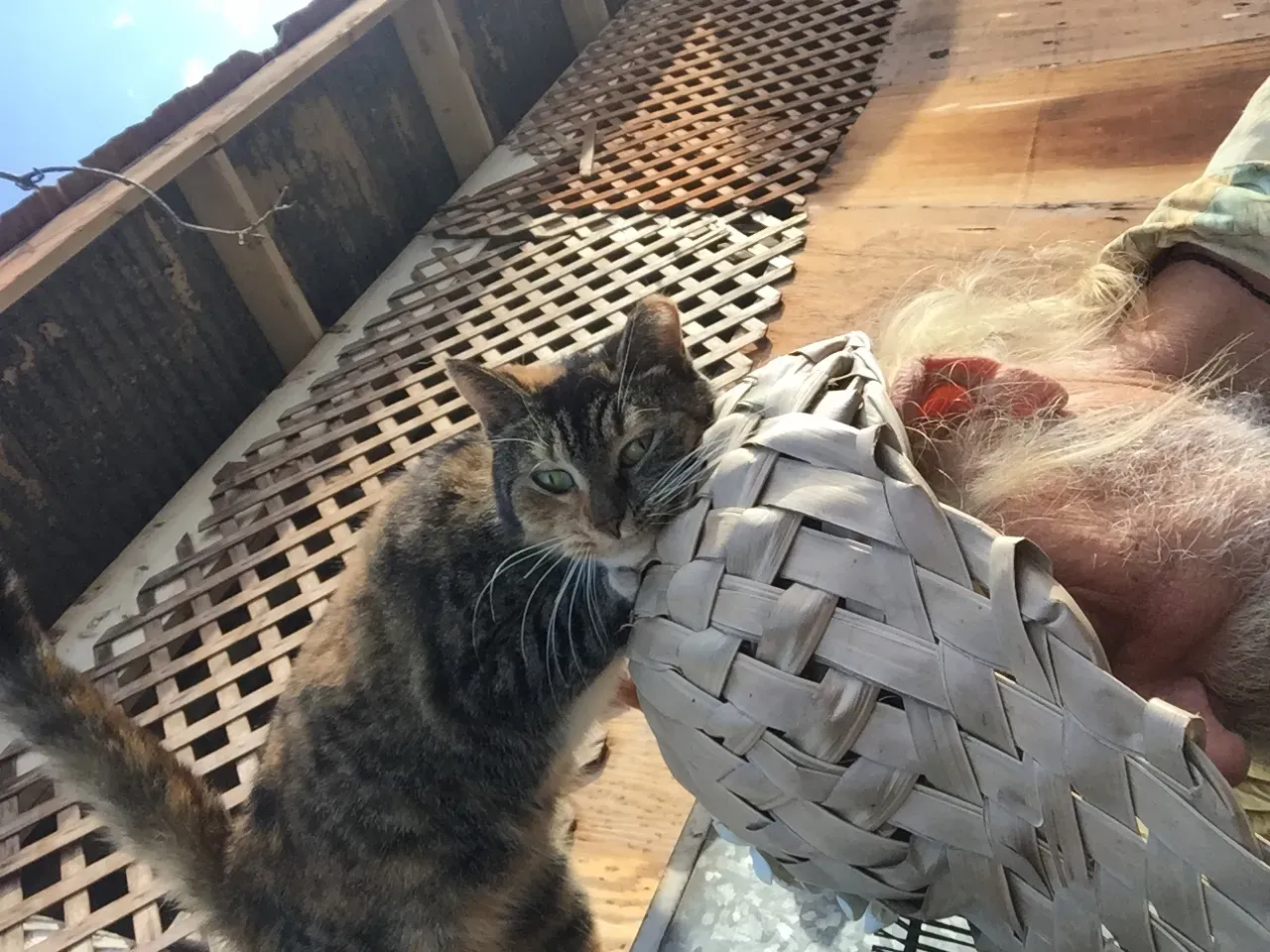
Head butting may not sound like an affectionate behavior, but in the feline kingdom, it actually is. Also known as head bunting, head butting is a sign of affection because when your cat rubs their head against something, they release facial pheromones. Feline facial pheromones are used to mark surfaces as safe, so when your cat head butts you, they’re telling you they trust you. You are essentially being stamped with a cat’s version of “this person belongs to me.”
Head bunting is a way cats mark their feline friends and family. It’s a stronger marker than leaving urine on objects to claim them, but instead of territory, they are claiming familial relationships. Honestly? Being claimed as family by a cat feels like a pretty big deal when you understand what it actually means. Welcome to the inner circle.
Kneading: Those Tiny Paws Are Telling You Something Deep
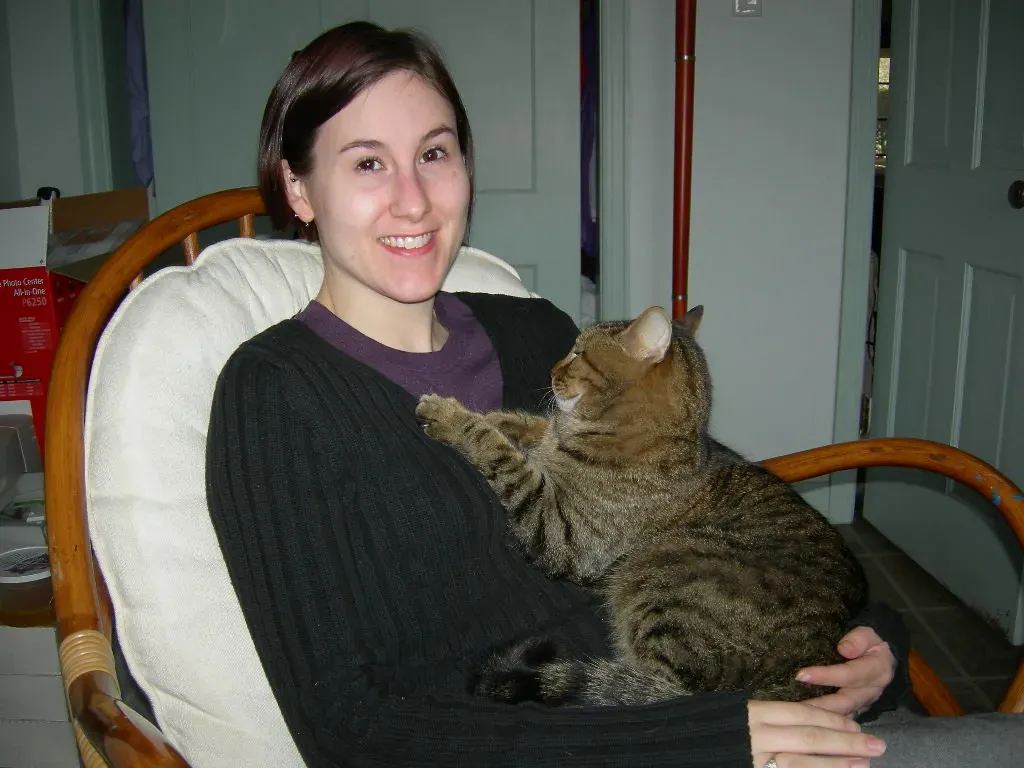
Kneading originates from kittenhood, when kittens press their paws against their mother’s belly to stimulate milk flow. This comforting behavior often persists into adulthood, associated with feelings of security and contentment. So when your cat climbs onto your lap and starts doing their little rhythmic push-pull motion, they are essentially treating you the same way they once treated their mother. That’s not nothing. That’s profound.
When a cat kneads their owner, it can be a sign of trust and affection. This behavior demonstrates that the cat feels safe and comfortable in the presence of their human companion. Yes, the claws can be a bit much sometimes. Keep a soft blanket nearby. But don’t ever try to stop them – you’d be interrupting one of the most heartfelt things they know how to do.
Purring: More Than Just a Relaxed Cat Sound
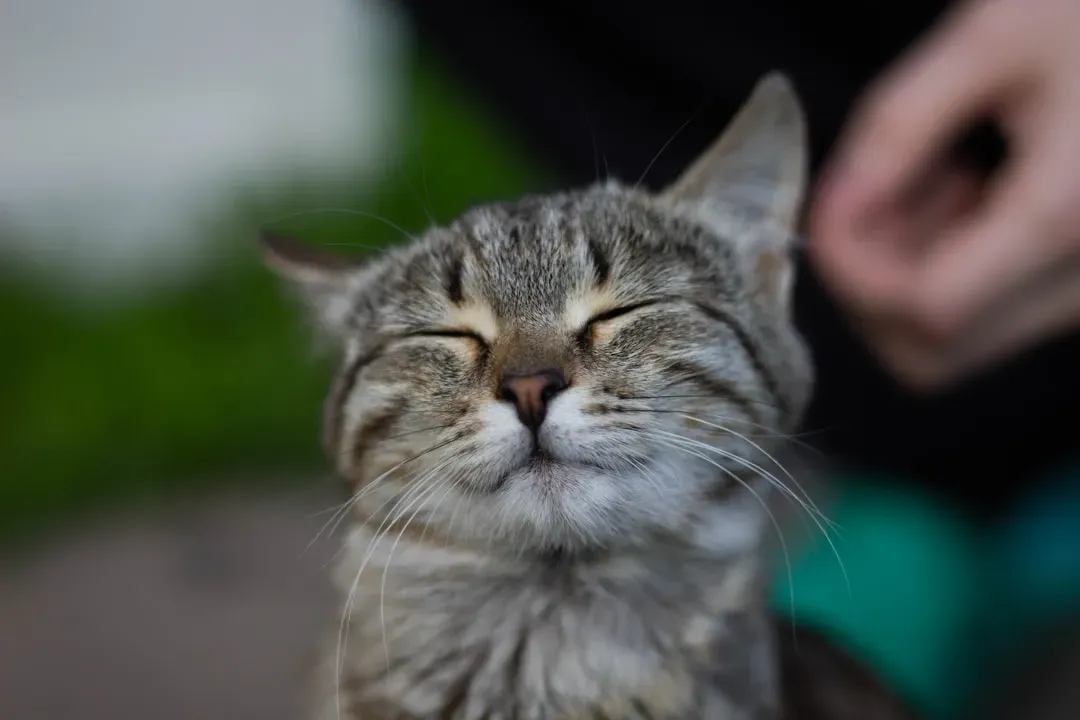
Feline behaviorists have found that cats purr for a variety of reasons, but they believe that purring first starts as a form of communication and bonding mechanism between kittens and their mothers. It’s also a common indicator of comfort and ease. By the time your cat is purring on your chest at the end of a long day, they’ve essentially extended that first, primal bond outward – to you.
While cats purr for various reasons, including self-soothing or when in pain, purring in your presence is often a sign of contentment and affection. The vibrations of their purr can even have therapeutic benefits for both you and your cat. It’s hard to say for sure, but there’s something almost poetic about a sound that soothes both the one giving it and the one receiving it. A two-way comfort machine, living in your home.
The Meow Is Reserved Especially for You
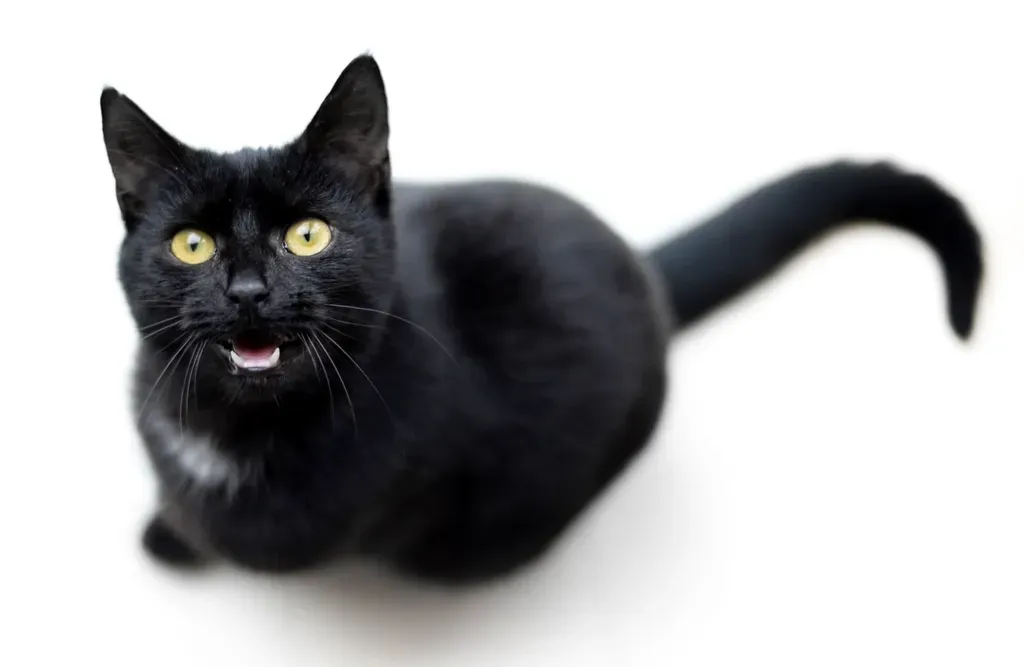
Adult cats rarely meow at other cats; they primarily use meows to communicate with humans. Meowing is a behavior typically reserved for communicating with their mother during kittenhood. When your cat meows at you, it is a special, intimate vocalization that suggests they view you as their caretaker. Let that sink in. Your cat invented a special language just for you. They don’t even use it with each other.
Research has shown that cats have evolved specific vocalizations to communicate effectively with humans. Their “manipulative” meows are actually sophisticated attempts at interspecies communication, developed through thousands of years of domestication. So the next time your cat meows at you in that insistent, slightly ridiculous way, just know: they’re trying their best. They’re reaching across the species gap, every single time.
Following You Around and Choosing Your Space Is a Huge Compliment
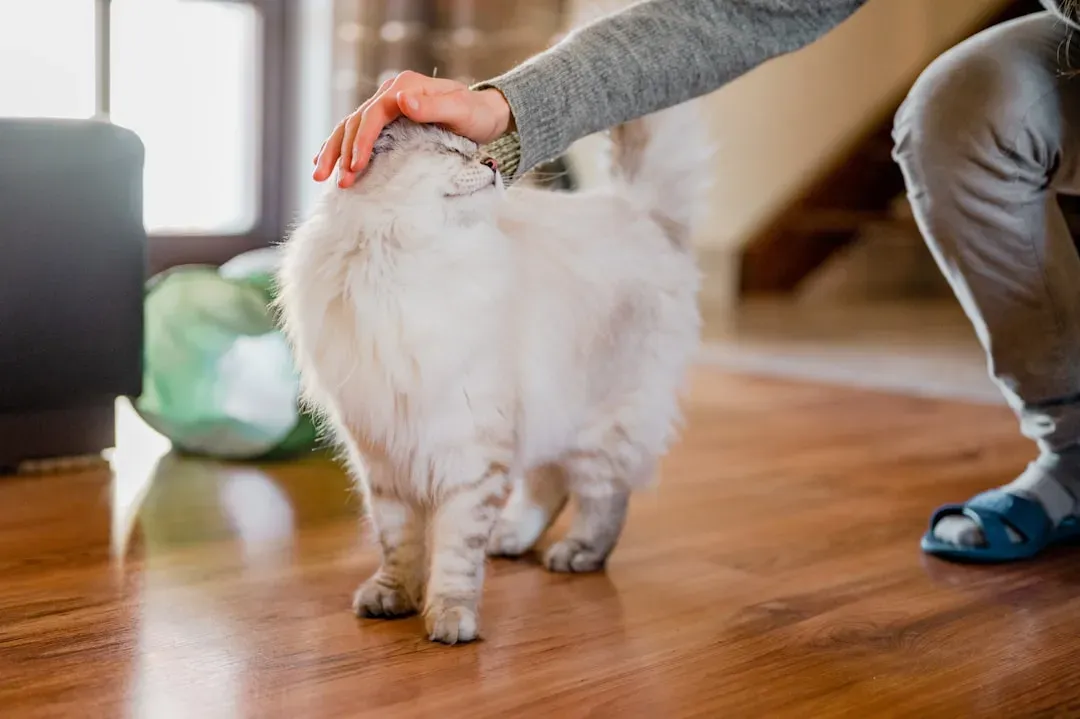
Some cats are independent, but others want to be close to their owners whenever possible. Some cats will be subtle about this and will simply make sure they’re always in the same room as you. You might not even notice that they’ve been following you until you turn around and notice them curled up in a chair, watching you. That quiet presence? That is love. Low-key, understated, deeply intentional love.
Ever notice that your cat likes to trail you around the house? There can be many reasons for this, from wanting food to being anxious, but there are many cases in which your cat simply enjoys your company and wants to be with you. If it’s not close to feeding time, and your cat isn’t acting like they want anything, chances are they are just trying to bask in your presence. Let’s be real – that’s more devoted than a lot of human relationships.
The Belly Exposure, the Tail Signal, and the Gift Giving: Advanced Love Languages
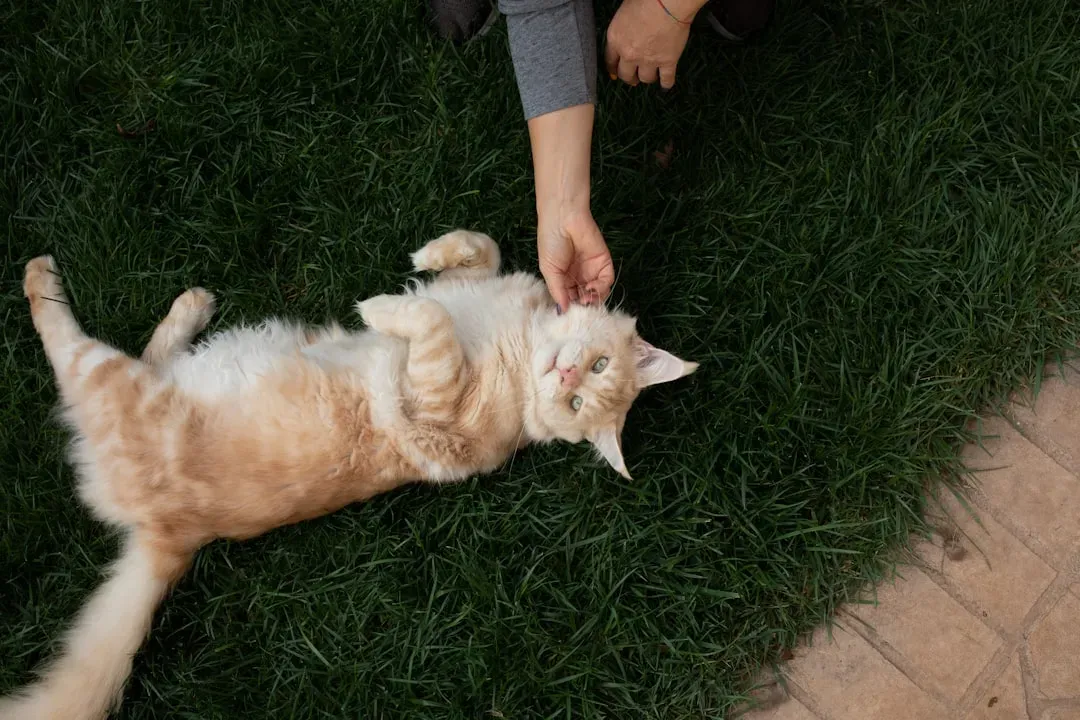
When your cat rolls on their back, exposing their belly, it often means they’re trying to get your attention. Since this is a vulnerable position for an animal to be in, a cat puts itself in this position only around someone it trusts. Note: this does not mean you should immediately go in for a belly rub. Some cats love it, others absolutely do not. Reading the full moment matters.
A high, upright tail with a gentle sway is a clear sign of happiness and affection. If your cat’s tail tip twitches while they’re near you, it means they’re excited to see you. A tail that wraps around your legs is a hug from your cat. Meanwhile, cats are natural hunters, and bringing you a “gift” is a sign of loyalty and affection. Another common theory is that your cat cares about you and is trying to teach you how to hunt for your own well-being and survival. In other words, they view you as an important part of their family. Yes, the dead mouse is terrifying. Yes, it also means they love you.
Conclusion
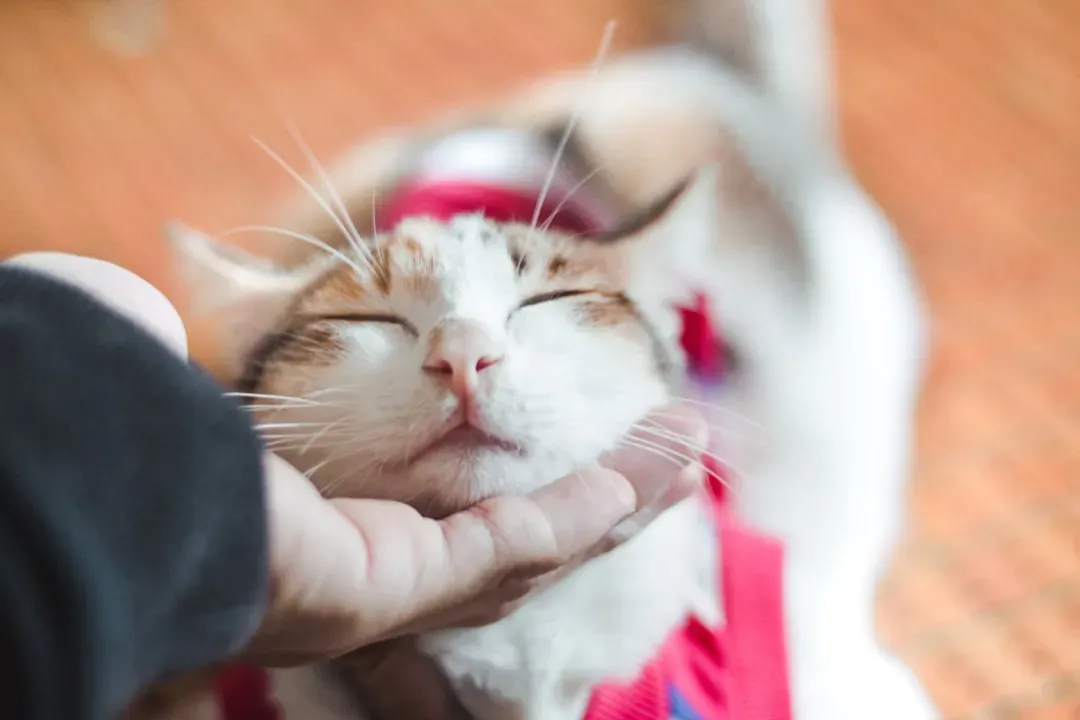
Your cat has been telling you they love you this whole time. Every slow blink, every gentle head press, every purr against your side, every time they followed you from room to room without a single reason other than wanting to be near you – all of it has been affection in disguise. The real issue was never whether your cat loved you. It was whether you knew how to look.
Your cat absolutely knows they are loved, cherished, and safe, but they acknowledge it on their own terms. The key to unlocking and appreciating that love is learning and speaking their unique love language, one built on trust, security, slow blinks, and the quiet comfort of shared space. That might honestly be one of the most human things about them.
Cats don’t perform love for an audience. They offer it quietly, to the few they’ve decided are worth it. If your cat is in your space, blinking at you slowly, pressing their head to yours, or simply choosing the chair closest to you – you made the cut. Now that you know their language, how are you going to speak it back? Let us know your thoughts in the comments below.