Picture this. You’re settled comfortably on the sofa, a cup of tea in hand, completely at peace. Then, from out of nowhere, a small furry missile launches off the bookshelf, ricochets off the couch, skids across the hardwood floor, and vanishes into the hallway at a speed that honestly shouldn’t be legal indoors. You blink. Was that your cat?
If you’re a cat owner, you already know the answer is yes. These wild, breathless sprints happen regularly and, if you’re anything like most people, you’ve probably wondered whether your cat has genuinely lost the plot. Well, here’s the thing: they haven’t. What you’re watching is something far more fascinating than chaos. Let’s dive in.
What Are the Zoomies, Really?
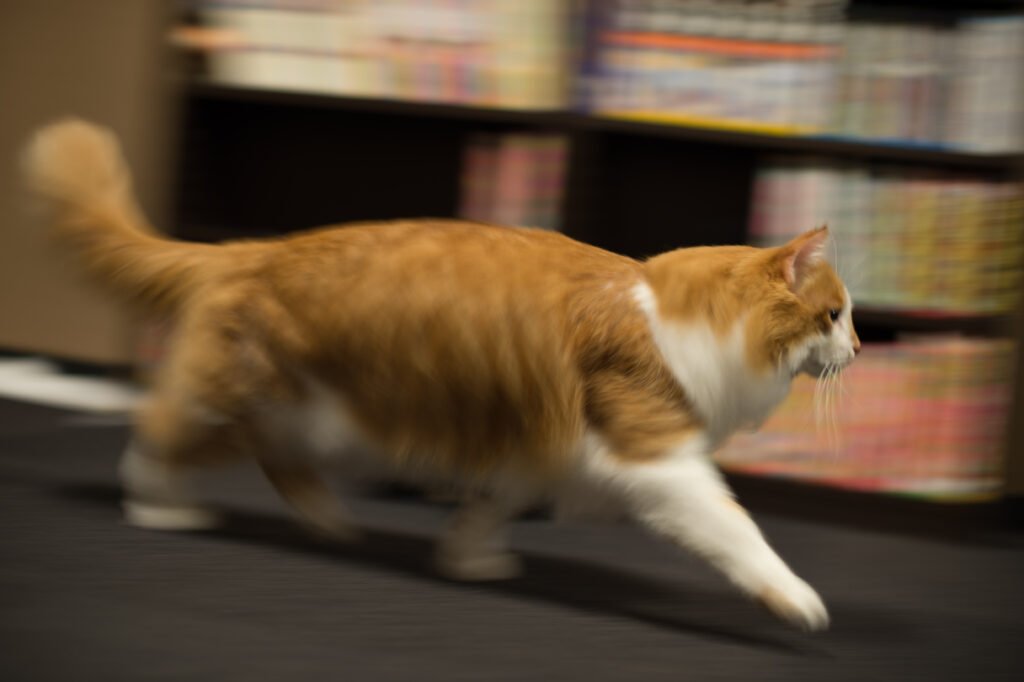
There’s something almost poetic about the fact that science gave this ridiculous behaviour a genuinely scientific name. Cat zoomies are more formally called Frenetic Random Activity Periods, or FRAPs. These are random bursts of energy in which cats run frenetically, commonly in circles, and they usually last a few minutes or less.
Zoomies often include frenzied running, pouncing, bopping, and even excessive meowing seemingly out of nowhere. Think of it like watching someone who’s been sitting in a boring meeting for three hours suddenly sprint across a car park for no reason. You’d understand. Honestly, you’d probably want to join them.
Your Cat Is Basically a Wild Hunter Trapped in a Cozy Home
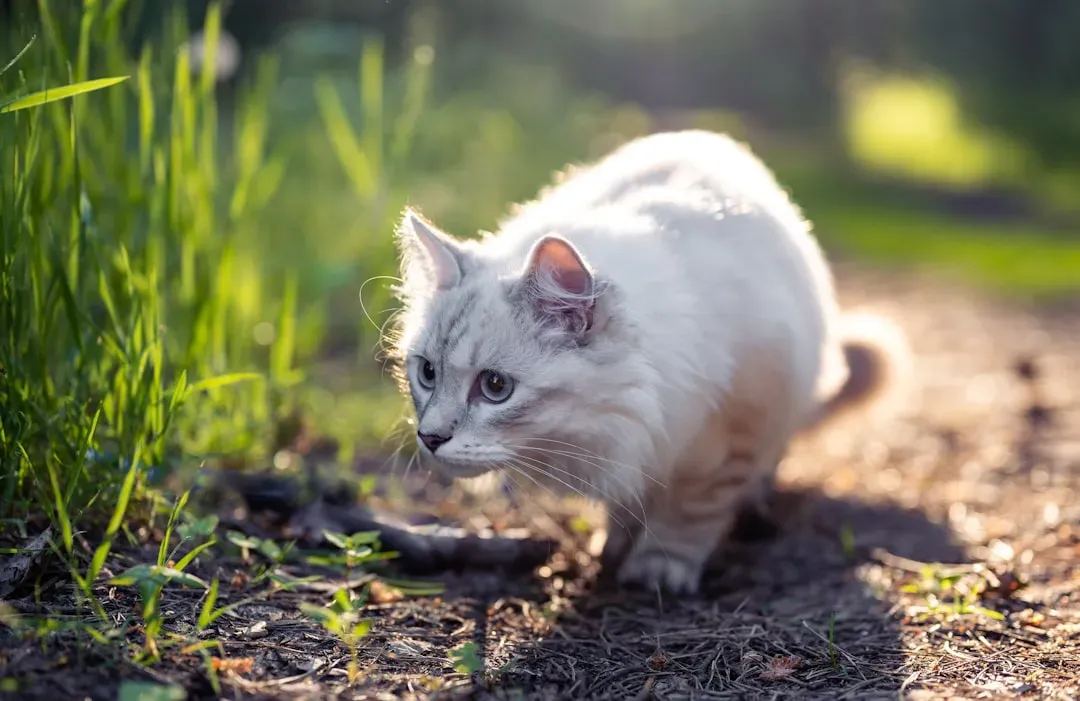
Cats are predators by nature, and even if they live indoors, they still have bursts of energy hardwired into their behaviour. In the wild, a cat would stalk prey, chase it, and then rest. That loop of stalk, sprint, and collapse is deeply embedded in your cat’s DNA, regardless of whether the most dangerous thing in your apartment is a rogue sock.
Cats still have a primal urge to stalk, chase, and pounce on prey. During zoomies, they might tap into this instinct, engaging in playful behaviours as if they’re on a wild hunt, chasing imaginary rivals across the room. Cats rest and sleep for a majority of the day to conserve energy for short, very active periods. Without intentional exercise and activity, your kitty will need to find a way to get that extra energy out.
The Real Reason Your Cat Goes Crazy at Dawn and Dusk
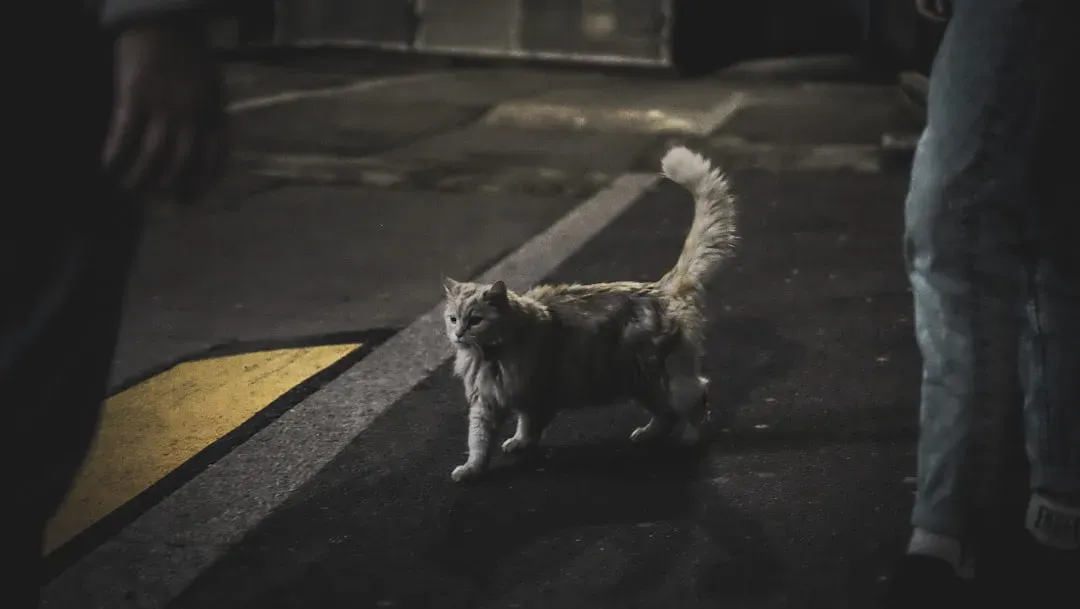
Here’s something that surprises a lot of people. Contrary to popular belief, cats are not nocturnal but are crepuscular instead. This means they are naturally most active at dawn and dusk due to their biological need to take advantage of cooler times of day to more effectively hunt. So when your cat starts losing its mind at 5 AM, it isn’t trying to ruin your sleep. It’s just doing what evolution told it to do, thousands of years before alarm clocks existed.
Since cats are crepuscular, they are most active at dawn and dusk. This behaviour aligns with the activity patterns of their prey, such as birds and rodents. These times are ideal for hunting in the wild, as most prey animals are also on the move. Your cat isn’t broken. Your cat is perfectly calibrated. You, however, might need earplugs.
The Endorphin Rush: Your Cat is Actually Getting High on Joy
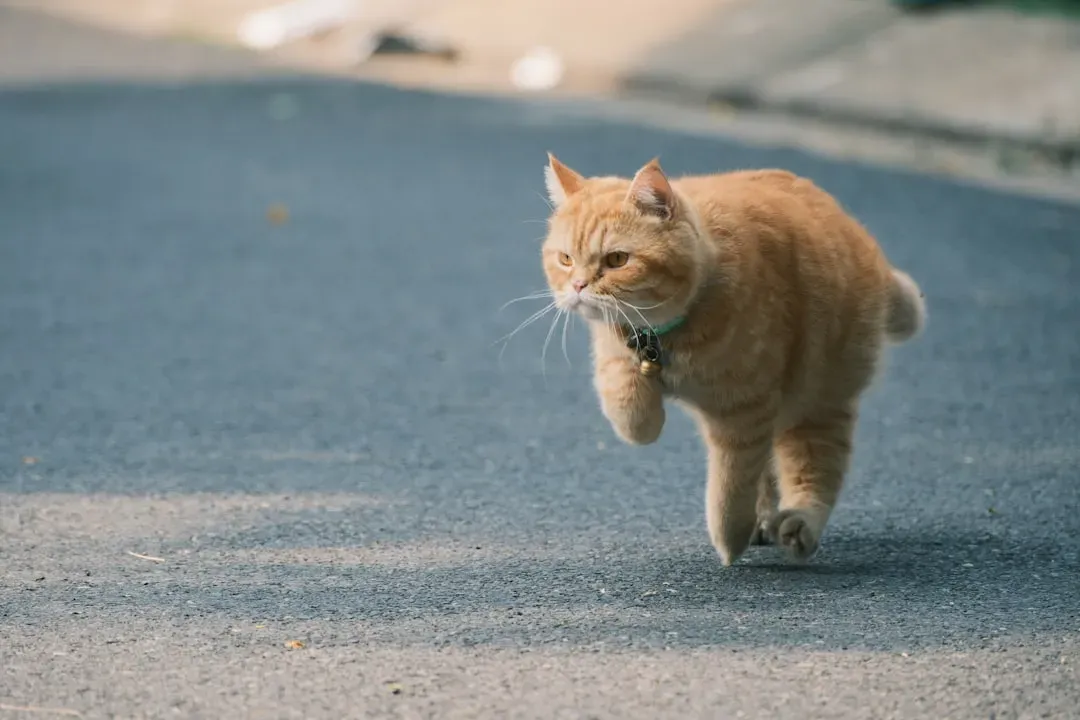
Just like humans need to move after sitting too long, cats need to release pent-up energy, and zoomies provide the perfect outlet. This is especially true for indoor cats who have fewer opportunities to exercise. These high-speed sessions aren’t just fun, they also benefit your cat’s health. Think of it like a runner’s high, except your cat achieves it in about forty-five seconds of absolute chaos.
FRAPs may release endorphins, causing a pleasurable or euphoric response. From a physical standpoint, these bursts of activity can strengthen muscles, boost cardiovascular health, and support overall well-being. These bursts of energy showcase your cat’s curiosity, agility, and zest for life. By letting loose and embracing their playful side, cats can meet many of their physical and mental needs. That wild sprint isn’t madness. It’s medicine.
The Post-Litter Box Zoomies: Yes, That’s a Real Thing
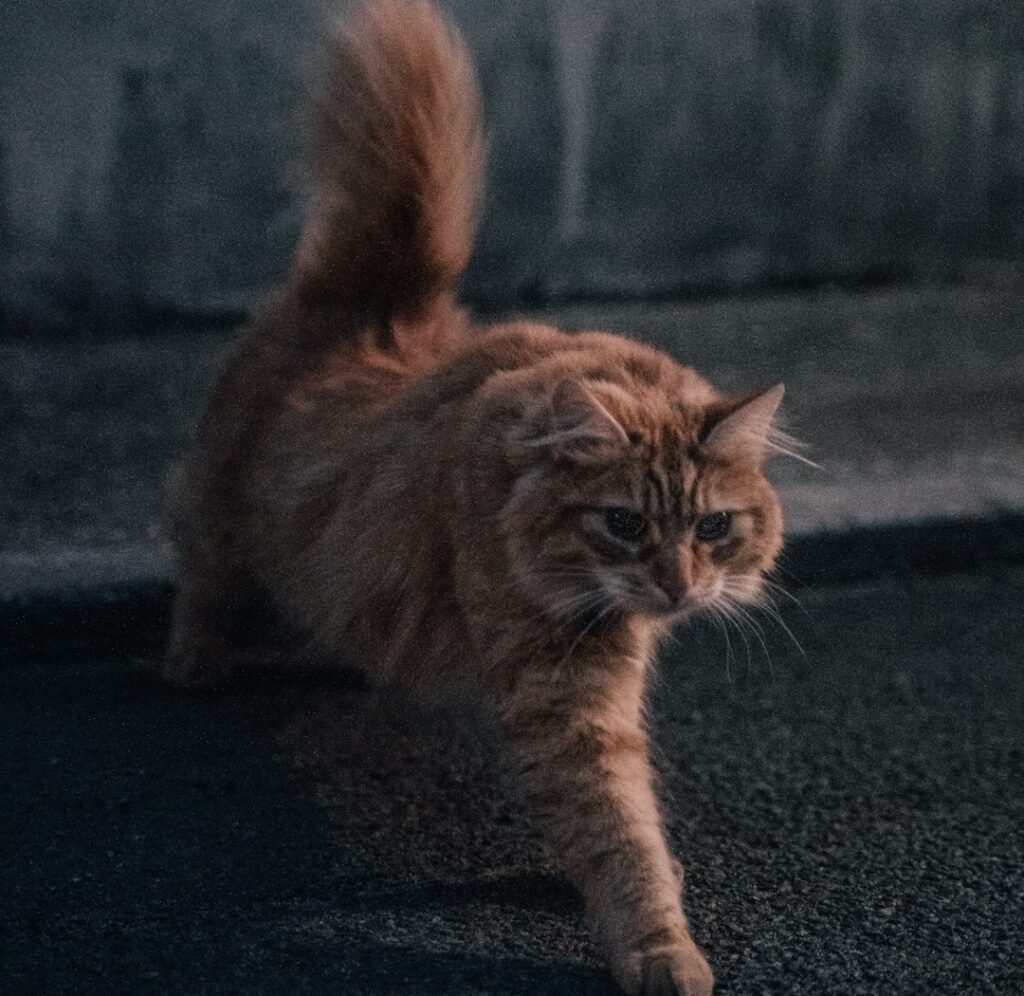
If you’ve ever watched your cat bolt out of the litter box like it’s been launched from a catapult, you’re not alone. This phenomenon is so common it’s earned its own deeply charming nickname. Cats are crepuscular, so the behaviour is more common at the start and end of the day, but zoomies also happen after pooping, hence the terms “poophoria” and “crapnfrap.” I know it sounds crazy, but science has truly blessed us with this vocabulary.
Some people think it’s a reaction to a dirty litter box. Cats are clean animals, so they want to get away from their faeces as quickly as possible. Post-litter box zoomies may also be linked to nerve stimulation and relief. Either way, the takeaway is simple: your cat is not malfunctioning. Your cat is simply very, very pleased to be done with its business.
When Wildness Might Be a Warning Sign
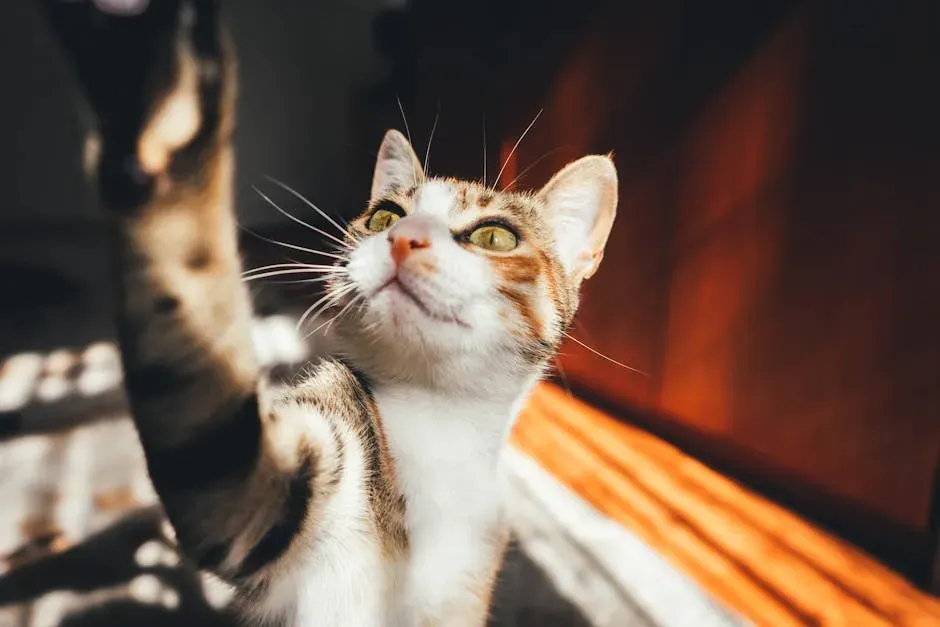
Let’s be real here. Most of the time, zoomies are pure comedy and nothing to worry about. Most cases of cat zoomies are entirely harmless, and the only reaction they require is a laugh. If your calm cat suddenly starts having zoomies seemingly out of nowhere, though, you should talk to the vet. If you notice a selection of physical symptoms, like weight loss, changes in behaviour, signs of anxiety, or excessive vocalisation, zoomies could be a sign of an underlying health issue.
Frenetic random activity periods are one sign of hyperthyroidism in cats. This condition, which is common in middle-aged and senior cats, occurs when the thyroid gland becomes overactive, making too many thyroid hormones. In addition to hyperactivity, other signs include weight loss, increased appetite, increased thirst, excessive urination, vomiting, and diarrhoea. So if your senior cat is suddenly acting like a kitten again, that’s actually worth a vet call rather than just a laugh.
How to Channel Your Cat’s Wild Energy Wisely
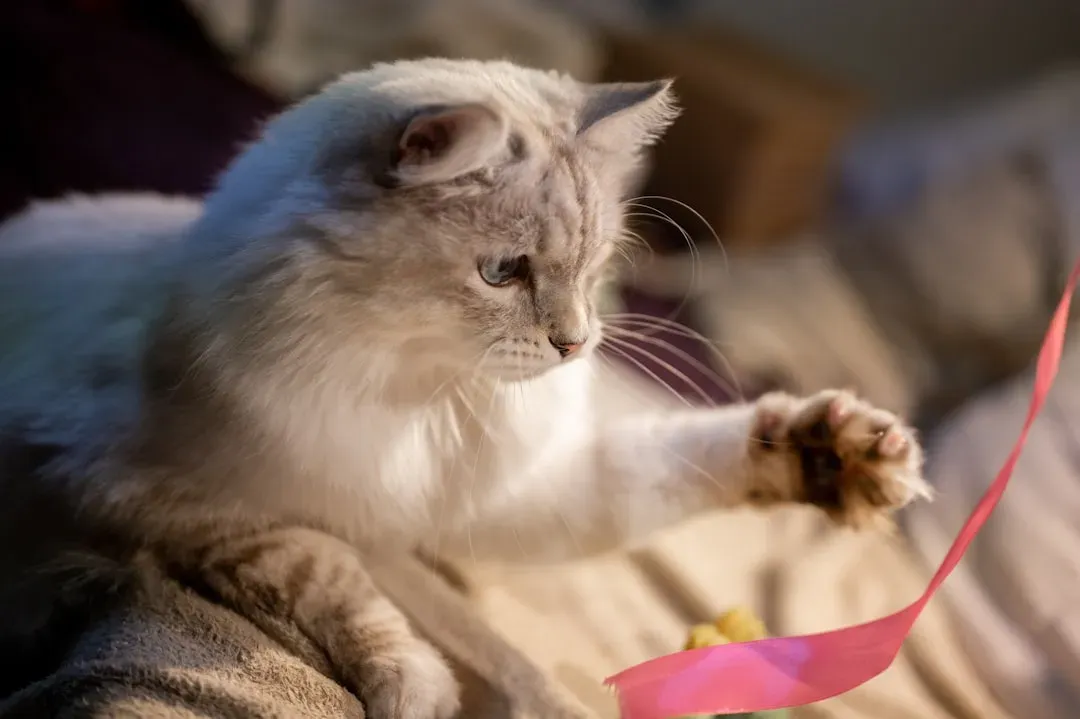
You can’t, and honestly shouldn’t, try to eliminate the zoomies entirely. You can’t and shouldn’t stop them entirely. Zoomies are a natural part of feline behaviour, and part of the fun of having a cat. You can, however, help manage them through regular play and enrichment. Think of it like redirecting a river rather than trying to dam it up.
Maintaining a stable environment with a consistent schedule can reduce the unpredictability of zoomies. Cats thrive on routine, and a reliable schedule for meals, play, and rest helps regulate their energy throughout the day. Engaging your cat in interactive play helps keep them physically and mentally stimulated and burns all the pent-up energy. You can schedule 15-minute interactive play sessions twice daily. This can tire your cat out so they won’t have the energy to race around the house in the wee hours of the night.
Conclusion: Embrace the Chaos, It’s a Love Language
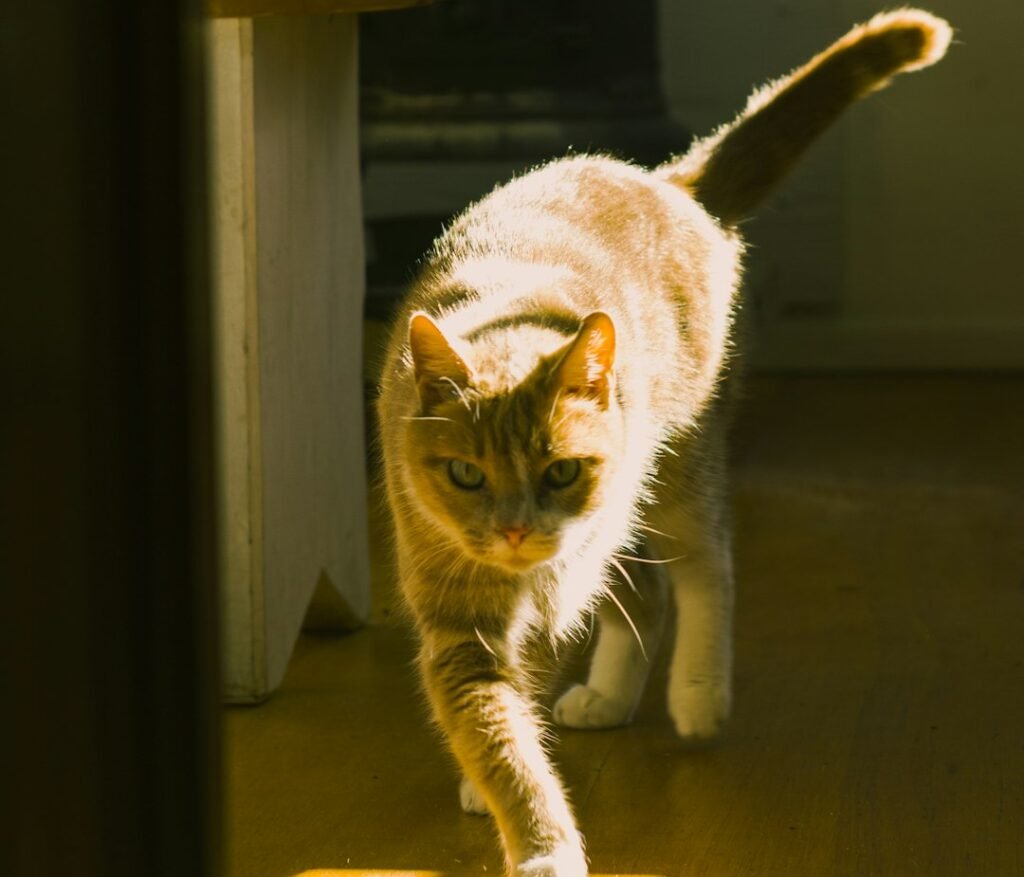
Your cat is not broken, not anxious, not trying to destroy your home, and certainly not possessed. Zoomies can happen suddenly and seemingly out of nowhere, and they often bring joy and laughter to pet owners. While they can sometimes appear wild and uncontrolled, they are usually harmless and are an expression of a happy and energetic pet. When you zoom in on what’s really happening, these moments are almost touching. Your cat is so alive, so full of instinct and energy and primal joy, that their whole body just has to run.
One of the best parts about having a furry companion is discovering their unique personality and eventually learning how to predict when your feline likes to let out their “crazies.” Treat the cat zoomies as an invitation to enjoy some extra-special bonding time with your best friend. So next time your cat goes supersonic across your living room at 3 AM, maybe just laugh. Maybe even cheer them on. Because in their little world, they’re not being chaotic. They’re being magnificently, gloriously alive.
What do you think, does your cat have a signature zoomies style? Tell us in the comments.