Your cat knocks things off the counter, hides under the bed for days, or picks fights with nothing in particular, and your first instinct is to call them “difficult.” It’s an easy conclusion to reach. Cats have a long-standing reputation for being mysterious, moody, and completely indifferent to your preferences. That reputation, though, only tells part of the story.
There is a growing body of research suggesting a real relationship between a cat owner’s personality and the behavior and health of their pets, with findings indicating that, just as a parent’s personality can affect the personality of a child, the same may be true for a cat and their owner. Before you blame your cat for the chaos, it might be worth taking a closer look in the mirror.
The Science Linking You and Your Cat’s Behavior
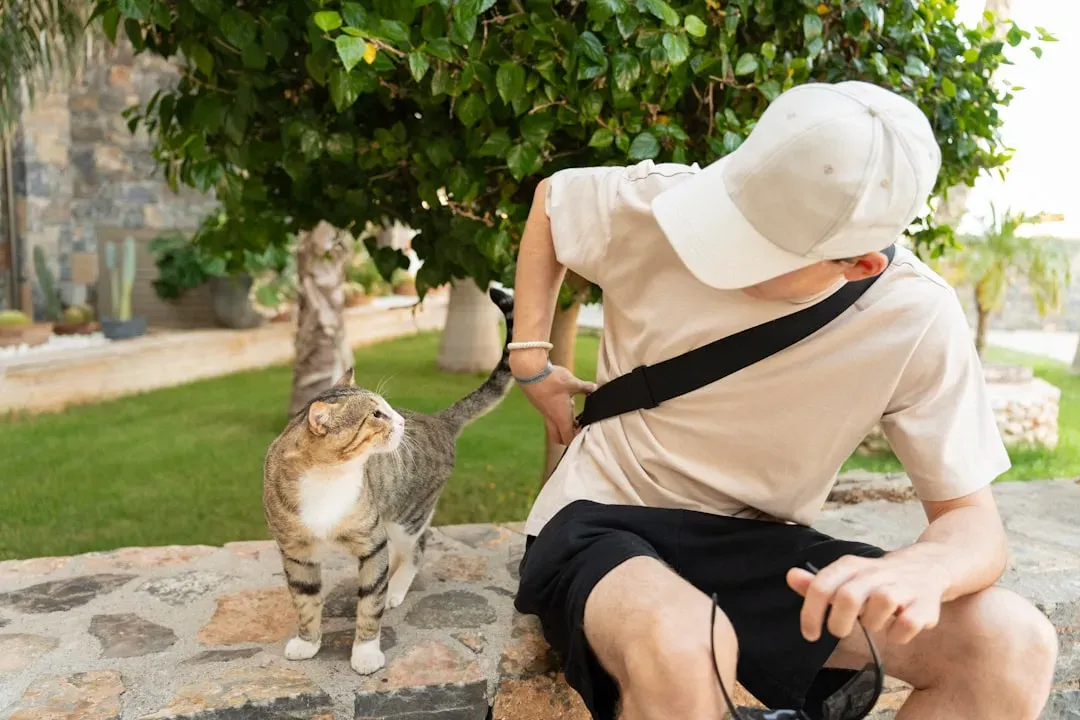
You might assume your cat came with a fixed personality stamped in from birth, but research tells a more complicated story. Cat owners’ personalities may be influencing the behavior of their pets, according to research carried out by the University of Lincoln and Nottingham Trent University, which investigated the relationship between different owner personalities and the behavior and wellbeing of their cats.
Human personality may substantially affect the nature of care provided to dependants, and while this link has been well researched in parents and children, owner interactions with companion animals may also provide valuable insight into this wider phenomenon, as owners usually adopt the role of primary caregiver and potentially surrogate parent. That’s not a small claim. It positions you, the owner, as one of the most significant forces shaping the creature sharing your couch.
What Your Personality Trait Says About Your Cat’s Mood
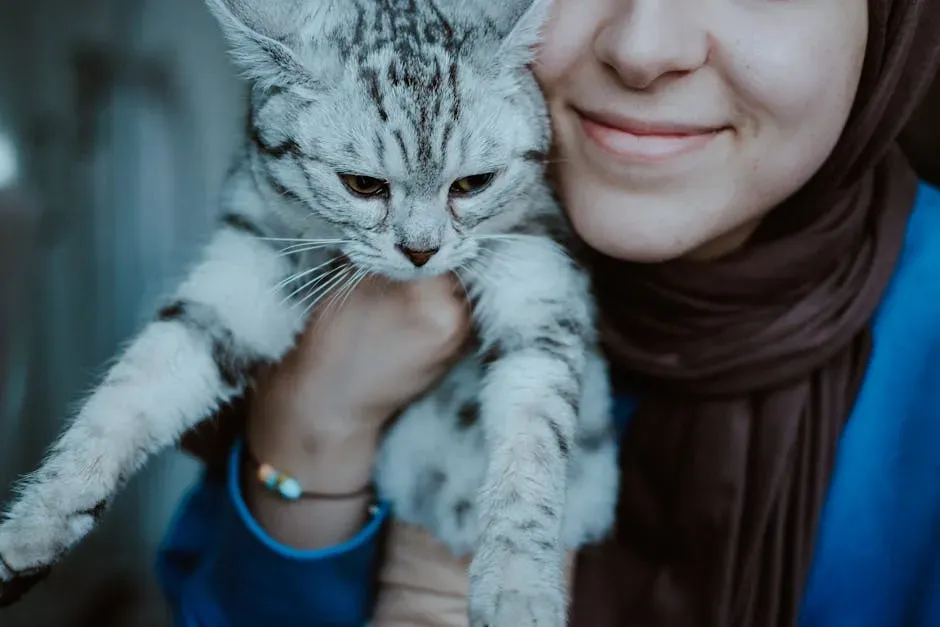
Overall, an owner’s neuroticism predicted negative health and behavioral outcomes in a cat, whereas the other personality traits, including openness, conscientiousness, extraversion, and agreeableness, predicted positive outcomes. This pattern mirrors what developmental psychologists have observed in parent-child relationships for decades.
Higher owner neuroticism was associated with an increased likelihood of cats being reported as having a behavioral problem, displaying more aggressive and anxious or fearful behavioral styles and more stress-related sickness behaviors, as well as having an ongoing medical condition and being overweight. If your cat seems perpetually on edge, your own emotional state may be a contributing factor worth examining.
How Your Anxiety Becomes Your Cat’s Anxiety
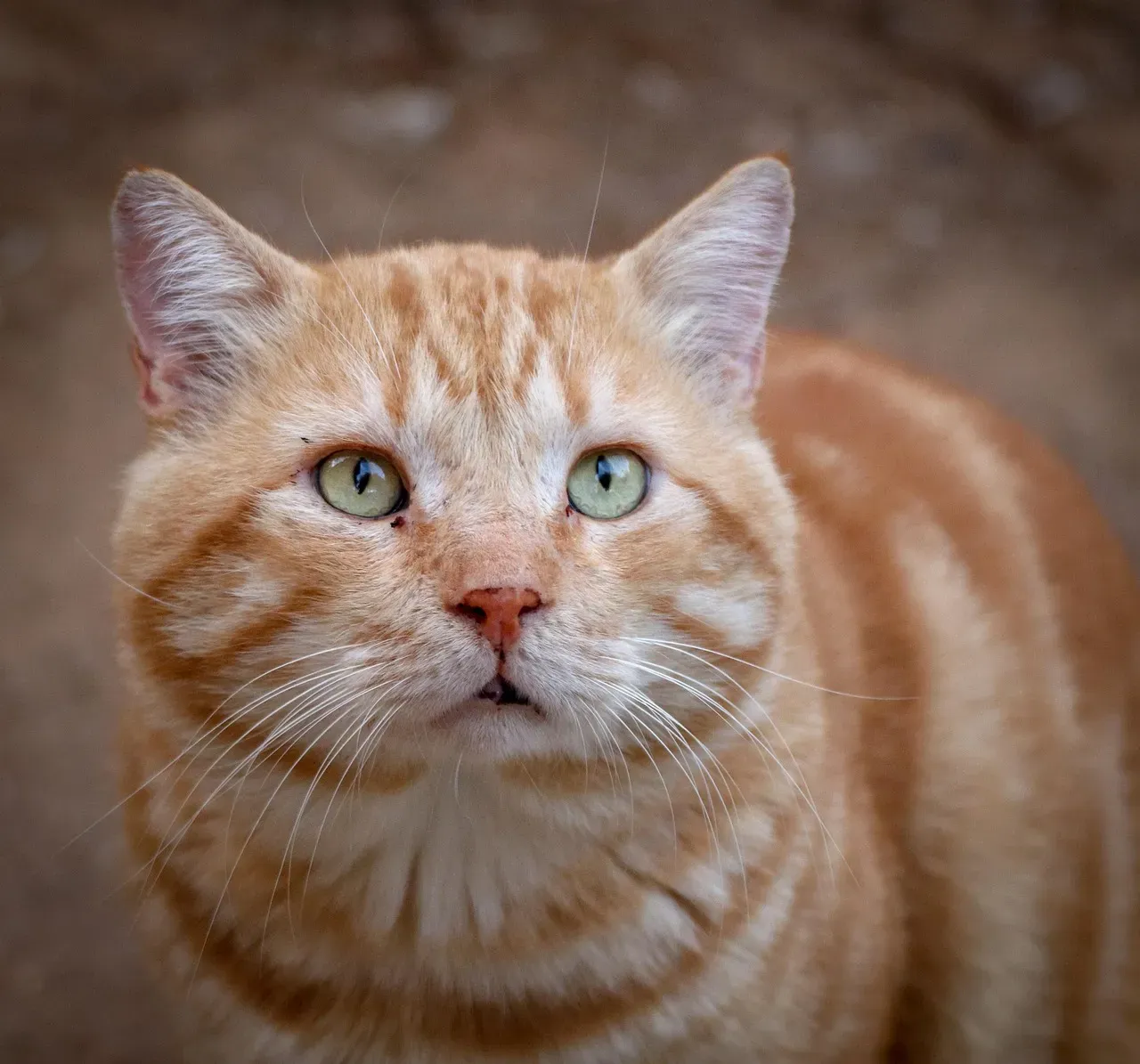
Your stress can impact your pets. Cats and dogs can sense human emotions and may show signs of anxiety or behavioral problems when they feel the stress from their owners. This isn’t folklore. Cats are perceptive animals, and they pick up on the emotional temperature of their home environment in ways that are only beginning to be fully understood.
Signs of stress in cats include hiding more often, changes in eating habits, or showing aggression. When pets pick up on their owner’s stress, it can lead to anxiety that affects their mental wellbeing and physical health, potentially resulting in feline stress symptoms like overgrooming or digestive issues. Your bad week at work can, quite literally, end up in your cat’s gut.
The Neurotic Owner, the Anxious Cat
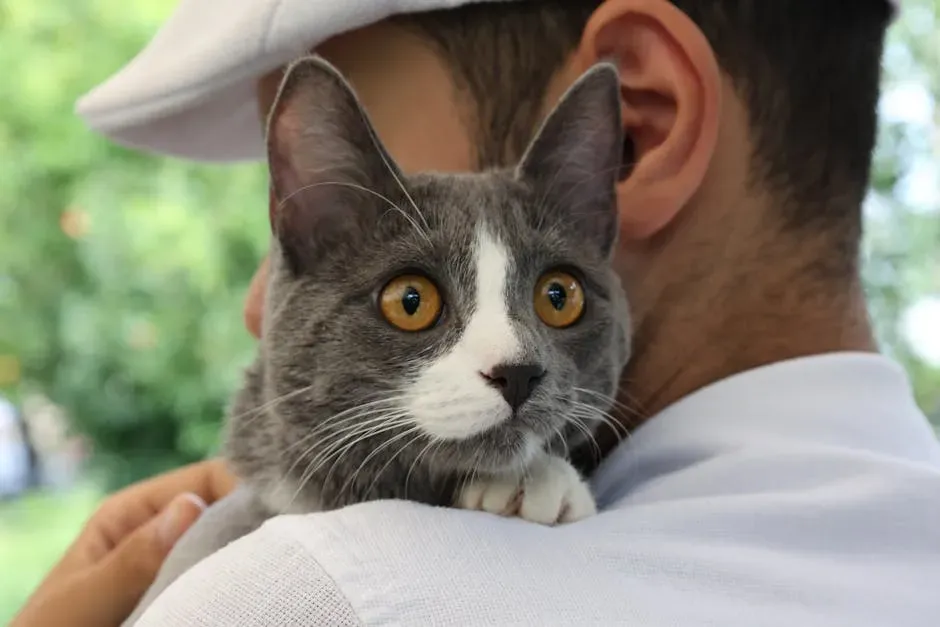
Researchers posited that an owner’s neuroticism may be particularly important to a cat’s outcomes, as the trait may result in chaotic and unstable home environments. Unpredictability is one of the things cats tolerate least. They thrive on structure, and a household that feels emotionally erratic is a stressful one for them.
The fact that owners with higher neuroticism scores were more likely to keep their cats indoors or restrict their outdoor access may reflect a generally more overprotective, overly anxious caretaking style. More neurotic cat owners may be more concerned with risks to their cats whilst wandering outdoors, and thus restrict access in some way, protecting them from perceived threats. Well-intentioned overprotection, it turns out, can quietly generate the very anxiety it aims to prevent.
The Conscientious Owner’s Gift to Their Cat
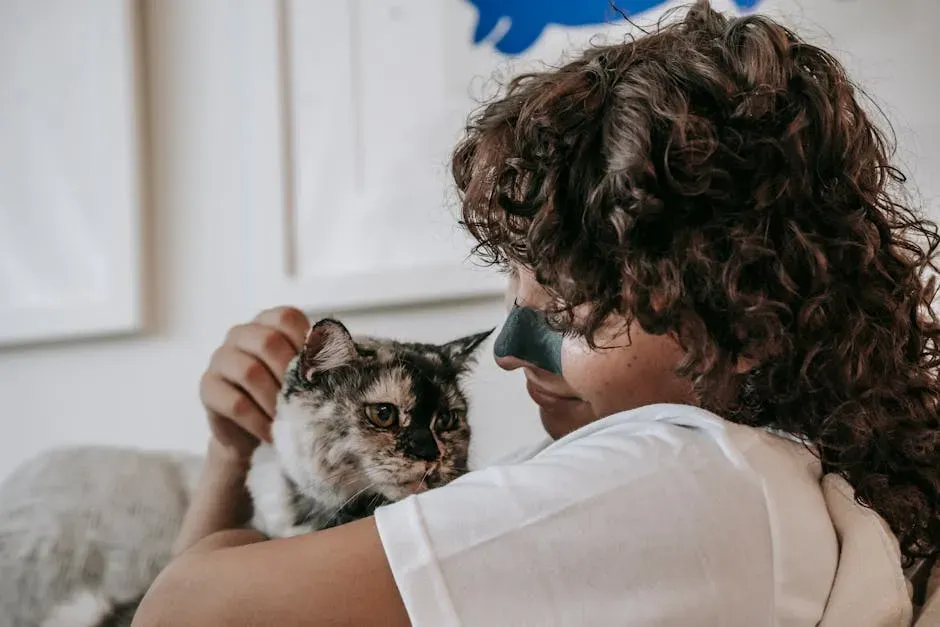
Increased conscientiousness on the part of cat owners was associated with more friendly behaviors, fewer avoidance behaviors, less aggression, and fewer anxious or fearful behaviors in their cats. Conscientiousness in a person tends to mean reliable routines, attentive care, and a consistent emotional presence. Cats, it turns out, respond well to all three.
People who are highly conscientious have cats that are less likely to be aggressive, fearful, or aloof, and more likely to be gregarious. The lesson here isn’t complicated: when you show up for your cat with regularity and calm, they tend to show up for you in kind. The relationship is genuinely reciprocal.
Routine Is Not Boring, It’s Emotional Safety
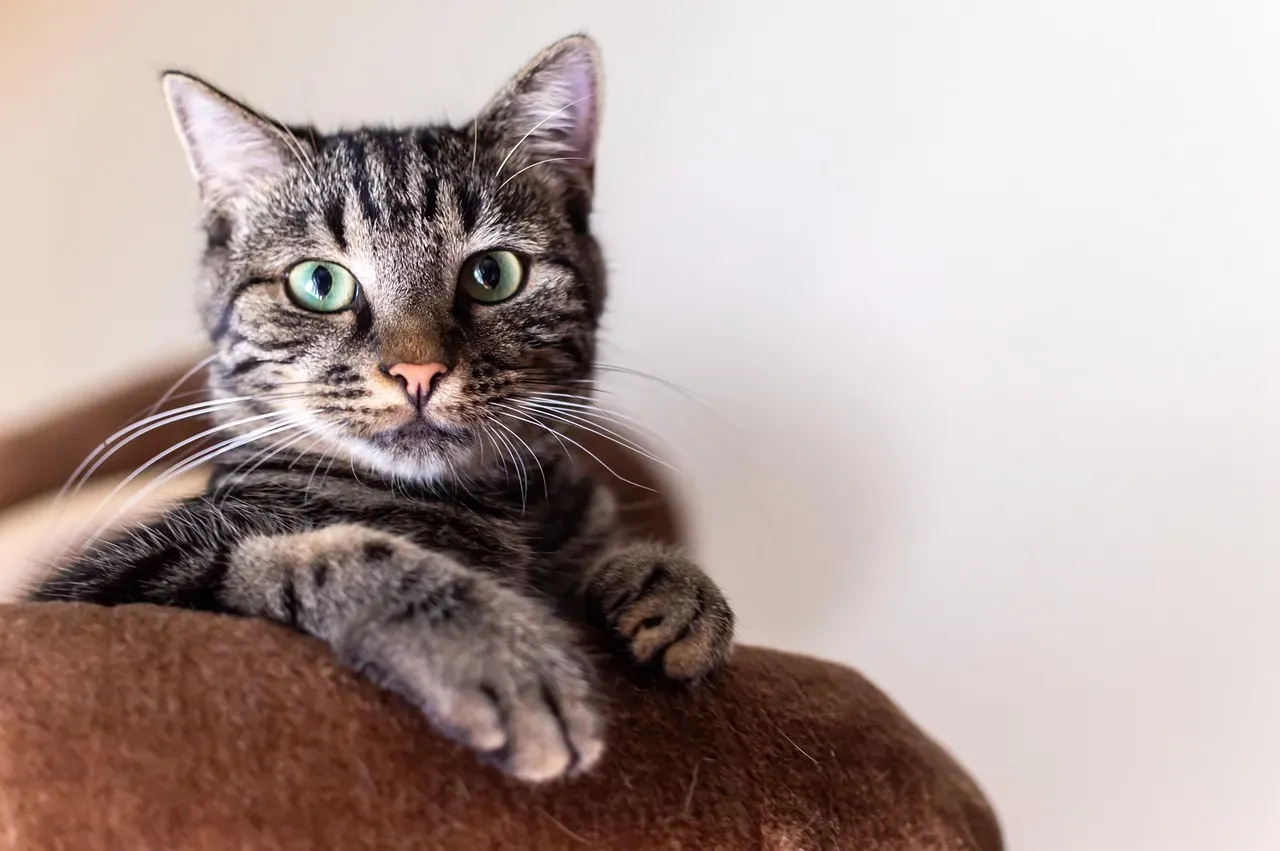
Routine isn’t boring for cats. It’s emotional safety. Consistent feeding, play, and rest patterns can transform feline behavior from the inside out. A predictable day reduces the mental load your cat carries, allowing them to relax rather than stay perpetually alert for the next disruption.
A physical environment that ensures a reasonable level of certainty, consistency, and predictability provides the foundation of enrichment. Creating a living space that keeps the cat free from fear and distress and that provides a predictable daily routine over which the cat perceives it has some control is the starting point for enhancing feline welfare. You don’t need to redesign your home. You just need to be consistent about when things happen.
Boredom Is a Behavior Problem in Disguise
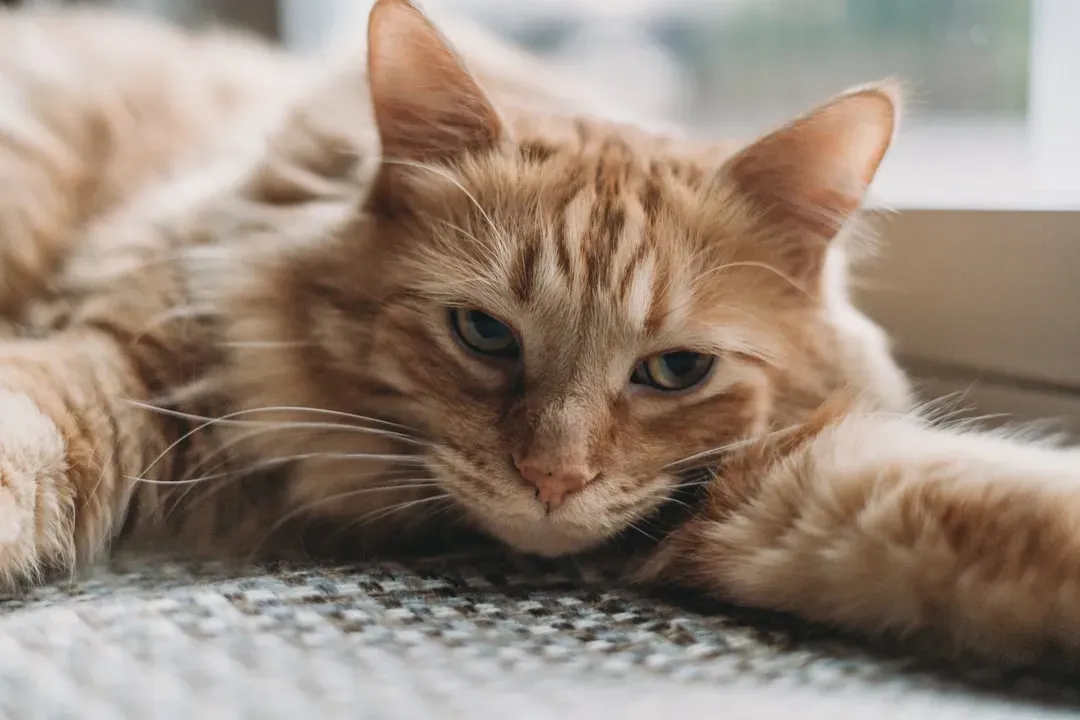
Cats are intelligent, curious creatures who thrive on mental stimulation and physical activity. Without it, they can become bored, anxious, or even depressed, conditions that may lead to behavioral challenges or physical health issues over time. When your cat is scratching furniture or yowling at 3 a.m., there’s a reasonable chance they’re not being difficult. They’re just understimulated.
There are a number of behaviors in the owner that could indirectly lead to the cat being destructive. Destructive behavior can be a result of boredom in cats, for example, which might be the case if the owner is indifferent to the cat and leaves it to its own devices. Disengagement from your cat’s daily needs is itself a form of environmental neglect, even if it’s unintentional.
The Environment You Build Shapes the Cat You Live With
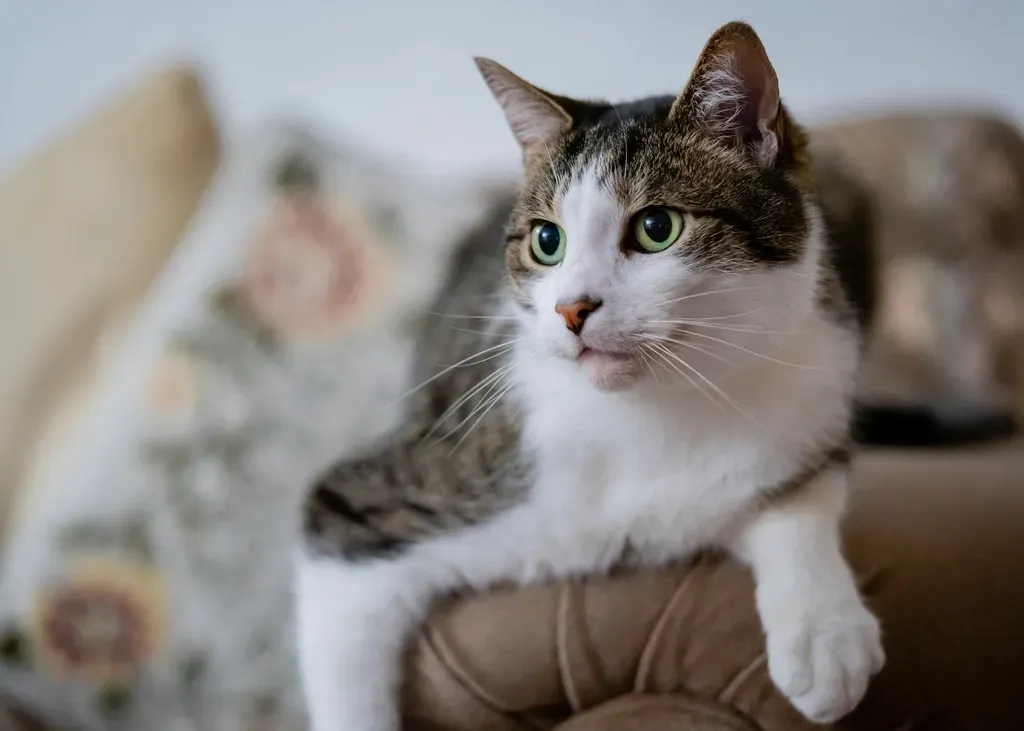
When you choose to house a cat indoors, you take on the responsibility to provide conditions that ensure good health and welfare. Cats maintain their natural behaviors such as scratching, chewing, and elimination while living indoors, and they may develop health and behavior problems when deprived of appropriate environmental outlets for these behaviors. The indoors is only a safe space if it also functions as a stimulating one.
A 2019 systematic review concluded that the impact of an indoor lifestyle on feline welfare is under-recognized and that many behavior disorders stem from environmental deficits. Indoor cats without sufficient enrichment may develop distress, which can manifest as aggression, inappropriate urination, overgrooming, or withdrawal. These aren’t character flaws. They’re symptoms of an environment that hasn’t met the cat’s basic psychological needs.
What You Can Actually Do Differently
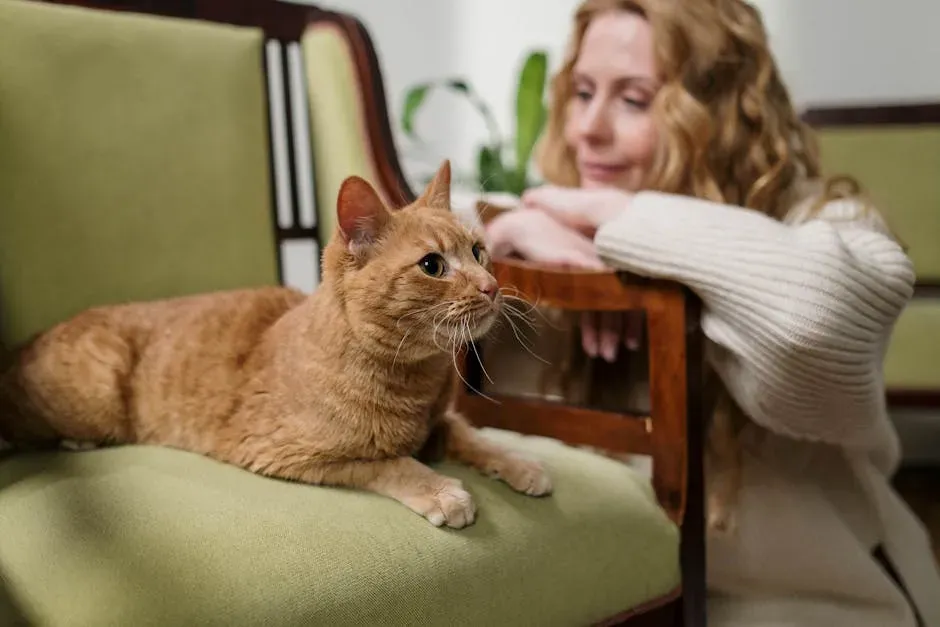
Cats are naturally sensitive creatures who thrive on predictability and control over their environment. When their world becomes chaotic or unpredictable, stress can manifest in ways that significantly impact both their physical and emotional wellbeing. Recognizing that dynamic is the first, and most important, step.
The researchers found that cats may benefit when their guardians have lower levels of neuroticism and higher levels of agreeableness, conscientiousness, extroversion, and openness. You can’t overhaul your personality overnight, but you can manage your stress more deliberately, build consistent daily routines, offer your cat more play time, and stay attuned to their signals. The bond between cats and their owners is reciprocal. Not only do owners influence their cats, but cats can also affect their owners’ moods and behavior. The influence genuinely flows both ways.
Conclusion
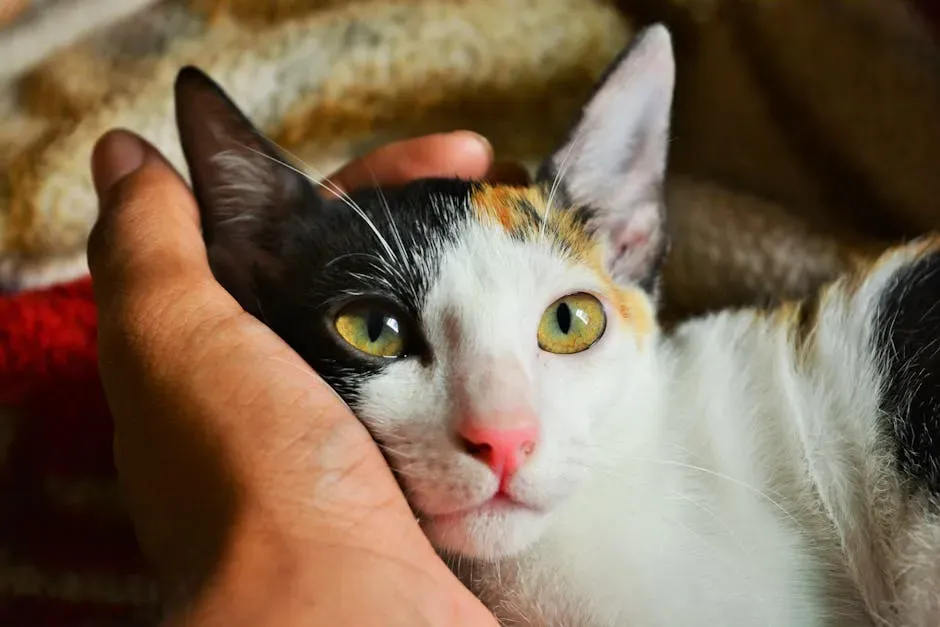
None of this is about guilt. Your cat isn’t a judgment, and a stressed or difficult cat doesn’t mean you’ve failed as a person. What the research does suggest, clearly and consistently, is that the relationship between you and your cat is far more dynamic than we tend to assume. More and more, researchers are learning that the welfare of pets is driven by the underlying nature of the owner, and not simply by their conscious decisions and behaviors.
Your cat doesn’t have a grudge. They have a nervous system, a deep need for consistency, and a remarkable sensitivity to the emotional climate you create. Work on your own calm, build a more predictable environment, and you may find that the “difficult” cat you’ve been living with starts to look a lot more like a content one.
Kristina is a young writer from India. An arts graduate and an avid content creator, Kristina is passionate about animals and wildlife. She enjoys exploring topics related to pet care, animal behavior, conservation, and nature, combining thorough research with engaging storytelling.