You probably think you know how to pet your cat. After all, you’ve been doing it for years, right? Here’s the thing though: your feline friend might be silently tolerating your affection rather than actually enjoying it. Cats are notoriously particular about physical touch, and what seems like a sweet gesture to you could be driving them absolutely crazy.
Most cat owners unknowingly make the same mistakes over and over again. Your cat might even love you enough to put up with it, but that doesn’t mean they’re thrilled about the experience. The good news is that understanding what irritates them can transform your relationship and make those cuddle sessions genuinely enjoyable for both of you. Let’s dive into the most common petting mistakes that might be souring your bond with your furry companion.
You’re Going Against the Grain
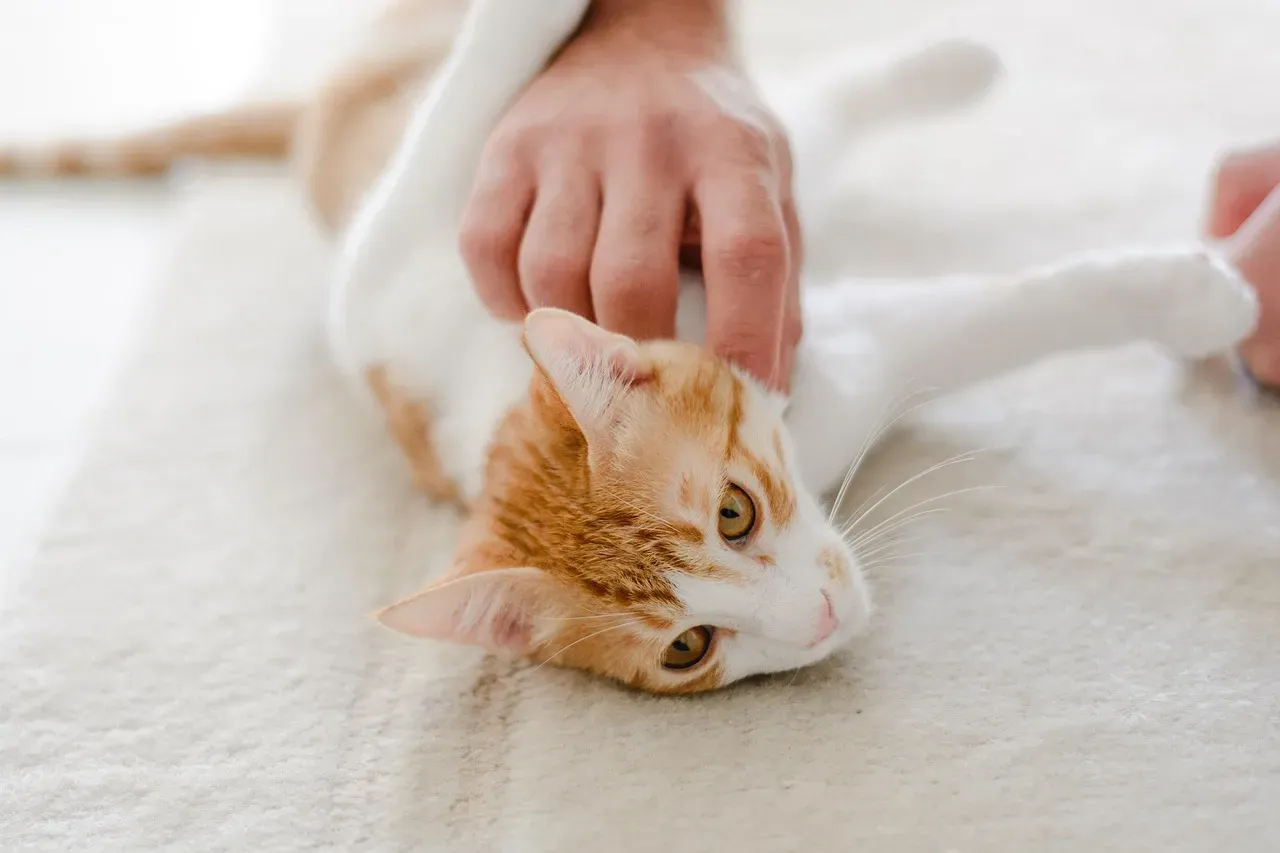
Petting your cat against the direction their fur naturally grows is uncomfortable or irritating, especially for those with short, straight fur. Think about it like someone rubbing your hair the wrong way. It doesn’t hurt exactly, but it feels weird and unpleasant.
When you pet your cat backwards, it ruffles up their fur and makes them feel vulnerable, causing stress. This simple mistake can quickly turn a pleasant interaction into something your cat wants to escape from. Always stroke in the direction of fur growth, following the natural flow from head to tail.
You’re Touching the Forbidden Zones
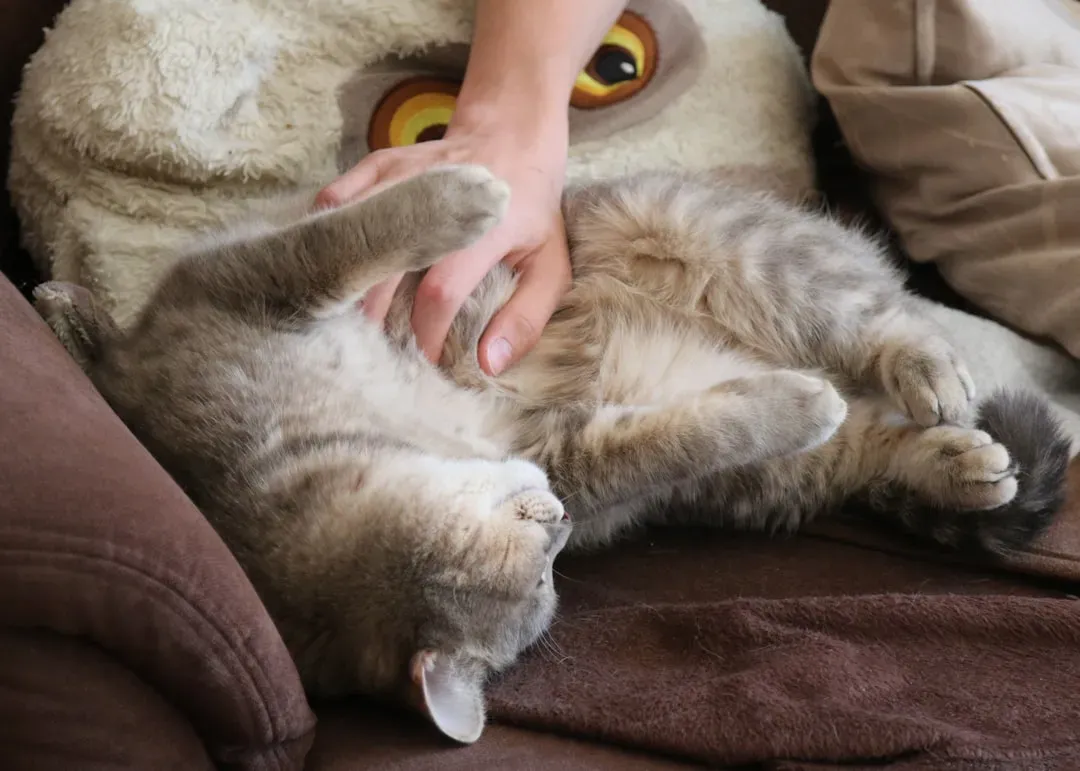
Most cats hate to be touched on their bellies or near the base of their tails. When cats show their belly, it’s a sign of extreme trust, not an invitation to stroke it, since their sensitive underside protects vital organs. That fluffy tummy might look irresistible, but reaching for it is basically asking for a bite.
Most cats also dislike being petted on the tail, and they don’t usually like to have their feet or legs touched. Paws are essential for cats, and they’re often very protective of them since they need their feet ready for whatever might happen: to flee, to fight, to hunt. Stick to the safe zones like the cheeks, chin, and base of the ears.
You’re Not Reading Their Warning Signs
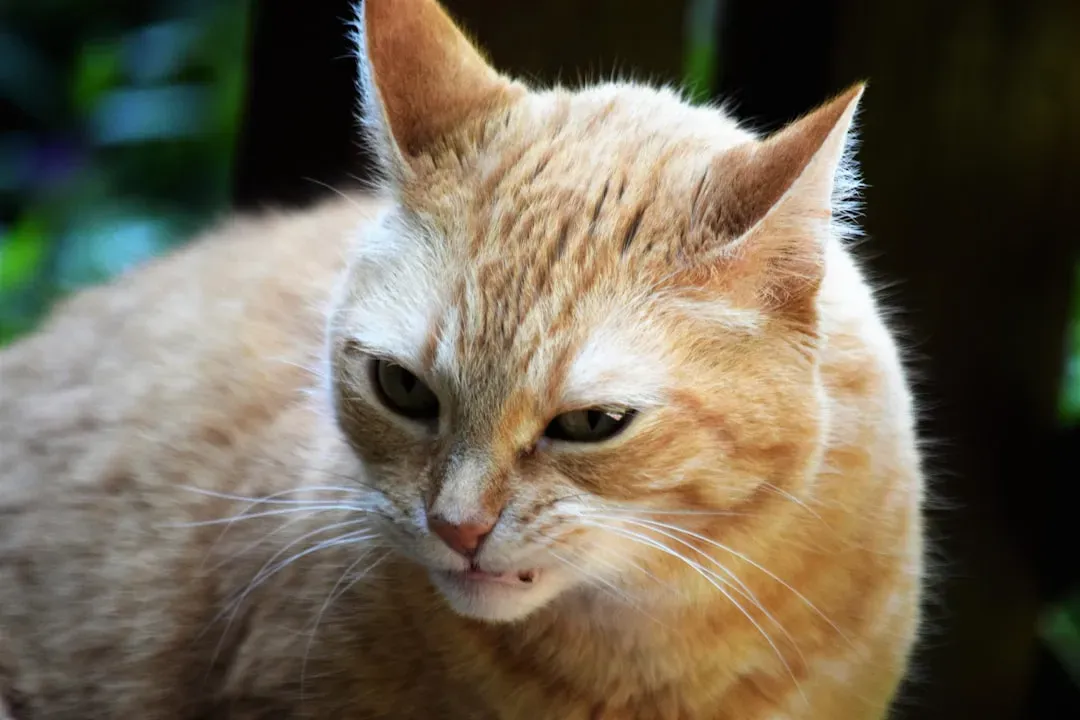
Your cat is actually communicating with you constantly, but you might be missing the signals. Cats can become overstimulated from too much petting, and signs include flicking tail tips, skin rippling, sudden tenseness, or even hissing and swatting. These aren’t random behaviors; they’re your cat’s way of saying “enough already.”
When annoyed, cats might very sharply turn their head towards your hands, turn their heads to look at you, or simply freeze or stop actively encouraging the interaction such as stopping purring. Look for turned back or flattened ears, rippling skin down the spine, dilated eyes, or tail twitching that escalates to whipping; these signs mean cease and desist. Pay attention before your cat feels forced to use teeth and claws to make their point.
You’re Using Too Much Pressure
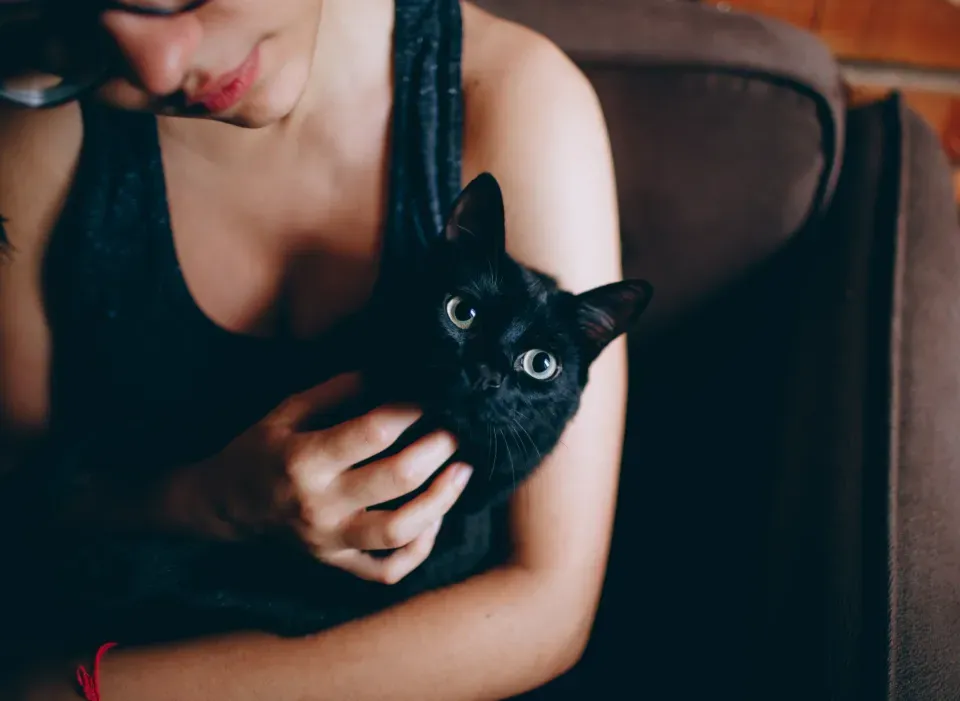
Cats vary in their preference for pressure when being petted; unlike dogs, cats generally dislike hard pats or pressing firmly, which can cause discomfort or irritation. Remember, you’re not tenderizing a steak here. What feels like a nice firm pat to you might feel overwhelming or even painful to your cat.
Cats aren’t dogs, and they respond to touch completely differently. Gentle, soothing strokes work much better than enthusiastic thumping. Some cats prefer barely-there touches, like a whisper across their fur. Start light and let your cat’s response guide you toward the right pressure level.
You’re Petting for Too Long
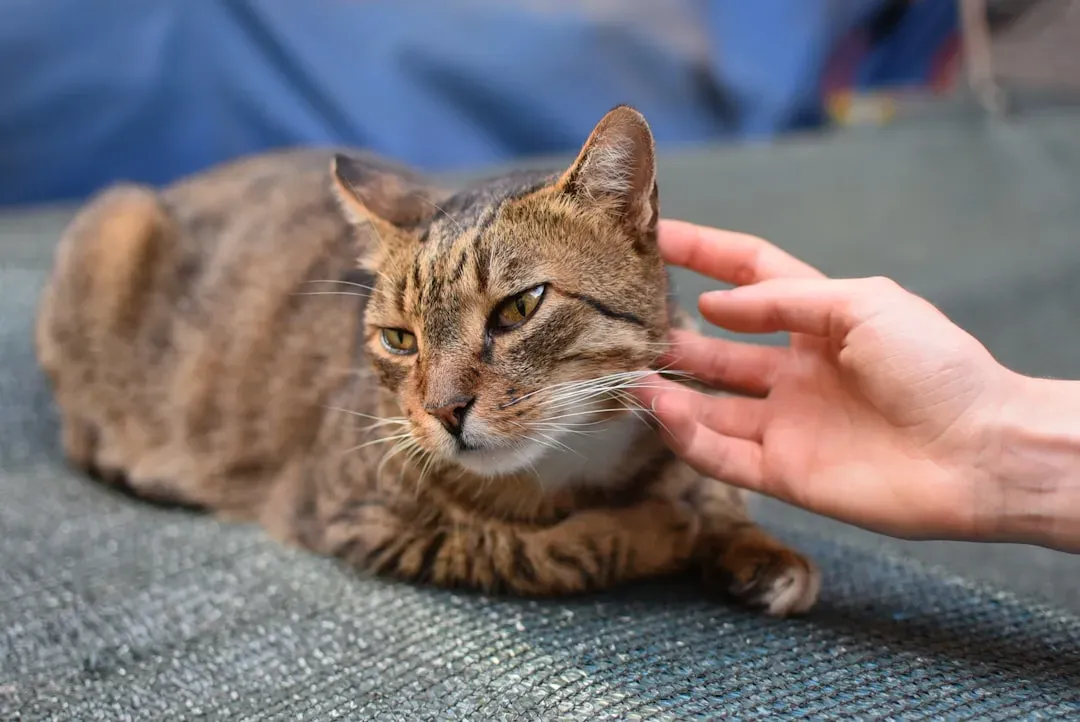
Petting is soothing for cats and likely reminds them of being groomed with their mother’s tongue when they were kittens, but it can also have a stimulating effect; you should be careful not to stroke too vigorously and not for too long, otherwise the cat may become overstimulated and release its energy by clawing at the person stroking it. Think of it like being tickled; it might feel good at first, but after a while it becomes unbearable.
Cats may have specific areas on their body that are more sensitive than other areas, and when rubbed repeatedly over these areas it can become uncomfortable; the length of time it takes for petting to go from enjoyable to uncomfortable varies for each cat. Some cats max out after a few strokes, while others can tolerate several minutes. The key is stopping before they hit their limit.
You’re Not Letting Them Make the First Move
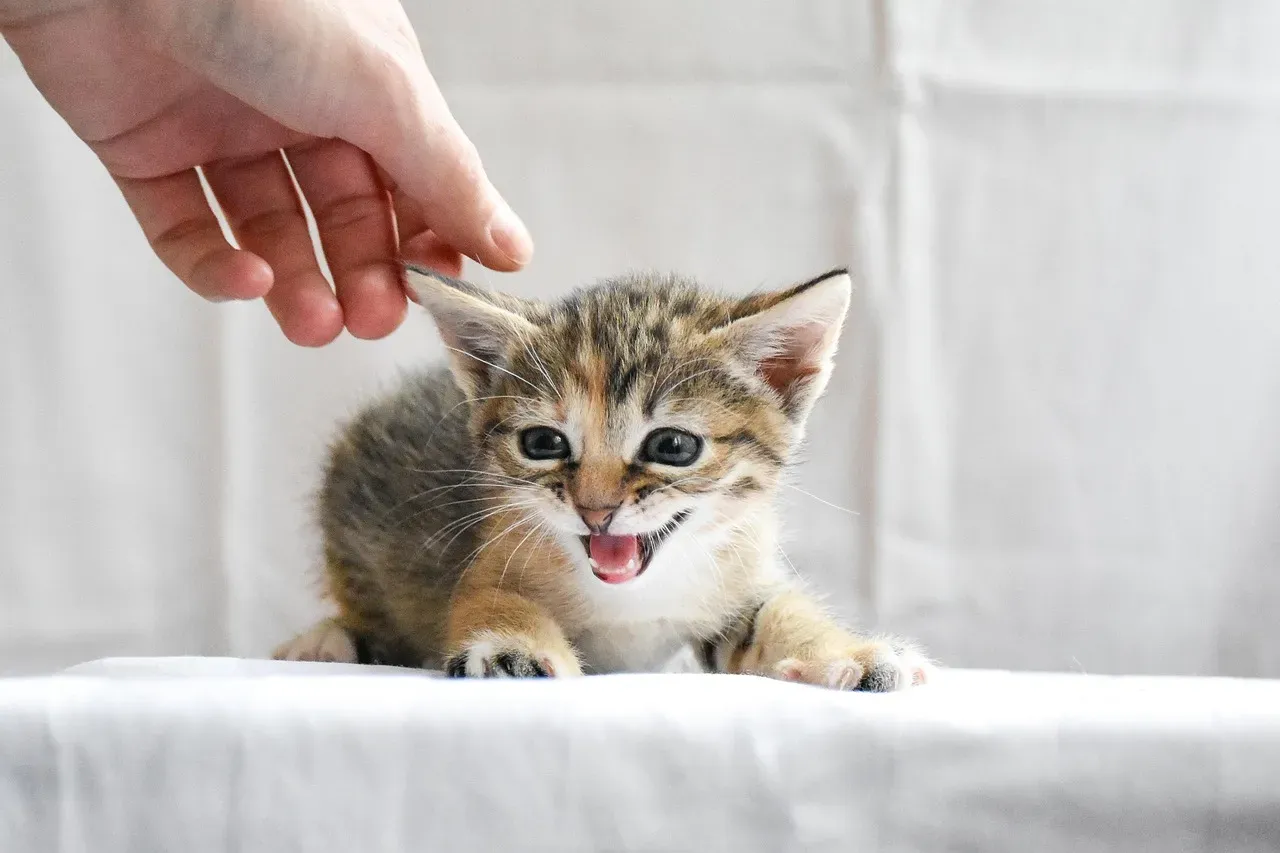
The C-A-T guidelines include ‘C’ for choice and control: bend down and offer a hand, and let the cat decide if it wants to approach for snuggling. Reaching out and grabbing your cat without warning is basically a violation of their personal space. Cats value autonomy and control over their environment.
Cats are cautious creatures and usually prefer to sniff before accepting touch; when greeting your cat, offer your finger for your cat to sniff first and wait for them to rub against it before you start petting. This simple courtesy respects their need to investigate and gives them the power to consent to being touched. It’s not complicated; just wait for the invitation.
You’re Ignoring Their Mood and Timing
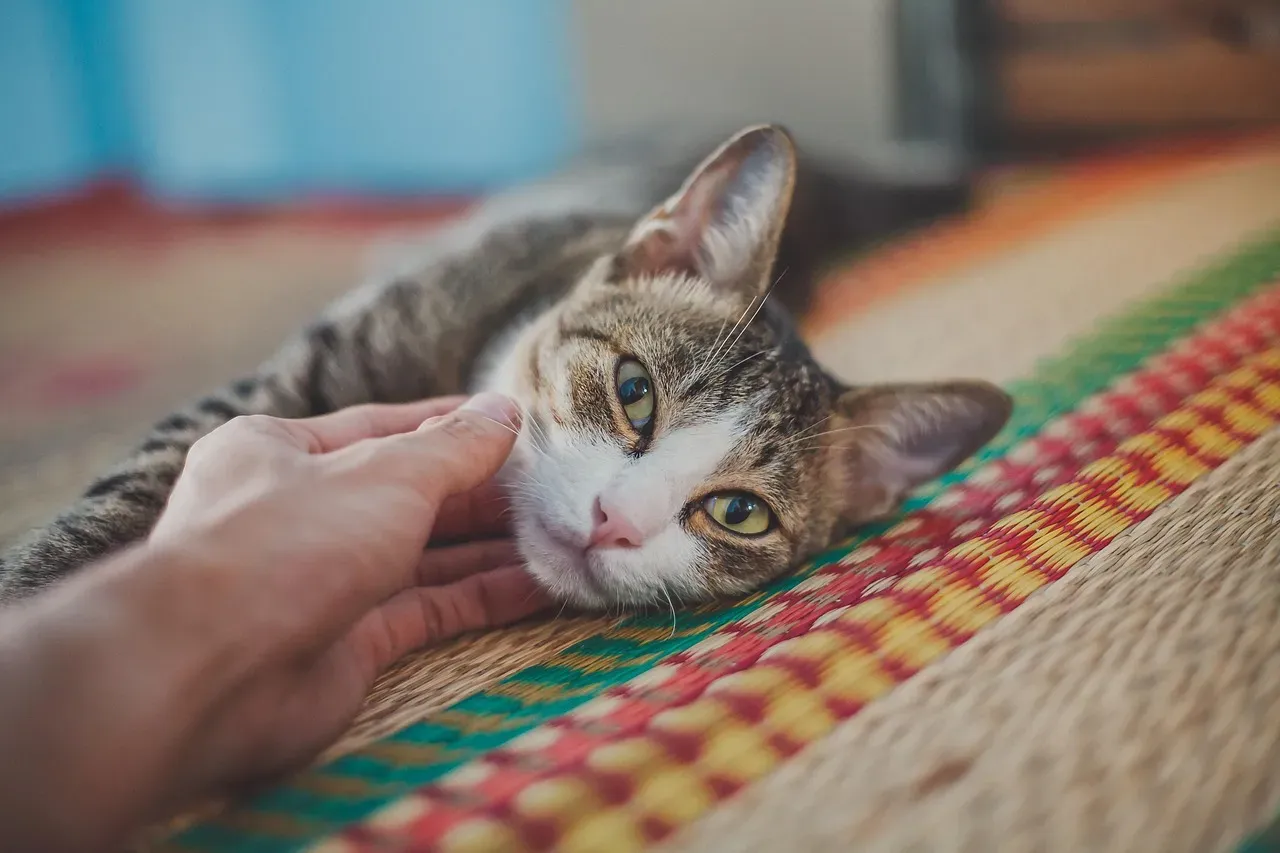
Even the most patient cats find petting silly when eating or grooming; the rule here is don’t touch. Your cat might be in the middle of something important, like hunting invisible prey or having a serious grooming session. Interrupting them for affection is inconsiderate.
Cats trying to pet you when they’re riled up and looking to hunt or play won’t work; if your cat’s tail is twitching, their eyes are big, and they’re pouncing or dashing around, trying to pet them isn’t going to work; instead, play with them until they’re tuckered out, then you can pet them while they rest. Context matters enormously. A cat in play mode doesn’t want gentle strokes; they want action.
Understanding these mistakes is really just about respecting your cat as the unique individual they are. Every cat has different preferences and boundaries, and learning to read yours will make your relationship so much richer. The beautiful thing is that once you start paying attention to what your cat actually enjoys rather than what you assume they want, you’ll likely notice them seeking out your affection more often.
Did you recognize any of these mistakes in your own petting technique? What signs does your cat give you when they’ve had enough? Share your experiences in the comments.