A tabby cat encountered her brand-new enclosed outdoor patio and erupted into pure delight. She rolled repeatedly across the floor, rubbed her body along every surface, and inspected each corner with careful curiosity. The Instagram video capturing this moment amassed over 5.5 million views, underscoring how such spaces ignite joy in indoor felines.
Catio Craze Meets Feline Instincts
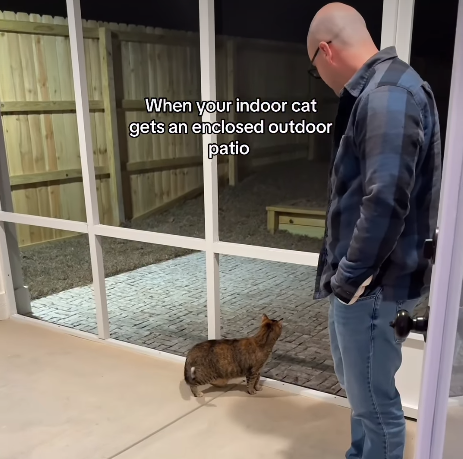
Enclosed patios, often called catios, emerged as a popular solution for pet owners seeking to blend indoor safety with outdoor stimulation. These structures allowed cats like the featured tabby to experience fresh air and nature without facing common dangers.[1][2]
Owners constructed these enclosures using mesh or screens to create secure environments. The tabby treated her space as a personal domain, a reaction echoed in countless similar stories. Such setups addressed the limitations of purely indoor living, where cats sometimes grew restless.
Unmistakable Signs of Tabby Ecstasy
The video showed the cat’s immediate transformation upon entry. She began with enthusiastic rolls that covered the floor, followed by deliberate rubs to mark her territory. Her methodical exploration from one corner to the next revealed a sense of ownership and happiness.[1]
Body language spoke volumes: relaxed posture, playful energy, and focused inspection. Viewers noted the instinctive marking behavior, a natural response to new territory. This display resonated widely, drawing thousands of likes and comments celebrating the cat’s evident thrill.
Health Boosts from Safe Outdoor Access
Catios delivered tangible advantages for indoor cats’ well-being. They promoted exercise through climbing, jumping, and prowling, countering sedentary tendencies that led to obesity.[2][3]
Mental enrichment came from observing birds, feeling breezes, and engaging senses long denied in confined spaces. Stress levels dropped as cats fulfilled hunting instincts safely. Physical perks included better muscle tone and weight control, vital for long-term vitality.
| Aspect | Indoor Cats with Catio | Typical Indoor-Only Cats |
|---|---|---|
| Safety | Protected from hazards | No outdoor risks but limited stimulation |
| Lifespan Potential | Supports 15-17 years[1] | 15-17 years average |
| Activity Level | Increased exercise | Often sedentary |
- Enhanced safety shields from traffic, predators, and diseases.
- Sensory stimulation combats boredom and anxiety.
- Exercise prevents health issues like diabetes and arthritis.[2]
- Stress reduction leads to calmer household dynamics.
- Wildlife protection by curbing roaming predation.[4]
Easing Cats into Their New Realm
Introductions required patience to match the tabby’s swift embrace. Owners started with short, supervised visits of five to ten minutes, using treats to lure curious steps.[5]
Familiar items like blankets eased transitions, infusing the space with known scents. Gradual extensions built confidence, allowing cats to adapt at their pace. Observation proved key; anxious signs prompted slower progress.
Vertical elements such as shelves and perches amplified appeal, mimicking natural habitats. Safe plants and toys further enriched the environment without risks.
Key Takeaways
- Catios extend indoor cats’ safe access to nature, boosting joy and health.
- Start small with supervised sessions for smooth adjustments.
- Expect instinctive behaviors like rolling and rubbing as signs of delight.
This tabby cat’s story illustrated catios’ transformative power, turning simple enclosures into realms of rapture. Indoor pets gained vitality and purpose, proving small changes yielded outsized happiness. What do you think about building a catio for your feline friend? Tell us in the comments.