You know that look your cat gives you from across the room? The one that seems to say, very clearly, that you are staff and they are management? It is easy to assume your cat just is not that into you, especially when you are comparing them to the neighbor’s dog who practically explodes with joy every time someone says their name. But a lot of what you read as distance or indifference is actually your cat’s own, very specific way of saying they feel safe with you.
Once you start to understand how cats are wired, that cool, aloof vibe starts to look completely different. You notice the tiny tail flicks, the slow blinks, the way they always seem to be in the same room as you, even if they pretend not to care. You realize you are not being ignored; you are being trusted. And for a cat, that is a much bigger deal than constant cuddles.
Why Your Cat Seems Aloof (But Probably Is not)
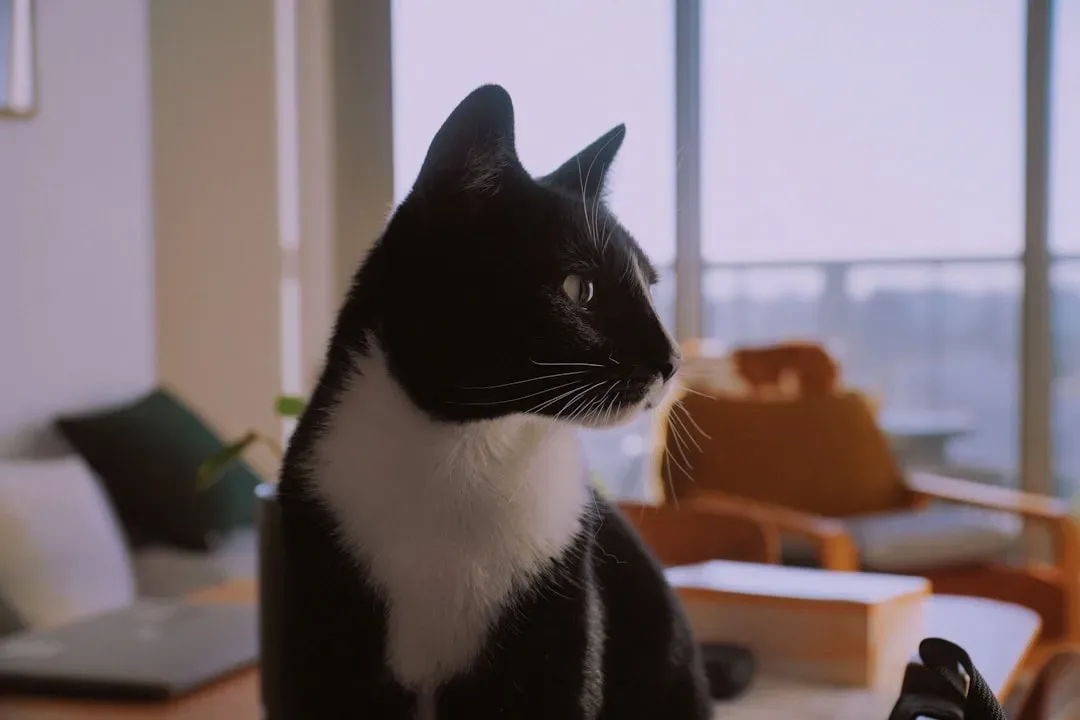
If you grew up around dogs or people who expected pets to be endlessly eager and obvious about their love, a cat’s behavior can feel confusing, even a little cold. You walk into the room, and instead of racing over, your cat glances up, blinks slowly, and goes back to grooming or staring at nothing. To you, it might look like a snub. To your cat, it is more like saying they are comfortable enough around you not to be on high alert.
Cats are small predators, but they are also potential prey in the wild, so they are wired to conserve energy and avoid drawing unnecessary attention to themselves. That laid-back attitude is not laziness; it is survival strategy. When your cat seems calm, quiet, or even disinterested, it often means they feel safe in your space and do not feel the need to constantly seek reassurance. In a cat’s world, confident chill is the emotional equivalent of a big, excited hug.
How Cats Actually Show Affection (You Just Miss It)
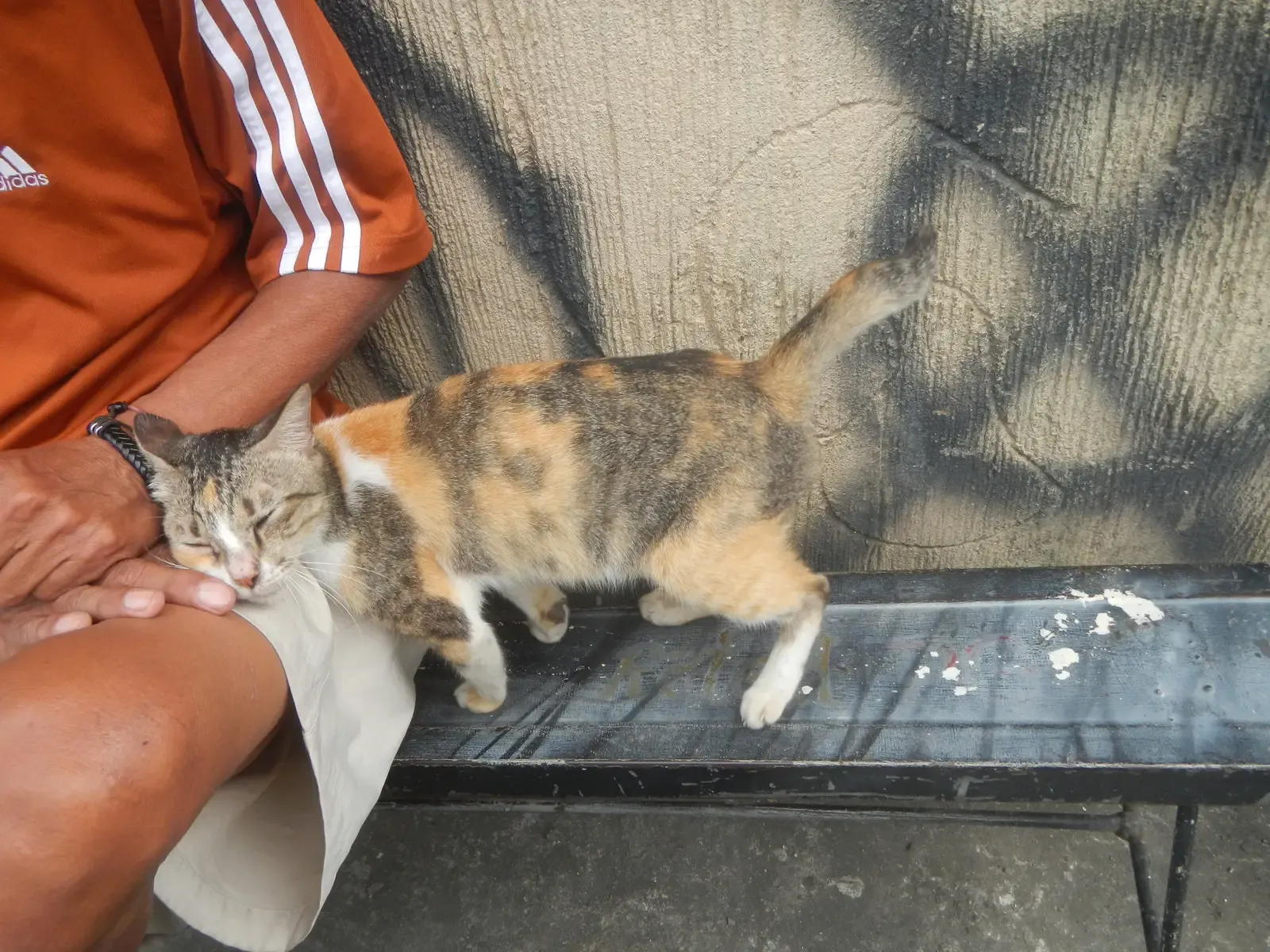
You might be waiting for grand gestures, but with cats, affection is hidden in the little details that are easy to overlook. When your cat follows you from room to room and casually settles nearby, that is affection. They could nap anywhere in the house, but they choose to be in your orbit, even if they pretend you are just part of the furniture. When they greet you at the door, even with a subtle stretch and yawn, that is their low-key version of a welcome party.
There are other signs you may have brushed off as quirks. The slow blink, for instance, is not boredom; it is your cat’s way of saying they feel relaxed and safe with you, since fully closing their eyes in your presence is a show of deep trust. A tail held upright, especially with a slight curve at the tip, is a friendly signal, almost like a little flag that says they are happy you are there. The more you learn to read these small messages, the more you realize your “aloof” cat has been telling you they care all along.
The Science of Feline Attachment: Yes, Your Cat Can Love You
You sometimes hear people say that cats only stick around for food, as if they are furry little opportunists with no real emotional connection. But research on feline behavior and attachment tells a different story. Studies using methods similar to those used with dogs and human infants show that many cats form secure bonds with their caregivers. When their person leaves and returns, these cats show signs of stress, then calm down once their human comes back, a pattern that points to genuine attachment.
In other words, your cat is not just tolerating you because you operate the can opener. They notice your routines, your voice, your scent, and your presence in the environment. They often prefer interacting with their person over toys or food when given the choice in controlled settings. You might not get the dramatic tail-wagging reunion scene you see with dogs, but emotionally, your cat may be just as invested in you, just expressing it in their more reserved, feline way.
Reading Cat Body Language: From Ears to Tail Tip
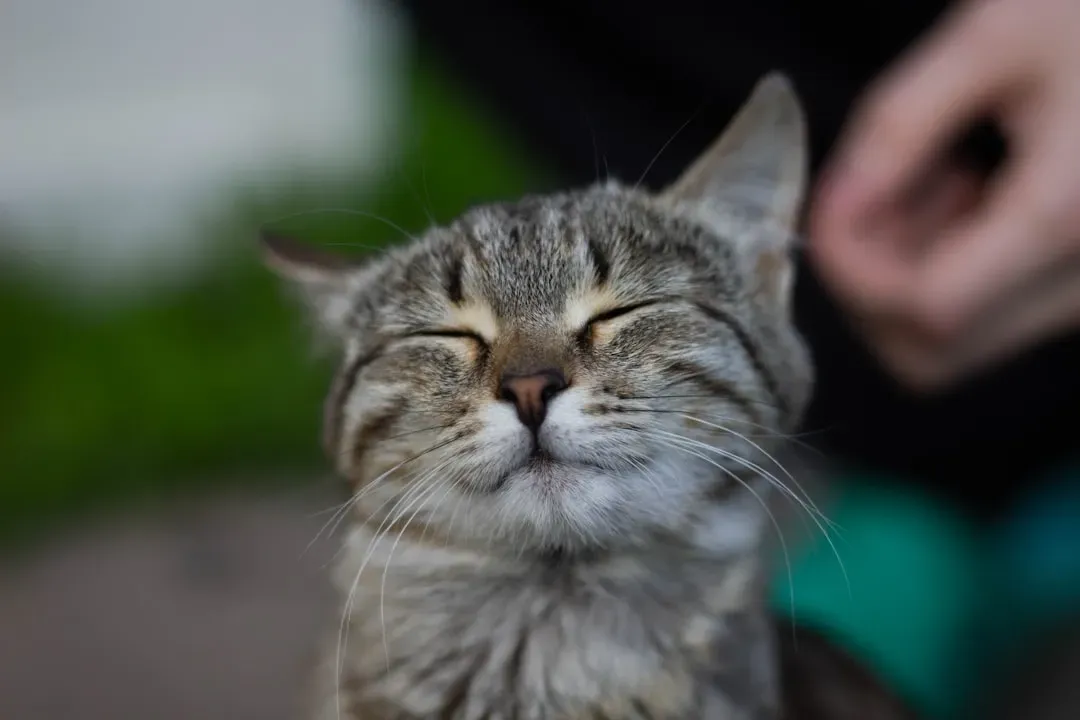
If you want to understand your cat better, start paying attention to their body language like it is a secret code you are learning to crack. Their ears alone can tell you a lot: ears facing forward usually mean interest or contentment, while ears flattened sideways or backward are a sign they are overwhelmed, annoyed, or even scared. The eyes add another layer. Wide, dilated pupils can signal excitement or fear, whereas slow, soft blinks often mean relaxation and trust.
The tail, though, is where your cat really spells things out. A straight-up tail, especially when they walk toward you, is like a friendly greeting. A puffed-out tail means serious alarm, and a low, tucked tail shows fear or insecurity. Even the tiniest tail twitch when they are sitting near you can mean they are aware of you and engaged, even if they look like they are ignoring you. Once you get used to reading these signals, you stop taking their behavior personally and start responding in ways your cat actually appreciates.
Why Some Cats Avoid Cuddles (And Still Adore You)
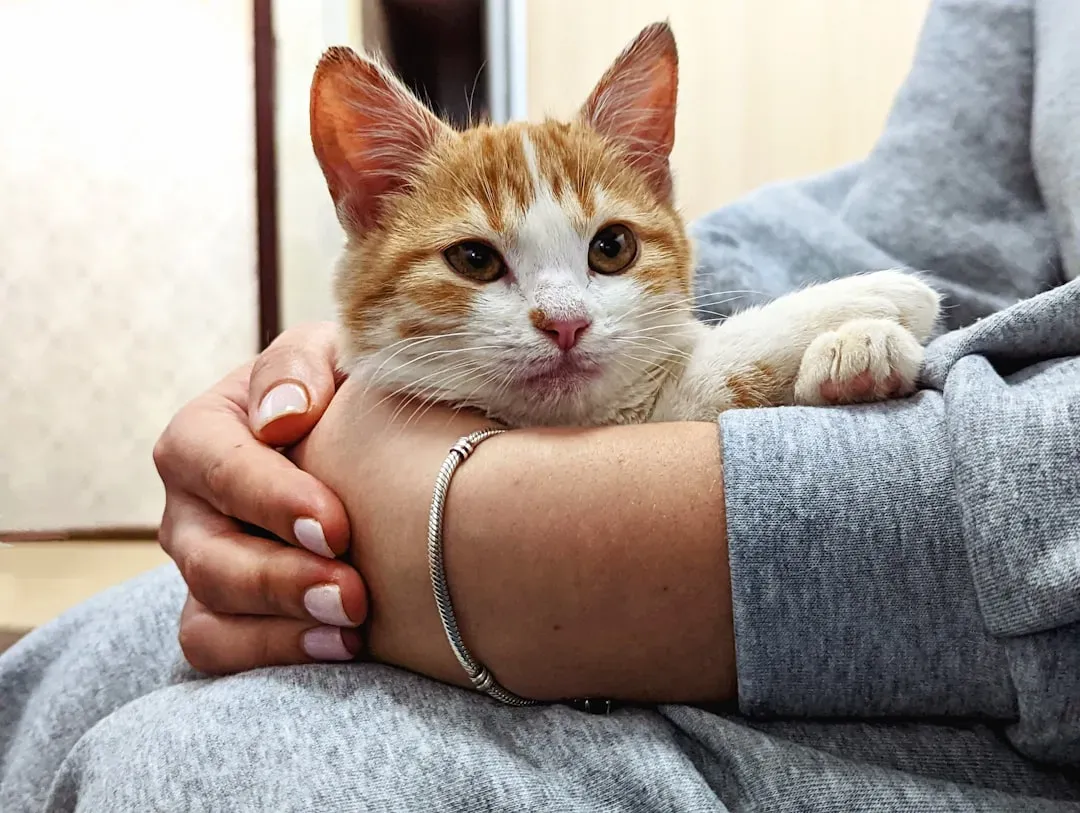
If your fantasy was a cat who melts in your arms like a warm, purring scarf, a more independent cat can leave you feeling rejected. But just like people, cats have different comfort levels when it comes to physical touch and personal space. Some love being held, while others prefer sitting next to you rather than on you. If your cat twists away when you scoop them up, it does not mean they dislike you; it usually means they do not feel in control in that position.
Think of it less as affection versus no affection and more as style differences. A cat who never climbs into your lap might still seek you out whenever you sit down, choosing to lie by your feet or just within arm’s reach. They might nudge your hand for a quick head rub, then retreat once they have had enough. When you respect those boundaries instead of forcing cuddles, your cat learns they can trust you to listen to their signals, and that trust is a deeper kind of bond than any forced snuggle.
How to Build Trust With a “Distant” Cat
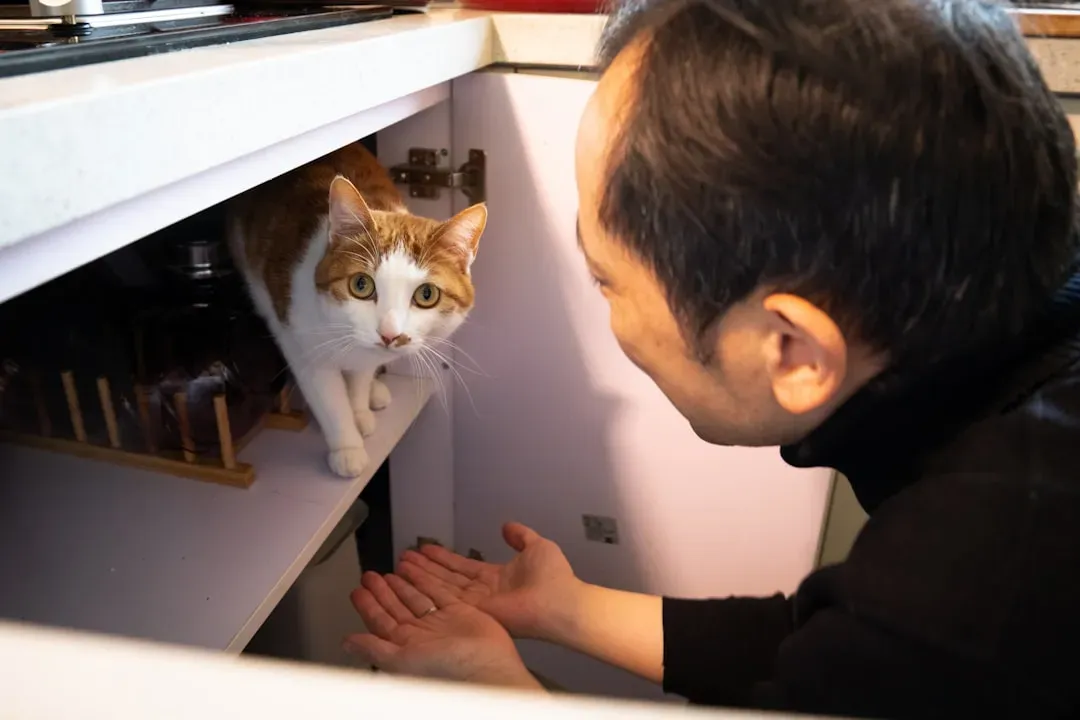
If your cat seems standoffish, you can still build a closer relationship by letting them set the pace. Start by simply being present without demanding interaction: sit in the same room, read or work quietly, and let your cat come and go as they please. When they glance your way, blink slowly and look relaxed instead of staring directly at them, which can feel threatening to a sensitive cat. Over time, they will often inch closer, testing whether it is safe to interact with you on their terms.
You can also use play to become the fun, safe part of their world. Wand toys, feather teasers, or even a simple string on the floor can tap into their hunting instincts and create positive shared experiences. Keep your movements gentle and predictable, and avoid sudden grabbing or loud reactions. When your cat chooses to approach, reward them with calm praise, a treat, or a few strokes in their favorite spot. Those small, consistent, and respectful interactions slowly turn you from “that big unpredictable human” into “my reliable, comforting person.”
Touch the Right Way: Where and How Cats Like to Be Petted
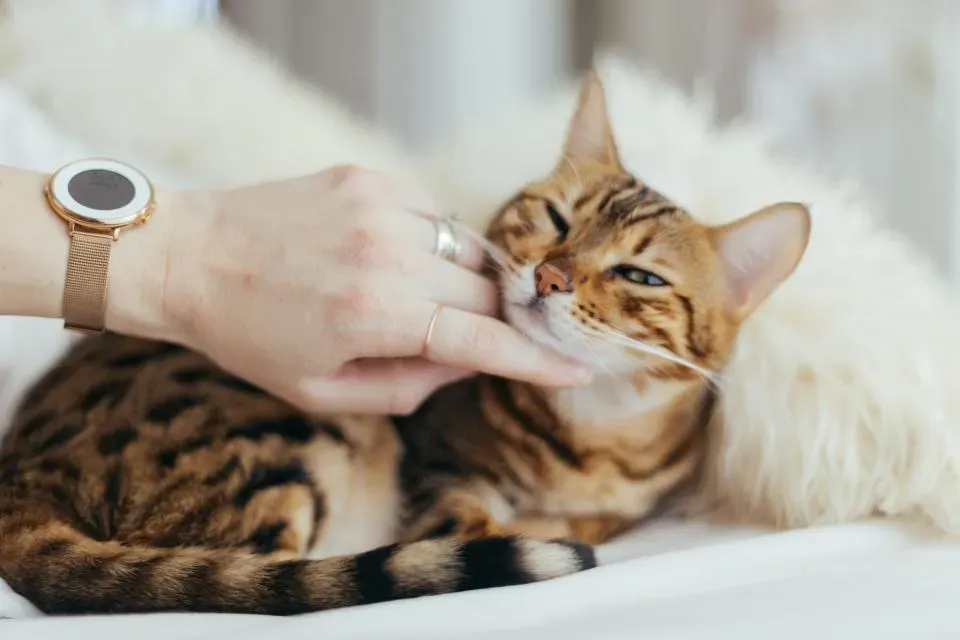
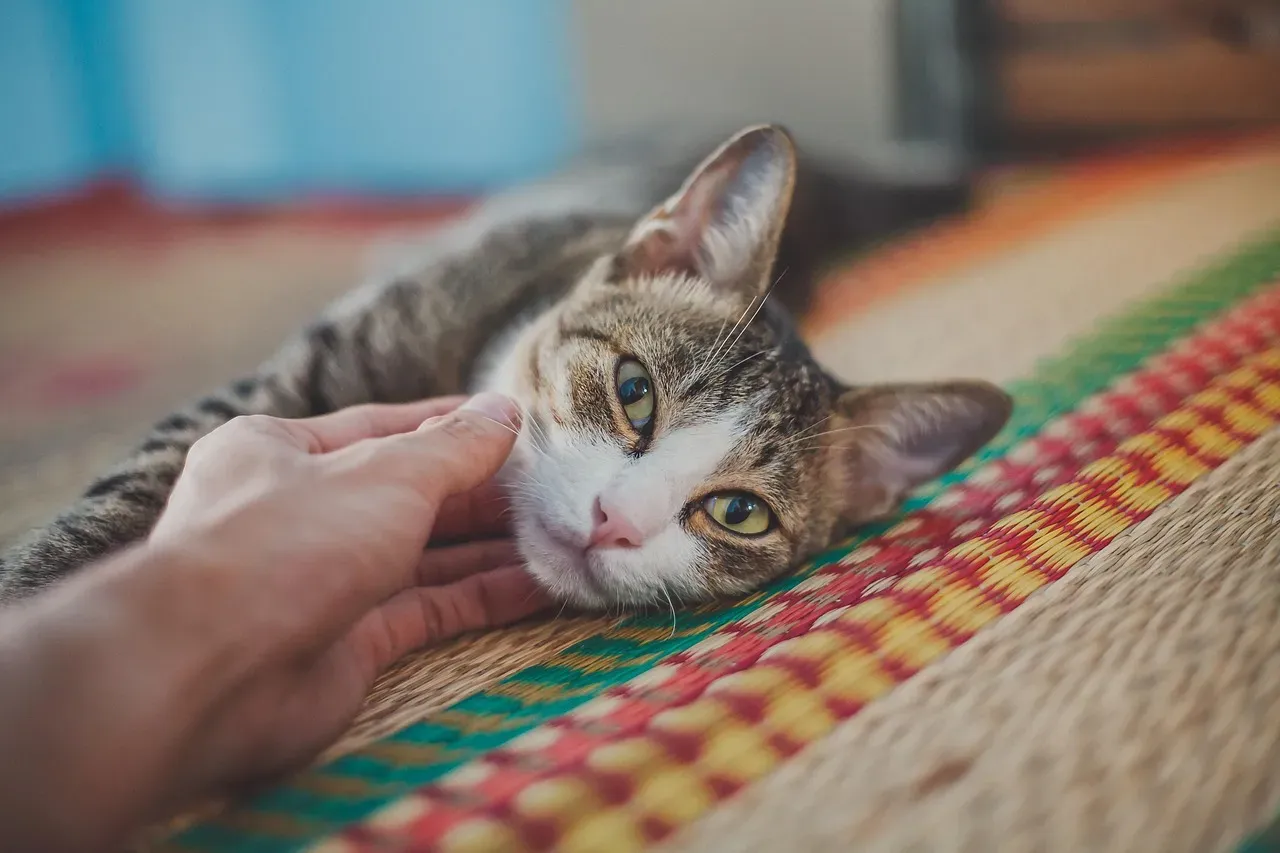
You have probably noticed that there are some places your cat loves to be touched and others that are clearly off-limits. Most cats tend to enjoy gentle strokes along the cheeks, under the chin, and at the base of the ears, where there are scent glands they use to mark safe and familiar things. Many also like long, smooth strokes from the top of the head down along the back, stopping before the tail, especially if you keep the pressure light and predictable.
On the other hand, the belly is a notorious danger zone. Even if your cat rolls over and exposes it, this is often a sign of trust and relaxation, not an invitation to poke or rub. For many cats, touching the belly triggers a defensive response, leading to those infamous grab-and-bunny-kick moments. Pay attention to warning signs like a twitching tail, stiffening body, or ears turning sideways, and stop petting before your cat feels overwhelmed. When you think of petting as a conversation instead of a one-way action, you start getting much better responses.
Playtime as Love Language: Why Your Cat Needs the Chase
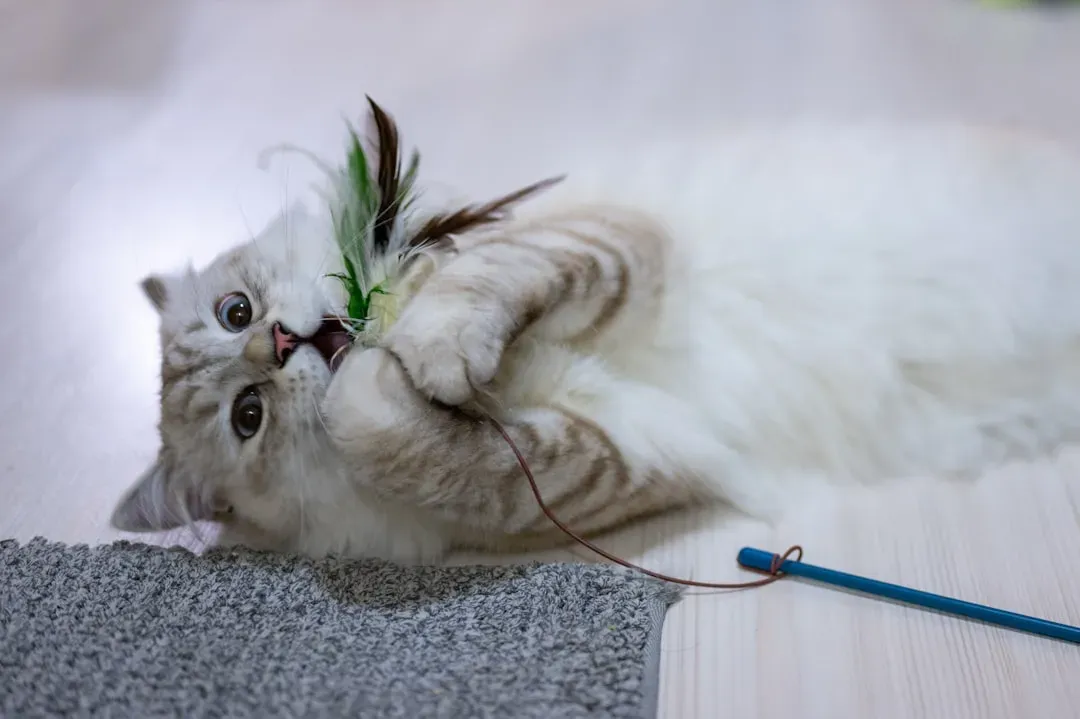
The key is to mimic real prey. Use wand toys that move like birds or mice, letting your cat creep, pounce, and grab instead of just waving the toy randomly. Short, focused play sessions are better than one long, chaotic one; think a few minutes several times a day rather than one exhausting marathon. Ending with a small meal or treat is a nice way to complete the “hunt” sequence of stalk, chase, catch, and eat. Over time, your cat will start to associate you with that satisfying ritual, and that connection is its own quiet kind of affection.
Routines, Territory, and Why Your Cat Follows You Everywhere
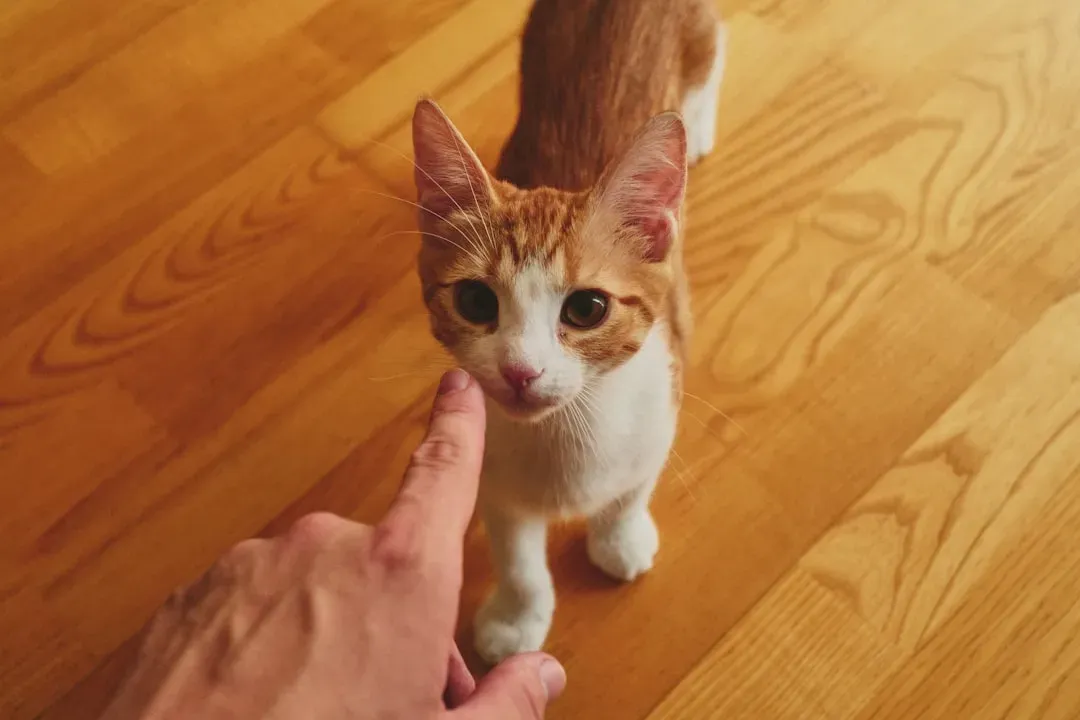
Even when your cat is not physically touching you, their choice to stay in the same room is significant. Lying on the back of the couch while you watch TV, or dozing in the doorway while you work, is their version of being close without crowding you. In multi-cat households, you might notice your cat prefers certain spots that offer good vantage points near where you spend a lot of time. That constant, quiet tracking of your presence is one of the clearest signs that you are not just background noise to them; you are central to how they map their safe space.
When Affection Changes: Stress, Health, and Aging
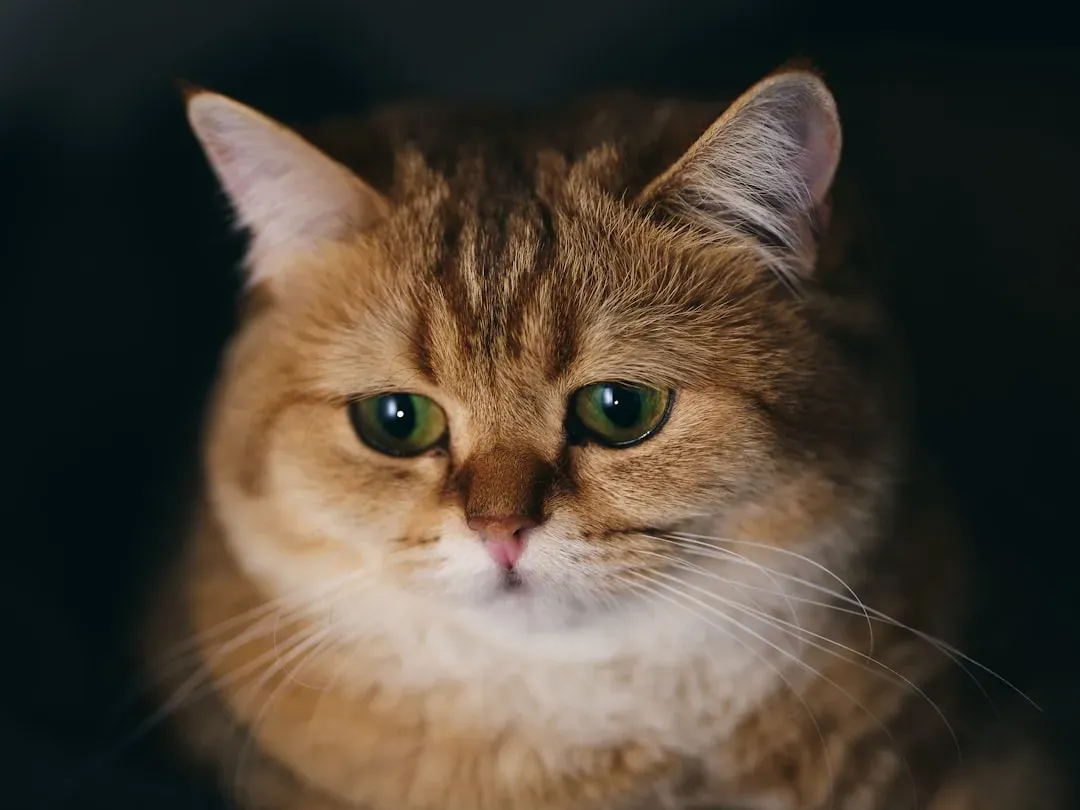
If your cat suddenly seems more distant or, on the flip side, much clingier than usual, it can be a sign that something else is going on. Cats are experts at hiding pain and discomfort, so changes in affection can be one of the first clues that they are not feeling right. A cat who used to enjoy curling up next to you but now avoids touch might be dealing with joint pain, dental issues, or other health problems that make interaction uncomfortable.
Stress can also reshape how your cat shows affection. A new pet, a move, a baby in the house, or even rearranged furniture can unsettle them and make them less willing to engage. Older cats might sleep more, move less, and seek quieter, safer spots, which can be easy to misinterpret as disinterest. If you notice big shifts in behavior that do not make sense, it is worth checking with a vet rather than assuming your cat is just “over you.” Sometimes, the kindest thing you can do is recognize that their affection is still there, just filtered through whatever they are physically or emotionally dealing with.
Learning to Appreciate Love in Cat Language
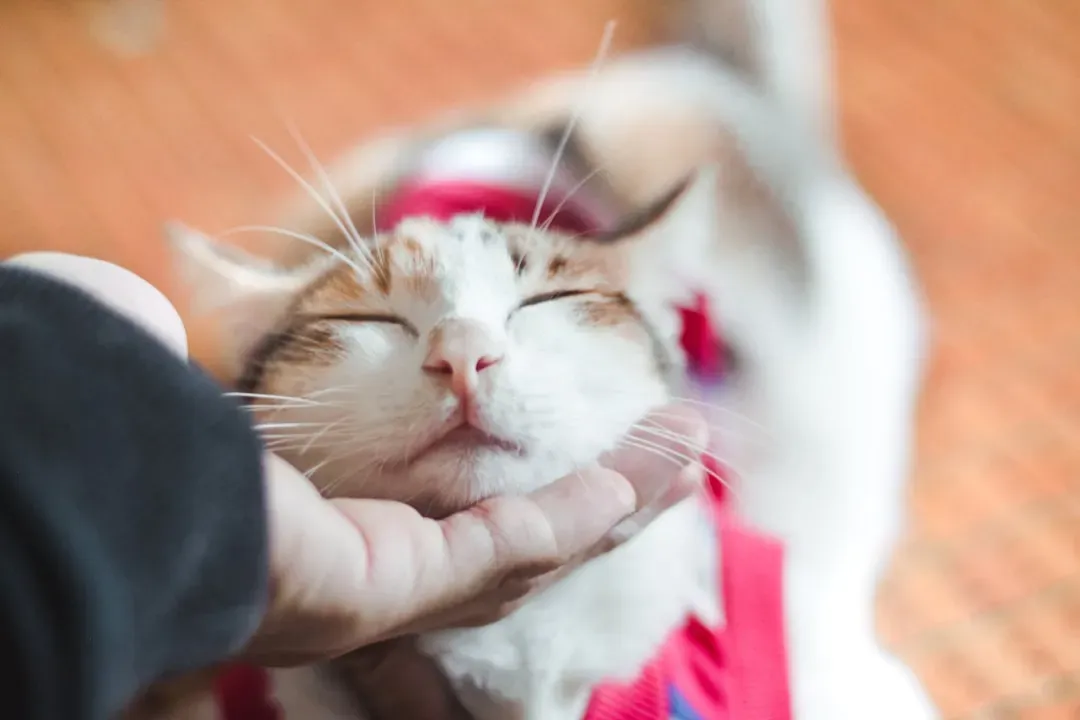
When you stop expecting your cat to act like a dog or a person, their behavior suddenly becomes a lot more touching. You start to notice the way they choose to nap with one paw just barely resting against your leg, or how they sit facing the door when you are gone, then pretend they were not waiting when you walk in. You see that careful little jump to the bed every night, followed by a deliberate decision to curl up close enough to feel your warmth but not so close that they lose their escape route.
All of those tiny choices add up to something real: a cat who trusts you enough to share their space, lower their guard, and let you into their carefully managed world. Your job is not to force them into some ideal version of affection but to meet them where they are and respond to what they are actually offering. When you do that, the bond you build is quieter than a dog’s enthusiasm, but it is deep, steady, and incredibly rewarding. Once you learn their language, that aloof cat suddenly looks a lot like a very particular, very loyal friend.