You are sitting across the room and your cat is just… staring. Not at you exactly, not at anything you can see. Just fixed on some invisible point in space, eyes wide and perfectly still, looking like a tiny philosopher contemplating the collapse of the universe. You have probably laughed it off, maybe even taken a photo for the internet. But what if there is actually something deeply real happening behind those unblinking eyes?
The truth about your cat’s famous “aloof” stare is a lot more fascinating than you have been led to believe. Scientists, veterinarians, and animal behaviorists have spent years unpacking the complexity of the feline mind, and the picture emerging is nothing short of extraordinary. Buckle up, because what you are about to discover about your cat will completely change how you look at that blank gaze. Let’s dive in.
Your Cat Is Not Ignoring You – Your Cat Is Locked In
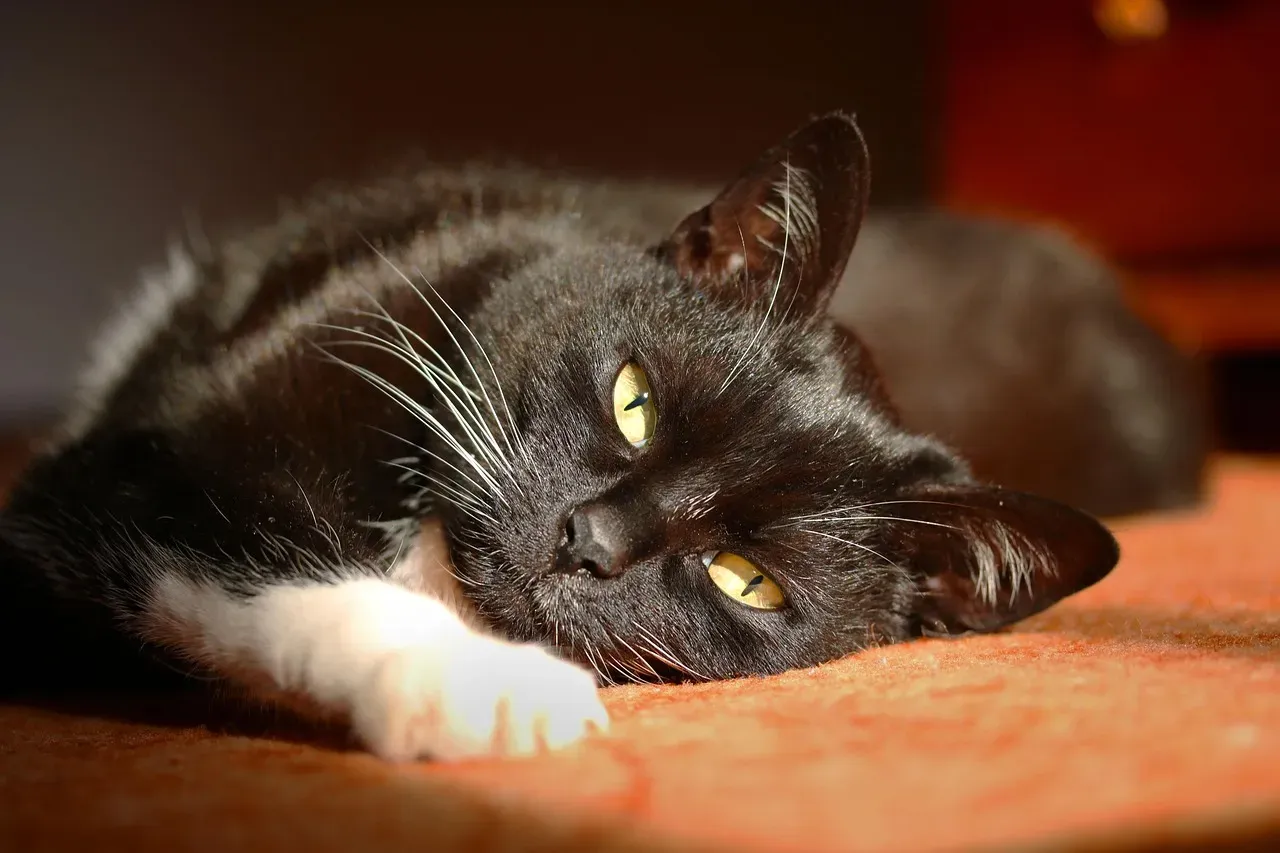
Here is the thing that trips most cat owners up. You assume that glassy stare means your cat is checked out. Vacant. Running on empty. Honestly, that could not be further from the truth. Most of the time when your cat stares at nothing, it is a harmless behavior – and your cat likely has heightened senses engaged, possibly seeing, hearing, or feeling something that you simply cannot.
What is likely happening is that your cat saw or heard something for less than a second, but even that tiny flash was enough to get and keep their full attention. They may not even be looking at anything visible, but are instead listening for sounds imperceptible to you, gazing off into space as they concentrate intensely.
Think of it like a detective mid-case, paused in the middle of a room, eyes distant, mind racing. The stillness is not absence. It is the opposite.
The Feline Brain Is More Like Yours Than You Think
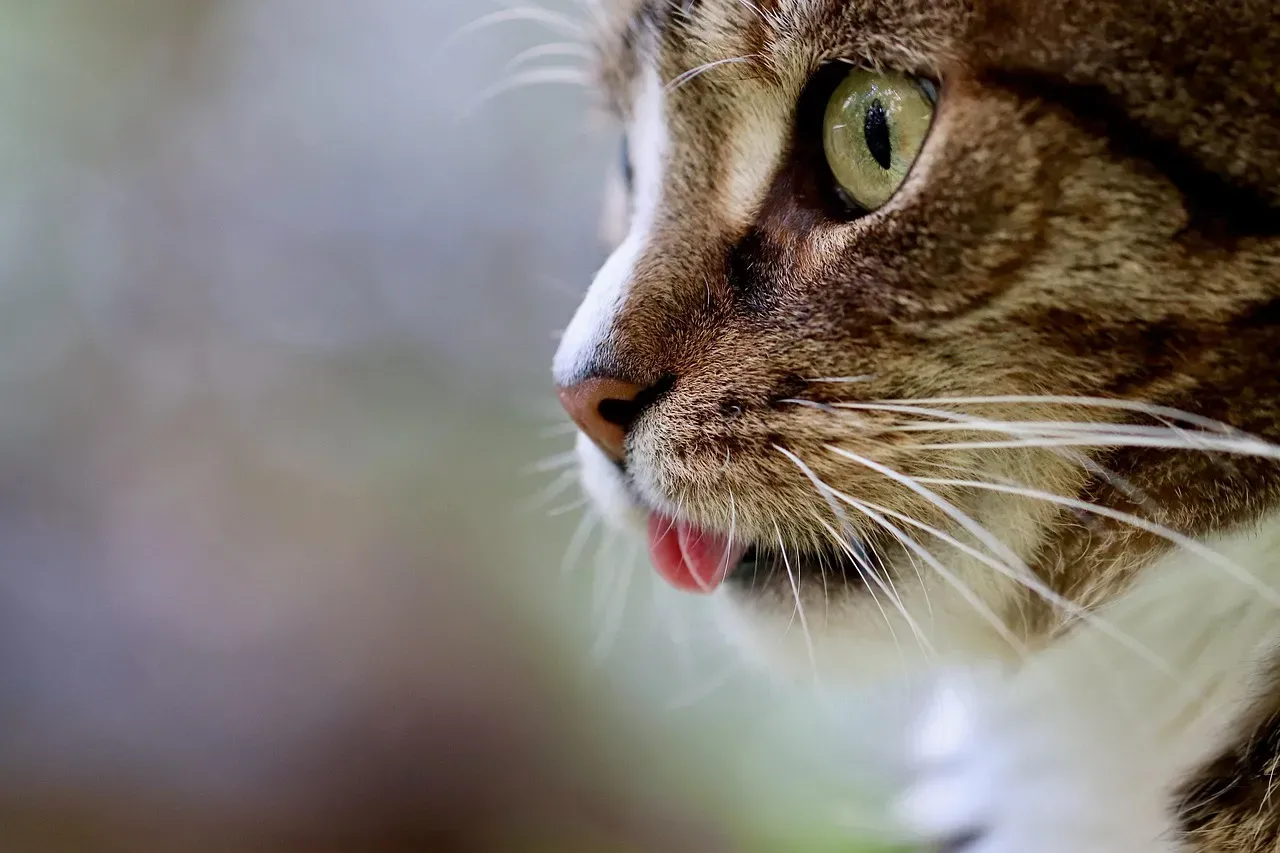
Most people picture a cat’s brain as a small, simple thing built purely for naps and snacks. Surprise: that is wrong. According to researchers at Tufts University School of Veterinary Medicine, the physical structure of the brains of humans and cats is remarkably similar, with humans and cats sharing similar lobes in their cerebral cortex.
Analyses of cat brains have shown they are divided into many areas with specialized tasks that are vastly interconnected, sharing sensory information in a kind of hub-and-spoke network, with a large number of specialized hubs and many alternative paths between them. So when your cat locks into that deep stare, there is a richly wired brain working behind those eyes. It is not a simple machine. It is a sophisticated, layered processing network.
Your Cat May Actually Be Seeing Things You Cannot See
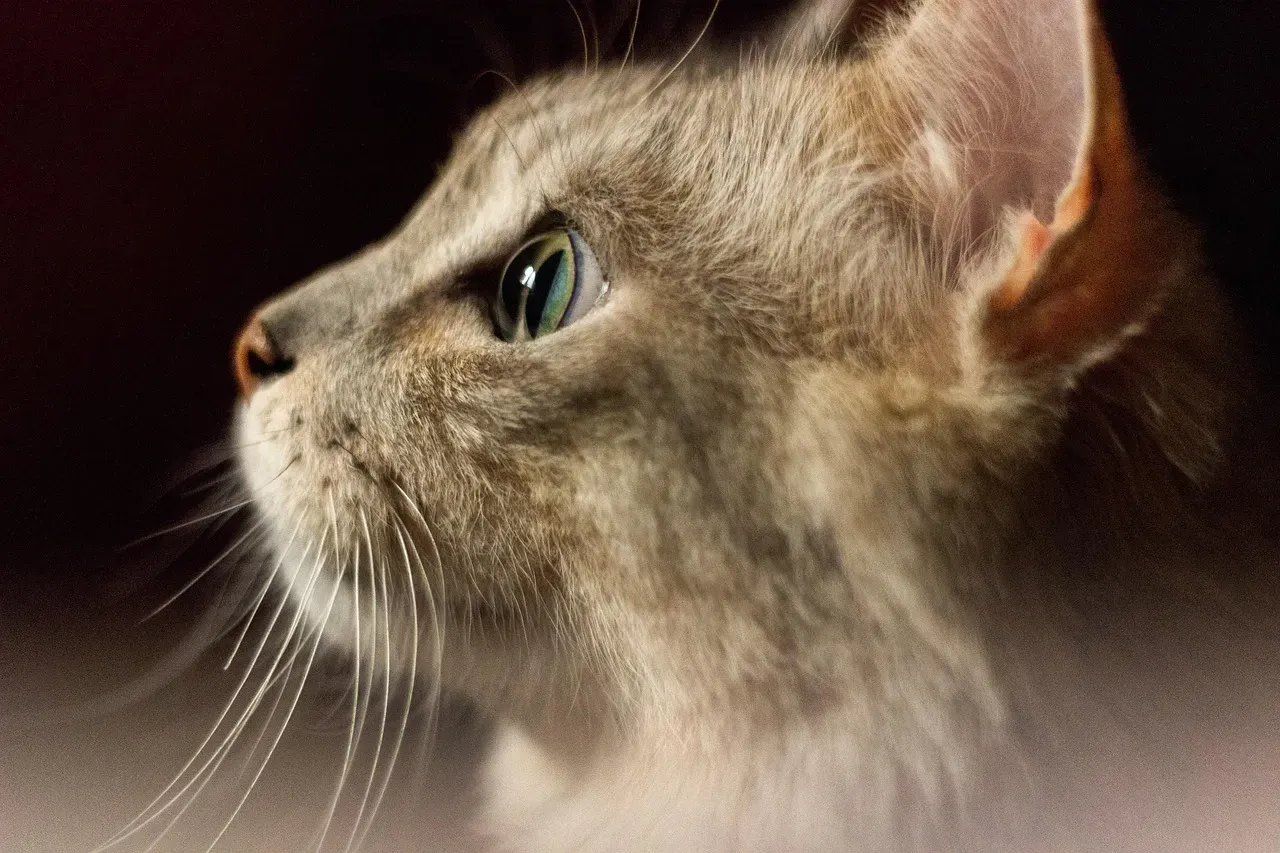
This is where things get genuinely mind-bending. You look across the room and see nothing. Your cat sees a completely different world. Cats’ eyes have the ability to see ultraviolet light, which is entirely invisible to the human eye. That “empty” corner your cat keeps fixating on? It might be glowing with UV reflections you have no way of perceiving.
Cats’ modest color vision is actually a trade-off with night vision. What their retinas lack in hue-sensing cones, they more than make up for in rods – the photoreceptors that enable vision in dim light – creating high contrast between light and shadow that makes them exceptional hunters around dawn and dusk. Your cat is not seeing less than you. In many ways, your cat is seeing more.
That Stare Is Often a Hunting Strategy Playing Out in Real Time
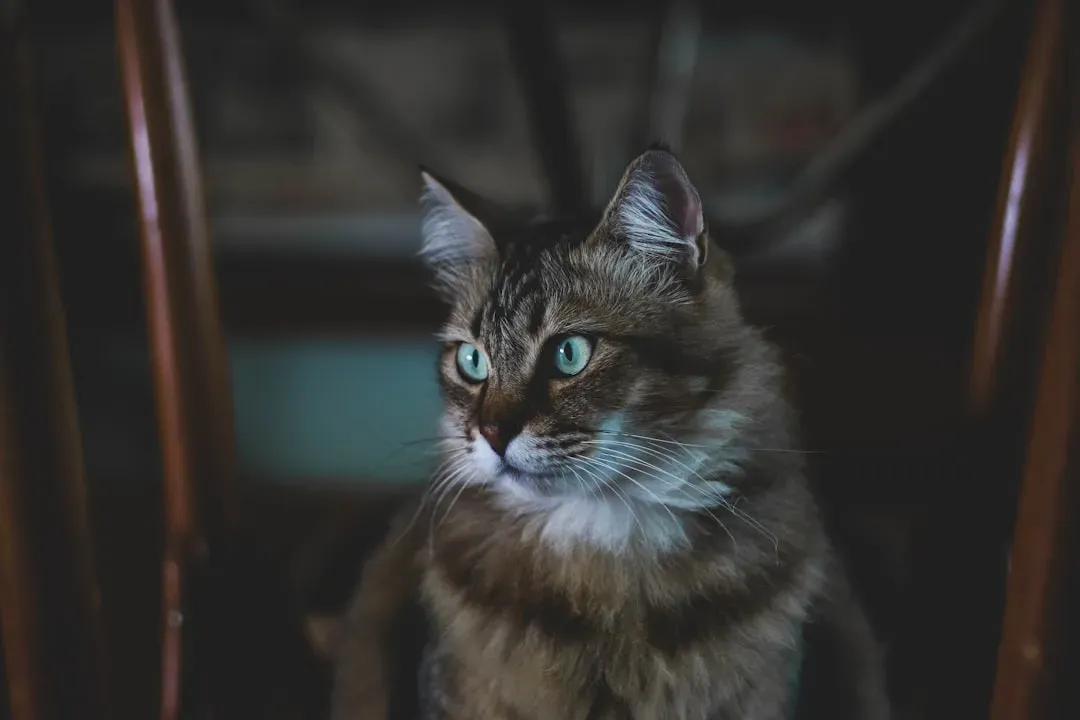
Do not be fooled by the stillness. Inside your cat’s head during that frozen stare, something very active is unfolding. This behavior traces directly back to a prey-stalking instinct. Cats are ambush predators, which means they do not immediately charge after their target.
Once they chase something and it disappears, they wait it out. Anyone who has watched a mouse knows how it silently flashes by, so cats have evolved to register these subtle movements and patiently track that spot when the creature inevitably ventures out again. That motionless stare is actually a calculated, high-focus hunting exercise. Your living room is a savanna and your cat is the apex predator, patient and deadly precise.
Your Cat’s Hearing Alone Explains Endless Mystery Gazes
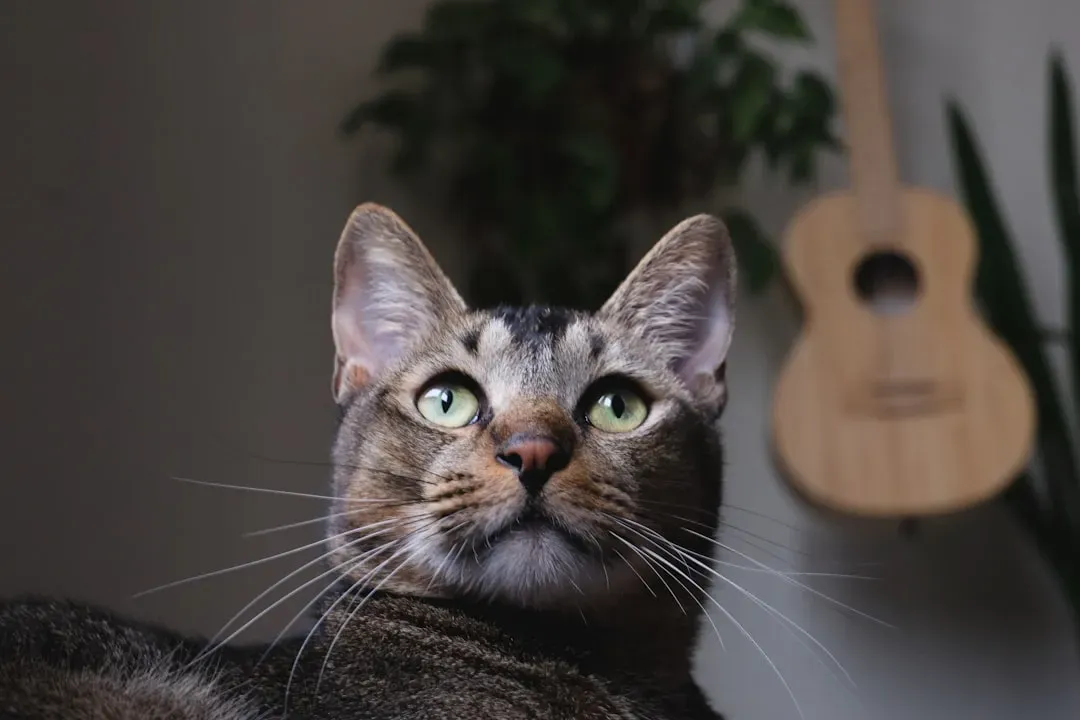
Here is a fun way to think about it. Imagine if you could hear conversations happening in the apartment three floors above you, or detect mice scurrying inside the walls, or pick up the precise frequency of a moth’s wings. That is your cat’s auditory reality. Humans can detect sounds in a frequency range from about 20 to 20,000 Hz, but cats can hear from about 80 Hz up to 85,000 Hz, giving them one of the broadest hearing ranges among mammals.
Cats have highly sensitive ears attuned to various noises and frequencies. They can pick up on high pitches that are barely audible to humans, which explains why cats can seem to stare into empty space. A subtle buzzing noise from your refrigerator that you barely notice might be intensely present to your cat, and as the sound persists, so does their unwavering gaze. So next time your cat stares at a wall, there is a good chance they are eavesdropping on something you will never hear.
Your Cat Is Replaying Memories and Possibly Daydreaming
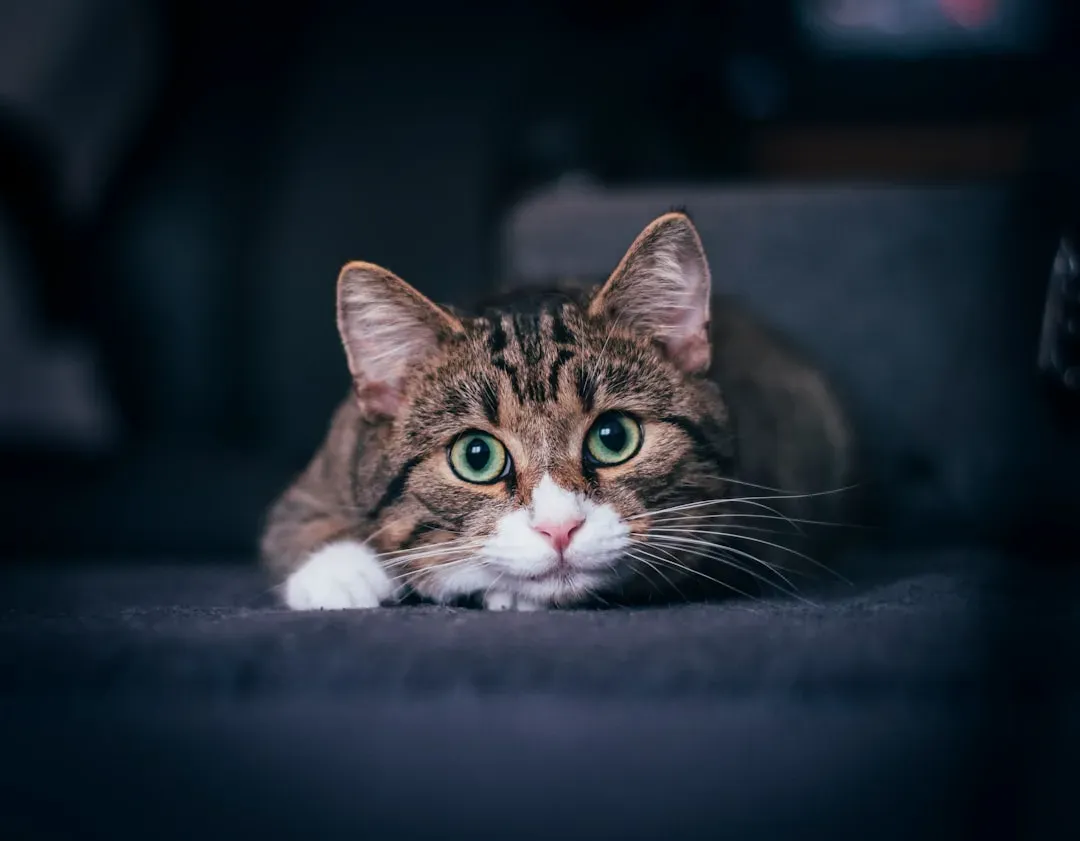
This is my personal favorite part of the whole story, and I think it is the one most people sleep on. Cats actually have surprisingly well-developed memory systems. Cats have well-developed memory, retaining information for a decade or longer. These memories are often intertwined with emotions, allowing cats to recall both positive and negative experiences associated with specific places.
Some experts believe cats also “replay” scenarios – processing past interactions, rewards, or threats – especially in calm states. Think of it as feline reflection. So that faraway gaze? Your cat might genuinely be lost in a memory – the warmth of a sunny spot from last summer, the thrill of a particularly satisfying pounce, or even replaying the moment you came home yesterday. It is not so different from the way you sometimes stare out the window and drift into your own past.
Cats Communicate Far More Than Anyone Gave Them Credit For
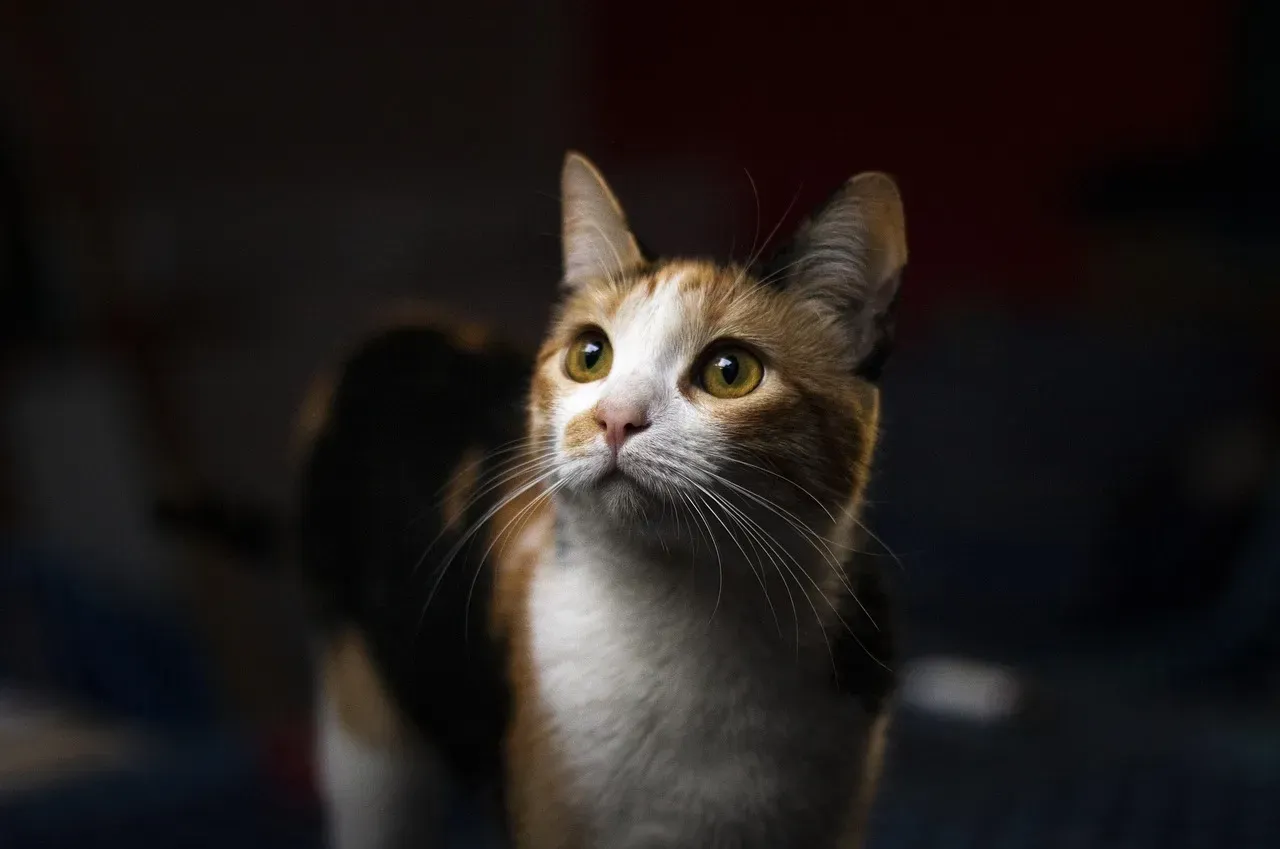
The “aloof cat” label has always been a bit unfair, and science is steadily dismantling it. Researchers videotaped cats at a California cafe for nearly a year and found that felines can display at least 276 facial expressions. That is a staggering number. For comparison, dogs have around 27 distinct facial expressions.
The research, published in Behavioural Processes, demonstrated that cats have a wide array of both friendly and unfriendly facial expressions, directly challenging the idea that cats are not social creatures. Your cat is not emotionally blank during that stare. They are operating within a rich, nuanced communication system that most humans have simply not learned to read yet. Cats, often misunderstood to be aloof and anti-social creatures, actually appear to have remarkable social skills and a striking ability to adapt.
The Slow Blink Breaks the Stare – and It Means Everything
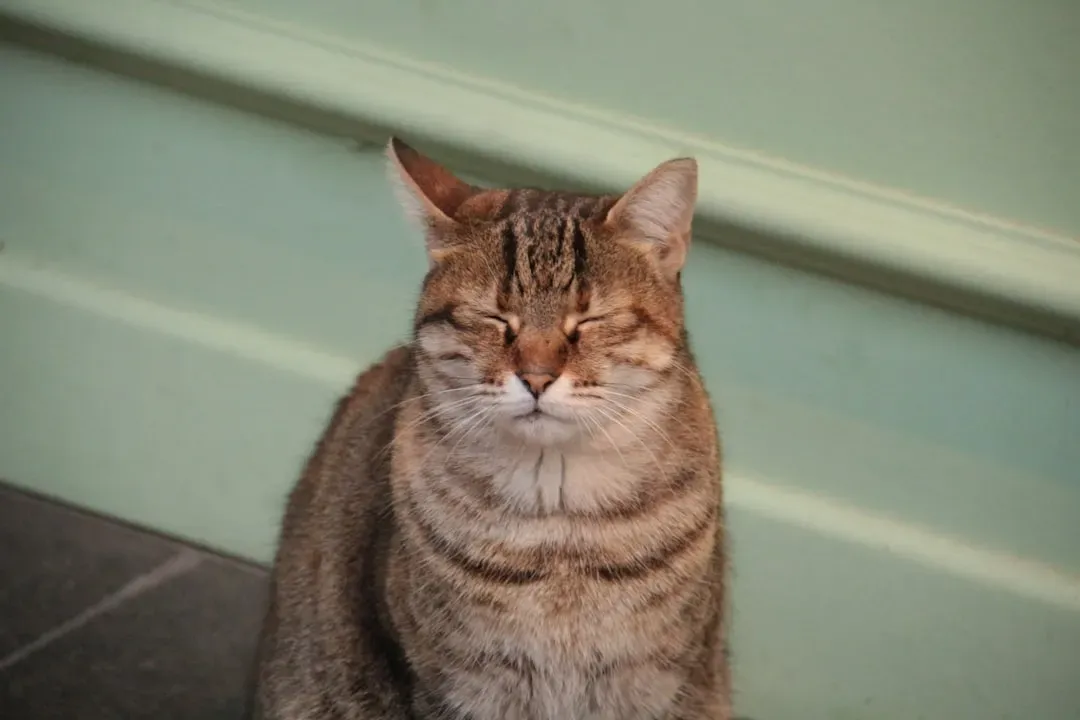
You have probably noticed that sometimes your cat’s intense stare softens into a slow, deliberate blink. That is not random. That tiny gesture carries real weight. Research provides the first systematic investigation of the role of slow blink behavior in cat-human communication, showing that slow blink interactions appear to be a positive experience for cats, and may be an indicator of positive emotions.
It is also possible that slow blinking in cats originated as a mechanism to interrupt an unbroken stare, which can be potentially threatening in social interactions – and this behavior may then have been elaborated by a combination of natural selection and learning in the domestic environment. So when your cat breaks from that concentrated gaze with a slow blink directed at you, they are essentially saying: I see you, I trust you, we are good. Returning a soft gaze or slow blink is a meaningful way to build trust between you and your cat.
When the Stare Becomes a Medical Signal Worth Watching
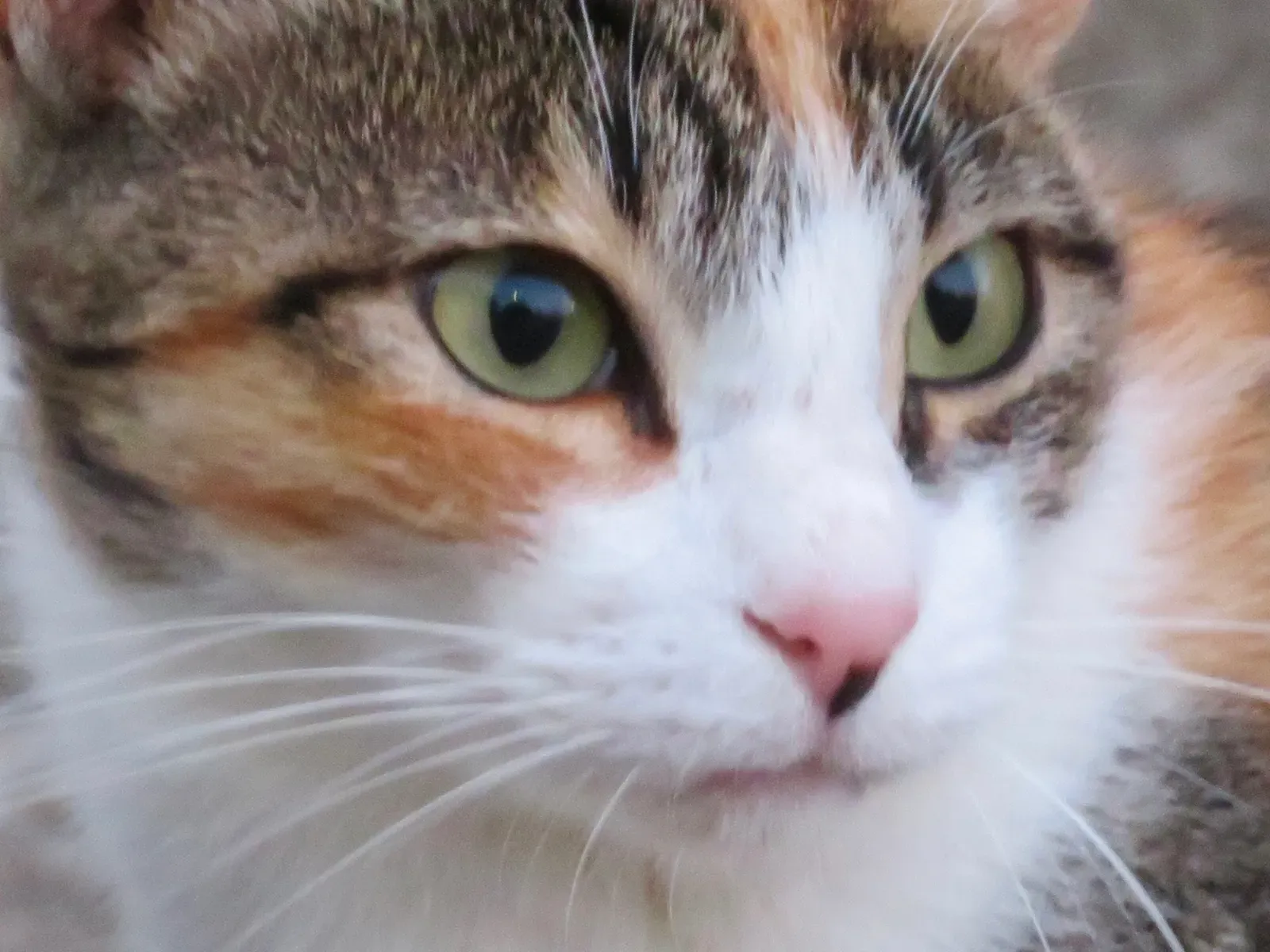
Let’s be real – not every blank stare is a philosophical moment. Sometimes it is worth paying close attention, particularly in older cats. In some cases, an older cat staring at nothing can be a sign of cognitive dysfunction, which functions essentially as the feline form of dementia. Affected cats may show other signs including disorientation, vocalization, accidents around the house, and altered sleep and wake patterns.
The staring behavior can be problematic when it is stressful for the cat or when it accompanies signs of seizures or cognitive decline. It is hard to say for sure where the line is between healthy contemplation and a health concern – which is why it always helps to know your individual cat’s baseline behavior. If your cat is staring at nothing, it is important to report this behavior to your vet to rule out medical problems and determine whether something may be going on at a cognitive level. Your intuition as a cat owner matters here more than any checklist.
Conclusion: Behind Those Eyes, a World You Are Just Beginning to Understand
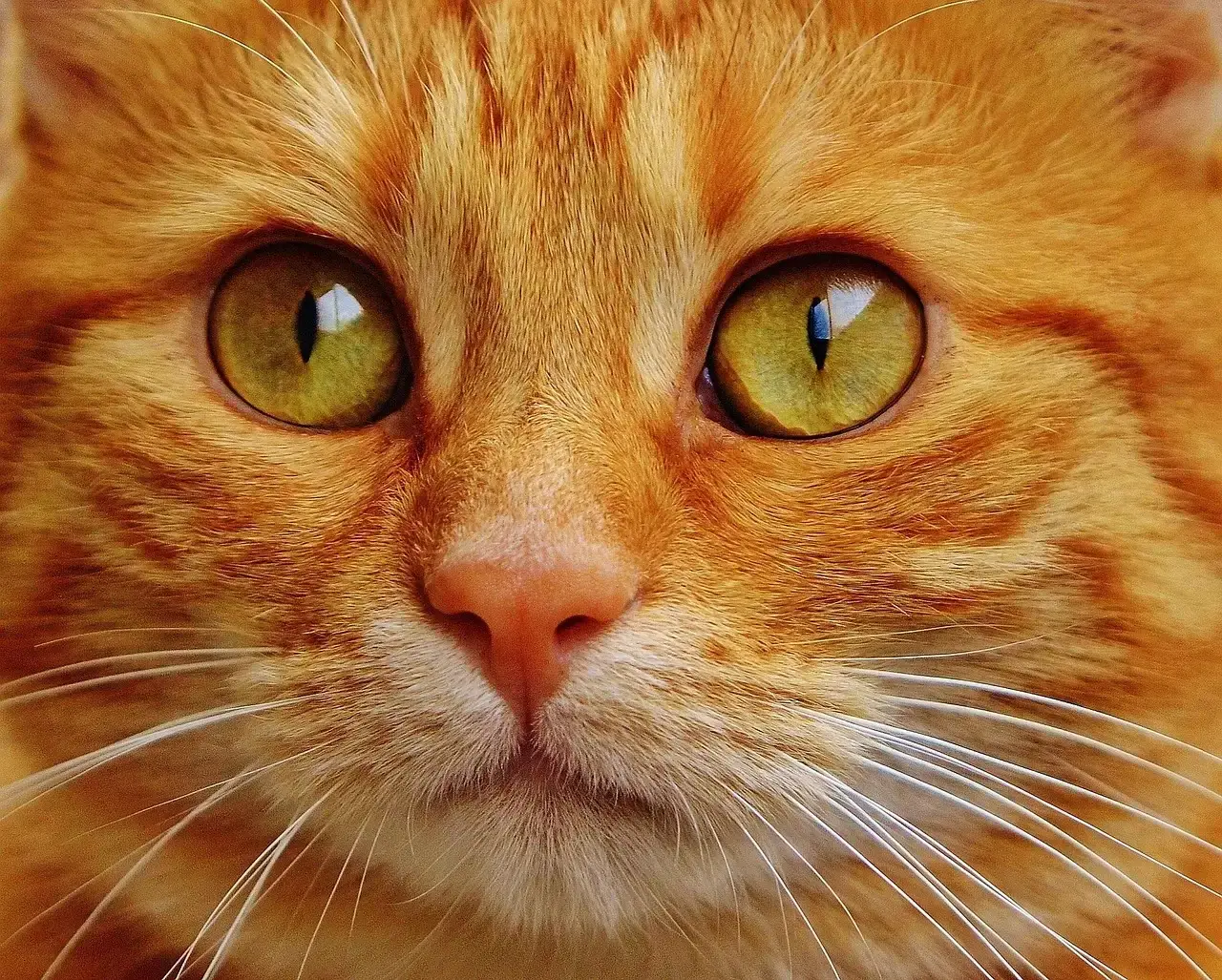
Your cat’s so-called aloof stare is arguably one of the most misread behaviors in the entire animal kingdom. It is not disengagement. It is not emptiness. It is a window into a mind that can hear things you cannot, see light spectrums invisible to you, recall vivid emotional memories, strategize like a seasoned hunter, and communicate through expressions that number in the hundreds.
In many ways, your cat’s moments of quiet contemplation, distant gazing, and apparent forgetfulness remind us of the unique bond we share with these mysterious creatures. By embracing their quirks, you can gain deeper insights into their personalities and develop a greater appreciation for the many layers of feline intelligence. So the next time your cat stares off into space, remember: there is likely much more happening behind those bright, inquisitive eyes than you will ever fully know.
The question is not what is wrong with your cat for staring. The question is whether you are curious enough to keep watching back. What do you think your cat has been contemplating all this time? Share your thoughts in the comments – your answer might be more right than you realize.