It happens to almost every cat owner. You’re deeply asleep, perfectly comfortable, and then – out of nowhere – your cat starts up with that insistent, soul-piercing wail from somewhere in the dark hallway. You groan. You pull the pillow over your head. It doesn’t help. Let’s be real: there’s something uniquely maddening about a midnight meow, mostly because you have no idea what it actually means.
Here’s the thing, though. That sound isn’t random. It isn’t your cat being a tiny fuzzy terrorist (well, not entirely). It’s a sophisticated, layered form of communication that researchers and animal behaviorists have spent years trying to fully decode. Understanding what’s behind it could change how you respond – and honestly, it might change how you see your cat altogether. So let’s get into it.
Your Cat Is Not Nocturnal (Yes, Really)
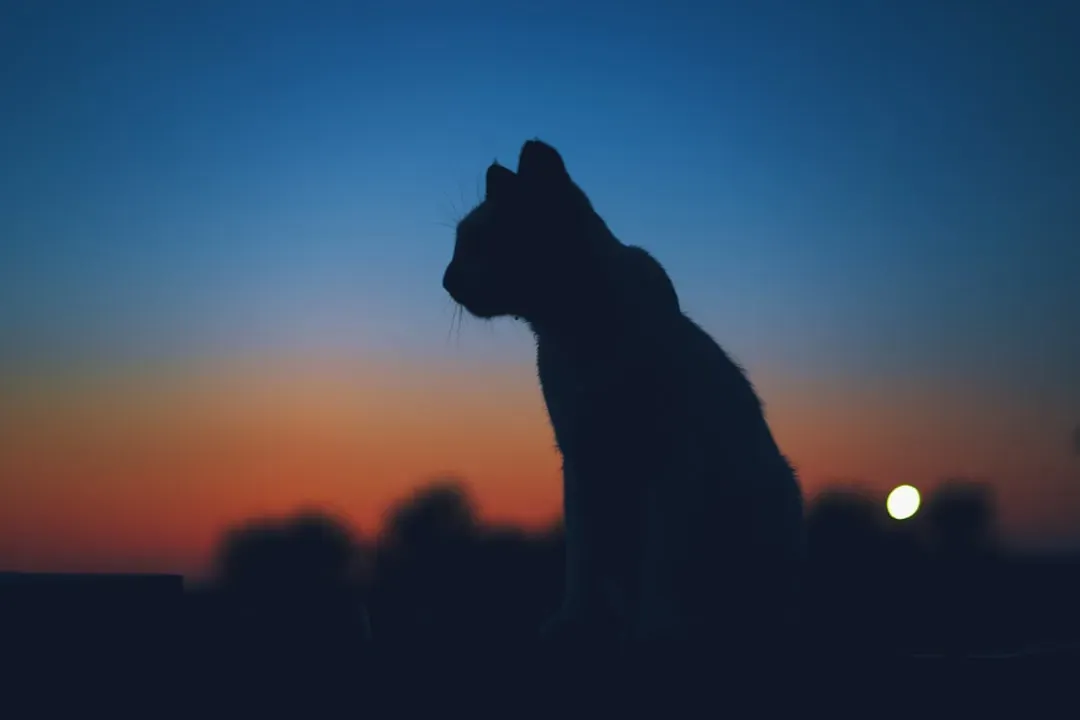
One of the most surprisingly stubborn myths about cats is that they’re nocturnal creatures, built for darkness and chaos while you sleep. Although it’s popularly thought that cats are nocturnal, this is not strictly true. They are, in fact, crepuscular – meaning they are naturally most active at dusk and dawn. Think of it like an internal alarm clock set permanently to golden hour, twice a day, every day.
In the wild, their ancestors hunted small prey like mice during twilight hours. Even though your cat now gets gourmet meals in a fancy bowl, their internal hunting instincts don’t just disappear. So that 3 AM sprint through the hallway followed by a dramatic yowl? That’s less “I hate you” and more “it’s technically almost dawn and I’m biologically wired to lose my mind right now.” Knowing this makes it slightly more forgivable. Only slightly.
The Meow Was Made for You, Not Other Cats
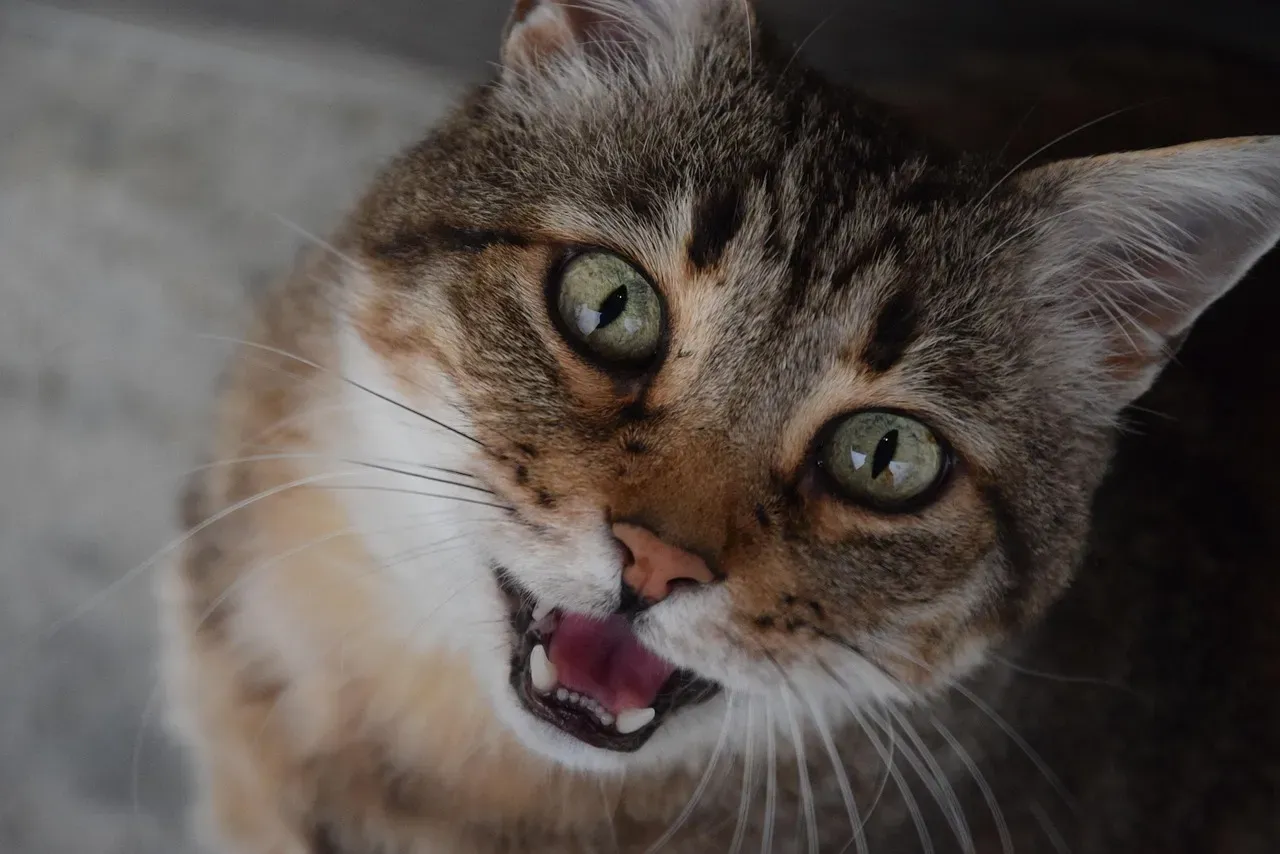
This one genuinely surprises people. Interestingly, cats don’t typically meow at other cats. Meowing is a form of communication they’ve adapted specifically to communicate with us humans – and, on occasion, kittens. Think about that for a second. Your cat developed an entire vocal language essentially just for you.
Adult cats rarely meow to each other, and so adult meowing to human beings is likely to be a post-domestication extension of mewing by kittens. It’s a deeply intimate form of connection when you frame it that way. Your cat’s meows are a beautiful and complex form of communication that’s evolved as a result of their gradually warming up to humans. That midnight meow isn’t noise – it’s a conversation your cat chose to have specifically with you.
The Vocabulary Is Wider Than You Think
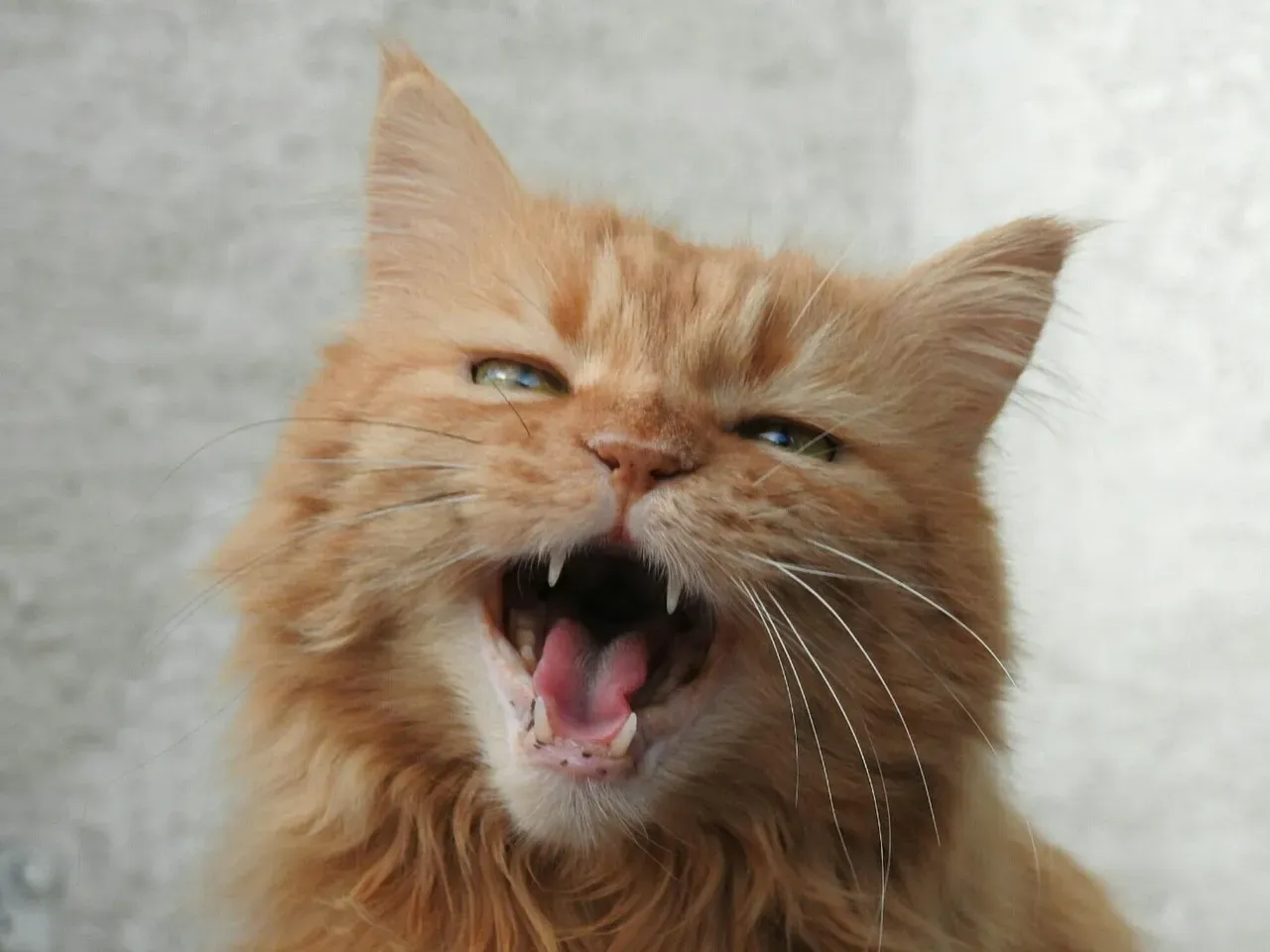
A meow can be assertive, plaintive, friendly, bold, welcoming, attention-soliciting, demanding, or complaining. It can even be silent, where the cat opens its mouth but does not produce any sound. That’s a pretty staggering range of expression coming from one animal. Honestly, some humans don’t have that much emotional range.
One early researcher claimed that cats had six different forms of meows to represent friendliness, confidence, dissatisfaction, anger, fear, and pain, and classified eight other sounds involved in mating and fighting. More recent studies have pushed that number even further. Cats vocalize to communicate with others and express their internal states, and the vocal repertoire of the cat is wide – up to 21 different vocalizations have been described in the literature. That’s not a pet. That’s practically a full conversation partner.
Hunger Is Often the Real Midnight Culprit
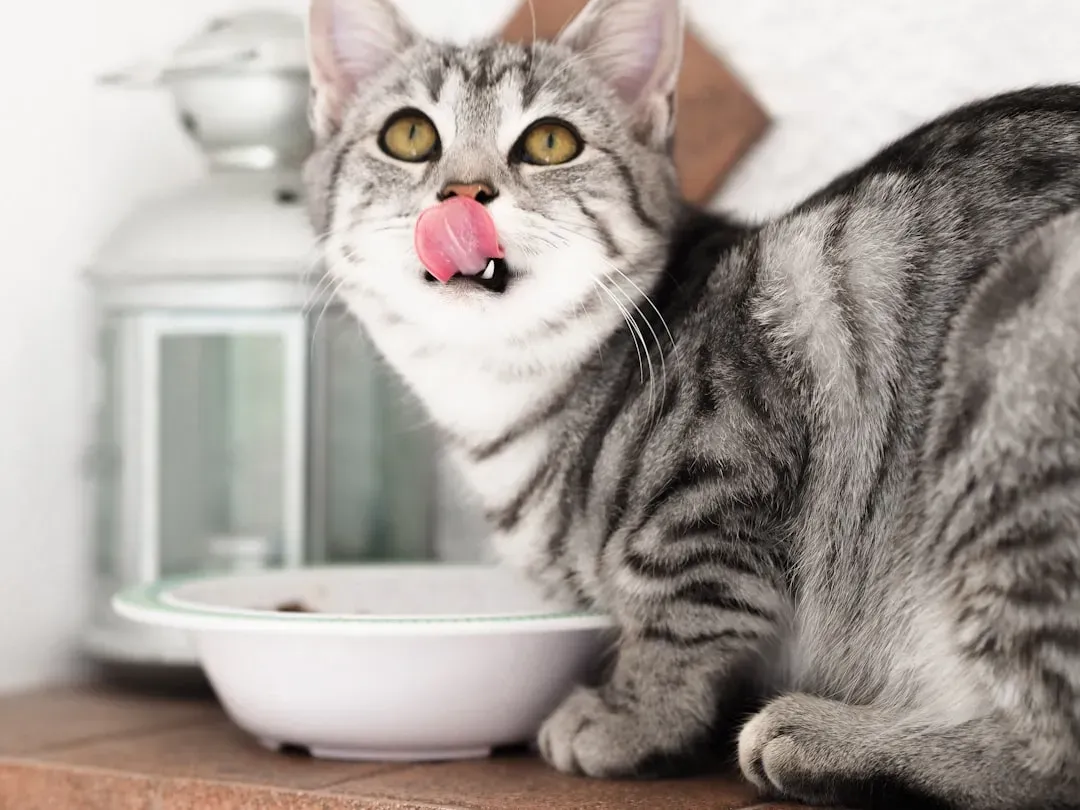
Sometimes, those midnight meows are simply your cat’s way of saying, “I’m hungry!” or “I need water!” Cats are creatures of habit, and if they’re used to a certain feeding schedule, they might remind you – loudly – if their needs aren’t met on time. Imagine waking up starving at 2 AM with no way to open the fridge. You’d probably make some noise too.
The instinct for cats is to eat little and often, very different from the set mealtimes our cats are used to. This mismatch between feline biology and human convenience schedules creates a built-in tension. An empty food or water bowl is a very common reason for a midnight wake-up call. If you feed your cat dinner early in the evening, they may be genuinely hungry by the wee hours of the morning. It’s not manipulation – it’s metabolism.
Boredom and Pent-Up Energy Are Louder Than You’d Expect
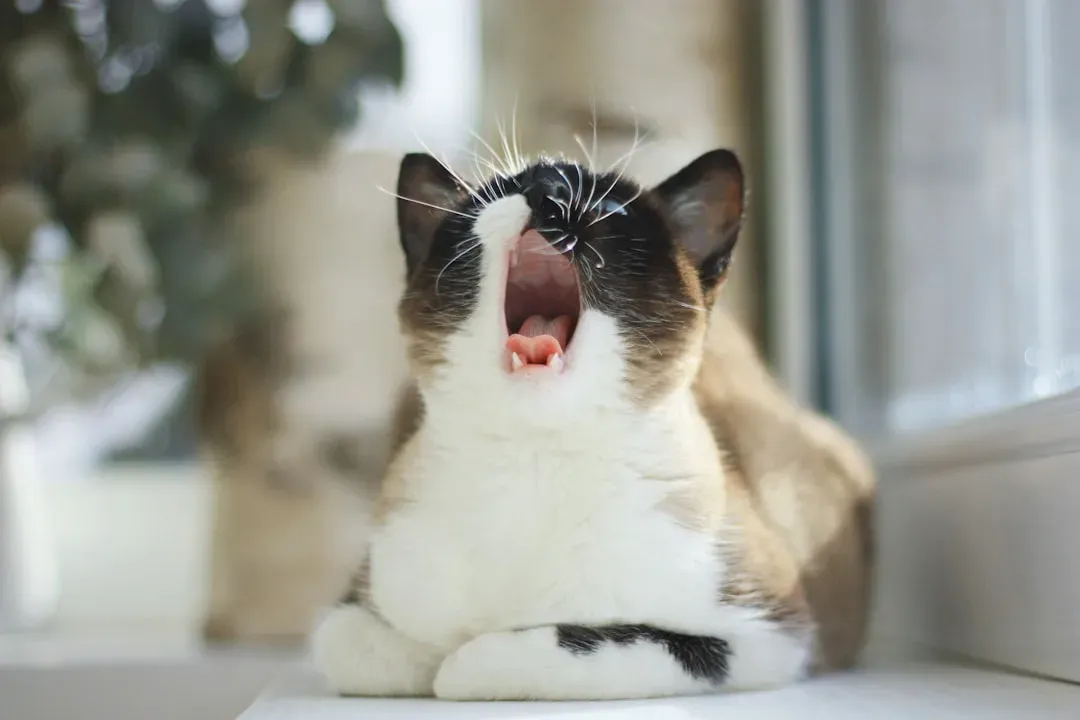
If cats haven’t had enough stimulation during the day, they might wander the house at night, meowing out of sheer boredom or frustration. They’re trying to find something – anything – to occupy their minds. Picture a coiled spring with nowhere to release. That’s your indoor cat after a full day of napping while you were at work.
If your feline companion isn’t mentally and physically stimulated during the day, it might channel that unused energy into nighttime antics. Interactive toys, a wand toy session before bed, and food puzzles can keep your cat’s brain engaged and body tired. Scratching posts and an enriching environment help meet these needs. A tired cat is a quiet cat. It really is that simple sometimes – though getting there takes a real daily commitment from you.
Anxiety, Loneliness, and Separation Distress Are Real

We tend to think of separation anxiety as more of a dog problem. However, many cats are used to having their humans around all the time during the day, particularly with the increase in working from home. This can mean they are anxious about being away from you at night, and this loneliness may lead to them meowing or waking you. Your cat may have quietly become dependent on your presence in ways you never noticed.
Separation anxiety is when pets become distressed and anxious when separated from their pet parents. It isn’t exactly loneliness, but rather an over-dependence on caretakers. The midnight meow, in this context, carries an emotional weight that most people dismiss as mere noise. It’s easy to get frustrated with a cat that won’t let you sleep, but behind those meows are feelings – emotions that your cat is struggling to express. That reframe alone might make those 3 AM wake-ups feel a little less personal.
Medical Conditions Can Trigger Nighttime Cries
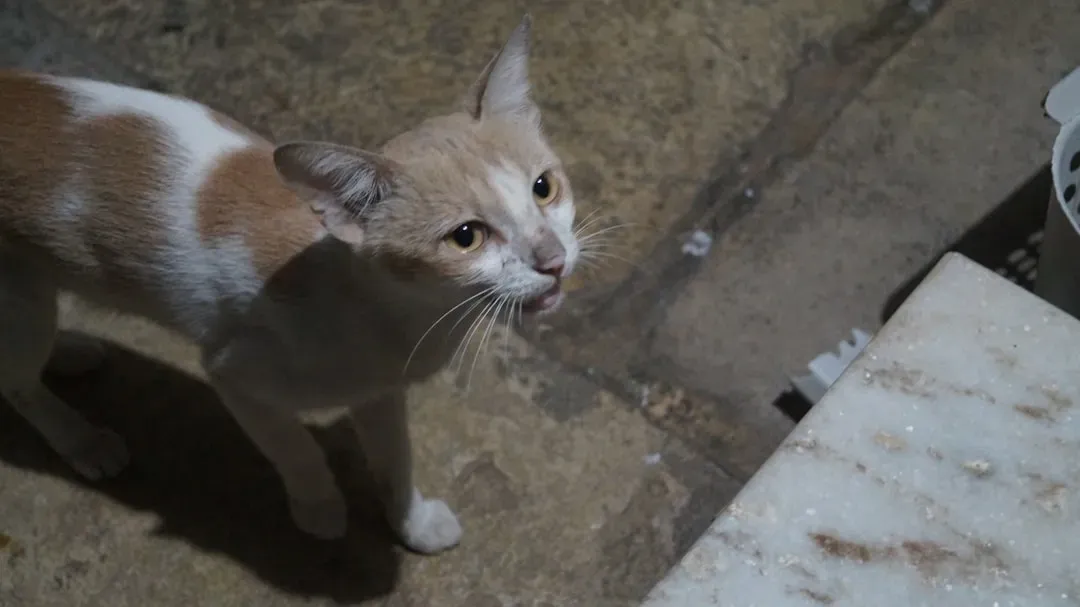
Increased vocalization can sometimes signal a medical problem. Kidney disease, an overactive thyroid, or other health issues can cause cats to meow excessively. If your cat is older, night calling might be linked to cognitive dysfunction syndrome (CDS), a feline form of dementia. This is something every cat owner needs to take seriously, especially when the meowing appears suddenly or dramatically increases in intensity.
Cats with hyperthyroidism can have a variety of behavior changes due to their increased metabolic rate and hunger. Increased meowing, getting into food, diarrhea, restlessness, irritability, and changes in interactions with family members are all possible. A change in your cat’s meow, especially at night, can signal health problems or emotional distress. Pay attention to any changes in their nighttime meowing and consult a vet if needed. Your cat can’t tell you they’re sick in words – this is how they try.
Senior Cats and Cognitive Decline: A Special Kind of Cry
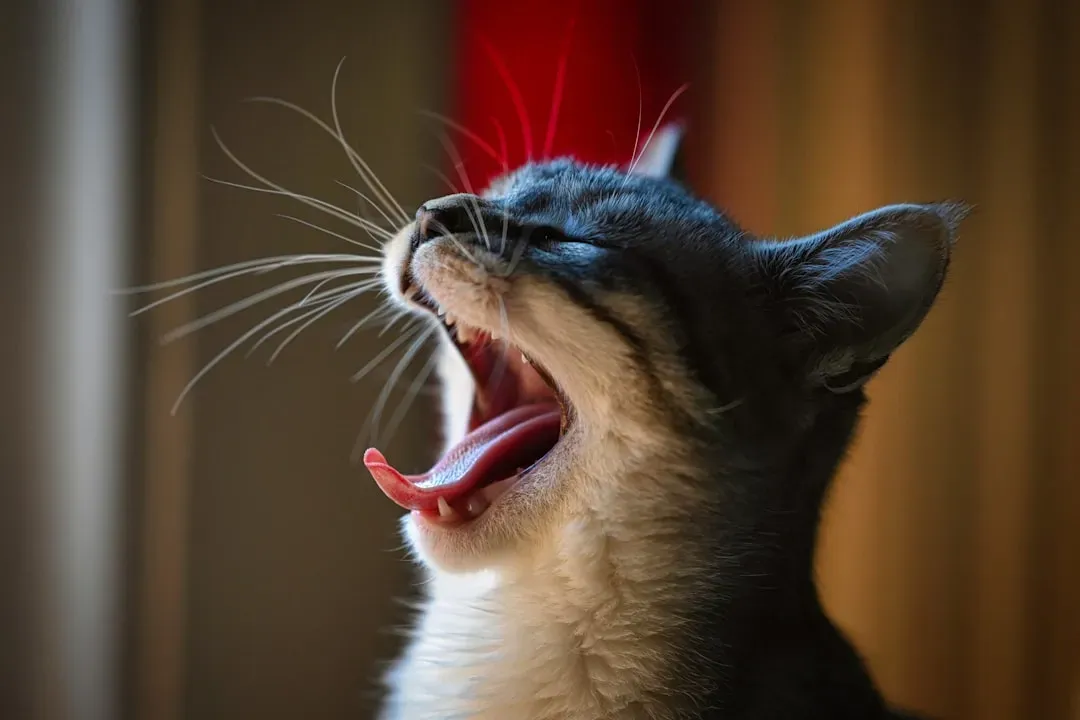
As they age, cats often suffer a decline in functioning, including their cognitive functioning. It’s estimated that cognitive decline – referred to as feline cognitive dysfunction, or FCD – affects more than half of cats aged 11 to 15 years and more than the vast majority of cats aged 16 to 20 years. It’s one of the most heartbreaking causes of midnight vocalization, and one of the most misunderstood.
Cats with FCD often meow at night because they are confused, feel lonely, or cannot find their owner. The neurological changes in the brain lead to a disturbed perception of the environment and their own condition, which manifests as excessive vocalization. They may forget where their food or water bowls are, or have difficulty finding the litter box. It’s better to treat increased vocalization by increasing your cat’s activity during the day and gradually reestablishing their proper sleep-wake cycle. Pheromone or drug therapy may help your cat feel less anxious, and you can use feline pheromone sprays or diffusers in areas where they normally spend their time.
Practical Steps You Can Actually Use Tonight
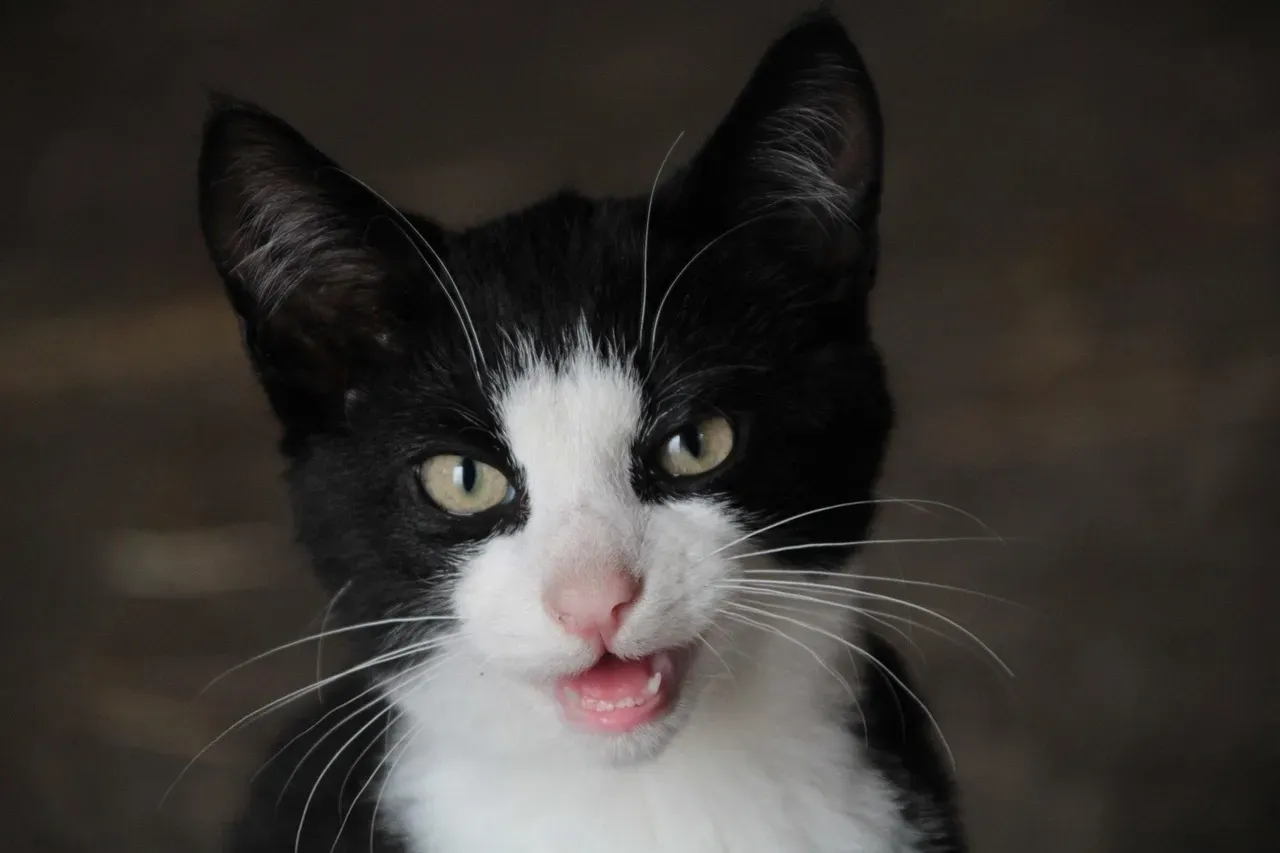
If the meowing is behavioral rather than medical, the most effective method is ‘active ignoring’ combined with a high-intensity play session right before bed. I know it sounds counterintuitive to just ignore your cat, but giving in – even once – teaches them that the strategy works. Be prepared for what behaviorists call an “extinction burst.” When you first start ignoring them, the meowing will likely get worse before it gets better. Your cat is essentially thinking, “this used to work, I just need to try harder!” Stay strong, and the behavior will eventually fade.
Establishing a daily routine for feeding, playtime, and bedtime provides predictability. Over time, your cat will adapt, reducing its need to meow for attention during sleeping hours. Using an automatic feeder – a cat food dish with a remote timer, set to dispense at different times during the day and night – means your cat isn’t relying solely on you as the source of their food. That one small change can dramatically transform your nights. It’s hard to say for sure how quickly it’ll work, but for most cat owners, results come within a few weeks of consistent effort.
Conclusion
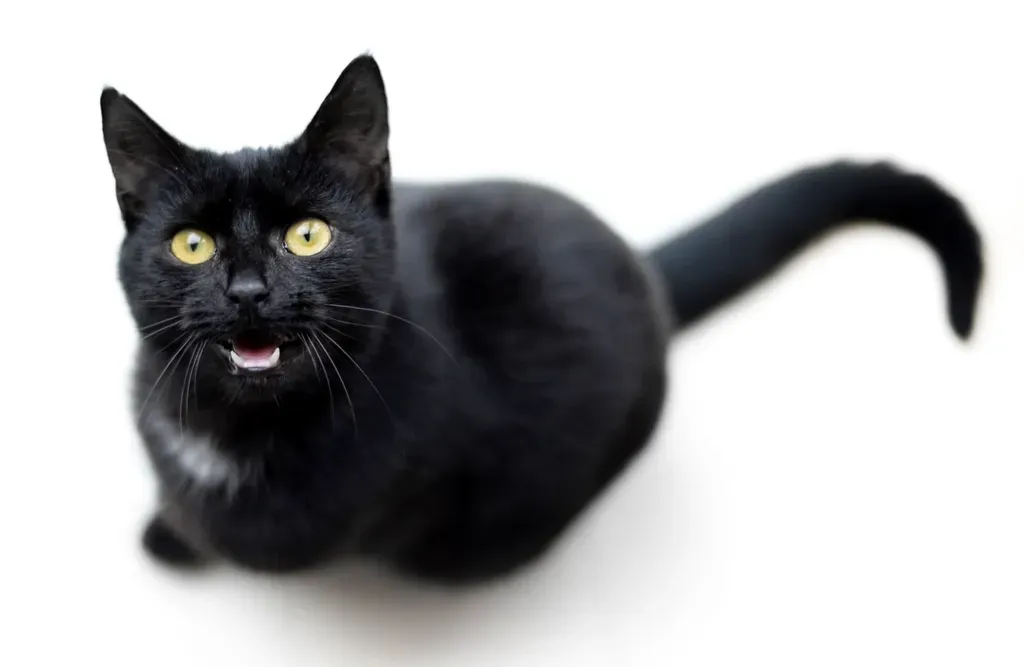
That midnight meow is so much more than an inconvenience. It’s your cat reaching across the species barrier, trying to tell you something in the only way they know how. Whether it’s hunger, anxiety, boredom, pain, or the deep confusion of cognitive decline, every yowl carries a message worth decoding. The relationship you build with your cat gets richer the moment you start listening instead of just reacting.
The next time your cat wakes you at 2 AM with that haunting wail, resist the urge to groan into your pillow. Instead, take a breath and ask yourself: what is this little creature actually trying to say? Your answer to that question could make all the difference – for both of you. What has your cat’s midnight meow been trying to tell you all along?