You’ve probably watched your cat’s tail curl, flick, or slam against the floor and thought, “What on earth are they trying to say?” Maybe you’ve even reached over to pet them mid-tail-thrash and received a sharp reminder that you misread the room. Completely. There’s a whole language happening right there at the tip of that furry appendage, and most of us are walking past it like it’s written in a foreign script.
Here’s the thing – your cat isn’t being mysterious just to mess with you. They’re practically shouting their feelings out loud, just not in a way our human brains were trained to notice. Once you crack this private code, the way you relate to your cat will shift in ways that feel almost magical. So let’s dive in.
The Tail Is More Than Just a Tail
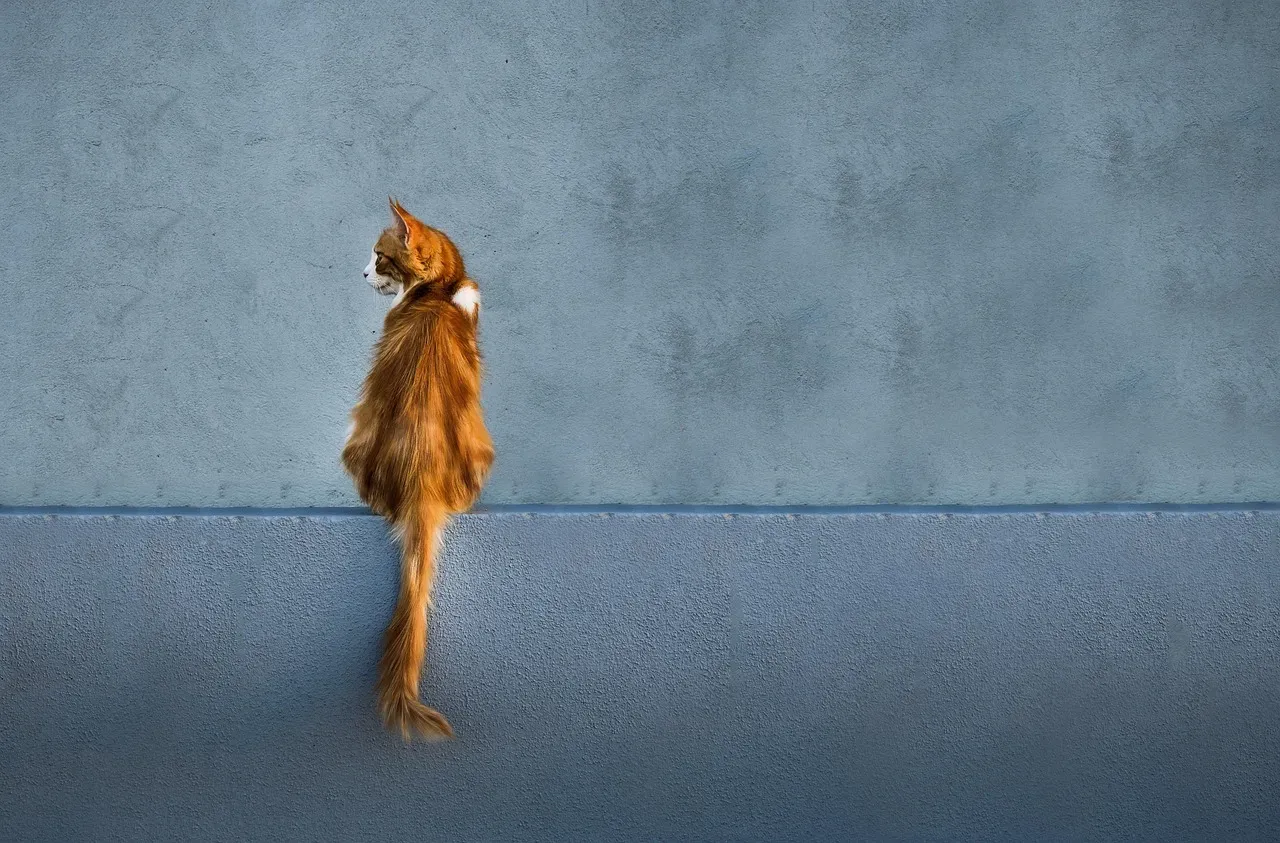
Before you can read what your cat’s tail is saying, it helps to understand what it actually is. The tail is an extension of the spine – while the human spine stops at the pelvis, in cats it continues backward for another 18 to 23 small bones. Think of it like an extra limb with its own emotional vocabulary. That’s not a small thing.
Cat tails are made up of 18 to 23 smaller bones called caudal vertebrae, surrounded by six different muscles. This unique combination is what allows a cat’s tail to have such a large range of subtle voluntary and involuntary motions, such as side-to-side movements, extension, and flexion. In other words, every flick, curl, and lash is a deliberate, finely tuned signal – not random movement.
Cat tail language can tell you about a cat’s moods, their emotions, and their intentions, allowing you to understand and predict a cat’s behavior. The movement of the tail can tell you as much as a purr, a meow, or a yowl. Honestly, I think that’s one of the most underappreciated facts about cats. Their tails are doing the heavy lifting in communication, and most owners never even glance down.
When the Tail Goes Straight Up: Your Cat Is Saying Hello
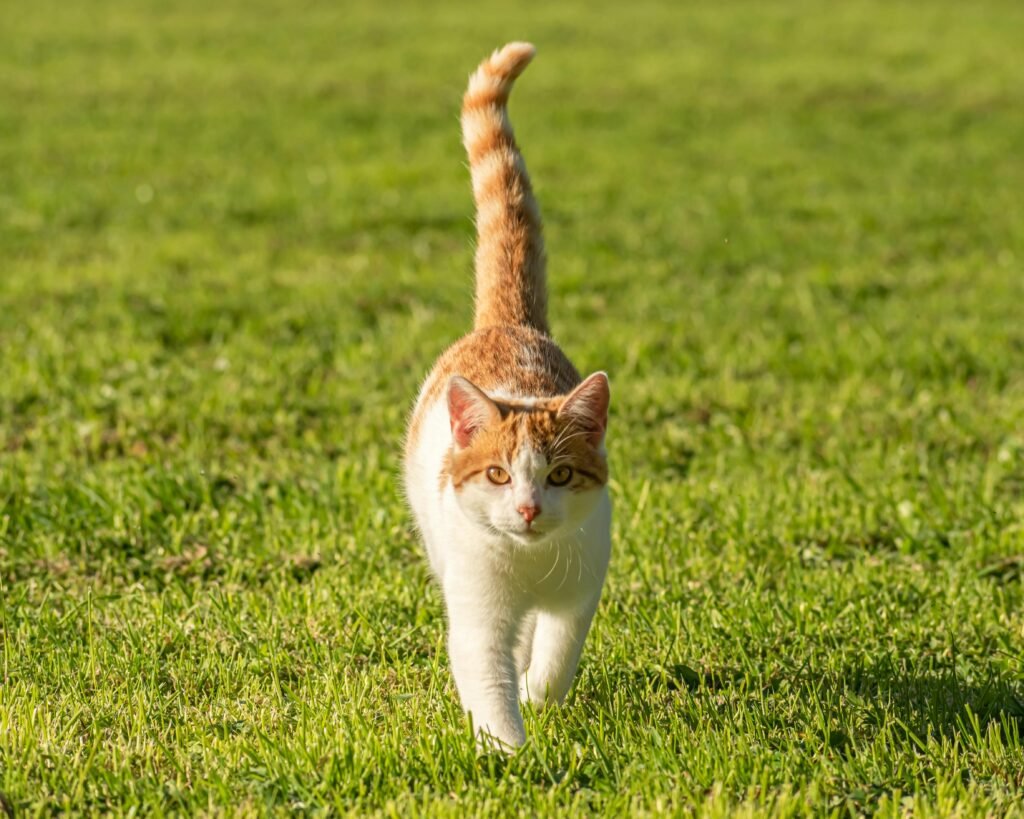
When a cat’s tail is upright, they are feeling social and confident, and are approaching in a friendly manner. This cat tail language indicates a friendly greeting between cats, and it’s how kittens greet their mothers. That detail about kittens is one that genuinely surprised me when I first read it. Your adult cat is essentially still greeting you like a mom coming home.
Some behaviors carry over from kittenhood to older cats – for example, kittens greet their mom with high tails and adult cats continue to do this with their favorite people. So when your cat trots toward you with that tail raised like a little antenna, you’re not just seeing a mood. You’re seeing an ancient emotional bond playing out in real time. A tail held upright while walking or standing indicates confidence and a willingness to interact. If the cat also gives a little flick of the tail tip, consider that an extra happy greeting.
The Question Mark Tail: An Invitation You Should Accept
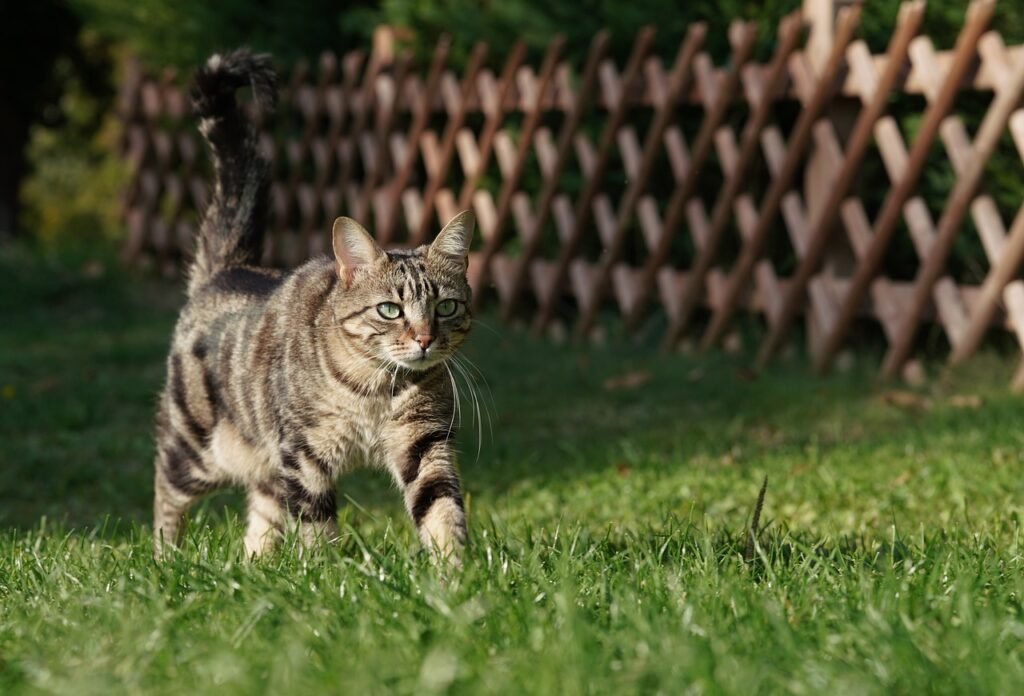
Sometimes your cat’s tail looks like a question mark – it stands upright but curls at the end. This cat tail language indicates that your cat is happy and approaching amicably. When your cat’s tail is in this position, it means it’s an invitation to interact with your cat. Think of it like your cat raising their hand and saying, “Hey, I’m available. Come chat.”
When a cat bends its tail in the shape of a question mark, that’s good news, especially if you have a few minutes to spare and some cat toys at the ready. That’s because the question mark-shaped tail position is a cat’s way of asking you, “Would you like to play?” Don’t ignore this one. Your cat doesn’t offer this signal infinitely. Miss it too many times and they’ll quietly give up asking.
The Tail Wrap: A Feline Embrace
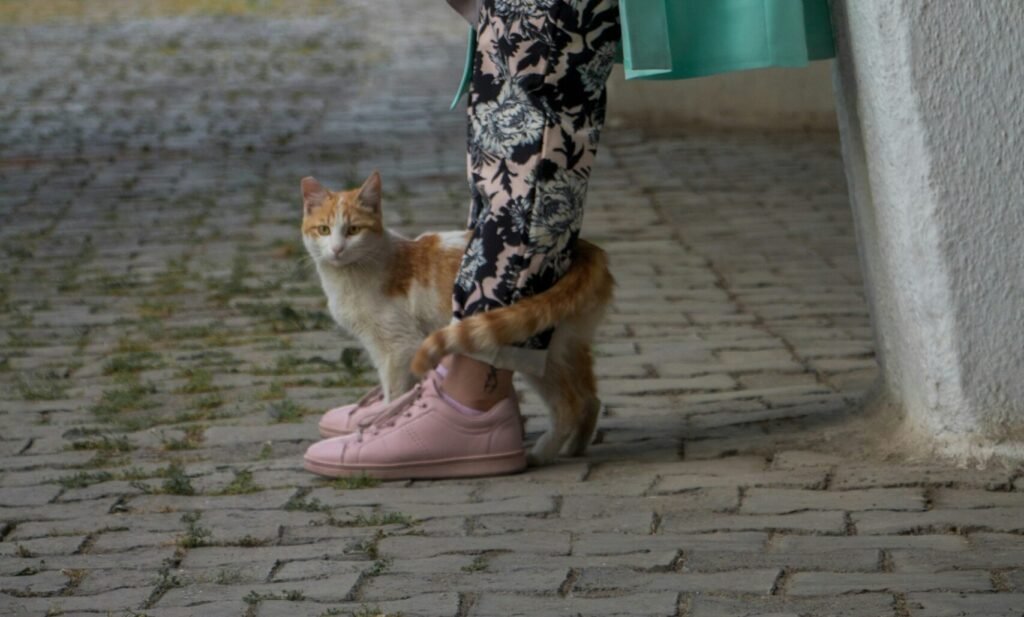
If you’ve ever seen cats cuddling curled with their tails around each other, you know how adorable this cat behavior is. It’s also a very pro-social tail behavior. In other words, this is one of the ways cats bond and socialize with each other. It’s essentially the cat version of putting your arm around someone’s shoulder. Warm, trusting, and deeply intentional.
It’s a way of marking each other with their scent and signaling who their friends are. If your cat snuggles up next to you with their tail curled around you, it means you’re part of their in-crowd – they like you a lot! Let’s be real – there’s something deeply satisfying about knowing your cat chose you. That wrapped tail isn’t just cute. It’s a declaration.
Tail Thrashing and Thumping: Back Off, Now
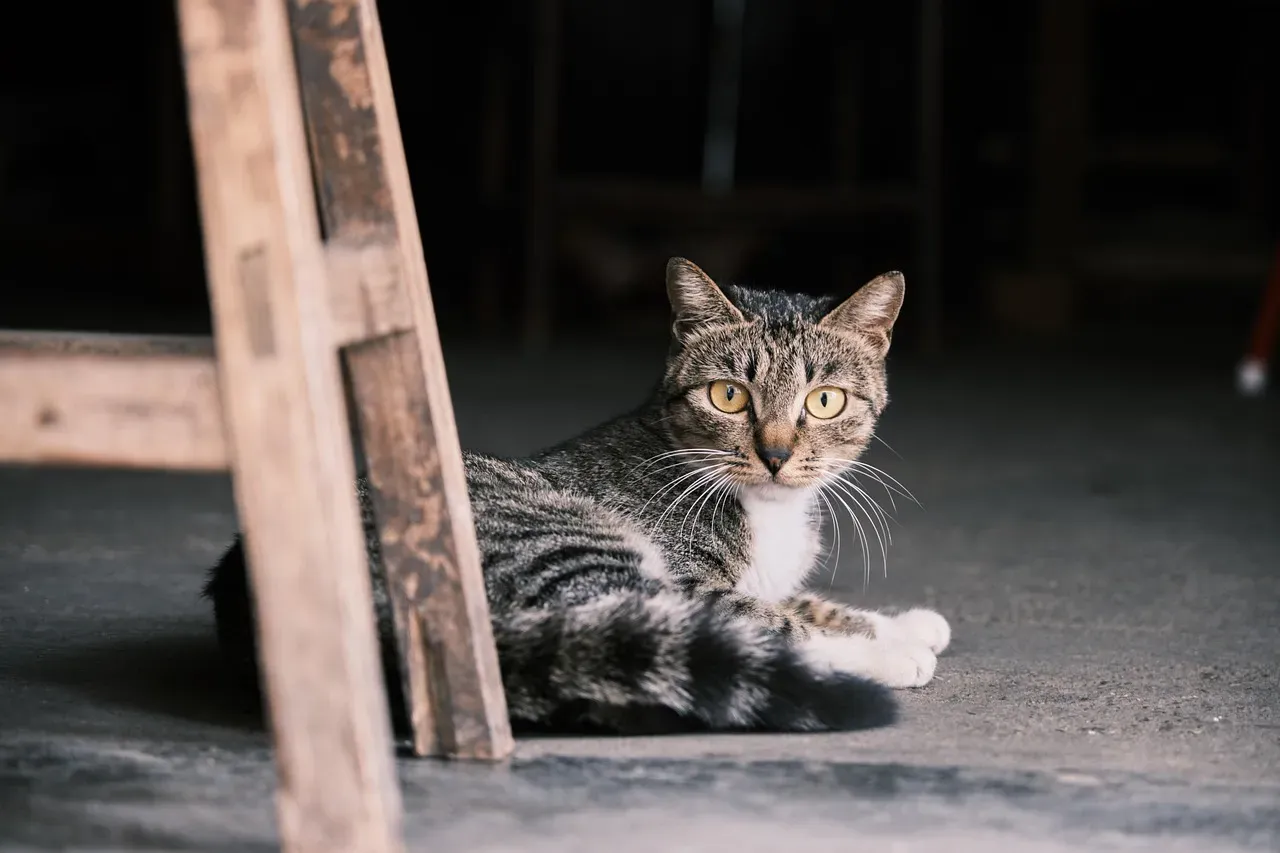
When your cat thrashes their tail or is thumping it on the ground, they are irritated, annoyed, or angry. This tells you that something is bothering your cat. This is a distance-increasing behavior. In other words, if you are petting your cat and they start thrashing their tail, they are trying to tell you to stop. Consider it a yellow light before the red one. Your cat is still holding back, but not for much longer.
If you don’t stop, the thrashing tail may be a prelude to hissing, growling, swatting, or biting. This is where so many cat owners get caught off guard. The escalation doesn’t come out of nowhere – your cat gave you clear, repeated warnings. Pay attention to a change in tail positions as well as accompanying body language that indicate a mood shift. For example, your cat is enjoying being petted around the head and neck, but as you begin to stroke along the spine and base of tail, the tail starts lashing. What was relaxing and enjoyable has transitioned to being either too stimulating or even painful.
The Puffed-Up Tail: Fear Is Speaking Loudly
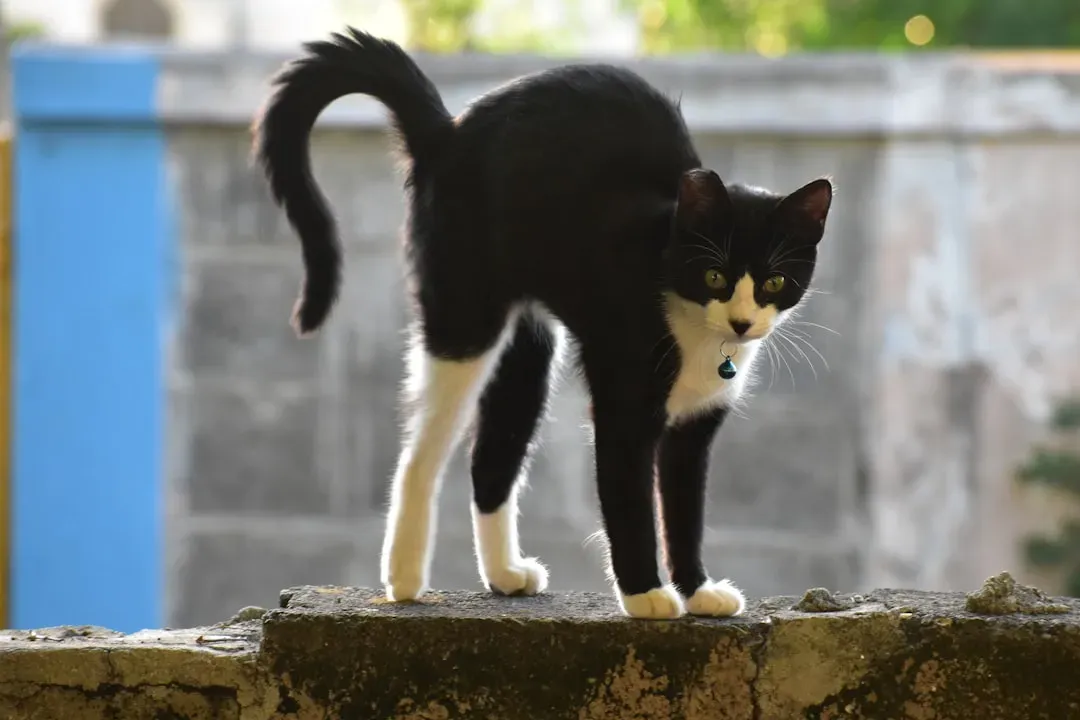
If your cat assumes the quintessential Halloween-cat posture with a puffed tail and arched back, then they are startled or frightened by a sudden, severe threat. Your cat’s hair stands on end (piloerection) so they can appear to be larger. It’s like blowing yourself up like a balloon when a bully walks your way. Pure survival instinct, no thought involved.
It’s a defense mechanism designed to communicate that they’re actually very large and scary and not worth fighting. However, your cat wouldn’t puff their tail if they weren’t feeling threatened to begin with, so the behavior almost always stems from a fearful reaction. Similar to other signs of fear, remove the thing that’s scaring them if you can – but don’t try to move your cat, who’s in panic mode and may respond by trying to protect themselves. The worst thing you can do in this moment is close in. Give space first, always.
The Tucked Tail: Something Is Very Wrong
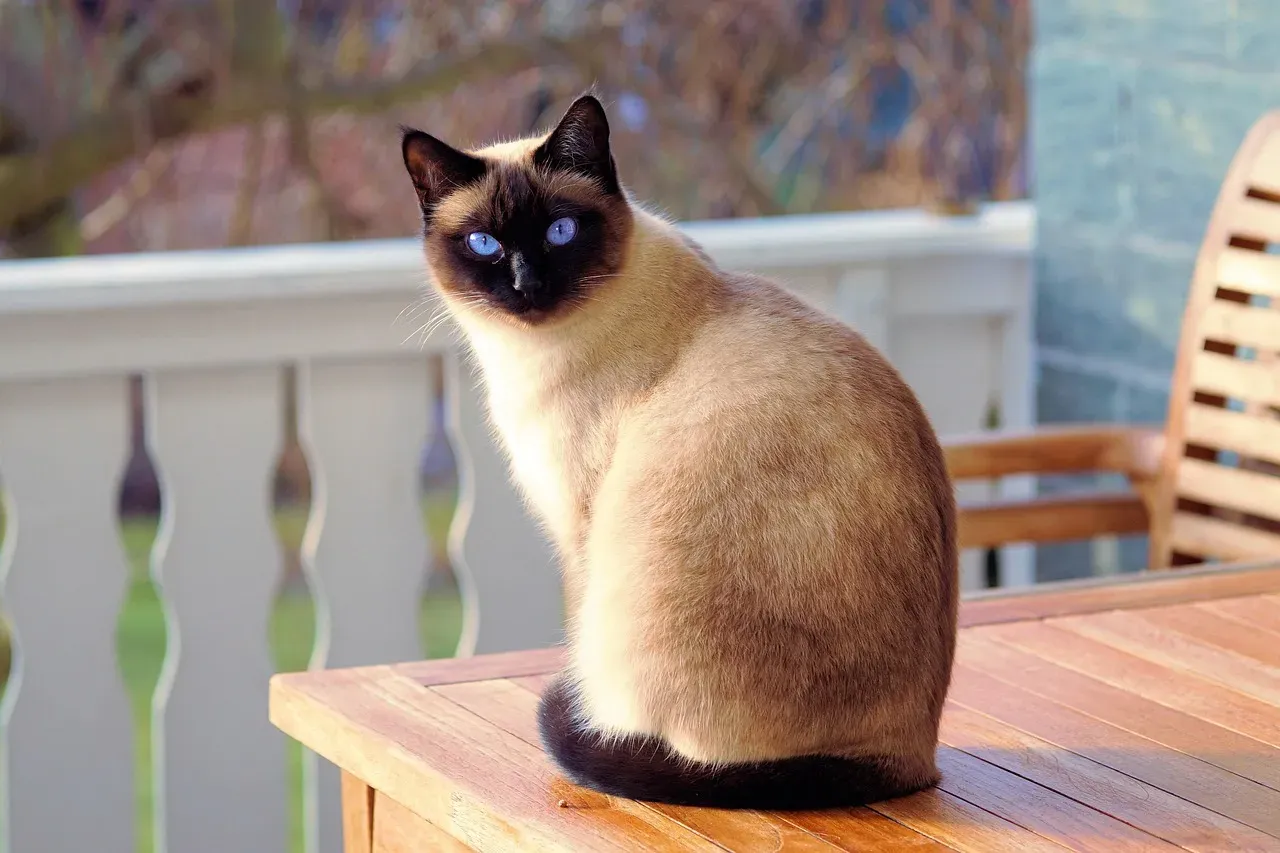
A cat may lower their tail below the level of their back if they are frightened or anxious. If your cat’s tail is tucked between their legs, then they are really scared or may be experiencing pain. This is not a signal to brush off. A tucked tail speaks volumes, and it’s almost never saying something good.
When the cat tucks its tail underneath the body or the side, it means fear or submission. It can also mean the cat is experiencing some form of pain or illness. It helps in detecting any disease they might have at an early stage. So if you notice this tail position persisting over more than a day or two, especially alongside other changes in behavior, a vet visit isn’t optional. Your cat is sending you a distress signal using the only language they have.
The Gentle Swish and the Tail Quiver: Happiness Has Its Own Signal Too
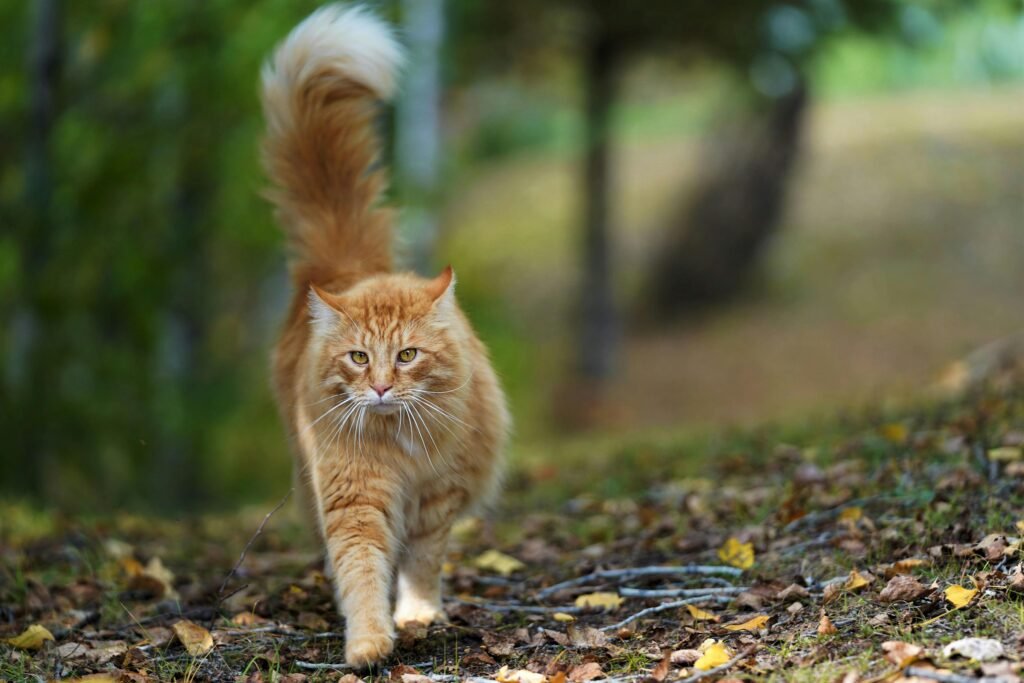
When a cat’s tail is in motion and looks fluid and soft, it’s “swishing.” Generally, this indicates a cat who’s relaxed or calmly interested in what’s happening. At this point, no alarm bells are going off in the cat. They also aren’t sleepy. They may be alert but aren’t worried or concerned about anything around them. That slow, lazy tail sweep is your cat on their best day. Let them enjoy it.
A tail that points up accompanied with a quiver at the base of the tail is often an indication your cat is especially excited to see you or to be getting a tasty bowl of cat food. It’s a tiny, almost trembling motion, easy to miss if you’re not paying attention. Some owners have noticed that their cats’ tails seem to vibrate or quiver quickly. Although you may think this indicates fear or anxiety, in many cases, it actually indicates excitement and playfulness. Tail vibrations often occur when your cat gets extremely happy or wants to play. It’s their version of bouncing with excitement.
Conclusion: You’ve Been Invited Into a Private Conversation
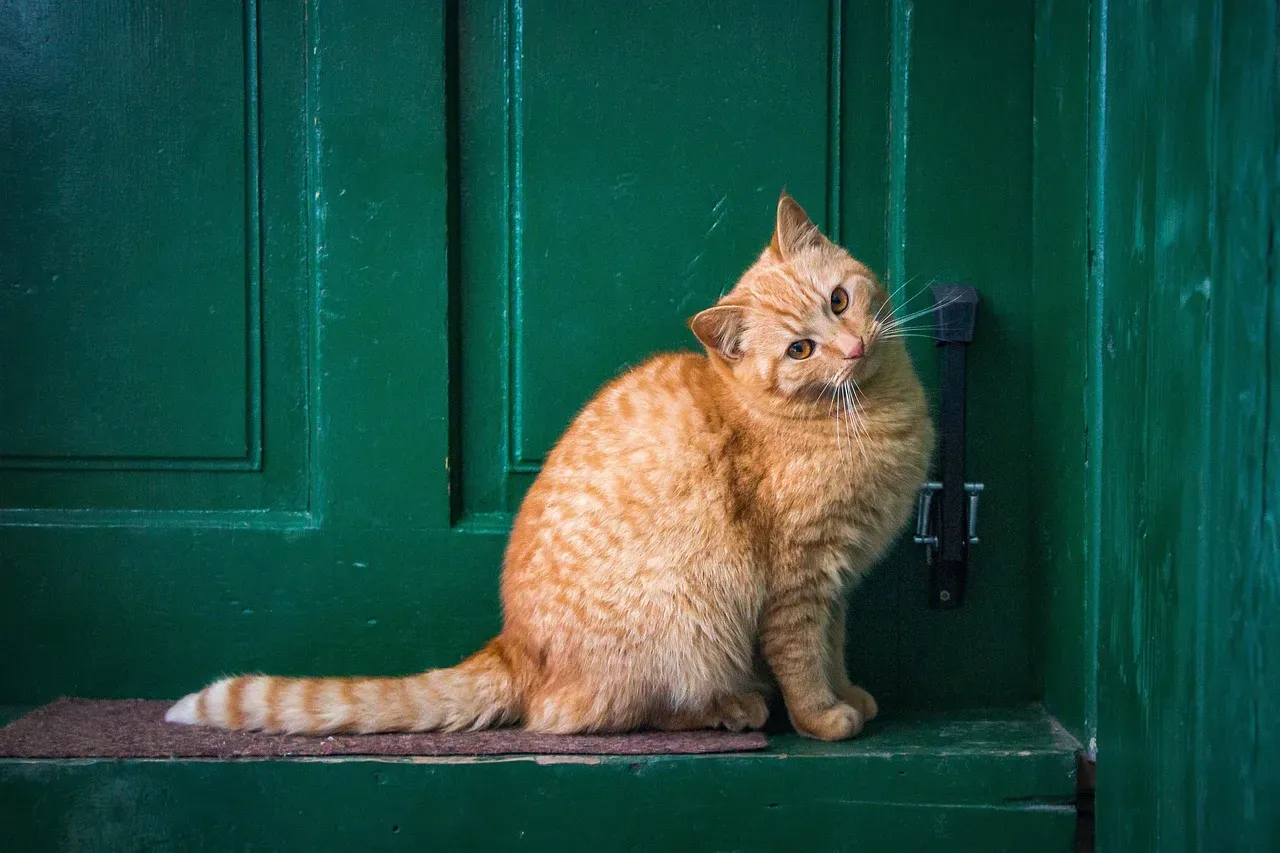
Your cat has been communicating with you this whole time. Every flick, every puff, every slow lazy swish was a sentence in a language you just hadn’t learned yet. Cats use their tails to communicate subtle and not so subtle messages to those around them. If owners take the time to learn about what the various tail messages mean, they will enjoy a richer, closer relationship with their pets. That’s not just a nice idea – it’s genuinely transformative.
Cats are masters of communication and your job is to pay attention. If you learn to accurately read body language signals and respect what your cat is telling you, it will create trust and strengthen the bond you share. Think about that for a moment. A stronger bond built not on words, but on watching a tail. It’s beautifully simple once you see it.
The next time your cat walks into the room and their tail shifts into a new position, pause. Look closer. They’re not just moving around you – they’re talking to you. The real question is, will you finally start listening? What do you think – did any of these tail signals surprise you? Tell us in the comments.