You walk through your front door after a long day, and there it is – that face. Narrowed eyes, a downturned mouth, a stare that could freeze lava. Your cat looks, frankly, furious. You wave a little. Nothing. You try a soft “hello.” Still nothing. Just that magnificent, soul-piercing glare.
Here’s the thing, though. That look you’re interpreting as pure contempt? It might just be your cat’s version of a love letter. Cats are notoriously misunderstood creatures, and what registers to you as grumpy or cold is often something far warmer and more layered than you realize. What you’re about to discover might completely reshape how you see your feline companion. Let’s dive in.
Why Cats Look “Grumpy” in the First Place
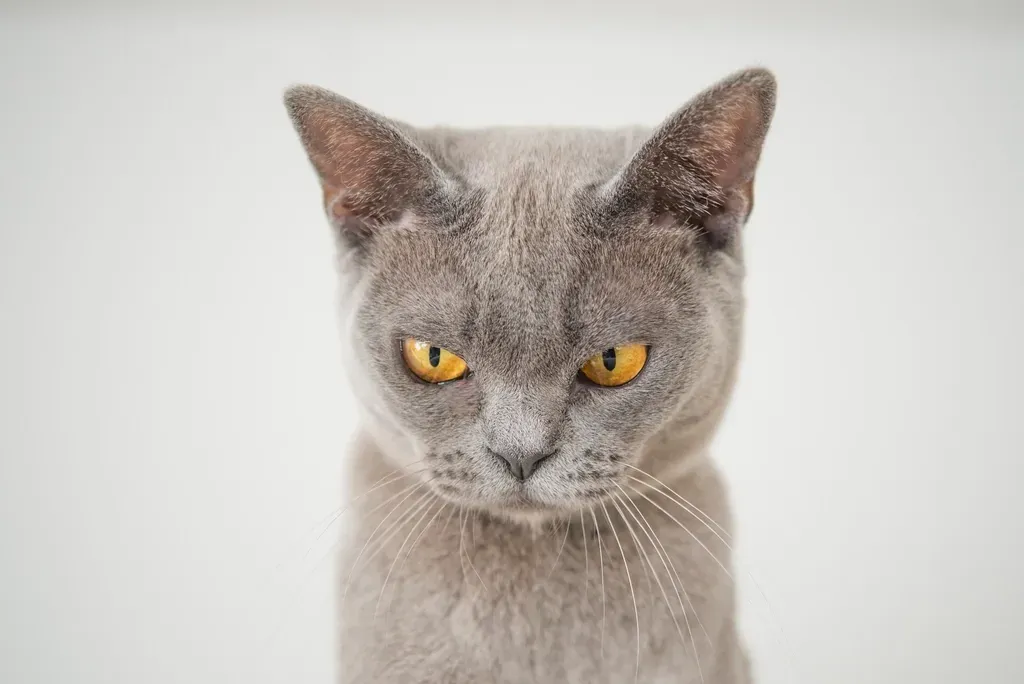
Let’s be real – some cats are just built with faces that look like they’ve been mildly offended since birth. Grumpy-looking cats often owe their serious expressions to their bone structure. Breeds like the Persian and Exotic Shorthair have short skulls and flat faces, which create their signature frown-like appearance. It has absolutely nothing to do with their mood or feelings toward you.
Some cats are born with faces that look like they’ve seen it all and didn’t like any of it. Their narrowed eyes, flattened features, or stern expressions give them a reputation for being aloof or even grouchy. Looks, as they say, can be deceiving, especially when it comes to feline personalities. Behind many of those furrowed brows and deadpan glares are gentle hearts and affectionate spirits.
Think of it this way – if a person happened to have a naturally stern resting face, you wouldn’t assume they were angry all the time. Your cat deserves the same consideration. Despite their stern looks, many grumpy cat breeds, such as the British Shorthair and Chartreux, are known for their gentle and affectionate nature. The packaging, in other words, has nothing to do with the gift inside.
The Slow Blink – Your Cat’s Ultimate “I Love You”
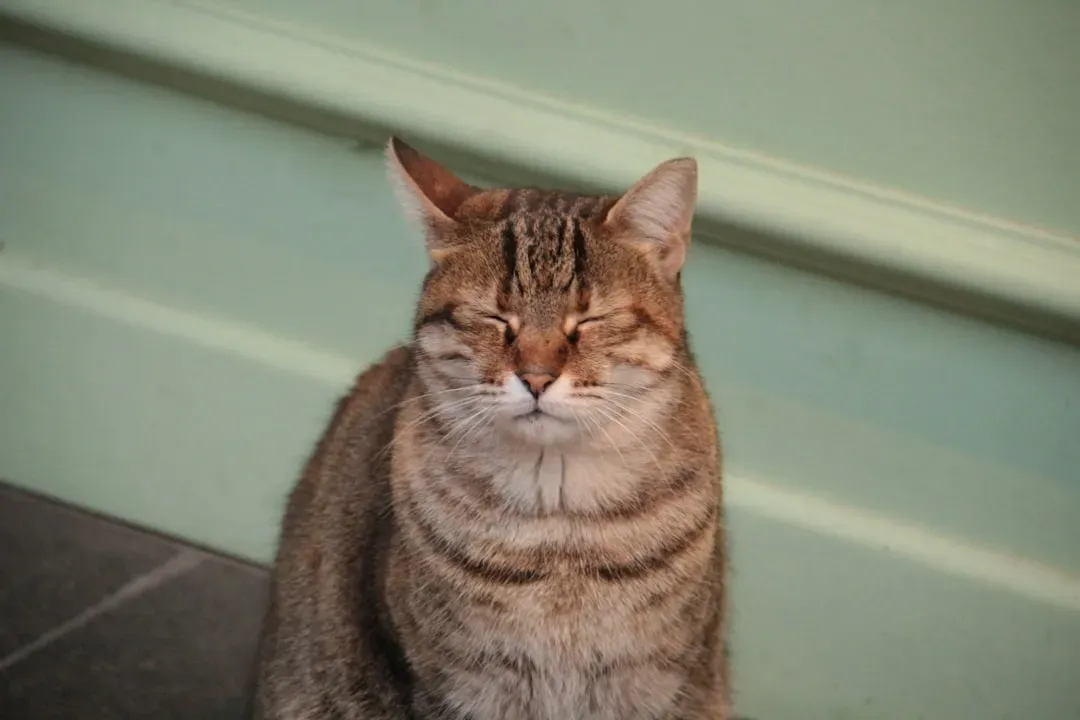
You’ve probably caught your cat sitting across the room, staring at you with heavy, half-closed eyes. Your first thought might be that they’re bored or indifferent. Honestly, it took me a while to figure this one out too. When a cat sits across from you and stares at you with sleepy-looking eyes, blinking slowly, it might seem like they’re bored or tired. Those slow blinks are actually how they communicate peace and connection. If you’re seeing that with your cat, they love you.
That’s a cat slow blink, one of the highest signs of feline trust. It’s their way of saying, “I feel safe with you.” Blink slowly back to return the affection. So the next time your seemingly unimpressed cat levels that heavy-lidded gaze at you, try closing your eyes slowly and reopening them. If a cat blinks slowly at you, it means they trust and love you. You can blink slowly back to show them that you love them too! It’s basically a silent conversation happening in a language most people never learn to speak.
Head Butting Is Not Aggression – It’s Ownership (in the Best Way)
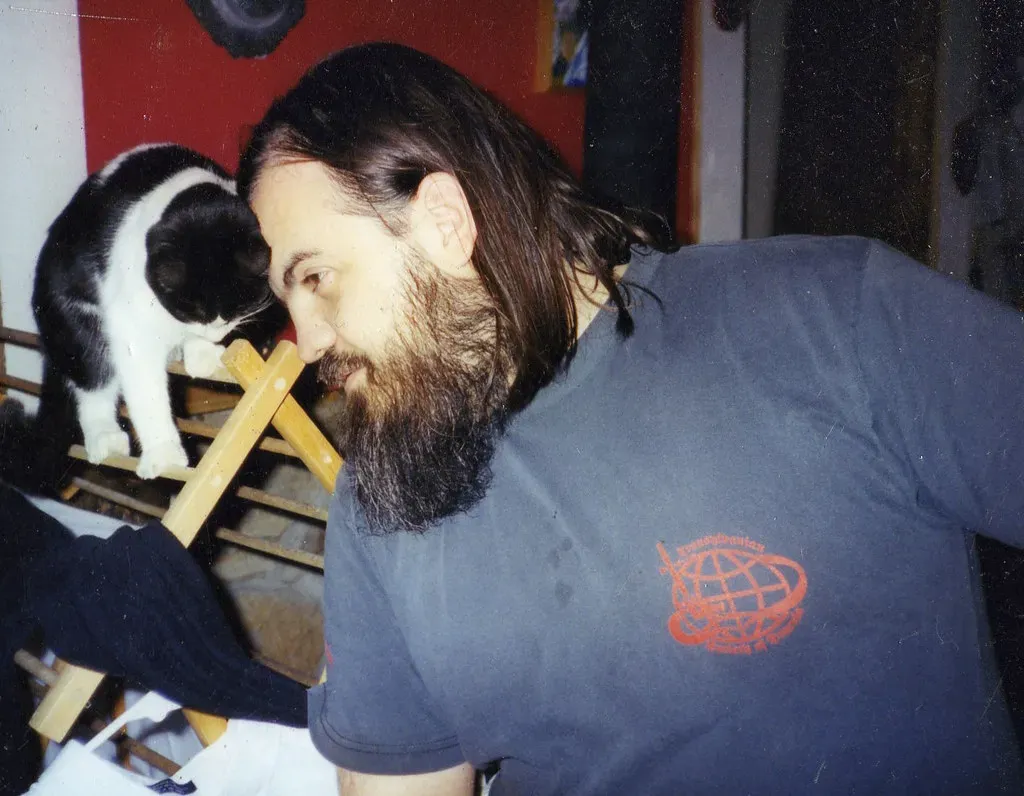
Your cat walks over with that signature “I own the place” attitude and rams their forehead into your leg or face. Rude? Actually, no. Not even a little. Headbutting is one of the silly things cats do that means they love you. Headbutting, or bunting, is a primary way cats show affection and claim ownership. When your cat does this to you, they’re not being dominant – they’re being deeply tender.
Bunting, where cats press their head into you, is scent-marking and affection rolled into one. Respond by speaking softly, blinking back, or giving gentle pets. It builds trust and deepens your bond. It’s the feline equivalent of a warm hug, wrapped up in what looks like a mild head collision. Cats have sweat glands on their chins, cheeks, and foreheads. By firmly pressing or rubbing their face against your leg, arm, or head, they are depositing their scent and marking you as their territory and part of their family. You are, in their eyes, claimed and cherished.
That Intense Stare Is Actually Deep Trust
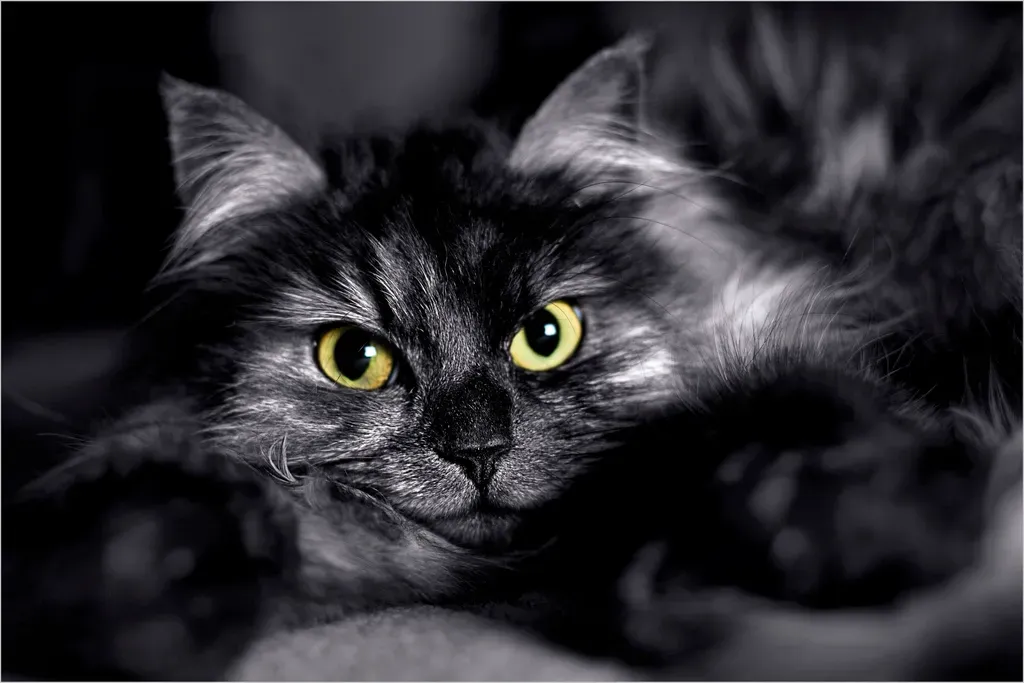
In the animal world, a prolonged stare between strangers usually signals a challenge or threat. But between you and your cat, the rules change entirely. Direct eye contact usually only happens when a cat loves and trusts someone, and it’s their way of showing adoration to their favorite people. That unblinking gaze fixed on you from across the sofa? Pure devotion, wrapped in an expression that looks mildly accusatory.
It’s a fascinating flip from what most people assume. Cats do understand facial expressions too. Research shows that felines can recognize and respond to human emotions, often changing their behavior based on your mood. It’s basically a two-way mirror of emotion. Your cat is watching you more carefully than you realize, reading your face, adjusting their behavior. The stare isn’t blank indifference – it’s active, emotionally intelligent attention.
Kneading You Like Bread Dough Is Pure Nostalgia and Love
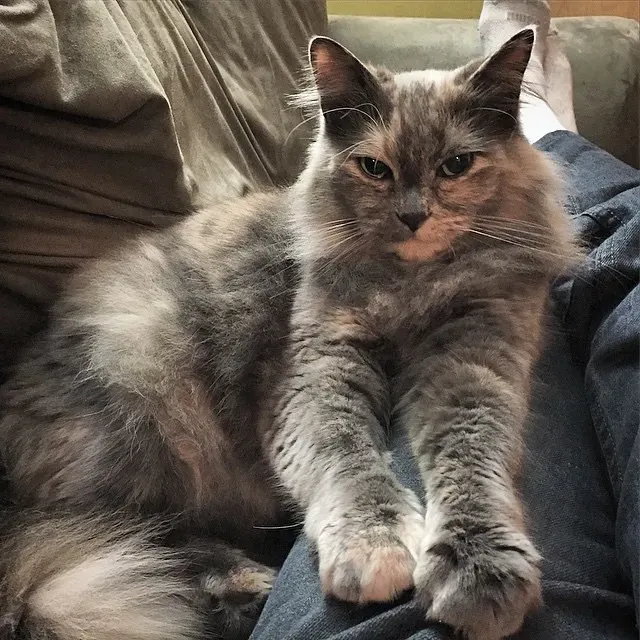
Few things look quite as odd as a grown cat rhythmically pushing their paws into your thigh with an almost trance-like focus. It might be slightly uncomfortable. It is absolutely a love language. The rhythmic kneading cats do on blankets, pillows, or their humans is a behavior that mimics what they did while nursing as kittens. It’s just a leftover instinctual thing that they do when they feel super happy and super connected.
Cats can show affection by kneading their people with their front paws. This is a behavior kittens do with their mothers to stimulate the flow of milk, and it is strongly associated with happy times. Plus, kneading is a way for cats to activate the scent glands in their paws and mark you as their own. So when your cat turns you into their personal bread loaf, they’re essentially saying you make them feel as safe and loved as they did as a tiny kitten with their mother. Hard to stay annoyed at that.
Rubbing Against You Is a Declaration of Belonging
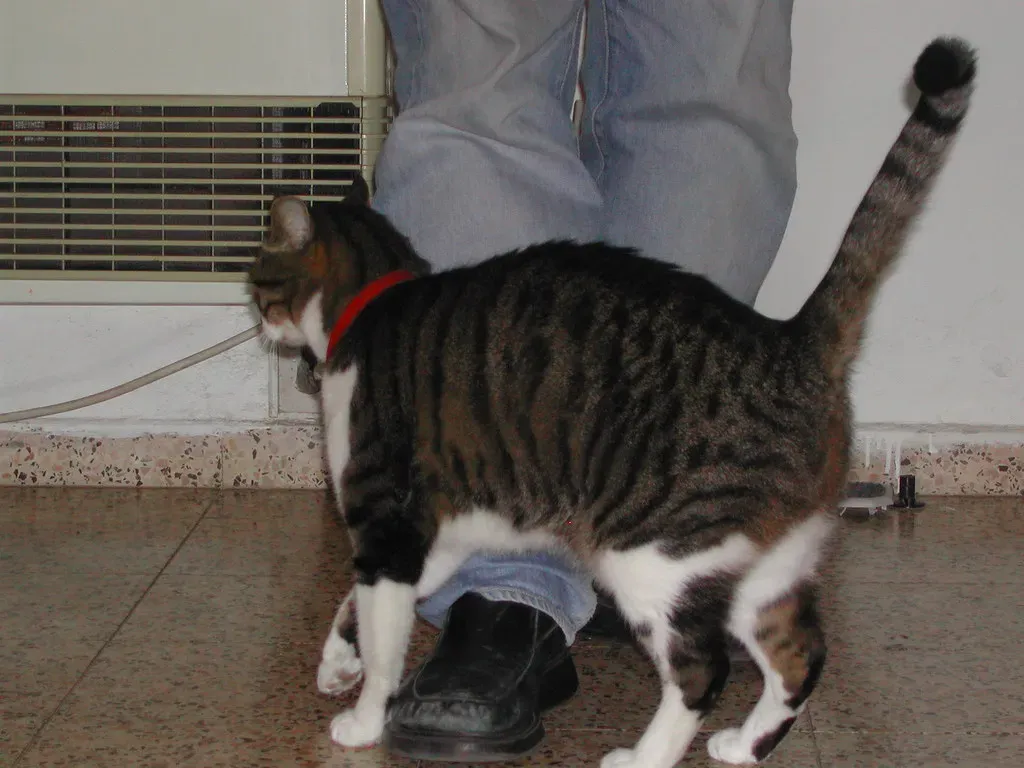
Picture this: you’re standing in the kitchen and your cat weaves between your legs, rubbing their side and face against you. You nearly trip. They seem completely unbothered. This is not random wandering behavior. When they’re showing their affection, cats rub themselves on you, often circling or turning in little figure eights. Their tails are held high, often with a tiny curve at the very end, showing that they’re happy to see you or another cat.
If a cat comes up and rubs its face or body on you, that’s a sign of love and connection. It’s called bunting, and essentially, it’s how the cat marks you as “theirs.” Cats have scent markers in their paws, they have them on their face, and they also have them on the base of their tail. Every single pass your cat makes against your leg is them layering their scent onto you, marking you as family. It’s intimate, territorial in the most affectionate sense, and genuinely touching once you understand what’s happening.
The Relaxed “Loaf” Pose Signals Profound Comfort
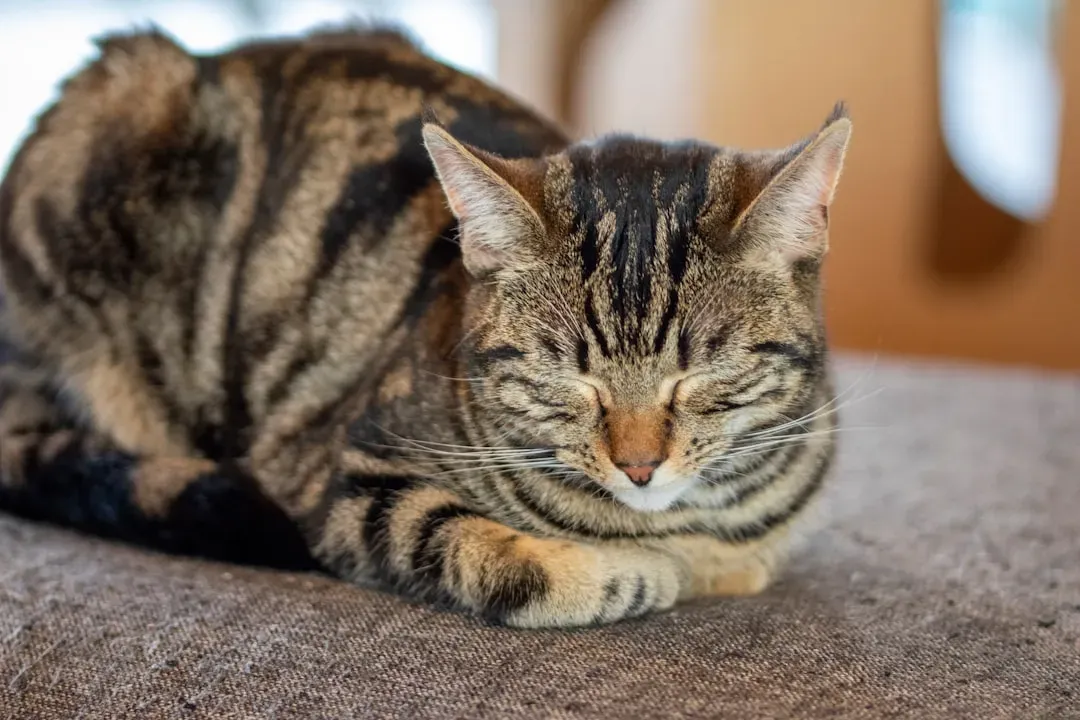
You know the look. Your cat sitting perfectly still, paws tucked underneath them, eyes half-closed, looking like a warm, disapproving bread loaf. It sounds ridiculous but this position carries serious meaning. A relaxed, tension-free posture is one of the cat behaviors that show affection and is a classic cat love sign. Relaxed body language is one of the most profound ways cats express love, as it’s a direct sign of deep trust and contentment.
Cats who are relaxed will have loose, fluid body movements, and their breathing will be slow and steady. They might fold their feet in front of themselves, stretch their feet way out in front, or slouch over the side of a perch. Relaxed cats’ ears and whiskers will be at their neutral positions or maybe slightly forward. If your cat takes up their loaf position near you – especially directly beside you – they are broadcasting peace, safety, and affection in the most beautifully understated way possible. I think that’s honestly one of the most touching things a cat can do.
Following You Room to Room Is Their Version of Clinginess
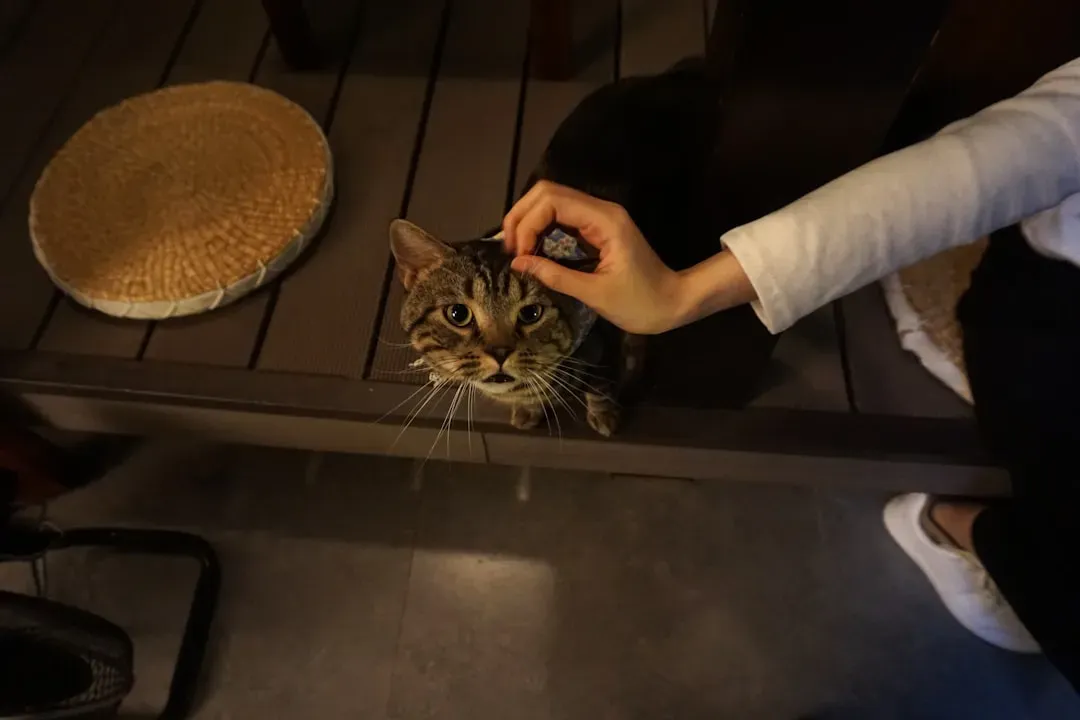
You might not think of being shadowed by a small, expressionless creature as a sign of love. But if your cat consistently appears wherever you are in the house, that’s not coincidence and it’s not surveillance. Some cats that are more reserved in showing their affection will often show they love their humans by actually being in the same room as them and even following them from room to room when they move. For a cat, proximity is intimacy.
Feline affection isn’t always overt or constant. Instead, it’s often built around trust, safety, and selective social connection. Cats tend to show love through behaviors that signal comfort and familiarity rather than attention-seeking. Think of it like having a quiet friend who doesn’t need to fill every moment with conversation but just wants to be in the same space as you. Even if a cat’s not a cuddler, they can show love by sleeping near you or greeting you at the door when you come home. Your cat wouldn’t do this if they didn’t love you. That says everything.
Grooming You Is the Highest Compliment a Cat Can Pay
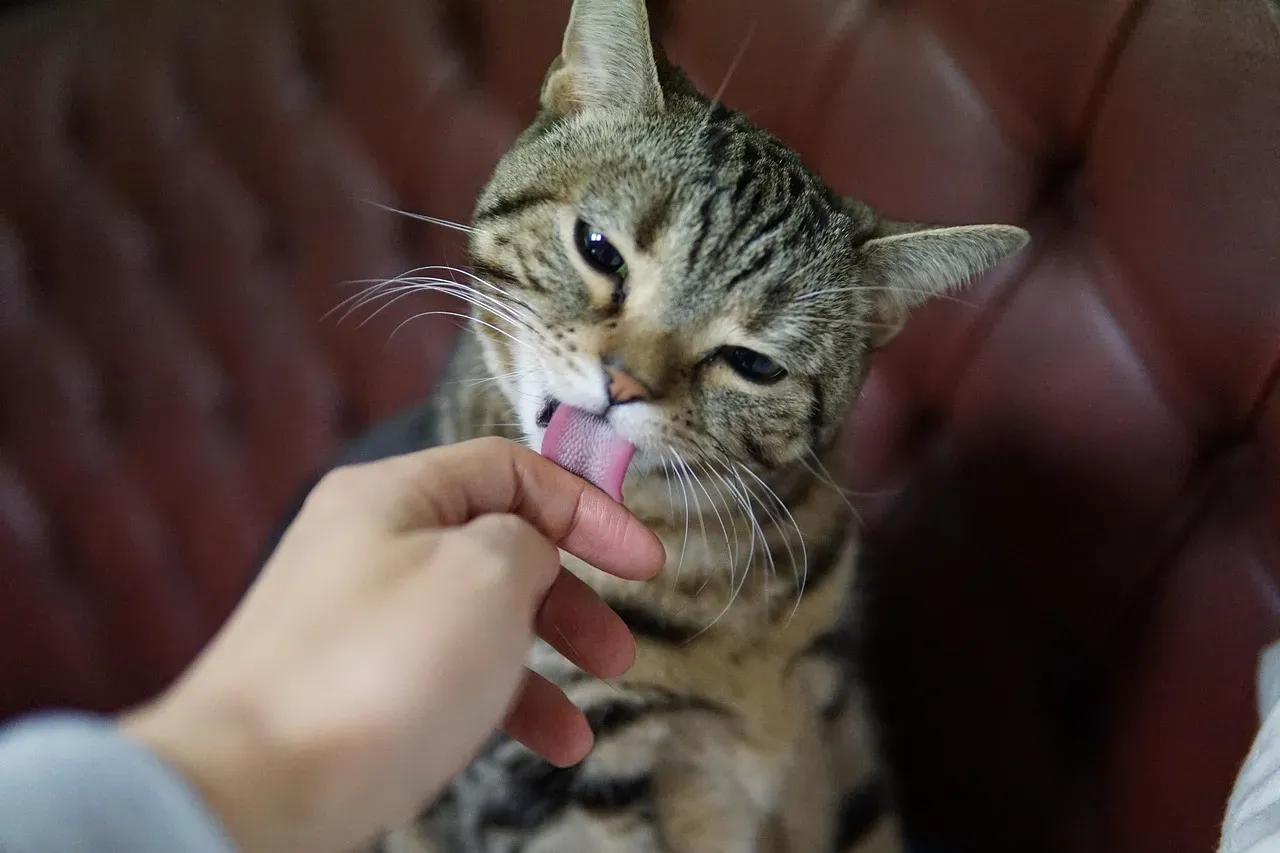
If your cat has ever licked your hand, your hair, or your face while wearing that same deadpan expression you’ve mistaken for disinterest, take a moment and actually appreciate what’s happening. When your cat licks your skin or hair, they are performing allogrooming, which is a social bonding behavior they typically reserve for other cats in their colony. Your cat is treating you like family – genuine, cherished, inner-circle family.
Licking signals that a cat trusts you. If your cat licks you, they are grooming you just like a mother does to her kittens. This is another one of their ways of showing love. It doesn’t matter if their expression looks completely unbothered or even slightly judgmental in the moment. A cat’s affection for its owner shows in many ways. Showing affection requires trust, and building trust depends on the cat’s experiences as a kitten. If a cat has had positive experiences with people since it was a kitten, it can easily build trust. When your cat grooms you, you have earned something truly special – their complete, unwavering trust.
Conclusion
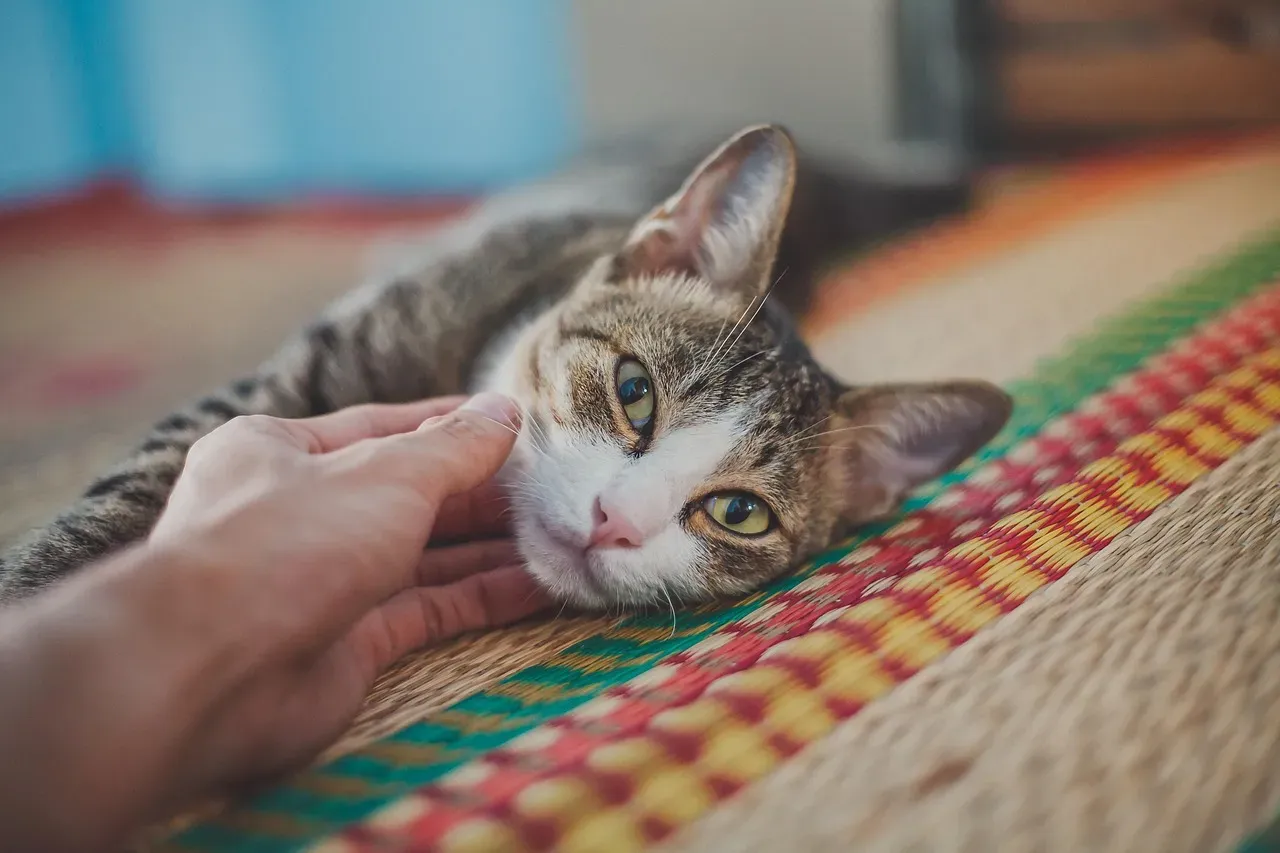
So the next time your cat greets your arrival home with what looks like mild disappointment, or stares at you with an expression that could belong on a disapproving judge, remember what you now know. Cats may appear to be standoffish or only affectionate when they feel like it, but it could be that they are showing you they love you in ways that you might not recognize. Every slow blink, every head butt, every figure eight around your ankles – it’s all part of a rich, nuanced love language that most people spend years never learning to read.
Cats may not always express love in obvious ways, but their affection runs deep. Learning how cats show love can transform small moments into meaningful connections. The grumpy face isn’t a wall – it’s actually the door. You just needed to learn how to open it. Now that you know the language, how many of these quiet little declarations of love have you been missing from your own cat? Tell us in the comments – we’d love to hear your story.