There you are, finally tucked in, lights off, everything quiet. Then it starts. A low, persistent meow somewhere in the darkness of your home. You check the clock. 2:47 AM. Your cat sounds like it needs something urgent, something life-altering, and yet their food bowl is full, the water is fresh, and the litter box was just cleaned.
So what on earth is going on? Honestly, this is one of those questions that cat owners quietly wrestle with for years. The midnight meow is a mystery that straddles the line between frustration and genuine curiosity. It turns out the answer runs far deeper than you might expect, touching on ancient biology, emotional bonding, and even a little bit of clever evolutionary trickery. Let’s dive in.
Your Cat Is Not Nocturnal – It’s Something More Specific
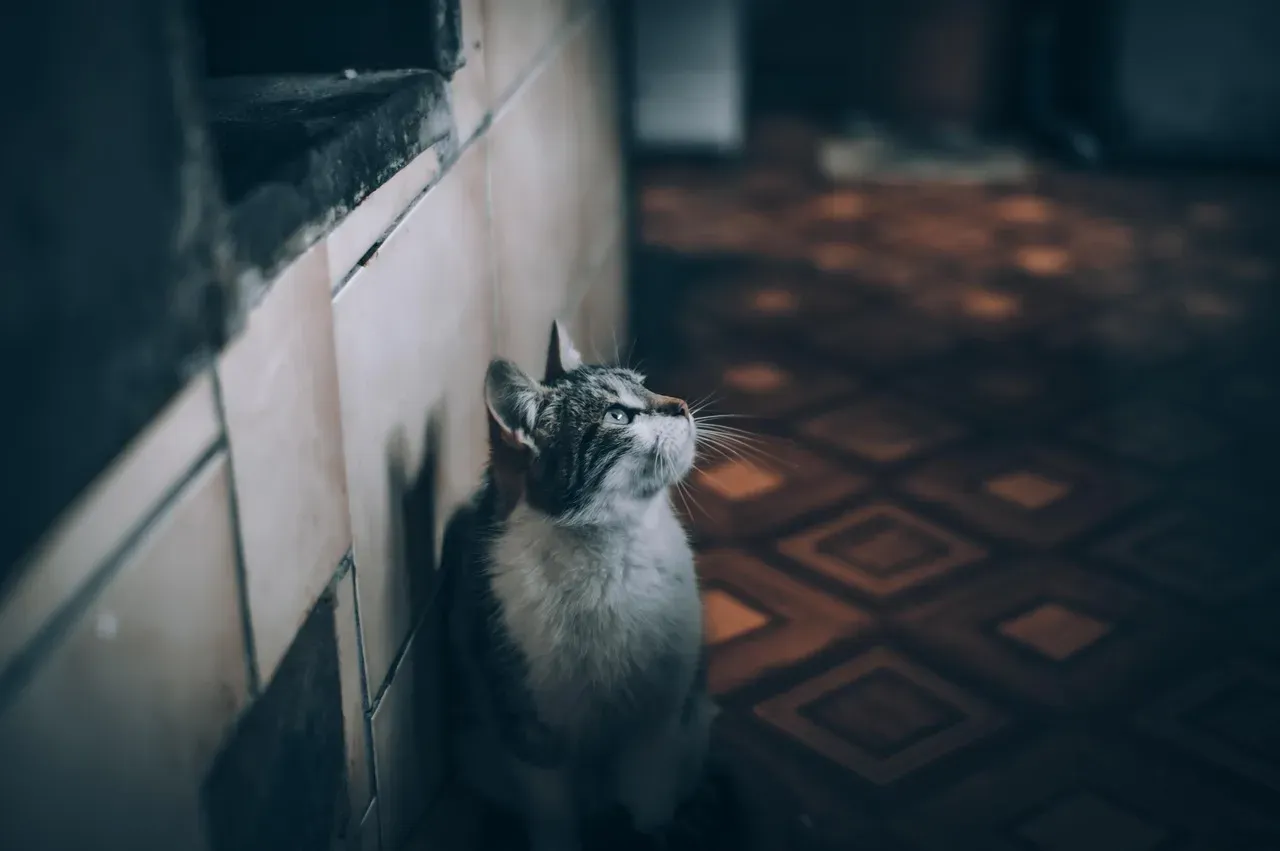
Here’s a misconception worth clearing up right away. Most people assume cats are nocturnal creatures, built to party through the night while you sleep. Although it’s popularly thought that cats are nocturnal, this is not strictly true. They are actually crepuscular, meaning they are naturally most active at dusk and dawn. Think of it as your cat being wired for twilight, not total darkness.
In the wild, cats hunt regularly for their small prey and rest between hunting episodes. A cat’s natural activity levels tend to orbit around their prey species, which tend to be either nocturnal or crepuscular, making it perfectly normal for your cat to be more active during these periods. So when your cat starts acting like a tiny tornado at 4 AM, it isn’t rebellion. It’s biology, plain and simple.
The Meow Was Made for You, Not Other Cats
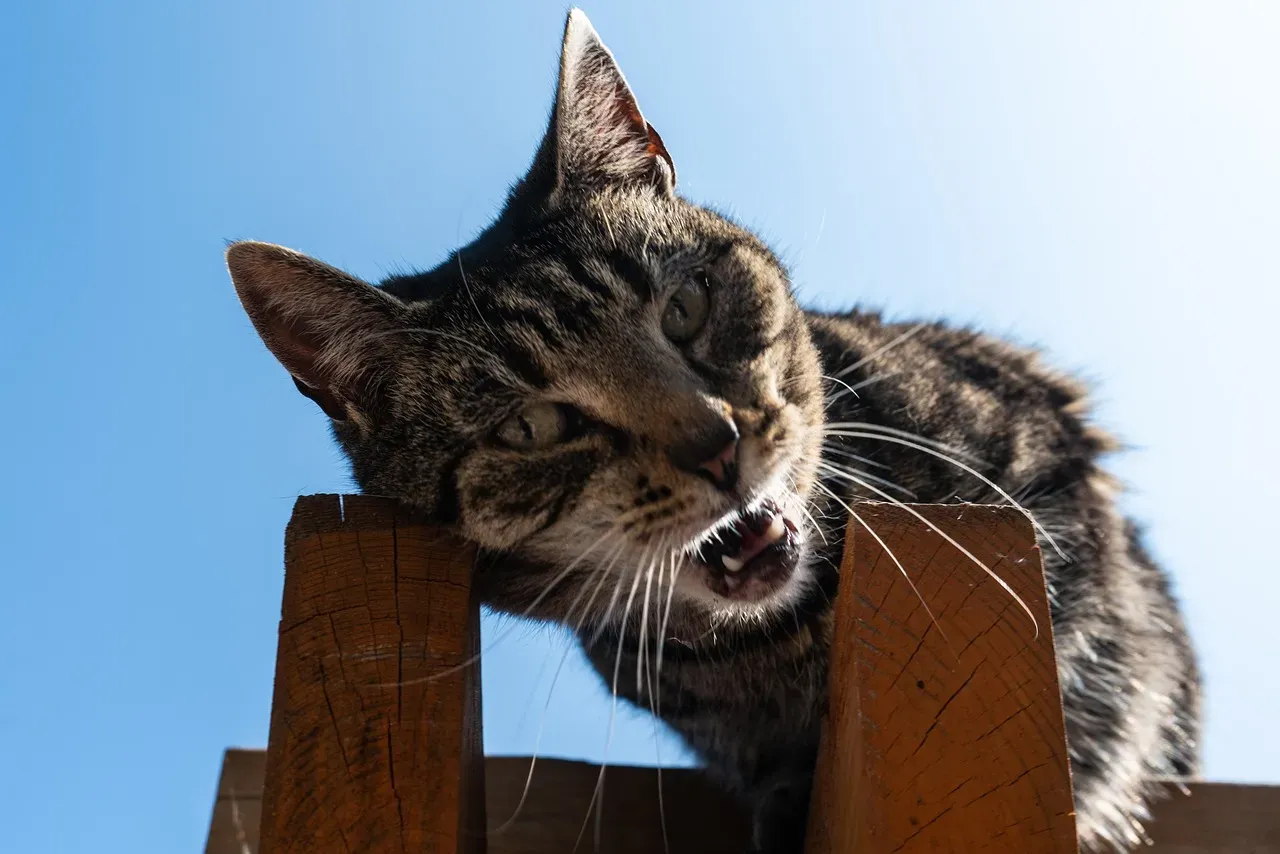
This one genuinely surprised me when I first came across it. Meowing is a normal means of communication for cats, but interestingly, it is usually only used for cat-kitten or cat-human communication. Adult cats do not tend to meow at one another. Think about that for a moment. Your cat essentially reserved this entire vocal behavior specifically to talk to you.
Cats are believed to have evolved the meow sound around the time of domestication to get sympathy and attention from humans, and today the meow is used as a way for cats to communicate with and influence their human companions. Domestication has shaped animal vocal behavior, increasing flexibility and responsiveness to humans. You are not just your cat’s caretaker. You are, in a very real biological sense, their primary audience.
Loneliness and the Deep Need for Social Contact
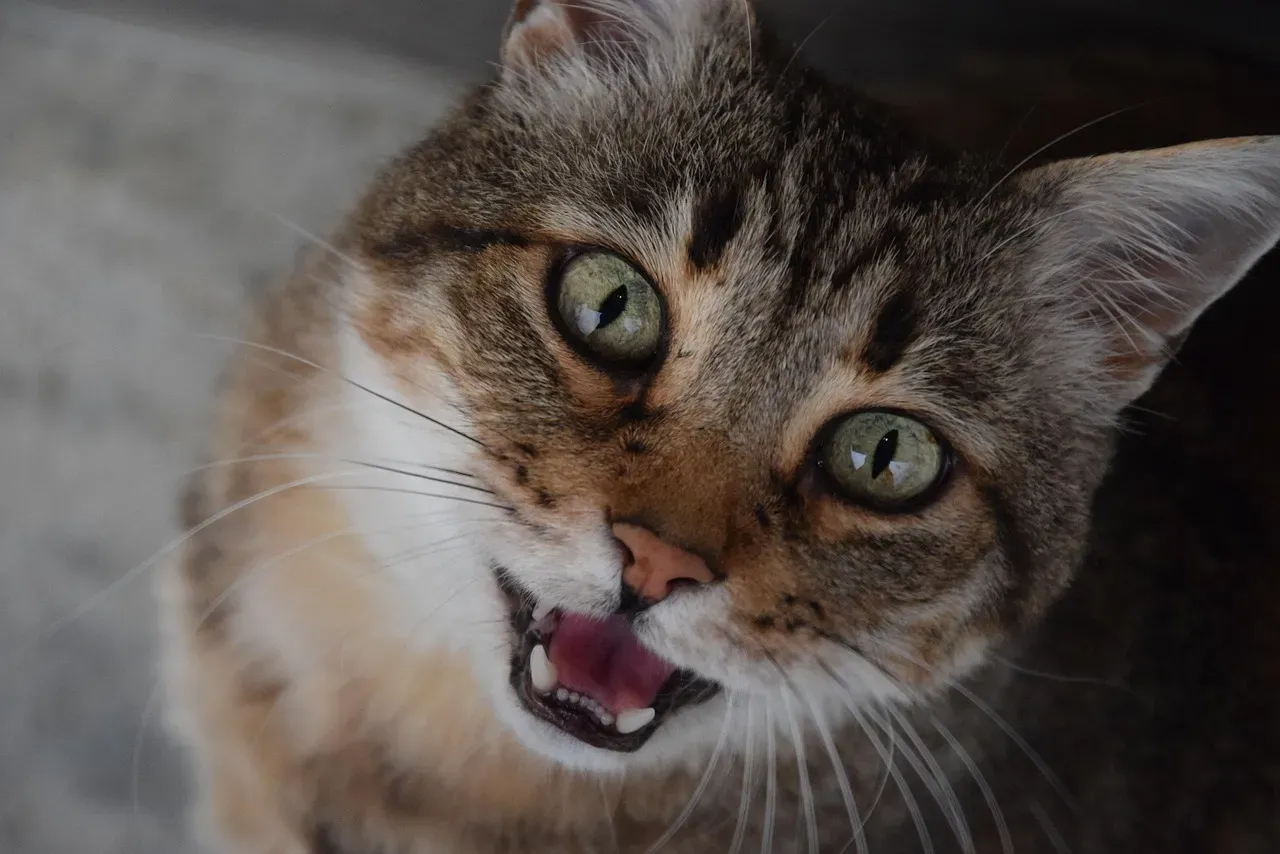
Let’s be real. We tend to think of cats as stoic, independent creatures who prefer the company of a warm patch of sunlight to any human. The truth is far more tender than that. Cats need social contact. Some want stroking and cuddling, others just want to be close to you and aren’t so into physical contact but still need your company. Your cat might simply be wanting attention and affection.
We tend to think of separation anxiety as more of a dog problem. However, many cats are used to having their humans around all the time during the day, especially with the increase in working from home. This can mean they are anxious about being away from you at night, and this loneliness may lead to them meowing or waking you. Your cat doesn’t stop needing you just because you turned off the bedroom light.
Boredom: The Overlooked Midnight Trigger
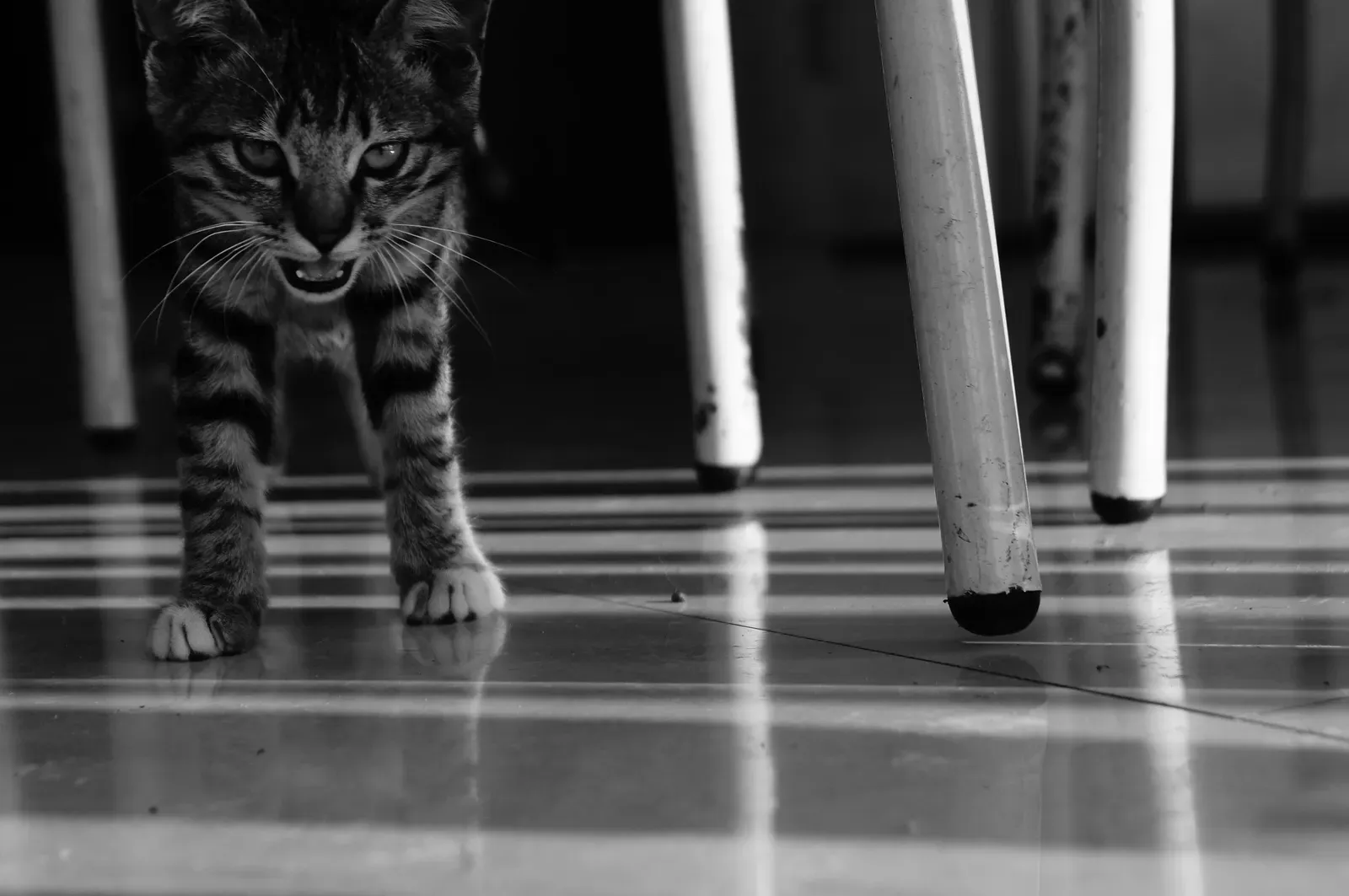
Imagine sleeping for most of the day and waking up full of energy with absolutely nothing to do. That’s your indoor cat at midnight. Cat crying at night may be simply because they’re bored, or because they haven’t had enough enrichment during the day to fulfil their physical and mental needs. Many cats lead sedentary lives at home, and this boredom and frustration can often come out as increased vocalizations.
One reason that a cat might meow at night is that they are feeling frisky or under-stimulated. This is common in kittens because they tend to have a great deal of energy and stay active at night, especially if they did not have an opportunity to exert their energy during the day. Some adult cats might meow at night due to boredom or loneliness too. Think of daytime stimulation as an investment in your own uninterrupted sleep.
When the Meow Is Actually a Medical Red Flag
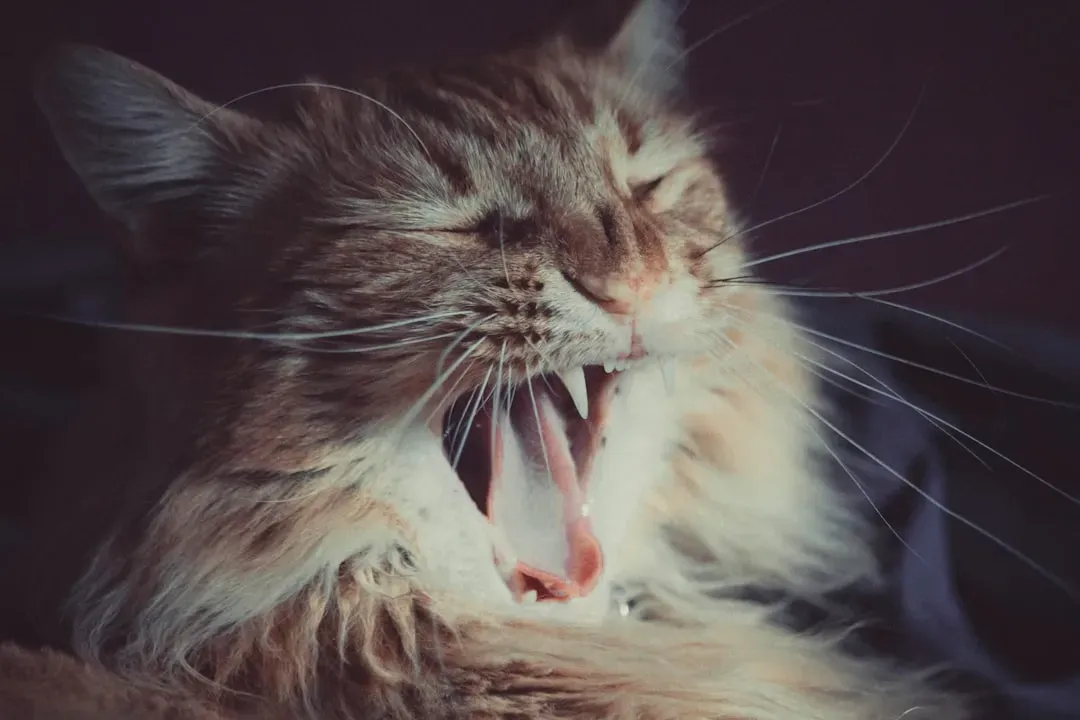
Here’s the thing: not every midnight meow is emotional or behavioral. Sometimes your cat is genuinely trying to tell you something is physically wrong. If your cat is meowing at night on a frequent basis and this is a new behavior, it’s a good idea to consult with a vet to check up on their health. Excessive vocalization, including at night, can be a sign of overactive thyroid or kidney disease in cats. These are serious and manageable conditions, but only if caught early.
Typically a condition of older cats, hyperthyroidism occurs when the thyroid gland becomes enlarged and overactive. Thyroid hormones are produced in excess, causing an increase in metabolic rate, and cats can become more vocal because they burn more energy and are always hungry, while also feeling anxious and restless, leading to yowling, especially at night. If the midnight meow is new and persistent, please do not brush it off as a quirk.
Senior Cats, Cognitive Decline, and the Confusion of the Night
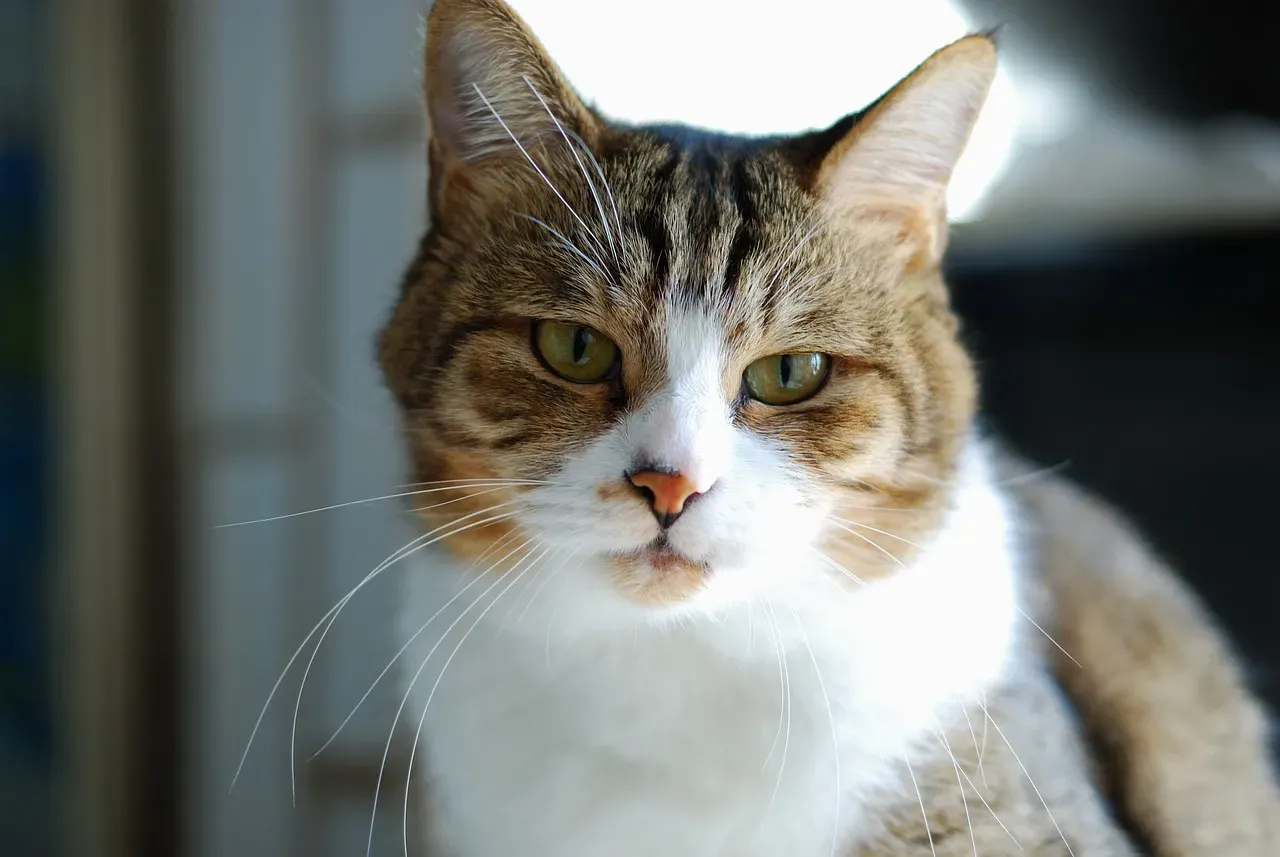
This section hits a little differently if you have an older cat. As cats grow older, they may experience a condition called Cognitive Dysfunction Syndrome, similar to dementia in humans. Typically occurring around the age of 10 or older, CDS can lead to various challenges. One common sign is nighttime vocalization, as the aging process affects their brain, causing confusion and a sense of being lost in the dark. Cats with cognitive dysfunction may express their confusion through nighttime cries, particularly when struggling with poor night vision.
Out of survey responses from owners of cats diagnosed with CDS, the majority reported that the main cause of their cat’s vocalization appeared to be disorientation or attention-seeking, followed by seeking a resource such as food. While cognitive dysfunction can’t be reversed, environmental enrichment, dietary supplements, and medication can slow progression and reduce nighttime vocalization. A nightlight and extra patience can go a long way for an elderly, confused cat.
How Your Behavior May Be Making It Worse
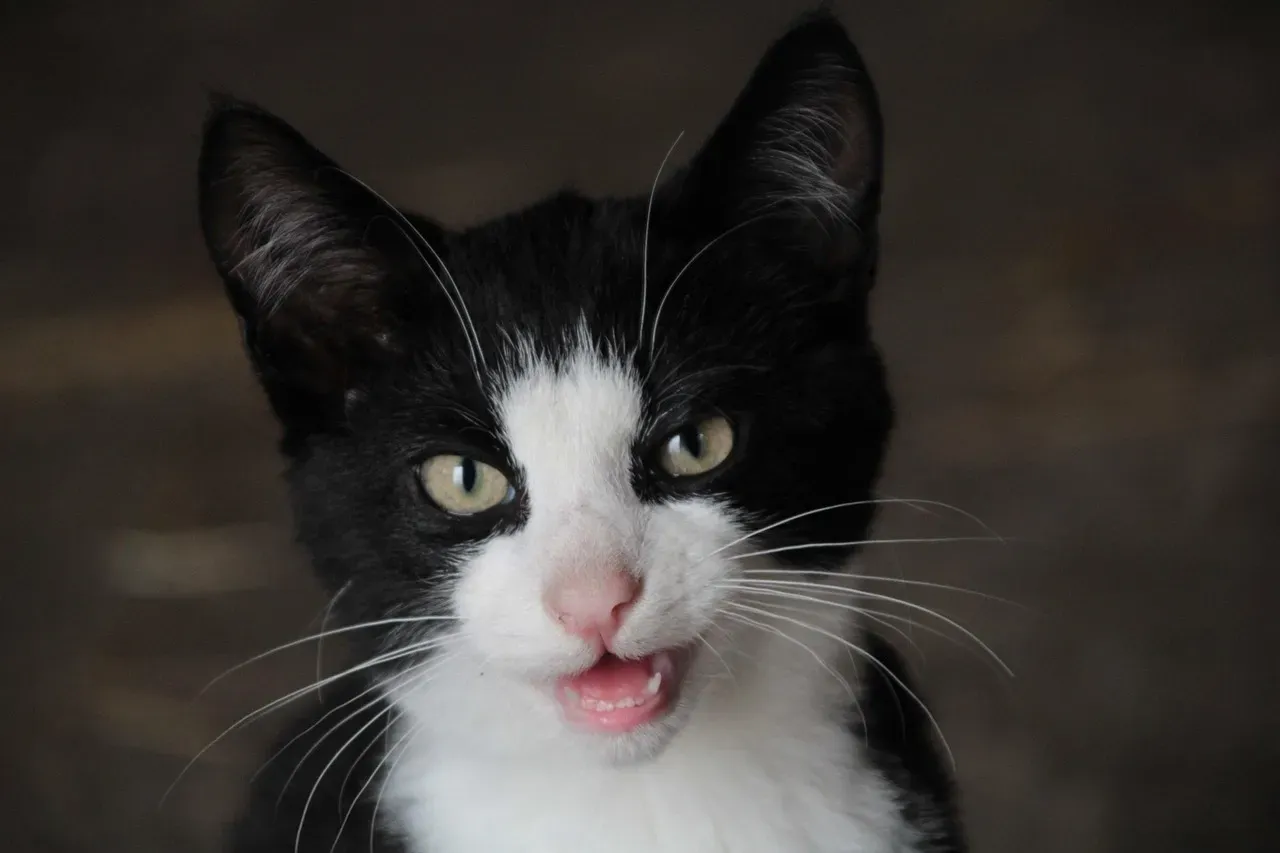
I know this is uncomfortable to hear, but you might be part of the problem. Not through bad intentions, of course. Positive reinforcement can be a double-edged sword when it comes to a cat’s persistent meowing. Positive reinforcement means that you do something that encourages a particular behavior, and this includes things like talking back to your cat when they meow or giving her pets or food when the midnight meowing sets in. In doing so, you’ve taught your cat that if they meow, they get food, love, or attention.
It’s not that cats are manipulative, but they do respond to our training cues. If we leave our warm, cozy bed every time we hear our cat meowing at night, they’ll think they’ve successfully trained us. If your cat is meowing and you pet or praise them after they become quiet, you’re reinforcing quiet behavior. That’s the way to do it! Rewarding silence is far more effective than responding to noise.
The Role of Environment, Change, and Stress

Cats are creatures of habit in a way that most other pets are not. Transitioning to a new environment can trigger a nighttime chorus of meows from your feline friend. Cats tend to vocalize when faced with changes in their surroundings, whether it’s a shift in their territory’s layout or a move to a completely new home. The unfamiliarity can induce anxiety in your furry companion, especially during midnight hours, and this is commonly observed in younger cats.
Big changes like a new baby, moving homes, or adding a new pet can lead to anxiety-driven vocalization. Cats rely on predictability. Establishing fixed times for feeding, interactive play, and bedtime reduces anxiety and provides your cat with a sense of control over their environment. Routine is not just a convenience for you. It is genuinely calming for your cat’s nervous system.
Practical Ways to Finally Reclaim Your Sleep
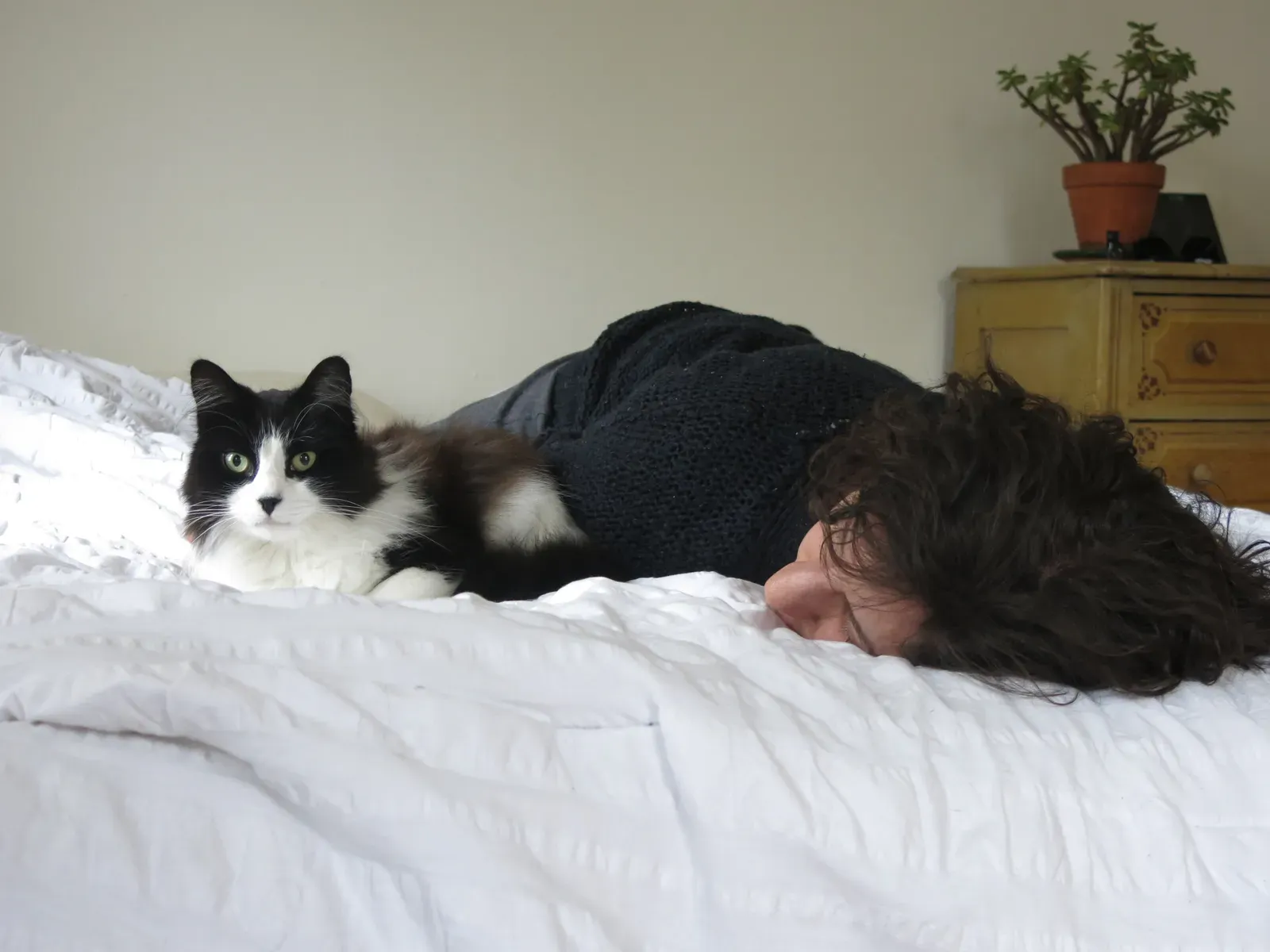
Enough theory. Here’s what actually works. Cats love routines, so you need to create a new one that signals it’s time to sleep. The best routine follows their natural cycle of hunt, eat, sleep. About an hour before your bedtime, start an intense 15 to 20 minute play session, using a wand toy to push them to run, jump, and pounce. A tired cat is, almost universally, a quieter cat.
For cats that vocalize through the night, it is first necessary to try and reschedule your cat so that it stays awake and active throughout the daytime and evening. Food, play, affection, and attention should be provided during the morning and evening hours, and as many activities as possible must be provided during the day. Food puzzles instead of a simple bowl engage their brain and burn energy, and window perches give them something to watch, like birds and squirrels, which is essentially their version of television. Small changes, but remarkably effective ones.
Conclusion: Your Cat Is Talking to You – Are You Listening?
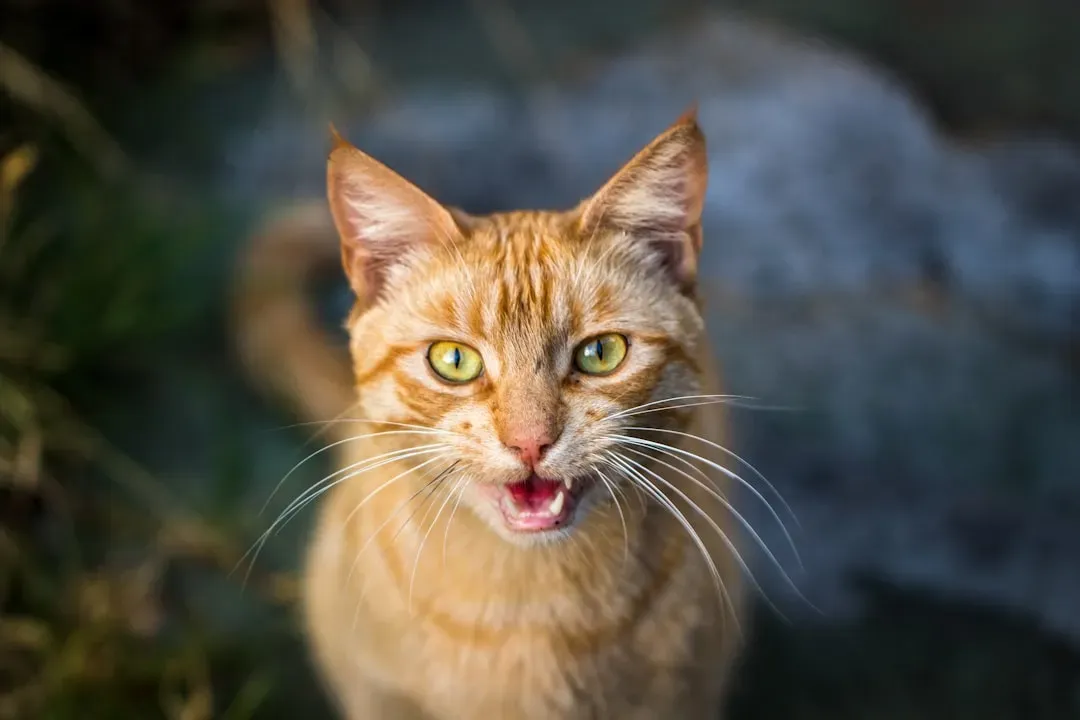
The midnight meow is rarely just about hunger. It’s about instinct, connection, medical wellbeing, and the unique bond that thousands of years of domestication have quietly built between your species and theirs. Cats meow at night primarily to communicate with humans, as meowing is typically reserved for cat-human interactions. Cats have evolved to understand they can communicate with us via their meows and may use them for anything from saying hello to asking for something to letting us know something is wrong.
Understanding what your cat is saying at 3 AM requires some patience and a fair bit of detective work. Is it boredom? Loneliness? Cognitive confusion? A thyroid condition? The answer changes everything about how you respond. Whatever the trigger for your cat’s nocturnal calls, you shouldn’t ignore the meowing. Your cat is trying to tell you something, but it’s not always easy to figure out what it is.
Perhaps the most humbling thought is this: in a world full of creatures that communicate through scent, body language, and silence, your cat chose to develop an entirely new vocal behavior, one designed specifically to reach you. That midnight meow might wake you up in frustration tonight, but it is also, at its core, one of the purest expressions of trust an animal can offer. What does your cat’s night voice tell you?