You’re sitting on the couch, minding your own business, when your cat suddenly locks eyes with a bird outside the window and lets out the strangest little sound. Not a meow. Not a hiss. Something almost… musical. Almost birdlike. It’s oddly adorable and slightly baffling all at once.
That sound has a name. It’s a chirp, sometimes called a trill or chirrup, and it’s one of the most fascinating and misunderstood sounds in the entire feline vocabulary. Most cat owners brush it off as a quirky habit. Honestly, it’s so much more than that. So let’s dive in.
What Exactly Is That Sound Coming Out of Your Cat?
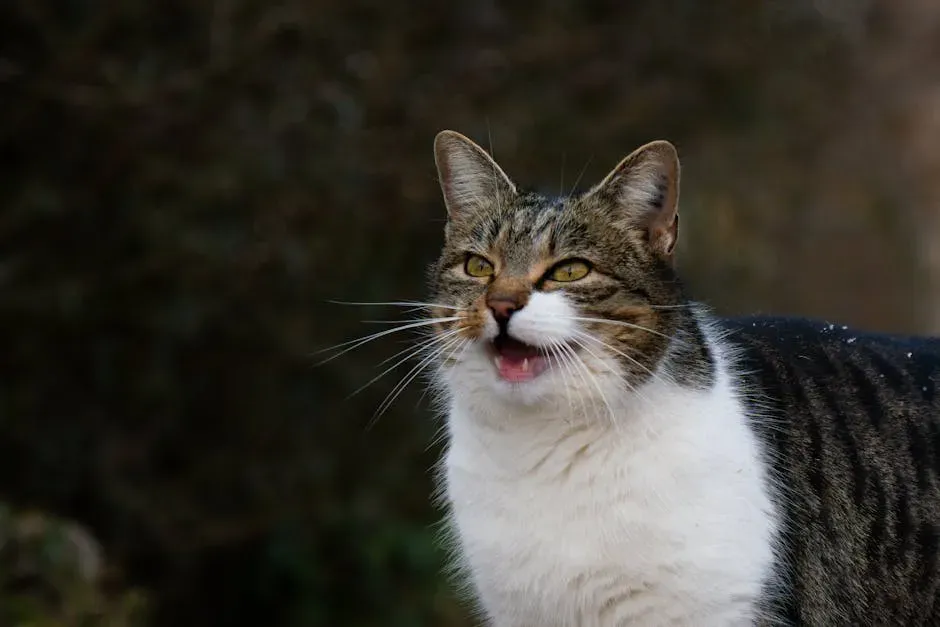
The cat chirp, also known as a chirrup or a trill, is a short, peep-like sound that’s very similar to a songbird’s warble. It’s high-pitched, often repetitive, and delivered in quick little bursts. Think of it like your cat clearing its throat to say something urgent – except it sounds like a tiny bird escaped into your living room.
Cat chirps – those rapid, staccato, bird-like “brrrt” or “chirrup” sounds – are among the most intriguing and misunderstood feline vocalizations. Unlike meows, which cats primarily use to communicate with humans, chirps are biologically rooted in instinct, emotion, and acute environmental awareness. So when your cat does it, something real and primal is happening beneath the surface.
Your Cat Is Wired for the Hunt – Even Indoors
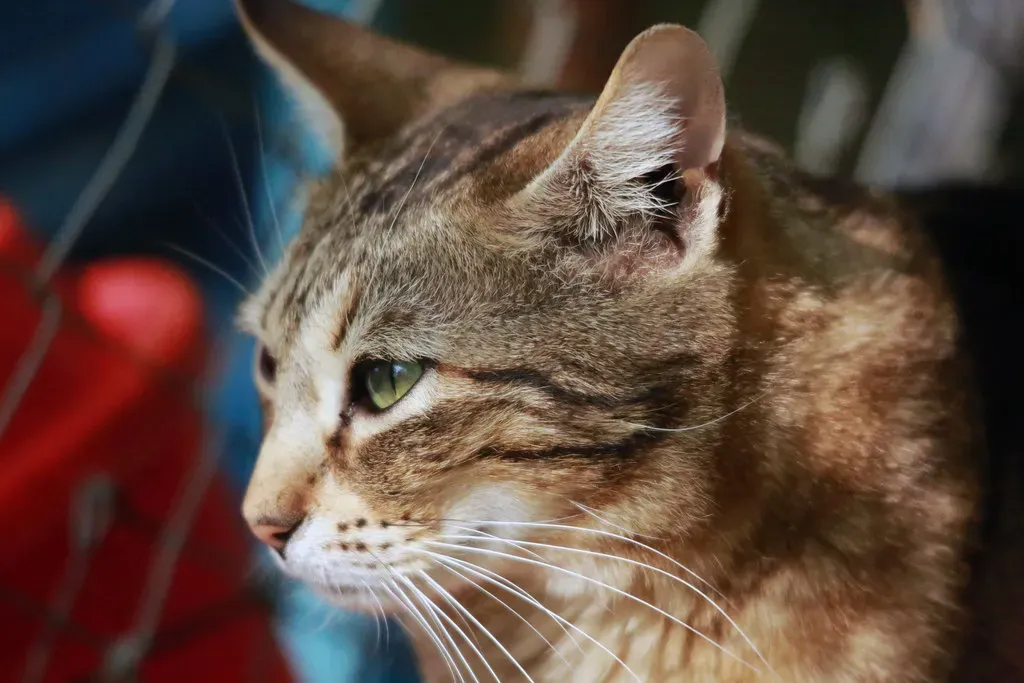
Cats chirping at birds mainly has to do with the fact that cats are predators and birds are their prey. Basically, it’s their natural hunting instincts kicking in. Your cozy indoor fluff ball carries millions of years of predator DNA, and no amount of premium kibble is going to shut that off completely.
One theory posits that cats experience a rush of adrenaline when they spot a bird and that this causes the cat to chatter and chirp. The chirp is an expression of excitement at seeing something cats want to chase – some kitties even chatter and chirp at their toys. Picture it like someone dangling your favorite dessert right in front of your face but behind glass. The involuntary reaction? Pure, uncontrollable excitement.
The Mimicry Theory – Your Cat Is Playing Spy
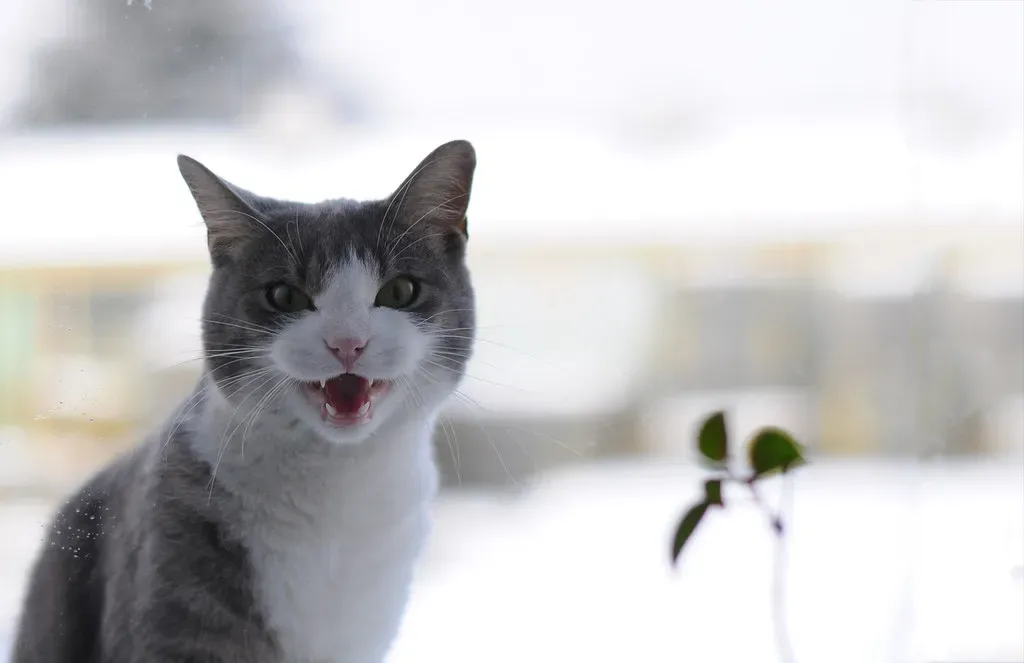
A relatively new and extraordinary theory is that cats chatter in an instinctive attempt to mimic their prey. On an expedition into the Amazon rainforests of Brazil in 2005, researchers from the Wildlife Conservation Society recorded a margay, a small wild cat, mimicking the chattering calls of its prey. The margay vocalized calls to impersonate a baby pied tamarin, which attracted the primates to investigate. As they came closer, the feline attempted to catch one of the tamarins.
The chirping and tweeting sounds a bit like birds and rodents, so the cat could be trying to mimic their prey. This could be a hunting strategy to try and trick the creature into thinking the cat is harmless and one of them, allowing them to get closer and pounce successfully. I know it sounds crazy, but your house cat may be pulling off a tiny wildlife deception operation from your windowsill every single morning.
When the Chirp Is Directed at You, It Means Something Entirely Different
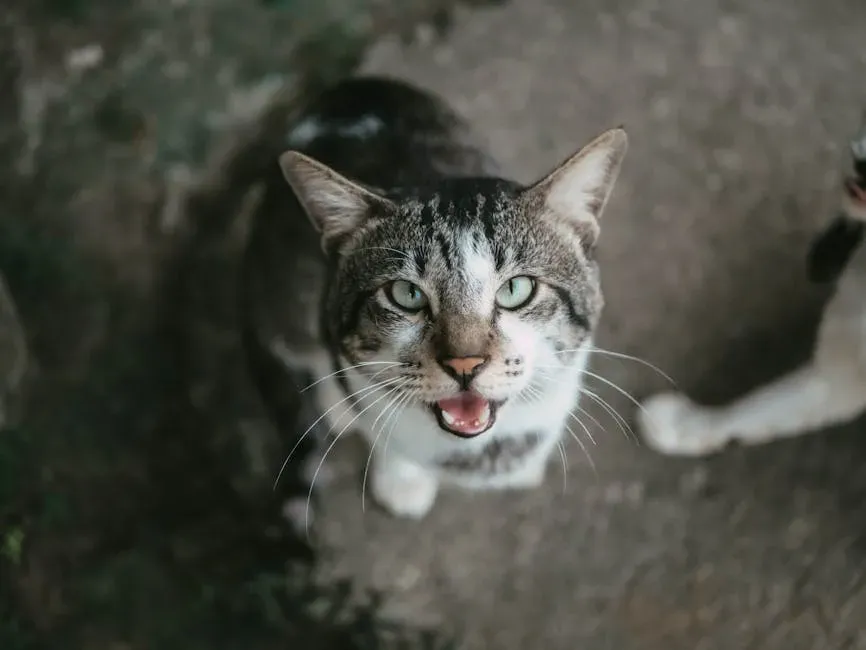
Mother cats use chirps and trills as directional calls – “follow me,” “come here,” “pay attention.” Adult cats sometimes carry this behavior forward, using chirp-like sounds to guide or check in with other cats in the household, or even with their favorite human. So when your cat chirps at you directly, it’s not being weird. It’s treating you like family.
A short cat chirp may be your cat’s way of communicating with you, and these chirps can translate as greetings or commands, such as “hello” or “follow me.” When cats chirp at humans, it can be a way for a cat to recall, as chirps and trills are how a mother teaches her kittens to follow her. In other words, your cat is not just making noise. Your cat is inviting you somewhere – and it would be worth paying attention.
Chirping As a Play Invitation: The Signal You Might Be Missing
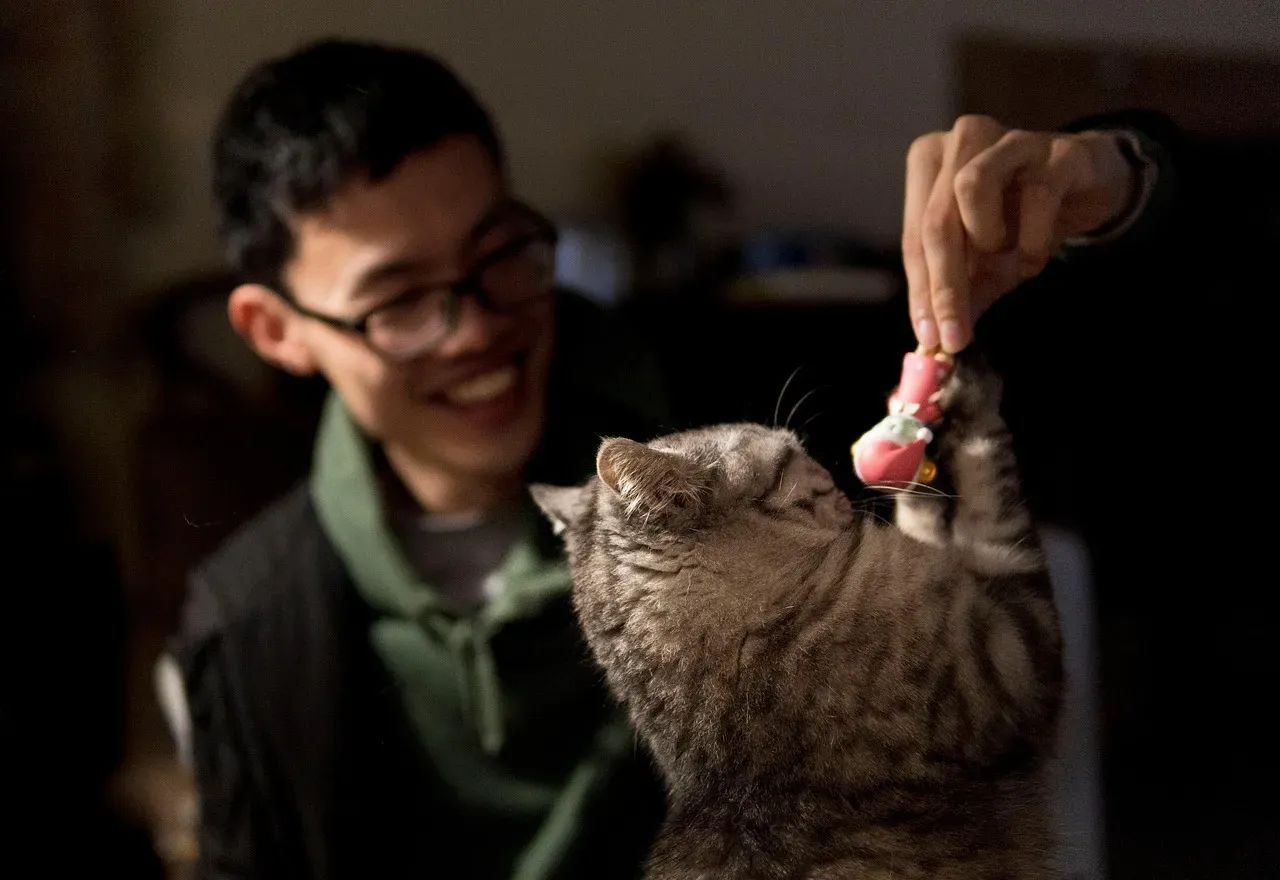
A play-initiation chirp is a higher-pitched, slightly longer sound emitted just before pouncing on a toy or your hand, often paired with a sideways hop or “play bow.” It’s an invitation – not aggression, but social signaling that “this is pretend, and I want you involved.” Here’s the thing: your cat is practically sending you a written invitation to play, and most of us miss it entirely.
For some cats, chirping is less about hunting and more about play. Indoor cats, especially those with no access to outdoor prey, may chirp when they see moving objects, like toys, or when they’re playing with their owners. If your cat is chirping as part of play, consider engaging with them in a way that channels their excitement in a positive direction. Play sessions can be an excellent way to bond with your cat and help them expend energy.
What the Body Language Around the Chirp Is Telling You
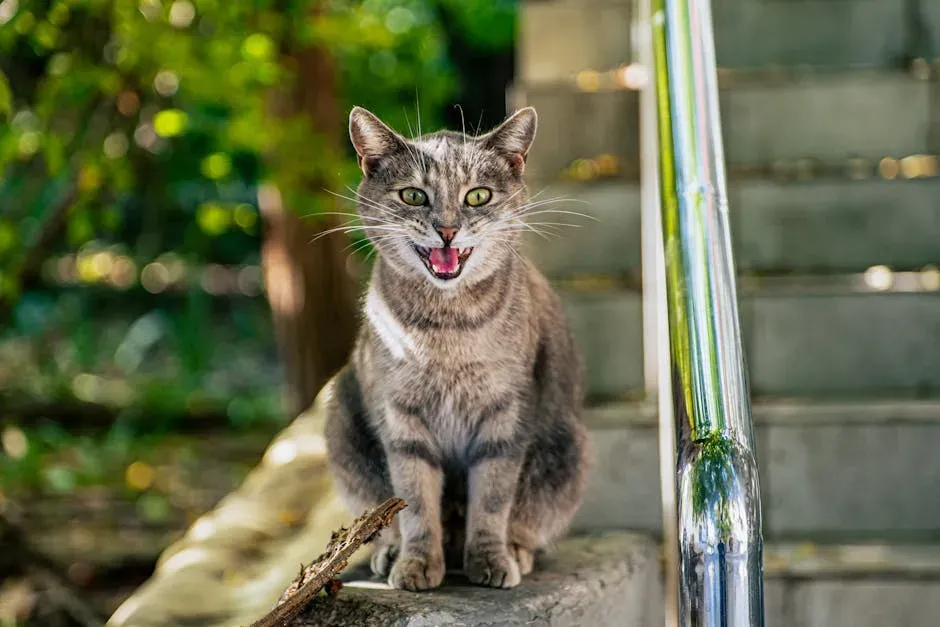
When friendly cat chirping starts, notice how your cat’s body language reflects their chipper mood: bright, blinking eyes, tail swishing, ears up and pointed to the side, and gentle head-butting. While chirping at an unwanted guest such as a bird, however, your furry friend will probably adopt an alert stance such as a crouched stalking pose, dilated pupils, sideways pointing ears, and an arched back. Two very different vibes – and you can read them if you know what to look for.
Signs that your cat’s chirping is a happy expression include: when it’s accompanied by playful behavior – if your cat chirps while playing with a toy or watching birds, it’s a sign they are engaged and stimulated. A relaxed tail and ears indicate positive emotions. Cats that chirp when they see their owners may be showing affection and excitement. It’s like reading a mood board written entirely in fur and whiskers.
When Should You Actually Worry About the Chirping?
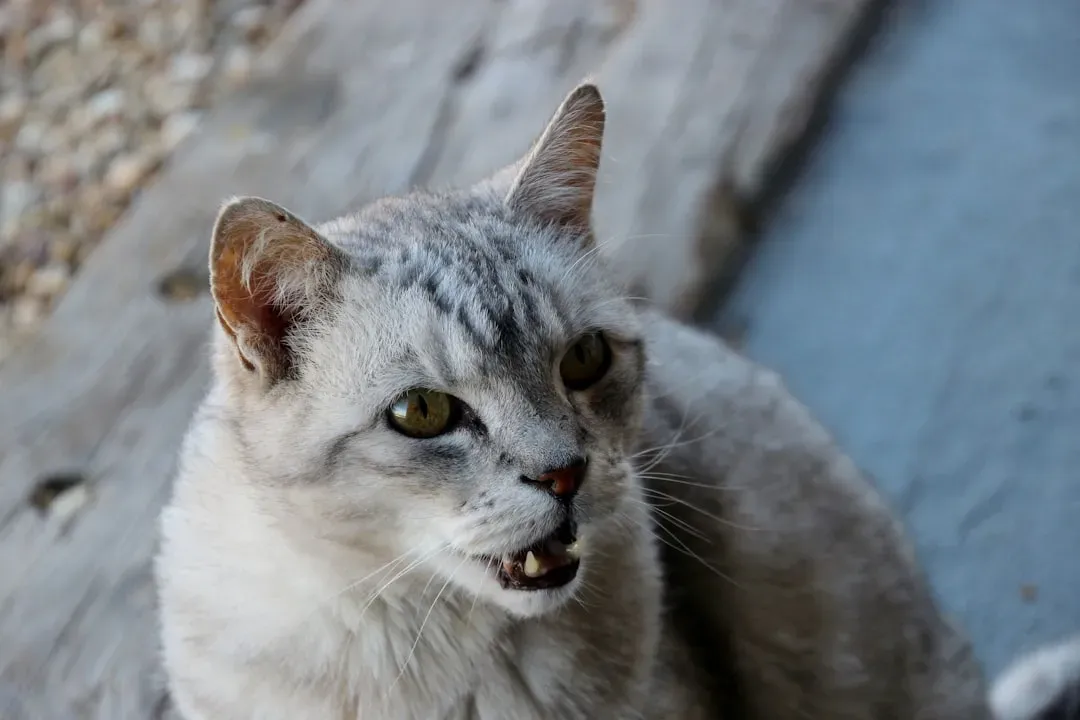
While rare, in some cases, excessive or unusual chirping can signal an underlying health issue. If a cat starts chirping more than usual, especially in situations where they’re not looking at prey or playing, it might indicate stress, anxiety, or discomfort. If the chirping is accompanied by other signs of illness, such as changes in appetite, behavior, or litter box habits, it’s worth consulting a veterinarian.
Excessive chirping could indicate an underlying issue, especially if other unusual behaviors like lethargy, aggression, or stress accompany it. As cats age, they can also become increasingly vocal due to bad eyesight or cognitive dysfunction. So if something feels genuinely off and the chirping is out of character – trust that gut feeling and get your vet on the phone. It’s better to check than wonder.
How to Actually Respond When Your Cat Chirps at You
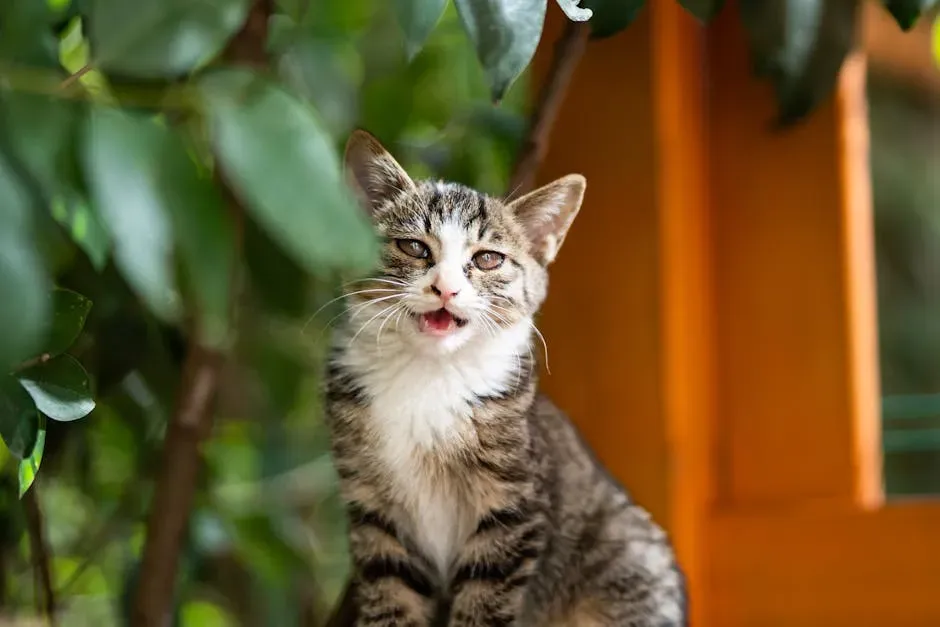
It might feel silly, but try chirping back when your cat does! Many cats enjoy it when their humans try to “talk” in their language. Copying your kitty’s sounds, like chirps, can help you bond with them. Honestly, I’ve tried this, and watching the confusion and delight on a cat’s face is worth any embarrassment you might feel about making birdlike noises in your kitchen.
If you want to understand or respond to this behavior, consider providing stimulation: if your cat chirps because they’re excited about prey, consider enriching their environment with toys that mimic the movement of small animals. Feather wands, laser pointers, and interactive toys can all provide a “hunting” experience indoors. Think of it as giving your cat a tiny safari – right there in your living room.
Conclusion: The Chirp Is a Door, Not Just a Sound
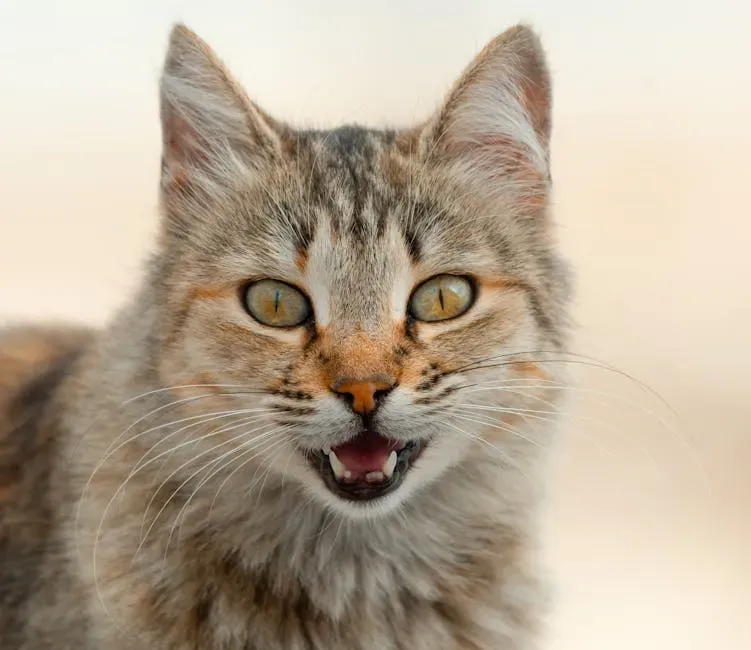
Your cat is not some aloof, indifferent creature making random noise at the window. Every chirp carries meaning. Whether it’s the raw excitement of spotting a bird, a loving invitation to follow, or a direct request to play, it’s all intentional communication from an animal that trusts you enough to share its inner world with you.
That tiny chirp isn’t random noise. It’s a window into your cat’s inner world – their focus, their excitement, their trust in you enough to let you hear it. The next time your cat lets out that mysterious little sound, don’t ignore it. Answer it. Play back. It’s one of the rare moments where your cat is genuinely reaching out – and all you have to do is reach back.
What do you think – have you ever actually chirped back at your cat? Tell us in the comments what happened!