You’re sitting quietly on the sofa. Your cat has been watching you from across the room, completely still and composed. Then, without warning, those eyes narrow ever so slowly, the lids drop in a long, deliberate close, and reopen with a kind of dreamy calm that seems almost too peaceful for an animal notorious for chaos and curtain-climbing. What just happened?
Most people assume it was nothing. A drowsy glitch, maybe. The truth is that one small gesture contains more emotional weight than a week’s worth of meowing ever could. Your cat just told you something extraordinarily meaningful, and if you didn’t know how to read it, you almost certainly let that moment slide right past you. Let’s dive in and unpack everything that slow blink really means.
The “Kitty Kiss”: What the Slow Blink Actually Is
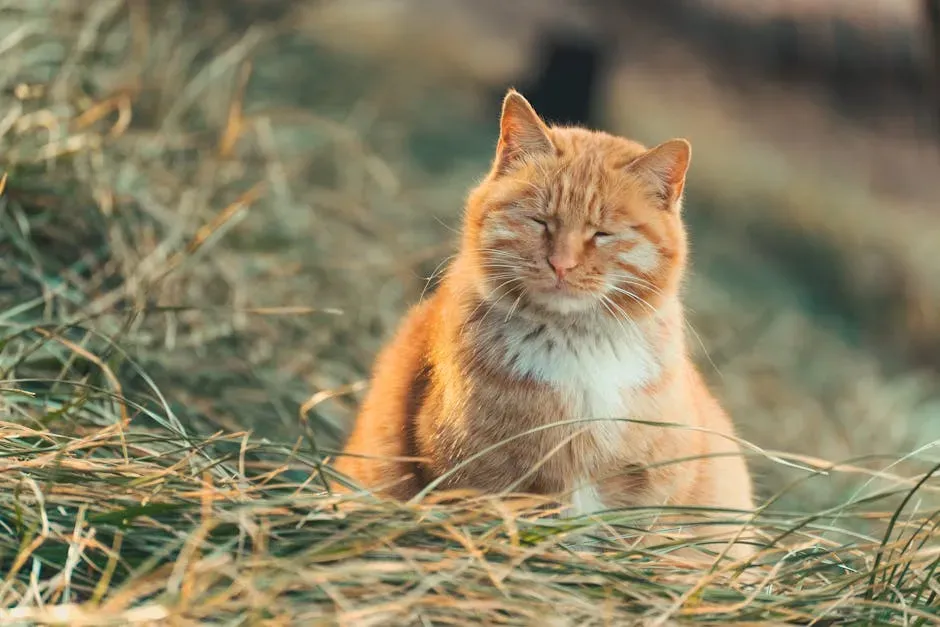
Slow blinking is a subtle feature observed in cats for quite some time. It involves the partial or complete closure of the eyelids, performed slowly and lasting for longer than half a second. Think of it as your cat taking the time to send you a very deliberate, very personal telegram. No shouting, no flailing paws. Just eyes doing the talking.
Slow blinking is a way your cat talks to you without making a sound. Cats have their own secret language. They tell you how they feel by using their body, their tail, and even their eyes. Honestly, it’s one of the most elegant communication systems in the animal kingdom, and most of us completely miss it.
Why Vulnerability Is the Whole Point
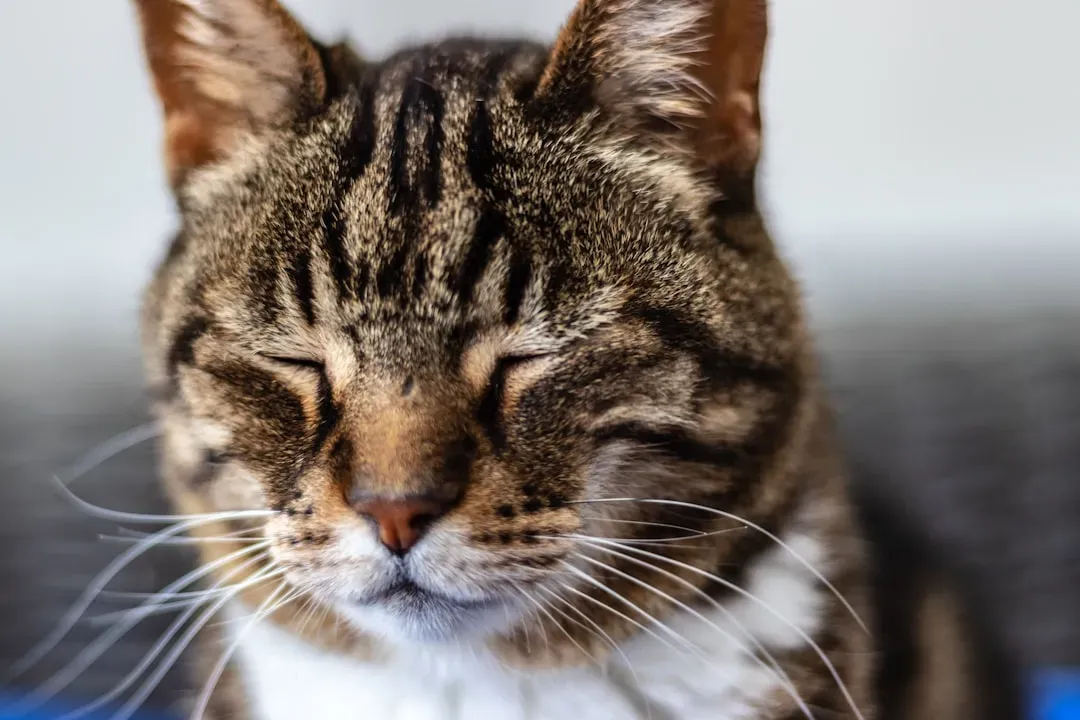
A cat’s blink isn’t just about moistening the eyeball, although it does that too. In the wild, closing your eyes in front of another animal is the ultimate vulnerability move. Predators don’t look away. Prey doesn’t look away. So when a cat chooses to slowly close their eyes while looking at you, they’re saying, “I’m so comfortable I’m willing to be momentarily blind because I trust you completely.” That’s not small. That’s everything.
In the feline world, closing their eyes in the presence of another creature makes them vulnerable, as they are unable to detect potential threats. So when your cat does this willingly in your presence, it’s the equivalent of a soldier laying down their shield. It speaks volumes about the safety they feel around you.
What Science Actually Says About the Slow Blink
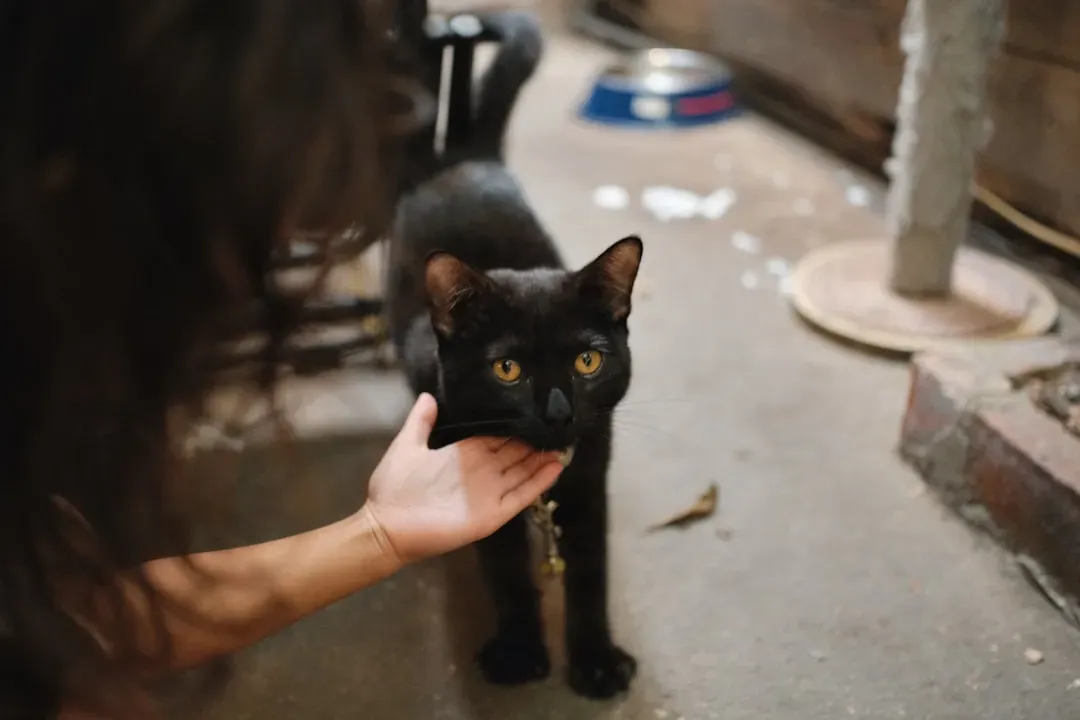
In 2020, researchers at the Universities of Sussex and Portsmouth published a landmark study in Scientific Reports. They tested two experiments: owners slow-blinked at their own cats, and cats were significantly more likely to slow-blink back. Strangers, specifically researchers, slow-blinked at unfamiliar shelter cats, and the cats approached the stranger more and accepted hand outreach faster. The results were remarkable.
From the study, the slow blink sequence appears to be an indicator of positive emotion in cats. Identifying observable indicators of positive emotions has practical benefits for the welfare of animals by providing assessment markers of an individual’s current welfare and pointing to behaviours that can be promoted to produce a better quality of life. In other words, science didn’t just confirm something cute. It confirmed something genuinely useful for feline wellbeing.
The Oxytocin Connection: It’s Not Just Emotional, It’s Biological
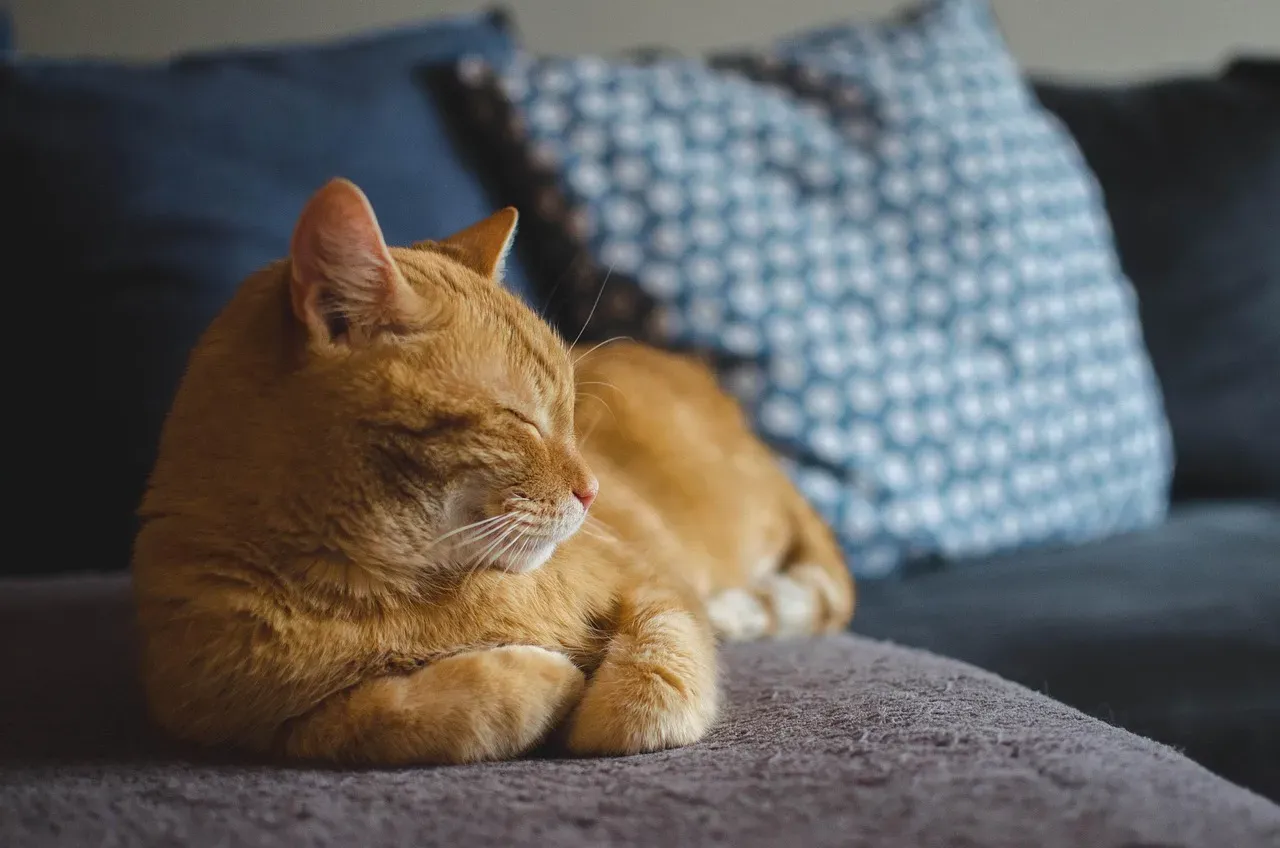
The act of slow blinking releases oxytocin, a hormone associated with bonding and affection, in both cats and humans. When a cat slow blinks at a trusted human, the gesture is not only a show of emotional security but also an actual biological response, fostering a sense of connection and wellbeing. Think of it as your cat sharing a chemical handshake with you. No words needed.
This is what makes the slow blink truly extraordinary. It’s not just a behavioral quirk or a learned trick. It mirrors what happens between humans during moments of genuine connection, like locking eyes with an old friend or the warm quiet you feel sitting beside someone you deeply love. Your cat, it turns out, is capable of that same depth.
How the Slow Blink Compares to a Human Smile
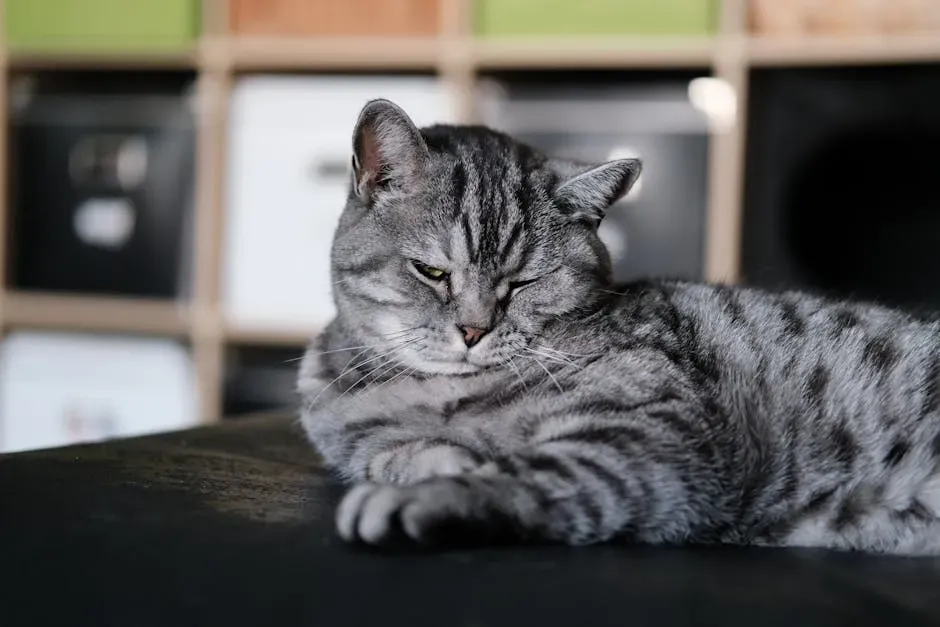
Researchers noted that cat slow blinks share similarities with the Duchenne smile in humans, the genuine smile that reaches the eyes. Both are involuntary expressions of positive emotion. The Duchenne smile is the one scientists consider the most authentic human expression of happiness. The fact that feline slow blinks parallel it is frankly astounding.
Slow blinking is one means of communicating positive emotions both between cats and also between cats and humans. Interestingly, slow blinking also shares some similarities with facial expressions used to communicate positive emotions in other animals, including smiling in humans that involves the eyes. Your cat isn’t just mimicking you. They’re independently expressing something emotionally equivalent. Let that sink in.
Can YOU Slow Blink Back? (And Does It Work?)
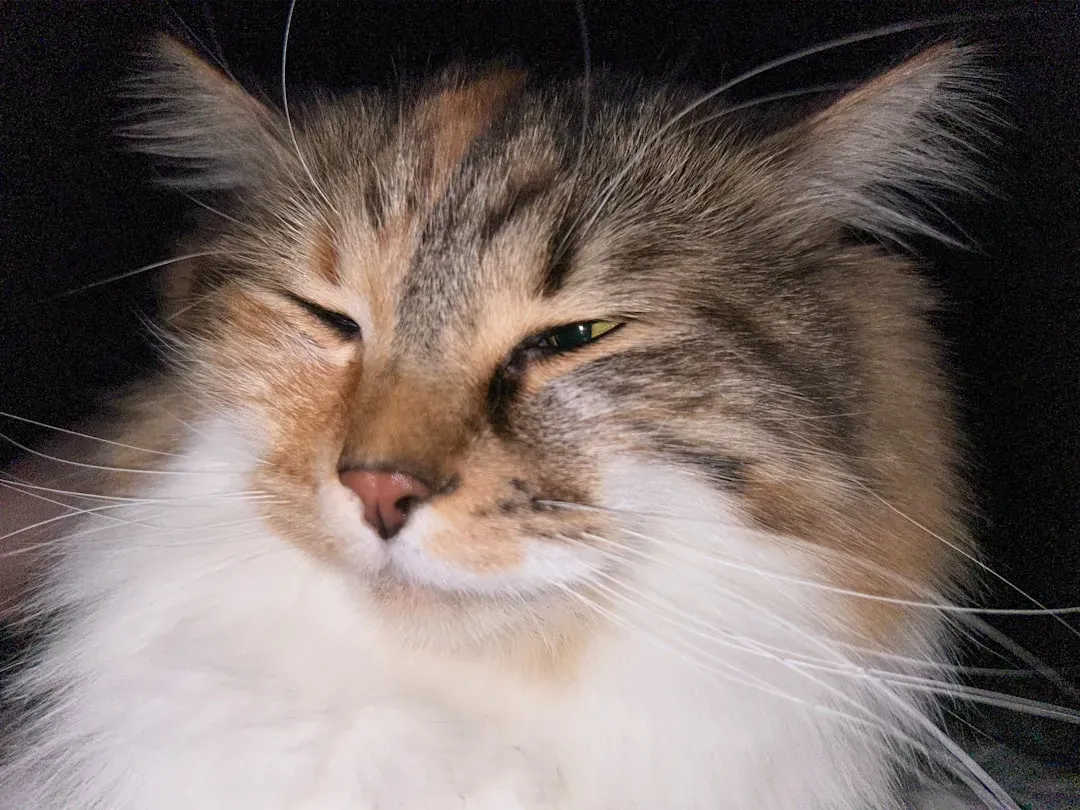
You can use the slow blink to send your cat messages of comfort and trust. When your cat is relaxed, sit a few feet away and slow-blink your eyes closed before gradually reopening them. Repeat this several times, and focus on keeping your gaze soft and loving. It sounds almost too simple to matter. It’s not.
Not only did the cats respond to the slow blinking of strangers, but they were also more willing to approach an outstretched hand afterward. So this isn’t just a technique that works with your own beloved cat. You can use it on a cat you’ve never even met before, and it still opens a door. Imagine what it can do for a bond that already exists. The results are really quite moving.
Slow Blinks Between Cats: It’s Not Just for Humans
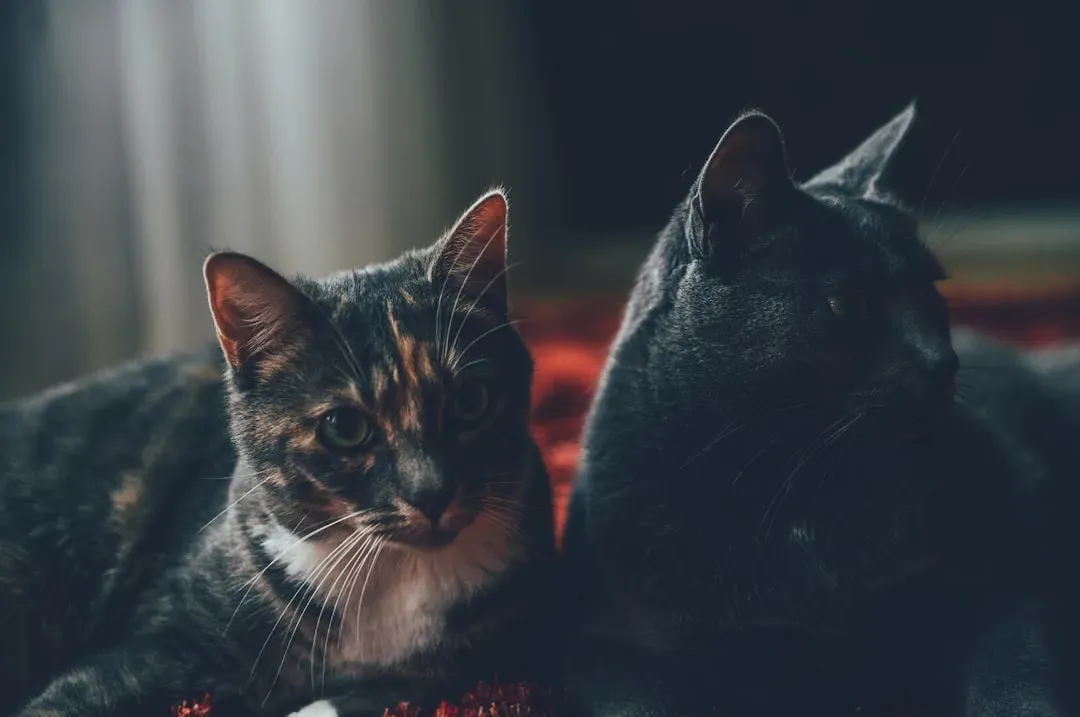
Unlike meowing, cats do slow blink at each other. You’re more likely to see this among two cats who aren’t threatened by each other’s presence. It’s their version of a polite nod between neighbors. No fuss. No drama. Just a quiet acknowledgment that says “we’re good here.”
If you have multiple cats in your household, you may observe slow blinking behavior between your feline companions as a sign of trust and friendship. Encouraging positive social interactions and slow blinking between your cats can help to maintain a harmonious household. If you’ve ever caught two of your cats exchanging that long, lazy blink at each other, you just witnessed a moment of genuine feline diplomacy. Far more civilized than the alternative, trust me.
When a Cat Doesn’t Slow Blink Back
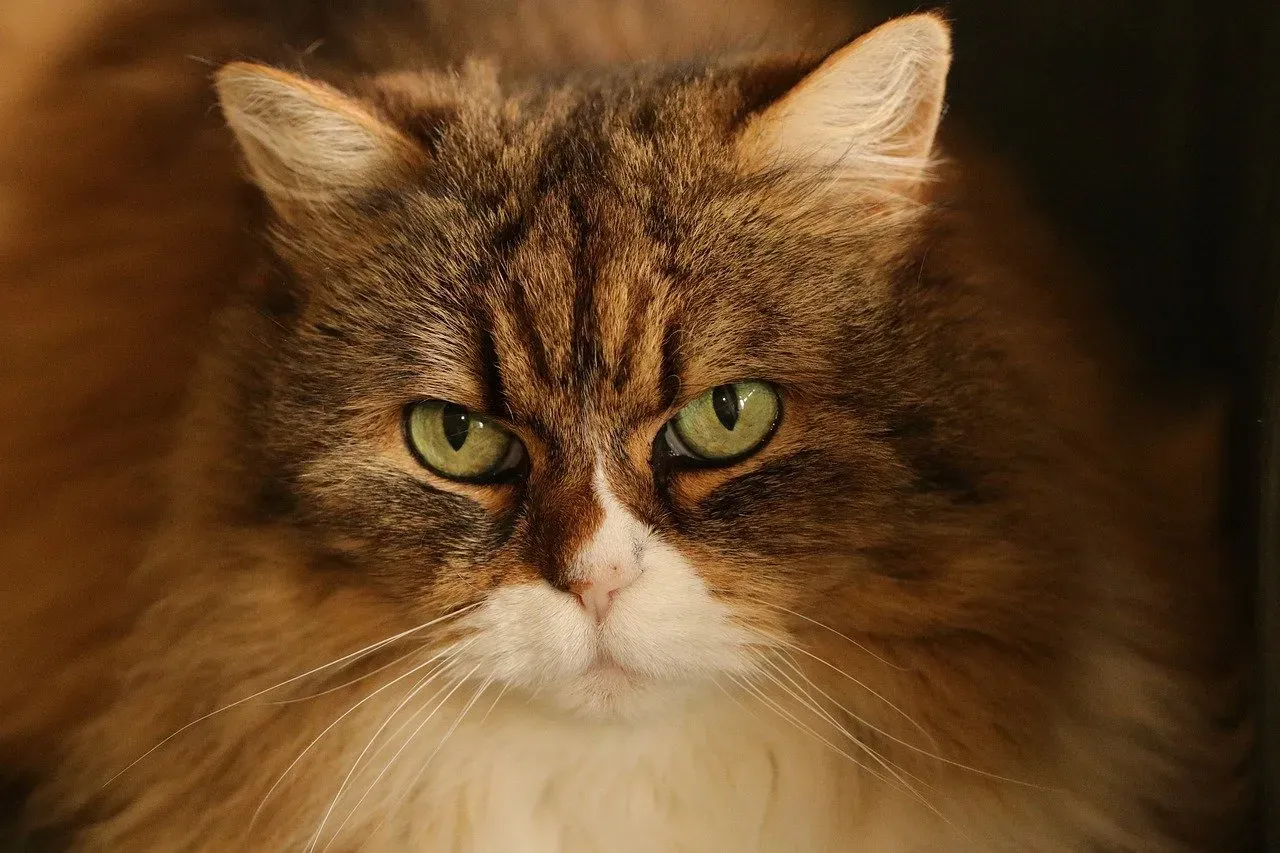
You might be more likely to experience this if you’ve just adopted a cat or they’re still not fully comfortable around you yet. In fact, cats who are more nervous around people tend to take longer to slow blink back at them. This is completely normal, and it’s important not to take it personally. Your cat isn’t rejecting you. They’re just not ready yet, and that’s okay.
It’s essential to pay attention to your cat’s body language and respect their boundaries. If your cat slow blinks but also displays signs of agitation or discomfort, such as a twitching tail or flattened ears, it’s crucial to give them space and avoid overwhelming them. Reading the full picture of your cat’s body language, not just their eyes, always gives you the most complete and accurate read on how they’re feeling.
Slow Blinking in Shelters: A Path to a New Home
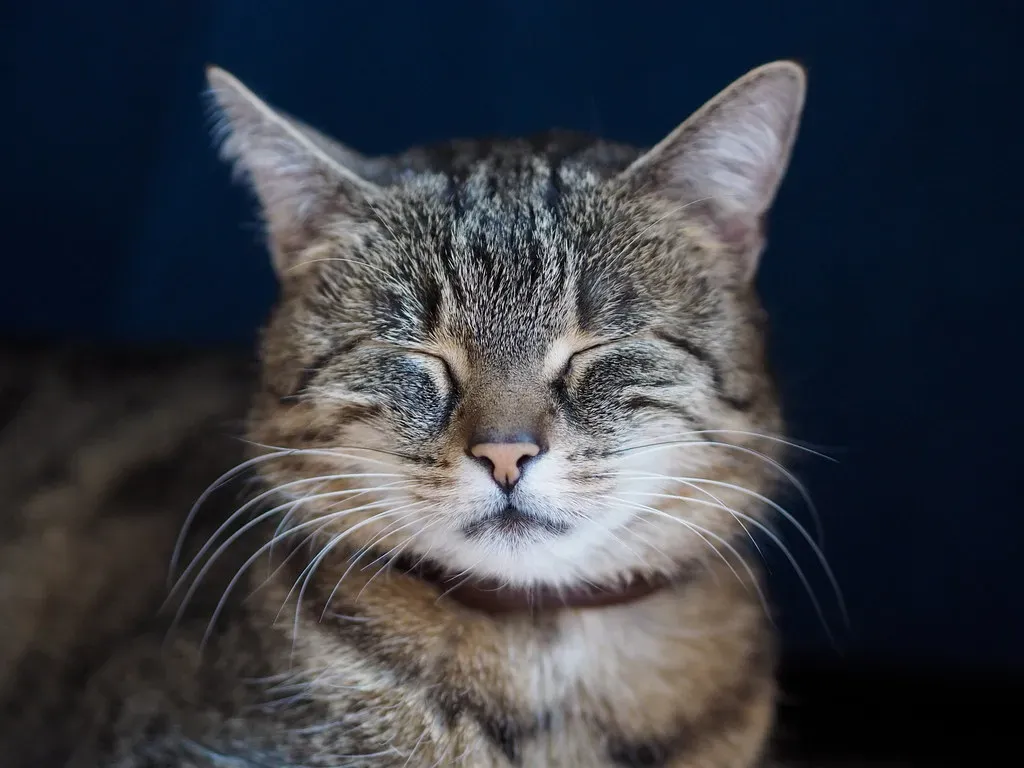
Research demonstrates for the first time that cats that responded to human slow blinking, specifically by using eye closures, were rehomed quicker than cats that closed their eyes less. This suggests that the use of slow blinking may have given cats a selective advantage during the domestication process. That’s a remarkable finding. A simple blink, and a shelter cat finds a home faster. It’s almost poetic.
The research, published in Scientific Reports, suggests that this technique could be particularly useful in stressful situations, such as vet visits or shelter environments. Professionals working with cats could use it to ease tension and build trust more quickly. For animal welfare workers, vet clinics, and anyone who regularly interacts with unfamiliar cats, this is a genuinely powerful tool hiding in plain sight.
Building a Deeper Bond Through Eye Language
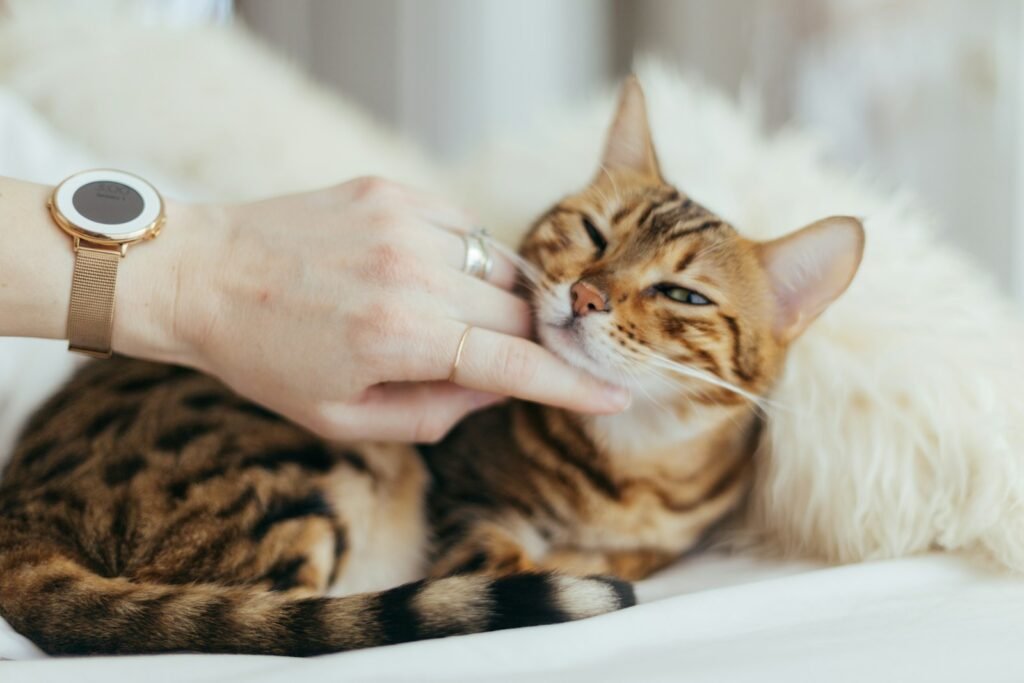
Slow blinking is a simple yet powerful way to connect with your cat on a deeper, more emotional level. Whether your cat is a slow blinker or shows affection in other ways, being present, observant, and responsive goes a long way. Every cat expresses love differently, but when you take the time to understand their unique language, you’re building a foundation of trust and love. It doesn’t require expensive products or elaborate routines. Just patience and presence.
Trust and affection are earned rather than given freely in the feline world, making the slow blink a valuable indicator of your cat’s feelings towards you. Building trust with your cat is vital to fostering a strong bond and encouraging slow blinking behavior. Here’s the thing: when a cat offers you a slow blink, they’re not being casual. They have chosen to be vulnerable with you. That’s the most honest gift an animal can give.
Conclusion: Never Underestimate a Blink Again
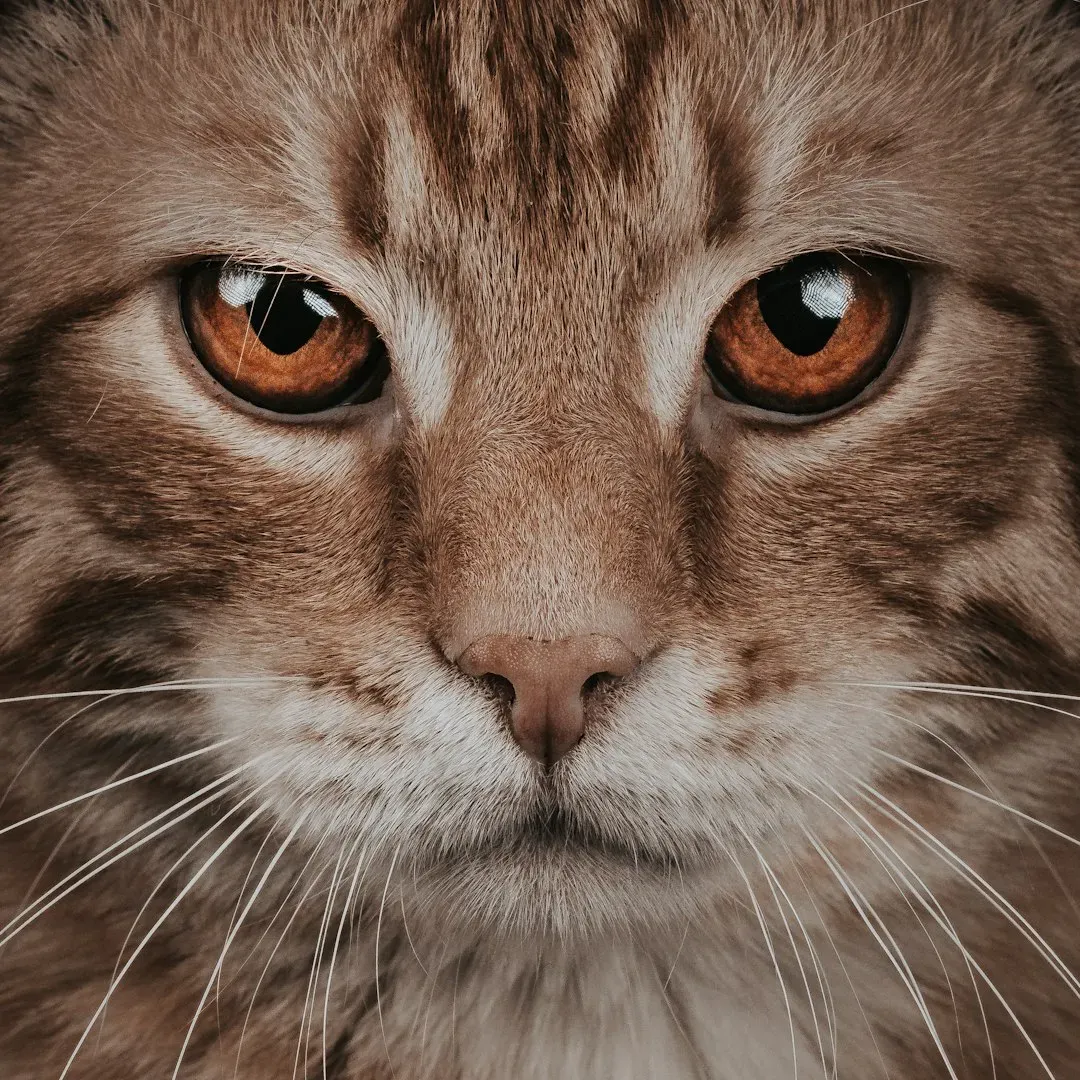
There’s something deeply moving about the idea that one of the most profound expressions of trust in the animal world can be measured in less than two seconds of closed eyelids. No barking, no wagging, no dramatic displays. Just a slow, quiet curtain drawn over those golden eyes, and in that moment, your cat is saying everything.
The research is clear, the science is compelling, and honestly, the whole thing is a little humbling. Your cat has been talking to you this whole time. Maybe you just needed to learn how to listen with your eyes. Next time those lids drop slowly in your direction, don’t look away. Blink back. Start a conversation. You might be surprised how much you’ve been missing.
So, has your cat ever slow blinked at you without you realizing what it meant? Tell us in the comments – we’d love to hear your story.