You’ve probably heard it a thousand times. Cats are cold, detached, and uninterested in forming genuine connections. Dogs are loyal and loving, while cats, well, they’re just tolerating you until the next meal arrives. Here’s the thing, though: this couldn’t be further from the truth. The real issue isn’t that cats are emotionally distant or indifferent to their humans. It’s that we’ve been misreading their language all along.
Think about it. We judge feline affection through a canine lens, expecting tail wags and excited greetings when that’s simply not how cats operate. Recent studies suggest that feline body language is mainly misunderstood by pet owners, earning them a reputation for being “aloof”. Cats aren’t being standoffish. They’re speaking a completely different dialect that most of us never learned to understand. So let’s dive in and discover what your cat has been trying to tell you this whole time.
The Root of the Misunderstanding
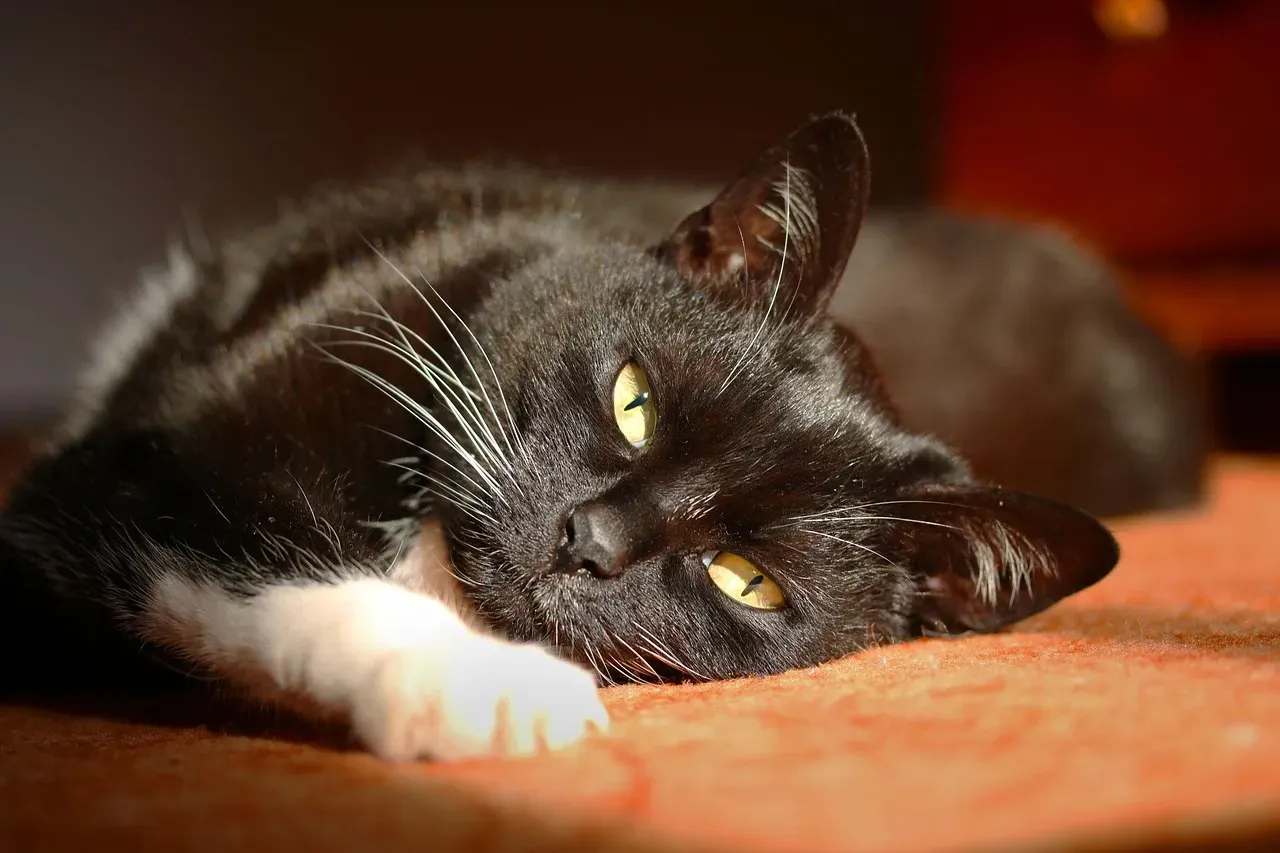
The misconception about cats being aloof stems from a fundamental comparison problem. Many people try to compare dog behavior to cat behavior, yet cats aren’t dogs. One species isn’t inherently superior. They evolved differently, hunted differently, and socialized differently, so naturally their communication styles diverged too.
Domestic cats descend from the African wildcat, a small, solitary, territorial predator that rarely met other cats. They had no need to develop a complex visual communication system that more social animals like dogs and humans did. This evolutionary background shaped how modern cats interact with the world. Their ancestors survived by being cautious, observant, and selective about their social bonds. Those traits didn’t vanish just because cats moved indoors.
Subtlety Is Their Superpower
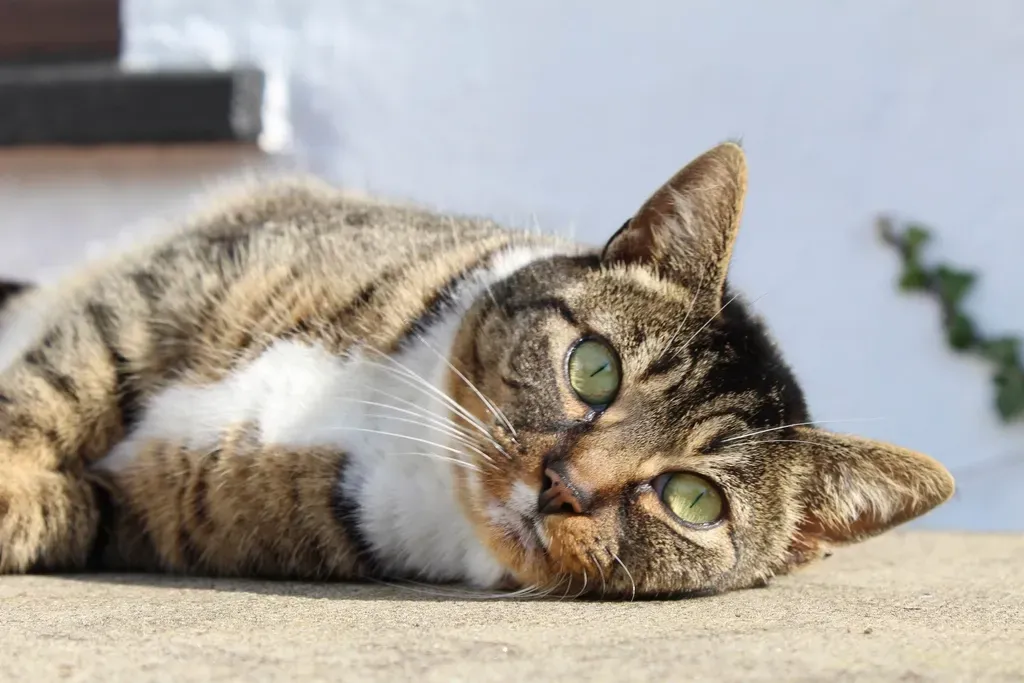
Cats are subtle communicators, and unlike dogs who may express themselves loudly and obviously, cats often use quiet, nuanced movements. This is where human misinterpretation thrives. We expect grand gestures, but cats prefer whispered messages. A slight tail flick, a barely perceptible ear rotation, or a momentary pupil dilation all carry meaning if you know where to look.
Let’s be real, missing these signals isn’t your fault initially. Studies show that we tend to misread cats’ cues indicating negative emotional states like stress, discomfort or threats at an alarming rate of nearly one third of the time. We’re much better at recognizing when cats feel content and friendly. The problem is, by the time we notice something’s wrong, the cat has already been signaling distress for quite a while.
The Tail Tells a Thousand Stories
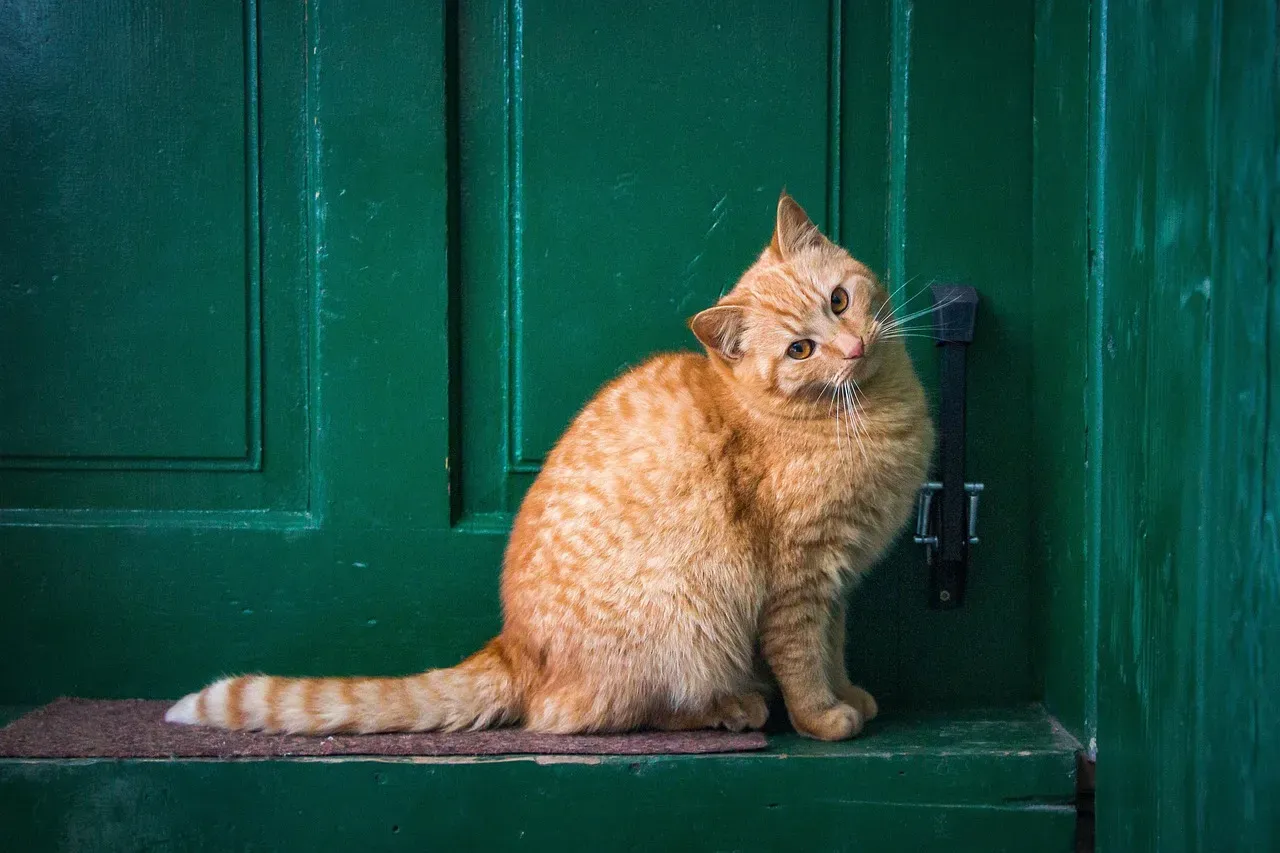
A cat’s tail is possibly the most expressive part of their entire body. The tail position is a well-known way that cats communicate visually, with the ‘tail up’ position generally signaling friendly intent when a cat approaches another cat, animal or person. Think of it as their version of a cheerful wave. The ears are typically pricked up, and whiskers stay relaxed when they approach with this confident, happy posture.
Yet tail language extends far beyond simple greetings. A tail tucked between the back legs is often a sign that a cat is anxious or fearful, whereas a tail held out, moving slowly side-to-side across the body may signal frustration. Sometimes you’ll even see a puffed-up tail, which means your cat is trying to appear larger because they feel threatened or startled. Context matters enormously here. The same tail position can mean different things depending on what else is happening around the cat.
Facial Expressions Matter More Than You Think
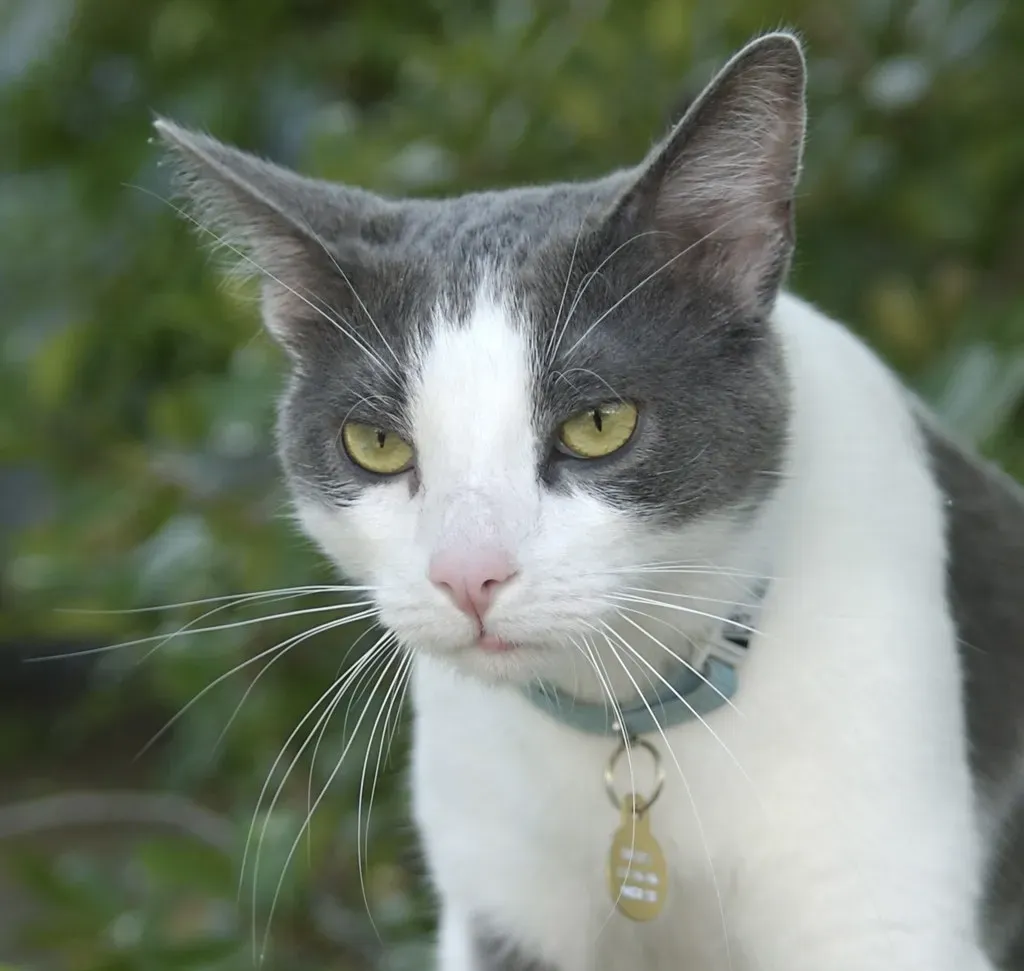
Unlike dogs, cats haven’t evolved to have lots of facial muscles, which means their faces aren’t as expressive as dogs, making it important to recognize even the smallest signs. This is why casual observers often think cats have no emotions. The truth is, you just need to pay closer attention to detect the microexpressions happening constantly across a feline face.
Ears that are erect and rotated out along with narrow or small pupils are usually a signal of frustration, whereas dilated pupils with ears held flat against the head are often a sign of fear. Meanwhile, relaxed cats tend to keep their ears facing forward in the normal position. Eyes also reveal volumes. A cat that loves and trusts its owner will blink at the owner very slowly and calmly, known as cat kisses, signifying a positive emotional message conveying attention and trust.
Vocalizations Are More Than Just Meows
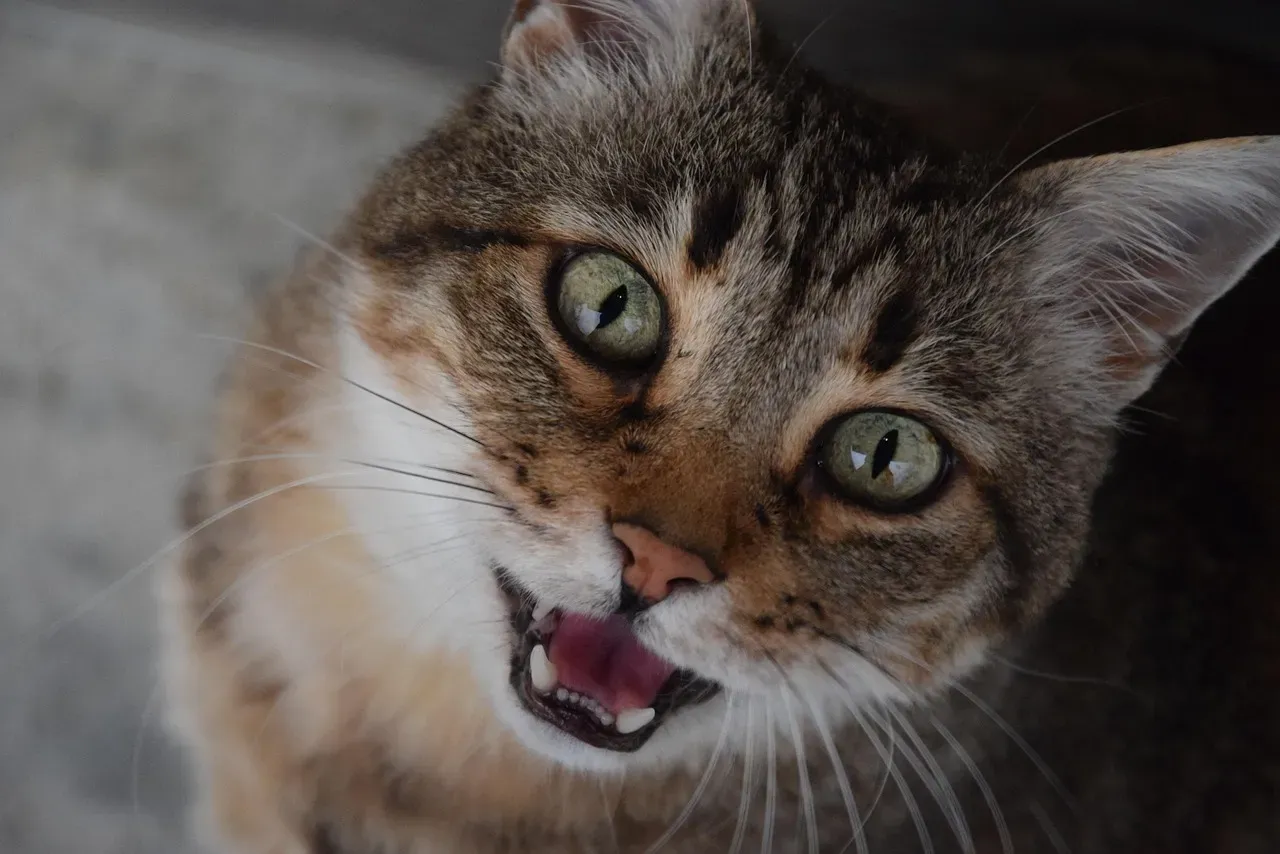
The vocal repertoire of the cat is wide and up to twenty-one different vocalizations have been described in the literature. Each sound serves a distinct purpose, from the gentle chirp when greeting a favorite human to the threatening yowl during a territorial dispute. Cats tailor their vocalizations to the situation and even to their audience.
Interestingly, recent research shows cats adjust their communication strategies based on who they’re dealing with. Cats used vocal communication more frequently when greeting male caregivers because male caregivers might engage less frequently in verbal behaviors compared to female caregivers, prompting cats to use vocal signals more actively to elicit responses. Essentially, your cat has figured out what works to get your attention and modifies their approach accordingly. That’s not aloofness. That’s intelligence.
Physical Touch Communicates Love
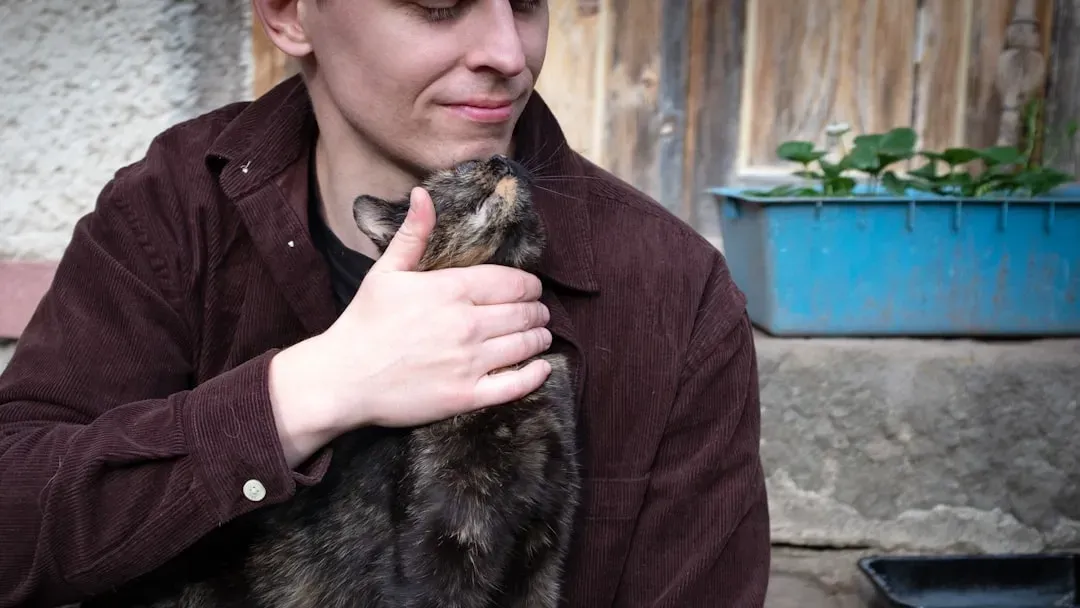
Cats often express love and affection more subtly than dogs. Instead of bouncing off the walls when you come home, they might simply walk over, press their head against your leg, and rub their cheek along your shin. Cats rub their cheeks on prominent objects in preferred territory, depositing a chemical pheromone produced in glands in the cheeks, known as a contentment pheromone. When they rub on you, they’re essentially marking you as part of their safe, comfortable world.
Common forms of tactile communication include allorubbing, which is two cats rubbing their bodies against each other, often around the mouth or cheek area but also along the body and tail. Cats extend this behavior to their human companions when they feel bonded. Kneading is another sign of deep contentment, a behavior carried over from kittenhood when they kneaded their mother’s belly to stimulate milk flow. When your adult cat kneads you, it’s a nostalgic expression of comfort and trust.
The Slow Blink Is a Cat Kiss
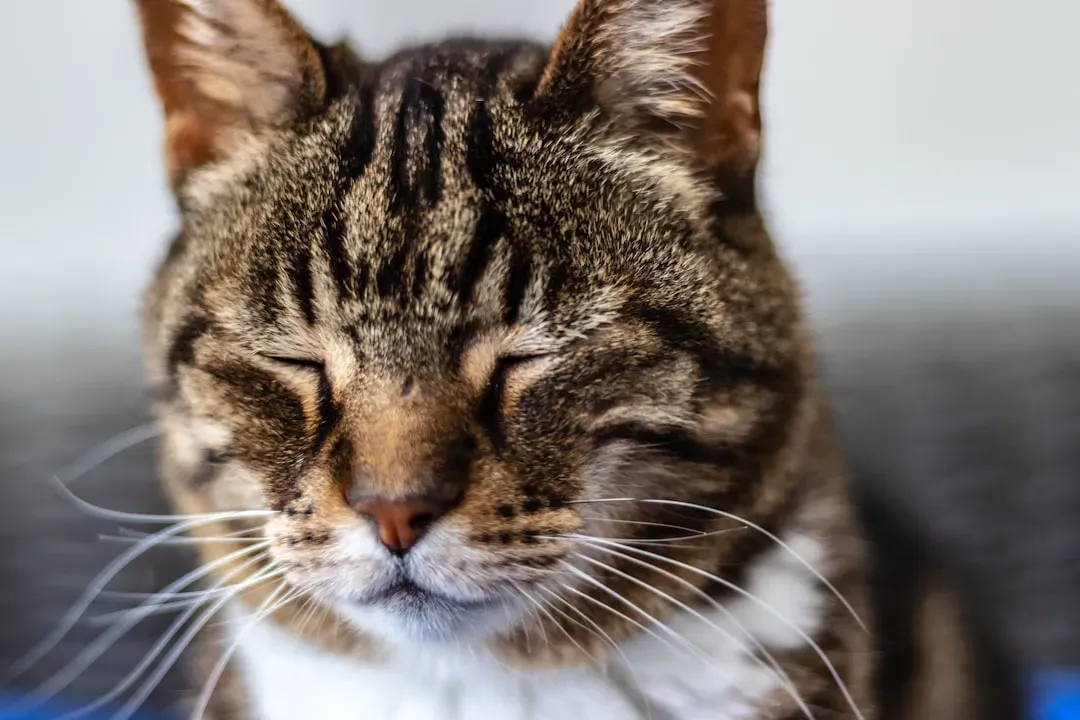
Honestly, this might be one of the most beautiful forms of feline communication. Cats communicate relaxation and trust through slow, intentional eye blinking, often referred to as a “kitty kiss,” signifying contentment and a sense of security. When your cat looks at you and slowly closes and reopens their eyes, they’re telling you they feel safe in your presence. It’s their version of saying “I love you” without words.
What’s even better is you can return the gesture. Try giving your cat a slow blink when they’re watching you calmly. Many cats will blink back, creating a lovely moment of mutual understanding. Awareness of specific communication techniques, such as slow blinking to facilitate smoother interaction with the cat, would assist owners in comprehending their cats’ emotional states and behaviors.
Understanding Body Posture and Position
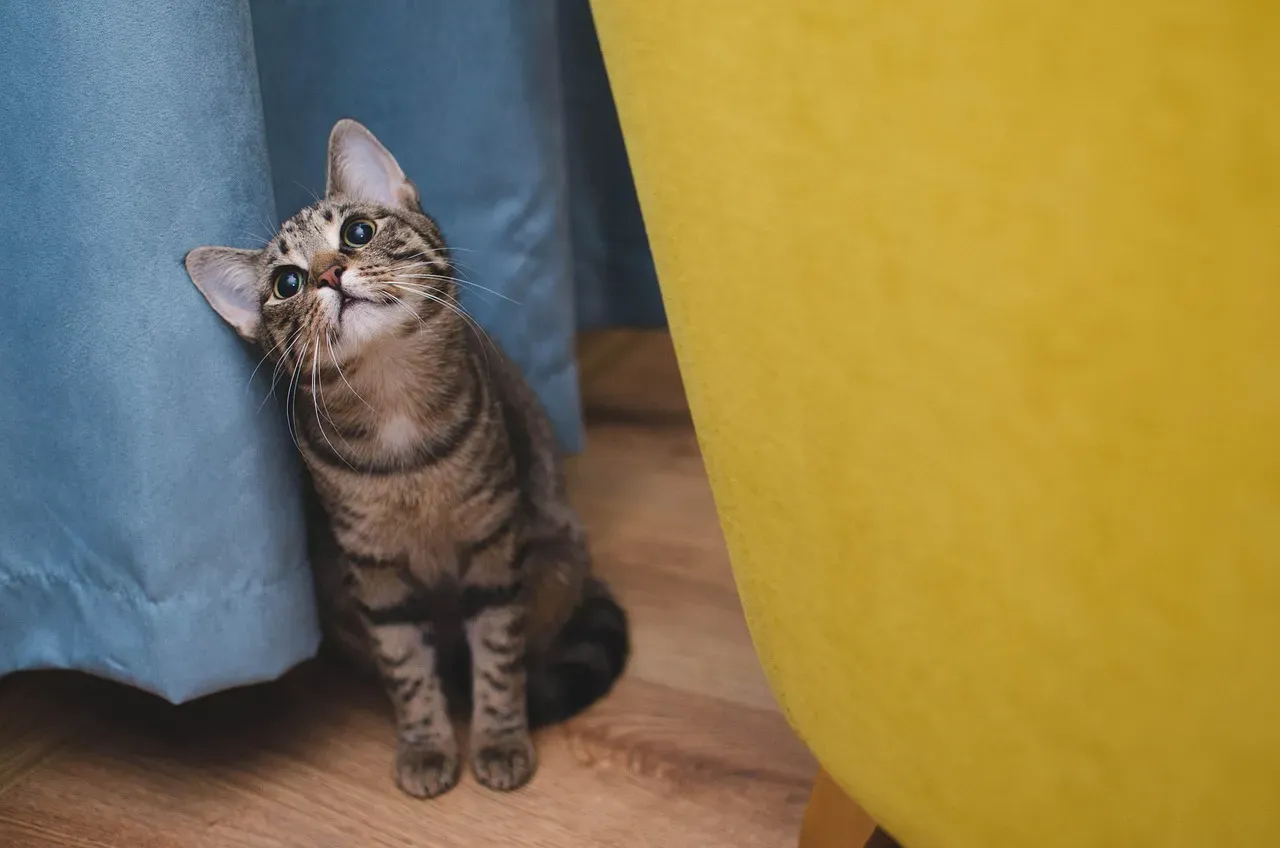
A stretched-out, tense and forward-facing body may show confidence, or in some cases, that a cat is ready to attack, whereas an anxious or fearful cat will pull their head and neck in to look small, hold their body close to the ground and place four paws firmly on the floor. Relaxed cats, on the other hand, tend to lie, curl up, or sit with some paws off the ground, indicating they don’t feel the need to be ready to flee at any moment.
When a cat exposes their belly, people often misinterpret this as an invitation for belly rubs, similar to dogs. In most cases, a cat exposing its belly is a defensive mechanism, and when they show it to you, they are implicitly saying, “I trust you and feel safe in your presence.” It’s crucial to respect their boundaries unless they explicitly invite touch in that vulnerable area. Context and accompanying body language will tell you whether petting is welcome.
They Show Affection on Their Own Terms
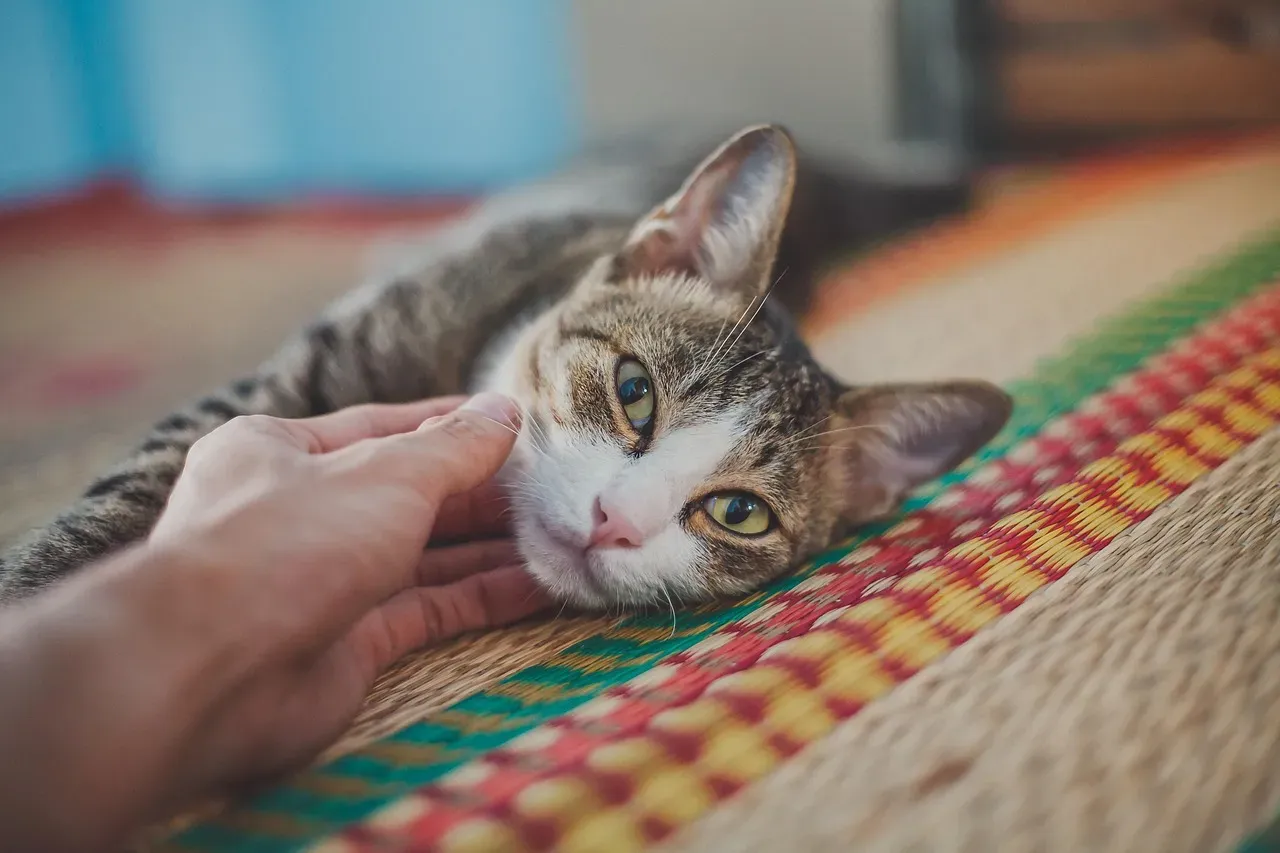
Many people comment that they prefer dogs to cats because cats ignore them and are not as affectionate, but in reality, cats show affection differently than dogs do. Once you understand what to look for, you’ll see that many cats are just as loving, they simply express it in ways that honor their independent nature. Cats choose when and how to interact, and that selectivity makes their affection all the more meaningful.
Cats are often misunderstood to be aloof and emotionally unresponsive, but this couldn’t be further from the truth. Cats can form deep attachments to their owners and families, and while the emotions of a cat are different from humans, they still experience a range of complex feelings. The key difference is how they express those feelings. Rather than constant demands for attention, cats offer companionship that respects personal space while still maintaining connection.
Conclusion: Learning to Speak Cat
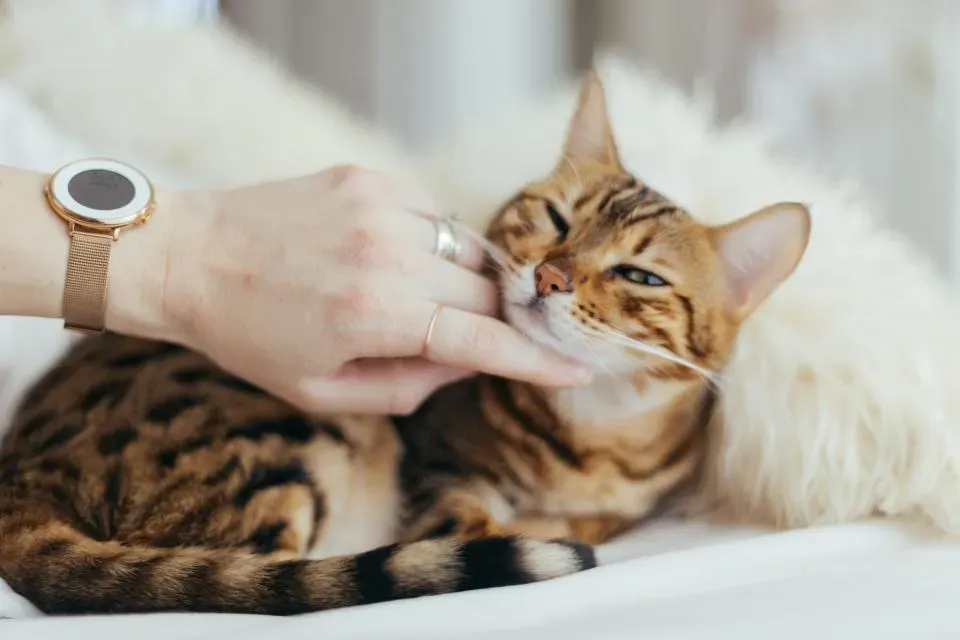
The narrative that cats are cold, distant creatures needs to be retired. The evidence is clear: cats communicate constantly, they just do it in a language most people never bothered to learn. Misinterpretation of cat communications during play can lead to unwanted interactions that prolong stress for cats and increase the risk of human injury. Understanding their signals isn’t just about bonding better, it’s about ensuring their wellbeing and yours.
The presence of a human has a specific meaning in the cat’s world, probably as the result of a long period of commensalism, and it is important for pet owners to understand the signals that cats use with other cats and with humans in order to promote the welfare of cats. Take the time to observe your cat’s ears, tail, eyes, and body posture. Notice the subtle shifts in their behavior. Once you start paying attention, you’ll realize your cat has been having conversations with you all along. You just weren’t listening properly. What would your relationship with your cat look like if you truly understood what they’ve been trying to say?