Have you ever locked eyes with your cat only to watch them slowly close their eyelids, pause, and then gently open them again? It’s not drowsiness or boredom. What you’re witnessing is something far more meaningful. That languid, leisurely eye closure is actually a profound form of communication in the feline world.
Cats are both predators and prey in the wild, meaning their eyes must stay open to detect potential threats. So when your cat deliberately closes their eyes in your presence, they’re making themselves vulnerable. They’re telling you something important. Let’s explore what makes this simple gesture one of the most beautiful displays of trust your feline companion can offer.
What Exactly Is a Slow Blink?
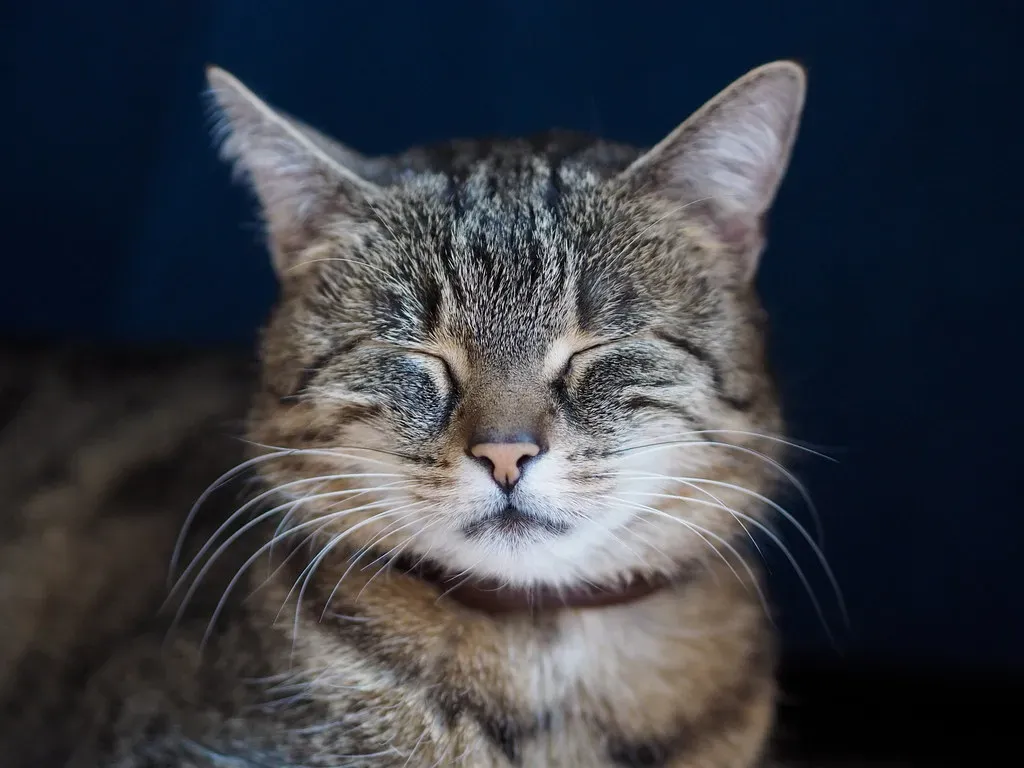
A slow blink involves a series of soft, half-closed blinks, ending with a long eye narrow or even a full eye closure. It’s deliberate, unhurried, and nothing like the rapid reflex blinks that keep your cat’s eyes lubricated. You’ll notice their eyelids move toward each other in what seems like slow motion.
Research shows that slow blinking differs from the velocity of a typical cat blink, proving it’s not a reflexive movement but an intentional behavior. Sometimes your cat might do a series of half-blinks before finally narrowing their eyes completely. Other times, they might even close one eye at a time, which can look a bit comical but carries the same warm message. The key is the pace – everything happens slowly and purposefully.
The Vulnerability Behind Closed Eyes
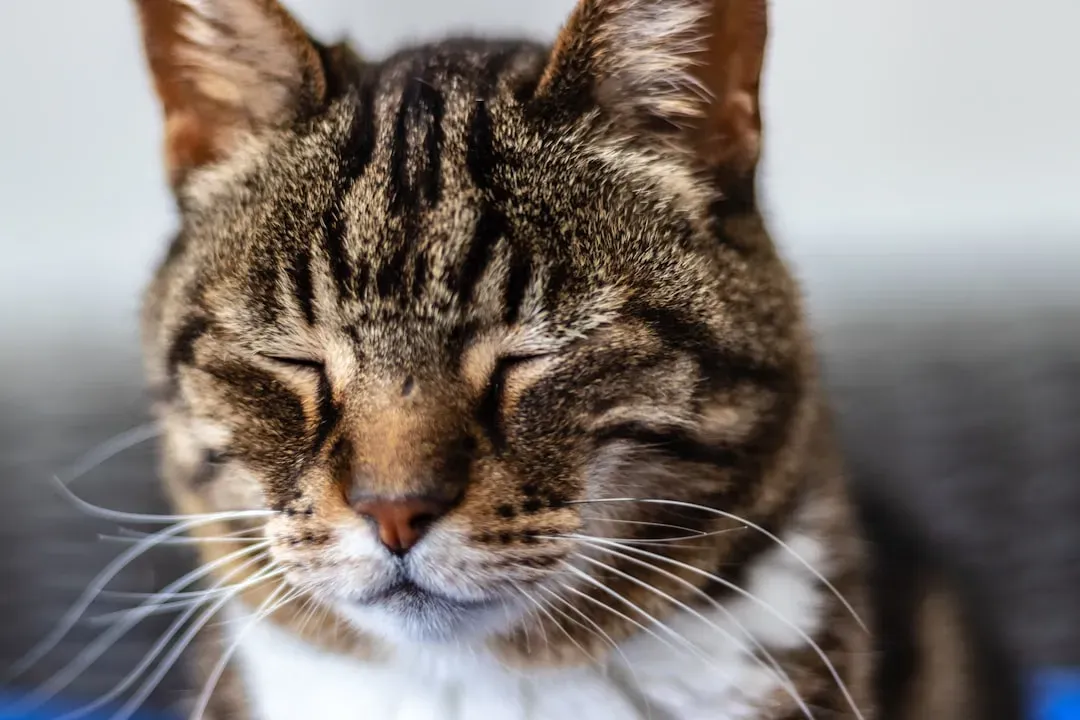
When your cat makes himself vulnerable by closing his eyes, even for a half-second, you have officially made it inside your pet’s circle of trust. Think about it from their perspective. In nature, closing your eyes means you can’t see danger approaching. You’re exposed, unguarded.
For a cat to willingly shut their eyes around you means they believe you’ll keep them safe during that brief moment of blindness. They’re showing that they are relaxed enough to close their eyes around you for extended periods, indicating contentment and trust. It’s honestly one of the highest compliments a cat can give. They’re essentially saying they don’t need to constantly scan for threats when you’re nearby.
It’s Not Just for Humans
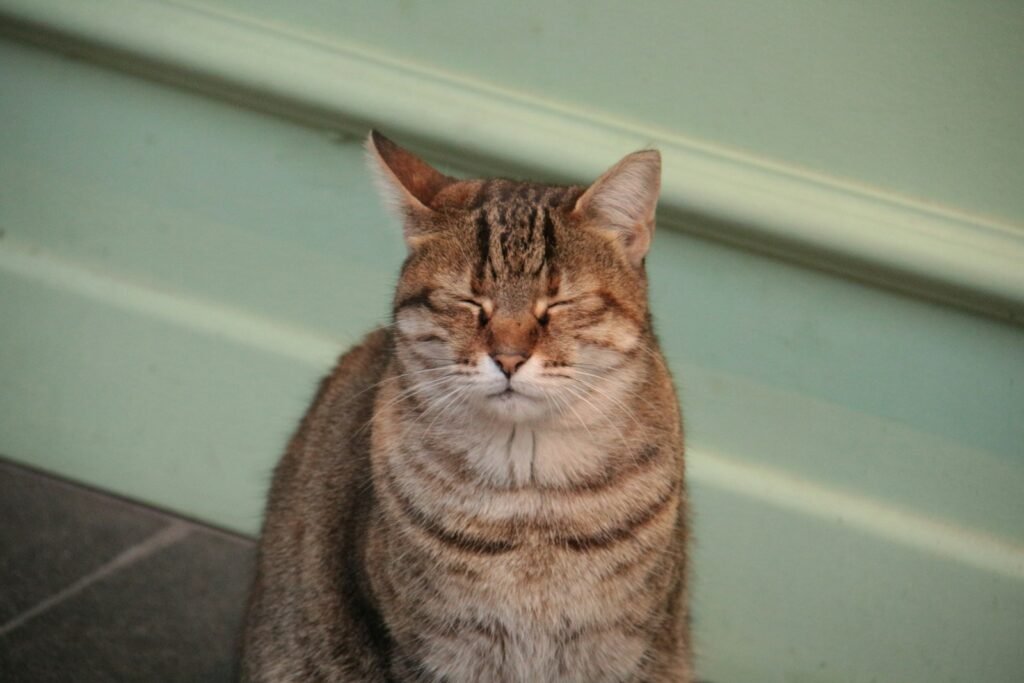
Cats do slow blink at each other, particularly among cats who aren’t threatened by each other’s presence, like those who’ve grown up together. When two cats exchange slow blinks, they’re communicating mutual respect and friendship. It’s their way of maintaining peaceful relationships.
Slow blinking isn’t just reserved for human companions – when two cats slow blink at each other, it’s a mutual sign of trust and friendship. You might even notice this during introductions between cats. If they look at each other, blink slowly, and then look away, that’s actually a positive sign they’re beginning to accept one another. It’s like the feline equivalent of a polite nod between acquaintances who’ve decided they’re cool with sharing space.
The Science Behind the Gesture

Research revealed that cat half-blinks and eye narrowing occurred more frequently in response to owners’ slow blink stimuli, and cats had a higher propensity to approach an experimenter after a slow blink interaction. Scientists at the University of Sussex conducted controlled experiments that proved this behavior creates emotional connections. The cats didn’t just respond randomly – they actively engaged back.
The slow blink sequence appears to be an indicator of positive emotion in cats. What’s fascinating is that this gesture seems to share features with genuine human smiles and positive emotional expressions in other mammals. Cats are attentive students of human behavior and mirror what they perceive from us – if we show trust, so do they. This suggests cats have evolved to communicate with us on a level that bridges species barriers.
How to Return the Slow Blink
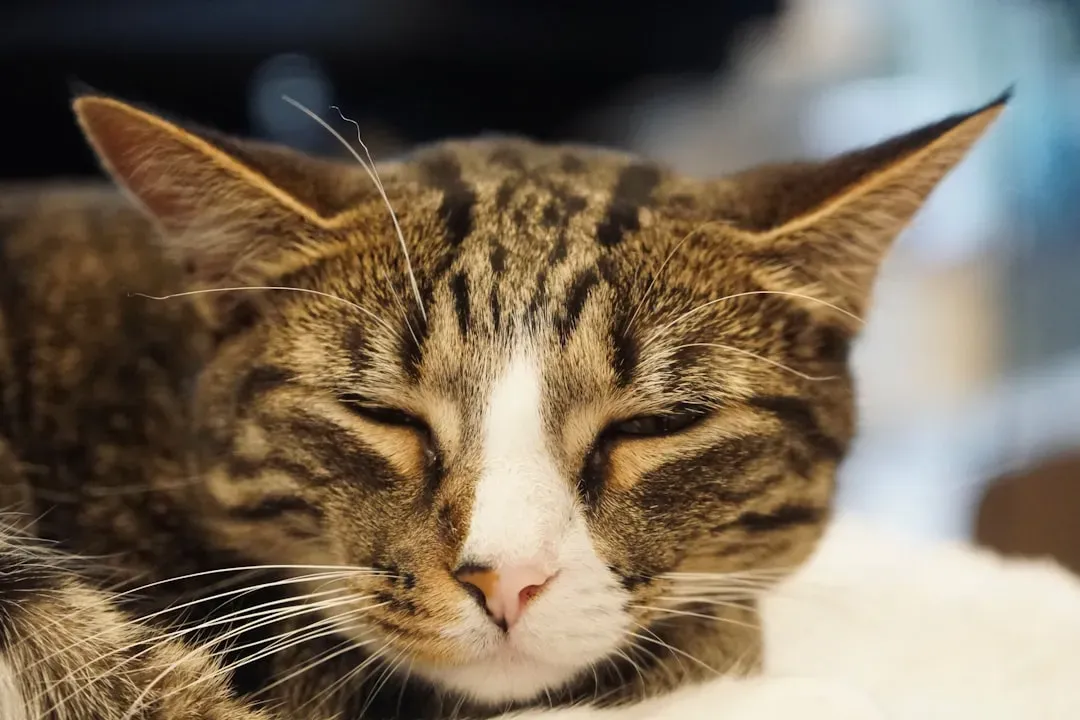
When your cat slow blinks at you, the best response is to mirror that gesture right back. Look at them steadily, close your eyes slowly, keep them shut tight for a moment, and then open them – your cat will understand you perfectly. It’s like learning a new language, except this one requires no words.
Make sure you’re doing it when your cat is already looking at you and appears relaxed. You should only slow blink when the cat is looking directly at you – just slowly close your eyes, hold them closed for about a second or two, and then open them. Don’t force it during moments when they seem tense or distracted. The timing matters as much as the gesture itself. Some cats will immediately slow blink back, while others might approach you for affection.
Why Staring Is the Opposite Message
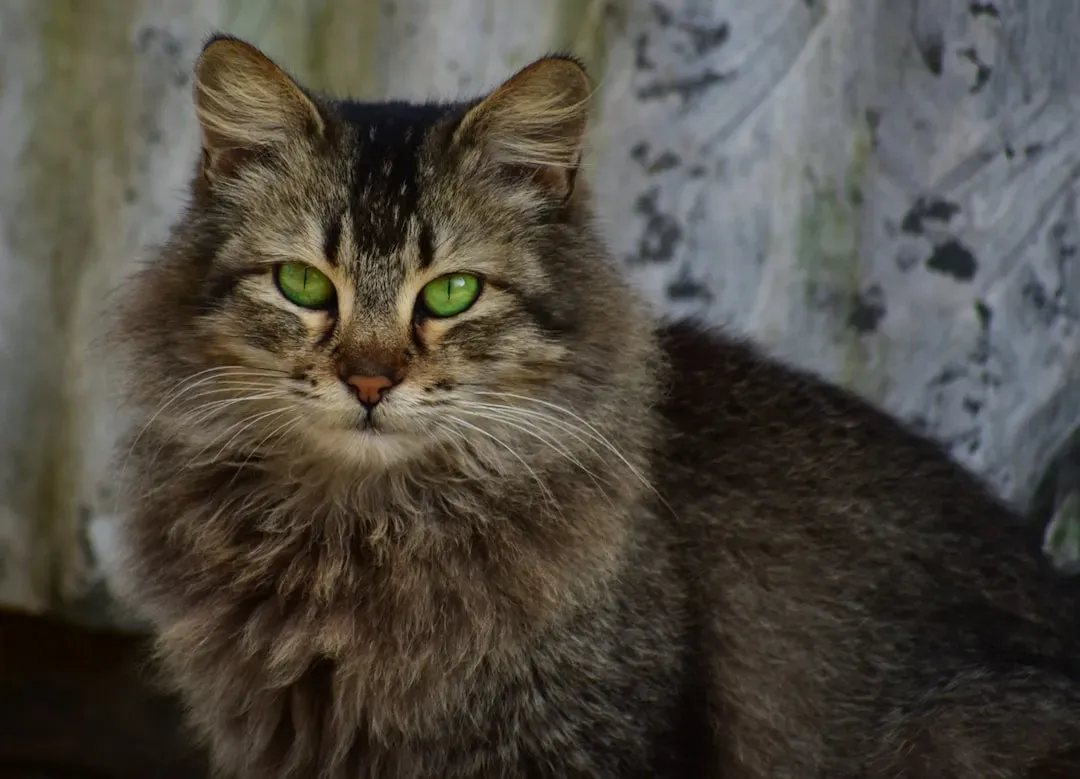
Staring is perceived by most animals, including cats, as adversarial. In the feline world, an unbroken, direct stare signals aggression or a challenge. It’s essentially the cat version of “You wanna go?”
In the wild, direct eye contact often signals a threat or challenge, which is why many cats become uncomfortable or agitated when strangers try to make eye contact with them. This is why your cat might look away when you accidentally hold their gaze too long. They’re not being rude – they’re de-escalating what they perceive as a potential conflict. The slow blink is the complete opposite. It breaks the tension of direct eye contact and transforms it into something gentle and affectionate.
When Your Cat Looks Away Afterward
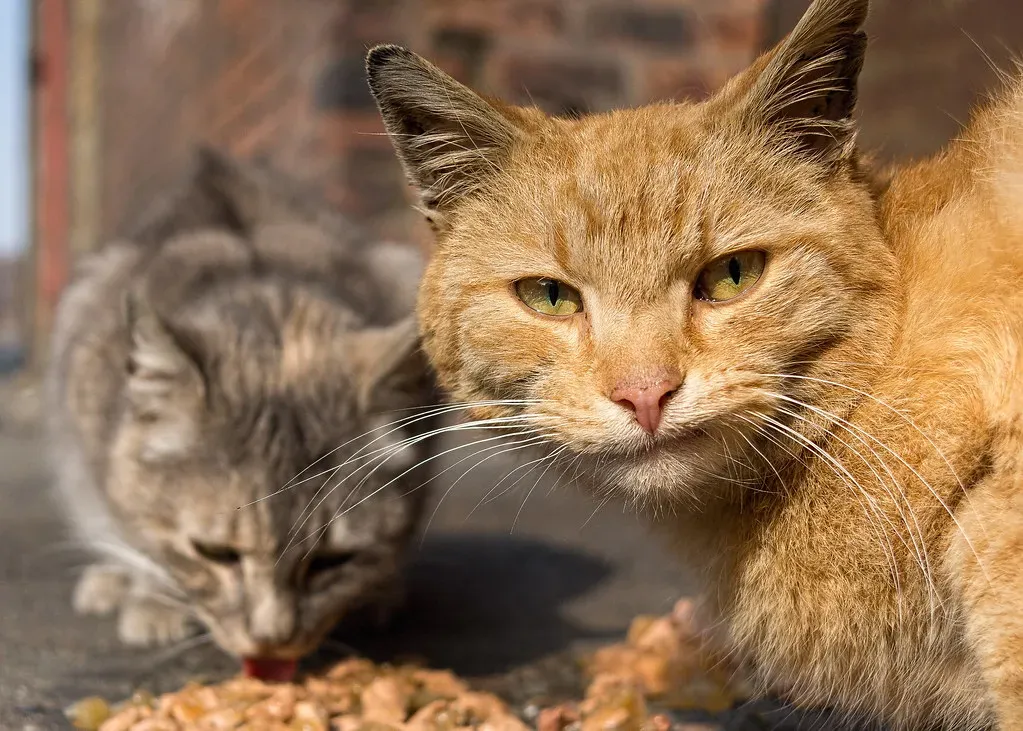
A cat looking away after a slow blink does not indicate distrust or disinterest – on the contrary, it frequently signifies comfort and respect. Don’t be confused if your cat slow blinks at you and then turns their head. This isn’t rejection.
Looking away is actually another layer of trust. When your cat looks away after a slow blink, it communicates trust, respect, and a balanced awareness of its environment. They’re so comfortable with you that they don’t feel the need to keep monitoring your every move. They’ve said their piece and now they’re just… existing peacefully in your shared space. It’s hard to say for sure, but I think this might be even more meaningful than sustained eye contact.
Not Every Cat Is a Slow Blinker
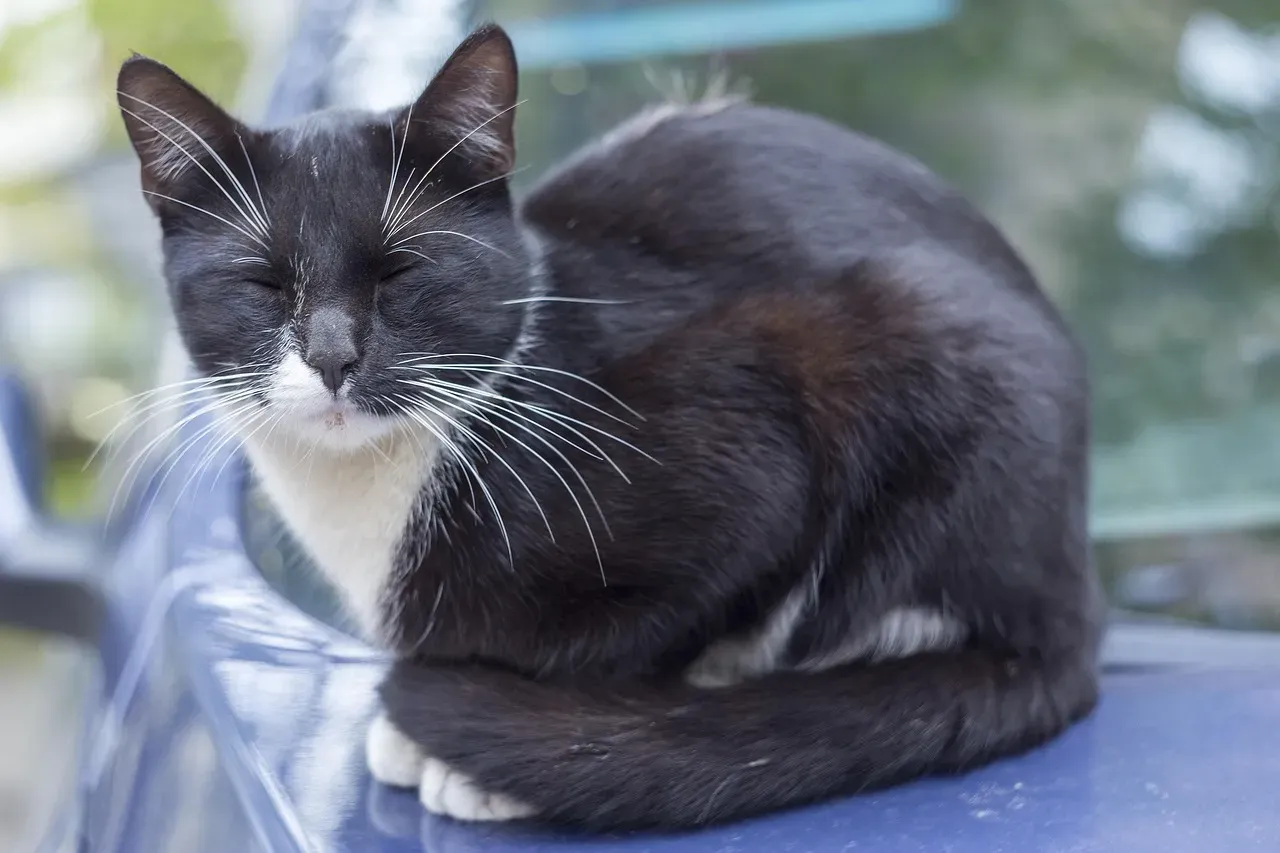
Not all cats slow blink – some prefer other communication methods, such as rubbing on you, rolling onto their back to expose their belly, licking, and head bunting. If your cat doesn’t slow blink at you, don’t panic. It doesn’t mean you’ve failed as a cat parent.
If your cat doesn’t slow blink at you, there’s nothing to worry about – it doesn’t mean they’re uncomfortable around you or don’t trust you. Cats have different personalities and communication preferences, just like people. Your cat might be the type who shows love by following you everywhere, chirping at you, or demanding to sleep on your lap. All of these are equally valid expressions of affection. The slow blink is just one dialect in a much larger language of feline love.
Building the Trust That Leads to Slow Blinks

Cats are independent creatures that form complex social hierarchies, meaning trust and affection are earned rather than given freely. You can’t force a cat to trust you. It has to develop naturally over time through consistent, respectful interactions.
Providing a consistent and predictable routine, giving your cat space, and avoiding forcing interactions helps create a sense of security and trust. Let your cat approach you on their terms. Respect when they walk away. Engage in play sessions. Maintain regular feeding schedules. These small acts of reliability build the foundation for deeper emotional connection. Eventually, that connection might manifest as a slow blink – a moment where your cat decides you’re worthy of their vulnerability.
The Connection to Human Smiles
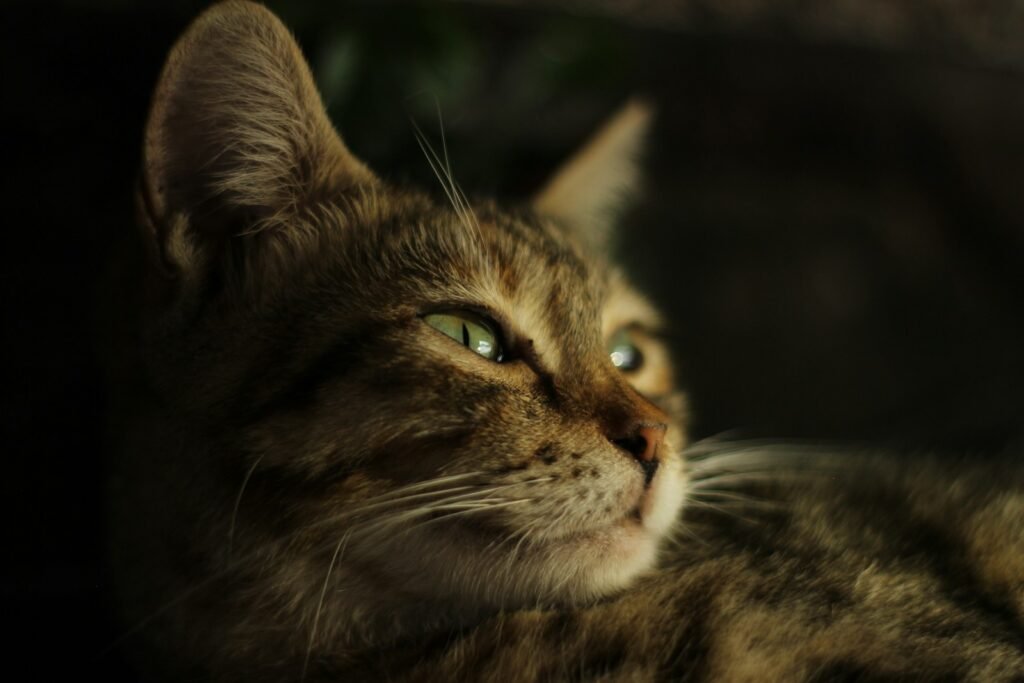
The slow blink shares certain features with the Duchenne smile and responses in other mammals to positive emotional contexts – specifically the narrowing of the eyes. Researchers have noticed that genuine human happiness involves the eyes, not just the mouth. We literally “smile with our eyes.”
Researcher Karen McComb suggests that cat eye narrowing can be similar to a human smile, indicating the cat feels safe enough to let its guard down. This parallel is remarkable when you think about it. Despite millions of years of evolutionary separation, cats and humans have somehow converged on similar visual signals for contentment and trust. It’s like we’ve developed a shared emotional vocabulary that transcends species. The slow blink might be the closest thing to a universal language of affection.
The Art of Simply Being Together
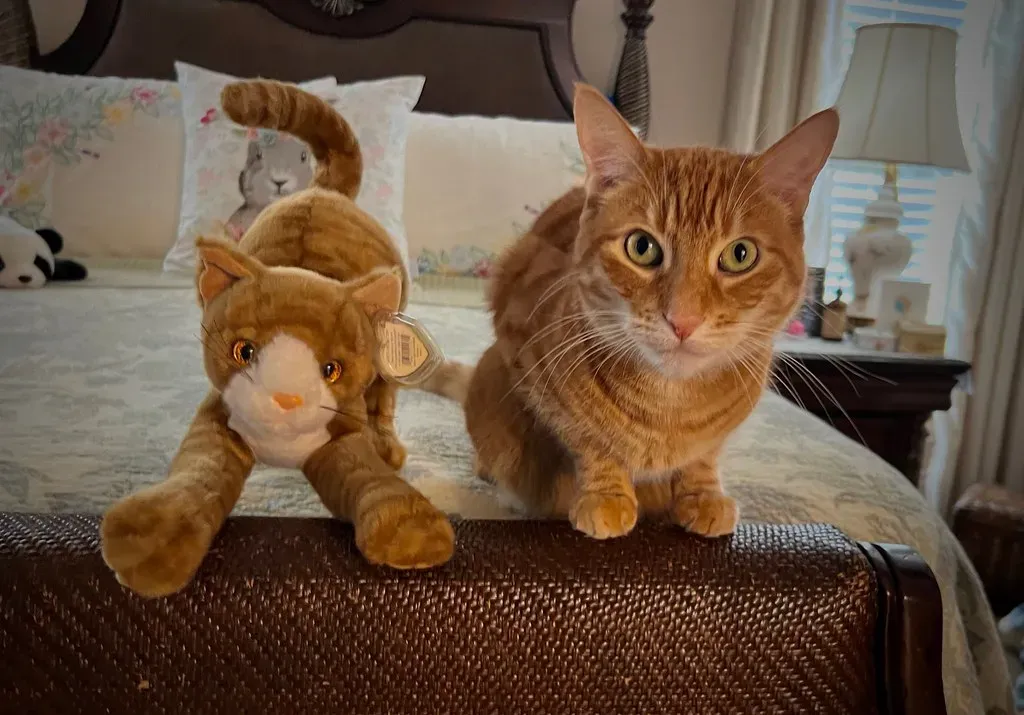
What makes the slow blink so special is its quiet simplicity. There’s no drama, no grand gesture. It’s just two beings acknowledging each other across the species divide. Your cat looks at you, you look back, and in that moment of soft eye closures, something unspoken passes between you.
Cats are observant creatures and often mimic the behavior of their human companions – if you frequently blink slowly at your cat, they may start to reciprocate this gesture, strengthening the bond and creating a sense of understanding and companionship. These small moments accumulate over time. They build a relationship based not on commands or expectations, but on mutual respect and affection. Your cat isn’t performing for treats or following rules. They’re simply sharing space with you in the most authentic way they know how. That’s pretty remarkable when you stop and think about it.
Learning to recognize and return your cat’s slow blink opens up an entirely new dimension of communication. It deepens your connection and helps you understand the subtle ways your feline companion expresses their feelings. The next time those eyes slowly close and reopen while gazing at you, take a moment to appreciate what’s really happening – you’re being told, in the quietest possible way, that you matter. So what do you think? Has your cat been slow blinking at you all along, and you just never noticed? Pay attention today – you might be surprised by what you see.