Did you know your cat has a secret schedule that shapes when they want your love the most? Imagine coming home after a long day, only to have your cat ignore you completely—ouch! But what if the problem isn’t you, but your timing? Science now tells us that the key to winning your feline’s heart might simply be knowing when to reach out. Let’s dive into the fascinating, and sometimes surprising, rhythms of a cat’s day, so you’ll never miss the perfect moment to bond with your furry friend.
Cats Are Crepuscular by Nature

Cats are not truly nocturnal; instead, they’re crepuscular, meaning they’re most active at dawn and dusk. Imagine your cat as a little shadow slipping through the house just as the sun rises or sets. This natural rhythm is inherited from their wild ancestors, who hunted at these times for maximum success. If you’ve ever noticed your cat having sudden bursts of energy early in the morning or around dinner time, now you know why. Trying to bond with your cat during these lively periods is often much more rewarding than attempting a snuggle session in the heat of midday. The crepuscular schedule means your cat is more alert, playful, and open to interaction during these hours. By syncing your routine with theirs, you’re speaking their language.
The Power of Early Morning Connections

The early morning, just after sunrise, is a magical time for many cats. This is when their hunting instincts are fresh and their curiosity is at its peak. You might notice your cat chirping at birds outside the window or darting from room to room in a playful frenzy. Engaging with your cat during this window—maybe with a feather toy or a gentle brush—can create positive associations and deepen your bond. It can be tempting to hit snooze, but those extra minutes spent with your cat might be the most meaningful of your day. Plus, starting your morning with purrs and gentle head nudges is a mood booster for you, too.
Evening: The Golden Hour for Affection

As the sun begins to set, many cats experience another burst of energy. This “golden hour” is when your cat may seek out your company, weaving between your legs or meowing for attention. Evening is an ideal time for interactive play sessions, laser pointer chases, or quiet cuddles on the couch. For working cat parents, this is often the best opportunity to catch up with your feline friend after a long day apart. The calming atmosphere of the evening encourages trust and relaxation, making it easier to build affectionate routines. Your cat’s willingness to snuggle or play during this time is a sign they’re comfortable and happy to bond.
Midday Slump: Why Cats Prefer Alone Time
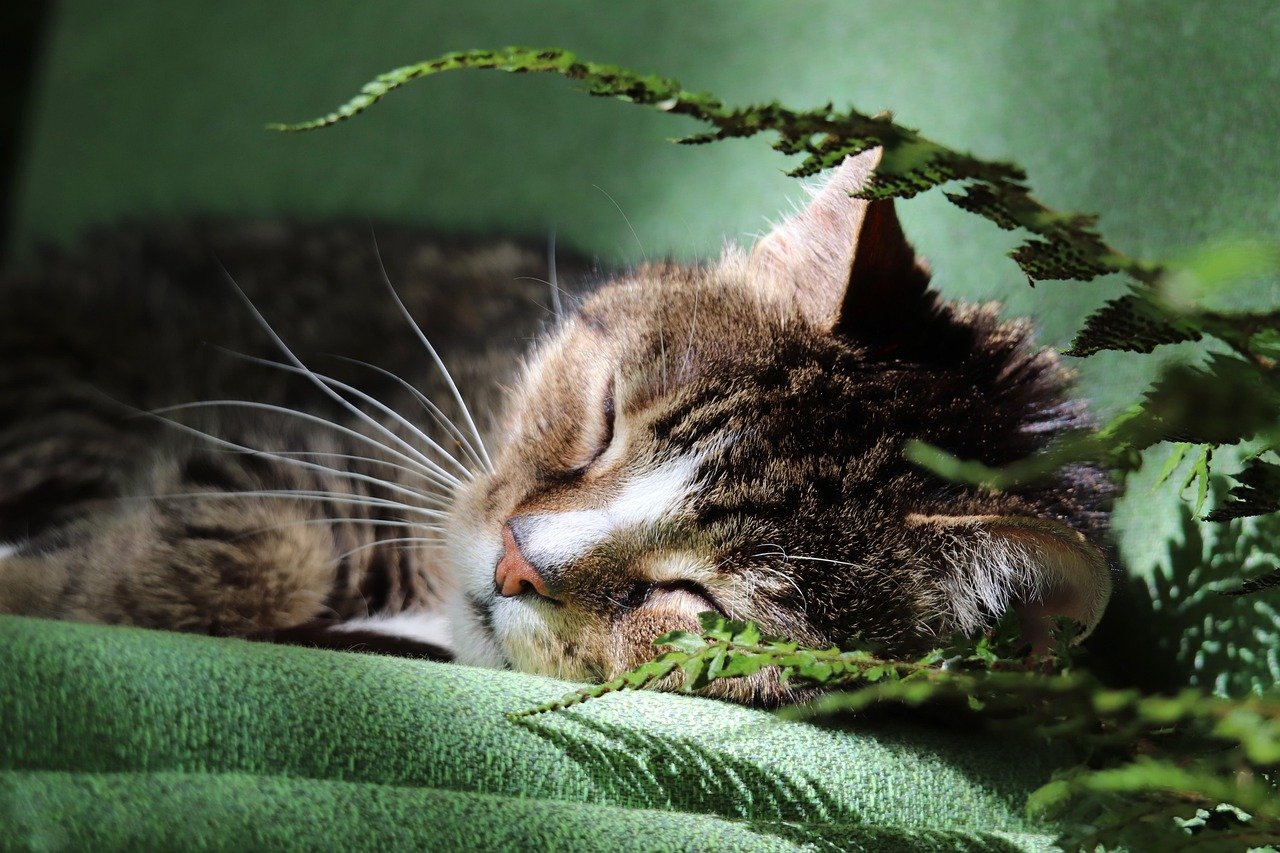
In the middle of the day, you might find your cat stretched out in a sunbeam, utterly uninterested in your attempts to play. This midday slump is no accident—cats usually take long naps during these hours to recharge their energy. Science suggests that disturbing your cat’s rest during this phase can actually make them grumpy or anxious. Respecting their need for solitude shows your cat that you understand and honor their boundaries. Instead of forcing interaction, use this quiet time to set up their favorite cozy spots, ensuring they have everything they need for a restful nap. By giving your cat space, you’re actually strengthening your bond for later.
Meal Times as Bonding Opportunities

Feeding your cat is more than just a chore—it’s a ritual that can deepen your connection. Cats associate positive feelings with the person who provides their food. Sharing a consistent meal schedule builds trust, and you can use feeding times to add moments of affection, like gentle pets or calm conversation. Some experts suggest using mealtimes to practice training or reinforce good behavior with treats. Over time, your cat will look forward to these moments as special times shared with you. Remember, patience is key; never rush your cat or interrupt their eating, as this can create stress.
Playtime: Harnessing Natural Instincts

Interactive play is one of the best ways to bond with your cat, especially when you align it with their natural activity peaks. Using toys that mimic prey—like feather wands or small plush mice—lets your cat channel their hunting instincts in a safe, fun way. Play sessions in the early morning or evening can lead to joyful pouncing, leaping, and even those hilarious sideways jumps. These shared activities not only keep your cat physically healthy but also build emotional closeness. If you make playtime a daily ritual, your cat will begin to anticipate—and crave—your attention.
Understanding Cat Body Language

Your cat’s body language can tell you exactly when they’re open to bonding. Look for signs like slow blinking, relaxed ears, and a softly swishing tail—these mean your cat is comfortable and ready for companionship. If your cat arches their back, flattens their ears, or swishes their tail quickly, it’s best to give them space. Learning to read these subtle signals ensures your efforts to bond are always welcome. Over time, you’ll become attuned to your cat’s unique ways of saying “come closer” or “not now.” This silent communication is a powerful foundation for a deep, trusting relationship.
Grooming: More Than Just Cleanliness

Grooming is a special way to connect with your cat. When you brush your cat, you’re mimicking the social grooming behaviors seen in wild cat colonies. Most cats enjoy gentle brushing, especially during their calm periods in the early morning or evening. This activity not only keeps their coat healthy but also reduces stress and anxiety. If your cat starts purring or nudging your hand, it’s a sign they appreciate your care. Regular grooming sessions become cherished rituals that reinforce your bond and trust.
Quiet Moments: The Power of Simply Being There
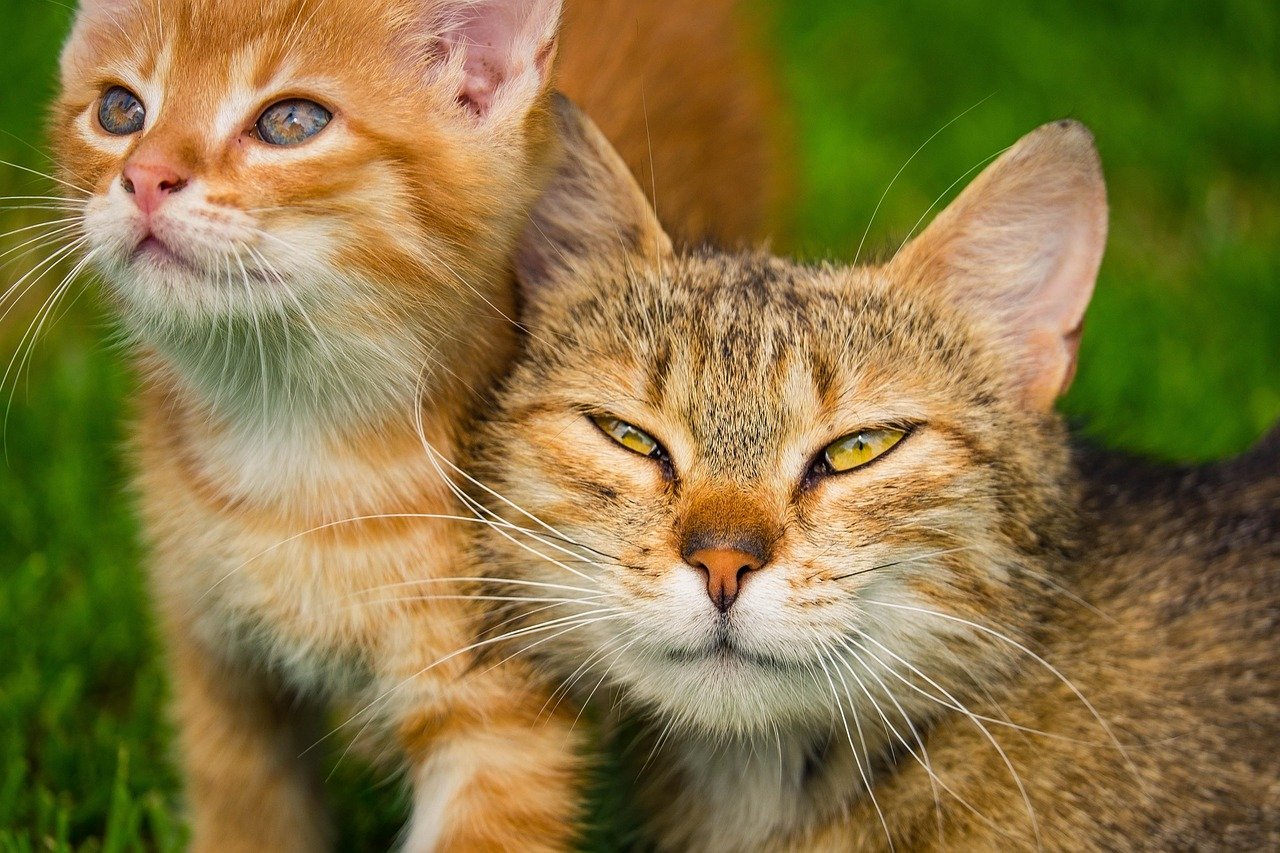
Sometimes, the best way to bond with your cat is just by sharing space. Sitting quietly together—while you read, watch TV, or work—shows your cat that they’re safe in your presence. Cats often seek out their humans for companionship, even if they don’t want active play or cuddles. These peaceful moments build a sense of security and belonging. Try to notice when your cat chooses to be near you and acknowledge their presence with a gentle word or soft pet. Over time, these moments of calm coexistence can mean just as much as playful ones.
The Role of Scent in Feline Bonding

Cats rely heavily on scent to communicate and form attachments. When your cat rubs their face against your hand or furniture, they’re marking you with their scent as a sign of ownership and trust. You can strengthen your bond by allowing your cat to initiate these scent-marking behaviors. Avoid strong perfumes or scented lotions, as these can confuse your cat or mask your natural smell. Introducing familiar scents—like a piece of clothing—during bonding times can make your cat feel even more comfortable. This invisible connection is an often-overlooked but powerful way to grow closer.
Talking to Your Cat: Why Your Voice Matters

Your cat may not understand every word you say, but they definitely recognize your voice and tone. Speaking softly to your cat, especially during bonding moments, can soothe and reassure them. Some cats even develop “conversations” with their owners, responding with chirps or meows. Making a habit of gentle talk throughout the day strengthens your emotional connection. Over time, your cat will associate your voice with comfort and safety, making them more likely to seek you out. Never shout or use harsh tones, as this can damage trust and make your cat wary.
Using Treats to Encourage Positive Interactions

Treats can be a wonderful tool for creating positive associations with your presence. Offering a favorite snack during bonding times or after play sessions reinforces your cat’s trust in you. Use treats sparingly to avoid overfeeding, and choose healthy options that support your cat’s diet. Some people use treat puzzles or interactive feeders to make bonding time even more stimulating. The key is to make treats feel like a reward for shared experiences, not just a random snack. Over time, your cat will associate you with good feelings and look forward to spending time together.
The Importance of Routine for Your Cat

Cats thrive on routine, and predictable bonding times help them feel secure. Try to schedule play, grooming, and cuddles at roughly the same times each day, ideally during their natural peaks of activity. Consistency reduces anxiety and helps your cat anticipate enjoyable moments with you. If your schedule changes, be patient as your cat adjusts—they may need a few days to settle into a new routine. Establishing daily rituals isn’t just good for your cat; it can also bring a sense of comfort and rhythm to your own life.
Respecting Your Cat’s Mood Swings

Every cat has days when they’re more or less interested in socializing. It’s important to respect these natural fluctuations rather than taking them personally. Forcing interaction when your cat isn’t in the mood can lead to stress or even defensive behavior. Instead, pay attention to their cues and offer gentle invitations to play or cuddle. By letting your cat set the pace, you create a foundation of trust and respect. This patience pays off with deeper, more genuine moments of connection down the line.
Bonding With Shy or Timid Cats

Cats who are shy or nervous need extra patience and understanding. For these cats, quiet and predictable interactions work best, especially during calm hours like early morning or late evening. Avoid sudden movements or loud noises, and let your cat come to you when they feel ready. Offer treats and soft words to encourage positive associations. Over time, your cat will learn that you’re a source of safety and comfort. Every breakthrough—no matter how small—is a step toward a stronger bond.
How Age Influences Bonding Time

Kittens, adults, and seniors all have different bonding needs. Young kittens are often more playful and curious, but they also tire quickly and need lots of sleep. Adult cats enjoy interactive play and consistent routines, while older cats may prefer quiet companionship and gentle grooming. Adjust your bonding times and activities to suit your cat’s age and energy level. Recognizing these life stage differences shows your cat that you understand and care for their unique needs. This adaptability is key to building a lifelong connection.
The Impact of Environment on Bonding

A cat’s environment can greatly affect their willingness to bond. A calm, safe space with cozy hiding spots and minimal loud noises sets the stage for positive interactions. If your home is busy or chaotic, try to create a special area where you and your cat can relax together. Environmental enrichment—like window perches, scratching posts, and interactive toys—can also make bonding times more enjoyable. Remember, a happy cat is much more likely to seek out your company.
Bonding With Multiple Cats

If you have more than one cat, bonding can get a little more complicated. Each cat has their own personality and preferred bonding time, so be sure to give each one individual attention. Group play sessions can help strengthen feline friendships, but solo time is just as important. Watch for signs of jealousy or competition, and try to keep routines fair and balanced. Building trust with each cat individually creates a harmonious, loving household for everyone involved.
Recognizing When to Seek Professional Help

Sometimes, even the best efforts don’t lead to successful bonding. If your cat consistently avoids you, hides, or shows signs of stress, it may be time to consult a veterinarian or feline behaviorist. Medical issues, past trauma, or anxiety can all impact a cat’s ability to bond. Don’t be discouraged—many issues can be worked through with patience and expert guidance. Addressing underlying problems shows your cat that you’re committed to their well-being, which is a powerful foundation for trust.
Celebrating Small Victories in Cat Bonding

Bonding with your cat doesn’t always happen overnight. Celebrate every small victory—whether it’s a new head bump, a longer cuddle, or a playful pounce. Each positive interaction builds on the last, creating a tapestry of trust and affection. Remember, every cat is different, and progress can be slow, especially with shy or older pets. Keep track of your successes and cherish the unique moments you share. These memories become the heart of your relationship, making all the effort worthwhile.
Why Timing Truly Matters With Cats

The best time of day to bond with your cat comes down to respecting their natural rhythms and needs. By tuning into those magical dawn and dusk hours, honoring their signals, and building consistent routines, you set the stage for a deep and lasting friendship. Whether it’s a rowdy morning play session, a quiet evening cuddle, or simply sharing a sunbeam in silence, the right timing can make all the difference. Your cat is unique, and learning their schedule is the secret to a truly special bond.

Hi, I’m Bola, a passionate writer and creative strategist with a knack for crafting compelling content that educates, inspires, and connects. Over the years, I’ve honed my skills across various writing fields, including content creation, copywriting, online course development, and video scriptwriting.
When I’m not at my desk, you’ll find me exploring new ideas, reading books, or brainstorming creative ways to solve challenges. I believe that words have the power to transform, and I’m here to help you leverage that power for success.
Thanks for stopping by, Keep coming to this website to checkout new articles form me. You’d always love it!