You could live in the same neighborhood as one for years and never know it. Moving like a ghost through scrubland, forest, and even the edges of suburban backyards, the bobcat is arguably the most widespread wild cat in North America and, honestly, one of the most underappreciated. Most people have never seen one up close. Many don’t even realize they share the landscape with this compact, breathtaking predator.
There is something almost mythical about an animal that thrives so effectively in the shadows of human civilization. From frozen Canadian forests to sun-baked Mexican deserts, this cat has carved out a secret life that scientists are still piecing together. You’re about to discover just how fascinating that life really is. Let’s dive in.
Meet the Bobcat: North America’s Most Common Wild Cat
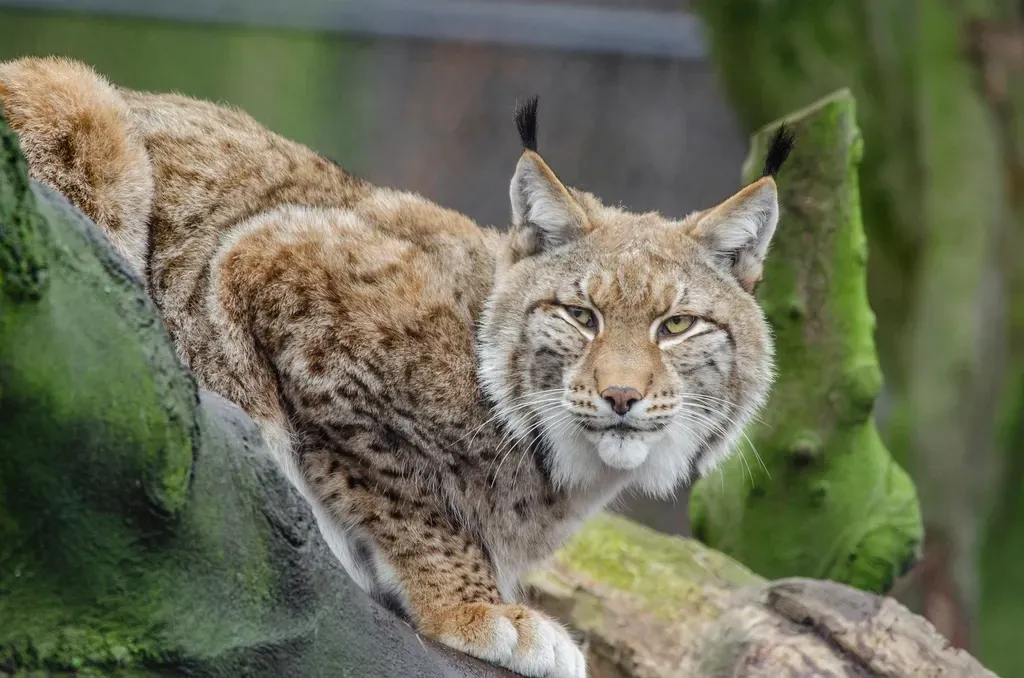
The most common wildcat in North America is the bobcat, named because of its short black, white-tipped tail. Despite being so widespread, most people know very little about it. Think about that for a moment – a true wild cat, as fierce and calculating as any predator, quietly living alongside millions of people.
The bobcat, also known as the wildcat, bay lynx, or red lynx, is one of the four extant species within the medium-sized wild cat genus Lynx, native to North America and ranging from southern Canada through most of the contiguous United States to Oaxaca in Mexico. Populations are now estimated at over 3.5 million individuals across their range, a testament to successful conservation efforts and the species’ incredible adaptability.
Physical Appearance: Built for the Shadows
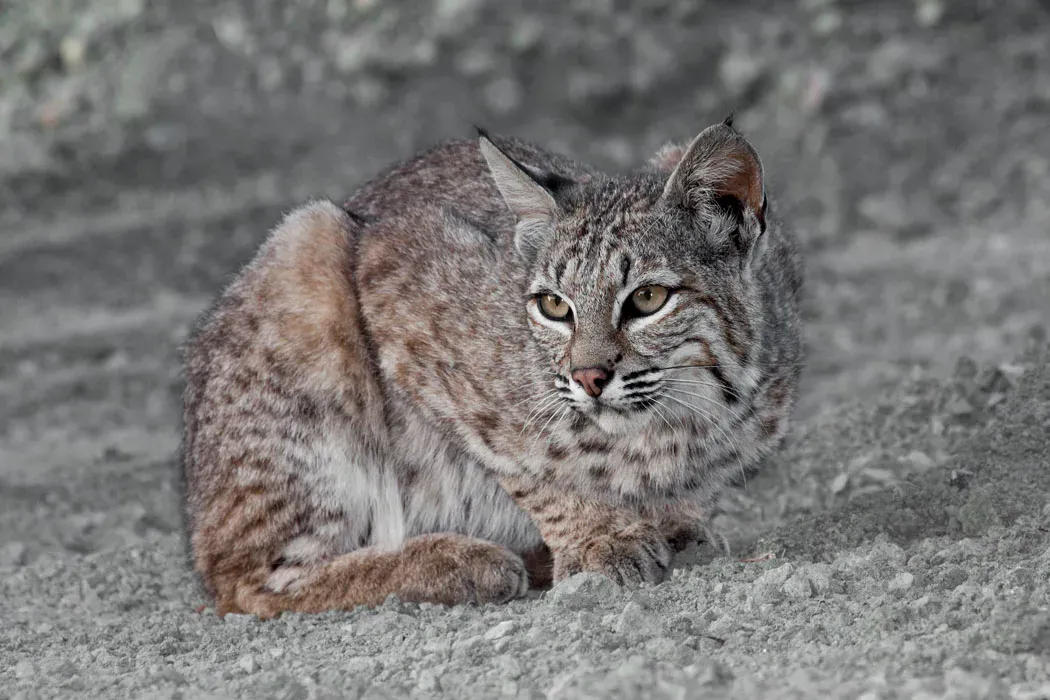
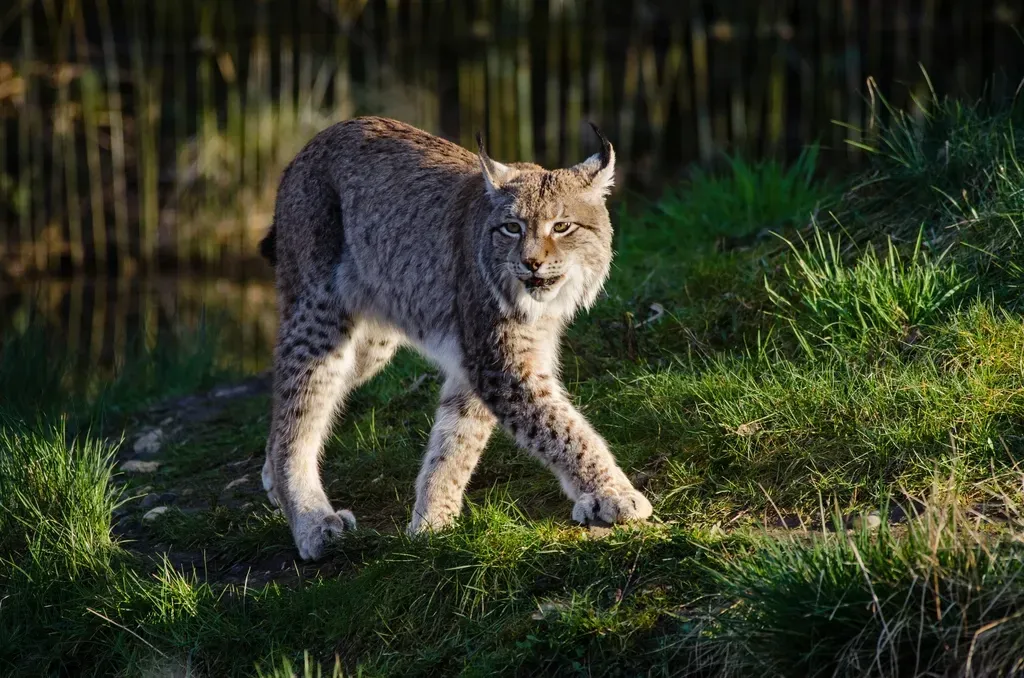
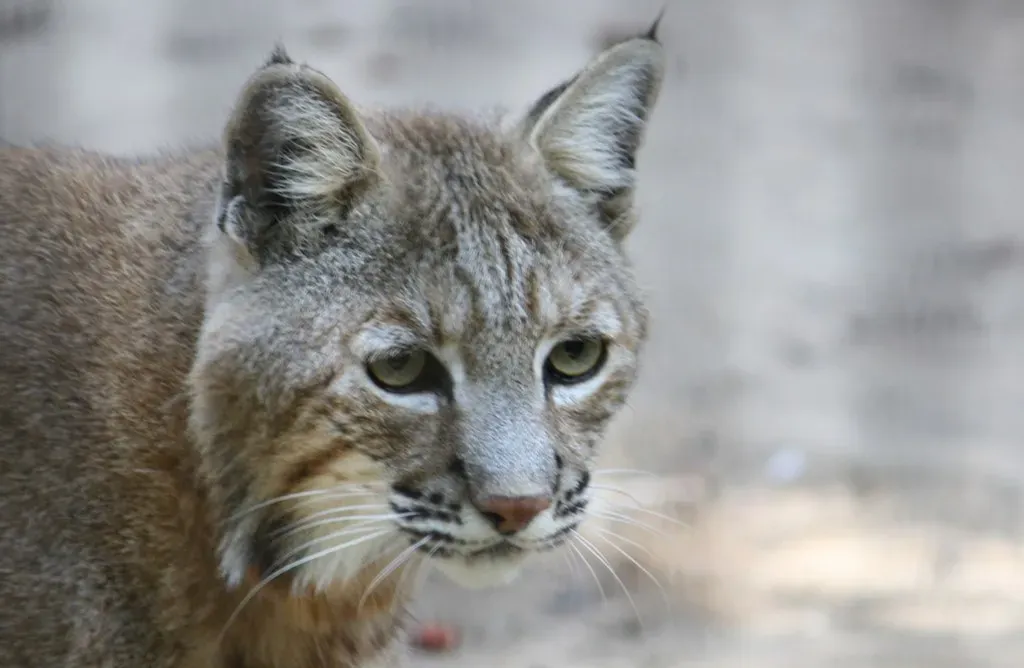
The bobcat’s fur is buff to brown, sometimes with a reddish tinge, and marked with spots or stripes of brown and black, with lighter coloring on its undersides. Bobcats have facial ruffs, ear tufts, white spots near the tips of their ears, and bobbed tails. It is a coat designed by evolution for one purpose above all else: invisibility. Like a living piece of forest floor, this animal is almost impossible to spot when it does not want to be found.
Bobcats vary in size along their continental range, with larger animals found in the north and smaller animals in the south. They are generally one and a half to two feet tall at the shoulder and weigh between nine and thirty-three pounds. Physical characteristics change slightly to allow for better camouflage in their habitat, appearing reddish-brown in summer and tawny-gray in winter months. That seasonal color shift? Honestly, it is one of nature’s more elegant design features.
Remarkable Range and Habitat Flexibility
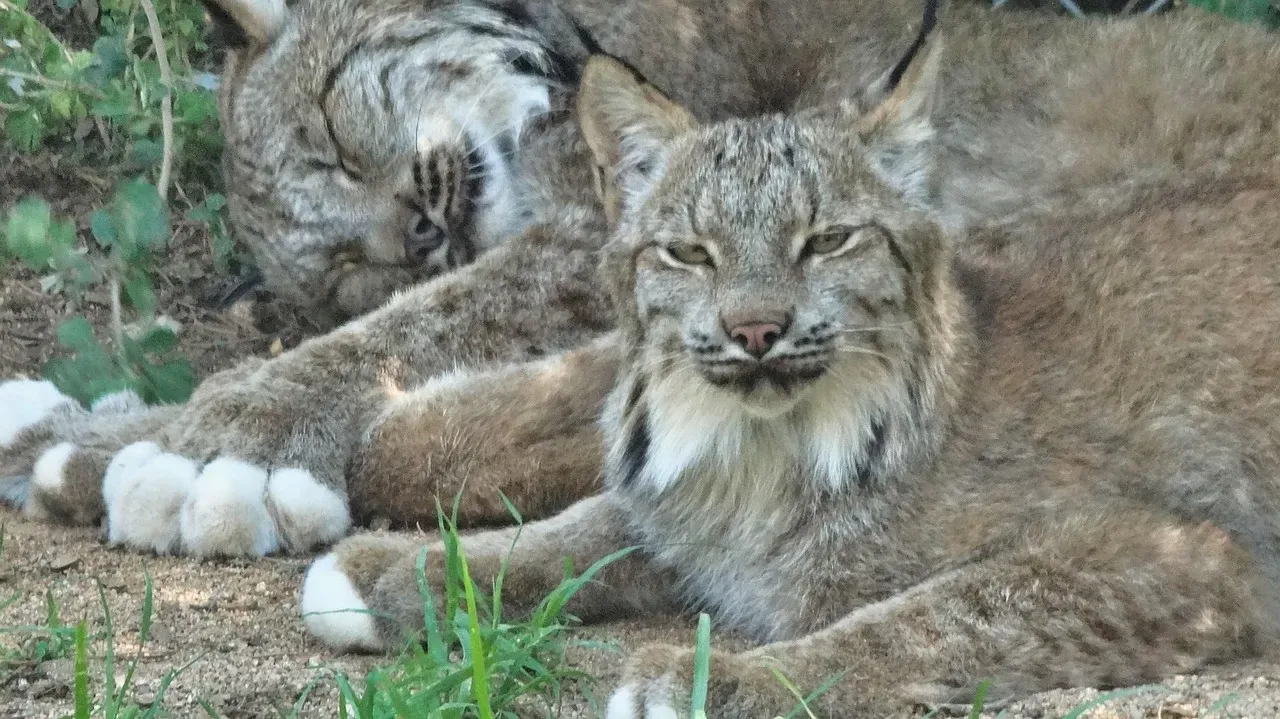
Bobcats demonstrate remarkable habitat flexibility, thriving in environments from Canadian boreal forests to Mexican deserts. They are very adaptable and can live in a wide variety of habitats, including boreal coniferous and mixed forests in the north, bottomland hardwood forests and coastal swamps in the southeast, and desert and scrublands in the southwest. This adaptability is what separates bobcats from so many other predators that are tightly tied to a single biome.
The population of the bobcat depends primarily on the population of its prey. Other principal factors in the selection of habitat type include protection from severe weather, availability of resting and den sites, dense cover for hunting and escape, and freedom from disturbance. The bobcat’s range does not seem to be limited by human populations, but by availability of suitable habitat; only large, intensively cultivated tracts are unsuitable for the species. In other words, as long as there is food and cover, the bobcat will find a way to make it work.
Masters of the Twilight: Daily Activity Patterns
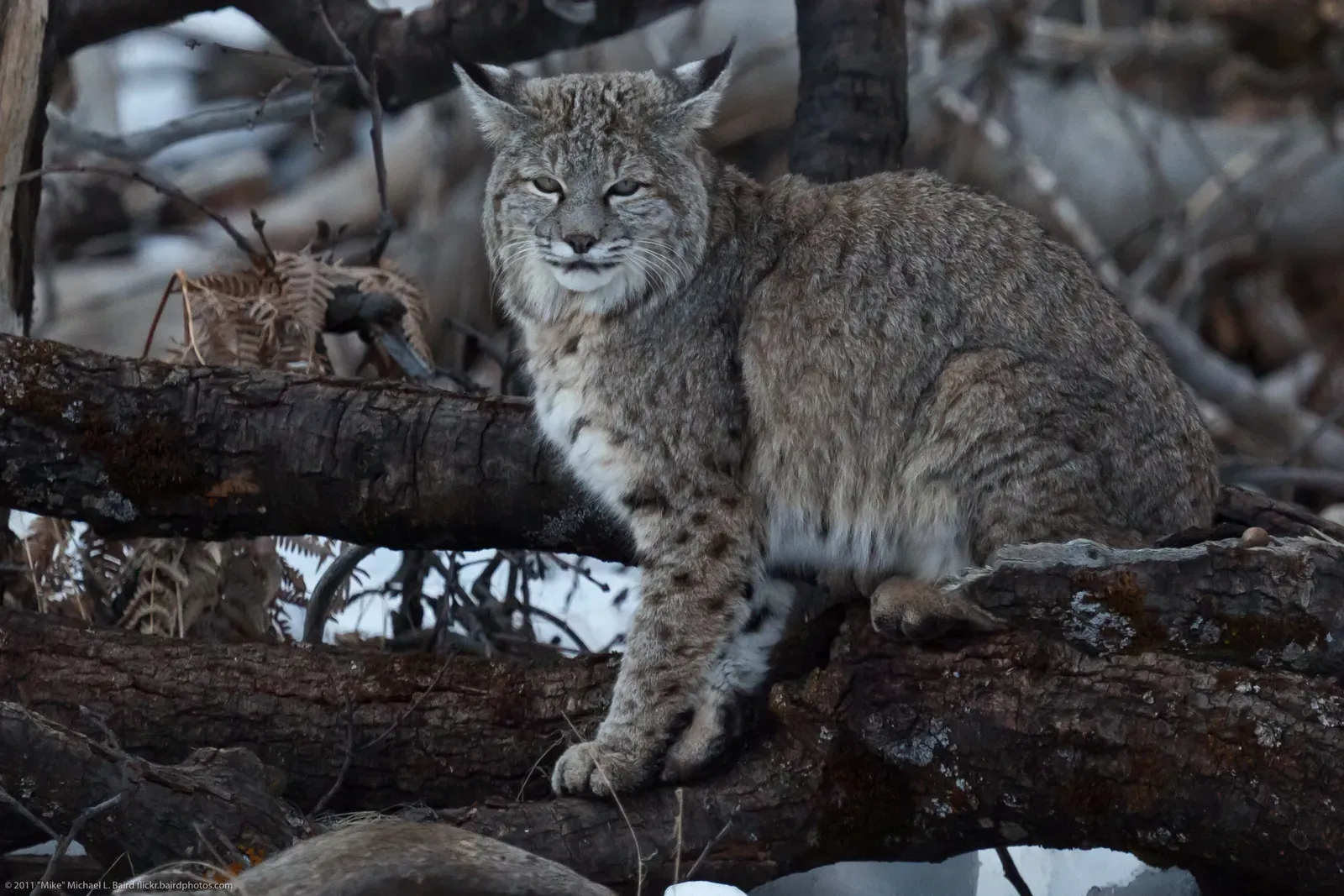
The bobcat is crepuscular and is active mostly during twilight. It keeps on the move from three hours before sunset until about midnight, and then again from before dawn until three hours after sunrise. Each night, it moves from roughly three to eleven kilometers along its habitual route. Picture a soldier conducting a nightly patrol – methodical, silent, and purposeful. That is essentially what a bobcat does every single night of its life.
This behavior may vary seasonally, as bobcats become more diurnal during fall and winter in response to the activity of their prey, which are more active during the day in colder weather. Bobcats have more rods and cones in their eyes, allowing for better vision in the dark, and the bobcat’s eye has an elliptical shape with a larger cornea, allowing more light to enter so prey or predators are more prominent at night. Evolution, in its quiet way, has given you a night-vision system most tech companies would be jealous of.
The Art of the Hunt: Feeding and Prey
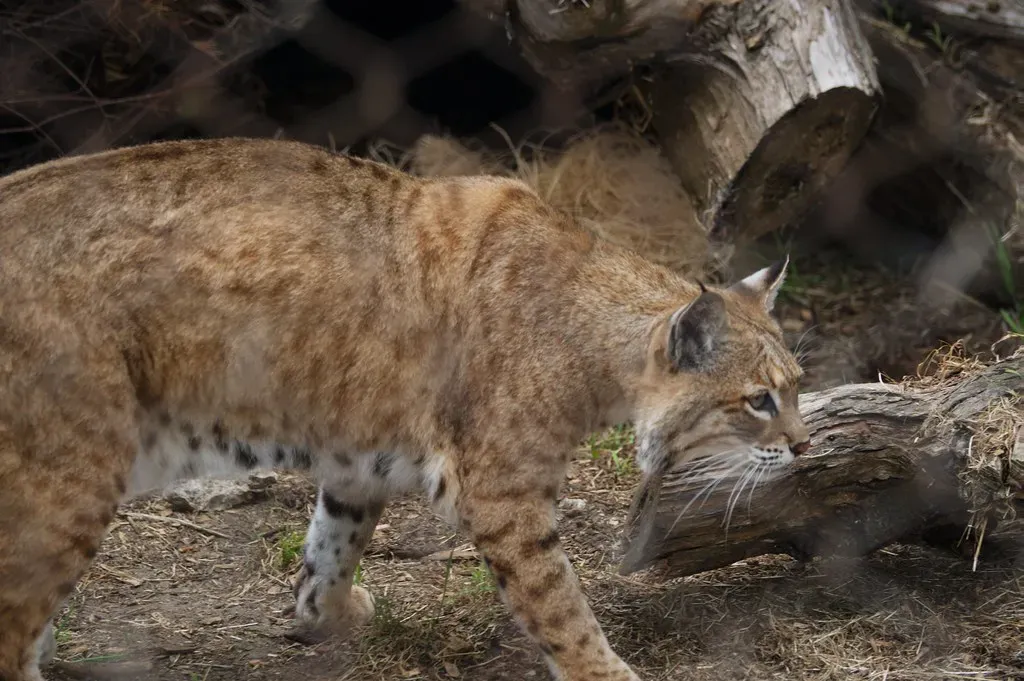
Though the bobcat prefers rabbits and hares, it hunts insects, chickens, geese and other birds, small rodents, and deer. Prey selection depends on location and habitat, season, and abundance. Bobcats hunt primarily by sight and sound, meaning they spend much of their time sitting or crouching, watching, and listening. Once they have located prey, they stalk until they are close enough to make a quick dash, then attack. Think of it like a chess game where the bobcat almost always wins.
Stealthy hunters, they stalk their prey, then pounce and, if successful, kill with a bite to the vertebrae of the neck. A bobcat will often cover, or cache, the remains of a large kill with snow, grass, or leaves, revisiting the carcass until most of it is consumed. Bobcats are excellent climbers and can run at speeds of up to thirty miles per hour. That combination of patience and explosive speed makes them extraordinarily effective in the field.
Territory, Home Range, and the Solitary Life
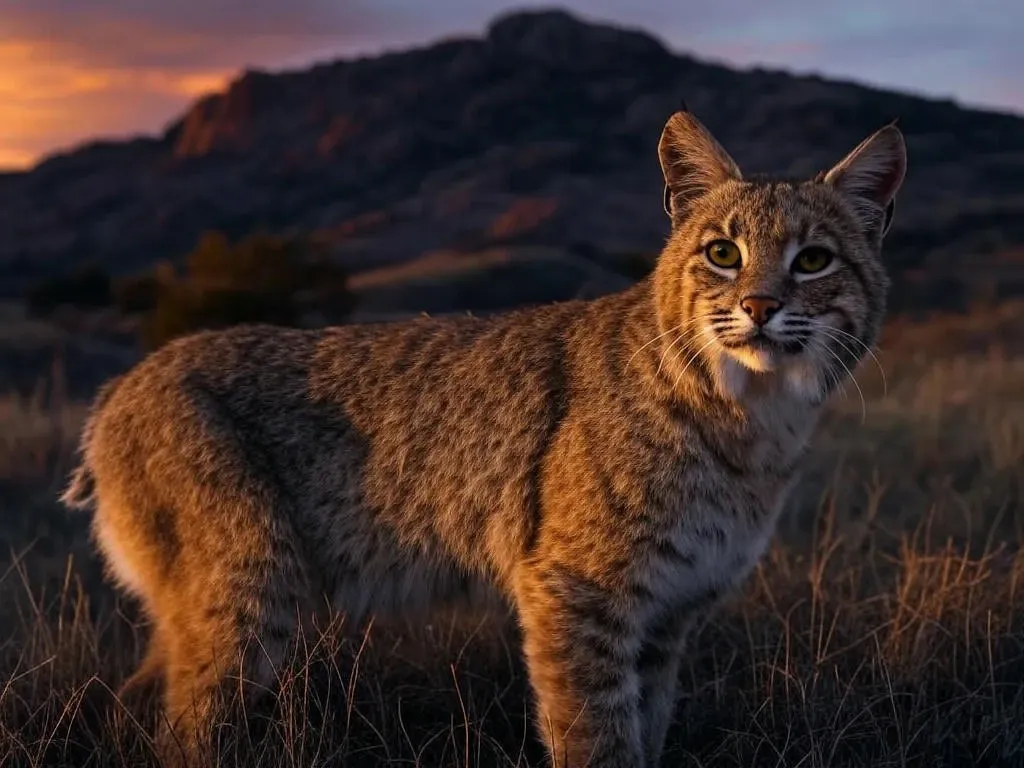
Like most cats, the bobcat is territorial and largely solitary, although with some overlap in home ranges. It uses several methods to mark its territorial boundaries, including claw marks and deposits of urine or feces. The home range is marked with feces, urine scent, and by clawing prominent trees in the area. In its territory, the bobcat has numerous places of shelter, usually a main den, and several auxiliary shelters on the outer extent of its range, such as hollow logs, brush piles, thickets, or under rock ledges.
The sizes of bobcats’ home ranges vary significantly. One study in Kansas found resident males to have ranges of roughly twenty-one square kilometers, and females less than half that area. A successful male’s home range overlaps with those of several females and may also overlap the territory of another male. The home ranges of females, which are smaller than those of the males, do not overlap one another. There is something poetic about an animal that lives entirely alone but still maintains such a complex, invisible social map.
Mating, Reproduction, and Raising Young
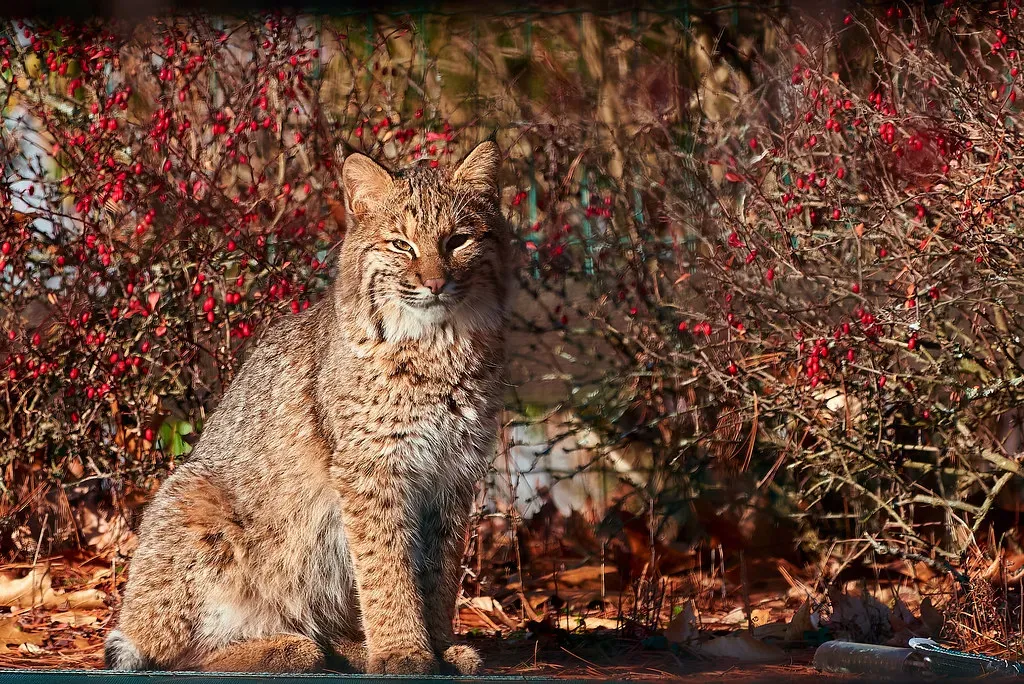
Breeding can occur year-round, but generally peaks from December to May, with mating reaching a peak in late winter from February to March, and birthing peaking in early spring from April to June. Bobcat vocalizations like hissing, yowling, and screeching become more common during mating season, and male bobcat behavior changes as they begin to travel further than their normal range in order to find mates. Female bobcats leave scent markings for the males to follow.
The gestation period in bobcats ranges from fifty to seventy days, with an average of sixty-two days. Most young are born from March to July, weighing about two-thirds of a pound at birth, with litters containing between two and four kittens. Female bobcats bring meat to their young and teach them how to hunt after they are weaned, staying with them for almost a year. Male bobcats do not help raise their offspring. The entire burden of raising the next generation falls entirely on the mother, and she handles it with fierce dedication.
Urban Bobcats: Life on the Human Edge
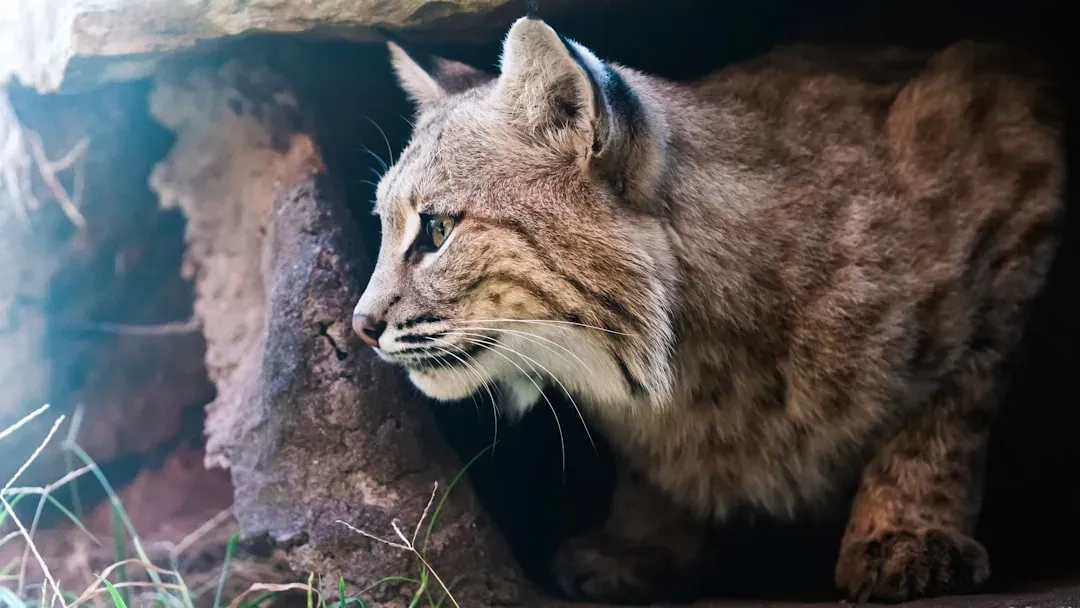
The most widespread wild cat in North America, bobcats are adapting surprisingly well to suburban environments as human development spreads. Yet this adaptation comes at a cost and requires human acceptance. The animal may appear in back yards in “urban edge” environments, where human development intersects with natural habitats. Here’s the thing – you may have one living within a mile of your home right now without ever knowing it.
As humans develop grasslands, woodlands, and other preferred bobcat habitat, these animals must adapt to survive, learning to navigate roadways that dissect the territories where they hunt, find mates, and raise young. They are at risk of road fatalities and inbreeding within isolated populations, and also face threats from human actions such as use of rodenticides that lace bobcat prey with poisons. Roads and highways are a leading cause of bobcat mortality in some areas. The urban frontier is as dangerous as it is full of opportunity for this resilient cat.
The Hidden Threat: Rodenticides and Conservation Challenges
Rat poisons don’t just kill rats; they kill wildlife too. Wildlife species are exposed to anticoagulant rat poisons when the poisons are used in urban and agricultural areas to target species such as rodents. Those who consume the poisons do not die immediately of the internal bleeding they are intended to cause, and it can take more than a week for a poisoned rodent to die. In the meantime, if a predator such as a bobcat preys on the poisoned rodent, the bobcat becomes poisoned too.
One study in the Santa Monica Mountains found that an astonishing ninety-two percent of local bobcats had rodenticides in their systems, with exposure beginning before birth, and bobcats being repeatedly exposed throughout their lives. Conservation and management strategies for bobcats include maintaining and restoring wildlife corridors, reducing the use of rodenticides, and monitoring populations through field surveys and camera trap studies. The bobcat is listed as Least Concern on the IUCN Red List due to its wide distribution and large population, yet the quiet, invisible threat of chemical exposure in urban environments deserves far more attention than it currently receives.
Conclusion: The Ghost in Our Midst
The bobcat is one of North America’s most successful wild predators, and yet it lives an almost entirely invisible life by our side. It hunts just beyond the glow of streetlights. It raises its kittens in patches of brush you drive past every day. It marks territories with the same quiet authority it has exercised for millions of years, completely indifferent to human schedules and anxieties.
What makes the bobcat truly extraordinary is not just its hunting skill or its adaptability, though both are remarkable. It is the fact that this animal, fierce and self-sufficient, asks almost nothing from us except to be left in peace. The real question is whether we are wise enough to give it that. Next time you pass a thicket of dense brush at dusk, look a little closer. You might just be sharing the moment with a predator that has been there all along.
What do you think? Could knowing more about the secret life of the bobcat change the way you look at the wild spaces in your own backyard? Tell us in the comments.