You’ve probably heard it a million times. Cats are aloof. Stubborn. Indifferent. They ignore you on purpose, knock things off tables for no reason, and generally act like they couldn’t care less about your existence. Here’s the thing, though: what if we’ve been getting it wrong this whole time? That classic cat attitude isn’t rudeness or a lack of affection. It’s actually the result of a sophisticated, calculated intelligence that operates on a completely different wavelength than what we’re used to.
Despite their popularity, cats are still often thought of as less social, less capable of feeling emotion, and less trainable than dogs. Yet these assumptions fall apart when you actually look at the science behind feline cognition. The reality is that cats possess remarkable problem-solving abilities, complex decision-making processes, and a type of intelligence that’s been fine-tuned over millions of years. Their behavior isn’t random or spiteful; it’s logical, strategic, and deeply rooted in their evolutionary history as both predators and prey. So let’s get started on uncovering the truth behind those mysterious feline minds.
They’re Not Ignoring You, They’re Exercising Autonomy
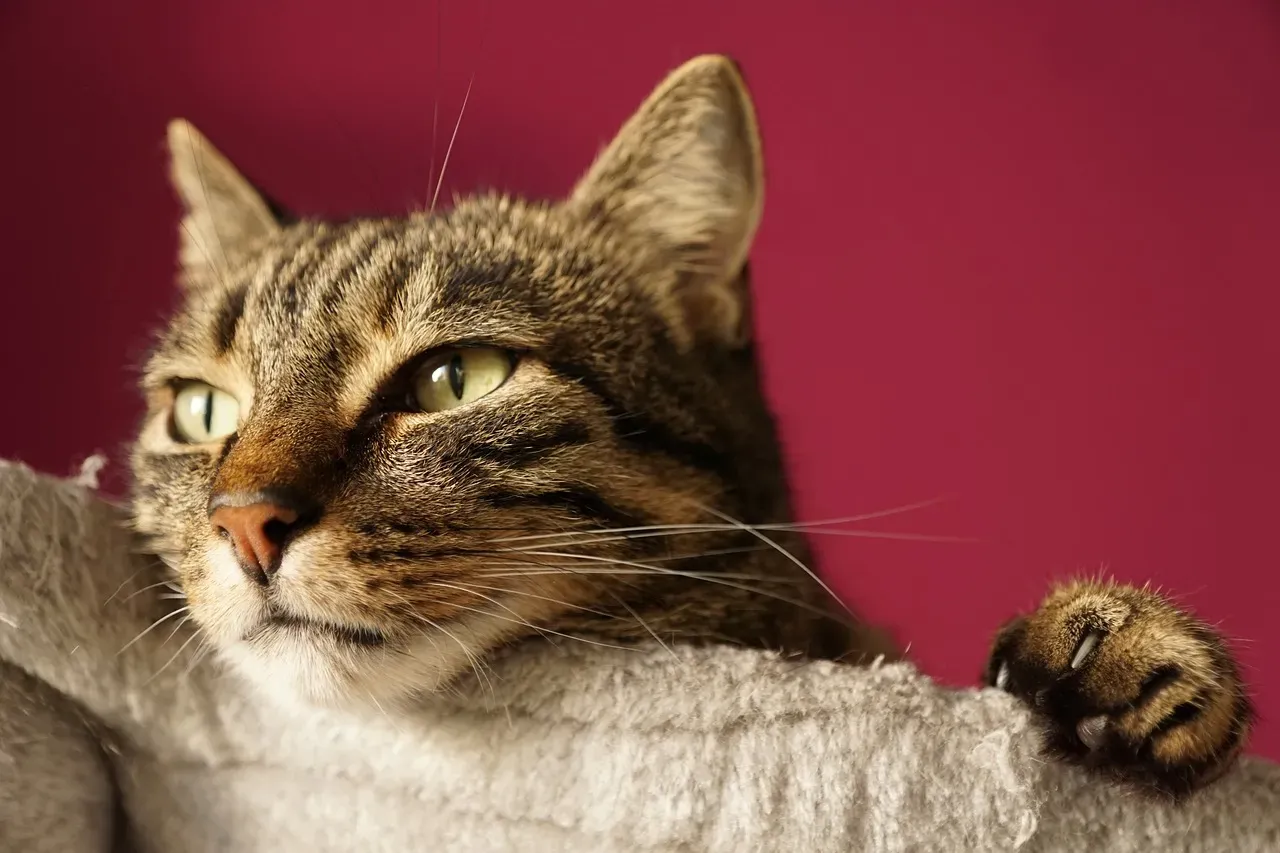
Let’s be real: one of the most frustrating things for cat owners is calling your cat’s name and watching them completely ignore you. You know they heard you. Their ears twitched. Yet they continue grooming themselves or staring out the window like you don’t exist. It feels personal.
Research has shown that cats know their own name and can distinguish it from similar-sounding nouns and even the names of other cats in the household. This means your cat certainly understands you when you call them – they are simply choosing not to respond. This isn’t about being rude or dumb. Cats are selective responders – they pay attention when it suits them, not because they lack understanding. Unlike dogs, who have been bred for thousands of years to respond to human commands, cats domesticated themselves. These cats domesticated themselves in human societies by catching prey that was hanging around rice stores – a relationship that had mutual benefits for both felines and humans.
Think about it: your cat isn’t failing to understand your command. They’re actively weighing whether responding is worth their time. That’s not stupidity. That’s calculated decision-making. When your cat ignores your calls, it’s not necessarily indifferent, but rather it may be in a highly cognitive state of focus or vigilance. This seemingly independent behavior is a top-level survival intelligence that they have evolved over millions of years.
The Neuron Advantage Nobody Talks About
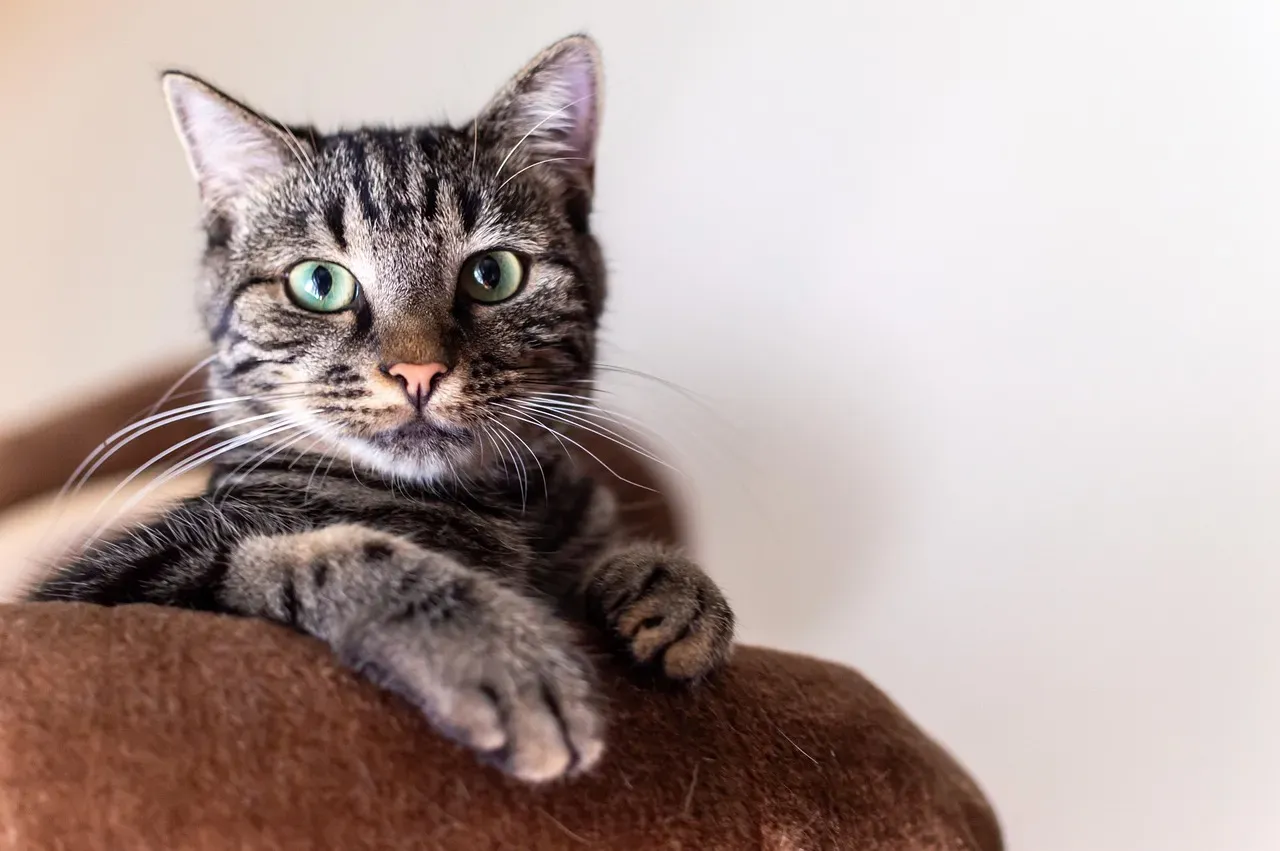
Want to know something surprising? Domestic cats possess about 300 million neurons in their cerebral cortex – the brain region linked to thinking, planning, and complex behavior – compared to dogs’ 160 million. Yeah, you read that right. Cats have nearly double the neurons dogs have in the part of the brain responsible for problem-solving and information processing.
I know what you’re thinking: if cats are so smart, why don’t they act like it? Here’s where it gets interesting. The feline brain’s structure and surface folding is 90 percent similar to that of humans. That’s remarkable. Structurally, a cat’s brain shares similarities with the human brain, containing around 250 million neurons in the cerebral cortex. Cats display neuroplasticity, allowing their brains to reorganize based on experiences. They have well-developed memory retaining information for a decade or longer.
While neuron count doesn’t tell the whole story, it does suggest that cats are neurologically equipped for sophisticated mental processing. The difference is how they choose to use that brainpower. Dogs evolved alongside humans as pack animals, so their intelligence is geared toward social cooperation and following commands. Cats? They’re solitary hunters who need to outsmart prey and avoid becoming prey themselves. Their intelligence operates on a completely different axis.
Object Permanence: They Remember What You’ve Forgotten
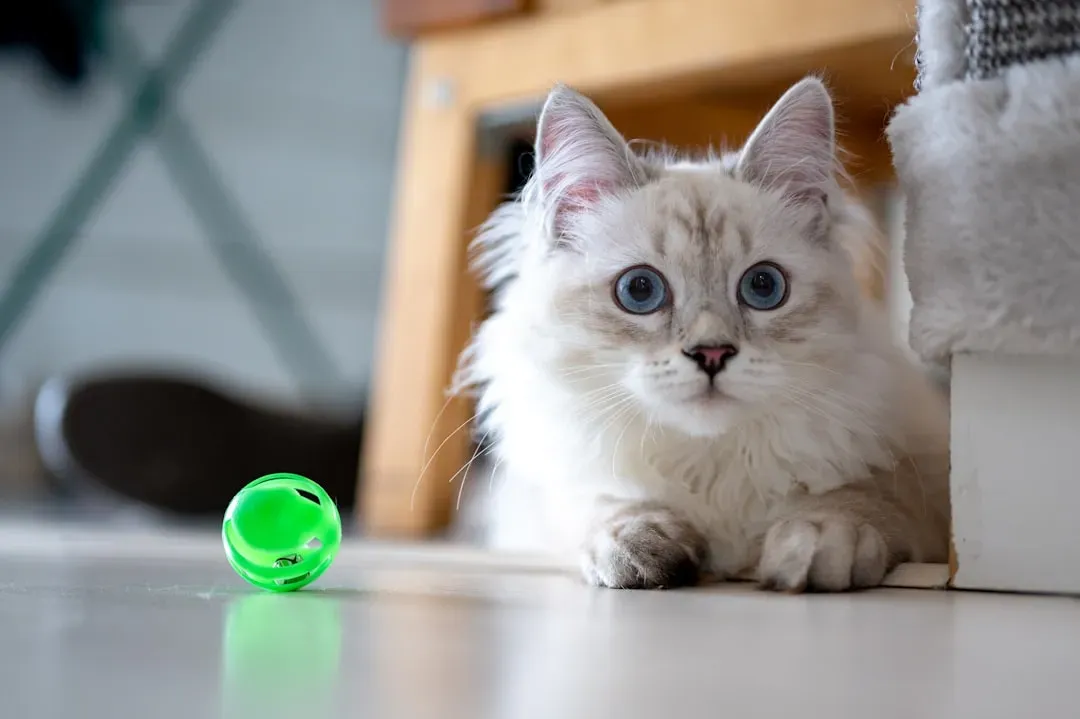
Ever play hide-and-seek with your cat using a toy? You hide it behind your back, and they immediately know it’s still there. That’s not luck. That’s object permanence, a cognitive skill that demonstrates sophisticated mental representation.
Based on several studies, behaviorists believe an adult cat’s intelligence is comparable to that of a 2-year-old human toddler. Studies have shown cats have object permanence recognition, an awareness of objects that aren’t directly visible. This means that when something disappears from view, your cat doesn’t think it’s gone forever. They understand it still exists and can mentally track it. Studies show that cats mastered Stage 5, in which they saw a desirable object such as tasty food, and then it disappeared behind a box. The cats searched for and found the food.
What’s fascinating is that this ability requires abstract thinking. Your cat isn’t just reacting to visual stimuli; they’re forming mental maps and predictions about the world around them. Cats, however, returned to the correct box as long as 16 hours later, exhibiting a power of recall superior to that of monkeys and orangutans. That’s not just impressive memory. That’s the kind of cognitive processing we associate with highly intelligent species.
Problem Solvers, Not Obedient Followers
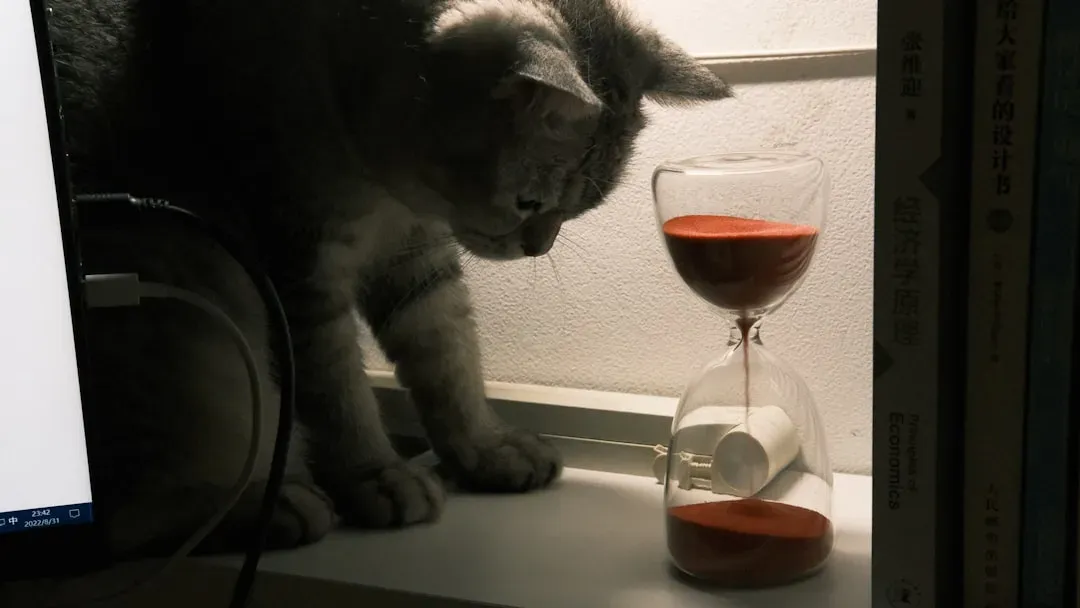
Dogs get praised for being trainable, but is obedience really the best measure of intelligence? Cats can learn commands too, but they’re less motivated to perform on command. That doesn’t mean they’re less smart; it means they’re evaluating the situation differently.
Researchers found that cats use logical reasoning to access rewards through trial and error. When faced with a puzzle or challenge, cats will keep experimenting until they find a solution. Cats will keep trying to solve a puzzle long after a dog has given up, and they’re often quicker at finding solutions – like figuring out how to open doors or kitchen cabinets. Thanks to their natural curiosity, cats are more determined when it comes to finding solutions to their problems.
I think this reveals something important about how we measure intelligence. We’ve been conditioned to think that intelligence equals compliance. Yet if you consider real-world problem-solving ability, cats excel. Cats learn by observation, imitation, trial and error just as humans do. Stories abound which describe cats turning doorknobs to open doors, ringing doorbells, opening cupboards, turning off lights, and even using the toilet solely by observing the owner performing these activities. That’s observational learning, a sign of advanced cognition.
The Predator-Prey Duality Shapes Every Decision
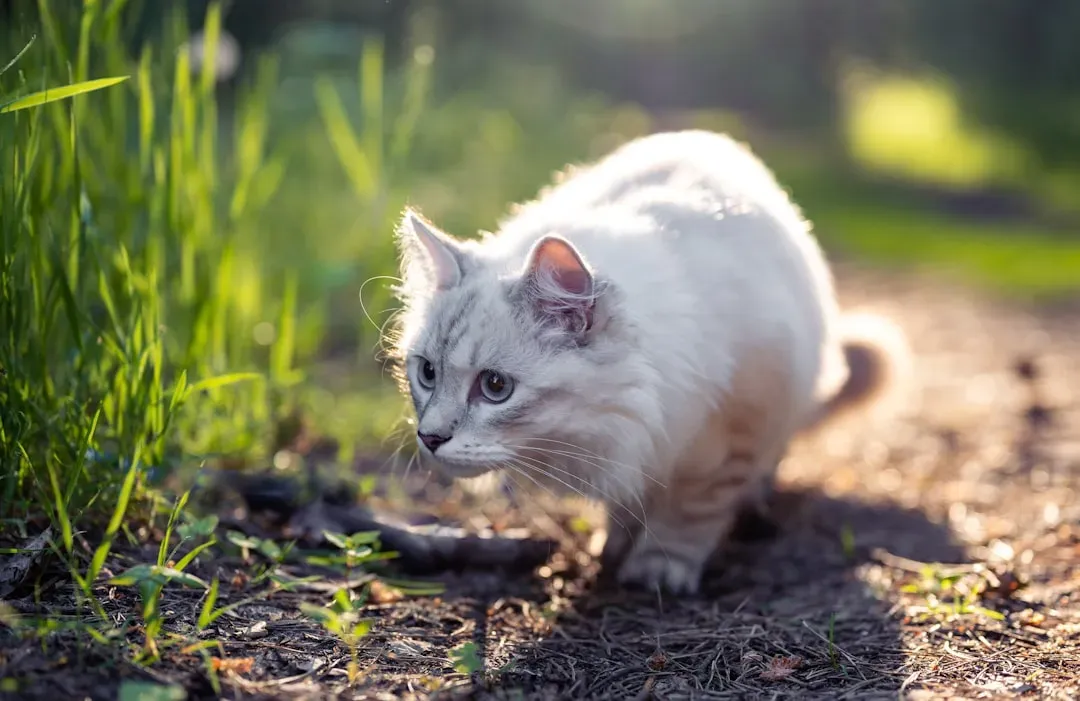
Here’s something most people don’t realize: cats occupy a unique ecological position. Cats play a unique dual role in the food chain: they are both efficient predators and prey for small and medium-sized animals (such as snakes or birds of prey). This dual role has shaped their entire cognitive framework.
As predators, cats need heightened senses and split-second decision-making abilities. A cat’s senses must be highly coordinated and focused at all times, ready to detect, track and capture prey. As prey, they need constant vigilance and the ability to assess threats instantly. This creates a cognitive system that’s always running multiple calculations simultaneously: Is that movement a threat or an opportunity? Is this person trustworthy? What’s the safest escape route?
This explains so much of what we interpret as antisocial behavior. When your cat suddenly bolts from the room for no apparent reason, they’re not being weird. They might have detected a sound frequency you can’t hear or sensed a subtle change in air pressure. Their brain is wired to process environmental data constantly, making micro-adjustments to behavior based on perceived risk and reward. That’s sophisticated environmental intelligence.
Social Intelligence on Their Own Terms
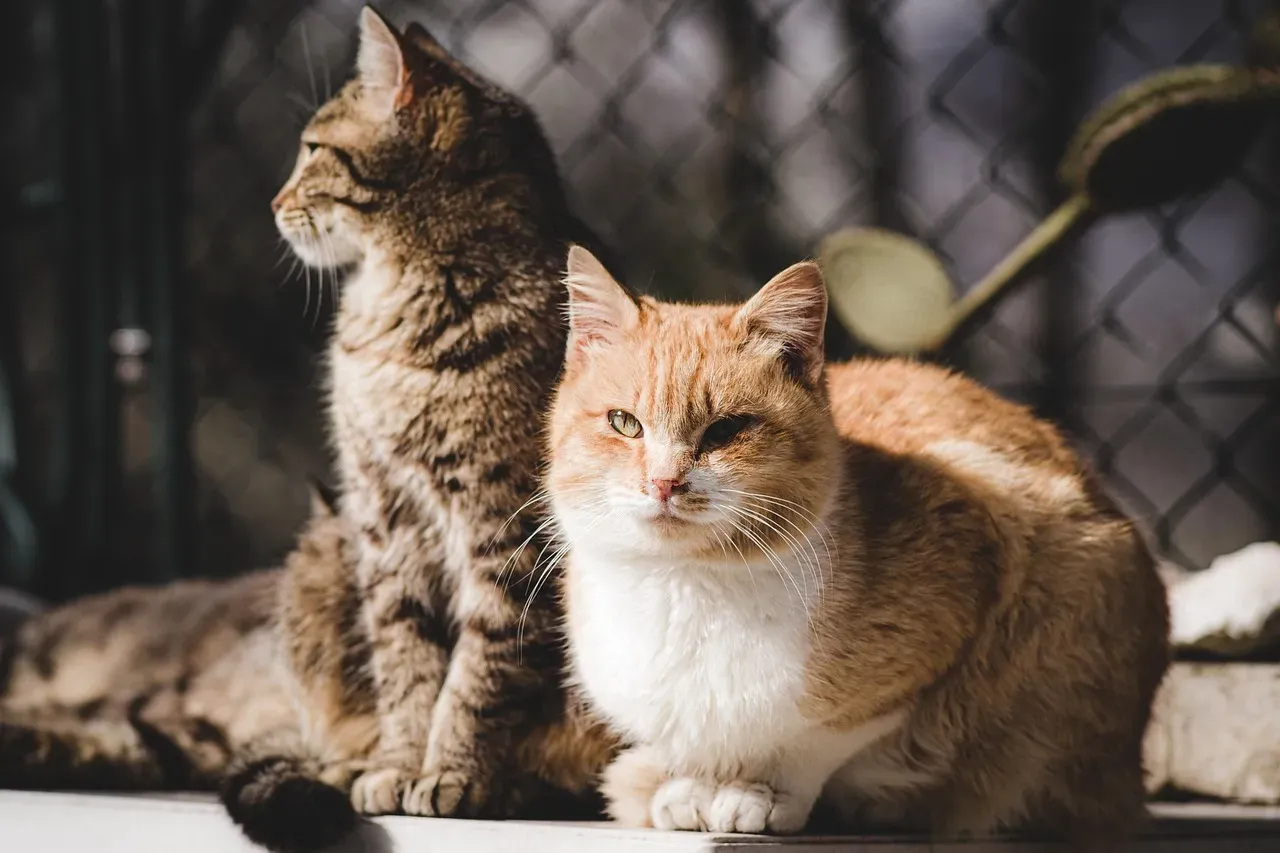
Cats are among the most popular pets worldwide, but there are still major gaps in the public’s general understanding of their social behaviors and related needs. In addition to these knowledge gaps, people often have negative or ambivalent attitudes about cats, which can directly impact their welfare outcomes. The truth is that cats are far more socially intelligent than we give them credit for. They simply express it differently.
Recent research has shown that cats have remarkable social cognitive abilities. For example, they can follow human pointing and gazing cues, and they can discriminate human emotional expressions and attentional states. They read our body language, vocal tones, and even facial expressions. Moreover, cats recognize their owners (voice and voice-face matching), and form attachment-like bonds.
The difference is that cats don’t feel compelled to demonstrate their affection constantly. A small Swiss study that quantified the human-cat interactions in 51 homes found that when the owners focused on other activities when sitting and ignored their cat, the cats were more likely to approach them and want to engage. Cats prefer to control the terms of social interaction. They want to be the initiators. That’s not aloofness; that’s boundary-setting, which actually requires a high degree of social awareness and self-regulation.
Strategic Timing and Internal Clocks
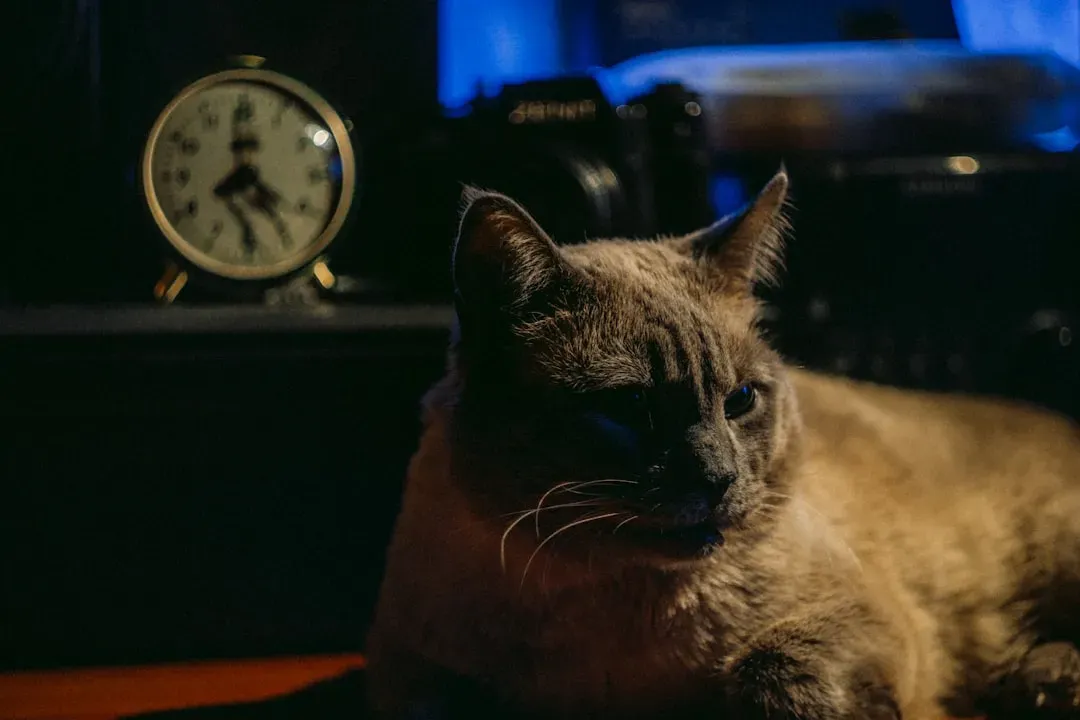
Ever notice how your cat seems to know exactly when it’s dinnertime, even if you haven’t established a strict schedule? That’s because cats possess remarkable time perception abilities. Research shows cats have internal clocks that help them anticipate events and establish routines.
This temporal awareness extends beyond simple hunger cues. Cats can track patterns in your behavior and adjust their own actions accordingly. Cats use daylight levels and natural sounds to help regulate their internal clocks. Cats are often most active during dawn and dusk, when their natural prey are most active as well. They’re essentially operating on an ancient biological rhythm while simultaneously adapting to modern human schedules. That takes cognitive flexibility.
What’s truly impressive is how cats use this time sense strategically. They learn when you’re most likely to give them attention, when the house is quietest for hunting (or zoomies), and when it’s safest to relax. Recalling positive and negative memories that influence current behavior, learning from past experiences to make future decisions, and storing information about people, places, and events all factor into their daily calculations. Your cat isn’t just living in the moment; they’re planning ahead based on learned patterns.
The Misconception of Spiteful Behavior
One of the biggest myths about cat intelligence is that they act out of spite. Owners who agreed with the sentiment that cats ‘often misbehave to get back at their owners for doing something that the cat doesn’t like’ were more likely to use positive punishment to deter unwanted behaviors. This is a fundamental misunderstanding of feline cognition.
Cats don’t possess the complex theory of mind required for revenge. Some researchers believe that cats may not be capable of experiencing complex emotions that require a sense of self or an understanding of the past, present, and future, such as guilt, pride, or grief. When your cat knocks your glass off the table, they’re not punishing you. Cats use their paws to investigate movement, texture, and cause-and-effect relationships. It’s a form of environmental interaction and play, which supports cognitive development.
Similarly, when cats urinate outside the litter box or become destructive, there’s always a logical reason rooted in stress, medical issues, or environmental factors. Beliefs such as these are not supported by the scientific data on cat social behavior and may result in failure to meet cats’ individual social or environmental needs. Understanding that your cat operates on logic rather than emotion helps you address behavioral issues more effectively.
The Hunt-or-Be-Hunted Cognitive Framework
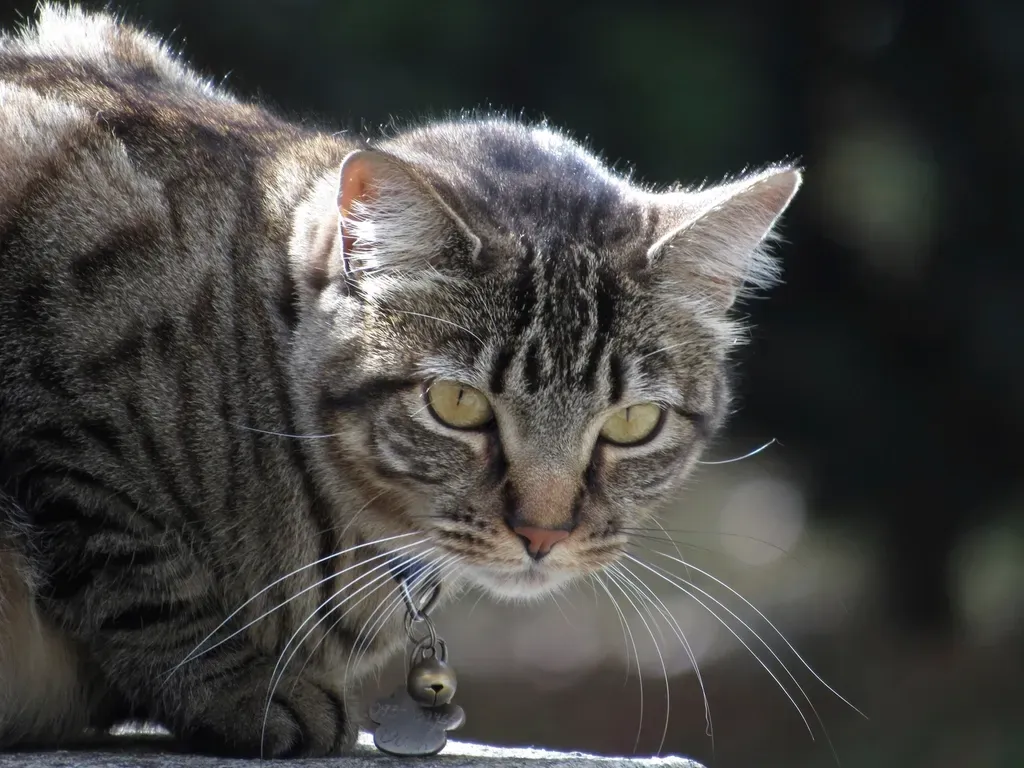
Let’s talk about something fascinating: how a cat’s brain processes threats versus opportunities. Cats can detect tiny movements, air currents, or high-frequency sounds humans can’t perceive. This isn’t just superior sensory equipment; it’s a different way of experiencing reality entirely.
Cat behavior is based so much on natural survival instincts. Cat mothers in the wild will only use vocal communication with their kittens as a warning or alert to danger. If there is no imminent danger or need to communicate, well, a cat is literally not going to waste her breath. This explains why cats are so economical with their vocalizations and responses. Every action is evaluated through a survival cost-benefit analysis. Is this worth my energy? Does this enhance my safety? Will this improve my position?
It’s hard to say for sure, but this might explain why cats seem “dramatic” about small changes in their environment. New furniture, a different scent, an unfamiliar person – these aren’t trivial details to a cat. They’re potential threats that need assessment. The cats searched at the visible targets first and at the hidden targets last, which was referred to as the visibility rule. The results also revealed that the position of the bowl that was distinct influenced the way this cognitive rule was implemented. Cats are constantly applying decision-making rules based on what they can perceive and what they remember.
Individual Variation and Personality
Just like humans, cats display enormous individual variation in cognitive abilities and personality traits. Some cats may excel at cognitive tasks while others struggle, influenced by factors including genetics, early socialization, environmental history, health status, and individual temperament.
Some cats are naturally more curious and exploratory, traits that correlate with problem-solving ability. Others are more cautious and observant. Neither approach is less intelligent; they’re just different cognitive styles. Decision-making about cat social living should incorporate understanding of the specific individuals in question based on available history, behavioral observations, and relatedness to minimize behavioral and physiological indicators of distress.
This individual variation means that generalizations about cat intelligence can be misleading. Your neighbor’s cat might be a door-opening genius while your own cat prefers to meow until you open it for them. That doesn’t mean one is smarter; they’ve simply optimized different strategies. Genetics also play a role in feline intelligence. Certain breeds, such as British Shorthairs and Siamese cats, are known for their high intelligence levels. However, it’s important to note that genetics are just one factor, and socialization and training can also have a significant impact on a cat’s cognitive abilities.
Why the “Cat Attitude” Is Actually Intelligent Design
So what does all this add up to? For a long time, cats have been stereotyped as aloof, independent, and even untrainable. Yet from the perspective of cognitive science, these misunderstood behaviors are precisely a manifestation of their remarkable intelligence.
Every behavior we’ve labeled as attitude, stubbornness, or indifference is actually the result of millions of years of evolutionary fine-tuning. Cats aren’t being difficult when they ignore you; they’re exercising independent judgment about whether responding serves their interests. They aren’t being vindictive when they knock things over; they’re experimenting with physics and cause-and-effect relationships. They aren’t being antisocial when they hide; they’re engaging in threat assessment and safety planning.
Your cat is far smarter than you realize – they just express intelligence on their own terms. The so-called cat attitude isn’t a flaw in their character. It’s the external manifestation of a highly sophisticated cognitive system designed for survival, problem-solving, and strategic decision-making. Once you understand that your cat’s brain is constantly running complex calculations about risk, reward, social dynamics, and environmental factors, their behavior starts making perfect sense. They’re not being jerks. They’re being logical.
What we’ve been calling attitude is actually intelligent feline logic in action. And honestly, maybe it’s time we stopped expecting cats to think like dogs and started appreciating the unique cognitive gifts they bring to our lives. Did you expect that? What do you think about it? Tell us in the comments.