Have you ever wondered what’s going through your cat’s mind when they suddenly start rhythmically pushing their paws against you? You’re relaxing on the couch, and your furry companion hops up, gets comfortable, and begins this peculiar motion that feels like a gentle massage. Honestly, it’s one of the most endearing things cats do. This behavior, affectionately called ‘making biscuits,’ is more than just a quirky habit.
Let’s be real, cats can be mysterious creatures. They do things that make us laugh, scratch our heads, or sometimes wince when those claws dig in just a little too deep. Yet this particular behavior is packed with meaning, emotion, and ancient instinct. Get ready to discover why your feline friend is quite literally kneading you and what this adorable action reveals about their feelings toward you.
It All Starts With Kittenhood
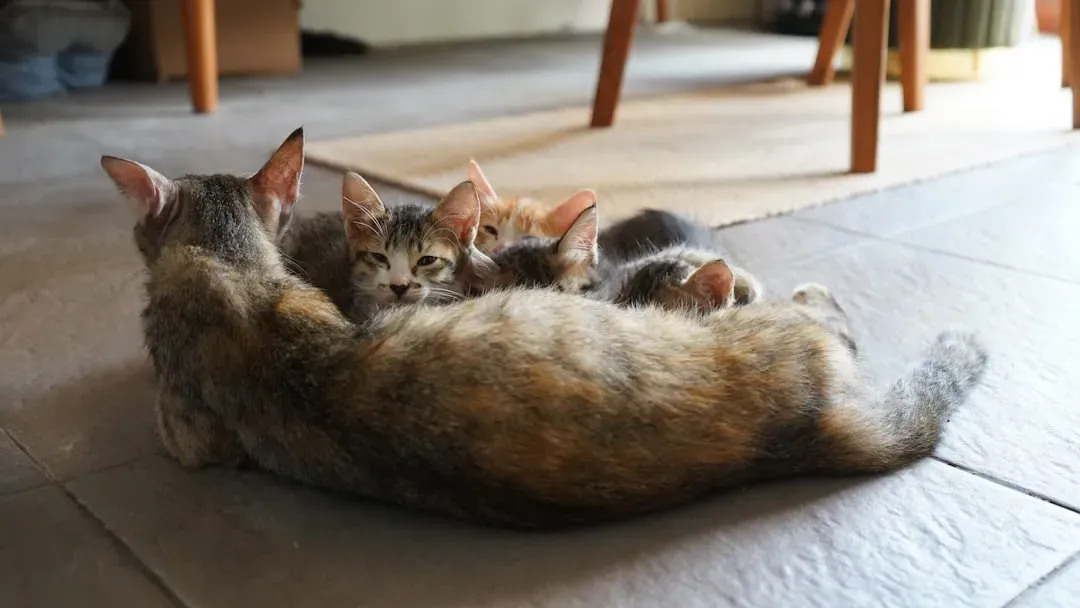
The roots of kneading trace back to when your cat was just a tiny kitten nursing from their mother, as the behavior helped stimulate milk flow from the mammary glands. This wasn’t something they had to learn; it came naturally from the very first moments of life. Picture a tiny ball of fluff instinctively knowing how to coax nourishment from their mom.
The kitten’s kneading action also releases oxytocin, a bonding hormone, in the mother during nursing. This creates a deep emotional connection between mother and kitten. Cats associate kneading with being near their mothers in those first few weeks, so they feel calm and comforted when they knead as adults. It’s like how certain smells or sounds can transport us back to childhood memories.
The Adult Cat Still ‘Makes Biscuits’
Many adult cats keep this behavior long after they’ve fully developed, which is part of a phenomenon called neoteny where domesticated animals retain juvenile traits into adulthood. Think about it this way: dogs act more like wolf cubs than adult wolves. Your cat is doing something similar when they knead you years after leaving their mother.
Adult cats’ connection with their earliest days helps explain when and where they knead, which is always on something soft and often on a favorite human or fellow pet in the household, as these juvenile behaviors that were once directed at the mother are now directed at their owner. You’ve essentially become their surrogate parent in their eyes. A cat will usually only knead on a person they feel safe with, and they may be preparing to nap on your lap, helping them relax while communicating they feel safe and happy.
Your Cat Is Telling You They Love You
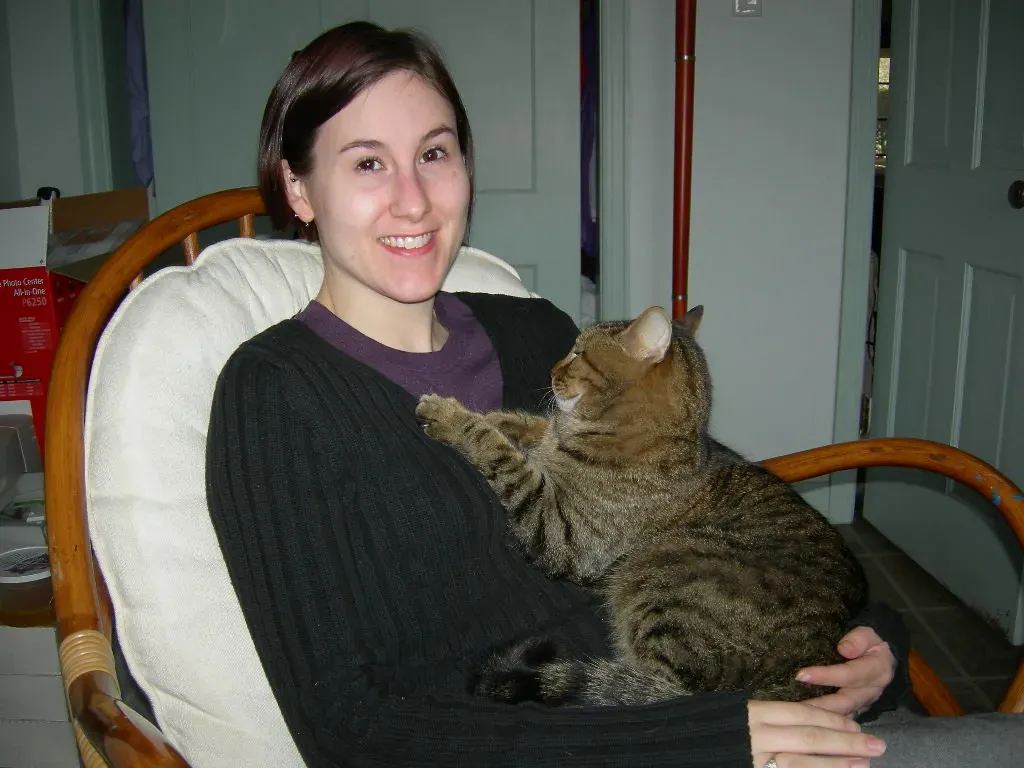
Here’s the thing most people don’t realize: when your cat kneads you, they’re giving you one of the highest compliments possible in feline language. Juvenile behaviors that used to be directed at the mother are now directed at the owner, and cats will knead on preferred people in the house or their favorite person, so kneading can be that affiliative social behavior that helps build a bond. Your cat has chosen you as their special person.
Kneading usually means the cat feels happy, friendly, and safe. When your cat kneads you, it can be a sign of affection since kneading is a behavior they performed as a kitten with their mother, conveying a sense of comfort and security with you. It’s their way of saying they trust you completely and feel utterly relaxed in your presence.
Marking Territory With Those Tiny Paws
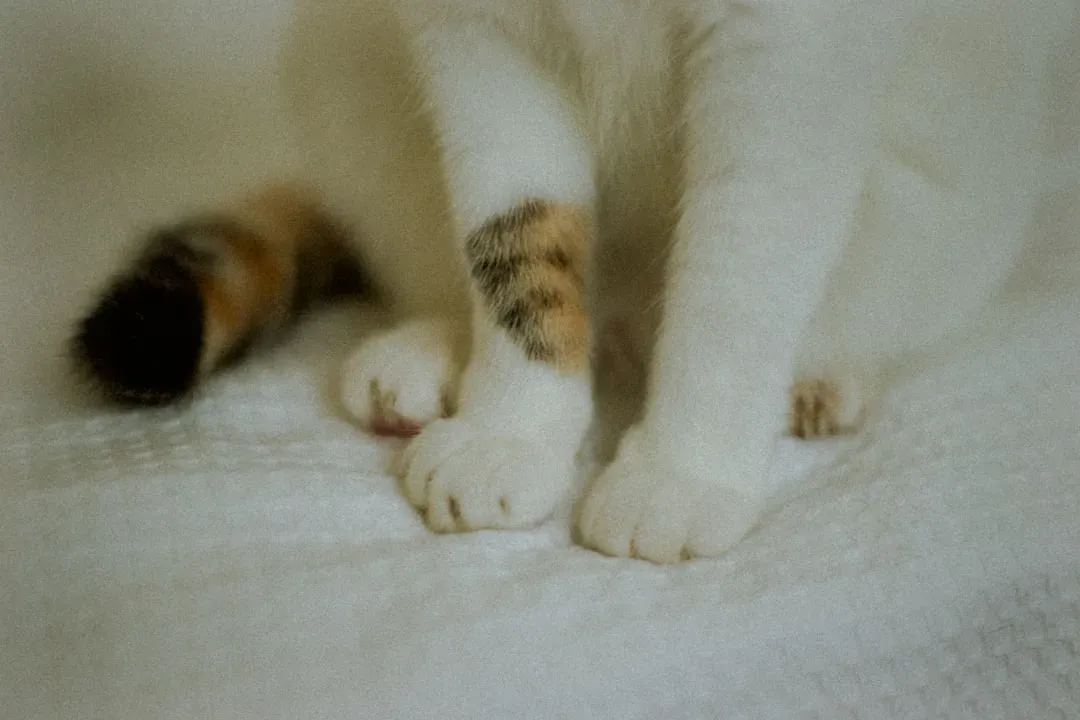
Cats have scent glands in their paws, and when they knead, they release their unique scent onto whatever surface they’re pressing. This isn’t as obvious as other territorial behaviors, yet it’s just as significant. Your cat is essentially claiming you as their own property.
Kneading stretches a cat’s muscles and activates scent glands in its paws, which can be a friendly way for the animal to stake its claim on a favorite human or sleeping spot. This behavior is their way of marking territory and claiming you as their own, reinforcing their bond with you and letting other pets know that you are their human. If you have multiple cats, you might notice they each have their favorite person they knead most often.
Preparing The Perfect Napping Spot
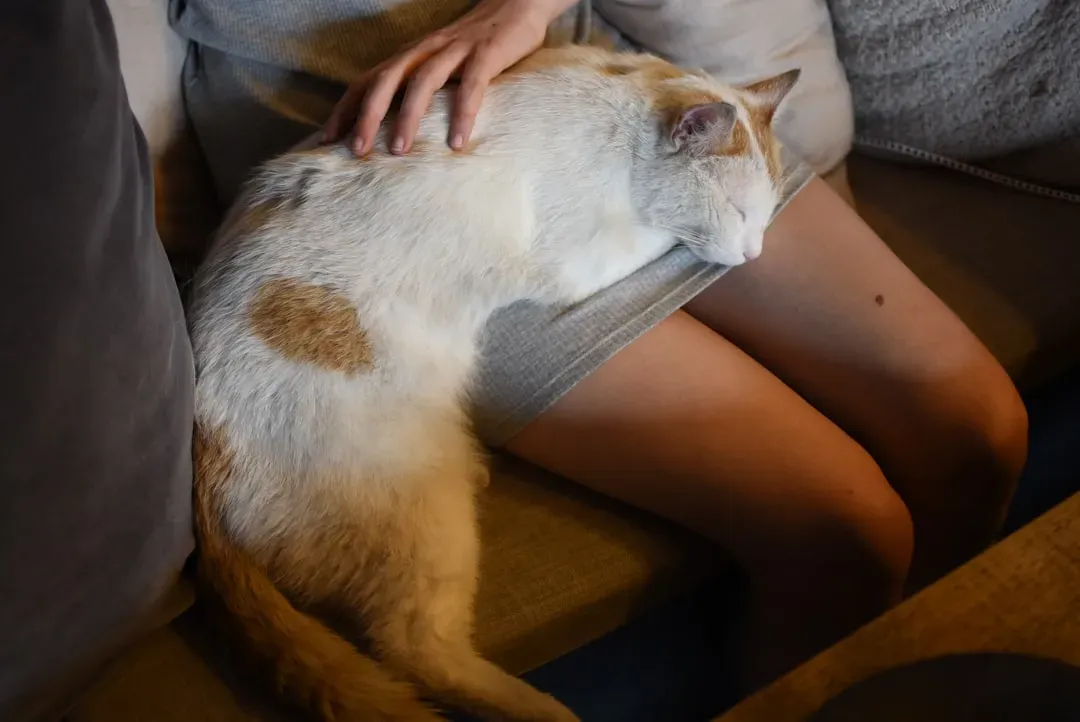
Kneading may originate from cats’ wild ancestors who had to tread down grass or foliage to make a temporary nest in which to rest. Wild felines didn’t have the luxury of cozy beds and plush blankets. They had to create their own comfort by flattening vegetation and checking for hidden dangers.
Wild cats will paw at piles of leaves or tall grass to create a nest for themselves and their young to relax and sleep in, not only creating a soft nest similarly to how we fluff pillows but also checking for predators, prey, or dangerous things hidden in the foliage. Even though your domestic cat sleeps on soft surfaces now, that ancient instinct remains hardwired. You may see your cat knead on your stomach or lap before tucking their paws under themselves for a snooze.
The Feel-Good Chemistry Behind Kneading
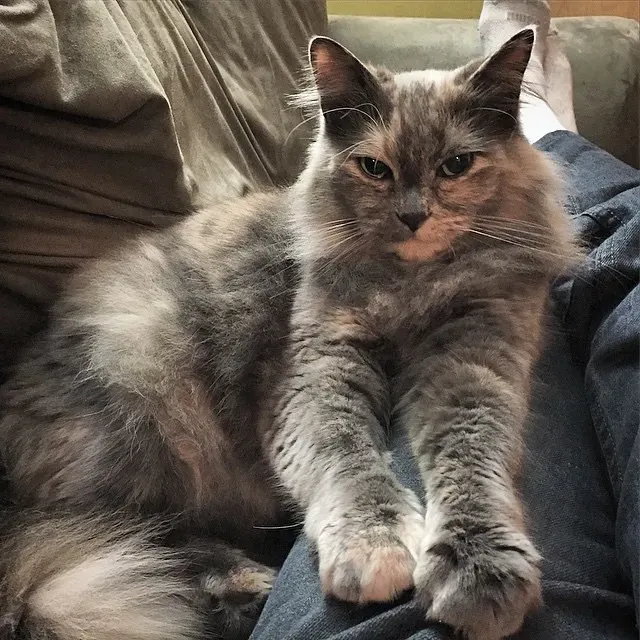
There’s actual science happening inside your cat’s brain when they knead. The action of kneading in cats causes the release of dopamine, a pain-relieving, feel-good chemical in the brain. This means kneading isn’t just about external comfort; it’s creating internal pleasure for your cat as well.
Cat kneading triggers the release of endorphins, which are natural mood enhancers, meaning that when your cat kneads, they are also experiencing a pleasurable sensation. It’s a self-soothing mechanism that dates back to those earliest nursing experiences. Think of it like how some people find repetitive motions calming during stressful moments.
Not All Kneading Looks The Same
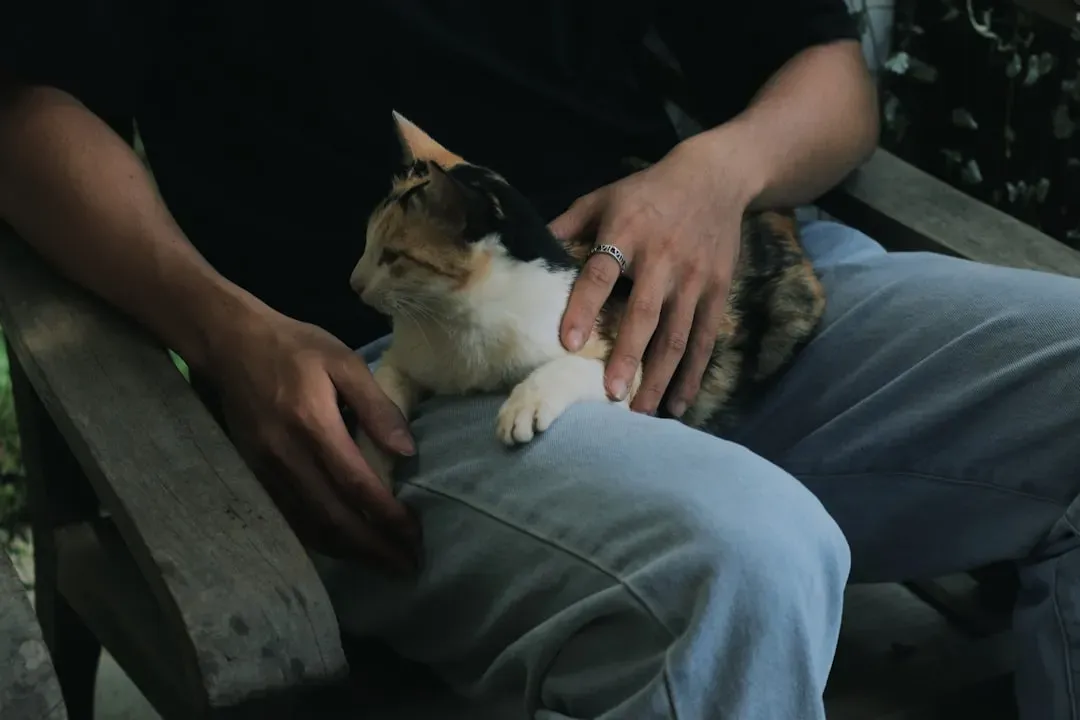
Every cat makes biscuits, yet the way a cat kneads and responds to kneading is unique to them and your relationship, as some cats may purr loudly and others soft, some use just their front paws whilst others use all four. You might have one cat who kneads delicately with just the tips of their paws and another who goes full throttle with all four feet.
Some cats might want to be petted while they’re kneading, some might just want to be talked to, and some might just want to knead with no other interaction. Cats may also appear to be in a trance when doing this, which is just another sign of how relaxed they are. Your cat might even drool a little bit during particularly blissful kneading sessions. Some cats start drooling when they knead, and those are the really happy guys.
When Kneading Might Signal Stress
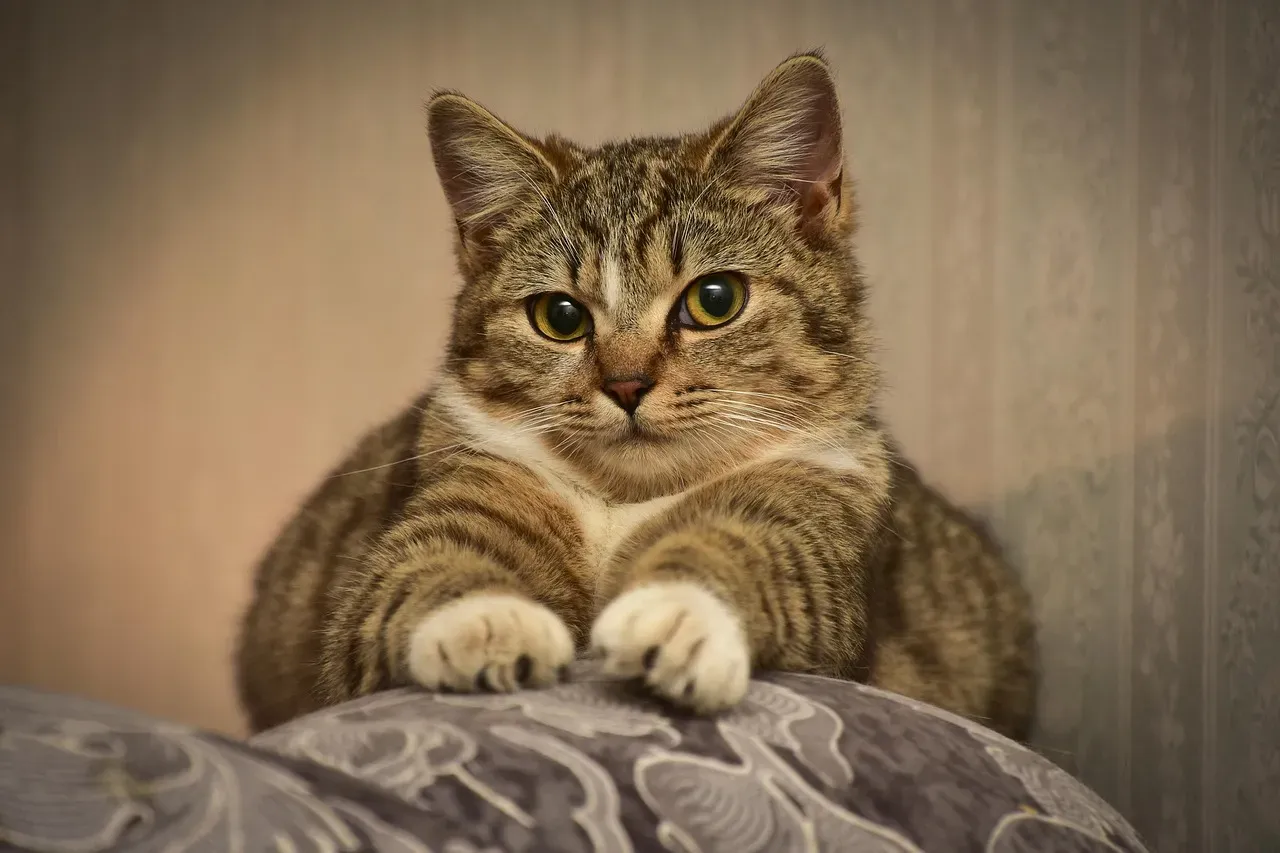
While kneading usually indicates contentment, it can occasionally mean something different. Increased or excessive kneading can be a sign that your cat is uncomfortable or anxious, and their kneading could be an attempt to soothe themselves. For some cats, kneading is a way to self-soothe, and if a cat is feeling anxious, they may instinctively make biscuits to calm themselves down, especially if there has been a recent change in their environment such as a new pet, a move, or a change in routine.
The release of dopamine also motivates your cat to continue kneading to receive additional bursts of the hormone, so excessive kneading can be a sign of a compulsive behavioral disorder. If you notice your cat kneading far more frequently than usual or doing it obsessively, it might be worth checking with your veterinarian. Sometimes what appears as comfort-seeking behavior masks underlying anxiety or medical issues.
Managing Those Sharp Little Claws
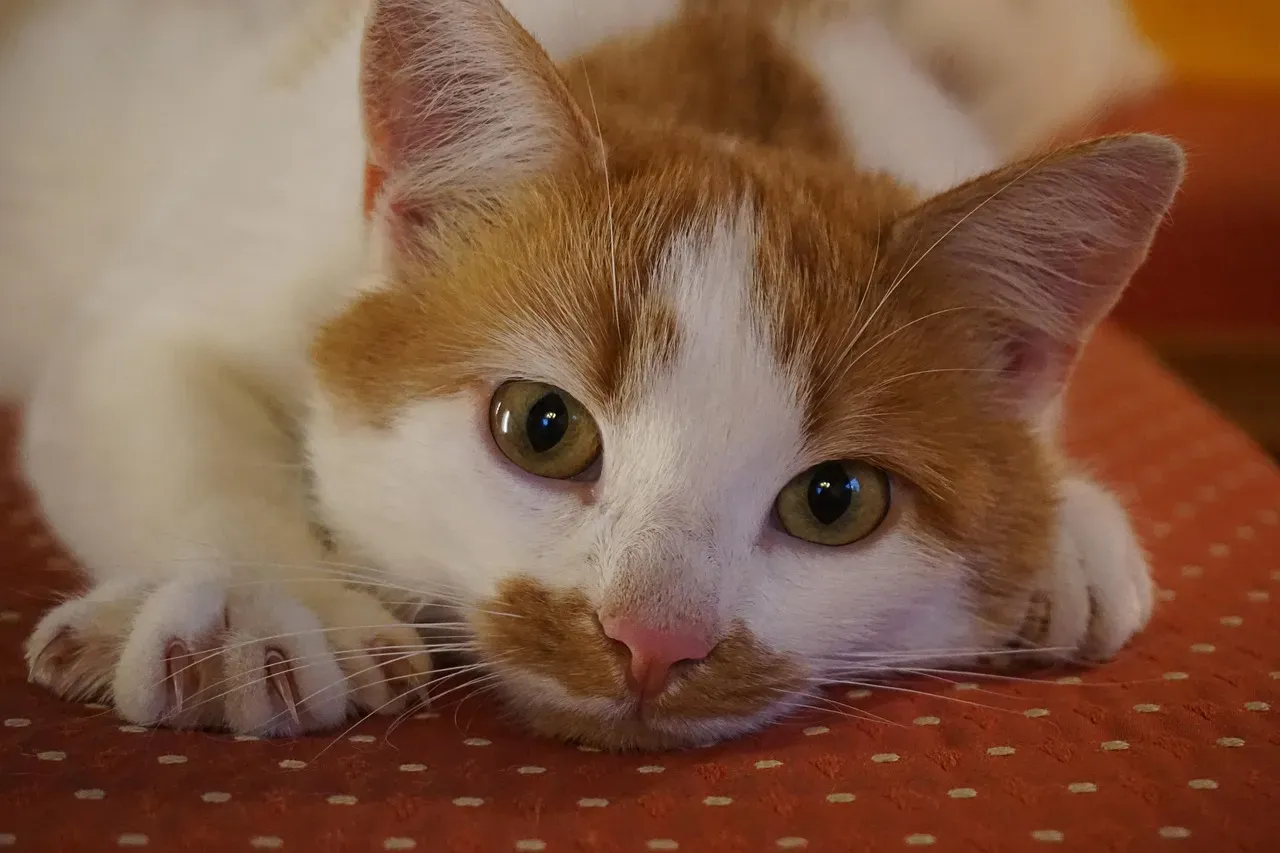
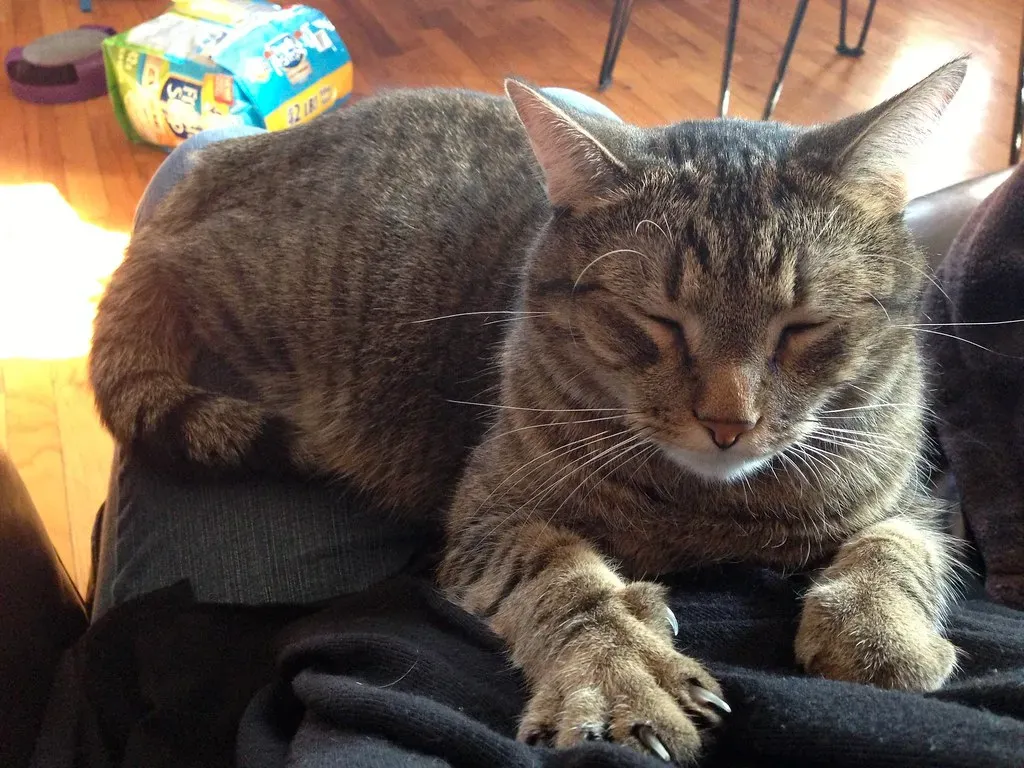
Let’s address the elephant in the room: kneading can hurt. This may prove painful if the cat is large or strong or has sharp claws, as the claws tend to dig into your lap. You don’t want to discourage the behavior entirely since it’s such a positive expression of affection, yet you also don’t want to become a human pincushion.
You can strive to keep those claws trimmed, though you should never declaw your pet as that’s harmful, and consider grabbing a plush blanket or pillow to protect yourself. If your cat is sinking their claws in a little too much, try putting a soft barrier between you both like a cushion or a blanket, and you can also encourage your cat to lie down and relax by stroking them and gently pushing them down onto your lap. This way, you can still enjoy the bonding experience without the puncture wounds.
What If Your Cat Doesn’t Knead?
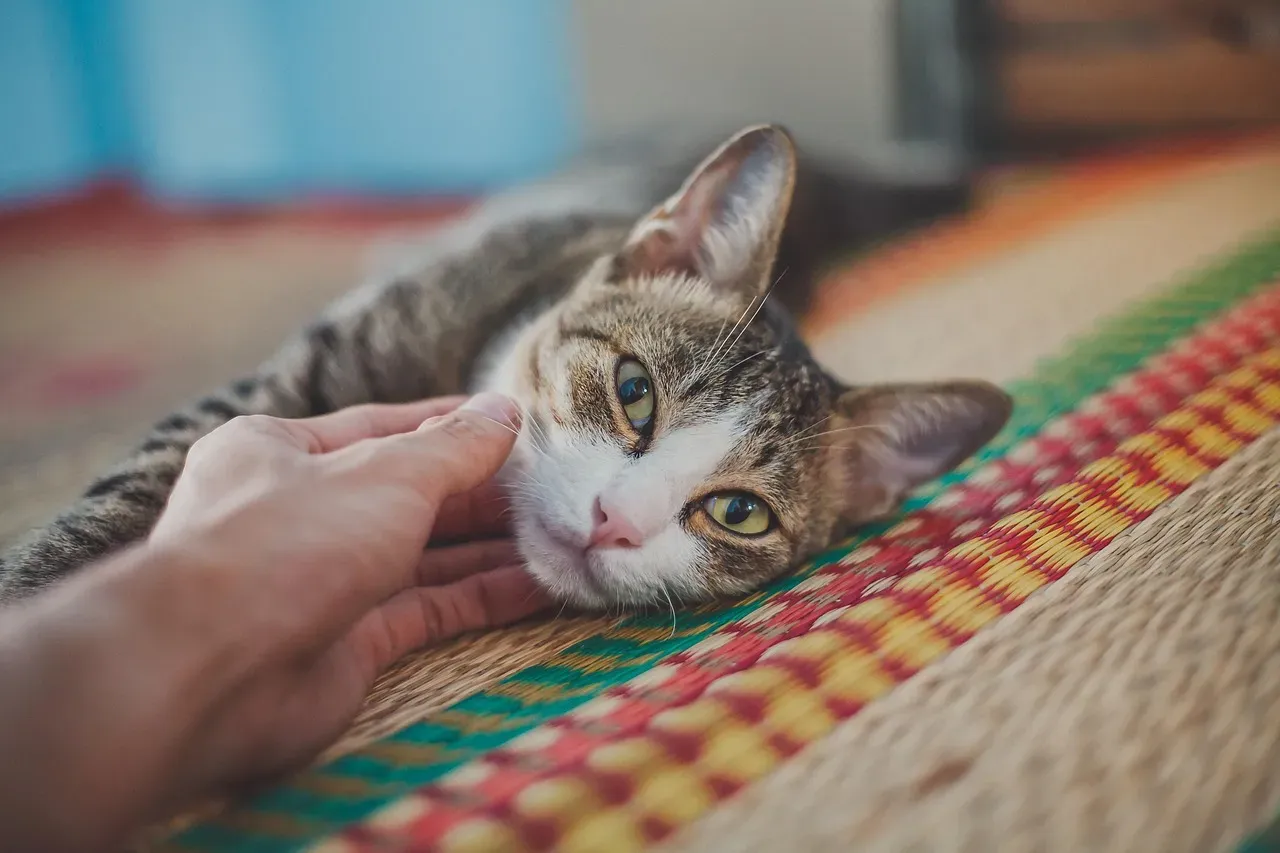
Not every cat is an enthusiastic biscuit maker, and that’s perfectly normal. While kneading is a surefire sign that your cat likes you, if your cat doesn’t knead that doesn’t mean it doesn’t have a bond with you, as there are probably other affiliative behaviors they’re engaging in like purring or rubbing on you or even just sitting next to you. Cats are individuals with their own unique personalities and ways of showing affection.
There are simply many differences between individual cats, and the need to knead or absence of it doesn’t necessarily indicate how they feel about you, although cats with early positive experiences with humans may be more likely to do this. Some cats may have been separated from their mothers too early, while others simply express their love through different behaviors. Your cat might be more of a head-butter or a lap-sitter than a kneader, and that’s equally valid.
Embracing This Sweet Ritual
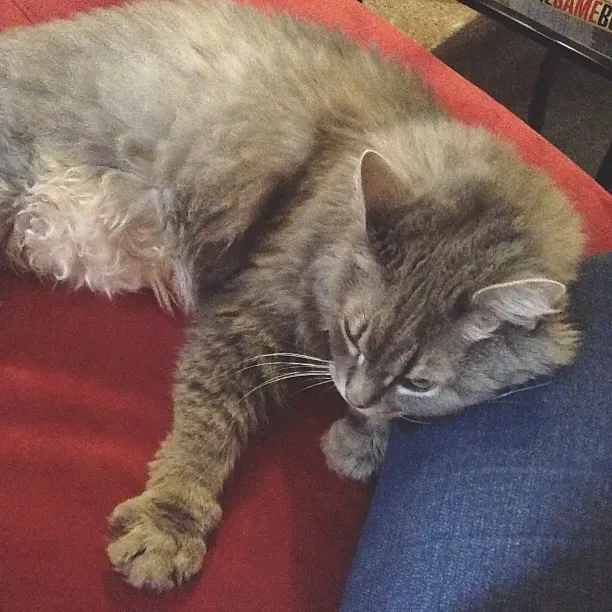
Understanding why your cat kneads you transforms this behavior from a curious quirk into a profound gesture of trust and affection. Kneading is a normal behavior that may be an important part of your cat feeling bonded with you. When those paws start moving in that rhythmic motion, your cat is sharing something deeply instinctual and emotional with you.
You should try not to discourage kneading too much because they’re actually showing you a sign of affection. Making biscuits is believed to be an entirely natural instinct that cats do without conscious thought, so it’s really important not to punish your cat if this happens, as they are showing that they trust you and don’t mean to cause discomfort. Next time your feline friend climbs onto your lap and begins their biscuit-making routine, take a moment to appreciate the ancient instinct and deep emotion behind those pushing paws. What do you think about your cat’s kneading habits now? Do you see it differently?