You’ve seen your cat curled up in that sunny spot by the window, or tucked into a cardboard box that seems impossibly small. Maybe you’ve spent good money on a plush bed only to find your feline friend snoozing on a pile of laundry instead. Here’s the thing: your cat’s idea of comfort runs far deeper than warmth or softness alone.
Understanding what truly makes your cat feel secure, content, and genuinely comfortable requires looking beyond the obvious. It’s about recognizing that cats are creatures shaped by instincts both as predators and prey, and their comfort needs reflect that complex reality. Let’s explore what your cat really craves when it comes to feeling cozy and safe in your shared space.
The Architecture of Security: Why Height Matters More Than You Think

Height plays a crucial role in feline security and comfort, as cats naturally seek elevated positions that allow them to observe their territory while feeling protected. Think about it from your cat’s perspective. When they’re perched high up, they can survey everything happening below without worrying about threats from behind or above.
Vertical space is essential indoor enrichment for cats because in the wild, felines are predators and prey, and they feel more comfortable and confident when they can survey their environment from above. This isn’t just about comfort in the way we humans think of it. It’s about fundamental psychological security. That cat tree or shelf isn’t just furniture to your cat – it’s a watchtower, a safe haven, and a confidence booster all rolled into one.
Hidden Havens: The Paradox of Enclosed Spaces
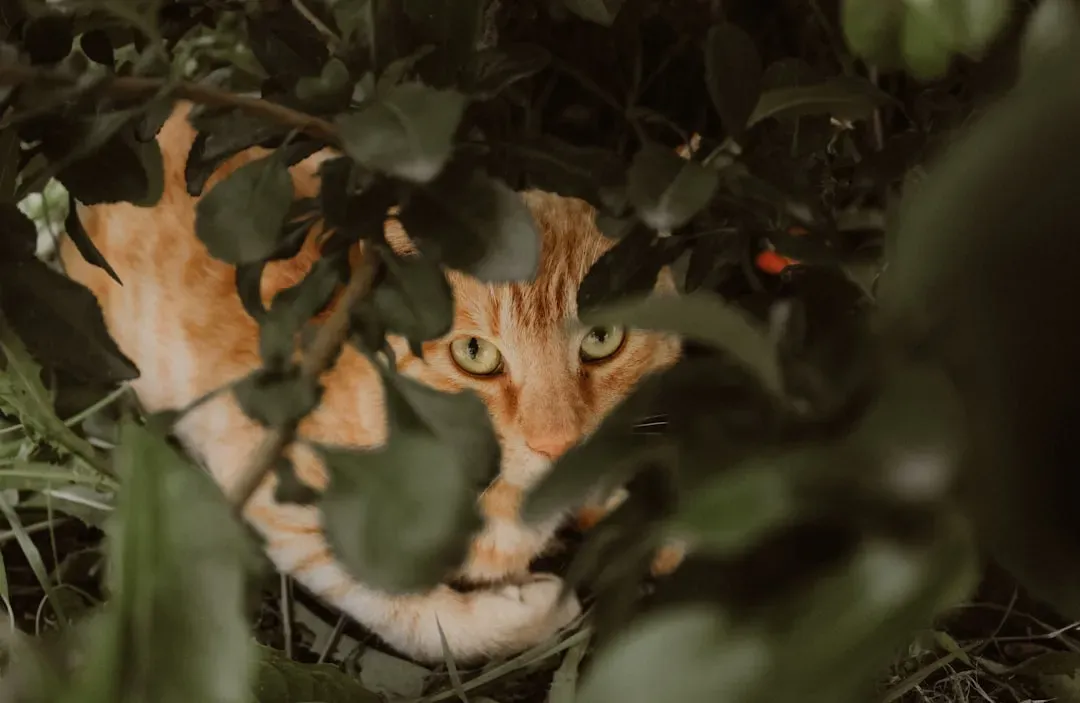
While we might feel claustrophobic in tight spaces, from a cat’s perspective, the best hiding places are the right size for them and enclosed, and cats also like to be high up and have nice places to perch where they can see what’s going on. That cardboard box isn’t just a quirky preference. It’s genuinely comforting.
Hiding places give the cat time to calm down and it’s then they can start to make the choice about when and how to venture out again, and if the cat doesn’t have a place to hide, they’ll be less likely to feel relaxed enough to engage. I think this is something many cat owners miss. Providing hiding spots isn’t about encouraging antisocial behavior. You’re actually giving your cat the tools to manage their own stress and feel confident enough to interact with you on their terms.
Multiple hiding options scattered throughout your home – covered beds, boxes with cut-out entrances, or even cat tunnels – create a network of safe zones. Your cat doesn’t use them because something’s wrong. They use them because everything is right.
The Sensory Landscape: How Cats Actually Experience Their World
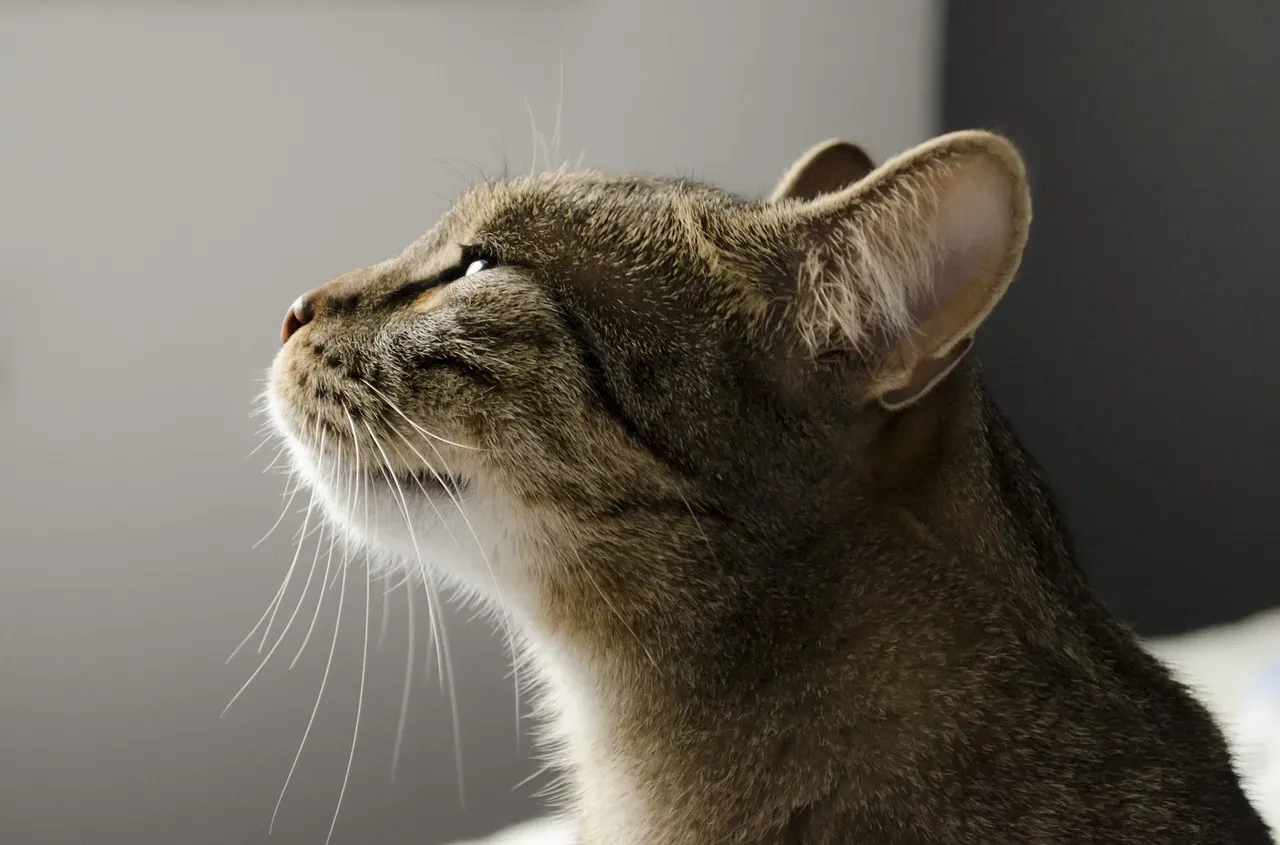
Cats have more than 200 million odor sensors in their noses while humans have just 5 million, and their sense of smell is 14 times better than that of humans. Let that sink in for a moment. Every time you spray that air freshener or light a scented candle, you’re creating an olfactory experience for your cat that’s almost incomprehensibly intense.
Because their sense of smell is so sensitive, it’s important to be aware of things like scented litter, other animal’s smells on you or an unfamiliar scent in your cat’s environment, as these things may upset your feline friend. The comfort you’re trying to create with pleasant scents might actually be overwhelming or distressing to your cat. Sometimes the best gift you can give is simply a scent-neutral environment.
Their hearing is equally remarkable. Cats can hear sounds up to 64,000 Hz, about three times higher than humans. That construction noise you find mildly annoying? Your cat is experiencing it on an entirely different level.
Texture and Touch: The Overlooked Comfort Components
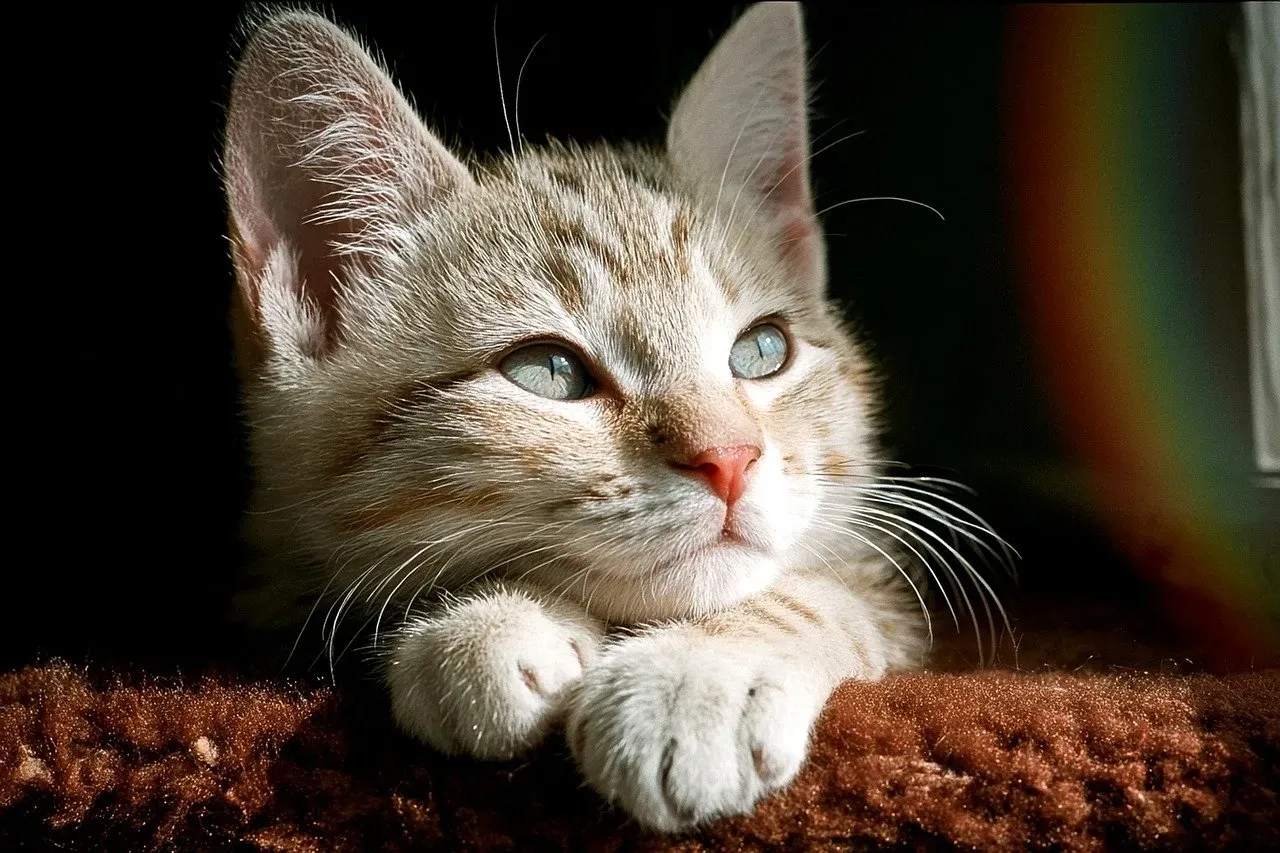
Cats have been shown to prefer materials that maintain a constant temperature, such as straw, shredded paper, shavings, sacks, clothes, wood and polyester fleece. It’s not just about soft versus hard. Temperature regulation plays a surprisingly significant role in what cats find comfortable.
Your cat’s whiskers and paw pads aren’t just cute features. When a cat brushes their whiskers against an object, they learn important information including the object’s temperature and texture, and cats also utilize highly sensitive paw pads covered in nerve receptors that relay information to the brain. Every surface in your home is providing sensory information that contributes to your cat’s overall comfort level.
Think about providing variety: fleece blankets in cool rooms, breathable cotton in sunny spots, sisal for scratching, smooth wood for climbing. Your cat will naturally gravitate toward what feels right for them in that moment.
The Sound of Comfort: Acoustic Environments Matter

Acoustic environments significantly impact overall cat comfort, and creating a peaceful atmosphere doesn’t require complete silence but rather managing sudden or threatening sounds. I know it sounds almost silly to worry about the “soundscape” of your home, but honestly, it makes a real difference.
Background white noise can help mask startling sounds, while maintaining quiet zones provides peaceful retreat options. If you live in a noisy environment – near traffic, construction, or loud neighbors – consider creating at least one room where your cat can escape auditory chaos. A fan, white noise machine, or even soft music designed for cats can help buffer harsh sounds.
Pay attention to your own household noise too. That habit of slamming cabinet doors or playing TV at high volume? Your cat is processing all of it through those incredibly sensitive ears.
Territory and Resources: Strategic Placement Matters
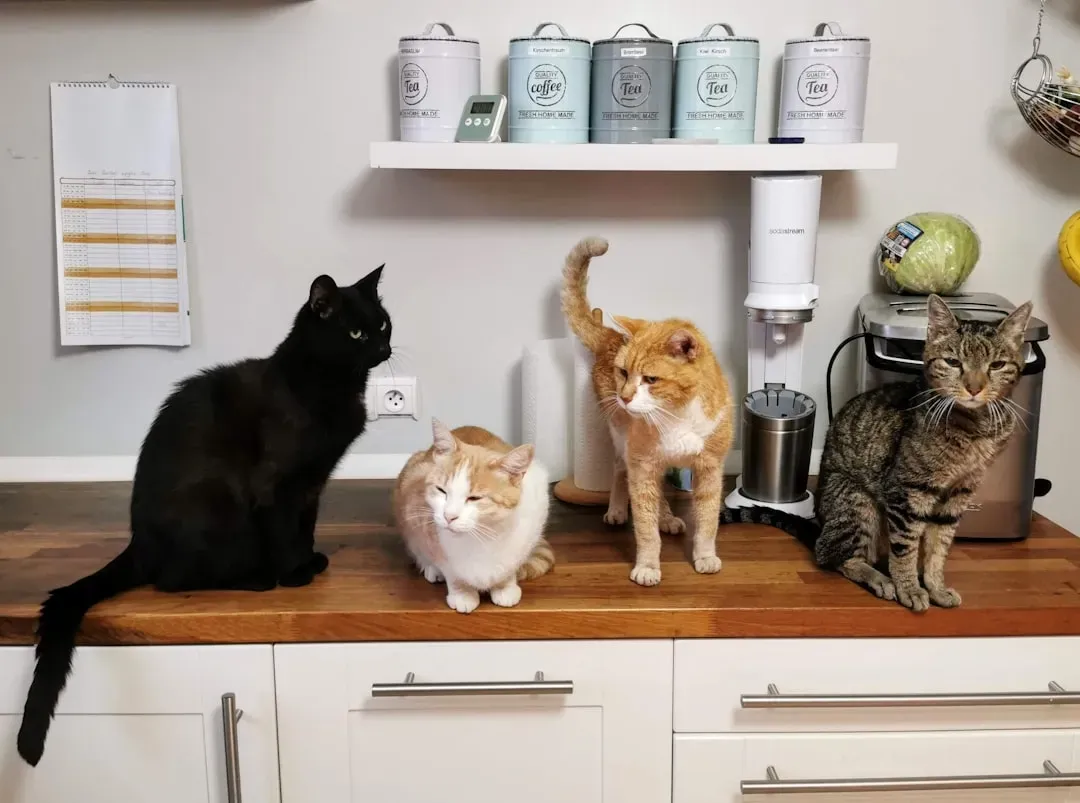
Positioning feeding stations away from busy areas allows cats to eat without feeling vulnerable, and multiple water sources ensure they can stay hydrated without venturing far from their comfort zones, with strategic placement of these resources throughout your home helping maintain consistent cat comfort throughout the day.
Here’s something many well-meaning cat owners get wrong: clustering everything together. We think we’re being helpful by creating a “cat station” with food, water, and litter box all in one spot. From your cat’s perspective, this is deeply uncomfortable. In general, cats prefer clumping litter with sand-like texture in large uncovered boxes placed in quiet, easily accessible locations in their core area, and there should be at least one litterbox per cat, but having one more litterbox than the number of cats in the household is ideal.
Separation of key resources isn’t just preference – it’s about respecting your cat’s natural behaviors and reducing stress.
The Warmth Factor: More Than Just Cozy Feelings
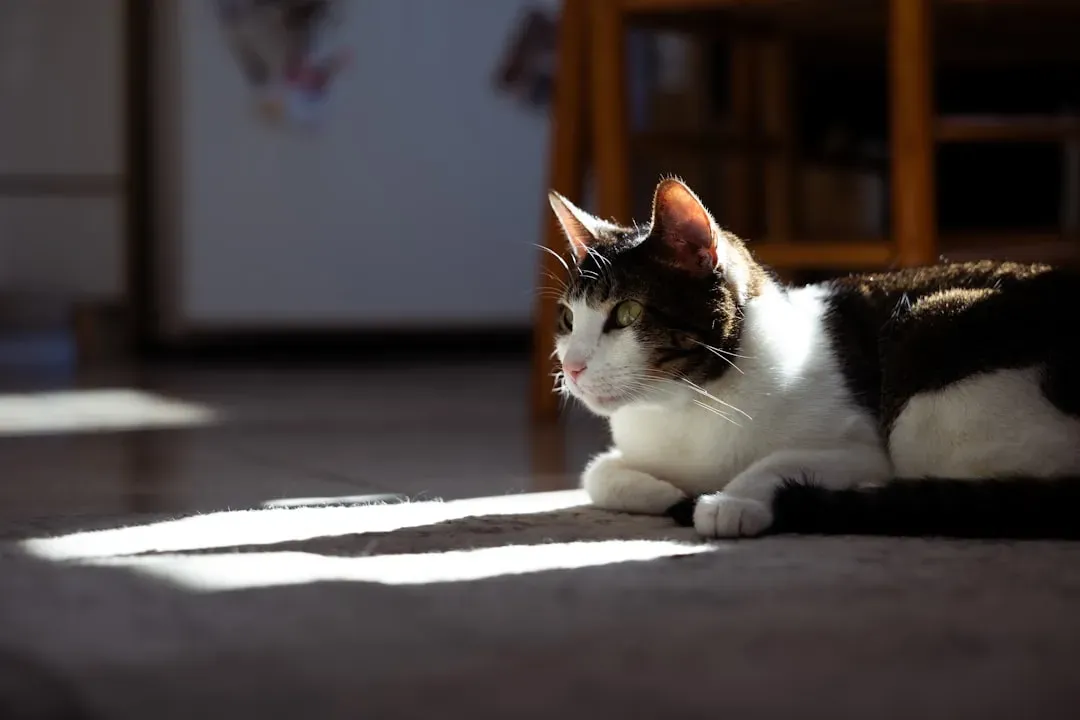
Yes, cats love warmth, but the reasons go beyond simple pleasure. Cats are natural heat-seekers, often gravitating toward warm spots like sunny windowsills, areas near heaters, or heated beds, and their preference for warmth stems from their desert-dwelling ancestors and helps them conserve energy by maintaining optimal body temperature.
When your cat seeks out that patch of sunlight or curls up near the radiator, they’re actually engaging in energy-efficient thermoregulation. Cats love to bask in warmth – think of those sun-soaked naps they’re so fond of – and a snug space can help retain their body heat, making it the perfect spot for a comfortable snooze.
During colder months, consider providing multiple warm spots: heated beds, fleece blankets, or simply ensuring sunny spots are accessible throughout the day. Small adjustments in where you place their favorite resting spots can make a big difference.
Scent, Familiarity, and the Comfort of Routine
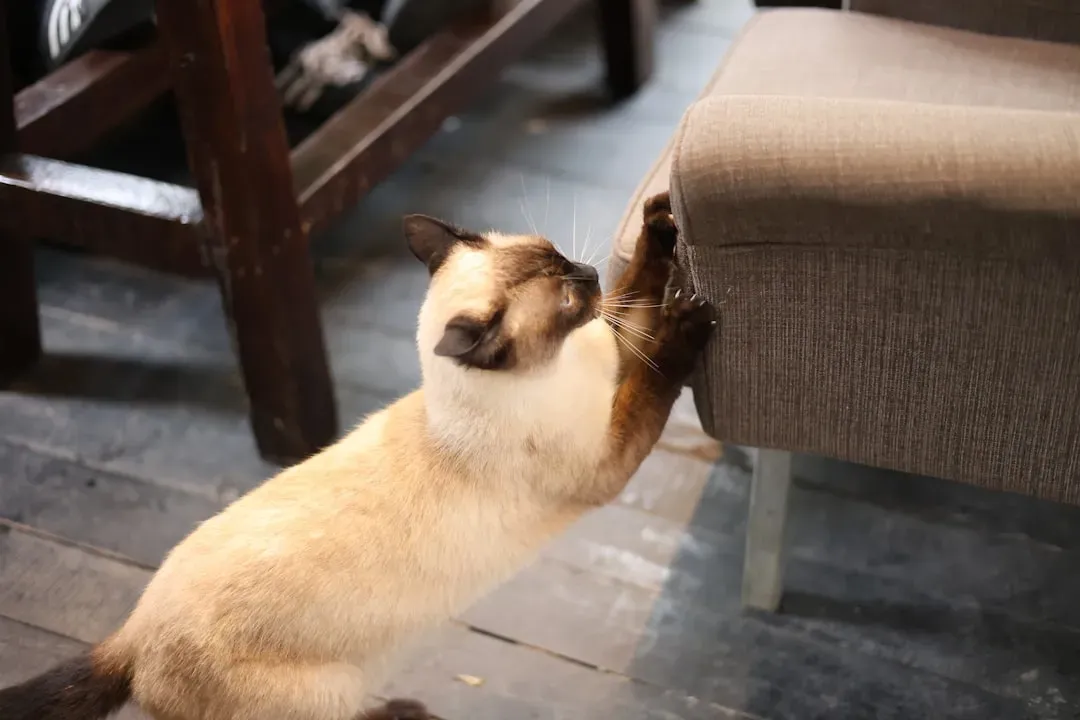
Soft bedding, as well as familiar smells and sounds, provides security for your cat, and face-rubbing and scratching surfaces leaves your cat’s scent, marking the territory with a personal touch, so be sure to supply plenty of scratching posts. When your cat rubs against furniture or scratches specific posts, they’re not being destructive. They’re creating an olfactory map that says “this is safe, this is mine.”
Cats prefer a familiar territory in which they have an awareness of their physical and social environment, and this sense of control makes the cat feel comfortable and reduces stress. Predictability isn’t boring to cats – it’s deeply comforting. Even positive changes can be stressful if introduced too quickly.
When you must make changes, do it gradually. Let your cat investigate new furniture or rearrangements at their own pace. Leave those favorite scratching posts in place even when they look tatty, because they’re saturated with your cat’s own comforting scent.
The Social Dimension: Respecting Boundaries While Offering Connection

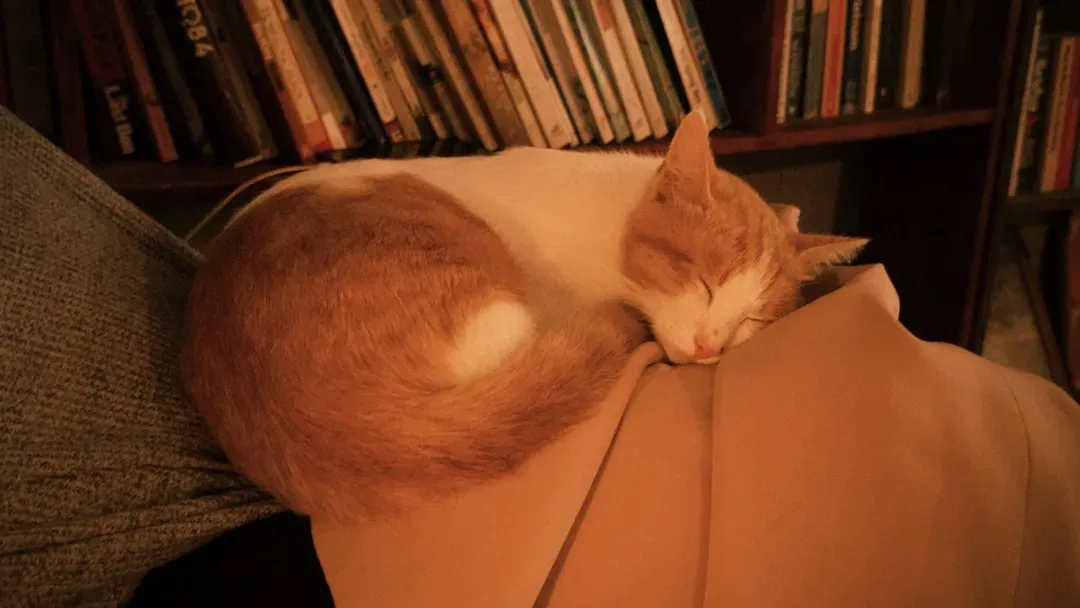
Your bed, sofa, and favorite armchair often become prime cozy resting spots for cats, and when cats choose to sleep on human furniture, they’re seeking proximity to their favorite people while enjoying the softness and familiar scents, with cats sleeping on beds often choosing specific locations that reflect different aspects of your cat’s personality.
The comfort isn’t just physical. It’s social and emotional. When your cat chooses to sleep near you – on your chest, at your feet, or curled against your side – they’re telling you they feel safe with you. That’s a different kind of comfort than a heated bed can provide.
On average, cats displayed a lower frequency of stress-related behaviors when the owner was present, providing support for the presence of the Secure Base Effect. Your very presence serves as a comfort to many cats, though they may not show it in obvious ways. Let’s be real, cats aren’t dogs who wear their hearts on their sleeves. Their way of showing trust is often much more subtle – a slow blink, choosing to sit in the same room, or that gentle headbutt when you’re working.
Play, Predation, and Mental Comfort
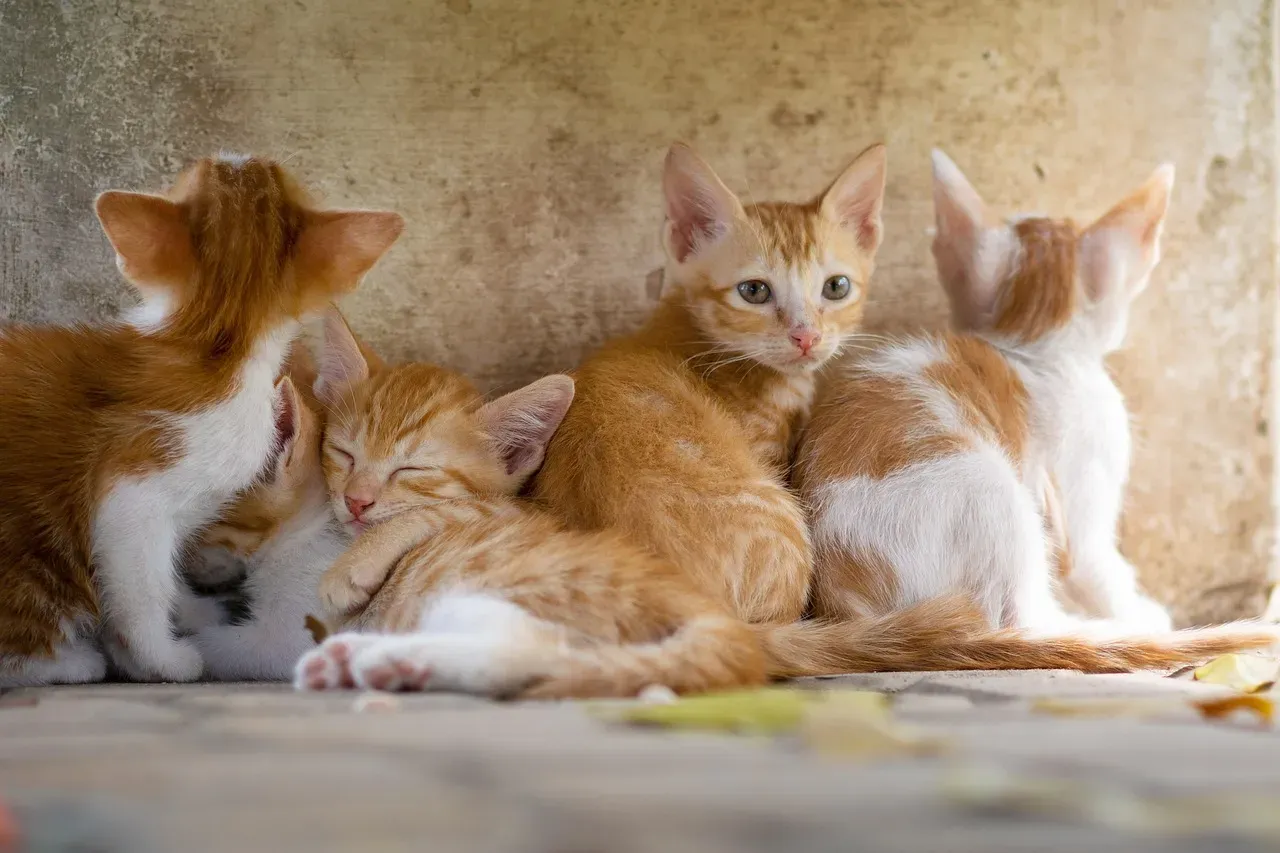
Physical comfort isn’t everything. Provide daily interactive playtime for your cat, figure out what toy your cat prefers and entice them to run and jump which will get their blood flowing, and daily play sessions are also important for your cat’s mental and physical well-being. Mental stimulation and the opportunity to express natural hunting behaviors contribute enormously to your cat’s overall sense of wellbeing.
Cats need to express natural behaviors, such as stalking, chasing, pouncing, and manipulating their prey, to achieve physical and mental health, and without adequate mental and physical exercise, cats gain weight, and may over groom and self-mutilate.
A comfortable cat isn’t just physically relaxed – they’re mentally satisfied. Puzzle feeders, rotating toys, and daily hunting-style play sessions aren’t luxuries. They’re fundamental to creating an environment where your cat can truly thrive. Think of it this way: a cat who can’t express natural behaviors is like a person stuck in a waiting room forever – technically safe, but deeply unfulfilled.
Recognizing Individual Preferences: Your Cat’s Unique Comfort Profile
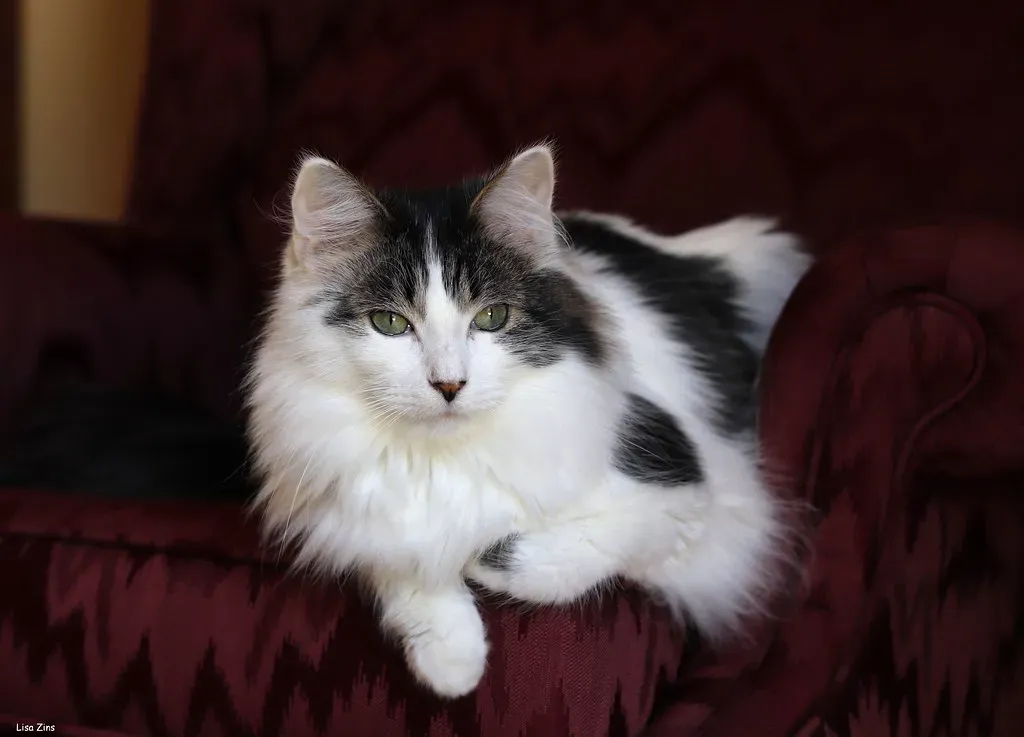
Individual cats express and seek comfort differently, so take time to observe your pet’s preferences and adjust their environment accordingly. There’s no one-size-fits-all solution. Some cats crave enclosed spaces while others prefer open perches. Some are heat-seekers who can’t get enough sun, while others prefer cooler spots.
Pay attention to where your cat naturally gravitates. Do they prefer your bed or the couch? High perches or floor-level hideaways? Soft fleece or cool tile? These preferences tell you exactly what comfort means to your specific cat. What works for your friend’s cat or what the internet says might be completely wrong for your particular feline.
Try this: for one week, simply observe without changing anything. Notice where your cat spends the most time, when they seem most relaxed, and which spots they avoid. You’ll likely discover patterns you never noticed before.
Bringing It All Together: Creating a Truly Comfortable Home
True feline comfort is multidimensional. It’s the right physical spaces – elevated perches, cozy hideaways, and appropriate scratching surfaces. It’s a sensory environment that respects their heightened senses – managing sounds, scents, and textures. It’s resources placed thoughtfully around the home, not clustered together. It’s warmth when they need it, coolness when they want it, and always the freedom to choose.
A cat’s comfort level with its environment is directly linked to physical and emotional health, so it is critical that we meet a cat’s environmental needs making environmental enrichment a necessary step for feline wellbeing. When you truly understand what comfort means from your cat’s perspective, you realize it’s about creating an environment where they feel safe, in control, and able to express their natural behaviors.
Your efforts to provide this kind of comprehensive comfort don’t just make your cat’s life better. They strengthen the bond between you, reduce stress-related health issues, and create a home where your cat genuinely thrives rather than just survives. Did you notice how your cat’s behavior changed after you made those small adjustments? What surprised you most about your cat’s comfort preferences?

Hi, I’m Andrew, and I come from India. Experienced content specialist with a passion for writing. My forte includes health and wellness, Travel, Animals, and Nature. A nature nomad, I am obsessed with mountains and love high-altitude trekking. I have been on several Himalayan treks in India including the Everest Base Camp in Nepal, a profound experience.